essays
12 Things I Noticed While Reading Every Short Story Published in 2014–15
This article is free to read. So is every article Electric Literature publishes. No limits, no paywalls—now or ever. But we rely on your support to keep it that way.
We need to raise $35,000 by April 15 to keep the lights on, and time is running out.
Help us reach the next milestone—$15,000—by donating now.
—————
At the end of an unlit dead-end corridor in the basement of Calhoun Hall on the University of Texas at Austin campus stands an unmarked door. Behind it are hundreds of literary magazines, journals, and printed-out pages from online publications. This is the O. Henry Prize Stories office. (See the list of 2016 awardees here.)
The O. Henry Prize Stories is an annual anthology of twenty of the best short stories published the previous year. Magazine editors submit their issues by mail. The stories are chosen by Laura Furman, professor emeritus at UT, a novelist and short story writer who’s been the series editor since 2003.
Part of my job as editorial assistant, a position held by one or two MFA students each year, was to carry plastic vats of magazines from the mailroom on the third floor down to the basement, open the packaging, and shelve them. The next step was to read them. If a story struck a chord, I photocopied it and showed it to Laura (who did her own share of reading independently). I did this every week for ten months: haul, open, read, copy, discuss. It was often exhausting and occasionally exhilarating – the exhilaration coming in those moments when a story popped out and grabbed my hand and didn’t let go til I was in tears and I emailed Laura and said “You have to read this right now.” My arms got strong. I read newly hatched magazines and ones celebrating their centennial and erotic ones and ones stapled by hand and ones from prisons and hardcover ones with CDs inside. I read them all. Whether this made me a better reader or writer or editor, I’m not sure. But in the interest of sharing information, here’s an incomplete list of patterns I noticed and feelings I felt during that year.
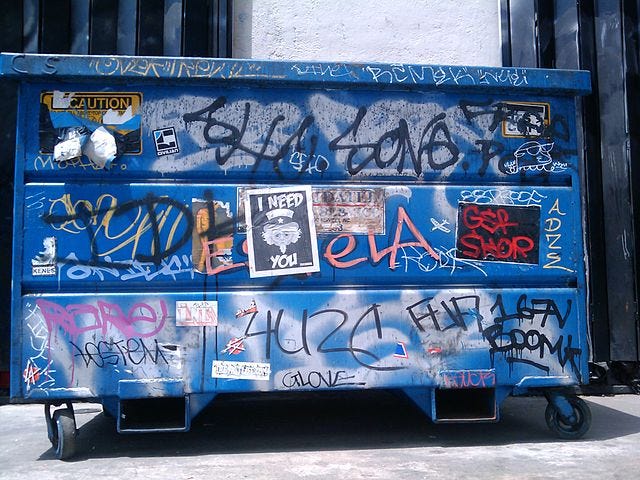
1. Dumpsters were invoked in stories with surprising frequency. Why so many Dumpsters? Is it because Dumpster is funny to say? We’ll never know. Most editors chose to capitalize Dumpster; a few renegades did not.
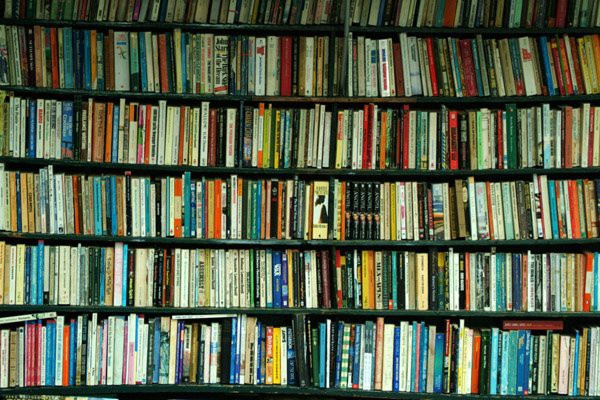
2. Literary magazines are not withering; they are flourishing. They are innovating. They are having a goddamn blast. Literary journals last year published sheet music and comics and puzzles; one had a coloring book section. There were online magazines and magazines that played with social media and interactivity. The print magazines came in different trim sizes and shapes and textures and colors and brought a beauty and energy to that windowless basement office that made me excited to walk in.

3. There was a disconcerting number of stories by white male writers set at family lake houses, in which someone, usually a young girl, drowns. The surviving characters spend the remaining 2–3 pages feeling sad and fighting, usually with Dad.
4. Elizabeth McCracken has pointed out that in short stories, all too often “the beer’s warm and the coffee’s cold.” She’s right. Stop that, guys.
5. There are a lot of incredible, imaginative, perceptive, breathtakingly talented writers you’ve never heard of – yet – publishing in small literary magazines. Sometimes their bios read, “this is so-and-so’s first publication.”
6. An inordinate number of opening sentences contained comma splices. Elena Ferrante (and her translator, Ann Goldstein) can pull off comma splices. Most of the rest of us cannot.
7. A lot of competent, forgettable stories get published. The technical term is “boring.” Boring in terms of what happens (or doesn’t) in the story, and/or the use of language, and/or the lack of insight. Are these the so-called “workshop stories” everyone is so worried about? I don’t know. Boring stories can happen to anyone. Ask a trusted friend if your story is boring before you submit. Better yet, ask an enemy.

8. A majority of the stories that made the final cut were ones about which we could say, “I’ve never read anything like this before.” The others, if there was something familiar about them, were masterful in their execution. I mean masterful. And all of the stories we loved faced emotion head-on, without irony; they had heart.
9. Extremely long titles that are sentences are still Very Much A Thing.
10. It’s hard to write a compelling, original piece of fiction based on a real experience of doing drugs with your friends. Maybe impossible. Let’s go with impossible.
11. Most writers didn’t shy away from pop culture references. Personally, I liked this, though by some wisdom, this is a bad idea because it gets in the way of literature being “timeless.” The ones that did take pains to avoid proper names (“popular video-sharing website” instead of “YouTube,” say) were awkward to read. Give me “Dumpster” over “large rectangular metal trash bin” any day.
12. This is obvious, but WOW, a ton of people are writing short stories! And a ton of magazines are devoted to publishing them. Which means there are people willing to read and select and edit them and there are universities and private entities and donors willing to fund their publication. For a form whose death is continually prophesied, the story is doing pretty damn well.