Reading Lists
7 Books About Queer and Trans Lives on the Prairies
These are stories of hiding, surviving, and loving in the harsh flatlands of central Canada
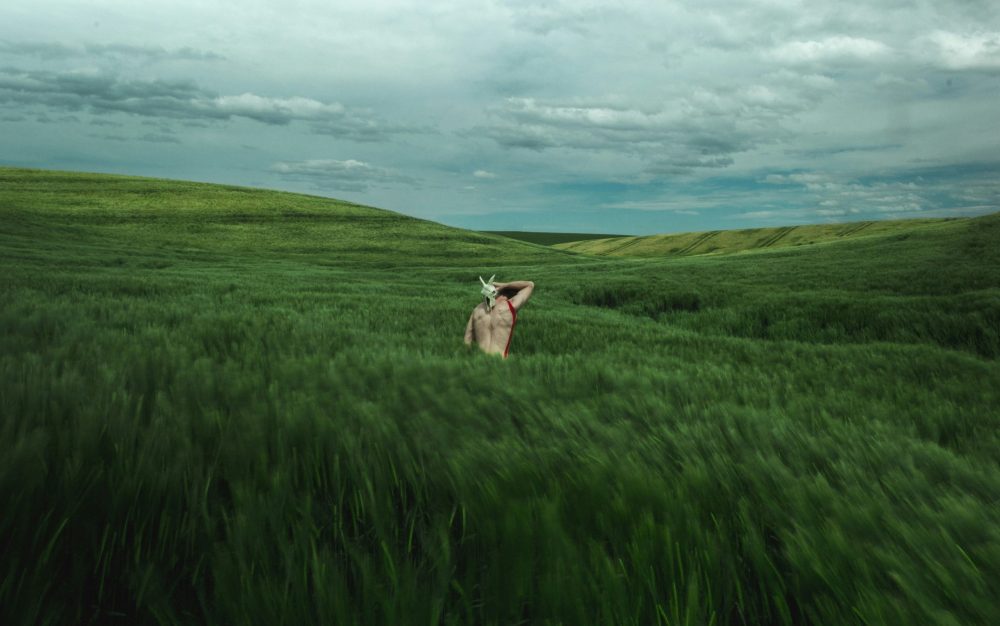
Queer and trans people have always existed on the prairies, among First Nations prior to European colonization and among the tapestry of nations that call the prairies home today. In Canada, the prairies stretch from east of the Rocky Mountains in Alberta, through the grasslands of Saskatchewan, and past the rivers and lakes of Manitoba. The land where we reside is mostly flat, our winters harsh and summers sometimes harsher as forest fires and floods become an increasing danger. It can feel as though there is nowhere to hide amidst the terrain that surrounds us, and yet many of us hide out of necessity, out of survival. In doing so, we rely on each other.
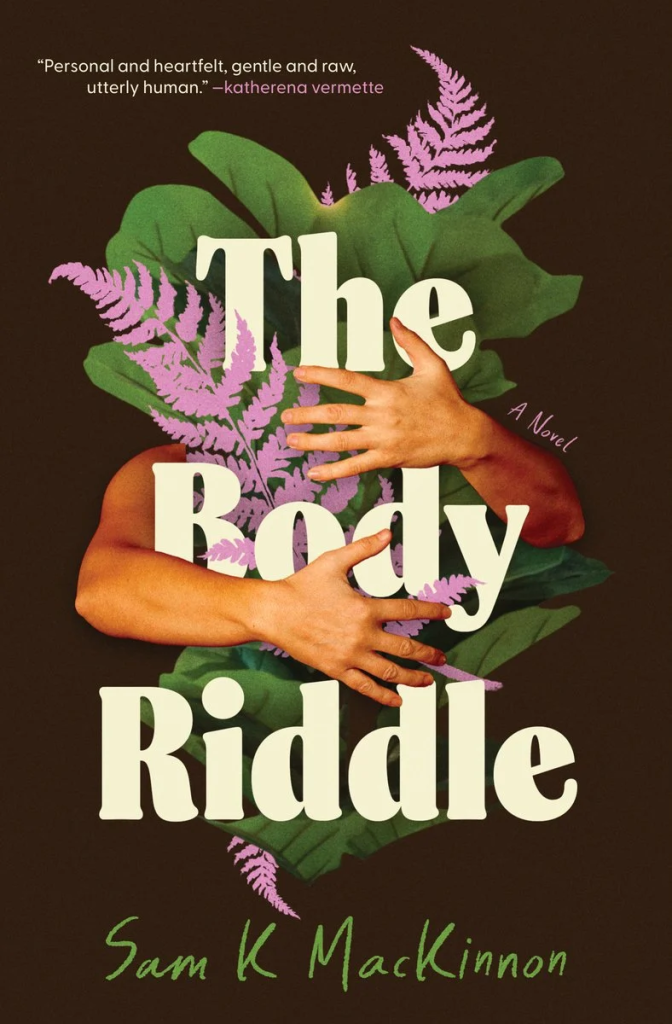
The characters in my book, The Body Riddle, grapple with isolation and connection, and what it means to build a chosen family in Winnipeg, a prairie city of over 850,000 residents situated in the longitudinal middle of Canada. The protagonist, Lex, changes in tandem with Winnipeg’s weather. The story opens in winter, when everything feels unbearable, only to move through spring and summer, where Lex begins to hope, and eventually savor, the world around them. I wove specific Winnipeg experiences like the Winnipeg Folk Festival through Lex’s story, where, for Lex, the mind-bend of heat and music and throngs of people leads to dizzy experiences and questionable decisions.
The below books examine what it means for queer and trans people to weather coming of age, falling in love, finding and losing family and community, all on the Canadian prairies. They challenge the notion that community can only be found in cities, they search for hope amidst hardship, and they celebrate the magic of queer joy.
Jonny Appleseed by Joshua Whitehead
Jonny is living in Winnipeg and saving up money from cybersex work to return to the rez for his step-father’s funeral in seven day’s time. The book moves fluidly through time following Johnny’s reflections on his life and growing up on the rez as a young gay boy. As he unravels his past, Jonny weaves a narrative of desire, kinship, hope, and place. He reminisces about his beloved kokum, her humour, her lessons and stories. A bath brings thoughts of his relationship to water, the nearby Red River and the Peguis rapids he had sat on the banks of as a child and imagined life as a crawfish. He gravitates toward Tias, a childhood friend and lover who loves and understands Jonny deeply, and is also in love with a woman. Jonny is endearing, heartfelt, and deeply human.
Little Fish by Casey Plett
Wendy is a trans woman living in Winnipeg who, upon her grandmother’s death, hears news that suggests her grandfather might have been trans. Questioning her family of origin and the Mennonite culture she grew up with, Wendy navigates obstacle after obstacle during the frigid Winnipeg winter: The gift shop where she works is closing, and her future income uncertain, she returns to sex work; her friend Sophie goes missing; she and her roommate are about to be evicted. Wendy finds solace in alcohol and in a group of trans women who care for each other when the rest of the world doesn’t. Little Fish is dark—through both long winter nights and tragic circumstances, but its story is honest, and engenders hope through the power of community.
Wonder World by K.R. Byggdin
27-year-old Issac Funk was excommunicated from the fictional town of Newfield, Manitoba when his father caught him kissing a boy at his high school graduation. But when he gets word he’s slated to inherit his grandfather’s farm—but must stay at the farm for six months to receive it—Isaac returns to the place that once rejected him. While staying with his emotionally distant father, Abe, Isaac begins reckoning with the difficult memories of his youth and how they shaped the person he is today. To his surprise, Isaac realizes things have changed in Newfield, people included. Not all those from his past are who he once thought they were. The longer Issac spends in Newfield, the more he realizes there could be a place for people like him in this small prairie town—but it’s up to him to create it.
Disintegrate/Dissociate by Arielle Twist
Arielle Twist’s poems tackle sexuality with unflinching honesty. In the poem “Dear White, Cis Men,” Twist examines both her desirability to and desire for white cis men from her perspective as an Indigenous trans woman, noting the thin line between validation and violence. Examining the ongoing effects of colonization on the body and the poet’s sense of home, “Prairie Beneficiary” is a brief but powerful poem, and “Is This My Home?” questions where home truly lies for the poet, pairing childlike wonder in the “never-ending fields of flowers and grass” and moments of youthful freedom, with pain and violence while growing up in the intersection of queerness and Indigeneity.
Scientific Marvel by Chimwemwe Undi
With razor-sharp precision and an inviting sensibility, Undi’s poems examine Winnipeg in all its contradictions, with poems navigating love, despair, desire, and injustice. A standout poem is “Ode to 200 from Each of my Tits,” a glittery, love-filled ode to dancing and togetherness at Winnipeg’s longest standing queer bar, Club 200. The poem “Girls Who” examines the narrator’s complex feelings towards other girls, from high school hallways to queer clubs, how awe, fear, and desire can sometimes be isolating, other times invigorating. “Auto-Epithalamium” tells the story of a new and deepening romance with memorable, intimate lines, like “I am glad to be the thing under your finger.”

Pressure Cooker Love Bomb by Sharanpal Ruprai
Playful and enticing, Sharanpal Ruprai’s poems in Pressure Cooker Love Bomb turn cooking into a sensual act. Family history and recipes are intertwined, morality rules are given but silently questioned. Full of cheeky “loopholes” to these rules, like “nobody said anything about gender,” Ruprai examines Sikh marriage customs and how they might apply—or not apply—to the poet herself. In “pride march,” Ruprai paints a joyful scene of queer South Asian love at a pride march, lovers walking “in the middle of the road” and taking up space. Some poems reflect back to childhood, to when role-playing a Bollywood movie at a sleepover led to a first kiss. Other poems are situated in the present, delighting in the magic of the poet’s “love bombs” and tabla escapades. All the while, Winnipeg is a background pulse: “learn how to survive in place / is the only option for us on the prairies.”
High School by Sara Quin and Tegan Quin
The indie rock/pop duo Tegan and Sara, twin sisters from Calgary, Alberta, narrate their teenage years in alternating chapters in the memoir High School. Their individual discoveries of their queerness happen alongside each other, though they initially keep their identities secret from one another. Their growing love for making music is a constant thread as the twins navigate drugs, sexuality, and friendship drama, with their deep connection as sisters and twins holding them together. This memoir tells the story of the start of Tegan and Sara the band, but it is also a mid-90s queer coming of age story filled with nostalgia.