Reading Lists
Electric Literature’s Most Popular Articles of 2025
The writing that comforted readers and confronted chaos this year
This article is free to read. So is every article Electric Literature publishes. No limits, no paywalls—now or ever. But we rely on your support to keep it that way.
We need to raise $35,000 by April 15 to keep the lights on, and time is running out.
Help us reach the next milestone—$15,000—by donating now.
—————
There’s a specific vertigo to reflecting on the past year at the tail end of December. It’s an annual feeling, but 2025 is the first year that brings the phrase “free fall” to mind. I won’t count all the large upheavals everyone knows about nor enumerate the small private ones that each of us has. Instead, I want to reflect on our bounty, on the cornucopia of thoughtful, provocative, funny, morose, angry, dark, erudite, and compassionate articles that have populated EL’s digital pages. In a year of chaos, we’ve had a bumper crop of powerful writing that runs the gamut from Peter Orner’s diving into the craft of writing his marvelous, latest novel (with yours truly) to our most popular essay of the year, Susannah Nevison’s incisive dissection of Baywatch and the ableist tropes that continue to haunt our culture. Perhaps I’m not the only one haunted by thoughts of “free fall”—our most popular reading list is of pre-apocalypse novels.
I also find myself taking a moment, and ask that everyone take a moment with me, to reflect on the tragic passing of EL’s deputy editor Jo Lou. For over eight years, she cultivated a style of book coverage that built bonds of mutual love and respect for the craft of writing and publishing, bonds that continue to run through our community today. Jo was a bright spot in the publishing world, a person who made time to support writers on and off the page, who mentored countless interns, talked to students, and embodied what it means to be a literary citizen. She is greatly missed. It’s fitting that Jo’s Literary Crossword for Book People, her playful ode to all the people who build their lives around their love of books, is one of EL’s most popular articles this year. Take a moment to play it and remember Jo with us.
For all its hardship, 2025 is a year that’s shown me the value of coming together. In these late December days, I’m thinking of family, of friends, of the stories that we’ve told each other this year, and the ones we will tell each other next year. Judging by the outpouring of support EL has received this year, you all feel it too. We need community, we need to applaud ourselves for what we’ve accomplished, and we need to gather energy for what’s to come. There’s no better way to take stock and celebrate the life that we’ve lived these 365 days than to sink into EL’s best articles of the year. I mean it. Enjoy. I look forward to all the stories we’ll be telling together in the new year.
– Willem Marx
Assistant Editor
Interviews
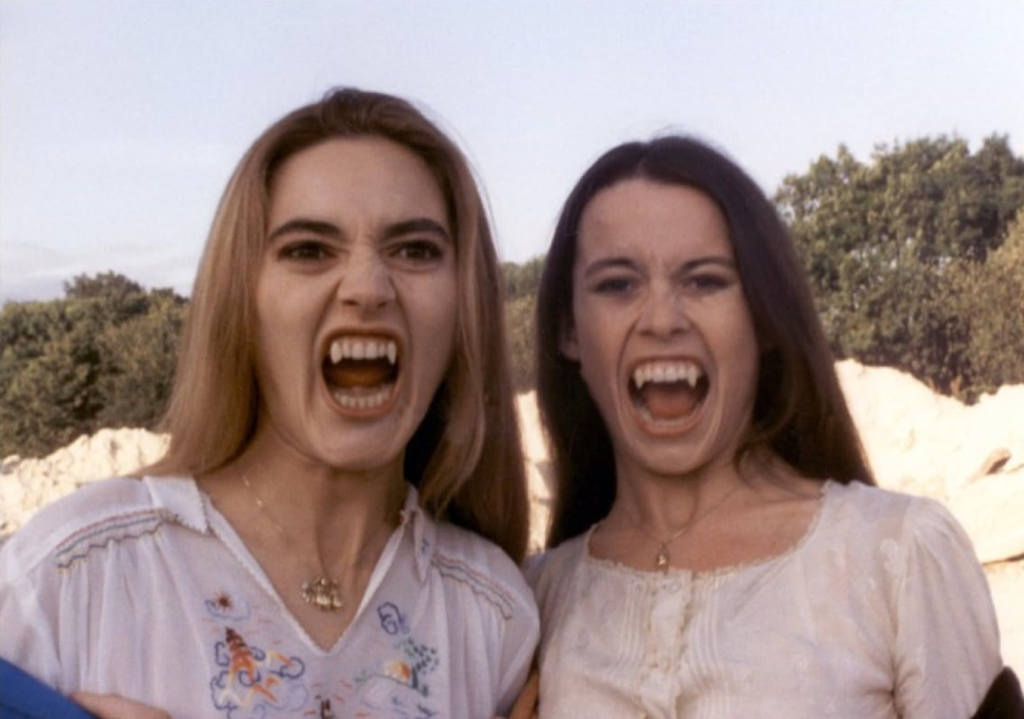
Vampires Wreaking Havoc on a Queer Cruise by Chelsea G. Summers
In this pithy interview, Lindsay Merbaum goes deep into the lore of Vampires at Sea, described by Chelsea G. Summers as a “smutty, funny, quirky” novella. Merbaum and Summers discuss the terrifying nature of cruise ships and the process of developing a fresh take on the queer vampire. Read this piece to prepare for the impending vampire renaissance.

A Poetry Collection That Imagines a World Beyond Empire by A.D. Lauren-Abunassar
According to A.D. Lauren-Abunassar, Marissa Davis’ End of Empire serves as a guidebook across physical and metaphorical spaces. Davis utilizes her poetry to take readers “between the spiritual and the domestic, the doomed and the daring, the earth and the ether.” Lauren-Abunassar and Davis discuss the possibility of new beginnings in this interview that will inspire poets to write toward change.
Writing the Story You’ve Sat on for Fifteen Years by Willem Marx
Willem Marx sits down with Peter Orner in this in-depth interview to discuss The Gossip Columnist’s Daughter, Orner’s newest novel. Orner reflects on his sprawling career while offering valuable perspectives and advice on writing. Find Orner’s 2013 story, “At the Fairmont” in Recommended Reading.
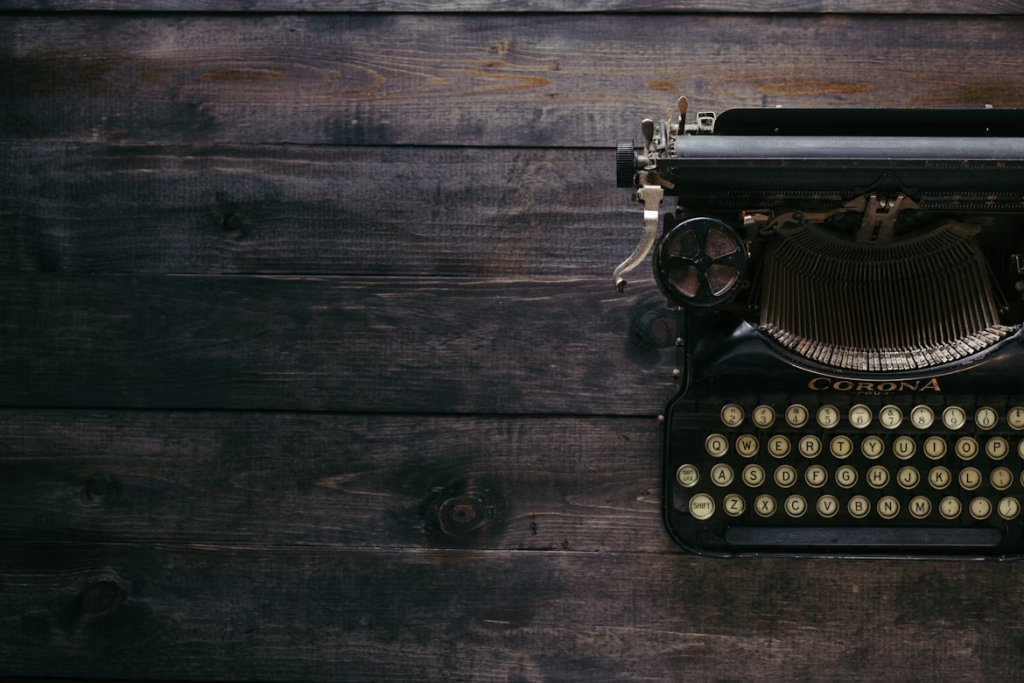
It’s the Writer’s Job To Say Something True by Emma Copley Eisenberg
Laura van den Berg, Katya Apekina, Gabriella Burnham, Emma Copley Eisenberg, Julia Phillips, and Priyanka Mattoo talk about their lives as writers in this jam-packed roundtable discussion. Reflecting on the experiences of publishing their most recent books, the authors touch on money, writing during quarantine, and the mechanisms of storytelling.
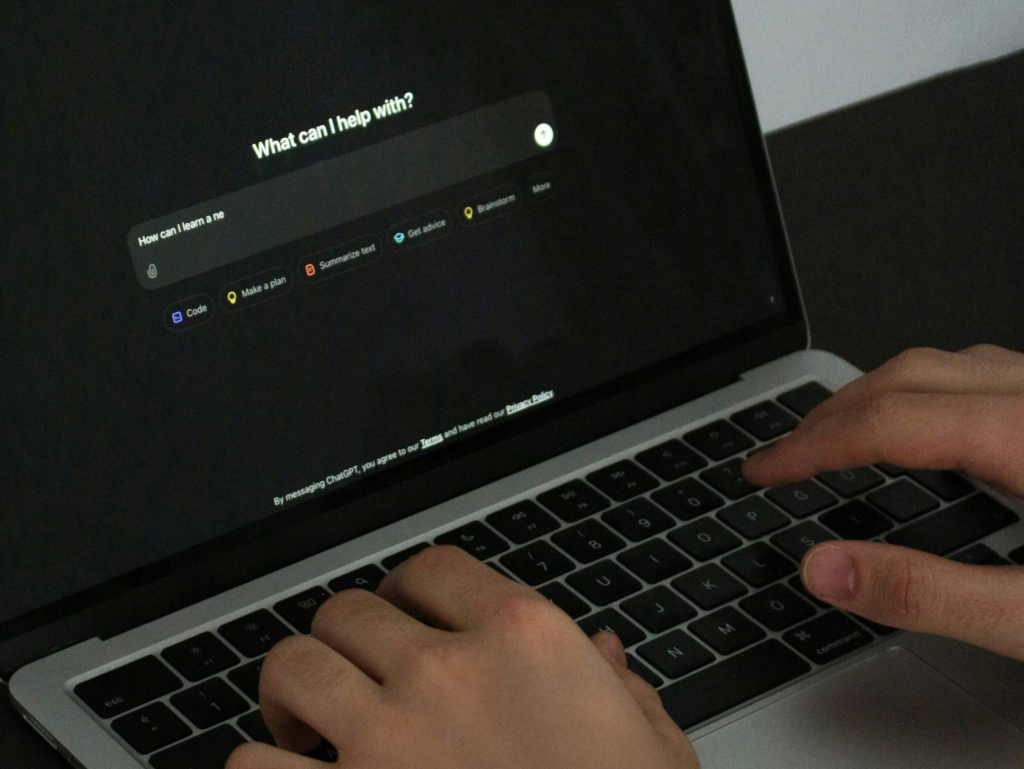
Why Vauhini Vara Used ChatGPT to Write a Book About Big Tech and Herself by Anu Khosla
In this terrifyingly relevant interview, Vauhini Vara discusses the Internet, tensions surrounding Artificial Intelligence, and questions regarding authorship. Vara delves into the process of writing Searches, her “book-length work of inventive nonfiction” that leads readers into and through the depths of technology. This interview is a must-read for those with questions about the ethics of ChatGPT and writing in today’s world.
Reading Lists

8 Pre-Apocalypse Novels by Alex Foster
While there’s a bounty of post-apocalyptic fiction, fewer books contend with worlds on the eve of collapse. As Circular Motion author Alex Foster writes, “What do we make of the dread, doom, and occasional excitement of living in anticipation of catastrophe?” These eight novels get to the root of that question.
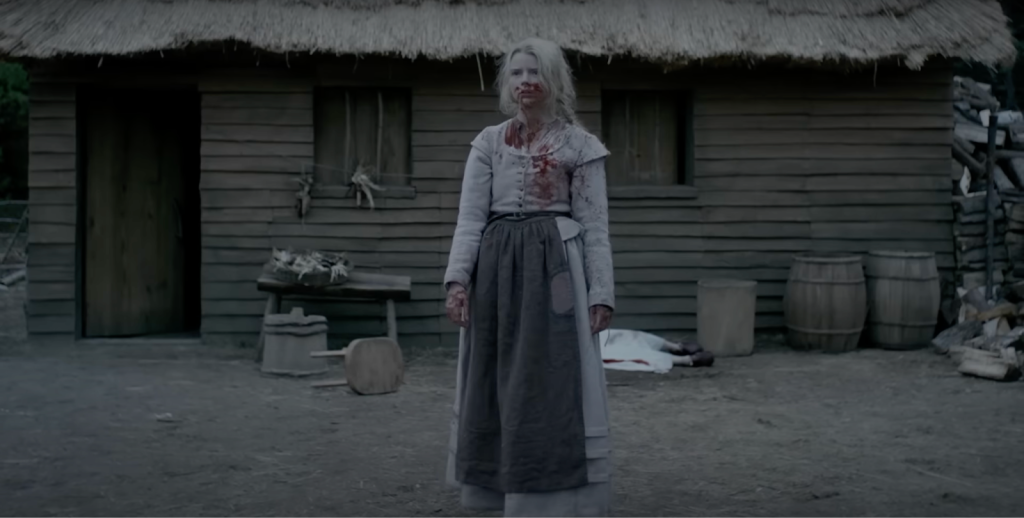
8 Folklore-Inspired Horror Novels That Will Make Your Skin Crawl by Daphne Fama
It’s easy to forget that many horror tropes are rooted in a history of misogyny and colonial violence. House of Monstrous Women author Daphne Fama doesn’t shy away from this truth; instead, she points us in the direction of folklore-inspired books that unsettle without obscuring, that chill us by revealing the reality that resides behind mythology.

7 Books That Break the Confines of Plot by Issa Quincy
“This book has no plot” is a well-worn critique of experimental literature, and Absence author Issa Quincy has had enough of it. Quincy aptly assesses that this critique disregards the potential of unconventional storytelling, and points us to 7 innovative books that illustrate its merit.
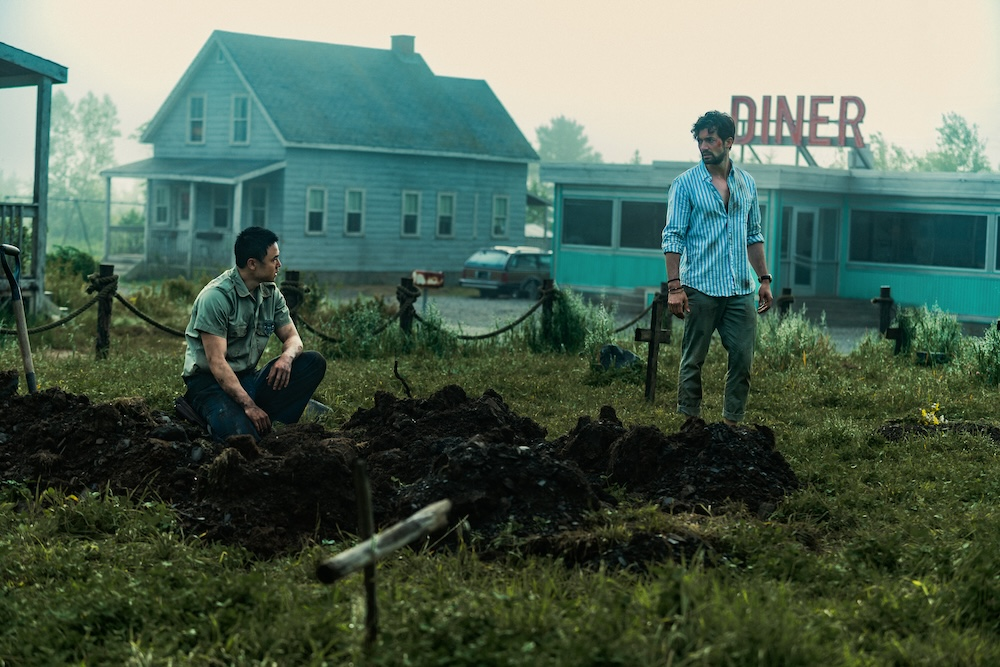
8 Novels Set in Strange Unsettling Towns That Will Haunt You by Jon Bassoff
For many readers, nothing is more immediate than setting. It pulls you in, reflects character, and often poses the very problem a novel sets out to resolve. These 8 books–recommended by The Memory Ward author Jon Bassoff–use the small town as their stage, wandering through abandoned buildings and down streets marked “do not enter.”
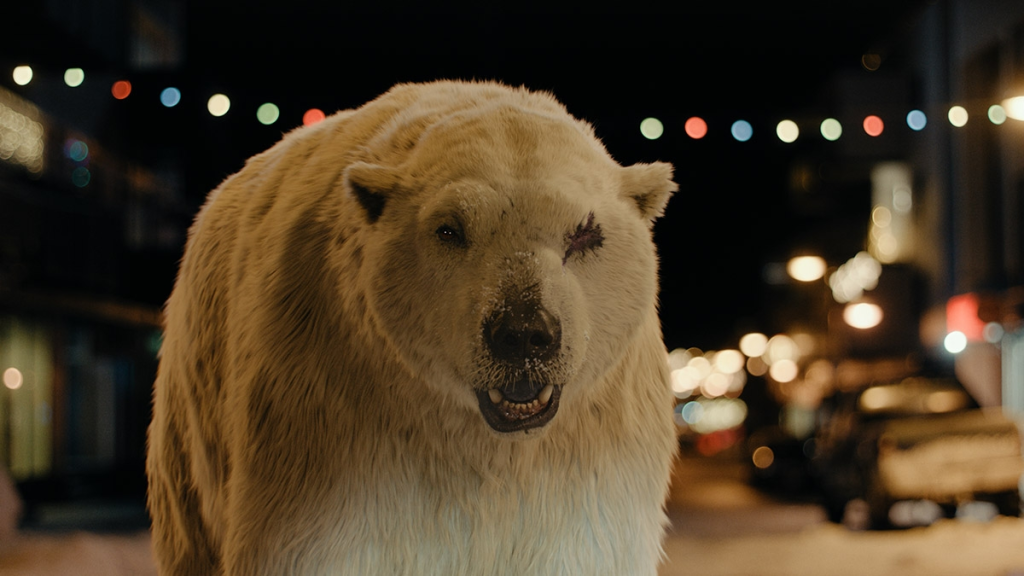
10 Wintery Horror Novels That Will Chill You to the Bone by Claudia Guthrie
There’s something fundamentally unsettling about winter…and it’s not just that the sun sets at 4 PM. These 10 novels–set in the dead of winter–expose the true horrors lurking on dark and snowy January nights.
Essays

My Favorite Trash TV Is Ruined by Its Ableism by Susannah Nevison
In this essay, Susannah Nevison revisits a difficult day during her pregnancy—when she was “pregnant, swollen, and tired”—and turns to an episode of Baywatch as a distraction. The episode features Pamela Anderson and a fellow lifeguard sensually welding a beach-ready wheelchair. For Nevison, who is disabled, the scene prompts a meditation on mobility, visibility, and desire, interwoven with her own experiences navigating beaches and other public spaces. The essay critiques feel-good gestures that stand in for structural change, contrasting lived realities of access with the show’s glossy, often misguided vision of accessibility. As Nevison observes, “access to the beach doesn’t fix ableism.”
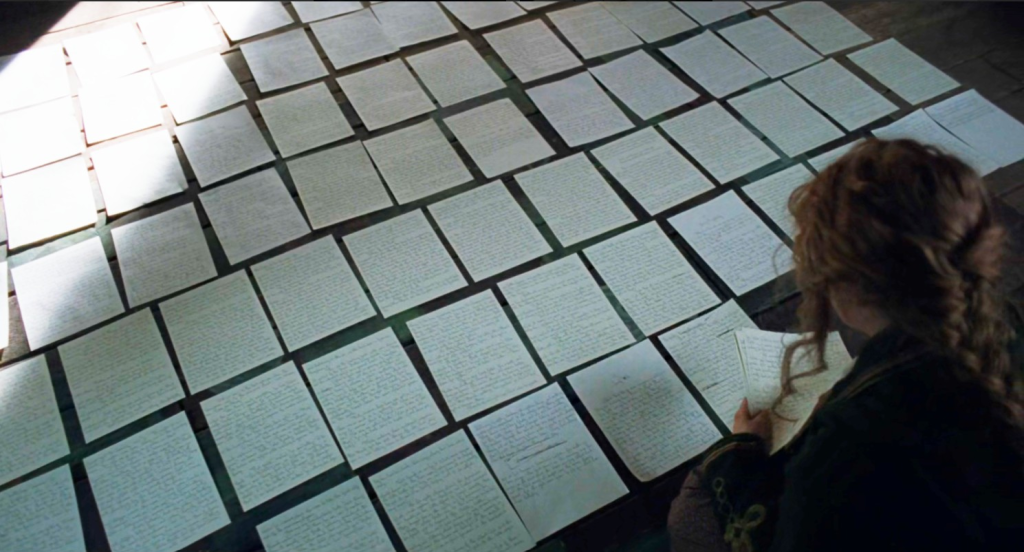
AI Can’t Gaslight Me if I Write by Hand by Deb Werrlein
Deb Werrlein experiments with writing an essay entirely by hand for the first time in decades, prompted by a growing unease about how technology and AI writing tools are reshaping not only how we write, but how we think. Tracing the evolution of her writing life from pencils and typewriters to word processing and large language models, Werrlein questions what may be lost as speed and convenience accelerate the writing process. Writing, she suggests, is inseparable from discovery, asking, “If writing is a process of discovery and learning, then what discoveries did I lose by speeding up the process?” Werrlein makes a case for slowness as a means of preserving depth, creativity, and human agency in an increasingly automated world.

Readings Might Be Turning Into America’s New Favorite Pastime by Mia Risher
Mia Risher examines the rapid rise of independent reading series as a response to widespread social disconnection among twenty- and thirty-somethings in a post-pandemic world. She argues that social anxiety has made it harder to form and sustain friendships, and that literary readings have emerged as structured, low-stakes spaces for in-person connection. At their core, Risher notes, these gatherings may offer what many people are missing: “Everyone needs an excuse to gather, a structured place to connect to both new and familiar faces offline.”
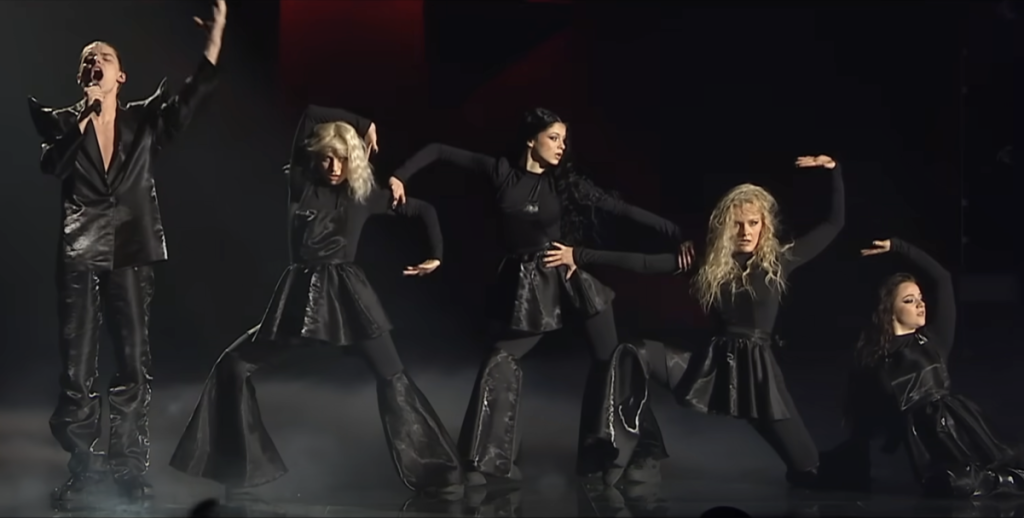
Eurovision Reminds Me of a Country That No Longer Exists by Vesna Jaksic Lowe
The essay opens with Vesna Jaksic Lowe staying up past her bedtime to watch the Eurovision Song Contest in 1989 Yugoslavia. She remembers the elation of watching the Yugoslav band, Riva, claim first place, unaware that Yugoslavia itself would soon vanish, and that her family would be forced to leave amid political violence. In the essay, Eurovision becomes a lens through which Lowe examines identity, borders, and belonging, revealing how cultural moments can endure even as countries disappear. “Eurovision is a snapshot of my childhood before my life became diasporic,” Lowe writes.

All of My Accepted Stories Started with Rejections by Benjamin Schaefer
Benjamin Schaefer traces his early years as an emerging writer through MFA rejections, agent near-misses, and the uneasy realization that he was no longer writing as much as he was managing the business of writing. What begins as a confession—“I’m worried that I’m not worried”—unfolds into a reflection on rejection, ambition, and the quiet danger of treating external validation as a creative necessity. Drawing on advice from mentors and lessons from recovery, the essay reframes rejection as an industry condition rather than a measure of artistic worth. As the Schaefer succinctly writes, “rejection had nothing to do with writing and everything to do with the business of writing.”
Guides
The Most Anticipated Literary Adaptations Coming to TV and Film in 2025 by Jalen Giovanni Jones
Once again, adaptations were prevalent in Hollywood during 2025. Frankenstein, starring Jacob Elordi, Mia Goth, and Oscar Isaac came out just in time for Halloween–resulting in substantial social media buzz. Films like The Amateur boasted subtle, compelling performances from Rami Malek, Rachel Brosnahan, and Caitríona Balfe. Readers can look forward to the release of Klara and the Sun–which has been postponed until 2026.

48 Books By Women of Color to Read in 2025 by R.O. Kwon
As predicted by R.O. Kwon, 2025 was a wonderful year for gorgeous books written by women of color. Readers who missed this list when it was first published should glance through it now to find their next read. This is a valuable resource for readers who seek out the literary perspectives of women of color.

15 Novels in Translation You Should be Reading This Summer and Fall by Linnea Gradin
Spanning the globe, this list of novels in translation consists of riveting narratives that touch on themes of love, brutality, loneliness, connection, and fear. Each of these books are wholly unique and inventive; they depict personal and community upheaval, tell stories through supernatural entities, and meditate on self-discovery and reinvention. Brought to you by Linnea Gradin, English-speaking readers will fall in love with these much-loved titles.

Most Anticipated Queer Books by Michelle Hart
At the beginning of this year, Electric Literature published a booklist of anticipated queer books by Michelle Hart. The article was written in the immediate aftermath of the 2024 presidential election and the list centered queer stories meant to point readers toward stories of agency, care, and survival. Over the past year, these books have done exactly that, offering ways to think, feel, and imagine forward in times of uncertainty.
10 Novels in Translation You Should be Reading This Winter and Spring by Linnea Gradin
The world is vast, and it is a gift to be able to read novels translated from languages we do not understand. This list, written by Linnea Gradin, anticipated many of the most exciting translated books of the year and remains an essential guide to the breadth of international writing in 2025.
The Misfits
(Articles That Didn’t Fit Into Any Other Categories)
10 Novels Agents Have Seen a Billion Times, and How to Make Yours Stand Out by Kate McKean
In this essay, literary agent Kate McKean draws on nearly two decades in publishing to explain why getting a novel published is so difficult—and why so many manuscripts fail to stand out. Surveying the tropes that flood agents’ inboxes, she urges writers to think less about trends or self-expression and more about what genuinely engages a reader. As she puts it plainly, “At the end of the day, the reader is always going to ask, what’s in it for me?”

Predicting the 2025 Pulitzer Prize for Fiction (and How to Watch It Live!) by Bradley Sides
Making predictions is one of the most exciting parts of awards season, and it’s all the more satisfying when those predictions come true. For Bradley Sides, relying on “previous awards, critics’ thoughts, buzz, and good old Bradley Sides intuition” paid off in 2025…and this list exists to commemorate his prescience.
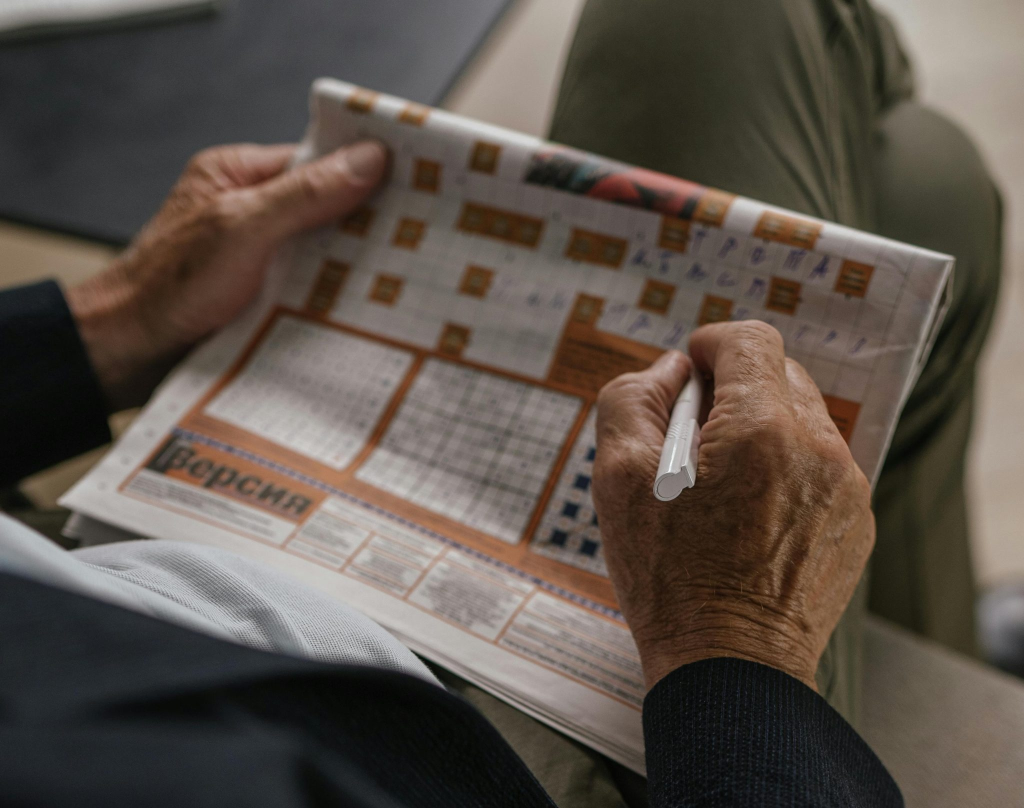
A Literary Crossword for Book People by Jo Lou
It’s true that books and reading are serious things, but at Electric Literature we love a game, and a good time! This crossword, conceived of, and written by EL’s former deputy editor Jo Lou, is perhaps among the best crossword puzzles ever because it’s entirely devoted to books and authors. You’ll find some cheeky literary references and if you can get all the answers, you’ll have some major bragging rights—at least within bookish circles.
Is the Book You’re Reading Literary or Genre Fiction? A 100% Definitive Guide by Sarah Garfinkel and Katie Burgess
Have you ever picked up a book, gotten about 20 pages in and wondered…what kind of book is this really? Earlier this year, Electric Lit published the ultimate guide to determining the vibe of your book…and the results are in. Through painstaking analysis of cover art, font, symbolism, and by answering the age old question: are the monsters figurative or sporting a 6-pack? this handy guide is sure to put your uncertainty to rest.
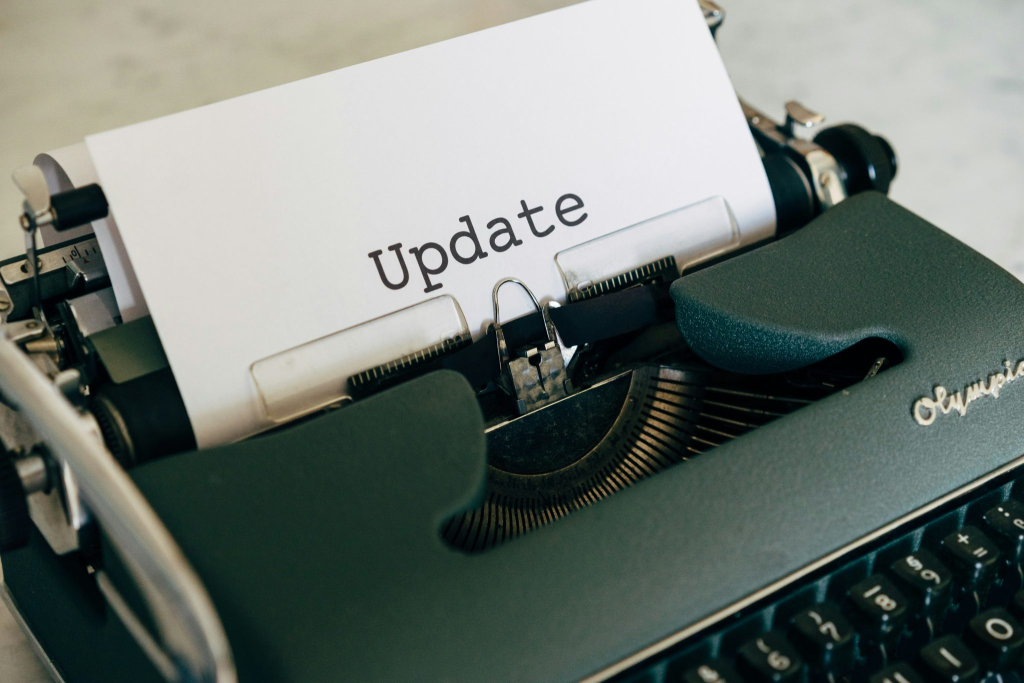
Rejection Letters from an Editor Who Is Going Through Some Stuff by Katie Burgess
Rejection is a hallmark of any writer’s life. But did you ever stop to think about the person on the other end of that rejection? As these letters show, too many people are asking their editors why did you reject this? Instead of how are you doing. This EL humor piece is your sign to check in on that editor who rejected your manuscript…they might need reassurance even more than you do.