news
Historically Accurate Mr. Darcy Isn’t Sexy

Well, at least by 21st century standards…
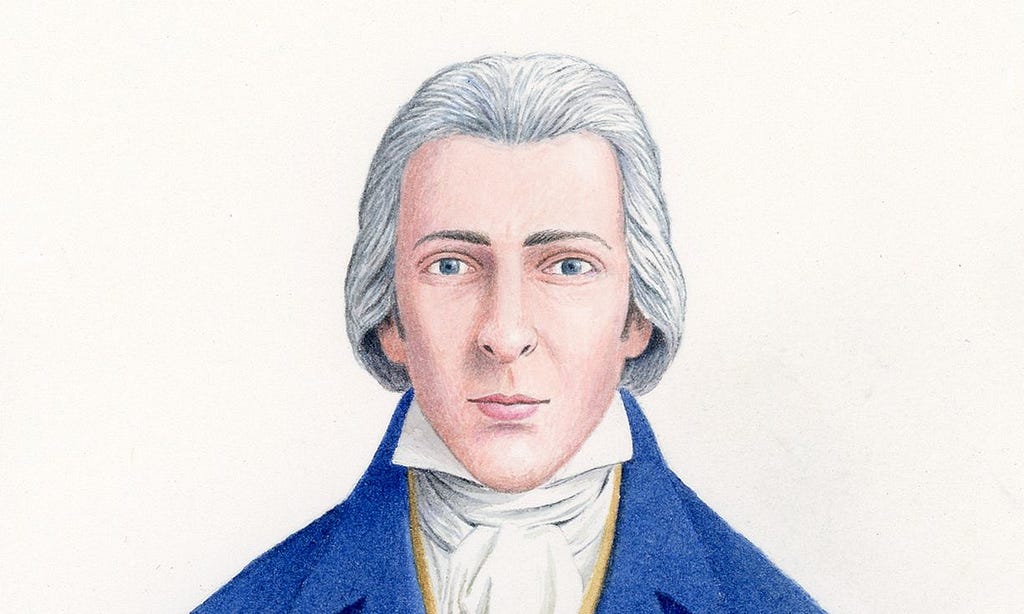
The folks over at the Drama Channel recently sought out academics to create a historically-accurate rendering of what Jane Austen’s famed fictional hunk, Mr. Darcy, would have looked like in “real” life. The result is burst bubbles everywhere. According to John Sutherland and Amy Vickery, the Drama Channel’s experts, features that passed for “handsome” in Austen’s day are a far cry from what contemporary readers and Hollywood casting directors would find agreeable, never mind swoon-inducing. (Sorry, Colin).
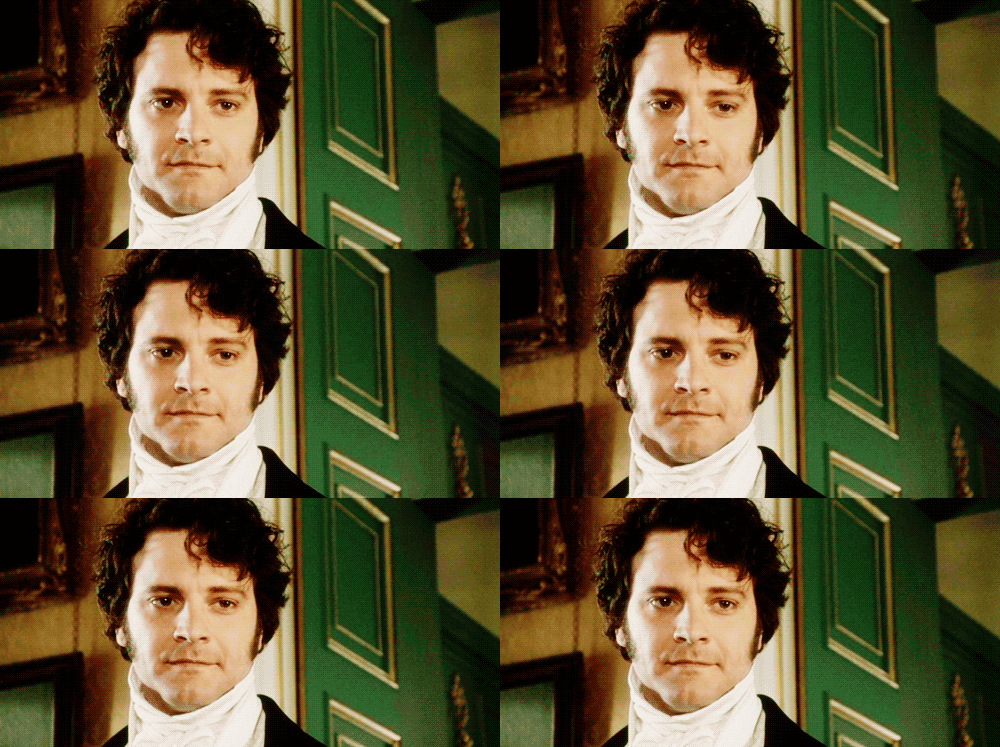
Per today’s Guardian, Vickery explains: “As Austen wrote Pride and Prejudice in the 1790s, our Mr. Darcy portrayal reflects the male physique and common features at the time. Men sported powdered hair, had narrow jaws and muscular, defined legs were considered very attractive.” In fact, the rugged, brooding, broad shouldered typecast frequently seen in modern adaptations wouldn’t have done it for Austen’s Georgian era characters. Those physical traits were all too typical of the poor working class.
Since most 21st century people don’t think it’s sexy to run their fingers through their lover’s hair only to have their hand turn white, readers may be understandably disappointed by the new revelation. However, Sutherland points out, “There are only scraps of physical description of Fitzwilliam Darcy to be found in Pride and Prejudice,” so as with any novel, the reader has the ultimate say in how they want to envisage the characters.
Let’s all be thankful for imagination today.