essays
In Defense of “Bad” Sex Writing
This article is free to read. So is every article Electric Literature publishes. No limits, no paywalls—now or ever. But we rely on your support to keep it that way.
We need to raise $35,000 by April 15 to keep the lights on, and time is running out. Donate today.
—————
by Katie Sharrow-Reabe
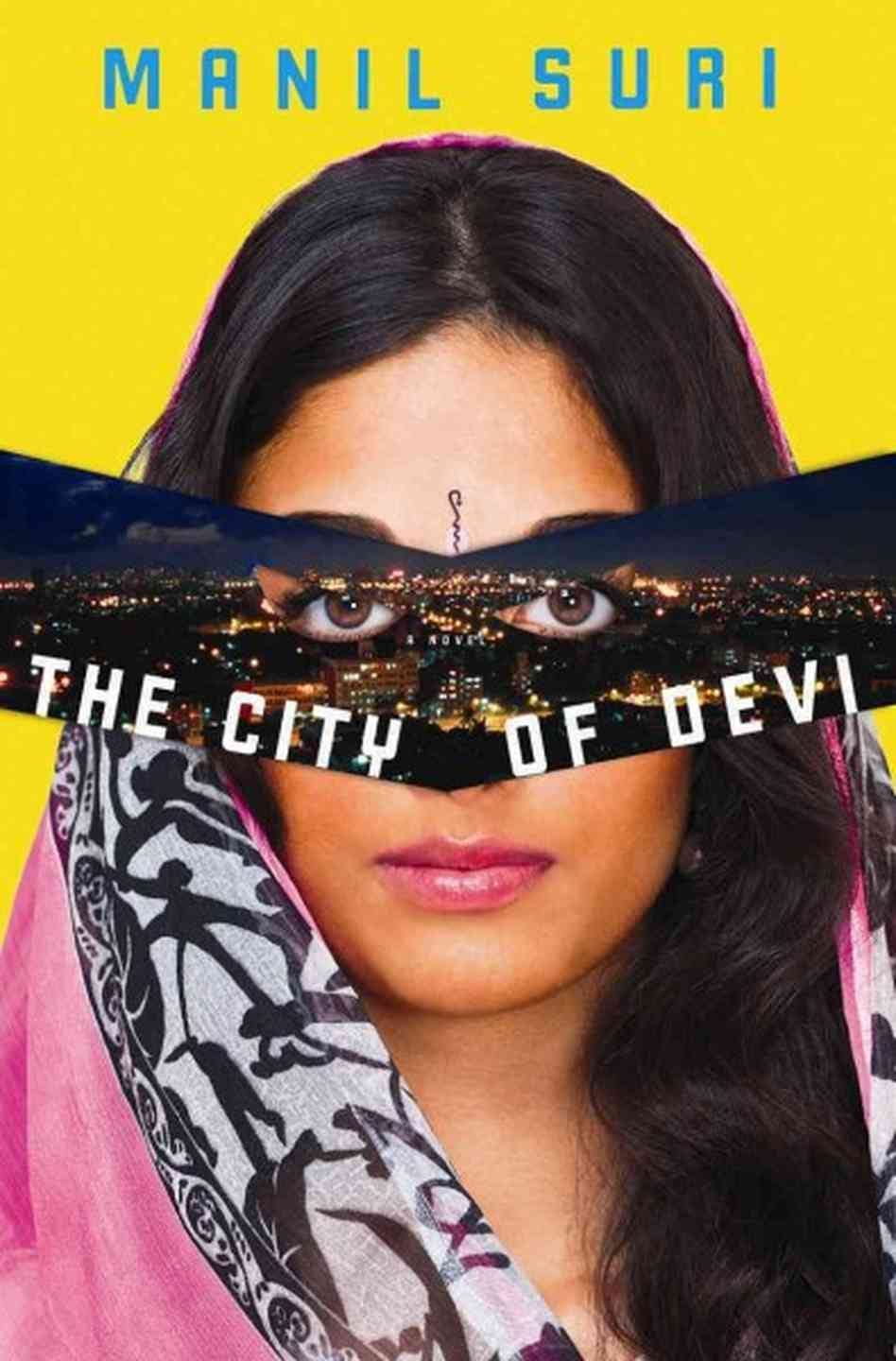
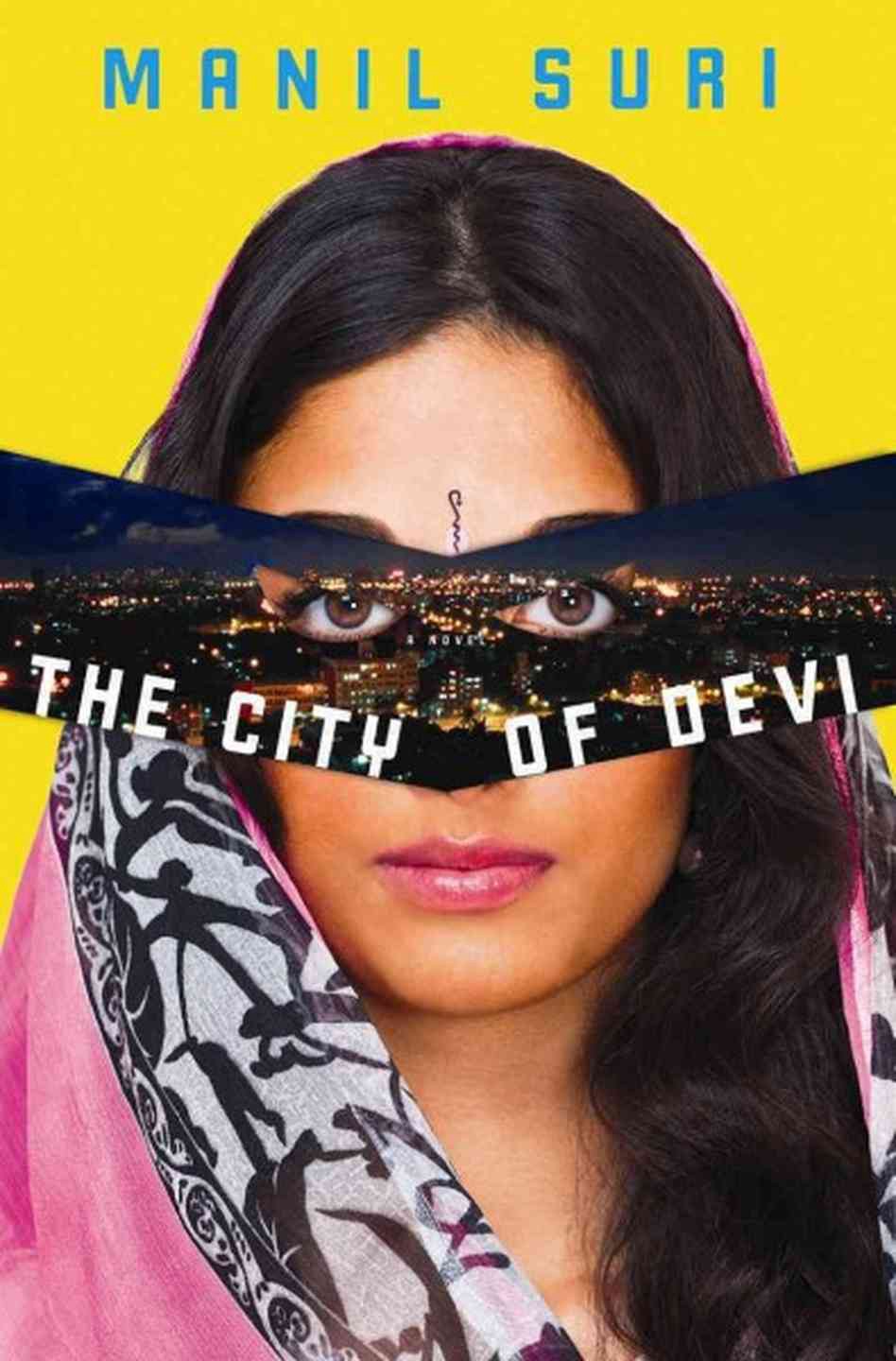
Manil Suri won this year’s Bad Sex Award for his novel The City of Devi. The offending scene takes the reader away from the actual sex and sends them on an intergalactic sojourn that’s more quantum physics than physical:
“Surely supernovas explode that instant, somewhere, in some galaxy. The hut vanishes, and with it the sea and the sands — only Karun’s body, locked with mine, remains. We streak like superheroes past suns and solar systems, we dive through shoals of quarks and atomic nuclei. In celebration of our breakthrough fourth star, statisticians the world over rejoice.”
Granted, this passage is unusually imaginative, but in Suri’s defense, the characters involved are a physicist and his wife–a fact ignored by other outlets covering this story. Furthermore, I would argue, aren’t such metaphors a more accurate portrayal of the mind-bending qualities of good sex? It seems to me that the editors behind the award have a specific idea of what good sex writing looks like. If it doesn’t look like a space odyssey, what does it look like?
The Literary Review established the award 11 years ago to expose how sex was needlessly tossed into fiction for commercial appeal despite its often unflattering presence. Each year, The Literary Review receives some flak, and this year, one of the judges, senior editor Jonathan Beckman, defended the prize.
In his essay, Beckman explains that the award is meant to encourage better sex writing, not to censor or scold writers for a lack of good taste. The problem, as he sees it, arises when authors panic and derail under the pressure of having to write an effective sex scene. The worst offenders, Beckman explains, are merely too coy to be more explicit, filling their pages with overblown metaphors or else attempting to escape corporeality and extend into the supernatural–as is the case in Suri’s prize-winning scene.
Beckman doesn’t give any examples of what he considers to be good sex writing. But I can only surmise that it would be literal and with little embellishment, which sounds vanilla compared to these fantastical scenes. Steve Almond, who has made a career out of writing smut (his word), says in his essay “Hard Up for a Hard-on” that writing about sex doesn’t have to be sexy. “Real sex is compelling to read about because the participants are so utterly vulnerable,” he says. I agree. Readers expect their characters to have real sex, not emotionally void, first-this-then-that sex. Sometimes real sex is magical and otherworldly. Sometimes it does feels like a trek through a cryptic, dark forest. Sex scenes give writers an opening to dive into the psyche of their characters, so why mock them for having some fun with it?