essays
What It’s Like to Lose Your First Language
Trying to understand Sinhala now feels like flexing a phantom limb
This article is free to read. So is every article Electric Literature publishes. No limits, no paywalls—now or ever. But we rely on your support to keep it that way.
We need to raise $35,000 by April 15 to keep the lights on, and time is running out. Donate today.
—————


![When I was six, my English teacher asked my parents to stop speaking to me in my first language.
[Picture of Hasanthika as a six-year-old]
Teacher, offscreen:"Well, Mrs. Sirisena, she's very quiet in class."](https://electricliterature.com/wp-content/uploads/2020/08/Me-in-Kindergarten-Panel-7.jpg)
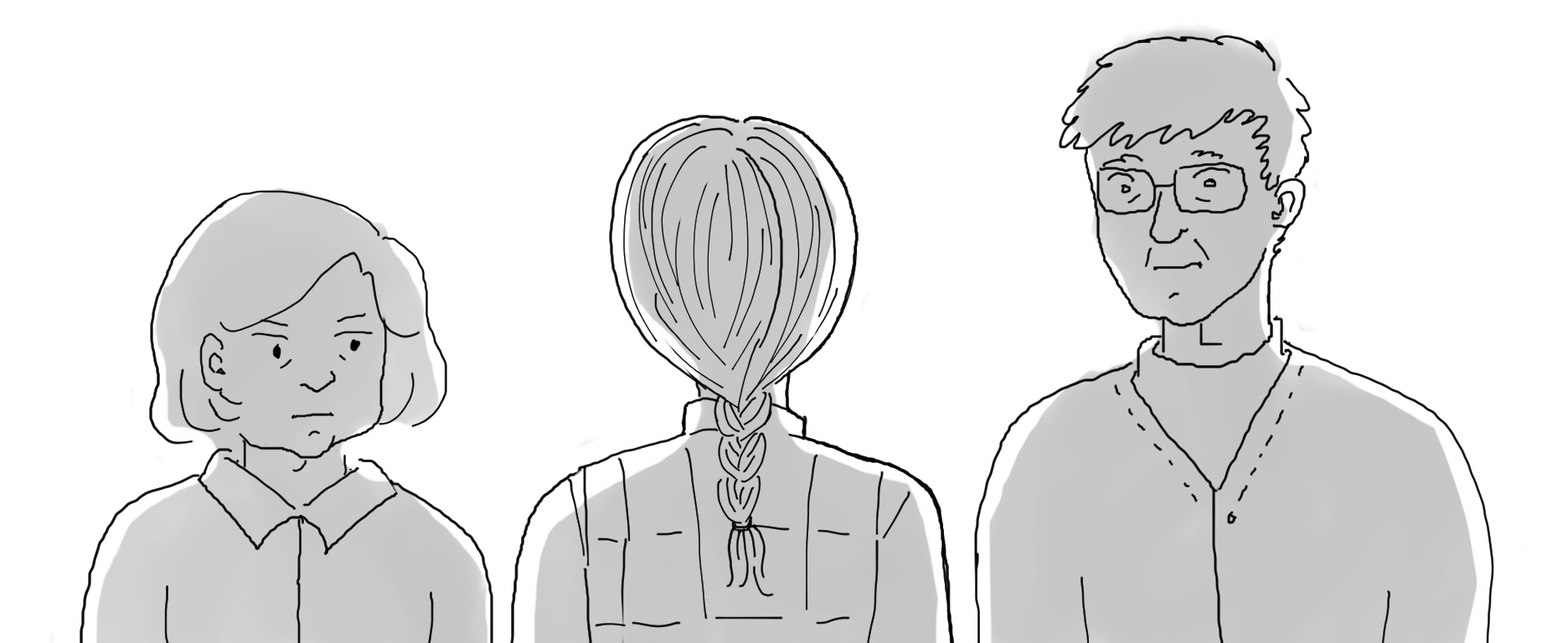
![My mother still sometimes spoke to me in Sinhala. Even though I understood I wouldn't speak it. This hurt her most when strangers asked why she hadn't taught me.
Hasanthika's mother, offscreen: "Oyaa thawma laesthi naethe?"
Hasanthika, as a preteen: "I'm ready!"
[Next panel]
A woman with long dark hair: "She speaks only one language?"
A man in an orange robe: "It is her mother tongue?"
A man in a polo shirt: "My kids speak three languages fluently."](https://electricliterature.com/wp-content/uploads/2020/08/PANELS-9-10_Ghost-Language-Comic-Sirisena-1024x458.jpg)
![[Portraits of Hasanthika as a baby with her parents, labeled Amma (mother) and Thatha (father)]](https://electricliterature.com/wp-content/uploads/2020/08/PANELS-20-21_Ghost-Language-Comic-Sirisena-1024x490.jpg)