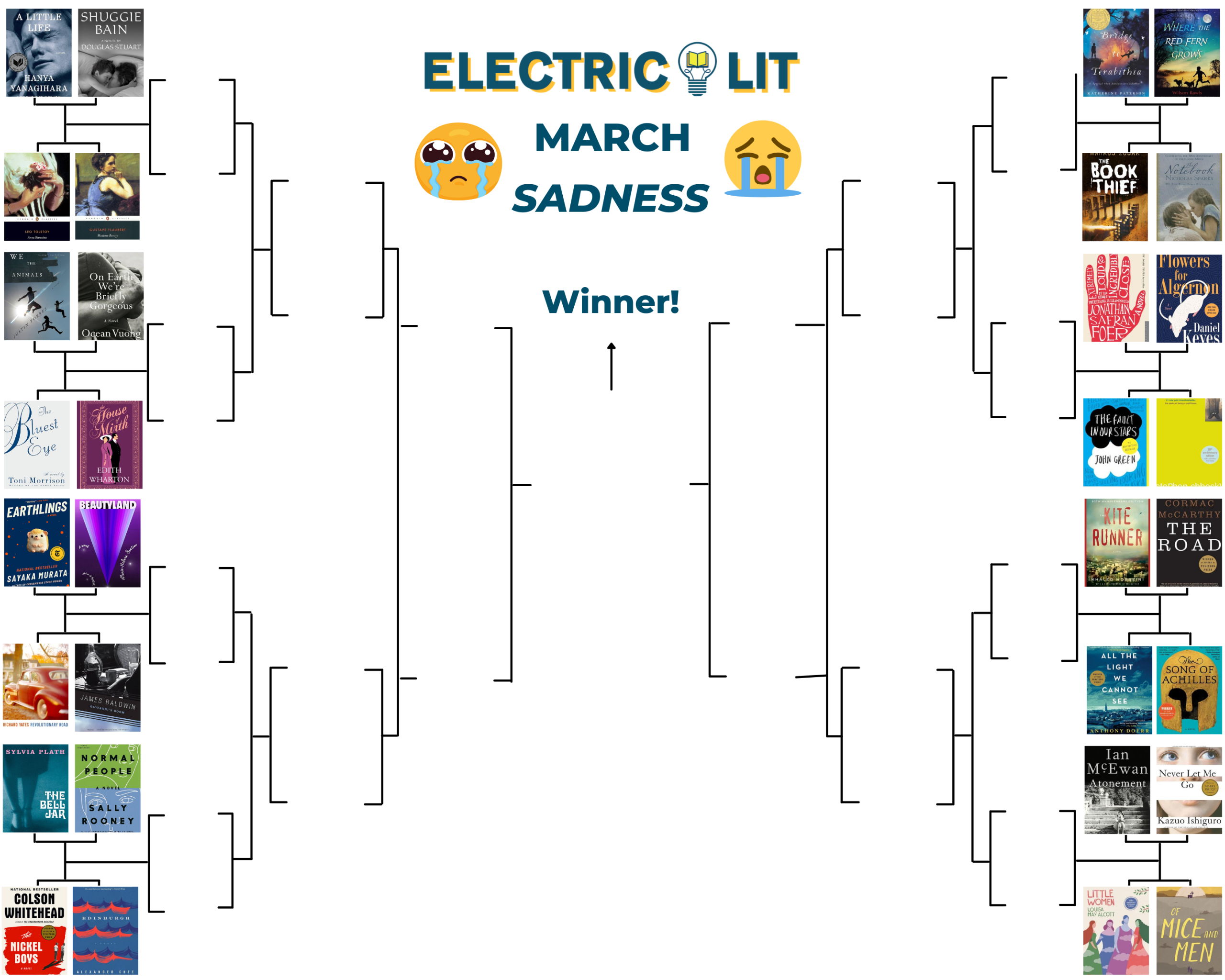
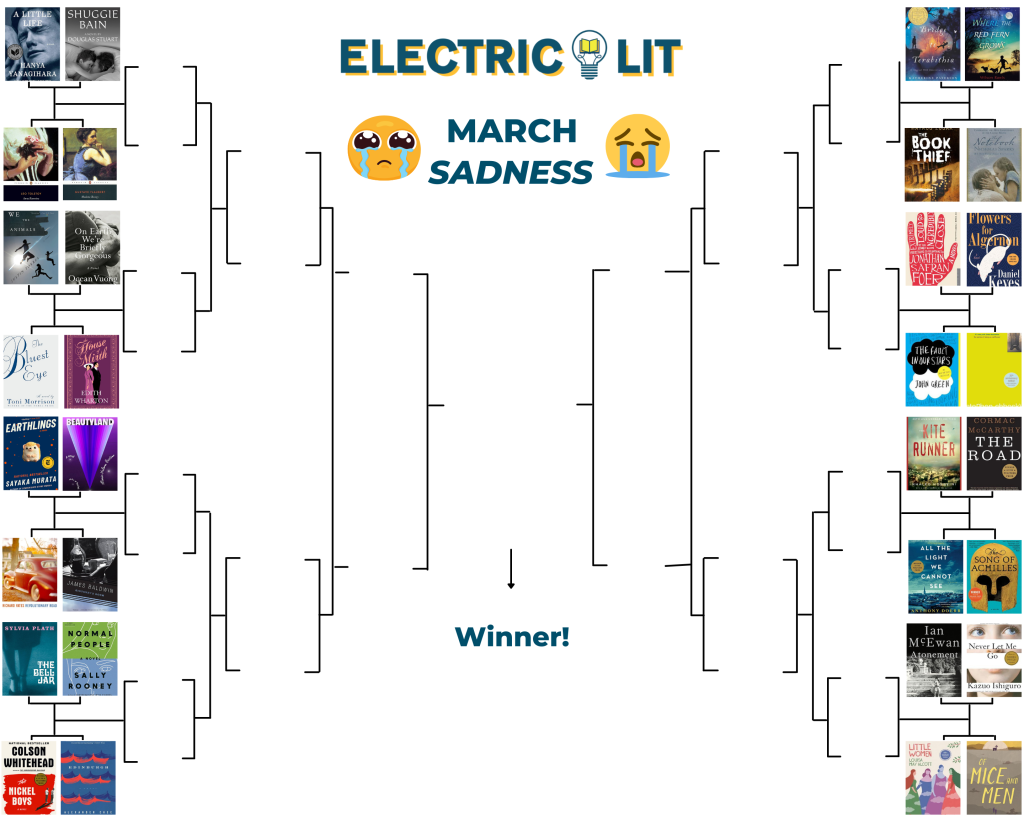
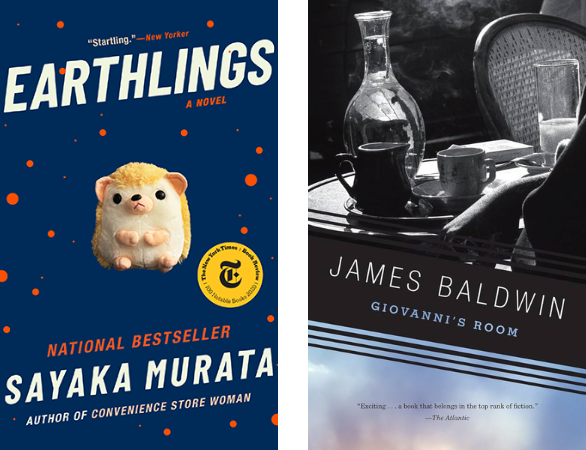
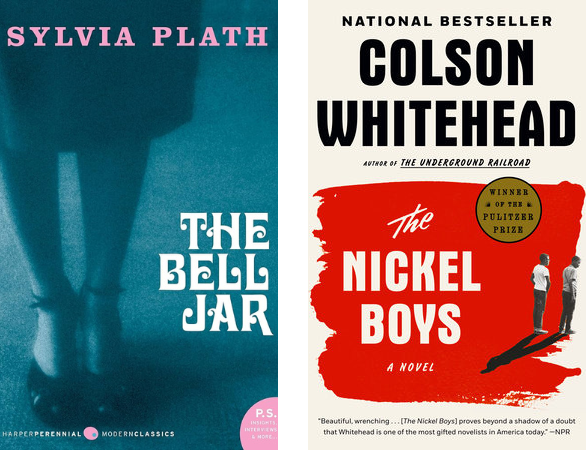
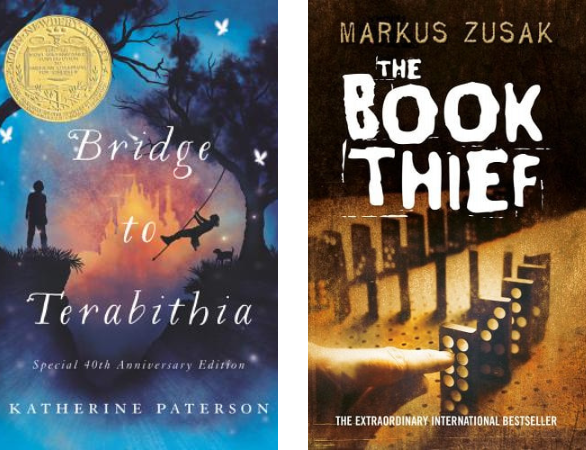
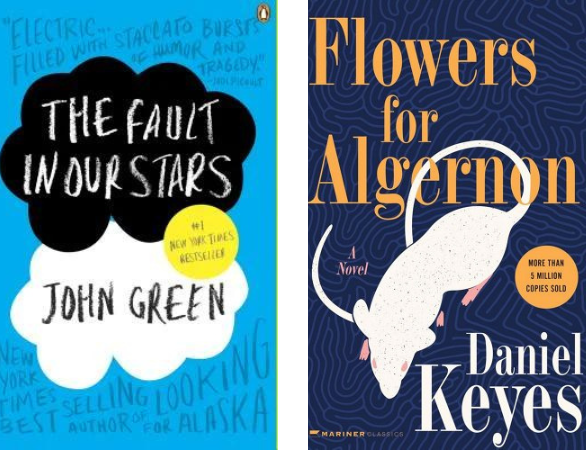
Forget March Madness—this year, we’ve decided to try something new: March Sadness. That’s right, folks: this literary bracket is full of the most devastating novels we could think of, all with the goal of choosing the saddest of the sad. These are the books that have broken our hearts in the best and worst ways, the ones that will compel any reader to go on a long, long walk while playing the same depressing songs on loop and contemplating the tragedy of life.
You, dear reader, are going to help us decide which of these books has single-handedly accounted for thousands of dollars in revenue for the Kleenex brand (we assume) thanks to readers blotting their eyes and blowing their noses. Voting starts Monday, March 25 on our Instagram and Twitter (sorry, did we say Twitter? We meant “X”).
Click to download a printable PDF
Fill out a bracket to predict the winner, then head to our social media channels to vote in the polls. And stay tuned to find out whether your top devastating read takes the win!
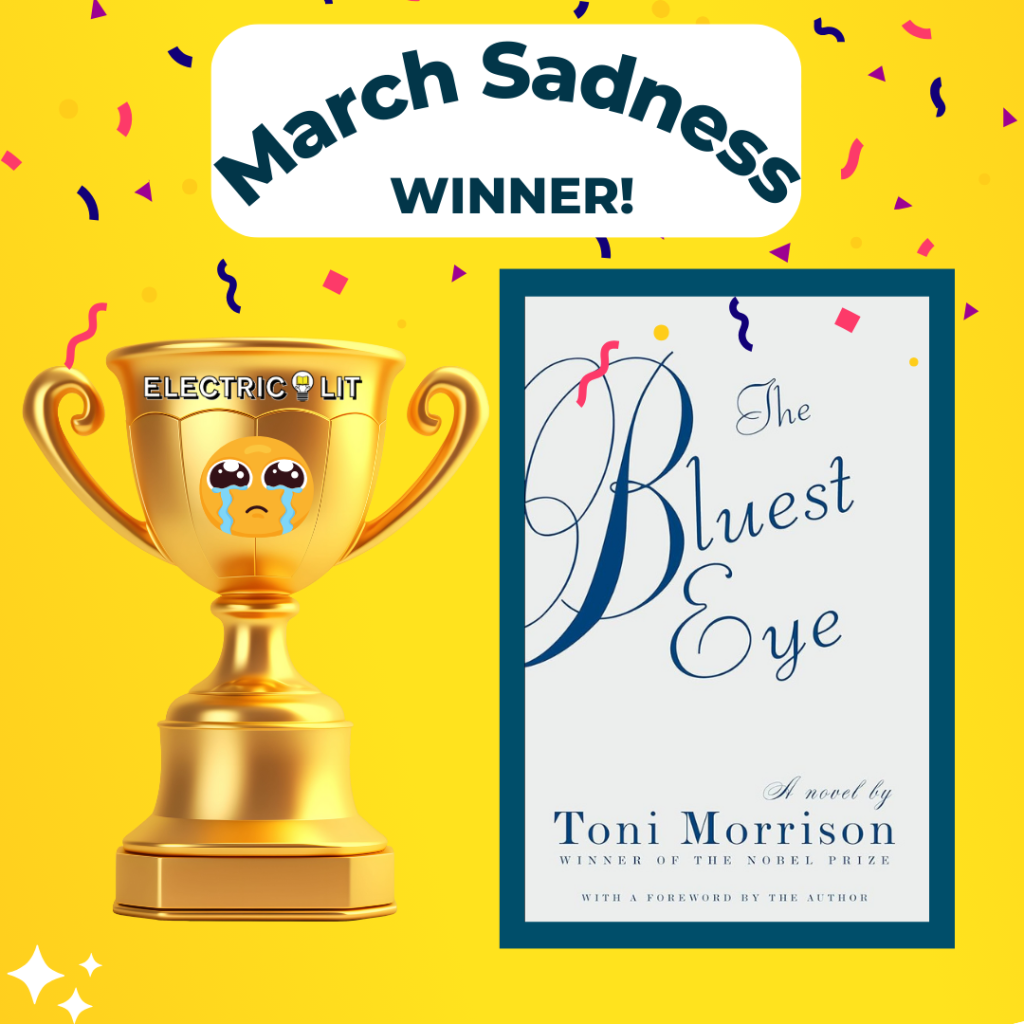
Update: We have a winner! It was a tough competition, but there was one book that cleared every round with ease, swept the competition, and rose to the top. (Drumroll please!)
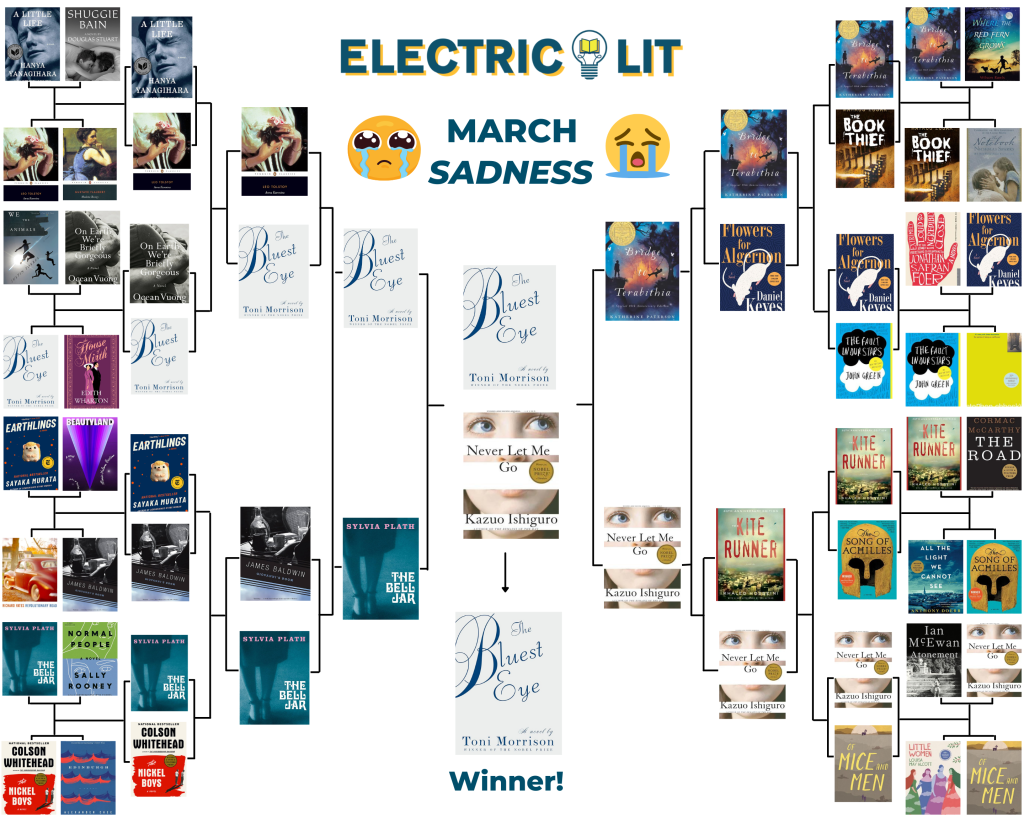
As a recap, here’s how the bracket played out:
Round 1
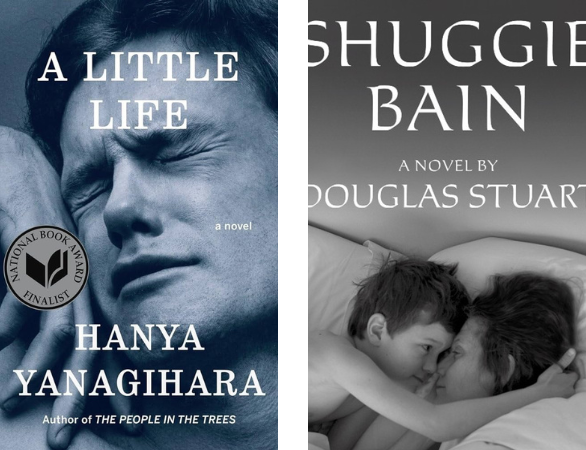
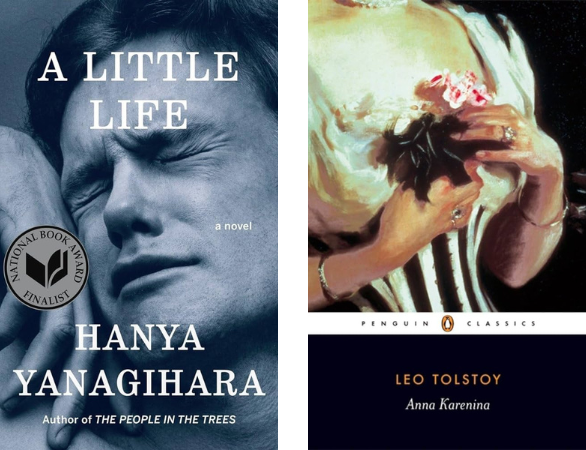
A Little Life vs. Shuggie Bain
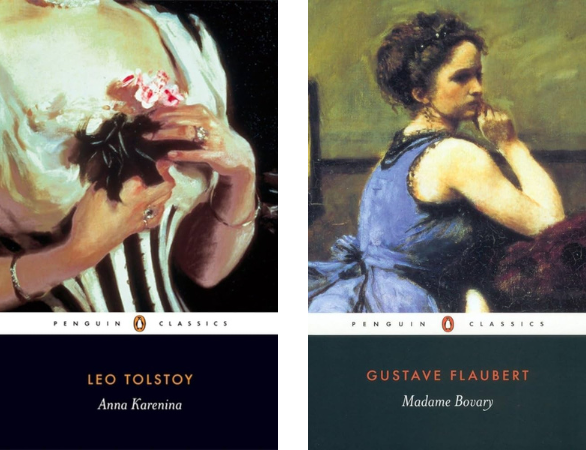
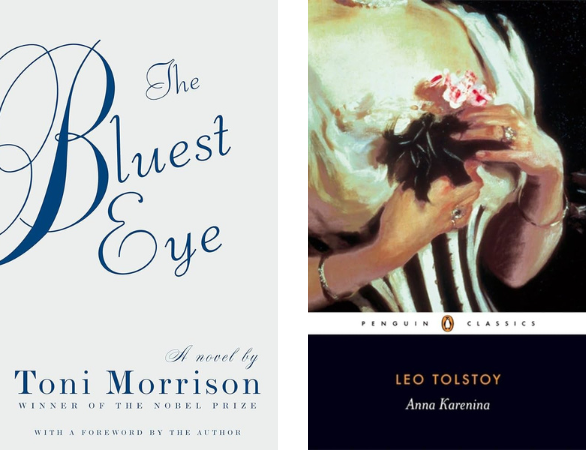
Anna Karenina vs. Madame Bovary
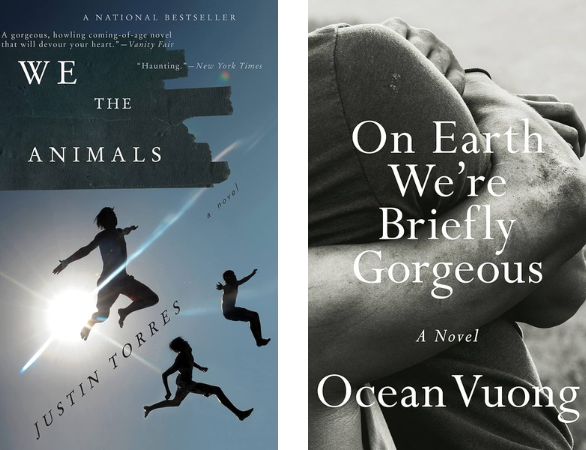
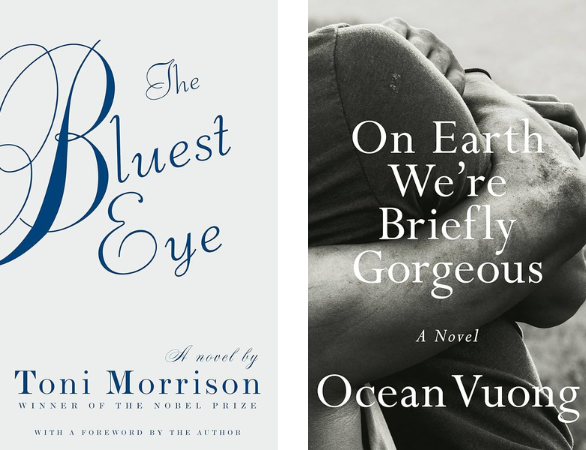
We the Animals vs. On Earth We’re Briefly Gorgeous
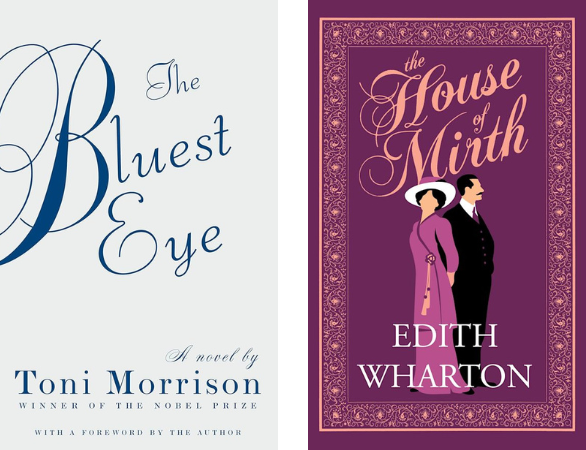
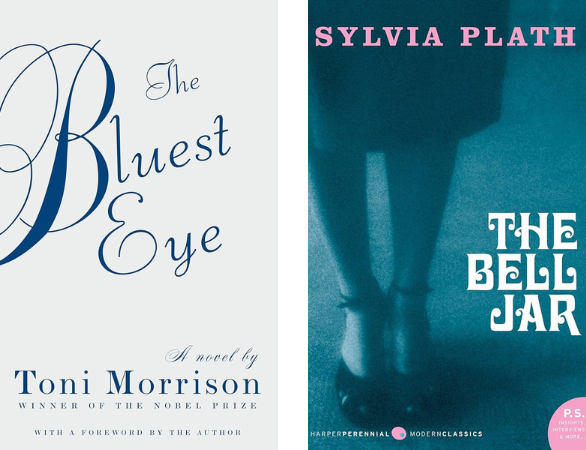
The Bluest Eye vs. The House of Mirth
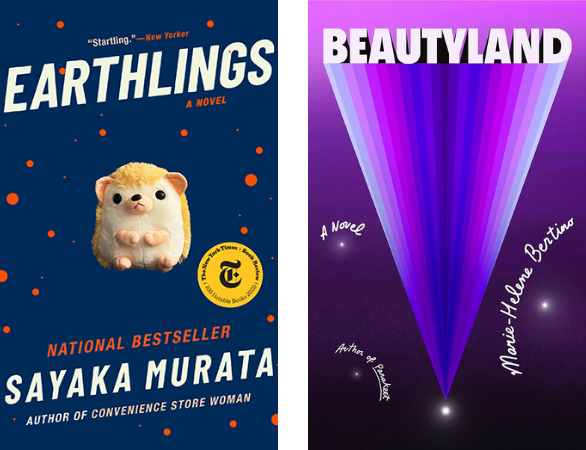
Earthlings vs. Beautyland
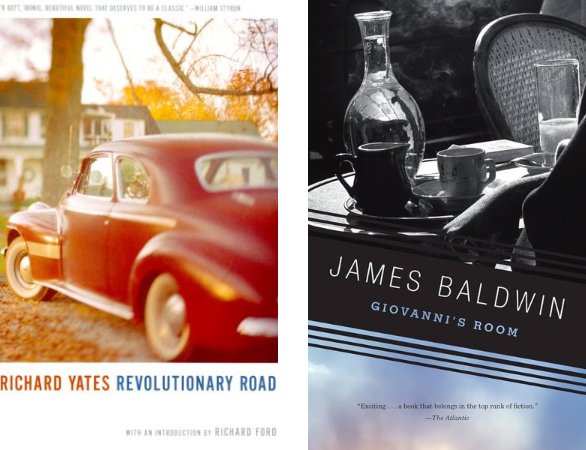
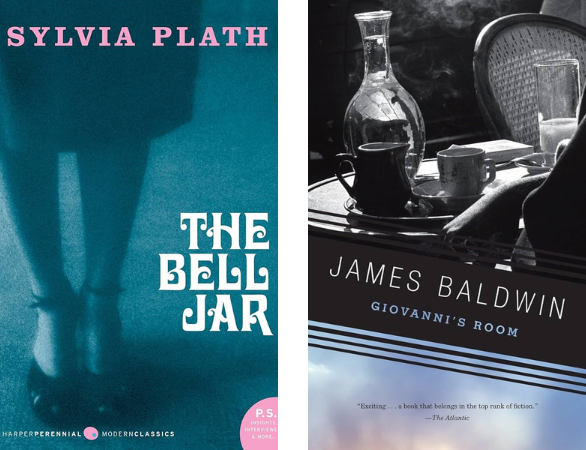
Revolutionary Road vs. Giovanni’s Room
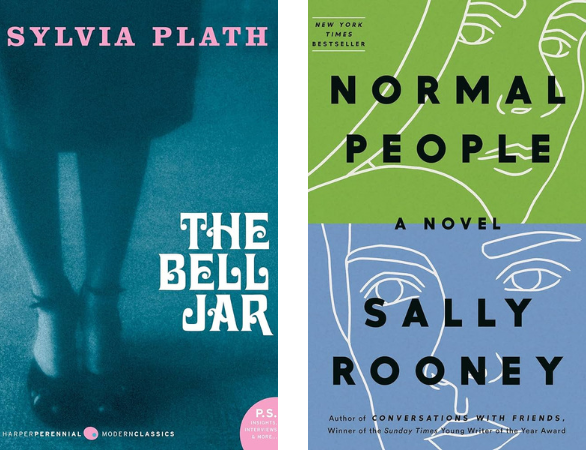
The Bell Jar vs. Normal People
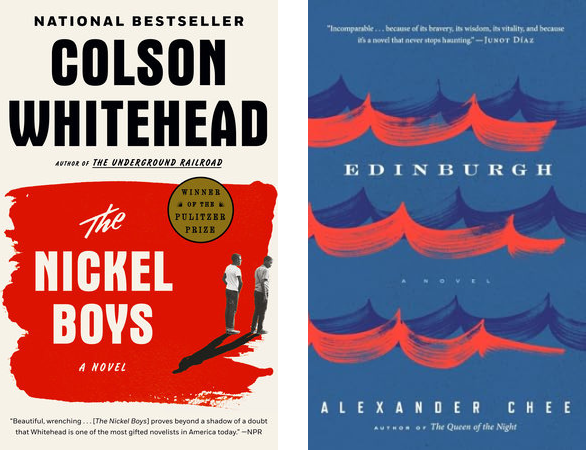
The Nickel Boys vs. Edinburgh
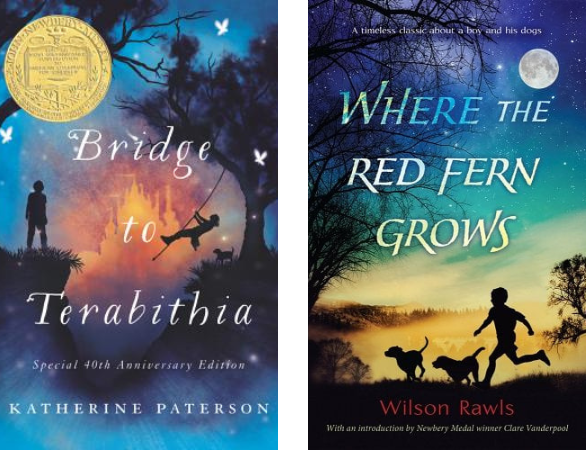
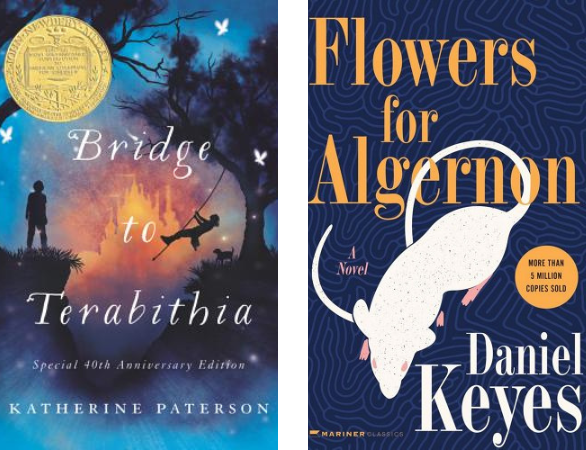
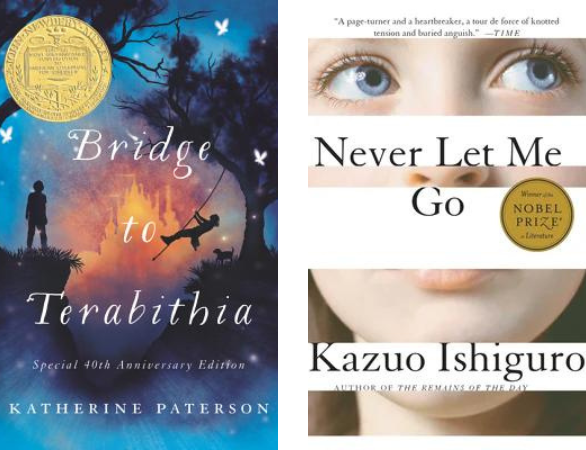
Bridge to Terabithia vs. Where the Red Fern Grows
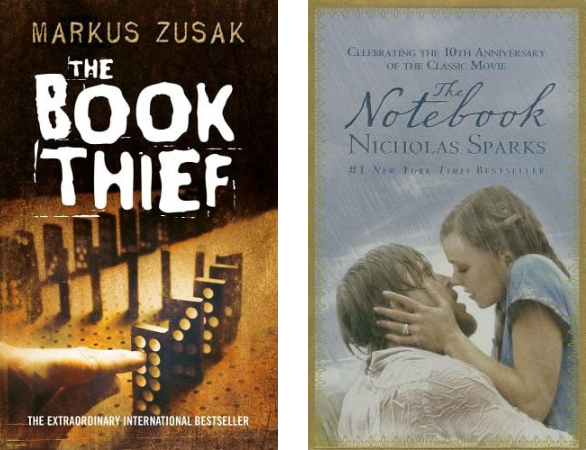
The Book Thief vs. The Notebook
Extremely Loud & Incredibly Close vs. Flowers for Algernon
The Fault in Our Stars vs. The Perks of Being a Wallflower
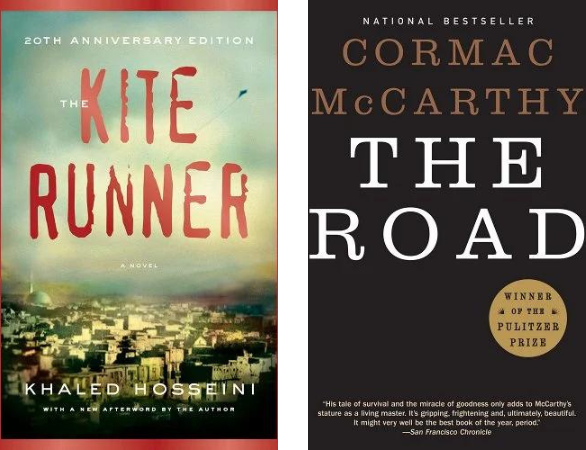
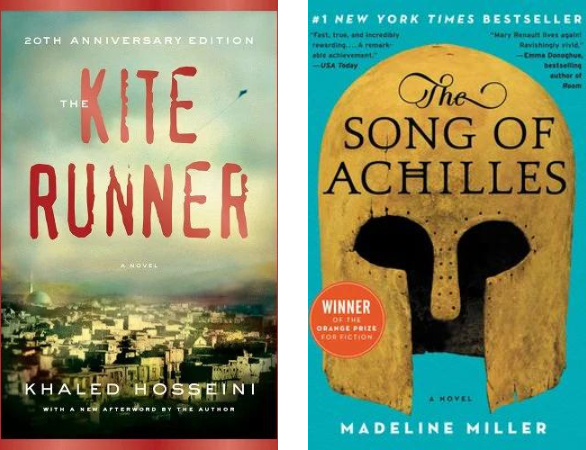
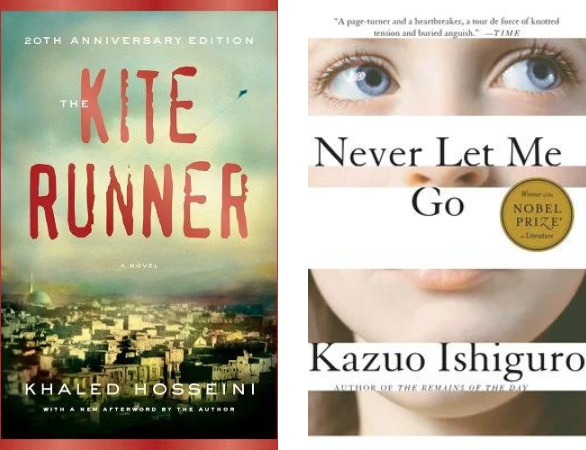
The Kite Runner vs. The Road
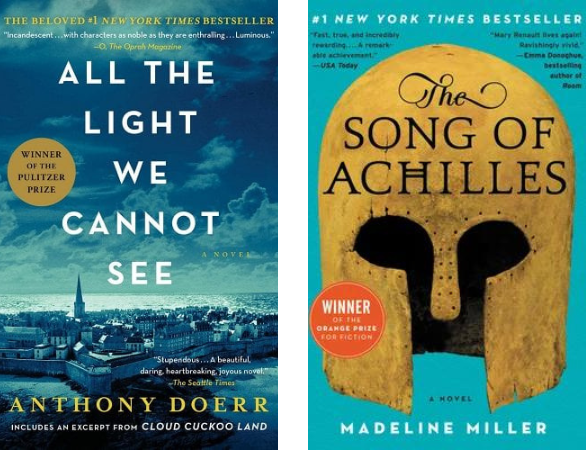
All the Light We Cannot See vs. The Song of Achilles
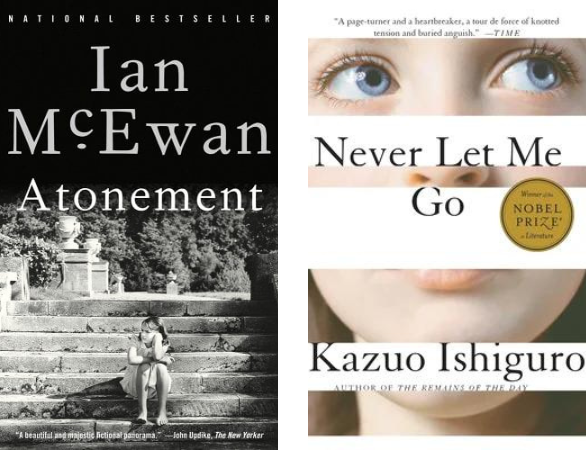
Atonement vs. Never Let Me Go
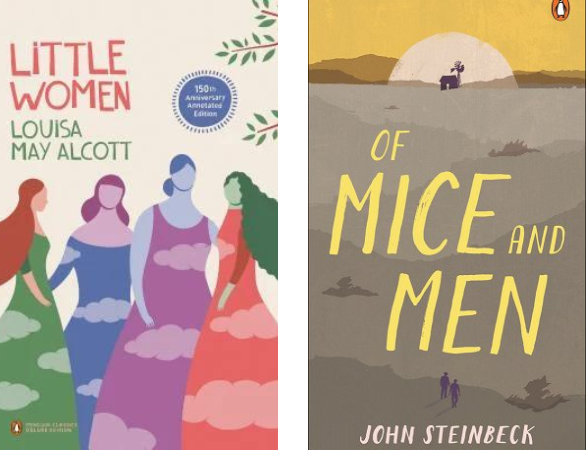
Little Women vs. Of Mice and Men
Round 2
A Little Life vs. Anna Karenina
The Bluest Eye vs. On Earth We’re Briefly Gorgeous
All thrill seekers are different. Some need to bungee jump or chase tornadoes to experience a rush of adrenaline but for me, there is nothing more exciting than opening a book and meeting a brand-new fictional character for the very first time. And the best characters are the ones who make me feel…something. Because they’re the people who remind me that despite all our differences, sometimes we feel the same emotions and think the same thoughts. The fact that I can emotionally connect with a figment of someone else’s imagination is beyond exciting. It’s exhilarating. And it means I never have to go kayaking or jump out of a plane.
The fictional characters who have the greatest emotional impact on me are the ones who will stay with me forever, and they’re often not the nicest people in the book. Far from it. In fact, sometimes they’re the worst breed of villain—serial killers. A murderer who kills once is bad enough but the people who strike again and again, should surely terrify and repulse me—shouldn’t they? Well, sometimes they do, but not always. Sometimes, for reasons I don’t fully understand, I find myself rooting for the serial killer, desperately hoping they won’t be caught.
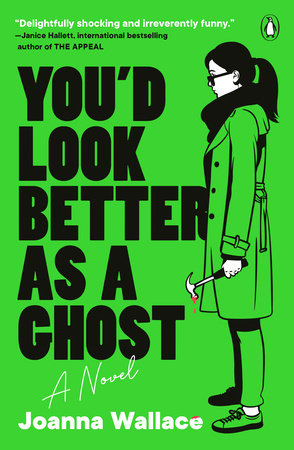
In my debut novel, You’d Look Better as A Ghost, I introduce Claire—a serial killer who sees her victims as ghosts before they die. Despite being a brutal, unforgiving psychopath, Claire is often described by readers as being extremely likeable and strangely relatable, prompting me to wonder why. What is it about her that resonates? Her difficult childhood, perhaps? Her authenticity? Or is her likeability directly related to her dark humor? Are we more forgiving of the people who make us laugh?
With this in mind, I’d like to consider seven books that have introduced us to unforgettable characters and pose the question—why do we find these serial killers so likeable? (And what does that say about us?)
As readers, we warm to serial killer Dexter Morgan in Jeff Lindsay’s series of books, because we know we’d be safe around him, wouldn’t we? After all, Dexter only goes after the bad guys who do terrible things, and this is part of his appeal. We agree with his assessment of other people and appreciate his wit and the peculiar logic to his code of ethics. Plus, he’s intelligent and good at his job as a forensic blood splatter analyst, and he treats both the women in his life—his adoptive sister and his girlfriend, with respect. I think we like him because when he’s not killing bad people, Dexter is extremely charming.
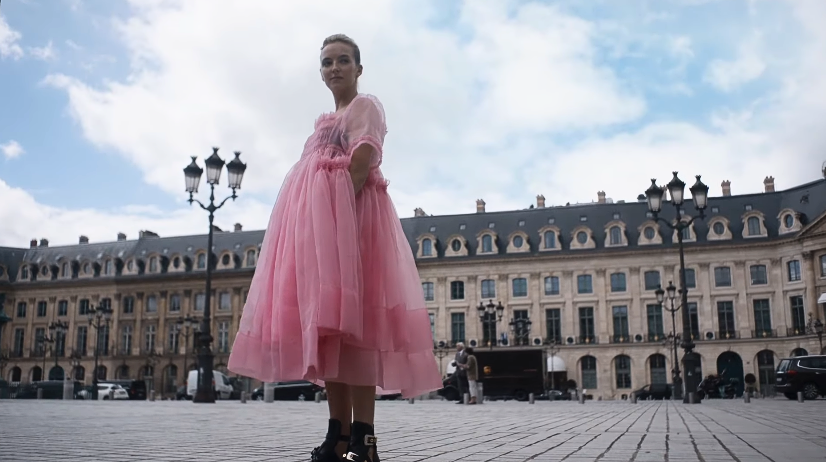
Whilst not as overtly comical as her character in Killing Eve—the TV adaptation of Luke Jennings’ novel, Villanelle is an undeniably fascinating creation. One of the world’s most skilled assassins, she is glamourous and unflappable with an ever-present, understated wit. But she is also a cold, brutal killer, so why do we, as readers, care about her? Perhaps the answer lies in her troubled childhood. After her mother’s death, her questionable father was often absent, leaving the young Villanelle in the care of orphanages, and us to ponder—would a different childhood have created a different girl?
Someone else who is extremely interesting to ponder but definitely from a safe distance, is Hannibal Lecter. In fact, if one was brave/unfortunate enough to meet him in real life, the list of questions for the serial killer first introduced in the novel, ‘Red Dragon’ by Thomas Harris would be endless. How can a genius doctor and cannibalistic monster co-exist in the same human form? And maybe therein lies the answer. Maybe the behaviour of Hannibal Lecter is so extreme, so far removed from conventional norms that we no longer consider him human. Perhaps it is his complete lack of morality that allows us to skim over the killing and be entertained instead by his intelligence, charisma and sharp wit. Any character who ‘preferred to eat the rude’ is indisputably grotesque, but certainly not boring.
Whilst Korede isn’t the serial killer in Oyinkan Braithwaite’s novel, she acts as accomplice for her murderous sister, so why are we on her side? Maybe it’s because the siblings are so different. Whereas Ayoola is beautiful, reckless and messy with her kills, Korede is average-looking, organised and meticulous in cleaning up each crime scene. And when Korede is read and understood in the context of her family—abusive father, passive mother, sociopathic sister—her determination to protect her sibling at all costs, can be more easily understood. Perhaps our sympathy for Korede’s position within her family and life, clouds our judgment and makes us more forgiving.
Rhiannon Lewis, the anti-hero in C J Skuse’s series of books, survived a traumatic crime when she was young that left her with a serious brain injury. Years later, armed with an abundance of dark humour, brutal one liners and a kill list of those who annoy her, the reader is never sure whether Rhiannon would always have developed into a merciless, albeit hilarious psychopath, or whether her brain injury is solely to blame. Regardless of this, I think the reason we find ourselves rooting for Rhiannon is because if we’re honest, we all have murderous thoughts about the people who irritate us, and spending time with a character who not only shares those thoughts but acts on them, is highly entertaining and strangely reassuring. For all our faults, we’re not that bad.
We know we shouldn’t like a woman who calmly killed numerous members of her family whilst experiencing not a moment of upset or regret, but there is something very intriguing about Grace Bernard, the protagonist in Bella Mackie’s novel. Maybe she’d be less relatable if this story was solely about revenge, but her rage at the class system and patriarchy certainly resonates. Grace refuses to conform; she doesn’t exhibit behaviours we have been conditioned to expect from women, and this is so refreshing to read. Yes, she’s often angry, cruel and self-important and yet there are times when we find ourselves agreeing with her. Maybe it’s the conflict Grace creates within the reader that makes her such a fascinating character.
Whilst not a conventional serial killer, the star of Peter Benchley’s novel certainly racks up a decent number of victims and I think deserves a place on this list. Without the shark, Jaws is just a story about Police Chief Brody working in Amity during the busy summer season. But with the shark, this is one of the most exciting stories of all time! And from the safety of the shoreline, I have to admit that I’m a big fan of the shark, who after all, is just doing what sharks do. And, returning to my initial question, maybe that’s the best answer of all. Maybe the reason I find the fictional serial killers on this list so likeable is quite simple. I love characters who are unashamedly themselves.
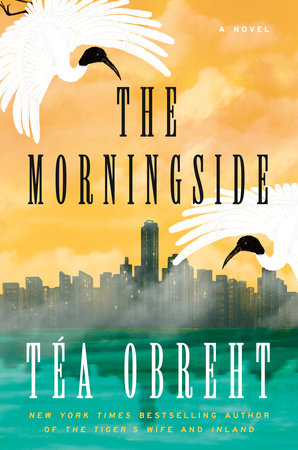
In Téa Obreht’s dystopian future, the lights are still on. Cell phones work, online forums breed new conspiracy theories, and the government functions—at least enough to distribute rations of “canned gruel.”
Set in a future of forest fires and submerged cities (the year is unspecified, but eating meat is considered a barbarism of the distant past), Obreht’s third novel, The Morningside, is the author’s first foray into climate fiction. Instead of depicting a world blown apart instantly by an asteroid or pandemic, Obreht imagines what might happen if the crises of our own era—rising temperatures, mass displacement, stark wealth inequality—continue unchecked.
The novel’s heroine, 11-year-old Silvia, has spent her entire life in transit. She barely remembers the homeland, a country destroyed by mudslides and ensuing civil wars, and her tight-lipped mother refuses to discuss the past. When they land in Island City, a half-submerged metropolis that resembles both New York and Obreht’s native Belgrade, Silvia believes they’ve finally found a place of safety. And she’s delighted with her aunt Ena, a gruff building superintendent eager to share stories from “Back Home.” Ena’s favorite story concerns the Vila, a Slavic nature spirit known for taking revenge on humans who encroach on her land. But when Silvia becomes convinced that her upstairs neighbor is a real-life Vila, her investigations lead her to trespass on this mysterious woman’s domain—a mistake which, just as the folk tale warns, unleashes a series of curses that threaten her tenuous stability in Island City.
I talked to Obreht about the folk tales that inspired The Morningside and the immigrant experiences that influenced her vision of “climate calamity.”
Irene Connelly: How did you come to know the story of the Vila?
Téa Obreht: I grew up with it. My God, our folktales are so dark, and so long. The Vila is part of the epic poems of Serbia; the first place I studied it is in “The Building of Skadar,” which is about how the city of Skadar came to be built. With the exception of certain flourishes, Ena delivers the tale pretty much the same way. It’s been foundational to my knowledge of the world since I was a kid, probably too young to hear it.
In some ways, the novel is indicative of my changing relationship with the folk tale. When you’re a kid, and you learn these tales of old, the women in them tend to be either divine or monstrous. In this case, the Vila is something to be feared, and she makes these monstrous contracts with the king. As I’ve gotten older, and studied literature and life, it has become very apparent the way those kinds of folk tales were intended to act as devices of hatred and repression and fear. There’s a lot more sympathy towards the Vila in this novel; there’s nothing about her that’s grotesque.
IC:Many works of climate fiction envision a future in which society has completely fallen apart, often by way of one dramatic catastrophe. In The Morningside, you depict a much more gradual form of disintegration. How did you think about what this dystopia would look and feel like?
TO: I wanted to write towards calamity, not catastrophe—seeing little pockets of society that would erode as a result of incompetence, or vulnerability, or bureaucratic malfeasance. I didn’t want there to be one large apocalyptic event.
When you’re a kid, and you learn these tales of old, the women in them tend to be either divine or monstrous.
Coming from the former Yugoslavia, and having family and friends from parts of the world where these breakdowns of nation or society have happened more recently, it’s surprising and inspiring and at the same time sort of depressing to see how people persist in trying to piece together a semblance of their lives from before. Of course, it’s the life from before that gets you to the collapse of society. But it is remarkable how much, in the West, there’s this idea of a massive apocalyptic event; whereas elsewhere, smaller apocalyptic events happen all the time, and people get through them.
IC:In a lot of ways, this novel uses the experiences of immigrants today to envision what life might look like for everyone in the future.
TO: My experience as an immigrant was that wherever we arrived—and we moved a lot after the collapse of Yugoslavia—there was this idea of arriving into a kind of utopian society. There was this notion of, “Here, things are functional. It’s not a disaster like it is back home, so something must be working.” And then you’re introduced to a new culture, new language, new people, new map, and realize slowly that things in your new home are also fraying at the edges.
IC:Folktales, especially the legend of the Vila, play a big role in this novel, which makes a lot of sense: in a world characterized by disruption and uncertainty, oral traditions are a way of preserving knowledge and continuity. Which came first for you, the legends or the setting?
TO: I’ve been trying to write a novel about the Vila for a long time. She’s flitted through the back of a couple projects that turned out not to be the right ones to contain her. I do think that folk tales are a way of passing down information; they’re also a way of navigating the present, because they can have a parable-like quality for the person receiving the story. Having the Vila in the back of my mind and beginning to write this novel, it was interesting to see the folk tale’s connection to climate change and human encroachment. It was all right there.
IC:Ena tells Silvia folk tales to give her a sense of connection to their lost homeland. But Silvia’s mother sees her reliance on these stories as a way of romanticizing their past and eliding the ostracism that Ena, who is queer, faced in their native country. In that sense, folk tales have a more sinister function.
In the West, there’s this idea of a massive apocalyptic event; elsewhere, smaller apocalyptic events happen all the time, and people get through them.
TO: I think Sil ends up sharing her aunt’s attachment to folk tales as a way of seeing a more informed, rounded reality. She takes tremendous solace in the belief that her folktale-infused way of seeing the world is the correct one. When we look at the things that religion, for example, can do for a person of faith, it’s a very similar kind of protection from outside violence. I hope that Ena’s attachment to folk tales reveals the complexity of being unable to reject and unable to accept the realities of home. Those are things that a lot of immigrant cultures also grapple with. You left for a reason, and those reasons were very real: They had to do with resources, with the attempt to provide your children a “better” life. However, there are also these magnificent things about the culture that you left behind that inform you.
IC: You wrote that this novel “crept up on me between pandemic and pregnancy.” Can you talk a little more about that?
TO: I’ve never written something in a more fragmented way. The novel had been knocking around in my mind for a long time and then, during the pandemic, the commission came to write a story for the Decameron Project. I used it to force myself to put these thoughts down on paper, and then I wrote a very messy first draft of the novel. Then I was pregnant, and I wrote a slightly less messy second draft. I wrote the final drafts after my daughter was born. There were physical, emotional, psychological shifts between drafts that forced me to write in different ways.
IC:Did your consideration of Sil’s relationship with her mother change once you were writing as a mother yourself?
TO: I think so. Writing that draft in that particular phase of life really crystallized what the novel was trying to say. One of my rules for myself is that if I get to the end of the first draft and the novel hasn’t revealed an underbelly of meaning, it’s not working. By the time I finished the first draft with this project, I did have access to that. But when I became a mom, there was this whole other layer of meaning couched in sympathy for Sylvia’s mother—and obliquely, my own. There was this idea of being raised by a parent who had been raised in an authoritarian society, of being very careful about what you said, very secretive, and using language to circle the wagons when you feel a threat in your new environment. These things felt really, really close to the bone.
IC:Silvia’s bond with her mother is stymied by exactly these survival tactics. They only become close once her mother realizes that she can’t protect Silvia from harm, no matter how careful she is.
TO: A lot of that has to do with the inability of immigrants to have a place for self-reflection, or to have a community to air their particular difficulties. If you’re an immigrant, you’re on your own, and you have to navigate deep emotional turmoil, and there’s a reflex to plaster it over with all these rules intended to keep you safe and chugging along. It ends with many years of chugging along without access to that emotional core.
After reporting on elite athletes for almost a decade, I have one main takeaway: They’re just like us. No, really.
For all the physical strength and dominance they display, athletes on the collegiate, Olympic, and professional levels are still susceptible to the vulnerabilities that plague us all. They fret over their identities and legacies, the health of their platonic and romantic relationships. Some days they wake up feeling invincible; on many other days they know all too well they aren’t.
In recent years, I’ve had conversations with dozens of athletes about their mental health, specifically. My new book, Mind Game: An Inside Look at the Mental Health Playbook of Elite Athletes, is a deeply reported look into the athlete psyche and what non-athletes can learn from it. As someone who hasn’t played competitive sports since high school, I needed as many direct glimpses as possible into what high-level play is like—and the mental tolls that come with it. For that, in addition to original interviews, I turned to athlete memoirs.
Whether you’re looking to be inspired to push past an obstacle in your way or you’re struggling and just want to feel seen by someone successful who’s been in your shoes, look no further than athletes’ own powerful words. After all, no one has a better handle on their mental health struggles than they do. Here are nine captivating sports memoirs that grapple with mental health.
Scurry, the goalkeeper of the U.S. women’s national soccer team during the famous 1999 World Cup victory, chronicles the saves that she made look effortless on the field and the trouble that she had saving herself off it. After a career-ending traumatic head injury in 2010, she fell into depression and self-medicated with Vicodin and alcohol. The icon digs deep to describe how she found herself and fought for her chance at recovery.
The 10-time NBA All-Star had a particularly tough time adjusting to fame after growing up in poor Brooklyn and Baltimore neighborhoods, where he described being surrounded by drugs and violence. For Anthony, learning how to be vulnerable as a Black man and process his feelings in a healthy way became a lifelong journey.
A former men’s world No. 1 tennis player, Agassi details a childhood rife with emotional abuse. Nevertheless, he was high-achieving from his teenage days at a tennis boarding school. Agassi, who is honest and reflective throughout about the pressures of playing professionally, even addresses getting past his 1997 positive test for methamphetamine.
The summer and winter Olympian—a hurdler and bobsledder—is perhaps known best for her shortcomings in both sports, especially tripping over the penultimate hurdle in the 2008 Beijing Games and missing out on gold. What fans may be less familiar with are the negative mental health effects she experienced after the traumatic event, when strangers wouldn’t stop mocking her. Jones’s faith, as she tells it, got her through, just as it got her through a tough upbringing.
An MLB Cy Young Award–winning pitcher who starred in Cleveland and New York, Sabathia was hiding his drinking as much as possible during the early stages of his career. Inevitably, people started to notice his erratic, confrontational behavior. In 2015 he took a step not many athletes do: publicly announcing that he was checking into a rehabilitation program — right before the playoffs, no less. He revitalized his career afterward and became an advocate for recovery from mental health and substance use.
Vonn put together one of the best skiing careers of all time; when she retired in 2019, she was the most decorated American in her sport. But that success and her speed on the slopes came at a cost: She struggled with depression for decades, learning to cope by leveraging attributes like grit and perseverance. Here, she gives clarity for athletes and non-athletes alike to those oft-murky concepts.
By his early 20s, the Canadian goaltender had accomplished his dream of making it to the NHL. He also earned a silver medal in the 1994 Olympics. But Hirsch was also wrestling with dark thoughts and relentless anxiety he wouldn’t share publicly until decades later, in a groundbreaking 2017 Players’ Tribune essay about OCD. This book is an insightful expansion of that article, detailing his path to recovery.
In 1996, Beard made the Atlanta Games at age 14, and, with her teddy bear famously in tow, she walked away with three Olympic medals (including one gold). But the fame and pressure that accompanied global success at such a young age took a toll on her mind and body, as she silently struggled with depression and bulimia in the following years. Slowly, she learned to trust those around her and seek the help she desperately needed.
The tennis star peaked at the women’s world No. 1 ranking in the early 1990s. From there, things got considerably harder. In 1993, a fan of opponent Steffi Graf stabbed Seles in the back, forcing her to take more than two years away from the sport to recover. During that time, she developed a binge-eating disorder and depression, while coping with her father’s cancer diagnosis and death. She eventually persevered through it all, making it back to the court and even picking up a ninth grand slam.
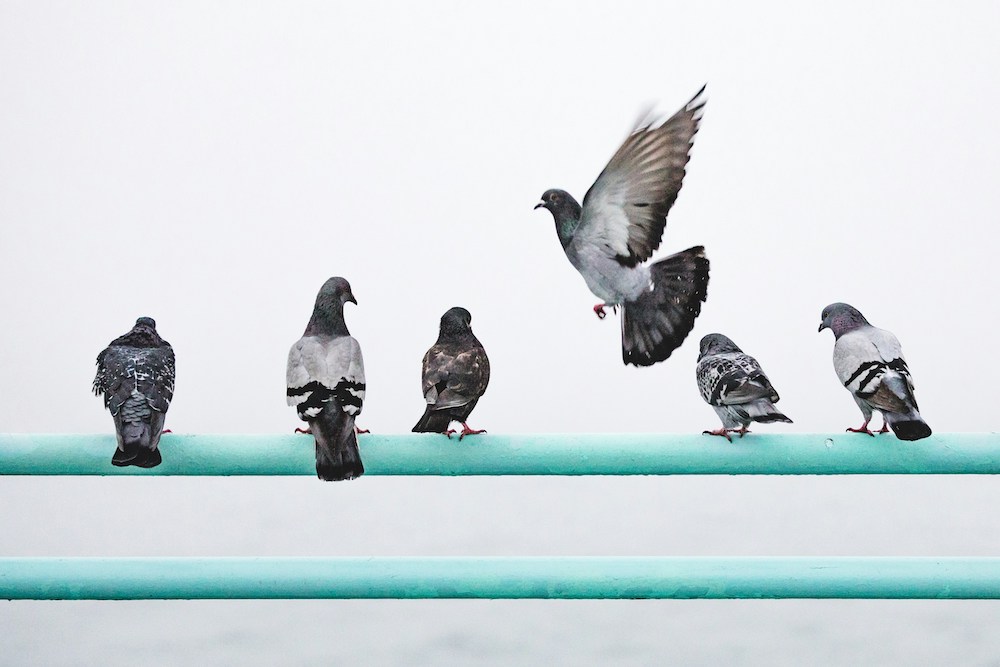
We were gone for almost all of August. When we got back, we found a rime of black and white bird shit and feathers encrusted on the top few steps of the stoop. Pigeons had been roosting on the pediments atop our windows. Whatever normally kept them away from our building was no longer keeping them away. Who’s to say where they came from; pigeons come from nowhere.
Nadia and I figured the late summer rains would wash the fecal matter away, and the pigeons would eventually leave. Find some other Brooklyn brownstone with protruding eaves. But the rains only got rid of the white shit, leaving behind the more three-dimensional, wormlike black shit, and the pigeons stayed. Fresh feculence of both varieties kept falling. The stoop, where we sometimes sat around and chatted with the neighbors, had become entirely unusable.
Our landlord, Erik, a veteran New York Times reporter based in Mexico City, was oblivious to the issue until he visited one rainy afternoon in October. He was standing by the trash bins sorting junk mail. He always wore a pair of newish black Sambas. No rain jacket or umbrella. High receding widow’s peak. Dark, angular, bushy eyebrows that gave him the semblance of a hawk.
“Sorry about the mess,” he said. “How long has it been like this?”
“Probably since mid-August,” I said. “We were away when it started.”
“That’s a long time, I’m really sorry. It’s frankly disgusting. It’s also a public health hazard.”
“How would you go about getting rid of them?”
The three of us looked up. A row of light and dark gray triangles hung over the lip of the brownstone’s uppermost ledge. The pigeons were sheltering from the rain.
“I’ll probably hire a guy to go up to the roof and hang off the side to clean those ledges. Then they put down this sticky stuff, which keeps the birds away.”
“Is that okay for the birds?” Nadia asked.
“Oh yeah, it’s all-natural. They don’t like the feeling of it on their feet, so they stop landing there.”
This seemed a better solution than nets and metal spikes, which always felt so medieval to me. Erik promised to have the property manager get straight to work. Rain had darkened his shoulders. The junk mail sat in his hands like undevoured prey. We thanked him and left it at that.
This seemed a better solution than nets and metal spikes, which always felt so medieval to me.
A few weeks later, I woke to the sound of voices on the landing. Aurelio, the property manager, and a couple of his guys were heading up to the roof. I lay still and listened to their footsteps creaking across the bedroom ceiling. When I went downstairs, I noticed that the stoop was clean. Aurelio the generalísimo—tall and well-fed, well-liked on the block—was standing by his van, staring up at the eaves. He smiled when he saw me and shook my hand. He said they might need to go inside the apartment tomorrow to work on the window ledges. I said no hay problema.
“No hay problema?” he repeated, smiling again, and went back to work.
The crew came back the next day with coarse black brushes duct-taped to the ends of wooden poles. They dipped the brushes in a soap solution, lay flat at the edge of the roof, and reached down to scrub, presumably while others gripped their ankles from behind. I stood by the bedroom window at one point to watch. Fine particles of soapy water floated past the glass. The men joked around while they worked, suspended over the edge, supremely indifferent to death. Once the stone was clean, they took a pole with a putty knife taped to the end, smeared the blade with bird-repellent gel, and reached down to scrape the stuff onto the ledges. The job took less than half an hour.
Aurelio knocked at our door. I waved him and his right-hand man, Rodrigo, inside and moved some books and picture-frames away from the bedroom windows. I pointed to the potted sampaguita on the windowsill with its tracery of green leaves and vines wound about a bamboo trellis by the glass. I asked them to be extra careful with that—my cousin Emily had entrusted the plant to my care before leaving the city. Aurelio nodded. I went into the kitchen to wait.
Emily had been on my mind all morning. She had messaged the family WhatsApp the day before: “Hi fam! I am being admitted to labor and delivery. Baby will most likely be born tomorrow.” Hearts and prayer hands flooded the chat. I sensed something grave and unspoken: the baby wasn’t due for another month. “Eat noodles for us pls,” Emily added. A Filipino custom, eating noodles on birthdays for long life. Whose long life? I wondered. For us, Em had said. The custom covers both, of course, the same life force. Every birthday belongs equally to the mother—
It didn’t look at all, to me, like a deterrent. It looked like a fucking trap.
“All done!” Aurelio said, emerging from the bedroom. On their way out, Rodrigo waved his caulking gun, fitted with the tube of bird-repellent gel, and flashed his perfect set of silver teeth. I went in to examine their work. On the ledge outside the window near my desk, they had put down some thick squiggles of whitish, transparent gel. They had done the same on the other window ledge, by the bed. I found the sight of it vaguely unsettling—the gel had a semen-like quality, maybe that’s what it was. But it also had to do with the lines Rodrigo had drawn. There was something runelike and indecipherable about them. A wide, looping, archaic script, just dense enough to ensure that nothing could land there without touching it. The pattern was not haphazard; some knowledge was encoded there. Some canny human certainty about the ways of animals that I found disturbing. It didn’t look at all, to me, like a deterrent. It looked like a fucking trap.
Nighttime.
Nadia came in and said, “There’s a pigeon on the stoop. I think it’s stuck.”
“What do you mean?”
“It’s stuck.”
“To the stoop?”
“Come see.”
I followed them out. On the third step down, in the shadow of the wrought-iron handrail, a small huddled form sat motionless. I hadn’t seen anything there on my way up, an hour ago. Maybe I had missed it. We went closer, speaking gently: hey little one, are you okay? It didn’t move. Its head hung low, near the step. Its crown and throat were snowy white, with dark gray regions around its eyes. Its eyes were wide and black and blank, like the eyes of someone shocked.
“What should we do?” Nadia said.
I didn’t know. I switched on my phone’s light. The bird’s wings glistened with transparent gunk. Its feet were a mess. Globs of gel clung to the pink skin above its claws, and the feathers nearest its feet were saturated and dark. It did seem to be stuck where it was. I moved closer to see if it would try to strain. It hardly seemed to see me at all. It must have been exhausted. We watched it for a moment. Its whole form lifted faintly, then dropped, lifted, then dropped. It was breathing.
“We have to do something,” Nadia said.
I went upstairs to fetch one of the wooden poles Aurelio had left on the landing. I moved it carefully in front of the bird. No response. I touched the pole very gently to its breast. Nothing.
“Do you think we should try to free its feet?” Nadia asked.
“How?”
“Maybe with water?”
“That stuff is extremely sticky. I had to scrub some of it off the windowsill earlier.”
“We have to do something.”
I agreed. The alternative was what? It would just sit there until it died, or until the rats got to it. We went upstairs and did some research. As I clicked around, I saw an ad for something called “Tanglefoot Bird Repellent”—how obscene, I thought, how cruel. We found that vegetable oil might work. So we pulled on double layers of blue nitrile gloves and brought down a dishcloth, a roll of paper towel, and plastic containers of canola oil and water. Coming down the stairs, I felt a heaviness in my limbs. I wasn’t hopeful about the outcome, but Nadia was right, we had to try.
I wasn’t hopeful about the outcome, but Nadia was right, we had to try.
The pigeon had turned around. Now it was near the edge, facing away from the step. So it wasn’t entirely stuck. Maybe it wanted to fly. We decided to start by removing the gunk on its feathers. I moved to a lower step and held up a light. Nadia took a moment to drape the dishcloth over the pigeon’s head, and held a hand there to calm it. Then they dipped some paper towel in the oil and set about swabbing the wing feathers, pulling the gel outward, speaking to it the whole time.
It seemed to be working. The pigeon hardly appeared to notice. Nadia was able to pull one of the wings out from the body—a sickening sheet of gel stretched between wing and side. It had been literally stuck shut. I propped my phone against the step, dipped my fingers in oil, and did as Nadia was doing. We worked quietly, pulling feathers free, dragging the gel down to the tips, then out completely. It must have flapped its wings after it landed in the glue. It must have tumbled into the glue, then righted itself. It must have fallen three stories from the ledge. The Adhan began at the mosque on the corner. Evening prayers curled like smoke; we listened while we worked.
I thought of Emily and the baby. Josh, her husband, had sent a photo in the afternoon of Em lying with her eyes closed in the hospital bed. She looked unconscious or delirious. Her mother was standing above her, feeling her forehead, looking concerned. One aunt said she was going to the church to offer prayers to St. Gerard, patron saint of expectant mothers. She urged everyone to say the Memorare Prayer ten times. My mother wrote, “Lord, please protect Em and baby during this delivery. We trust in your perfect will and timing. Amen.” Josh had said the baby was likely arriving by the end of the day. I wiped a hand to check my phone for updates—nothing. I felt a sudden fear for Emily’s life, and the baby’s life as well. It was getting late. The pigeon moved very little.
Several stray bits of mangled feather matter had become lodged between its flight feathers. I extended the wings and removed each piece that seemed out of place, trying to simulate a natural preening motion. I had kept parakeets before, so I knew something about birds and their habits. A pair of pet-store budgies—one was green and yellow with a single ultramarine tail feather, the other was pale blue and white, puffy, rotund. It was never exactly my choice to own birds. The first was a rescue from my roommates’ theater production. They toyed for a moment with killing him onstage. I intervened on the grounds that art has nothing to do with killing animals onstage. The other one I adopted to keep the first company, to give his life purpose. Both lived in the bedroom I shared with my partner at the time—another Brooklyn brownstone, another life.
I sometimes woke up flat on my back with my hands folded softly at my chest, as if we had all died together.
But keeping birds troubled me. I was haunted by the thought of one of them slipping through the cage, flying for the window, striking the glass. Somehow worse was the thought of the window hanging open and one of them flying out, a blaze of tropical wings, suddenly alone in the cold and powerless to the casual killing force of everything in the city. Even worse was the thought of the other one left inside, confused, calling for its mate. All of it was awful, the whole arrangement. In the end I broke up with that partner and left that apartment, but I had nightmares about the birds for years—cradling their little forms between my hands, traveling with them through the chaos and noise of the subway, shielding them from gears and cars and heavy machinery. I sometimes woke up flat on my back with my hands folded softly at my chest, as if we had all died together.
I would tell Nadia about these dreams just after we started dating. We were sitting on the stoop one morning drinking tea when they asked if there was any subtext to the dreams’ recurrence. Previous relationship, I said. That seemed clear. I suppose I equated their absence with grief over the relationship. I suppose I felt I had abandoned the birds, as I had abandoned my partner.
Talking it through made it comprehensible. Even then, Nadia could tell when I was stuck or troubled, bewildered to the point of incapacitation. I saw them off that day with a kiss atop the stoop. I remember it vividly: Nadia closed the gate, waved, turned away. They were carrying a yellow backpack and wearing a yellow leather belt. I watched them recede down the block and sat back for a moment to enjoy the morning, the spring air. Then glancing down, I saw, just inches from my feet, a dead chick, sprawled on the step. No longer than a finger, pink and nearly translucent in the sun. Its head was thrown back, arms not yet wings at its sides. It must have fallen from a nest—the oak tree moved extravagantly in the wind, shuffling its leaves like cards. I sat for a while with these strange pieces of experience in my hands. The continuous line from dreaming to waking to this moment. Ill augury? I waved a fly away, went into the vestibule for an envelope, and lifted the bird with mute ceremony to the trash bin. It weighed next to nothing.
Once the feathers looked relatively free of the gel, we turned our attention to the feet. But as soon as Nadia started swabbing the toes, the pigeon startled. “It’s okay, it’s okay!” Nadia said, and placed a hand atop the dishcloth. They used their fingers to drag the gel away from the legs and claws. They were making steady progress; it was working. But then the pigeon jumped again, and this time it tumbled off the side of the step, falling with a thud onto the trash bins below.
“Oh no!” Nadia was horrified. “It’s okay,” I said, hurrying down the steps with the light. It had fallen all the way to the ground, between two of the bins. I moved them apart carefully. It was standing with its wing against one of the bin’s wheels. It was alive. Nadia was rattled—“That was my fault. Is it alright?” “It’s alright,” I said. “You’re helping it, you’re doing beautifully.” We decided to wait a few minutes so that it could rest. We needed to collect ourselves as well.
Hollow bones, I thought, pneumatized, devoid of marrow.
It was a cool night, temperate for November. Occasionally someone would walk past, glancing at us in our blue gloves, glancing briefly at the pigeon in the field of the flashlight. No one seemed to think about it much. Our neighbor Linh, who lived on the parlor level, appeared at the gate. Nadia told her what was happening. Her shoulders fell forward. She seemed genuinely sad. “Is there anything I can do?” she asked. We said there’s no need, we would take care of it. I could tell she was relieved. “We have some Dawn,” she said, and offered to bring it out. We accepted.
I squeezed some soap into the water and we went back to work. Nadia laid the cloth over the pigeon and picked it up entirely. They set it down in a clear part of the forecourt and tried to continue wiping at the feet. But now it was sitting flush against the bluish stone, as though brooding over a nest. I checked my phone: still no news about the baby. “It must be really tired,” Nadia said. Maybe if I held it up, they could get to the feet? They shrugged. We agreed to try.
I refolded the dishcloth and wrapped it around the bird’s head and body. Then I placed my hands on either side of the wings and lifted. It felt somehow both substantial and light. Hollow bones, I thought, pneumatized, devoid of marrow. But here was a life. These were its contours. I tried to impart calm through my touch. It did not strain or protest. I saw Nadia’s green eyes distant with concern. I thought about the heat at the edges of bodies, the life contained for a time within. I thought about the living force within my body, as well, and I thought about Emily, laboring to bring life into the world, laboring to keep it there. What large decisions was she in the midst of making? What life-or-death adjustments was she trying? My lola, the mother of Emily’s mother, would say that in giving birth, the mother has her one foot in the grave. One life going out as one comes in. The hold of one body weakening as it releases another. The thought was unbearable. Unbearable, unspeakable—to imagine the family’s prayers becoming prayers for the dead.
I tilted my hands so the pigeon’s feet faced up. Nadia pulled back the cloth and swabbed the claws with their fingers, now using both oil and soap. From time to time it twitched, and its feet grasped, but I held it steady and we spoke to it, and it relaxed. Nadia worked diligently for a few minutes. But holding the bird like this, we saw how deeply the gel had worked its way into the feathers covering the breast and abdomen. The stuff came away from the wing feathers, more or less, but it seemed to be caked about this lower region like tar. It all felt suddenly hopeless.
I frowned hard and looked down the street. No one else was out.
We looked at each other. I wondered where I should set it down. “Out there?” I said, gesturing to the sidewalk. I don’t know why I suggested that. Maybe I wanted to be free of the responsibility. Maybe I wanted to be like all the other people walking past, going about their swift urban existences. “How about here?” Nadia said, pointing to a corner of our forecourt near the neighboring wall. “It should have some kind of shelter.” I eased it down where Nadia pointed and lifted the cloth. Its right shoulder seemed higher than its left. Its head still drooped. Because I had set it down facing the wall, it gave the appearance of turning away from us, refusing our help.
“You poor thing,” we said. This bird had no chance. What more could we do for it? Calling animal rescue seemed absurd. A single pigeon in New York City; who would move a muscle? I thought about the rats again, big ones on this block. They would descend on it soon, any moment. It would be a bloody mess by the morning. A sad thought occurred to me. “Maybe we should put it out of its misery,” I said. Nadia searched my face. “You don’t think it’ll make it?” I didn’t even think it would last the night. Nadia frowned. I did, too. I felt we had a hand in this—getting rid of the pigeons had seemed like a good idea to us. We were partly responsible for this creature’s suffering. Maybe the least we could do was to end it. Miserable, the frailty of human logic.
“How?” Nadia said. I had no desire to kill it with blunt force. “Maybe we drown it,” I said. But we didn’t even own a bucket. Our other neighbor, Deb, was coming down the street. Nadia explained the situation to her. “That’s so awful,” Deb said. “That’s exactly what I thought would happen with the sticky stuff.” A completely inane solution, we agreed. “We’re considering putting it out of its misery,” Nadia said. I asked Deb if she had a bucket. She shook her head. I think she was lying.
Nadia and I went upstairs and rooted around in the kitchen. I found a bag made of thick green plastic and tried filling it at the sink. It seemed to work. I lifted it into a nylon grocery bag, in case the plastic ripped, and filled it about halfway. I asked Nadia if they thought that was enough water. They did. I held the double bag in my arms like a wineskin and brought it down. “Are we really about to do this?” Nadia said. The pigeon still hadn’t moved. I frowned hard and looked down the street. No one else was out. “It’s the right thing,” I said. “It would just suffer otherwise. I think I would want the same.” Nadia nodded, pensive. I said if they held the bag steady, I would drop it in. “Them,” Nadia suddenly corrected me. “Drop them in.” They were right, of course.
I wrapped the bird with the dishcloth, this time holding the fabric a little more snugly over their head. Their life in my hands. “Sorry, little friend,” I said. “You’re going to fly straight to heaven.” Nadia was solemn, holding the handles of the bag upright. “It’s really brave of you,” they said. I said I was just following their lead, which was true. I brought the pigeon closer to the bag.
“On three?” I said. We counted—
One. Two. Three.
Remember,
O most gracious Virgin Mary, that never was it known that anyone who fled to thy protection, implored thy help, or sought thy intercession was left unaided.
Inspired by this confidence I fly unto thee, O Virgin of virgins, my Mother. To thee do I come, before thee I stand, sinful and sorrowful.
O Mother of the Word Incarnate, despise not my petitions, but in thy mercy
hear and answer me.
Beside the bag, a little yellow larva was inching along the ground—a newborn caterpillar maybe, fallen from the oak tree. A little bead of pure life, inching, squirming, striving blindly. I stared at it, amused, while Nadia said some words I couldn’t hear. Water was seeping from the outer bag. “Oh no,” that’s what Nadia was saying. I worried suddenly that there wouldn’t be enough—I moved my hands and felt the coolness of the water at my wrists. It was still deep. I looked for the larva again and was pleased to see the water trickling in a stream just past it; it was dry, safe. The pigeon strained—I felt their feathers sharpen against my hands. I adjusted my grasp. I spoke to them. The wings went slack. “I think that’s it,” I said. We waited for a moment to be sure.
I hadn’t prayed in a very long time. We sat on the floor and did ten recitations, taking turns.
I lifted the body in its sopping cloth out of the water. Nadia opened the lid of the trash bin. I set it down inside. “It’s too bad we can’t bury it,” Nadia said. I brought the bags to the street and tipped them out. The water rushed forth. I felt relieved. It was done. I covered the pigeon’s body with the bags and carefully lowered the lid of the bin. We floated upstairs in a daze. I felt a vacancy in my eyes. We sat silent in the kitchen. I lit a stick of palo santo at the stove, and it burned a long time.
An image of St. Francis lay face up on the dining table. I found the sight of it calming. “He looks like the pigeon,” I said to Nadia. Wounded and alone. Wings at his sides. Draped in coarse cloth. We decided to pray the Memorare for Emily and her baby. Nadia lit a candle and turned out the lights. I hadn’t prayed in a very long time. We sat on the floor and did ten recitations, taking turns. My mother’s voice traveled to me across the years; I remembered her intoning this one often, almost every day. At the end I said, “We pray for Emily and her baby. For the soul of the pigeon. For the current of life that connects all of us.” The candlelight flickered through my shut eyelids. I didn’t remember how to end the prayer, so we just sat there for a while in the dark.
“I am a lawyer,” I nodded humbly, breath bated for the reaction I wanted—no, needed—to receive.
I said this to most people I met, as opposed to “I work in a law firm.” An innocuous difference at first, but one which belied a deep reliance on my job for my self-worth. I didn’t merely work for a firm; being a lawyer was at the heart of who I was.
I found myself unable to stop talking about work, with its intricate political webs and overinflated gossip, to friends and family. In fairness, I was spending sixteen hours a day in the office, and prioritized the company and client above all else. As a brown woman, I contorted my otherness as necessary, without even realizing. My career had overtaken my being until it had become all-consuming.
This feeling inspired the setting of my debut novel, Jaded. It follows a biracial, twenty-something lawyer named Jade whose career is on the rise, until something terrible happens to her on the firm’s watch. Suddenly, Jade has to pick apart and call into question the person she has molded herself to be for everyone else’s benefit. Along the way, she navigates the underbelly of the industry she once thought was glittering and finds that is skewed against her. Worse still, she comes to the rather horrifying realization that she has been complicit in her own erasure all along.
I always race through books that shed light on the shadows that linger in an industry, particularly when the author has had a past life working in the culture they depict, infusing the setting with life from the very first page. In these books below, the protagonists are all women, and some are women of color, who see and feel the grind of workplace discrimination with a precision that crawls under your skin and feel all too realistic.
Getting romantically involved with a colleague is tricky in the best of circumstances. For Jess—a Black liberal—and Josh—a white conservative—the nuances of identity politics are explored against the backdrop of an investment bank. Despite having graduated from the same university, Josh fits into the corporate boys’ club seamlessly, even hailed as a rising star, whilst Jess receives an inexplicably chilly welcome. Whilst the novel contextualizes their differences within an entire relationship, Rabess also shines a light on the unspoken hostility and condescension Black women are subjected to in predominantly white workplaces, and the ways in which the poster boys of the industry are unable, or unwilling, to meaningfully engage with that experience.
“Be the best. Work harder, work smarter. Exceed every expectation. But also, be invisible, imperceptible… Go unnoticed. Become the air.”
An unnamed Black British protagonist is a model minority success story: she has the prestigious education, a lucrative job in finance, a white, moneyed boyfriend. But faced with life-changing news, she picks apart her life with a cool objectivity that relays the emptiness of her ostensible success. As Brown scratches the surface, we see that the narrator’s behavior at work is scripted, she is expected to show gratitude for her career, dress and sound the part, be more industrious than the rest, hold no resentment, recruit other people of color and, ultimately, be complicit in her own oppression. In 100 pages, Assembly’s dissection of the exhaustion of constant othering is breathtaking in its efficiency.
The reverberations of rewarding a workplace predator with power and promotion overflow for the four female narrators of this novel when their serial abuser boss is set to become CEO of their company. The way Baker weaves through the book the mundane woes of existing as women in a system built for men had me tabbing page after page. From the overwhelm of working motherhood, constant objectification, bad behavior that travels only in whispers, to the blowback after speaking up. It’s the chorus of voices that creates the sense of sisterhood, support and shared pain between the women and builds a looming shadow of pent-up rage, bubbling over.
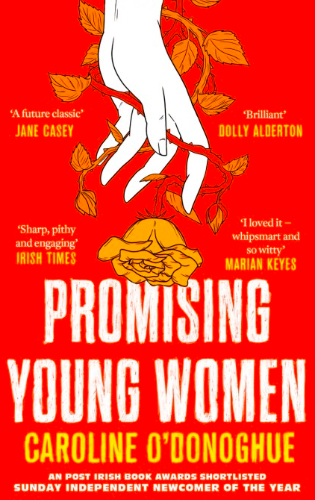
Promising Young Women by Caroline O’Donoghue
Set in a trendy advertising agency, O’Donoghue captures the creeping control some workplaces wield over their junior female employees. As the protagonist Jane becomes increasingly embroiled in affair with her boss and entangled in his manipulation, the novel takes on an almost gothic turn, pointing to the fear and paranoia her workplace stirs up for her. If you’ve ever stared at an email with amazement at how a man has insidiously undermined your ability whilst stealing your credit, you’ll relate to Jane’s predicament. It touches on issues that so many industries still turn a blind eye to: workplace sexual assault, arbitrary success markers that pit women against each other, the promises of success fed to the junior ranks, and the exploitation of female labor.
A dystopian Silicon Valley comes to life as the protagonist Cassie peels back the curtains of the glossy world of tech. During her days in a ruthless start-up, Cassie is constantly accompanied by her black hole. Depending on her mood and how many drugs she has taken to keep up, it shrinks and enlarges, but always hovers next to her. Like many women perceived as successful, she has both a public-facing self that is high-functioning at work and complicit in the toxicity of her company, and a private self, characterized by the deep depression and shame that follow her everywhere she goes. Eventually, we feel Cassie’s hell of existing in an artificially glittering environment, burning out at a job that rewards immorality. Reading it feels cinematically apocalyptic, yet extremely close to home.
With sardonic and bleak humor, Halle Butler keeps a dreary office setting light. Like many literary antiheroines, Millie is very privileged but deeply dissatisfied. She turns to binge drinking and sharp observations to pass the day at her otherwise joyless temp job. Butler captures the claustrophobia of both Millie’s physical office – small and windowless – and the wider misery of monotonous working culture for millennials.
Often credited with igniting South Korea’s #MeToo movement, Jiyoung is described as the “millennial everywoman” who, following relentless micro-aggressions, goes through a spell of disassociation where she embodies different women and tells their stories. When her husband eventually sends her to a psychiatrist, Jiyoung’s life is chronicled in a neutral voice that is so effective in making the reader feel the heaviness of daily misogyny. The sexism is laid bare when she details how corporations have a practice of favoring men to avoid the risk of paying for maternity leave, and questions whether women end up unwittingly raising the bar for incoming women by overworking themselves to the bone just to receive the same recognition as their male colleagues.
When I was a girl I had a plethora of aunts – too many even to keep track of. I thought of them as one person, moving en masse toward the dreaded cheek pinch or a stern yet loving scolding, a cloud of cherry-scented cough drops following them. But my Aunt Mabel was the exception; she alone could stir an excitement akin to Santa’s arrival.
Aunt Mabel had been a great beauty years ago. She married a wealthy banker, and all the other aunts were jealous. One day Aunt Mabel’s husband locked the two of them in the bedroom and lit their house on fire. She escaped by jumping out the window after he passed out, but she was never the same again. Her left knee was shattered, and even after many surgeries she walked with a limp. She was covered in scars, little whorls of raw skin that crept like a vine from her fingers up her arms and neck. Her face was textured like the bark of a tree, her cheeks and scalp flushed red with the ghost of flames.
After the fire, Aunt Mabel got insurance money, plus the inheritance from her late husband. She sold the plot of burned land where her house once stood and bought a van that she fixed up herself. Aunt Mabel toured the whole country in that van, and even drove around Canada and Central America. We never knew when she’d come to visit; she herself didn’t seem to know until she appeared suddenly in our driveway, her gas tank nearly empty. My parents scuttled about the house picking up, but I threw open the door and ran barefoot to greet her.
Sometimes Aunt Mabel brought gifts from her travels: a keychain of the Empire State Building, a T-shirt that said, “I survived spelunking in Carlsbad Caverns.” Even more precious were the stories she told as she pulled me onto her lap and braided my hair. She told me of the ghost of a prospector she’d glimpsed in an abandoned mining town in California, of the northern lights that stretched across the sky in British Columbia, so bright and expansive that she thought, in her solitude, she’d imagined them. She told me of a man who tried to rob her on a Texas highway but instead cried to her about his failed musical career, and she told me how she rescued a fox from a trap in Washington, and in return, the fox brought her pups to nuzzle into Aunt Mabel’s palms. She was full of a hunger and awe for the world I’d never seen in adults. This awe protected her in ways I couldn’t fully understand – she could ask a stranger a personal question, and instead of taking offense, they’d divulge their whole life story, happy to finally be unburdened. The worst possible thing had already happened to her, and so she was completely unguarded. The world, seeing this, wanted to hold her in its embrace.
Of all Aunt Mabel’s stories, the one I requested the most was that of the island of escaped parrots. She was staying on Prince Edward Island one summer when she met an old man who was blind and could no longer use his boat, so he offered it to her while she was in town. She took it out for the first time on the solstice, when there were only a few hours of darkness. She ran aground on an island too small to be populated by people or homes. The island was thick with greenery that seemed to rise directly out of the gulf, but the vegetation wasn’t like the trees speckling the coast. Here, the vines and drooping trees looked more like those she’d seen in the Caribbean. She stepped into the sand and felt herself engulfed in a pocket of warm fog. She could see the wind currents stirring the water all around the edge of the island. But when the air reached the sand, it became stagnant and syrupy.
Aunt Mabel took off her shoes and walked barefoot through the sand and loam, feeling spongy moss beneath her toes. By now it was nearly midnight, and the rays of sunlight were stretched across the sky like pulled taffy. She heard a noise like a child crying, and when she looked up, she saw them: hundreds of parrots tucked into their leafy nooks, peering down at her with bright eyes. Each feathered body shone with a unique pattern. When the setting sun illuminated their plumage, the ruby hues seemed to dance like flames shuddering in the breeze.
Later, Aunt Mabel would ask the man with the boat about the parrots, and he would tell her the story of the bird salesman who, many years ago, traveled from South America up north, transporting the cargo he planned to sell. His colleagues warned him the birds wouldn’t survive the climate, but he wasn’t concerned with their fate after the sales. He died when his ship capsized in a storm, and no one thought twice about the cargo they assumed had also perished. It wasn’t for several years that someone discovered that the parrots had survived to roost in the branches of an island untouched by humans. Occasionally, a sailor would see a blur of emerald or tangerine streaking across the horizon. But the birds were notoriously aggressive, and few attempted to go too near them.
On the night of the solstice, Aunt Mabel didn’t yet know this story. She assumed the long hours of daylight and little sleep had pickled her brain, and the parrots were merely a trick of the strangely angular dusk.
When she learned it wasn’t a hallucination, she searched for the island again. But she could never find it after that night.
The first time Aunt Mabel told me this story, she presented me with one perfect feather. Its root was marigold, but its hue became more mango at the center and tip. I stroked each soft blade very gently with my index finger, then tucked it into a shoe box full of my most precious treasures to keep safe beneath my bed.
Every day, I passed a pet store on my walk home from school. Usually the store only had a selection of fish and hamsters. But occasionally the store displayed a bird in its window, inviting passersby to enter. Once, I slid my fingers near the clasp of the lovebirds’ cage, itching to fling it open. I could picture them soaring through the open window, filling the cityscape with their lime-colored plumage, circling one another as they floated higher. At night they would fly to other pet stores, unclasping the metal hooks of cages with their sharp beaks, releasing animal after animal until the sky was iridescent with a false dawn. People would wake, stretch, ready to greet the day, only to see the sunrise shift and flurry – not clouds, but feathers quilting the heavens. Soon other pets would hear their caws; not just those waiting in shops, but those who had been living for decades in apartments, plucking their feathers out as they watched the seasons pass from the window. Macaws who had been bred to be pets would stir, remembering their wild ancestry. Their clipped wings would regrow, and they’d rise, fearless, tearing the window screens with their claws. The parrots would make a flock – mismatched like a carpet of wildflowers in a meadow. As it traveled across deserts and mountains, the flock would momentarily eclipse the sun with aquamarine tails. Migrating gaggles of geese and swans would hover, mid-stroke, to admire the uprising. Finally, the parrots would arrive at their island, exhausted and ready to nest.
Aunt Mabel always left too soon, gone only a few days after arriving. I think it made her nervous to linger in one place too long. In between visits, I waited for her on the porch, watching the horizon for her limping van. Occasionally, just as the sun burrowed beneath the earth, the pearly swoop of a cockatoo careened past me to perch on the eaves of our house. I stood very still, willing the bird to flutter closer so I could lean into its sun-bright body and whisper secrets into its plumage. In the growing darkness, the pattern of its feathers swirled like Aunt Mabel’s scars. I closed my eyes when it took off, feeling the wind stir beneath its wings, imagining Aunt Mabel’s face as she received my message.
There’s an old Talmudic injunction: “Your friend has a friend, and your friend’s friend has a friend; be discreet.” Living through a primitive age, when gossip was limited by oral transmission, the rabbinical sages feared loose talk—unkind words about neighbors, confessions of forbidden desire. Had those sages laid down one night and dreamed up modern publishing and the mass-market paperback, they might never have slept again.
In my novel Fervor,Hannah Rosenthal (like many writers) has no intention of being discreet; she aims to write and publish an account of her father-in-law’s experiences in the Warsaw Ghetto and Treblinka without his consent. That no one in her family wants her to proceed does not put her off. While she claims her motives are righteous—the old man is dying, she seeks to preserve his story from oblivion and honor the victims of the Shoah—money and fame also seem to twinkle somewhere on her inner horizon.
I have become interested in seeking out other novels where a character produces a “cursed book”—an object that reveals truths (or untruths) that were better left unsaid. These cursed tomes are sometimes memoirs, sometimes fictional, but are all bound by the same sense of breaking a taboo: no one stopped to think of their friend’s friend’s friend turning pages in the bath.
Different books enact different kinds of trespass, and the seven works on my list chart the range. Sometimes the demands of privacy are ignored and the doors to a heart’s sacred chamber are thrown open. Elsewhere a lie is dressed up and accepted as a truth, and a reputation is forever tarnished. Or the desire to write a great book, to seek out the most compelling literary material, is itself the motive for spurious deeds. Perhaps what fascinates most of all in these tales is the creeping fear that literature, despite good arguments made on its behalf, is inherently amoral—the author paring their nails behind the screen of words has always chosen not to care what damage their books will cause. Otherwise, they couldn’t write.
When the Norwegian author published the first volume of his autobiography, which draws its provocative title from Hitler’s prison memoir, he enacted a kind of Faustian pact. On the one hand, he became first a national then an international literary star; his books can be read in more than twenty languages, and the collection has been hailed as a masterpiece all over the world. On the other hand, My Struggle Volume 1 turned his own family against him. And it was precisely what made his autobiography so successful—minute descriptions of the ugliest parts of his own life, detailing his father’s abusive parenting style and eventual death from alcoholism—that also made it so painful to his nearest relatives. In Volume 6, Knausgaard wrestles with his conscience as he describes the events that led up to his own uncle suing him for libel and the even more devastating effects that his earlier memoirs have had on his wife’s precarious mental health.
The place of storytellers in times of political turbulence has preoccupied Francine Prose since her first novel, Judah the Pious. In her most recent, The Vixen, it is not the writer of the cursed book whose morals are tested, but the cursed book’s unfortunate editor. In 1950s New York, at the height of McCarthy’s witch hunts, editorial assistant Simon Putnam is given the job of working on a trashy novel that demonizes the recently executed Ethel Rosenberg. Putnam is a Harvard-educated Jew who passes, almost without trying, for a gentile in a world where the memory of the Holocaust is everywhere, and where anti-Communist forces are weaponizing latent anti-Semitism throughout America. To complicate matters, the real Ethel Rosenberg was a friend of Putnam’s mother, and he knows that working on the novel that sullies her memory is both the perfect way to advance his career in the America that is taking shape around him and also a terrible sin.
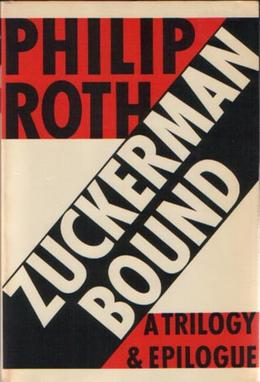
Like Prose, Roth was particularly energized by the ethics of writing Jewish stories in postwar America. This quartet of novels, written after he was catapulted to fame by Portnoy’s Complaint, chart the rise and fall of the novelist Nathan Zuckerman. In the beginning, Zuckerman is a writer in his twenties, enjoying the first flashes of literary success for short stories that offer intimate, sometimes unflattering portraits of Jewish characters. Already, he faces a backlash; certain Jewish authority figures accuse Zuckerman of recycling tropes that will provoke hatred of his people. As he embarks on his literary career, he has a choice. Will he do as he’s told by his father and his rabbi, and only write nice stories about nice Jewish families? Or will he continue down the road he’s started along, and pursue a darker form of artistic truth whatever the consequence?
The morality of portraying a minority group in fiction also animates Kuang’s novel, Yellowface, though here the group in question is Asian Americans rather than Jews. And, crucially, the author who takes credit for having written the novel within a novel isn’t a member of the group. When Juniper Hayward steals her dead friend Athena Liu’s manuscript to edit and publish as her own novel, she tells herself she isn’t doing anything really wrong. The manuscript as Liu left it was in no fit state to publish, and she only means to give it the final polish required to let the book outlive its author. However, once she has started lying about the manuscript’s provenance, she finds herself heading rapidly down a track she cannot turn off. Soon, both June and Athena’s reputations are dragged through the mud, with accusations of colonial plundering and internalized racism thrown at each of them.
Man-Eating Typewriter by Richard Milward
Of course, not all cursed books are ushered into the world by mainstream publishing houses. In Richard Milward’s novel, a publisher of lowbrow and pornographic fiction, whose editorial director moonlights as a backstreet abortionist, agrees to print the manuscript of Raymond Novak’s memoirs as he sends it to them chapter by chapter in the countdown to what he promises will be a “fantabulosa crime” to shake the world. Is Novak full of hot air or is he a genuine violent criminal, a self-styled British Charles Manson? As the date of the crime approaches, and people start disappearing, we are haunted by the editor’s foreword, which warned us that although Raymond’s reign of terror started only with a paper cut, it led in time to wooden caskets.
Cynthia Ozick’s novel reveals the potential harms of stuffing a real person into fictional robes. The book follows the fortunes of the Mitwisser family, refugees from Hitler’s Europe, who come to depend on the patronage of James A’Bair. James, not unlike the real life Christopher Robin, is the son of a popular children’s writer who has written a series of novels about a character known as “the Bear Boy.” But while the character in the children’s book, adored in households on both sides of the Atlantic, lives an idyllic existence, suspended in a never-ending childhood, James, his real-life counterpart, has grown up and become helplessly embittered. For all the riches he inherited from his famous father, he seems bent on a course of self-destruction, threatening to ruin the happiness of the Mitwissers in the process.
It would be remiss to compile a list such as this one without including at least one literal cursed book. In the eponymous story of this late collection by Borges, a man is visited by a traveling Bible salesman, who convinces him to buy a highly unusual piece: a book with an infinite number of pages. A page of this book, once seen, can never be found again. At first intrigued by this wondrous object, the narrator soon comes to see his new acquisition as monstrous. Mere possession of the book defiles its owner—he becomes reclusive and insomniac, haunted by nightmarish visions. Elsewhere in Borges’s collection, the danger of books is also evident. In one story, a misreading of scriptures leads a heterodox sect of Christianity into unthinkable sins, and in another an ancient poem written to praise a warrior king brings ruin to both the poet and his subject.
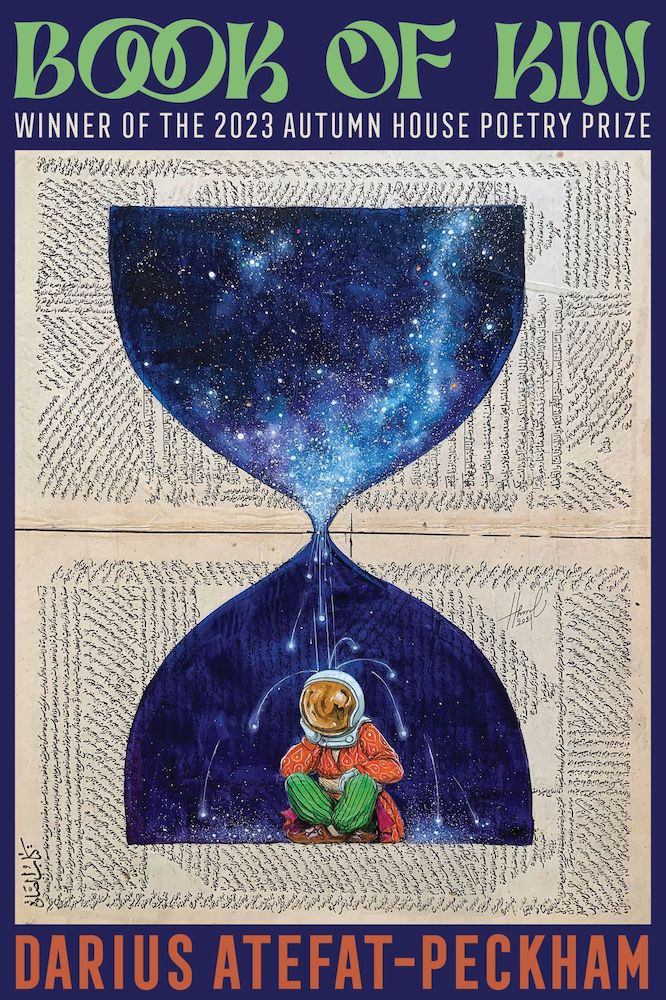
Electric Literature is pleased to reveal the cover for the poetry collection Book of Kin by Darius Atefat-Peckham, which will be published by Autumn House Press on Oct. 25, 2024. Preorder the book here.
A debut collection that draws on the poet’s Iranian heritage to process life-altering loss and grief.
Darius Atefat-Peckham’s debut poetry collection follows a boy’s coming of age in the aftermath of a car accident that took the lives of both his mother and brother. Through these poems, Atefat-Peckham constructs a language for grief that is porous and revelatory, spoken assuredly across the imagination, bridging time and space, and creating a reciprocal haunting between the living and the dead.
Inspired by the Persian epic The Book of Kings, the Sufi mystic poetry of Rumi, and his mother’s poetry, these poems form a path of connection between the author and his Iranian heritage. Book of Kin interrogates what it means to exist between cultures, to be a survivor of tragedy, to practice love and joy toward one’s beloveds, and to hope for greater connection through poems that wade through time and memory “like so many fish spreading swimming in the green-blue.”
Book of Kin won the 2023 Autumn House Poetry Prize.
Here is the cover, designed by Melissa Dias-Mandoly, artwork by Hemad Javadzade.
Author Darius Atefat-Peckham: As an Iranian-American who’s not yet been able to visit Iran (for reasons both personal and political), whose mother and brother died before I could remember them, I profoundly relate to the ever-seeking nature of Hemad Javadzade’s The Now (which he’s graciously allowed us to use as the cover of Book of Kin!). In this piece, Javadzade depicts Time, distant and unknowable as the stars, funneled like sand through the neck of an hourglass, and finally released as something akin to rain, tapping against the mirror of the Mystic Astronaut’s one, grounded eye, like a child trying to garner his attention. All of this transformation occurs within the space of an opened notebook. What an immensely true rendering of the labor of writing, or deep listening—of an art-making that reaches toward ancestral love, grief, and connection! I’m filled with awe each time I study it, my eyes funneling through, over and over, like those stars.
So the further transformation the image underwent as it was designed for the cover of Book of Kin (the two o’s of the title interlaced like an infinity symbol, like spectacles, like fingers; the pages spread open like palms, a porthole to a site of reincarnation; my name, wading, resting alongside the Mystic Astronaut) nesting within it these poems about my family, my beloveds…it’s almost too beautiful to put to words. In this time of Nowruz, I’m called to think about renewal, rebirth, community. About growth, transformation and, yes, hope for the future. As I write this, I can hear, too, the Persian imperative my grandparents, Papa and Bibi, would often use when I was little, wanting to show me pictures of the mountains and gardens and rivers of Iran, their home, or tell me some unknowable truth about my mother, or teach me the correct way to cook rice for a Persian dish, leaving the lid of my grief slightly askew to let out the steam: Bebin, Azizam, bebin! they’d laugh, pulling me to them like an hourglass, turned over and over. “Bebin,” they’d say, which means look! or, at times, and also, listen!
Artist Hemad Javadzade: Ancient thoughts considered the unreachable realms of the heavens and a promised afterlife as a dwelling for gods and deities. However, now, with knowledge expanding its infinite scope, we increasingly return to our true selves and understand our insignificant role in this existence. Time is the crucial determinant.
Iranian poet Sohrab Sepehri says: “It’s not our task to unravel the secret of the red rose Our task might be To float within the enchantment of the red rose.”
In this work, I intended to bring this to light: human inevitability in the face of time passing and the vastness of the universe. Although moments, like grains of sand inside an hourglass, fall upon us, reminding us of the passage of time.
Playfully engaging with philosophical themes has always been the main subject of my paintings. And the infinite world of existence has always been my greatest and most captivating subject.
Designer Melissa Dias-Mandoly: Such great artwork makes a cover fun to work on, and Darius selected this Hemad Javadzade piece that really speaks to all of the poems inside. I originally experimented with overlaying the title and prize line in the hourglass, but it was quickly clear that the art needed to stand on its own. I also played with various typefaces that would more obviously echo the Arabic lettering in the image itself, but we ultimately settled on the eye-catching and modern Lostar font for the title, which I think complements the art without distracting from it.
I learned about suicide in real time, like discovering the existence of airtravel by spotting a jet arcing across the sky. The thirteen-year-old was dead, but how? In her own bedroom, covered in pink and posters? You said she did it by herself? On purpose? I was a few grades below her, and barely capable of boiling pasta alone.
I tried to enter her mind in the days before, and then in the moments before. How she had prepared to face her own death, as across town my sister and I prepared to face math worksheets and a mandatory bedtime. I tried to enter her parents’ minds, too. What could their conversations be—what dialogue can you speak in a house that has become a crime scene? Among my peers, the story of the girl’s death became a grisly mystery whose strangeness was unfolded again and again, like a contraband book of scary stories.
The eleventh most common cause of death in the United States, suicides have the unsettling feeling of whodunits that arrive solved, but still invite obsessive puzzling. If we could only write down all the clues and signs, parse out the timeline, give language to our supreme devastation, we imagine, we might begin to make sense of things. Then formless grief might take the more comforting, familiar form of a book.
Sloane Crosley’s arch, elegiac new book Grief Is for People is the latest entry to a genre for which there is an endlessly, nightmarishly growing audience: books about surviving another person’s suicide. Grief is for People joins a bookshelf crowded with memoirs and non-fiction works about loss to suicide. In recent days: Molly by Blake Butler (2023), Sinkhole by Juliet Patterson (2022), Stepping Back from the Ledge by Laura Trujillo (2022), Certain and Impossible Events by Candace Jane Opper (2021), and Life After Suicide by Jennifer Ashton (2020). Clancy Martin’s How Not To Kill Yourself (2023) and Yiyun Li’s Where Reasons End (2019) concerned both the writers’ suicidality as well as the suicides of their family members. Anne Sexton’s daughter wrote a book about her mother’s suicide. So did Kurt Cobain’s cousin, and David Foster Wallace’s wife. “Doesn’t the blood of every suicide splash back on our faces?” asked David Sedaris, writing in 2013 about his sister’s suicide. After a suicide, I’ve seen communities announce the intent to “pull together,” and then all too quickly rush the bereft to move on, or “remember the good times.” These books pause time, stretching out the memorial or wake or shiva long beyond the hour final mourners would linger.
I come back again and again to these books about life after another person’s death, amazed by the precision with which they capture the sensations of grief.
I come back again and again to these books about life after another person’s death, amazed by the precision with which they capture the sensations of grief, the many ways they find to say accurately and exquisitely what has been said before and will be said again. “My friend was alone when he was murdered,” Crosley writes, then repeats the same line, as if eager to watch the ink seep into the page, to make a tangible record of horror, and step back to marvel at it. It reminds me of being a child, trying to understand a child’s suicide: alive, then dead. Here, then gone. Forever? Forever.
In claiming public attention for their specific pain, these writers carve out a public space for practicing grief. They disrupt the obliterating silence that has historically accompanied a suicide. Crosley, an essayist and novelist who has made a career of unsentimentality, devotes herself to full-throated mourning, and to making an accounting. Her book is a ledger of what has gone missing, and an argument for keeping talley. “If I do not capture what I have lost,” she writes, “it will be like losing it twice.”
Written in the immediate aftermath of the loss, Grief is for People records the thoughts and actions of a person who is almost willing herself to be haunted. “My initial grief, which I thought might be taking a manageable shape, has mutated,” Crosley reports, at the point when friends and acquaintances begin to tacitly demand that a grieving person move on or at least fake it. “It’s colonized my entire personality. Any word that comes out of my mouth that is not Russell’s name is a lie.” Russell is Russell Perreault, the executive director of publicity for Anchor Books. He was Crosley’s best friend, former boss, and father figure, and he killed himself in 2019.
A longtime humorist, Crosley turns as unsparing an eye on grief as she has often trained on New York neighbors on dinner party drama. She captures the abortive moments of empathy, when onlookers try to relate to her grief through anecdotes about their ‘father’s law partner’s wife’ dying. “I have perfectly edible yogurt in my fridge, purchased before my best friend hanged himself, but do go on,” she snaps internally. (“There is no good language when it comes to the unspeakable,” Li writes in Where Reasons End.) As if daring the reader to chastise her, Crosley devotes nearly equal on-page real estate to a home invasion, one month before the suicide, which relieved her of all of her jewelry. “If I can get these items back, I can get my friend back,” she reasons. “I would sooner be separated from this logic than from my own skin.” Both events leave her unmoored, missing something precious, and laboring in the delusion that if she would only retrace her steps, everything might be put to right. Perreault, Crosley writes, “believed in the souls of objects.” He would have perfectly understood the intertwining of the two losses. Books written about a beloved person’s death are not strictly for readers—we trespass in the margins, peering into scenes of devastation. The ideal reader for this book is dead, these writers suggest. The reader is invited as an impossibly distant second place.
The cliches of grief feel belittling, as if another person’s death has parked you permanently in a high school counselor’s office.
“Judging whether life is or is not worth living,” wrote Camus, “amounts to answering the fundamental question of philosophy.” This is interesting in theory, but not relevant at 4AM when you’re going back through a newly dead person’s social media profile, looking for clues. In the wake of a suicide, the mind wanders away from the elegant logic of philosophy, and towards the truisms of Tumblr memes and suicide prevention slogans: You are not alone. You are loved. There is hope. The cliches of grief feel belittling, as if another person’s death has parked you permanently in a high school counselor’s office.
Books about another person’s suicide veer away from politeness into the realm of nightmare, resurrection attempts, and magical thinking. There is great comfort in reading descriptions of a grieving person crawling up the walls of her own addled, grieving mind. Carla Fine, the author of No Time to Say Goodbye: Surviving the Suicide of a Loved One, tortured herself with thoughts that she might have been able to prevent her husband’s death if only she had “been more insistent about our going out to dinner together the night before.” Trujillo’s book opens with the author gazing down at the spot where her mother fell to her death. Li’s narrator, in the space of three pages, references Flaubert, offers the Latin root for the word “stupid,” and recites lyrics from Andrew Lloyd Webber’s Phantom of the Opera: “Wishing you were somehow here again, wishing you were somehow near.” In life, our experiences of other people’s grief are often limited to tributes: an anguished Instagram caption, a glimpse of a tattooed date under a rolled-up shirtsleeve. In memoirs, the oddness of grief and the unpalatable behavior of the bereaved become the reader’s business.
When Carla Fine’s husband killed himself in 1989, she told all but her closest loved ones that he died of a heart attack. The shame was too enormous. She mourned in solitude.
“I did not have the stomach to face their real or imagined accusations, blaming me—or blaming him—for his death,” she later wrote in her book No Time to Say Goodbye: Surviving the Suicide of a Loved One.
A month later, she ventured into basement support group for people grieving suicides. But she balked—before even taking off her coat, she was stealing from the room, wanting to get away from the odd and unidentifiable expressions of other people’s grief. A man, the group’s facilitator, approached her as she made to leave.
“Please stay here with us,” he said. “You’re among friends.”
I’m moved by the profusion of suicide memoirs, even as I feel panicked at rising suicide numbers.
To read these suicide memoirs is to feel yourself to be among friends. The writers are people who are not quite on the side of the living. They articulate the sweet, sickening nature of mourning, the wild attempt of a living person to claw under the dirt with the dead. Crosley narrates for the reader how her friend’s death becomes more real to her than her own life. “I have the strongest sensation that if I only knew where to push, I could reach through and pull him back,” she writes. “By living, I am, by default, leaving him.” She offers a stunning image of cradling herself in her grief like a child. Taken by the mournful sound of a singer’s voice, she writes, “I imagine this moment holding me up on its hip, bouncing me. Wave goodbye to Russell! Say: Bye-bye, Russell!” In the book’s final pages Crosley speaks directly to Perreault, as she commits going forward in a life without him. “I know you,” she reminds him. The reader knows him a little, too. The moment bounces us on its hip: we sit with Crosley, waving goodbye.
What can books written by people grieving loss from suicide do for us? They revive the dead in the brief space between the front and back cover. They let us sit with a stranger’s familiar grief for a while. We are invited to an open-casket viewing of the writer’s most vulnerable feelings, so that we may recognize our own mourning, or save the image as a roadmap for a future grief.
What I remember now about the suicide of the little girl was the silence that accompanied it. It felt like a hand had been clasped over the community’s mouth. Surely, people did not wish to reproduce stupid platitudes about dying—“She’s in a better place!”—or to cheapen the moment with gossip. But I think just as likely the parents of the community were experiencing a sense, itself child-like, that to acknowledge a suicide too loudly would make it more real. Speaking about it would crack the door open and allow the specter of suicide to venture into your own home, to sidle up to your own children. Decades later, I’m moved by the profusion of suicide memoirs, even as I feel panicked at rising suicide numbers. These books take the opposite approach to the cold silence that often falls over a suicide—they pour words into the wound.
In Miriam Toews’ 2015 All My Puny Sorrows, a novel written in the wake of Toews’ sister’s death from suicide, the family works round-the-clock to keep Elfrieda, or Elfie, from killing herself. She is able to kill herself by convincing her husband to go to the library to get her some books.
“Well, Elf, I thought, you’re so clever,” her sister reflects. “Getting him to leave you alone on the pretext of getting books. Of going to the library. Of course he’d do it. Books are what save us. Books are what don’t save us.”
Books about another person’s suicide save us from going through it in silence.
DON’T MISS OUT
Sign up for our newsletter to get submission announcements and stay on top of our best work.
YOUR INBOX IS LIT
Enjoy strange, diverting work from The Commuter on Mondays, absorbing fiction from Recommended Reading on Wednesdays, and a roundup of our best work of the week on Fridays. Personalize your subscription preferences here.