INFOGRAPHIC: How Long Did Famous Novels Take to Write?



Mario Bellatin begins his “autobiography” by talking about his balls.
1 — During the time that I lived with my mother it never occurred to me that adjusting my genitals in her presence could have any serious repercussions.
In the first of three stories contained in The Large Glass, wonderfully translated by David Shook, Bellatin’s mother fashions a string to tie and bind his young testicles into a unique sort of undergarment. She then forces him to exhibit his bulging and enlarged testicles at the public baths in town. The shame and confusion Bellatin feels at this charade is compounded by the fact that the spectators at the baths in turn pay his mother for this shame-filled privilege by giving her some of the small objects she collects, such as tubes of lipstick. He’s an unwilling prostitute.
The routine mortification of the public baths also has the side effect of giving his skin a strange, waxy luminosity. “My Skin, Luminous” is the title of the first of three “autobiographies” in the celebrated Mexican writer’s latest book. The story is one of three that also appeared in Bellatin’s first English book, Chinese Checkers, in a translation by Cooper Renner.
In that tale, Bellatin’s mother forbids anyone from touching his luminous skin; his body is her property, another object in her feverish collection. She, in turn, imprints her lipstick all over him, to mark him as hers. Reflecting retrospectively, Bellatin imagines that he could have applied a sort of diamantine powder to his soften glowing skin — the same sort of white texturing powder used in the shop class at his special school to “give real body to objects.” He must separate from his mother to reclaim his body and his self.
Each paragraph of “My Skin, Luminous” is numbered, from 1 to 363, which gives the story an easily digestible structure, much like a collection of epigraphs, a Buzzfeed listicle or, in Bellatin’s case, a Sufi hadith:
62 — “The rumors are true,” my mother told me one morning when she had woken up to show me her lips covered in an oily patina.
63 — “Many details about genital-displaying women are remembered, but everything about their exhibited sons is forgotten.”
64 — Later I found out that they killed them mercilessly.
Bellatin, or the unnamed narrator, lives in a small room behind his grandfather’s oven and attends a special school. It’s only after his father has abandoned the family that his mother performs a series of “experiments” on his body, ostensibly so that he can gain admission to this special school. One of these “experiments” involves smothering him with a pillow.
Readers of English, unaccustomed to Bellatin’s style or history might be tempted to take his testimony here at face value. Many readers expect a uniformity of experience or authenticity when approaching a book called an “autobiography.” Bellatin explodes that concept fully by his third autobiography in this short book. In “A Character in Modern Appearance,” Bellatin tells us that he is, in fact, a forty-six-year-old woman who speaks Castilian, drives a Renault, and has a German girlfriend. But then he backtracks and admits “I think I’m something of a liar. I repeat that it is not true that I had a German girlfriend.”
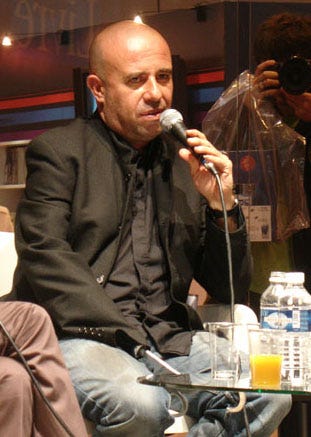
Some imperfections eventually disappear. It’s what time does to memory and what flowing water does to old stones. If you have never seen a photo of the man, the defining feature of Mario Bellatin’s body is his missing arm. He types with only one hand. He often uses prosthetic hands that look more like metal sculptures than humanoid body parts. And there is the matter of his bald head and his arresting eyes, all of which might add up to an intimidating figure if it were not for his smirk.
The physical deformities that he refuses to define him, and those which his mother imposes upon him, give him the advantage of being unmistakable outside of the public baths, which represent society. His corporeal body need not be present for him to leave an impression, though.
“A face for radio,” they say. Or “Politics is Hollywood for ugly people.” And so then writing is the ultimate bastion of the ugly, the deformed, the unpleasant — all of whom can transform the images of themselves through language.
In a recent article about his publishing travails, the New Yorker called Bellatin a “prankster” which denotes a lack of seriousness and belies the complexity of his true character. Despite that smirk, there are no laugh-out-loud pranks here. The Large Glass is a vessel containing a serious argument for separating the self from the world — and not just the metaphorical self but the actual, physical self.
Bellatin was raised in Peru, but moved to Cuba, and then Mexico, where he has lived since 1995. His sense of “the world” is expansive and, as a Peruvian Sufi, Bellatin has managed to fashion himself as an outsider in Catholic Mexico and literature in general. The realistic style of fiction, often associated with Mario Vargas Llosa in Peru, is anathema to Bellatin. He prefers the short parable to the multi-generational saga, the short allegory to the plot of a detective novel.
Whether or not these stories are autobiographies containing 100% true events or not seems to miss the point. The setting, the characters, the details of the literature, only serve to reinforce the persona that Bellatin continually disavows and then reinvents. The sheer limitations of his physical body have pushed him into inventing fluid new identities and fictional doppelgangers. Bellatin’s latest work fits with the contemporary trend in literature (c.f. Knausgaard, Ferrante, Heti, etc.) that ignores or dissolves the smooth line between fiction and memoir, the traditional boundary between “material” and fact. The quality of the storytelling intentionally outmaneuvers categorization.
In his interviews, Bellatin is defiantly oblique and contrarian. His indirect method transfers between his fiction and what he considers autobiography. He stubbornly resists easy classification and interpretation. A fiction writer will often withhold vital information to add intrigue or mystery to a story, but for a person to obfuscate their life story seems more hostile to the reader. But with Bellatin, it’s clear that any hostility he harbors is directed against abstract forms and artistic challenges rather than the actual reader. His willingness to flay his inner demons on the page is what gives his writing vitality and verve. Even in translation, writers capable of punching through the barriers of the “self” bring more value to the conversation than the moralists or careerists angling for a way into the zeitgeist.
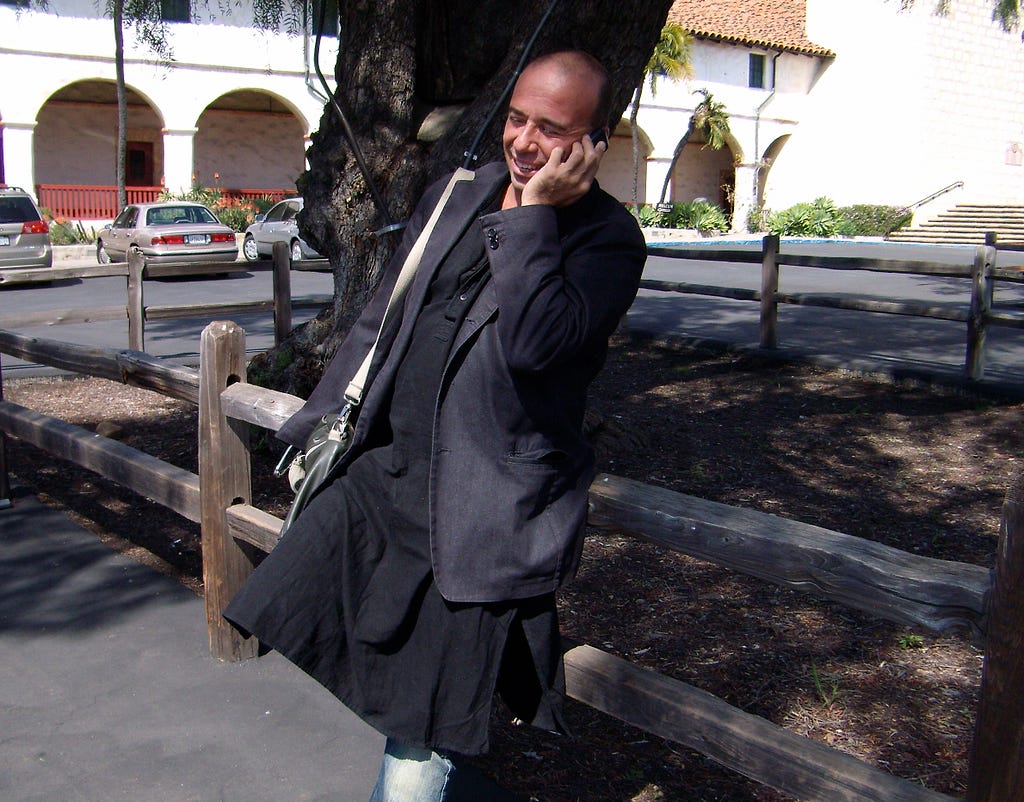
The second of the three autobiographies, “The Sheikha’s True Illness”, most purely reflects Bellatin’s obsession with Sufism. However, he begins that story by discussing the dog-owning protagonists of his previous book (presumably Hero Dogs), as if he is not sure himself whether or not they are real characters that can be mentioned in this story. The meta-narrative he invents involves a dream-story-within-the-story called “The Sheikha’s Illness” which Bellatin sells to Playboy. In both the story and the dream story, it is while he is at the hospital to treat the unnamed but “incurable illness I suffer from” that he runs into the Sheikha, the matriarch of his religious community. She is seated in a wheelchair pushed by a dervish named Duja. But ultimately Bellatin cannot write about the Sheikha’s illness without confronting his own medical problems and throughout the narrative he returns to his own suffering and “the apparatus that atrophied my shoulder and part of my chest.”
Bellatin is able to hide his body through writing. Meeting him on the page, even in an autobiography, allows us to see past his one-armed body, or not see his body at all. Like a Sufi mystic, he enchants our attention away from his self and even his words, back on to our own selves.
“The eye should be the size of what it perceives,” I heard the sheikha say more than once. I never dared to ask what it was that that meant. What I did understand in a clearer way was when she told us that when the human being loves something he only loves the human being — he loves himself, his own attributes reflected in that which he says he loves.
He also tells us that “Sufism posits that we have completely forgotten the ideal world we come from” and this partly explains Bellatin’s preoccupation with dreams as they constitute a time that truly does not exist. The reality of their unreality leaves his body out of the equation altogether and allows his mind to scatter and roam free.
Without the baggage of emotions, family, nation, or identity. At my age something has happened in my circumstance that makes me feel like this. I think that is the best state in which to practice my work. Without worrying any longer that the strangeness of my body might be exhibited even naked, like a popular attraction.
If literature aims to make us less alone, we need writers like Bellatin who reflect not just a different perspective on life, but can envision something separate and apart, a periscope rising above the self.

Well before the genre borders gave way––before discerning readers could recommend to their discerning reader friends a Pulitzer-nominated author’s post-apocalyptic zombie horror novel, a sci-fi story that reads like a linguistics lecture, or a telepathic vampire detective story from Knopf (not actually a thing, though you sense it could be)––there was the spy novel. There was Graham Greene, and then a little while later John Le Carré, born David John Moore Cornwell, an Oxford dropout turned intelligence officer (first with MI5, then with MI6), turned perennially bestselling novelist. Le Carré gave readers the spy-versus-spy and inside tradecraft they craved, but with a dose of literary modernism and a disillusioned worldview. It was just the thing for the new Cold War era; the European frontier was opening, motives were blurring, and everyone knew James Bond was a superhero, not a man.
Despite the presence of spies, Le Carré’s work is not a natural fit for the screen. The shifting perspectives, the disorienting time shifts, the coded interactions that require two or three hundred pages of immersion before you can feel confident in even identifying the main characters, or explaining the gist of their basic interactions––how do you put all that into a two-hour visual experience while also staying true to the art, and selling popcorn on top of it?
Regardless, the genre has proved irresistible over the years, and fortunately for us there have been some successes in the bunch. Since the author is now looking back on his career (Le Carré’s excellent memoir, The Pigeon Tunnel: Stories from My Life, comes out today), we thought that this would be a good opportunity to review in parallel the state of the man’s work on screen.
So here it is, 1–16: The Definitive Ranking of Every John Le Carré Adaptation.

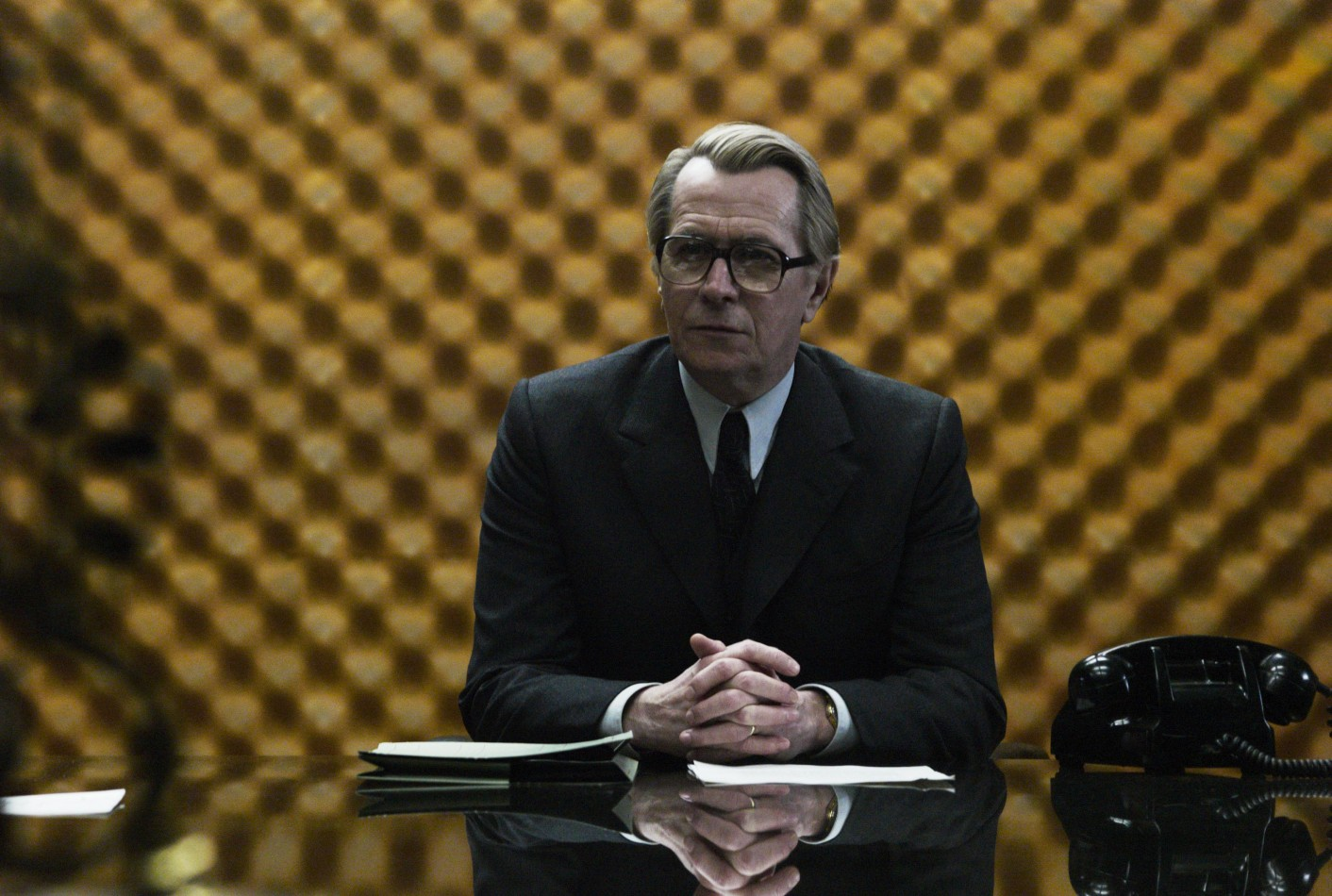
The Circus at its dreary, paranoid, internecine best. And all that hallucinatory orange decor… Gary Oldman embodies George Smiley like no other actor (heresy, we know). He’s observant, cynical, so pensive he’s at times almost comatose, and then suddenly that strange brew of cunning and resolve boils over. Tom Hardy steals a few scenes as Ricki Tarr; same goes for Benedict Cumberbatch as Peter Guillam. Mark Strong as Jim Prideaux grabs a few, too. (Come to think of it, this is really one of the best ensemble casts.)
Is the Hungary mission a little convoluted? Do you have to rewatch this movie two or three times before the plot starts to makes sense? Sure, but nobody said espionage was simple. Disinformation is half the game.

The original, and still the model for how to make a successful Le Carré adaptation. So many factors convened to make this movie work. Burton, as Alec Leamas, was at the height of his powers, capable of conveying more emotion, more world-weary ambivalence at a glance than most actors can summon over the span of a career. Director Martin Ritt was back from the blacklist, with a darkening world vision. The Bond series was in full force, ready to be undermined. The film noir tradition was alive and well, and audiences were learning to value atmosphere and ambiguity over plot twists.
The Spy Who Came in From the Cold is core Le Carré: a disillusioned spy in Cold War Central Europe, lost in a mire of lies, schemes and betrayals, carrying on in the name of professionalism and gamesmanship, more than love of country or any particular belief in the cause. No film better captured the geo-political moment––or the personal disenchantment––of the supposed détente.

Forget the spooks and spies (well, sort of). This is post-Cold War Le Carré, where aid workers, diplomats, and pharmaceutical reps are the new avatars of the quiet fight for world morality. Directed by Fernando Meirelles (responsible for 2002’s City of God), The Constant Gardener relies on a washed-out palate to establish an eery, starkly beautiful fever dream of East Africa. While Rachel Weisz is the story’s impetus, Ralph Fiennes is its beating heart: he perfectly captures the Le Carré sense of ambiguity, noble intention, and ultimate bewilderment.
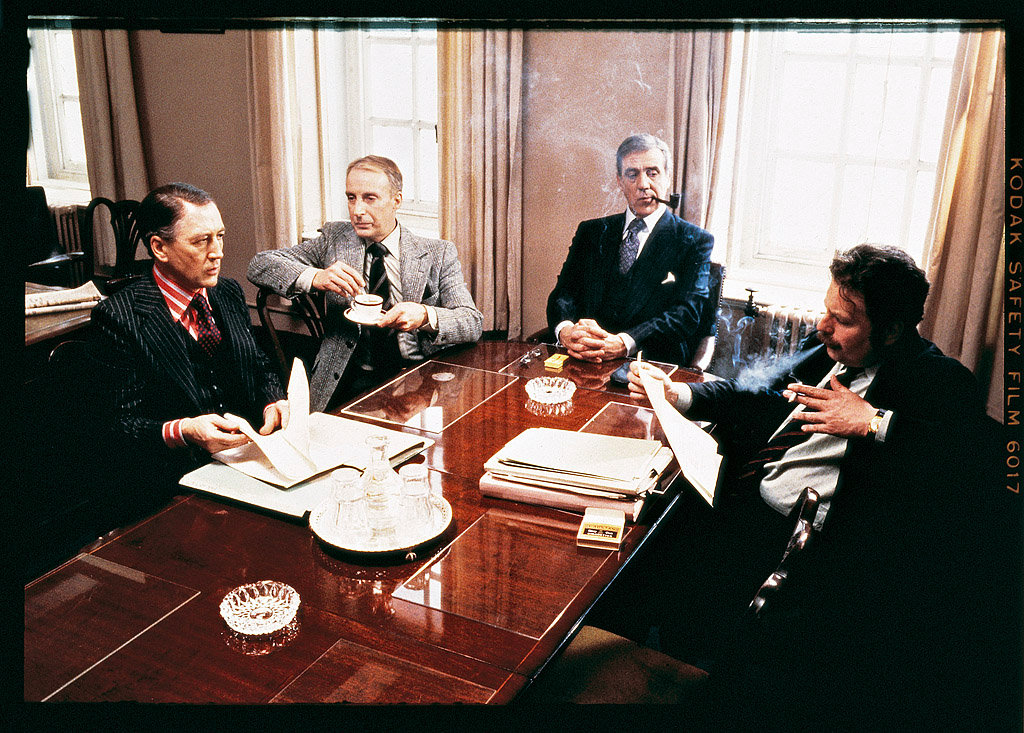
This is a controversial opinion, obviously. The original TTSS adaptations starred Alec Guinness, after all. (Read The Pigeon Tunnel, if for nothing else than Le Carré’s Guinness anecdotes. A taste here, courtesy of The Guardian.)
This is still one of the best-loved BBC productions of all time, and still a high water mark. The performances are subtle, the story compelling, and the atmosphere thick. The cinematography however is more in line with television standards of the day, and doesn’t equal the strange panache of the 2011 film adaptation. By all means though, watch both, on repeat.

Tom Hiddleston has a real future in Le Carré adaptations. He’s compelling and worldly, if not overly gifted (in spite of prevailing Internet opinion), with an overall Bond-ian charm.
The story, on its own, is a bit far-fetched. A former soldier serving as a hotel employee in Cairo is recruited to track and trap a notorious arms dealer (Hugh Laurie). But the joint BBC/AMC miniseries pulls it off with style, and Le Carré’s world has never looked better. Director Susanne Bier has the eye, wit, and patience to illuminate the author’s scenes, not an easy feat on screen.
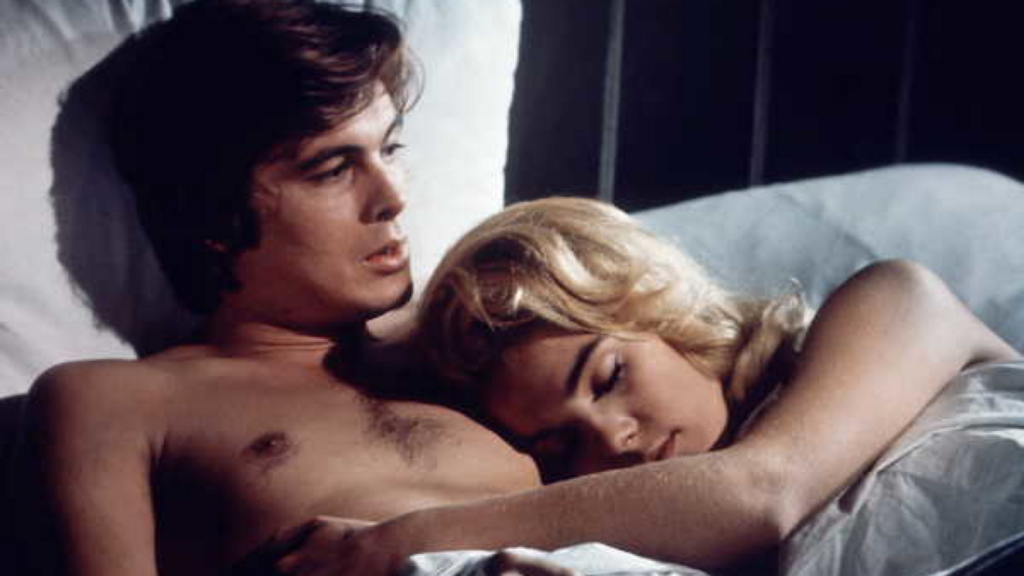
There are two things you need to know about The Looking Glass War. Frank Pierson, of Cool Hand Luke and Dog Day Afternoon fame, wrote and directed the adaptation. And it stars a young Anthony Hopkins. If that’s not enough, God help you.

Look, these are good adaptations. I’m thrilled they exist and will watch them again every few years. Alec Guinness’ Smiley astounds. Karla comes over. There’s a lot to love here. But a great adaptation requires a visual style to match the author’s prose, okay? BBC workaday filming is fine, but you need a little more to move up in these rankings.
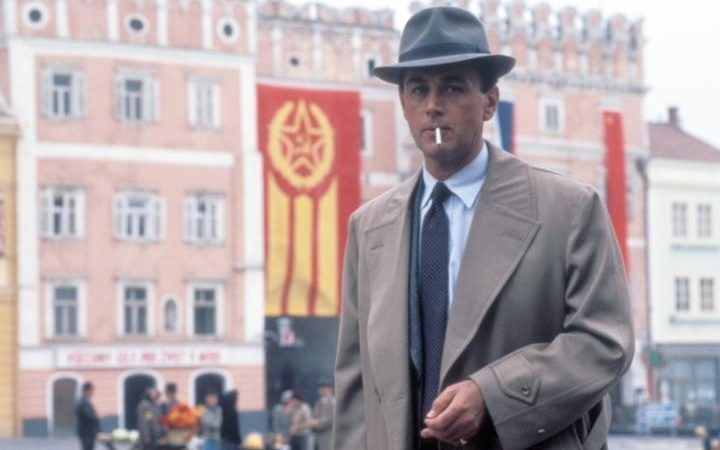
Considered Le Carré’s most personal novel, this one plumbs a father-son relationship and hits hard on the analogy between confidence games (the father’s) and geopolitical betrayal (the son’s). The series gets points for coherence and nuance but a knock against because it doesn’t take on Le Carré’s trademark time shifts, opting instead for a relatively linear telling.

Pierce Brosnan was born to play Andy Osnard — smug and charming, bullying and considerate, cynical to the bone, and given to doing business while seated on vibrating motel beds. Unfortunately, the rest of the movie isn’t up to his performance. The canal zone, which should be a viper’s nest of shady business and tropical hustlers, is somehow neutered in translation. Geoffrey Rush and Jamie Lee Curtis bring the opposite of charisma to the screen. And the dance scenes… well, nothing can justify them. Still, they are having fun. And the scenes of Rush practicing his tradecraft very nearly make this a good movie.

This one’s a by-the-numbers Le Carré adaptation, except for Philip Seymour Hoffman’s performance. Hoffman was nearing the end of his too-short life, and it’s impossible not to watch this movie without noticing his anguish. The accents are distracting — Hoffman, Rachel McAdams and Willem Dafoe all play Germans. The unspooling of the plot is a little ham-handed. Still, this is a solidly middle-class Le Carré movie, and certainly worth watching (now streaming on Amazon Prime), especially if you’re interested in the nuances of asylum applications in contemporary Europe (do go on…)

This one gets even more confusing than your typical adaptation, since a rights dispute between studios required a lot of name-changing. (The movie is based on Le Carré’s first novel, Call for the Dead.) James Mason stars as ‘Charles Dobbs’ — the Smiley avatar. Most significantly, Sidney Lumet directs.

The most recent adaptation has a lot going for it: Russian mobsters, Ewan McGregor, Susanna White (an accomplished miniseries director — see Bleak House and Generation Kill) with her flair for portraying corruption, and Stellan Skarsgård, who is legally obligated to appear in every international thriller, but who still manages to bring something to each role. Somehow, though, none of it quite works. It’s a pleasant enough movie to watch, but ultimately not all that gripping.
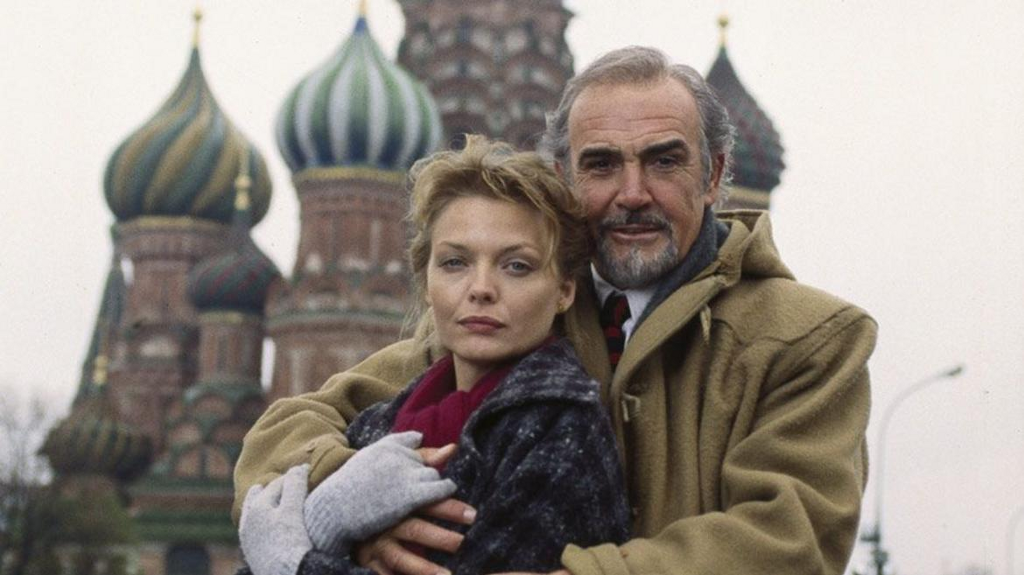
The luminaries who travel through Le Carré’s orbit never cease to amaze. The screenplay for The Russia House was written by Tom Stoppard. Are you in the mood for a publishing world/espionage thriller? Did you love Sean Connery in The Presidio. (Wait, he was in something else, right?) Is Michelle Pfeiffer your one and only femme fatale? Then, this might be your cup of tea.
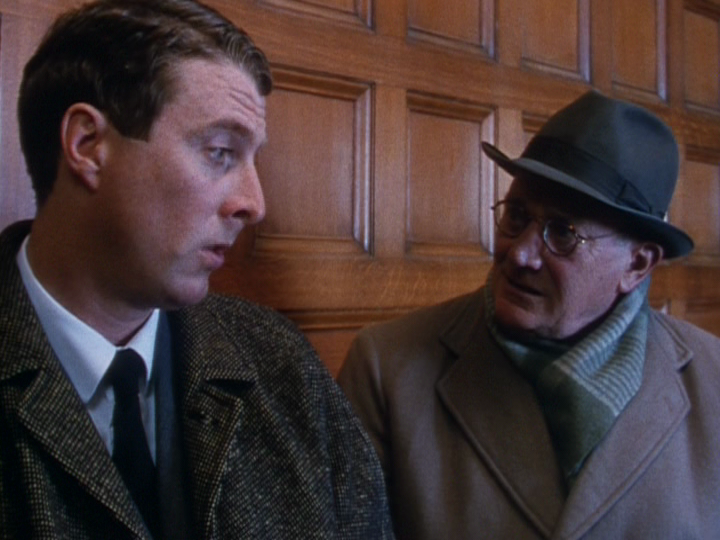
This was a TV movie, apparently. Featuring Denholm Elliott, Indiana Jones’ Dr. Marcus Brody, who also starred in the 1953 adaptation of Graham Greene’s The Heart of the Matter, and the original TV movie adaptation of The Bourne Identity from 1988.

A West German film production. We didn’t see this one. Neither did you. Let’s not pretend.
Couldn’t even find an image, so enjoy more from 2011’s Tinker Tailor Soldier Spy.
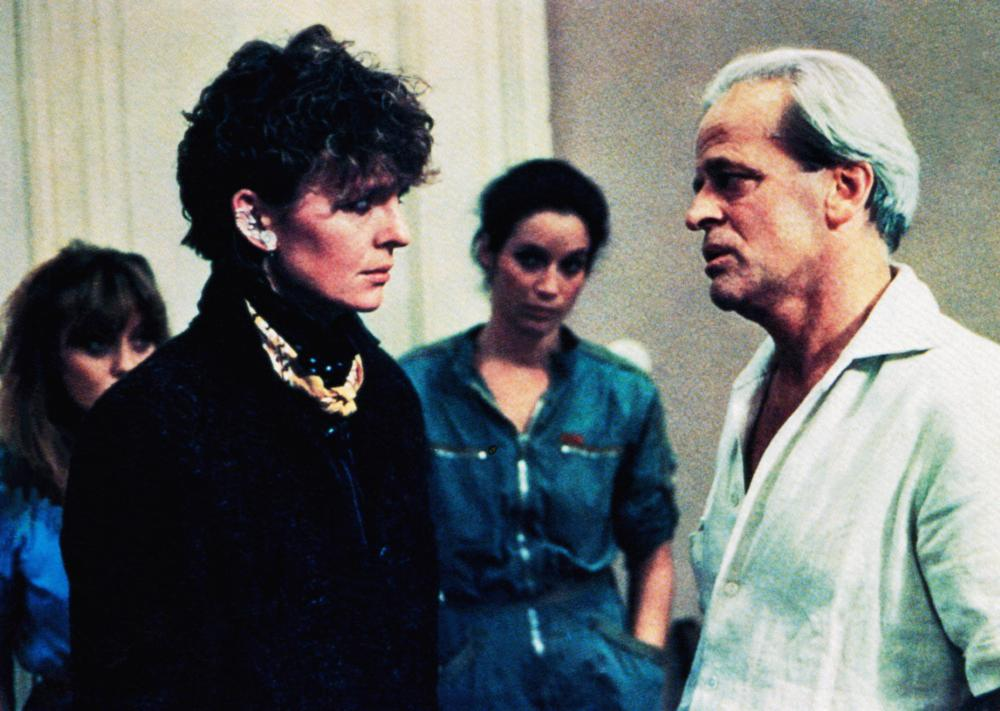
This 1984 release fell prey to a classic Le Carré adaptation trap — trying to fit the entire plot into a single movie. The result? Utter incoherence, followed by boredom. Still, it stars both Diane Keaton and Klaus Kinski, which ought to be a hell of a pairing.
In the years before his tumultuous 1937 Hollywood move, F. Scott Fitzgerald lived at North Carolina’s Grove Park Inn. His wife Zelda was receiving treatment at a nearby sanatorium. Tucked in the mountains, mired in alcoholism, and already careening towards his untimely death, the author wrote many of the stories set to appear in his final unpublished collection: I’d Die for You, due out from Scribner in April, 2017. Said to be a stylistic departure from his better known work, the publisher claims the collection will “provide new insight into the bold and uncompromising arc of Fitzgerald’s career.”
The title story draws from the author’s southern exile, heightening the events of a particularly traumatic interview with The New York Times, which was described by Thomas Wolfe as “a lousy trick, a rotten…piece of journalism.” In the fictionalized account, Fitzgerald is said to have added a full Hollywood film crew to the rural pine forests, foreshadowing his impending departure to the west.
Unlike The Last Tycoon, Fitzgerald’s most read posthumous release, I’d Die for You contains finished work presented as the author intended it to be read. He had, in fact, attempted to publish the collection during his lifetime; however, because of content Scribner describes as “controversial [for] depicting young men and women who actually spoke and thought more as young men and women did, without censorship,” it was considered unsellable. Refusing compromising edits, Fitzgerald left the stories unpublished, despite financial struggles and a need for critical attention.
This is not the first unreleased Fitzgerald material to crop up in recent years. Just last August, Strand Magazine published “Temperature,” a story found in his Princeton University archive that follows Emmet Monsen, a hard drinking writer with cardiac disease. For the time being though, it seems like these pieces are the last of their kind. If I’d Die for You actually ends up being the final word from The Great Gatsby author, the collection should be an interesting conclusion to an illustrious and tragic literary legacy.
Leopoldine Core’s stories filled a void I didn’t know was there. Selecting a favorite from her debut collection When Watched is an impossible task — each entertains, delights, and impresses. Her plots are meticulous, surprising, and her characters are fascinating: the kind of characters you’d want to get a phone call from, just for the chance to hear them speak. They say the kind of biting things that make you laugh, then cringe. Most of the nineteen stories in When Watched explore the relationships — sexual, friendly, and otherwise — between pairs of characters. Core’s fiction picks away at the vulnerabilities and impulses that incubate in us, both when we’re alone and when we’re stuck with other people.
Core answered my questions about the work of crafting her stories and why she likes to put characters together and see what happens.
Claire Luchette: One of the joys of reading your characters is the attention you give to how they think and feel and act in public, as opposed to when they’re alone. It hints at a self-awareness that is so important to a character’s psychology. Do you think we’re more ourselves around other people, or when we’re alone?
Leopoldine Core: The self isn’t a single entity — it contains so many trembling, conflicting parts. This is why I like to shuttle between the outer and inner worlds of a character, so you can see what they say and are unable to say. I remember a teacher once telling me that I should know my characters entirely — even if I don’t share every detail of who they are in the text — I should know. But I tend to have the opposite experience when I write. There is so much I don’t know about these people — a story is just a glance and that is my attraction to the form, how partial it is. You are thrown into someone’s existence for minute and then they’re gone and maybe the story keeps going in your head. I don’t know exactly who these people are and I write from exactly that point of unknowing — of desire.
Luchette: Many of these stories also focus on partnerships — pairs of people, and the intimacy between them. What interests you about duos?
Core: I find it easier to talk to one person than a group of people and my stories reflect that. Often in a group — though this isn’t always true — the conversation stays a bit lighter, a bit more polite. But when you talk to one person, if you like each other, a lot is revealed very quickly. So when I’m writing, I like to jump right into that intensity, use it.
It’s also spatial — it’s a set up I understand, two heads side by side in a room. I grew up in a narrow, messy apartment in the East Village. There literally wasn’t a lot of room to move around, so at best I would invite one friend over and we would sit on my bed and talk and do our homework and eat. I did everything in bed because it was the one surface that was always clear. And so I guess I grew accustomed to being very close to someone when I spoke with them, and to often being alone. My neighborhood wasn’t very safe, so most of my free time was spent indoors. And somehow I wasn’t bored. I liked being home in bed, talking to someone or myself. I still do.
It’s so revealing, how we behave when encountering each other for the first time.
When I’m staging a story, I like to find ways of putting two people with nothing in common right next to each other, and trapping them in the room or the car, seeing what they say. Like when people are first meeting in a story, how they interview each other — or some people never ask the other a single question, they just talk about themselves. It’s so revealing, how we behave when encountering each other for the first time.
Luchette: “When Watched” delves into the highly imaginative mind of Theo, a young girl who dreams of disappearing. What was challenging in writing her?
Core: “When Watched” was the first story I wrote. I wanted to write a story that emphasized the ways kidnapping is eroticized in the culture and I was struck with the idea that the child in the story would join in the fantasy — staging her own death. I didn’t want to erase her though, that was a fear of mine. I didn’t want to drown the character out with my theories about pop culture, you know? The story is about someone who feels unseen, unloved — indeed, neglected, so as the writer, I wanted to be sure to see her. I wanted the story to live very much in her mind. One feels a moral obligation when writing about children — not to flatten out their humanity, their weirdness. I spent a long time thinking about who Theo was, having conversations with her in my head. Because I knew that once she was real, she would write the story, carry me to the end.
So much of what drives my work is the tension between fantasy and reality — and the fact that you can’t quite separate them, they start to fizzle together in the same pool.
Luchette: These stories are all narrated in the third person — usually close to one character’s thoughts, but in some cases roaming between characters (like in “Historic Tree Nurseries”). What does the close third person offer you, the writer? Is it control, or maybe more objectivity?
Core: I write in the third person because I like hovering over the scene, seeing the surface of everything. I write kind of dull stage directions and then punctuate them with feeling — or that is my goal, anyway, to keep the terrain uneven, pinball between flat and lush language. Really I write in the third and the first person — because I dip into the mind’s of my characters quite often and these thoughts occur in the first person. And dialogue, which accounts for the bulk of most stories, obviously occurs in the first person. I like shuttling between the third and first — I want to have both always. I want to be inside and outside. Because my experience of being alive is exactly that way, these constant shifts in attention to the material world, the world of other people and the world of my own head.
Luchette: In “Orphans,” we follow Miranda as she gets to know Drew, a homeless transgender guy from AA. Drew ends up being so much more compelling than Miranda, though. Is it always clear to you from the beginning which character you’ll follow through a story?
Core: That story was such a surprise. I didn’t know what would happen to Miranda, this character I felt so maddened by. Her behaviors are excruciating to watch, and yet they set the scene for much about the world around her to be revealed. When people say stupid things, ask insensitive questions, make choices based on total delusions, behave greedily — they stand to be corrected by those around them. I like watching that happen in a story. Miranda is a bit demented. She represents a part of the culture that lives in so many of us — the part that fears and mis-sees the exact person it hopes to fuck. Violence against trans people is brought on mainly by desire, I think. Because trans people are so incredibly beautiful, and for many people, they can’t bear this — their desire for a person who challenges, indeed shatters, gender norms. Miranda is violent in her stupidity, mostly, her addiction to the nimbus of her own fantasies. I wanted her to meet someone who would emphasize her hate and fear and desire and total narcissism — point it all out.
Luchette: You also write poetry. How do you navigate the truths you want to explore in poetry versus fiction?
Core: My poetry could be categorized as nonfiction. It is generally drawn directly from experience, written in the first person, and quickly. I think if I spent a lot of time on my poems or made an effort to fictionalize them, I would ruin them. They leap right out of me and I try to preserve them in that state — I have a protective impulse, maybe.
Whereas so much time goes into my stories, so many hours of lying in the dark thinking. All the elements of the plot have to hook together in a particular way, even if it’s a story about a woman who never leaves her bed. And I’m generally writing about at least two people, sometimes more, so their voices need to be distinct. This is why I write the dialogue first, so I can build an intimacy with the characters before I begin describing them in the third person. If I can read ten pages of dialogue without any names indicating who said what and still know exactly who is talking, then I feel ready to start describing the room and the faces in it. But I also sometimes use dialogue in the place of describing the face. I like when the words passing between two people show us what their bodies look like.
I like when the words passing between two people show us what their bodies look like.
I spend hours reading my stories aloud, sometimes tape recording them to see what sounds true and what doesn’t. I write fiction but the work needs to be grounded in a living reality — a world I believe — or I’ll abandon it.
 The woman tells me I didn’t have to call. “Just sign up on the website,” she says.
“Oh, but I wanted to call,” I tell her. She doesn’t understand. Unless you are too old to use the internet, you are not supposed to want to call strangers.
Why did I want to call? I wanted someone to think highly of me when I signed up to read for Reading in the Schools. The internet doesn’t think highly of anyone unless you’re the right kind of active on twitter. Neither does the woman, it turns out.
I will be visiting Lake St. Public School for one hour a week to read to a little boy or girl in need of extra attention. Extra attention: these are the words from the Reading in the Schools brochure. On the phone, I tell the woman I would really like a girl. I tell her if everything goes well I might be able to do two hours. She is not impressed.
Why do I need someone to think highly of me? Shouldn’t Reading in the Schools be about reading in the schools and not about the person reading in the schools? In an ideal world. But is there any harm if my ego gets a boost while I devote an hour a week to the literacy and general well-being of a nice little girl?
As you may have guessed, I am in a funny phase of life. Not ha-ha funny. This is one way of saying I am divorced. Actually, not yet divorced. There are still papers to be delivered and signed. But for all intents and purposes I am divorced. I have cashed in five weeks’ vacation from my job at the Hamilton Archives and am staying at my parents’ house in West Toronto.
Actually, a little bit ha-ha funny. I make more jokes than I used to. I make them up from scratch.
What did one grain of sand say to the other before they broke up?
You’re such a beach!
“You’re planning to just mooch off us indefinitely?” This is my mother upon my arrival, half-kidding, half-Mussolini, half-tickled to finally use mooch in a sentence. My mother is the kind of woman who has a crossword with breakfast, Sudoku with lunch, bourbon with dinner, and cutthroat Scrabble with anyone who will play her over dessert. My father refuses to play. He is more of a rummy man.
I don’t mean to imply that divorce always = funny phase of life/moving in with parents. Only that in my particular case it has turned out this way. My future ex-husband, Arlo, is thriving, for example, post-separation.
Here is how we met: I was walking down College with a box of cannoli when someone behind me shouted, “Veronica! Hey, Veronica!” I turned around. There was a man: lion-mane hair, bowleg walk: Arlo, though I didn’t know it yet. Eyes met, sweat dripped, guts lurched, cannoli was shared, then fluids, terms of endearment, keys, rings, subtle barbs, pregnant silences, suspicions, admissions, apologies, retractions of apologies. Then rings were removed, flung into compost bin, retrieved from compost bin, rinsed in sink, etc.
To clarify, my name is not Veronica. My name is Abby. According to Arlo, the back of my head and the back of my navy pea coat are dead ringers for the back of Veronica’s head and the back of her navy pea coat. For a while Arlo and I told that story at parties. We stopped when we realized we were broadcasting to the world that our relationship was founded on a misunderstanding.
Why did I turn around? I hear a name that isn’t mine and turn in total obedience. You think I’m Veronica? I’ll be Veronica! What kind of person does that?
Of course, when I turned around, Arlo understood I wasn’t Veronica, but all the same there is a part of me that has been living on as Veronica these past four years. She is spunky and a little bit French. Now she is gone, along with my favorite mugs, and I am left to deal with what remains of Abby.
My mother tells me that doing nothing will make me depressed. “I’m already depressed,” I tell her. “And anyway, I am soon to be a Reader in the Schools.”
“Are you sure you’re qualified?” she says.
Magda and I sit in a corner of the school library on cushions that smell like apple juice. “What do you want to read?” I say.
“When is snack time?” she says.
Magda is not what I expected. She isn’t bigger than the other children but I get the sense that she is denser. If I were to drop her in water, she would sink twice as fast as another girl her age. Which is seven. She has a smoker’s voice and glasses with yellow plastic frames.
I pull Corduroy off the shelf and Magda plunks into my lap. Such affection for a total stranger — where are her defenses? I wasn’t like this as a child.
Corduroy, a stuffed bear, is getting into trouble, losing buttons, breaking into department stores. Magda is an impatient child who likes to flip the page before I finish reading. I want to tell her to slow down, that she will regret living this way, that before she knows it there will be no more pages to turn, and then what?
We finish Corduroy with 56 minutes to go.
In the middle of Clifford the Big Red Dog a boy sidles up. He looks like an illustration, all ink-splash and sprite. Magda gets territorial and elbows him away. “Magda!” I say, but she just shrugs. “That’s Devin,” she tells me. “He’s always doing the wrong thing.”
When I bring Magda back to her classroom Mrs. Gordon says, “Thank you, Abby. We’re very grateful for your support, aren’t we, Magda?”
Magda is staking her claim on goldfish at the snack table, and waves dismissively. “What did you read?” asks Mrs. Gordon. When I tell her, she is aghast. “Those are pre-school books,” she says.
Well I enjoyed them.
Arlo sends an email with the subject What if we just. In the body of the email is a hope that I am doing well. He may sound nice but it’s important to remember that he is sleeping with his daughter’s friend. Now that I am gone, she has moved in and is probably drinking from my “I Hate Broccoli” mug. A friend of his daughter. You’d think his daughter, Caroline, would mind, but apparently she is very enlightened and never thought I was right for him anyway. I have been trying to figure out why she would feel this way. Arlo once showed me pictures of his boyhood in Edmonton and Caroline said, more to him than to me, “Roland Barthes says photography is like a puncture wound.” Caroline is a grad student. Arlo is a professor of linguistics. I’ve gotten my share of degrees but I have never liked people who mention French intellectuals in casual conversation, so I said, “Roll-on Bart? Sounds like a Simpsons-themed deodorant!”
I guess you could say I made my judgment before she made hers, which is some consolation.
What if we just what, Arlo?
My father is baking corn muffins. To my knowledge he hasn’t made corn muffins since I was six years old. That was around the time we engaged in a practice called Mean Cuisine. Mean Cuisine = putting surprising things in my mother’s food. For example, soy sauce in coffee.
Another thing I did at six was chinning. I invented chinning. I used my chin as a weapon by digging it into the arm flesh of my enemies.
When my father cooks he listens to the CBC. Early in life, I learned that listening to the radio is a conversation. When Stuart McLean says, “Hello, I’m Stuart McLean,” at nine o’clock on Saturday morning, my father looks up from his corn muffin batter and says to the radio, “Hi Stuart.”
I myself tend to talk to the radio in a more confrontational manner. I take issue with voices of authority. The weatherman, for one. “Real Feel?” I said to him yesterday when he inflated the temperature by six degrees and then smugly prescribed light layers. “Who are you to tell me how it really feels?”
I am curious about Magda’s home life but I do not want to pry. Instead I ask, “Do your parents know about me?”
“They’ve never met you,” she says.
“Yes, but have you told them we are reading books together?”
“Sure,” she says. Sure. Like she’s placating me.
I am ashamed. I say, “You pick the book today, Magda.” I say, “Remind me to teach you about chinning.”
“What do you read the little girl?” my mother asks.
“This and that,” I tell her. “Whatever’s on the shelves.”
My mother doesn’t like this answer. She thinks the majority of children’s books involve cartoon animals who smile too much, i.e. Clifford the Big Red Dog. “Children are much smarter than we give them credit for,” she says. “They can handle intelligent, nuanced animals like Anansi the Spider and Brer Rabbit. Clifford is an idiot,” she says, “created by adults who think children are idiots.” She suggests I take some of my old books to read to Magda. She shows me where she keeps them in the attic.
“Thank you,” I say.
She says, “Arlo called.”
“Smell that?” I say to Magda. “That’s the smell of books. When I was your age I thought it smelled like cake.”
She sniffs and considers it. “It sort of does,” she concedes.
I can tell she likes the idea because she breathes like a yogi for the rest of the hour. I read her a book I brought from the attic. Miss Rumphius. Before Miss Rumphius was named after her marital status, when she was just a girl called Alice, she spent a lot of time with her grandfather, a painter. Sometimes he would let her paint the skies into his landscapes, which Magda and I agree would be quite the honor. Alice’s grandfather encouraged her to lead a life of adventure and then settle by the sea when she was finished with traveling. The caveat, because isn’t there always a caveat, was that she do her part to make the world beautiful.
“Wait,” says Magda, when I go to flip the page. She says, “Look at her hair.”
It is true that Alice has wonderful hair, a flaming cloud. With age it streaks white in all the right places. When we get to the picture of her house by the sea, we sigh. A gate, a mound of golden grass, a filigree cottage over water.
“Do you think it’s the ocean?” I ask Magda. “Or a lake? Or a pond?” Sometimes it is hard to come up with the right questions. I try to be educational.
“I think it’s a bay,” says Magda with a hush. In her voice, gravelly and reverent, “bay” is everything we’ve dreamed of. I hear a small gasp of agreement and realize that Devin is standing over my shoulder, hanging onto the bookshelf.
“Sit,” I say, and he does. Secure in my lap, Magda tells Devin he can turn the next page.
Friend to all! Reader extraordinaire! Champion of Reading in the Schools!
Wouldn’t it be nice if. Lately I’ve been thinking. It occurred to me. In the body of email after email, Arlo hopes that I am well. An observation that CBC does not sound the same when no one talks back to it. An offer: Do I want him to send along my favorite mugs?
What did one egg say to the other when it started crying in the café?
You’re cracking up.
This happened, minus the egg part. After avoiding most people in the weeks that I’ve been living with my parents, I let my friend Carol convince me that getting out was paramount to my recovery. Recovery. Like divorce is an illness? Then again, I have been spending more than the usual time in bed. We met yesterday at one of those cafés that is ruthlessly cool, all reclaimed wood and austerity. Everyone in that café is a contemporary dancer. They all live in the same neighborhood and drink cortados.
Carol sat me down, got me a mocha, blasted me with her best Dr. Phil look and said, “So how are you?” Then came the egg incident, minus the eggs. Actually she didn’t say, “You’re cracking up.” She said, “You’re a wreck!” Seconds later, she was ashamed to have made a judgment on my sanity and tried to cushion it with a hand on my hand. “You’re better off without him,” she said. “You’ll meet someone else,” she said (with her eyes on her latte art). “The best thing is to keep busy,” she said.
“I am a reader,” I told her, “for Reading in the Schools.”
Here goes. In the body of the email, a hope that I am well. A heads-up to check my mailbox, the real one not the virtual: the papers are on their way.
My father says that when he met my mother he knew within an hour he’d spend his life with her. I do not believe in that kind of knowing. I do not.
When Magda sees me at the door of her first grade classroom she runs over to throw her arms around my waist.
“Hey there Magda,” I say as I stumble from the force of it. There is something Olympian about her, and eager. It has been a long time since somebody hugged me with pure, eager strength. Together we walk down the hall to the library. We say hello to Ms. Margles at the desk. I sign our names in the Reading in the Schools ledger.
I breathe in and say, “What’s that great smell?”
Magda says, “Books!”
We giggle. Such is the pleasure of routine. We retire to our corner, but there is Devin on our cushion, with a grown-up of his own, a small woman with a pixie cut. Devin doesn’t even glance our way. Has he procured his own reader? What a picture the two of them paint, all button nose and eyelash.
I have always marveled at women with pixie cuts. How do they acquire such small skulls, such bird-bone faces? Once a year I paste my photo into pixie cuts on those websites where you can pair your face with somebody else’s hair, and every year the result is the same: a square peg in a round hole (i.e., a heart-shaped face in an elf toupee).
I will admit I feel defeated, though it is unclear by what: the loss of territory? The great hair? Magda and I march hand in hand to another corner. She gives the bookshelf a little kick before she sits. “Devin is always doing the wrong thing,” she says.
We are in the mood to read Miss Rumphius a second time. Near the end of the book, when she is old and somewhat infirm and living in her enviable cottage by the sea, Miss Rumphius has to come to terms with the fact that she hasn’t done her part to make the world beautiful. She has only made it beautiful for herself, with her nice living situation and backyard full of flowers. What selfishness, she realizes. What sadness. In sympathy, the illustrations fade to pastel. This time, as last time, Magda looks up at me when we get to this page. She doesn’t say a word, just raises her eyes to mine with — what? Distress, bewilderment, entreaty. She has unknown the ending so that she will feel these things as she felt them the first time. So that she will feel the full weight of the joy that comes after.
Miss Rumphius is out for a walk, windblown chic, when she notices lupines in the grass. The wind from the sea has distributed the seeds from the lupines in her garden. Then, of course, comes Miss Rumphius’s revelation. She spends the rest of her days strolling the countryside in a marvelous cloak, flinging seeds every which way, giving lupines back to the world.
My mother sits at the foot of my bed. “Will you help me with the crossword?” she asks, and I know the divorce papers have arrived.
What is the word for a throat that’s sore with sadness?
What is the word for the phantom of a body around your body? (Like the limbs that ache after you lose them.)
What is the word for the feeling of being too tall for your childhood bed?
Soon I will have to return to work. I will have to find an apartment. Soon. I will not be able to be a reader in the schools when I am working full time in Hamilton. What was I thinking, signing up for Reading in the Schools when I only had five weeks?
As if they know of my betrayal, the children are gone from the classroom. There is a note for me on the door. Dear Abby, Grade One is outside celebrating spring. Magda would love for you to join us. Signed, Mrs. Gordon.
In the playground the whole school wriggles with abandon. One of the teachers has turned a boombox out the window to play Paul Simon. Teachers dance, children dance. The littlest ones bounce in a crouch while the bigger ones articulate their shoulders, elbows, hips, knees, feet.
Devin hangs between two girls who are very tall and competent-looking. They maneuver him around the yard saying, “One, two, three, up you go!”
Magda sits alone on a swing, watching people dance. I realize I know almost nothing about her. I don’t know whether she is popular or shunned or somewhere in between. Is Mrs. Gordon fond of her? Do the children mock her glasses, her funny strength? Is there something in her for them to admire?
She takes off her glasses and rubs one eye with her fist, like a baby. It could be that she is crying but I don’t think so. I think she is tired. Not tired. Weary. She holds on loosely to the chains and sits chimp-like with her knees up, heels resting on the edge of the swing. Then she lowers her head to her knee, rests her chin there, presses it — she is chinning.
Why stop at photography, Caroline? Sight is a puncture wound. Why stop at puncture wound? Sight gores me. The sight of Magda weary on the swing, chinning her own knee.
The smile on her face when I approach: glass shattering to beads. I have to tell her; of course I have to tell her. But not yet.
“We don’t have to stay out here,” she says firmly. “We can still go to the library.”
“Great,” I say, with as many exclamation points as I can muster. “Let’s go.” But she just sits there, eyeing the playground.
“Abby?” she says. She sounds more formal, more deliberate than usual, perhaps because she’s never actually addressed me by name before. I like the way she says it, as if the name belongs to someone sharp and curious.
“Yes,” I say.
“Could you push me, please?”
I see a child on a swing and don’t immediately think to push? Where are my instincts, my adult skills? I am better with indoor activities, I tell myself. Reading, for instance. Dutifully, I shuffle around and place my palms on her slouching back. “Okay,” I say. “Here goes.”
My first push is laughable, a mere nudge, but she makes the best of it, pumping her legs to gain momentum. I do better the second time, and soon enough she is sitting up straight and traveling in regal sweeps. Why don’t people do this more often? Swinging requires no eye contact, no speech. It is a relief to apply yourself to nothing but the gradual gathering of someone else’s speed.
I grow ambitious. I remember, from my own days on the playground, the currency of choice for popular parents and reckless siblings: the underdog. But how exactly does it work? I was always the one swinging while someone else took care of the mechanics. What if I accidentally knock her off? If she kicks me in the head? From the vantage point of the ground, the potential for awkward calamity seems endless.
It is possible, as my father likes to say, that I am overthinking the matter. I do my best to breathe deeply. I follow through my push until Magda is just beginning to arc upwards, and then I let go and charge forward, ducking beneath her rising feet, as she shrieks into the air. That shriek, all terror and delight — the enviable sound of a child forgetting herself.
When I stop running, I turn back to watch. How long the motion stays with her; how far she flies.
“Face of Colombia’s second largest bill” can be added to the extensive resume of Nobel Prize-winning author Gabriel García Márquez. The rumors have been circulating since his death in 2014, and last week, following an official ceremony in Bogotá, Colombia put its new 50,000-Peso bill into circulation, featuring two images of the country’s beloved “Gabo.”
Best known for his novels 100 Years of Solitude and Love in the Time of Cholera, the famed magical realist will share the bill with two members of the Arawak tribe, a native people of Colombia, who are pictured along with a rendering of La Ciudad Perdida. The ruin in the nation’s coastal mountains predates Peru’s Machu Pichu by approximately 650 years. Fittingly, beside the author’s portrait, a cluster of butterflies flutters.
While literary figures do not appear on currency often, Marquez finds himself in good company. In the 1990s, Charles Dickens was featured on the British ten-pound note and fellow 19th century novelist Jane Austen will grace the bill beginning in 2017. Additionally, James Joyce graced Irish currency for a decade before the introduction of the Euro in 2002. The bill also included a line from Finnegans Wake: “Riverrun, past Eve and Adam’s, from swerve of shore to bend of bay, brings us by a commodious vicus of recirculation back to Howth Castle and Environs,” an artistic touch notably lacking in the various iterations of the American Dollar.
Strangeness, truth in non-fiction, and the space between the real and unreal

“I should not have believed a word he said.” Gay Talese disavowed The Voyeur’s Motel, his book about Gerald Foos, a man who allegedly spied on his guests at a Colorado motel he owned from the 60s through the 90s. The Washington Post broke the news that property records show Foos did not own the motel for eight years in the 1980s and, so, the factuality of Talese’s book, of his claims, of the story, of what Foos did or did not see or know or do, were in question. A day later, Talese reclaimed ownership of the book. It became real again. It became true again.
A day later, Talese reclaimed ownership of the book. It became real again. It became true again.
John D’Agata has said that straight fact is insufficient for revealing human emotion. D’Agata himself wrote a book centered around his years-long argument with his fact checker, Jim Fingal, over an essay he wrote for The Believer. In this talk with Slate, D’Agata says, “You feel misled by my essay[…]I accept that. You feel that it’s inappropriate for me to have done this. While I feel that it’s a necessary part of my job to do this. By taking these liberties, I’m making a better work of art — a truer experience for the reader — than if I stuck to the facts.” In the essay in question, D’Agata includes any number of details that are inaccurate or describe things he could not have known. One example is D’Agata pushing against insistence that he correctly name the color of a brick at the base of a tower.
This turn — from truth to something not quite true, then back to the real — says about fact that it is malleable, fluid, intangible. When we say that truth is stranger than fiction, perhaps what we’re seeing is the magic of unreality in the strangeness. Fact is strange when it becomes unreal. When it is too real.
This is haunting. This feeling of unreality shocks us from the experience. We become so very aware of ourselves in relation to the fact of what is revealed. In the unreality — whether we’re talking what is reported to be fact, or in fiction — we find ourselves. We can talk about truth versus fact. We can talk about fiction’s job being to reveal something true about humanity or lived experience. But, I see in the unreal a sort of truth. The unreality is powerful. Perhaps we should embrace writing against the real.
The unreality is powerful. Perhaps we should embrace writing against the real.
I am writing a book with Jill Talbot. In our essays, we write to each other in a sort of call-and-response. She writes, I respond. We are writing our lost loves as ghosts that haunt, and writing the mourning of place as points on a map lost to us. It occurs to me now that one crucial element of the book is now unreal.
With the last essay we wrote, I wrote about a relationship in present tense. Of someone I love moving to another city to wait for me to meet her. Jill and I edited the essay toward its final version. It was true with that edit. I’m writing about fact now as that relationship has since become past tense. It is a ghost. A point on that map. I wonder about its truth. What changes in its reveal now that what I say is unreal?
I write in the essay that the eventuality of leaving Atlanta, of joining the woman I love, is a sort of future becoming. I wrote:
“I am already thinking about which shared things she will take with her and which things I will hold onto until I reach her. There’s a picture of us I took when we visited Baltimore for a wedding. We look so happy there — she lies across my lap, smiling up at me and I’m looking down at her. What you can’t see in that picture: we were near breaking right then. Because of me. I don’t want to write that down right now. I don’t want you to see it. But, know that it’s there in that picture. I know that’s the one thing I need to keep with me. Something to call me back to her, something to remind me of my future arriving.”
She haunts the rest of the book, too. She is there in present tense. I realize now that we need to edit the basic essence of part of the book entirely.
What was true about that paragraph then is true in a different way now. Or, the truth is different than what it was. Or, an entirely new truth is conjured from the writing’s new unreality.
That paragraph is shocking now, where it was simply an attempt at understanding before. The shock reveals something new to me, something I might not have seen until now. The ghost as a mirror. John D’Agata says that “[w]hat I didn’t realize when I was in school and what I suspect a lot of young writers today don’t get either is that you have to create the world that you want to exist in as an artist. You create your own audience, and your own community of peers, and in some ways you create your own forebears as well.” Though what I wrote was a different kind of true than it is now, I create myself, my forebears, in the act of writing. I write not fact, but toward the creation of truth. I write against the fact in the hope that I come to know the ghosts in me.
We write as a form of play. Play is unreal, generally, but we feel it as tangible. We believe in its unreality.
I created a forebear in that paragraph, though I did not know it then. That version of me calls to me from the page. It’s a mythology now. I’m not sure what to make of it, yet. I have not read Talese’s book. I don’t know if the reality of what is written is true or a different sort of true. I don’t know if I care. But, in the making of the mythology is creation of understanding. We write as a form of play. Play is unreal, generally, but we feel it as tangible. We believe in its unreality.

I’m thinking a lot about Rebecca Solnit’s writing lately. I recently finished The Faraway Nearby, which is in part about loss — of memory, of parents — and I finished this book just before my relationship ended. I do not wish to create meaning, or pretend there’s inherent meaning, in that fact. But, something sticks with me from the book: the image of apricots, lots of them, filling Solnit’s home, picked from her mother’s tree as her mother suffered from Alzheimer’s. She writes, “[t]his abundance of unstable apricots seemed to be not only a task set for me, but my birthright, my fairy-tale inheritance from my mother who had given me almost nothing since my childhood.”
We believe in ghosts perhaps because we need them.
We believe in ghosts perhaps because we need them. We need our ghosts to show us who we are, who we are becoming. The apricots mean a number of things to Solnit. They are a fairy tale and they are dangerous. She writes their meaning later, long after they’ve disappeared from her home. The fact of the apricots means nothing, really, but there’s magic in conjuring meaning from them. That paragraph I wrote is true in an unreal way now, but it carries meaning still. I want that unreality — it is dangerous and violent at times and carries the capacity of fairy tale transformation. I need to feel the shattering in what the truth reveals.
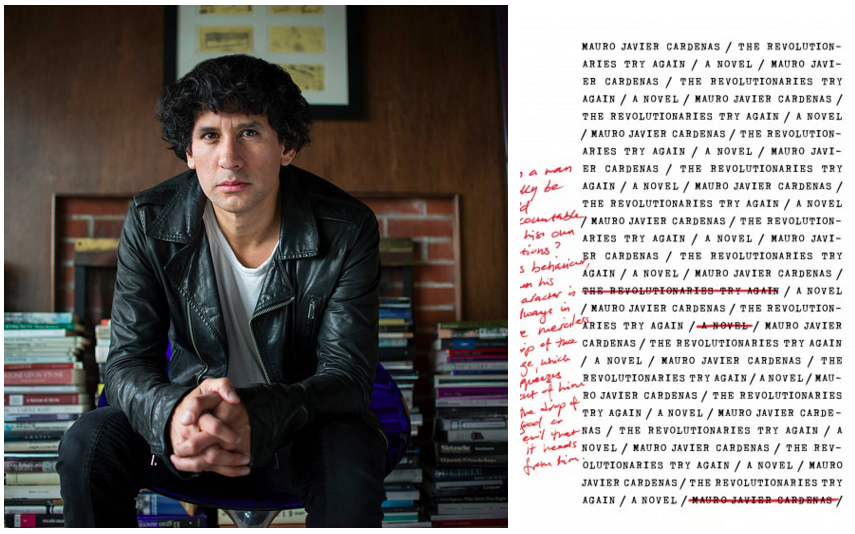
This week sees the release, at last, of Mauro Javier Cardenas’s long-gestated debut novel, The Revolutionaries Try Again (Coffee House Press), the coldest hot-blooded book I’ve read in many years. Like its cast of characters, the novel is colorful and disarming, bristling with idealism and disillusionment and profoundly embattled intelligence; like the country it brings to life without ever fully inhabiting, it’s noisy and claustrophobic and a dizzying thrill to get lost in. Because Mauro was beset with other book-launch obligations, we conducted this interview by email. His answers have been translated from his first language (Emoji) and lightly edited.
Daniel Levin Becker: Pretend this first question is coming from someone who knows nothing about you and has done no research whatsoever, including reading your book: why Ecuador?
Mauro Javier Cardenas: Because I missed my friends? Because I can still speak the highfalutin insult Spanish my friends and I would spitball at each other at my Jesuit high school in Guayaquil, Ecuador? Because I can still see Mazinger chasing Maid Killer across the soccer field of Colegio Javier? Or Microphone Head speechifying by Don Alban’s cafeteria? Because I boarded a plane to the United States after graduation and my friends, even the closest ones, ceased to exist for me? Because I wanted to return but didn’t? Is Padgett Powell going to be pissed about this? Do you know what he calls his (my) method of composition? Subconscious accretion.
DLB: How did the novel come to take the form and shape it did?
MJC: One succinct woof answer: I followed my nose. A less succinct woof answer: I like to believe the opening of Austerlitz by W. G. Sebald had tremendous influence on how I assembled The Revolutionaries Try Again. In Austerlitz, you don’t quite know why the narrator is telling you about raccoons and doomed fortresses, but you sense a submerged connection between them. I wanted to understand how he achieved this effect so I searched for everything Sebald and found an interview where he explains his method. If you look at a dog following the advice of his nose, W. G. Sebald says, he traverses a patch of land in a completely unplottable manner, invariably finding what he’s looking for. For instance: Cardenas questions the value of Voice of Witness at a dinner — → Cardenas becomes transcriber for a Voice of Witness project — → Cardenas decides his novel must end with a Voice of Witness monologue — → Cardenas can’t explain why this must be so — → Cardenas writes Voice of Witness monologue and hopes for the best. My mother, a transcendental therapist, would call this approach letting the unconscious do its work. My former devoted Catholic self would point out this approach is no different than being a devoted Catholic: always in search of connections and signs. My current sans devotion self would also point out Cortázar assembled Hopscotch the same way. Did I miss anyone? Does anyone else want to weigh in? Ah, yes, the guy with the day job in quantitative data analysis wants to say he (1) hates fiction patterned with pocket rulers, (2) does eventually analyze his haphazardly assembled sections in a spreadsheet, (3) would like to end with a line from Wendell Berry recited by a percussionist at a concert: every day do something that won’t compute.
DLB: Can we see one of those spreadsheets?
MJC: Here’s a spreadsheet for the Leopoldo & Antonio at Julio’s Party chapter. The cumulative % was important for me to keep track of what surfaced when for the characters. The little table below is to keep tab on the balance between modes of narration.

DLB: Same question about form and shape, but on the sentence level. One reason your writing excites me so much is that it often mimics what I recognize as the rhythm of a noisy mind: it feels like I’m reading thought directly, in all its overlap and chaos. But then — if it took you more than a decade to finish this book, can that really be true? What’s the path these words took from your brain to the printed page?
MJC: I was exactly after what you call the rhythm of a noisy mind, Daniel: the dramatization of interiority, the overlaps and chaos and imaginary dialogues and blank memories. In other words the objective (to paraphrase Adam Phillips) was to find forms of incoherence that were readable. In other words I needed extremely flexible high-speed sentences (unlike the last two sentences, which require “in other words” to perform a simple overlap). I began by writing what I will call traditional long sentences, sentences that often rely on affirmations and negations to keep going on, and then I wrote what I will call my emdashed sentences, sentences that look like a horizontal JR by William Gaddis, and then (by trial and error, 100 words a day, year after year letting chance and whatever I was reading and whatever was happening to me interfere with the course of the sentences, thinking of the emdashed sentences, which I’d assigned to Rolando & Eva, as subversives infiltrating the traditional long sentences, which I’d assigned to Antonio & Leopoldo) I combined the two types of sentences, which yielded what I sometimes call long sentences with voices, sometimes performance of an impulse sentences. These, as you know, are the only kind of sentences I write now. I should have called them long sentences with snakes so I could end this question by saying, in other words, mister Levin Becker, The Revolutionaries Try Again can be read as the history of my [redacted] snakes.
DLB: What didn’t end up making it into the novel? Having read much of it in various earlier stages, I’m aware of some things that have changed (the most tragic to my mind being “maidkiller” becoming “maid killer,” a much less priapic nickname for a penis), but what stands out to you, structurally or sentimentally? Which darlings were you sorriest to murder?
MJC: I wish my approach of blanking parentheticals after writing them (coma con Joe, coma con Joe) and then trying to write about their potential content to dramatize my blanks in memory had worked. I was also attached to the following circa 2005/2006 sentence because it was one of the first ones that felt alive with the rhythms I was after, although it was too satirical in tone to keep, but I still love you, satirical sentence of my youth:
Along Rumichaca Street Antonio rushes to his first revolutionary meeting. At least he thinks it will be a revolutionary meeting. Although he knows that there will be no speeches about guerrilla uprisings. No plans to arm the poor on the hills of Mapasingue so they can descend upon a city that’s repulsed by them. No disquisitions about a new socialism penned by the young intellectuals of the Universidad Católica. No proclamations of a new presidential model with the power to bulldoze backward congresses with tanks, although this last notion does appeal to him, and there will be none of these partly because Antonio’s the kind of revolutionary who as a boy preferred clay saints over bronze soldiers (San Ignacio over Simon Bolívar, to his grandfather’s dismay), and partly because those attending this meeting wouldn’t appreciate being descended upon, and partly because all the young intellectuals he knows have either fled to Florida or opted for a career in business administration. Except Leopoldo. And Antonio, of course, who fled but has returned. And what a term, this revolutionary: super whitening toothpaste, triple decker tacos, digital monster tractors: everything around him seems to be revolutionary: on a billboard on the way to the San Francisco airport (the toothpaste), on an inflight magazine on his flight back to Guayaquil (the tacos), on posters on telephone poles along Rumichaca Street (the tractors). And yet despite the term’s debasement, and what to others might seem like a slight radical agenda, he still believes he’s heading to something revolutionary, leading him to conclude that perhaps revolutionary for him means: a protest at the corner of Rumicacha and Boyacá interrupts him, aiding him in postponing the conclusion that perhaps revolutionary for him means: any activity that includes him.
DLB: After such a long construction period, what made the novel finished? Does it feel that way to you now, or have you just moved on because it was time to move on? (I feel like I should know whether or not you subscribe to the never-finished-only-abandoned view of art, but I don’t.)
MJC: I used to think and perhaps still think of a novel as a radius of associations, where associations are like Christmas lights or stars in a constellation (I don’t understand the aversion to mixed metaphors in the USA, by the way, everything’s mixed up inside our brains, no?), and in the beginning the radius is dark so my task consists of switching the lights on, one by one, a task that obviously cannot be completed unless I live inside the radius, and some components like my high school memories will have an easy-to-find light switch, sure, but I’m a fan of the weird wires so most of the time my light switch is magic — do you like magic? — I don’t, Thom Pain says, enough about me — yes, Padgett Powell might have subconscious accretions but I have magic, clap once, twice, feed the radius with everything in the world, clap again, and once all the lights are on, the novel is done.
I don’t understand the aversion to mixed metaphors in the USA, by the way, everything’s mixed up inside our brains, no?
DLB: The book’s title — which I love — seems to me emblematic of the critical (in both senses) distance the novel manifests towards its characters. What was it like living with them for so long? How did your attitude and sympathies toward them evolve over time?
MJC: Someone said to me recently that the women in the book change the book, and I said yes, the appearance of the women in the book coincided with the appearance of my daughters, who have opened doors to rooms I did not know existed — the platypus, tata — rooms from which I like to believe I have been able to approach my characters differently, as if they were at the same time me (let’s satirize these guys!), my children (let’s pretend we’re not afraid let’s keep them safe under a dome of love!), and not me since too many years had gone by and I was no longer the same age as my characters (let’s feel loss and be nostalgic about them!). No wonder I dedicated The Revolutionaries Try Again to my daughters. In other words, mister Levin Becker, The Revolutionaries Try Again can be read as the history of my [redacted] lifestages.
DLB: Which makes me think of our friend Tony Tulathimutte’s various comments about writing a character whose identity is bound to be conflated with your own based on biographical/demographic cues. Antonio’s story mirrors yours at a number of points — which you’re not shy about making known, at least given the publicity materials Coffee House has been using — so how do you anticipate this playing out in your case?
MJC: I read Tony’s always incisive comments and thought aha, yes, that’s why his favorite section of my novel is the monologue in which the Fat Albino, the grandson of the greatest oligarch of them all, rants against Antonio and Leopoldo, two of the so-called protagonists of the novel, who think that, unlike everyone else in Ecuador, they are not fraudulent — I’ll tell you about that duo of thieves, the Fat Albino says — and so I read Tony’s always incisive comments and thought he’s right, if Antonio were a stand-in for me I might have banished his unsavory behaviors and thoughts for fear of being seeing as a bad person, but fortunately Antonio is not a stand-in for me but a stew of fact and fiction, and in any case if someone were to ask me about Antonio and his resemblance to me I would say think of the whole book as my alien child, mister, ripped out of my stomach over a period of 12 years.
DLB: Okay, long one, sorry in advance for being that one reading attendee who talks about nothing for four minutes and then says “can you speak to that?” But: where the book’s critical distance from its characters is most vivid for me is in this deep sense of doubt it seems to have about the ability of ideas — artistic, scholarly, religious, whatever — to change the world. To start a revolution, obviously, much less finish one, but also simply to attain a whole, existentially reconciled life. (Like, it’s satisfying to know and think about David Hume and Arvo Pärt, but what does that do to address economic disparity and lack of potable water, “destitution and injustice,” etc.) So now that you’ve written and published this brilliant novel both filled with and about ideas, what does it mean to you to join the firmament of artists and thinkers who represent that which you both love and doubt? Is success for this book different from success for its author?
MJC: How do we explain the coexistence of death squads and brunch? In How Holocausts Happen: the United States in Central America, Douglas Porpora brings up a condition called pluralistic ignorance, where we reinforce in each other the mistaken conviction that nothing is really wrong so that we don’t have to skip brunch. Will I skip any celebratory brunches if success comes for the book? No. But don’t ask me to stay for the churros (I’ll take those to go, though).
How do we explain the coexistence of death squads and brunch?
DLB: What’s the weirdest textual tic you indulge when you’re drafting? (For example, I rewrite sentences to get rid of ugly gaps in the right-hand margin; another friend of ours abhors sentences that end with the letter R.)
MJC: I don’t think this one is too weird,
but I draft my sentences like this,
one line until I hit a punctuation mark,
which I decided to do after I transcribed a slice of To The Lighthouse by hand the same way so as to learn how Woolf structures her rhythms,
yes,
like this,
a long line followed by a short one,
almost never a long line followed by a long line.
DLB: Name three authors you’re secretly afraid you’re influenced by.
MJC: Sometimes I am afraid to reread Saramago or Woolf or Antunes because I know I will be able to spot their influence, but most of the time I love to see how I’ve swallowed pieces of them to forge pieces of me.

On July 30 of this year, six intrepid writers, including myself, created a round-robin story, sentence by sentence, at the legendary Malaprops Bookstore in Asheville, North Carolina. The others, fresh from teaching at the Shared Worlds teen SF/fantasy writing camp at Wofford College, were: Shirley Jackson Award-winner Nathan Ballingrud, NYT bestseller Tobias Buckell, critically acclaimed writers Julia Elliott and Terra Elan McVoy, and Bloomsbury US first-time novelist Leah Thomas. They’d just spent a long week having the students do writing exercises, critiquing their stories, and having one-on-one sessions with those students, with special guest Thomas Olde Heuvelt arriving late in the week to talk about his U.S tour for his novel HEX and being a writer from the Netherlands.
I help run the camp and my wife Ann serves as the editor in residence, and it’s always extremely rewarding. This is our ninth year of operation and the tradition of reading at Malaprops after the camp has become a kind of lucky charm, a great way to support a local Carolinas institution, and a nice way for writers who’ve worked hard with the students to unwind after the camp. This year, with such a cohesive and great group of writers, it seemed appropriate to create our own shared world through storytelling.
Shared Worlds founder Jeremy L.C. Jones set out the rules: “Each writer gets thirty seconds to think up the next sentence in the story, and we start with Julia Elliott. The audience will get to participate. Ann VanderMeer’s the editor. [If she feels it’s not going well] She can slam the brakes on this monster … redirect, edit, ask for more cats…” Olde Heuvelt asked, “Do we get electrical shocks when someone takes too long?”
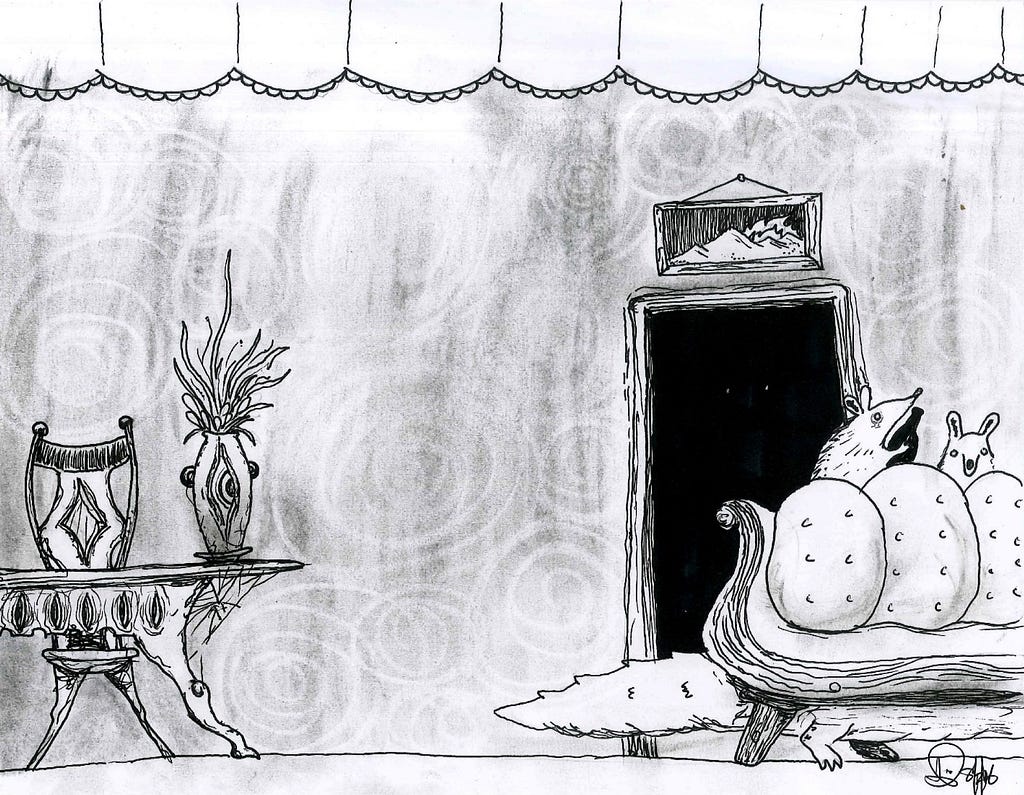
No, there were no electric shocks, but each writer did get one pass. Here are the results — with exclusive illustrations created by Shared Worlds in-house illustrator Jeremy Zerfoss.
— Jeff VanderMeer
(line by line)
Julia Elliott: Alligators, they say, creep right through her living room, and possums suckle litters on her velvet couch. Birds nest in her moss-festooned chandeliers. Open any closet and moths spew out.
Terra Elan McVoy: And yet she was still having trouble getting a jar of peanut butter open.
Thomas Olde Heuvelt: So when I visited her, for the sixth time in a row, I was like “Where do you hide the coffee in a place like this?”
Leah Thomas: She said, “The coffee is not the issue, it is only the peanut butter that I am preoccupied with… “
Tobias Buckell: But that was the problem with visiting Aunt Francine.
Jeff VanderMeer: PASS!
Nathan Ballingrud: What no one knew is that the coffee was hidden in the attic with the vulture.
Julia Elliott: When Aunt Francine poured wine upstairs to feed the vulture it had this annoying habit of peeling off her liver colored pantyhose and piling them into a damn pile on the floor.
Ann VanderMeer: Not enough cats [in this story]. Add more cats! More cats.
Terra Elan McVoy: So, since the vulture feeding always made my skin crawl I made myself useful and had to throw the peanut butter in.
Thomas Olde Heuvelt: “Don’t worry too much about Aunt Francine’s antics,” my mamma told me before I visited her.
Leah Thomas: “You know she hasn’t been the same ever since the cockroaches crawled into her ears.”
Tobias Buckell: “…And don’t worry, it was only three missing husbands.”
Jeff VanderMeer: But the real problem was in the basement, not the attic.
Audience Member: I should have known better than to ignore the alligators.
Nathan Ballingrud: The alligator came stirring from his slumber.
Julia Elliott: And hordes and hordes of kittens worshipped the Alligator King … adorable.
Terra Elan McVoy: I heard his slippery step upon the stair and turned and the door opened [and I was] aware all I had in my hand was that godforsaken jar of peanut butter.
Thomas Olde Heuvelt: As I smelled its stinky breath, I thought “Darn, I need some Smuckey.”
Leah Thomas: If only Smuckey were here, and if only Aunt Francine had not removed her pantyhose because everyone knows what draws the gator from the basement.
Tobias Buckell: Smuckey was always the faster thinker of us.
Jeff VanderMeer: Smuckey would have known exactly how to get that alligator king back in the basement, but I had no such luck.
Nathan Ballingrud: And the door creaked open and the alligator came walking into the living room, and Aunt Francine looked around and smiled.
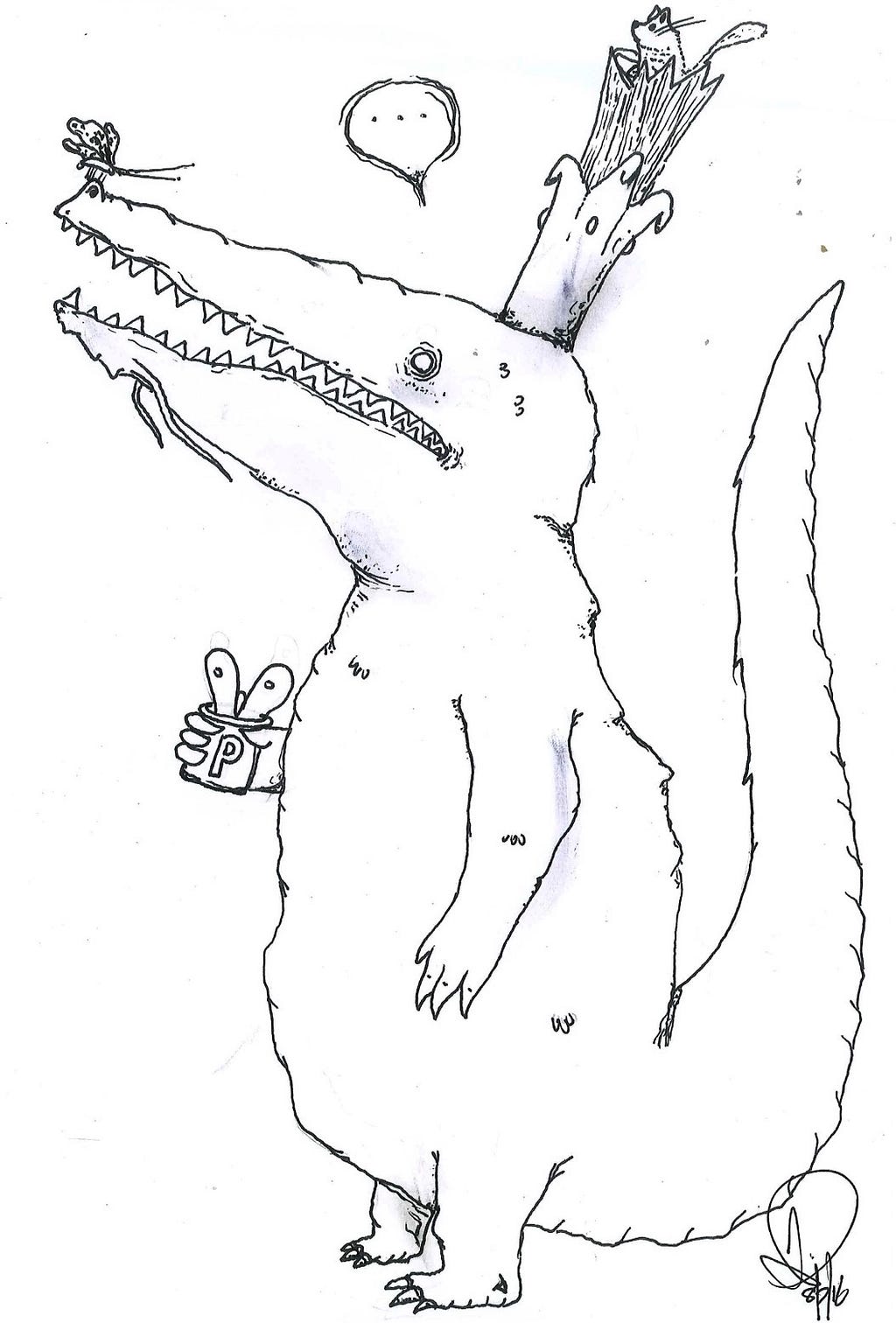
Julia Elliott: Then she reached for her hidden jar of peanut butter and opened it and pulled out a rotten spoon from the stoop and dipped it into the peanut butter and held it out and the alligator came and licked dollops of peanut butter from the dissolving spoon.
Terra Elan McVoy: The kittens, upon seeing their king, feasting happily broke into song.
Thomas Olde Heuvelt: I’ll PASS on that.
Leah Thomas: “Meow, meow, meow, meow, meow, meow, meow, meow, meow, meow.”
Tobias Buckell: “Oh great Alligator King, denizen of the basement, bringer of all things good to adorable kittens, we salute you.”
Jeff VanderMeer: “Look,” the Alligator King said, “I’m really sick of getting this kind of reception when I just come out for some stinking peanut butter.”
Nathan Ballingrud: PASS.
Julia Elliott: [To the tune of the Meow Mix commercial] “Meow, meow, meow, meow, meow, meow … “
Terra Elan McVoy: Then I felt the old affection Smuckey always had for me covering me like a warm blanket and giving me the knowledge of exactly how to most beautifully wrap up this sixth visit with my Aunt Francine and her singing kittens.
Thomas Olde Heuvelt: I also remembered a thing my mamma [said]… she knew exactly what to do in a situation like this.
Leah Thomas: Could it be that Smuckey and the Alligator King were one in the same? (Everyone loves a terrible twist near the end of the story.)
Tobias Buckell: Because it was only after Smuckey had disappeared that the Alligator King showed up.
Jeff VanderMeer: “For eff’s sake,” [the Alligator King] said, “I’m standing right here while you’re standing right there looking at me.”
Jeremy Jones: Anyone in the audience? Anyone?
Tobias Buckell: They’re like “You dug your hole deep enough.”
Second Audience Member Contribution: “Sorry,” I said, “this is only my third time visiting my Aunt Francine and I’ve never met you before.”
Nathan Ballingrud: I moved to give him the jar of peanut butter but I gave him the coffee instead.
Julia Elliott: So the Alligator King upended the coffee can and gobbled up every last [bit].
Terra McVoy: Immediately upon licking the last coffee ground from his mouth, however, a hideous hissing crackling sound began to emerge from his stomach.
Thomas Olde Heuvelt: So I turned to Aunt Francine and I said “Can we now play Monopoly?”
Leah Thomas: I’m sorry, in this game of life, we only play Trouble.
Tobias Buckell: PASS.
Jeff VanderMeer: Francine said, “I’m actually only here for another purpose entirely and I’m just glad somebody came over and the Alligator King came up from the basement because there’s really something I have to tell you.”
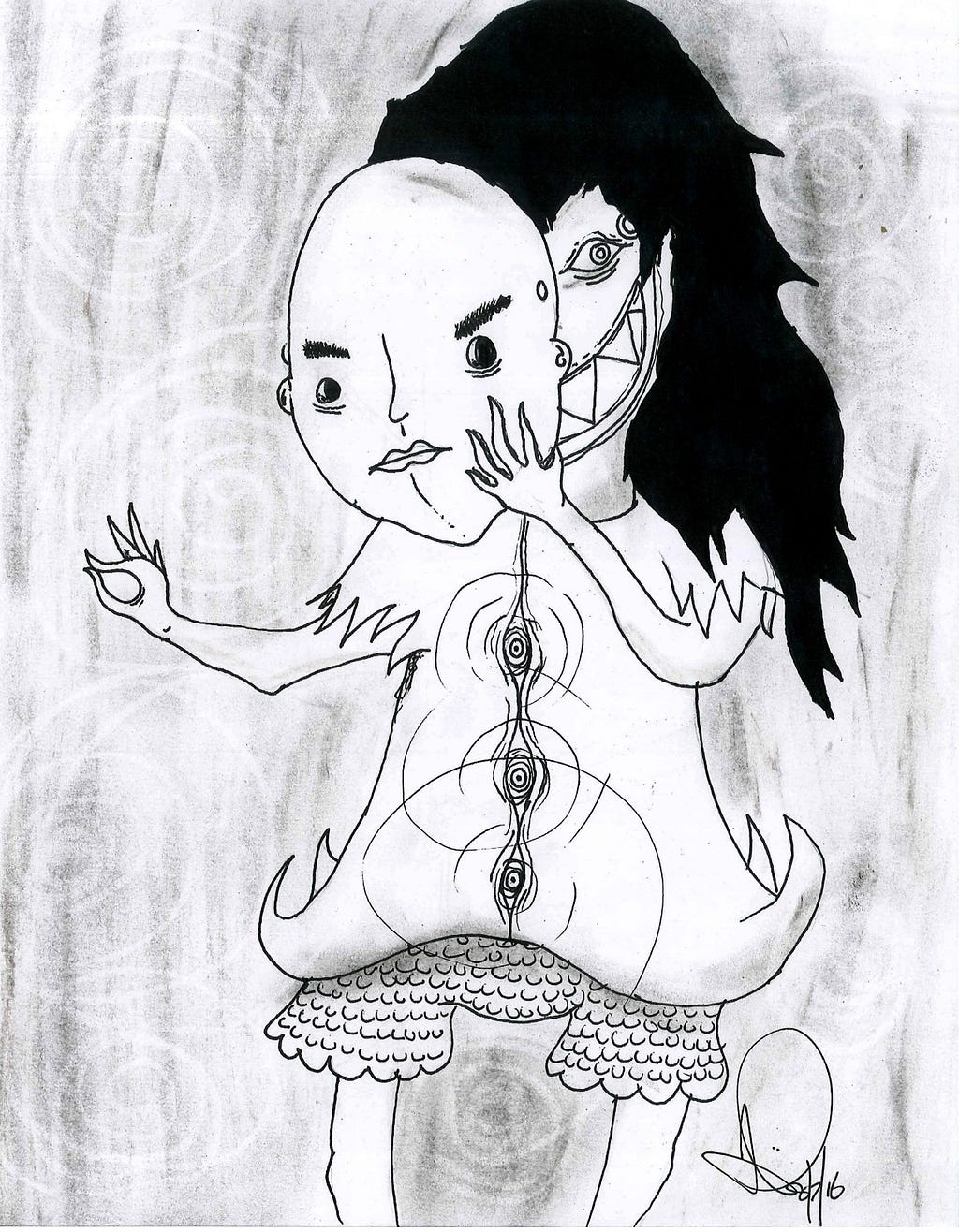
Nathan Ballingrud: And then she pulled off her mask.
Julia Elliott: There was another mask and then she said “It’s time for me to molt and I need you to help me, go get a jar of Vaseline.”
Terra Elan McVoy: The Alligator King made a second sound of hissing disgust and headed back down to the basement. I would never know for sure if he had really been Smuckey or not.
Thomas Olde Heuvelt: So I crossed the street to the drug store and asked for a bottle of Vaseline and the lady behind the counter said “Not again.”
Leah Thomas: PASS.
Tobias Buckell: I stared right back at her and said “What’s an acceptable substitute?”
Jeff VanderMeer: And she said “Peanut butter.”
(all at once, now…)
Alligators, they say, creep right through her living room, and possums suckle litters on her velvet couch. Birds nest in her moss-festooned chandeliers. Open any closet and moths spew out. And yet she was still having trouble getting a jar of peanut butter open.
So when I visited her, for the sixth time in a row, I was like “Where do you hide the coffee in a place like this?”
She said, “The coffee is not the issue, it is only the peanut butter that I am preoccupied with… “
But that was the problem with visiting Aunt Francine.
What no one knew is that the coffee was hidden in the attic with the vulture. When Aunt Francine poured wine upstairs to feed the vulture it had this annoying habit of peeling off her liver colored pantyhose and piling them into a damn pile on the floor. So, since the vulture feeding always made my skin crawl I made myself useful and had to throw the peanut butter in.
“Don’t worry too much about Aunts Francine’s antics,” my mamma told me before I visited her. “You know she hasn’t been the same ever since the cockroaches crawled into her ears. And don’t worry, it was only three missing husbands.”
But the real problem was in the basement, not the attic. I should have known better than to ignore the alligators. [Because now] The alligator came stirring from his slumber. And hordes and hordes of kittens worshipped the Alligator King … adorable.
I heard his slippery step upon the stair and turned and the door opened [and I was] aware all I had in my hand was that godforsaken jar of peanut butter. As I smelled its stinky breath I thought “Darn, I need some Smuckey.” If only Smuckey were here, and if only Aunt Francine had not removed her pantyhose because everyone knows what draws the gator from the basement.
Smuckey was always the faster thinker of us. Smuckey would have known exactly how to get that alligator king back in the basement but I had no such luck.
The door creeped open and the alligator came walking into the living room and Aunt Francine looked around and smiled. Then she reached for her hidden jar of peanut butter and opened it and pulled out a rotten spoon from the stoop and dipped it into the peanut butter and held it out and the alligator came and licked dollops of peanut butter from the dissolving spoon.
The kittens, upon seeing their king feasting happily, broke into song.
“Meow, meow, meow, meow, meow, meow, meow, meow, meow, meow…Oh great Alligator King, denizen of the basement, bringer of all things good to adorable kittens, we salute you.”
“Look,” the alligator king said “I’m really sick of getting this kind of reception when I just come out for some stinking peanut butter.”
“Meow, meow, meow, meow, meow, meow … “
Then I felt the old affection Smuckey always had for me covering me like a warm blanket and giving me the knowledge of exactly how to most beautifully wrap up this sixth visit with my Aunt Francine and her singing kittens.
I also remembered a thing my mamma [said]… she knew exactly what to do in a situation like this.
[But] could it be that Smuckey and the Alligator King were one in the same? Because it was only after Smuckey had disappeared that the Alligator King showed up.
“For eff’s sake,” [the Alligator King] said, “I’m standing right here while you’re standing right there looking at me.”
“Sorry,” I said “this is only my third time visiting my Aunt Francine and I’ve never met you before I would be interested.”
I moved to give him the jar of peanut butter but I gave him the coffee instead. So the Alligator upended the coffee can and gobbled up every last [bit].
Immediately upon licking the last coffee ground from his mouth, however, a hideous hissing crackling sound began to emerge from his stomach.
So I turned to Aunt Francine and I said, “Can we now play Monopoly?”
“I’m sorry, in this game of life, we only play Trouble,” Francine said. “I’m actually only here for another purpose entirely and I’m just glad somebody came over and the Alligator King came up from the basement because there’s really something I have to tell you.”
And then she pulled off her mask.
There was another mask and then she said “It’s time for me to molt and I need you to help me, go get a jar of Vaseline.”
The Alligator King made a second sound of hissing disgust and headed back down to the basement. I would never know for sure if he had really been Smuckey or not.
So I crossed the street to the drug store and asked for a bottle of Vaseline and the lady behind the counter said “Not again.”
I stared right back at her and said “What’s an acceptable substitute?”
And she said “Peanut butter.”
 Thank You!