Novel Gazing
What’s a Book That Almost Killed You?
For Novel Gazing, tell us about a story that put you in mortal peril
This article is free to read. So is every article Electric Literature publishes. No limits, no paywalls—now or ever. Support from readers like you makes that possible.
Electric Literature is proud to be a space where writers are always paid and reading is always free, and we plan to keep it that way.
Donate now to our spring fundraiser to help ensure the future of free, accessible literature for all.
—————
M y mother likes to point out every year that the reason autumn leaves smell so sweet is that they’re dying. In their final, florid throes, after they lose their chlorophyll but before they start to decay, leaves release chemicals that cause the warm and comforting scent of fall. I have not been able to verify this, but it seems correct for the season: we’re surrounded by death, marinating in it, breathing it in, but we like it. (Incidentally, when you try to check this factoid online you instead find many Quora and Reddit posts asking if there’s a single word for the smell of autumn leaves, and someone always suggests “petrichor,” a word that exists purely for nerds to say it’s a word they know. It does not mean the smell of autumn leaves, at all; the question just gives the type of people who like to say they know the word “petrichor” an excuse to say they know the word “petrichor.” What I’m saying is that there’s a gap in the “word that exists purely for nerds to say it’s a word they know” market. Get on it, linguists.)
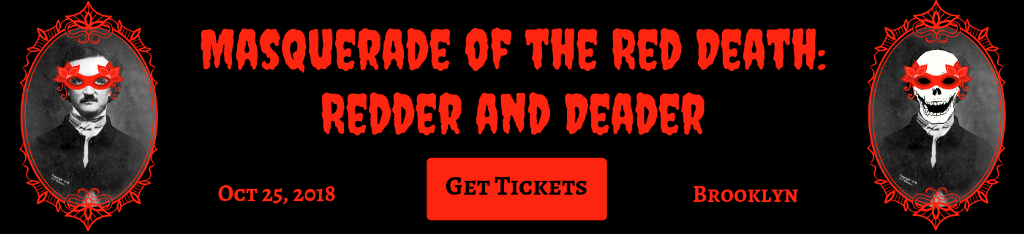
It’s easy to feel surrounded by death lately, although it doesn’t smell so sweet. The specter of death from climate change or illegal abortion or medical debt or gun violence is never that far from our minds. So in a way it’s a relief to be coming into fall, a season of death but a colorful death, a fragrant one. It’s a good time to celebrate closeness to death, and to celebrate narrow escapes—not to forget the real dangers, but to maybe find some peace. (It’s also, not for nothing, the season of our Masquerade of the Red Death!)
For the new Novel Gazing, Electric Lit’s personal essay series about the way stories shape our lives, we’re asking: What’s a book that almost killed you? This could mean the book whose ideas landed you in physical danger, or the book that fell on your head and gave you a concussion (assuming that you can tell the latter story in a fully-realized way). If you had a run-in with the Necronomicon, if you risked your life mimicking the exploits of your favorite heroine, if you misunderstood a mycology manual, if you once vowed to eat every page of Moby-Dick and almost choked, now’s the time to tell your story. It’s okay if the “book” in question isn’t strictly a book—movies, TV, and other narrative media will do.
You may want to read some earlier Novel Gazing essays to get a feel for the series. Some recent favorites include essays about learning the wrong lessons from 200-year-old erotica, about falling in love with language through the work of Francesca Lia Block, and about reading the Song of the Lioness series as a closeted young gay man.
Essays should not be longer than 4,000 words or shorter than 800, and payment is $60 per piece. Submissions will remain open through September 21.