news
How George Saunders’ Lost his Cyncism
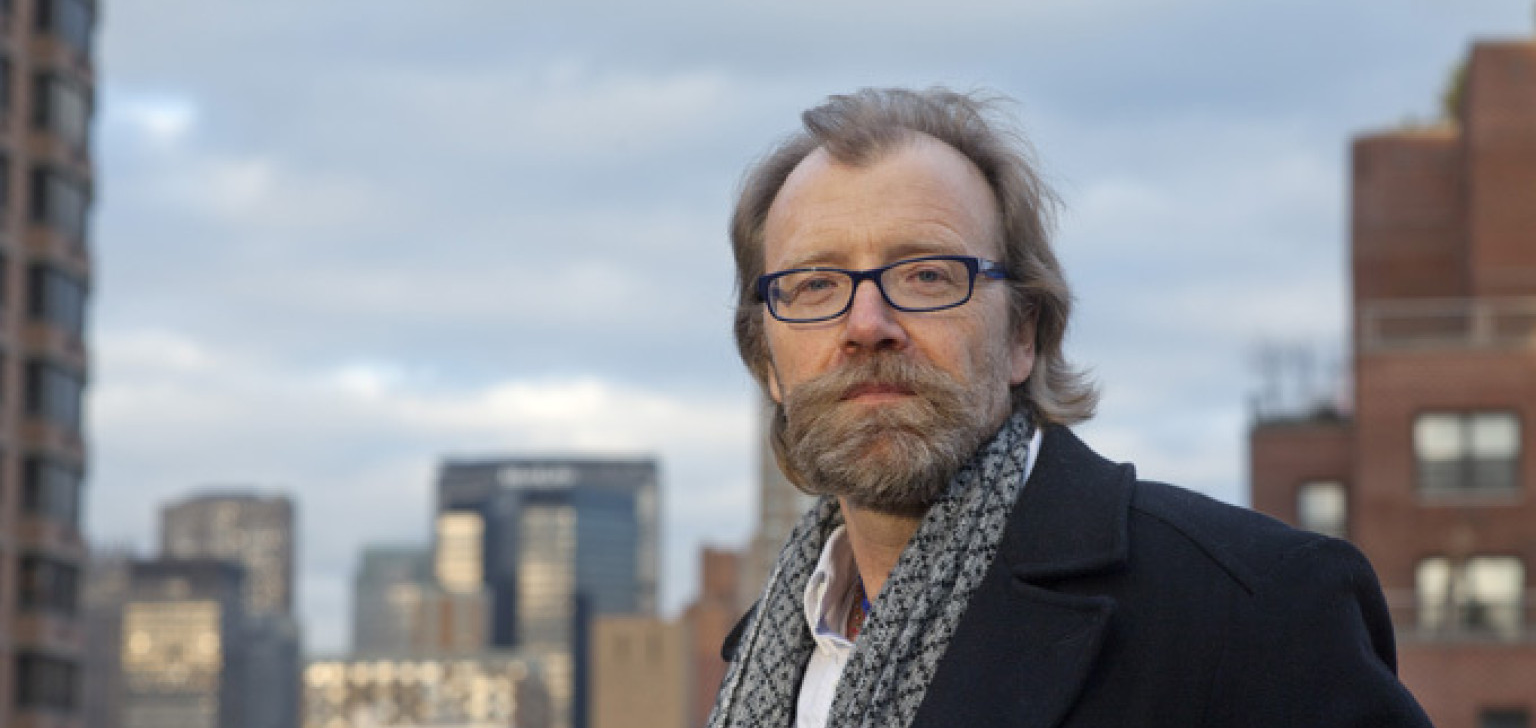
In a wonderful interview by Edan Lepucki, George Saunders discusses his collection The Tenth of December, which is a finalist for a 2013 National Book Award. When asked how this latest collection differs from his earlier work, Saunders says this book is “(maybe) a (somewhat) gentler thing than my previous collections. Still harsh, still dark — but within that dark offset there’s some light getting thrown off, I think.”
He explains that this change, this little bit of light, might come from changes in his own life.
When I was younger, I found myself kind of shocked at the harshness of life. We had our kids and not much money, and were both working harder (and with more at stake) than we ever had (and we had worked pretty hard before) and although we were doing fine, it really opened my eyes to how harsh our culture (and, well, life) can be, especially under the auspices of capitalism. I thought: ‘Wow, if life is this hard for us — two relatively bright and privileged college graduates — there must be so much submerged suffering out there.’ So that revelation (and why that should have been a revelation, I have no idea) felt very urgent. And it was that revelation (and the resulting outrage and clarity — the strange beauty of the world when seen through that lens) that I was trying to get into those early collections.
Now, the urgent revelation is more along the lines of: ‘Though all of that is still true, please note that life is not all chaos and cruelty; it is possible to live a life that is loving and dignified (if you’re lucky) and, what’s more, you do not get to live that kind of life unless someone along the way has sacrificed for you and cared for you and intervened on your behalf — and people are doing that all over the place, all the time.’ So positive human action is not only possible, but pervasive; human beings can improve and choose light and so on. And this is all happening in the midst of the aforementioned harshness. So in this book I felt like I was taking the first steps to be able to accommodate that new (to me) vision of the world.
Read the rest of the interview here, and read Fiona Maazel’s review of The Tenth of December here.