news
Joyce’s Finnegans Wake a Surprise Hit in China
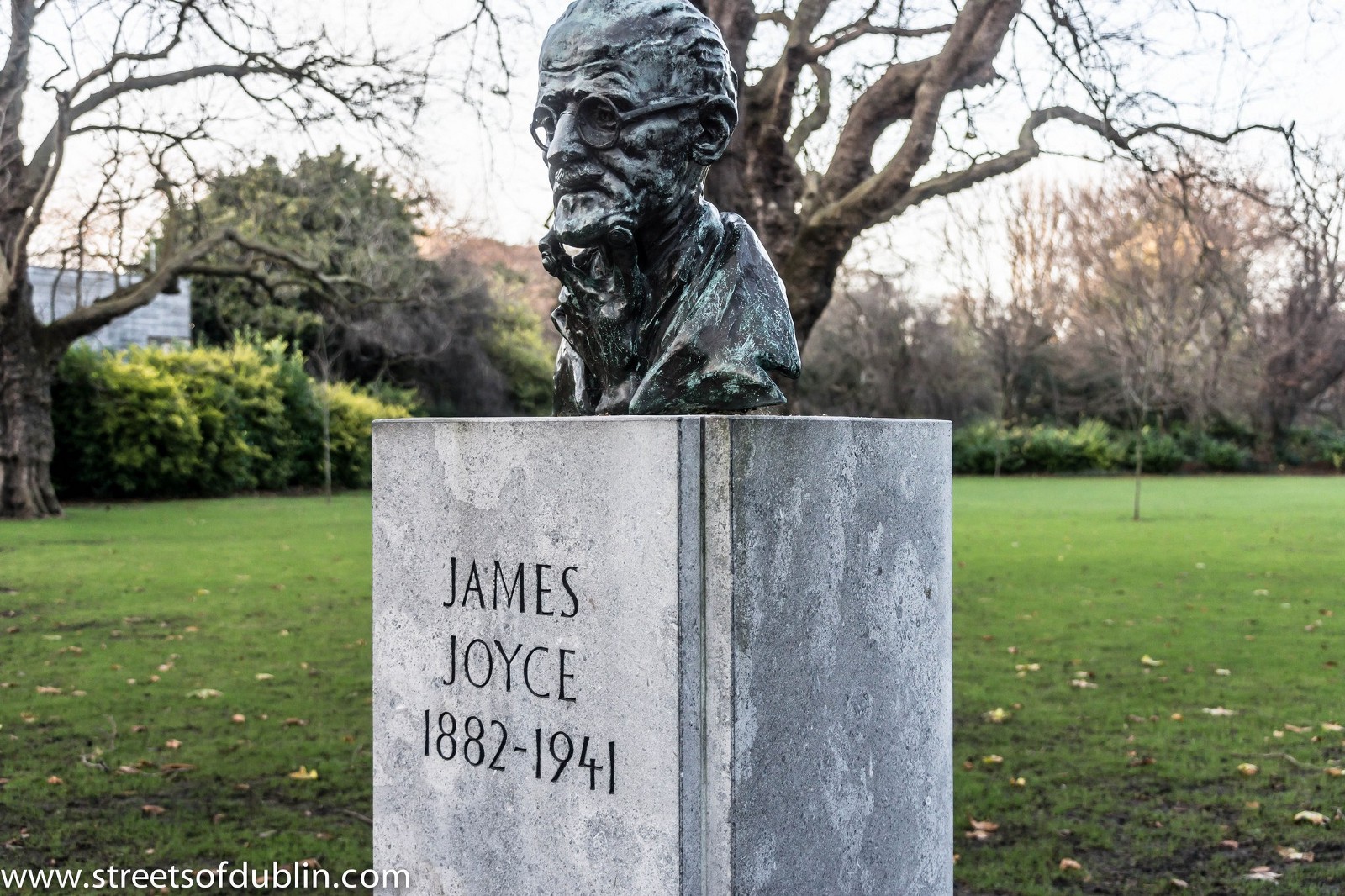
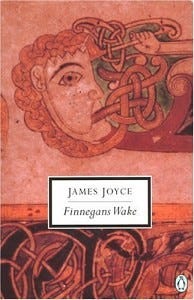
Dai Congrong spent eight years translating the first third of James Joyce’s Finnegans Wake into Chinese, a book the Guardian refers to as “famously opaque.” It’s so opaque that even native English speakers often struggle with it, making its Chinese translation seem nearly impossible to accomplish.
According to the Guardian, Joyce’s work was originally shunned under Mao Zedong as “bourgeois western literature.” A Portrait of the Artist as a Young Man, for example, wasn’t translated into Chinese until 1975.
But Dai Congrong, associate professor of comparative literature at Shanghai’s Fudan University, watched in awe as her translation of Finnegans Wake — or “Fennigan de Shouling Ye” — hit number two on Shanghai bestseller lists and sold out its first print run of 8,000 copies in two months. Its appeal may be directly related to the book’s unconventionality and shock value. The NY Times reports that Chinese readers “love the way it lacks a coherent narrative and plot…”
Joyce’s first sentence (“riverrun, past Eve and Adam’s, from swerve of shore to bend of bay, brings us by a commodius vicus of recirculation back to Howth Castle and Environs”) takes up three lines in Dai’s Chinese translation, but requires 17 lines of footnotes. Dai writes footnotes for about 80% of words translated in order to explain their cultural background.
The entire book’s translation will likely take many more years to complete, but Chinese readers will eagerly anticipate its publication.