Countless pages have been written about the Presidents of the United States. In fact becoming the subject of a book seems to be one of the few things that a commander-in-chief can be sure to accomplish. With President Trump, the literary world is off to an especially quick start. Besides the protests and the think-pieces, there’s already a journal devoted to chronicling life under the new administration, and earlier this month Salman Rushdie announced that his newest novel, The Golden House, due out in September, will cover the last eight years of US politics.
This past weekend, as I watched SNL kill it yet again, I began thinking about how novelists will approach Trump, a man who is so inherently cartoonish, who treats life like reality TV. Will he be a villain, a madman, a clown? Will someone insist on looking past the orange-tinted megalomaniacal bigotry and find something…sympathetic? With Presidential novels, nothing is off-limits. So, what should we expect? A reasonable place to start the inquiry is by looking at other depictions of POTUS in fiction. So, for your (technically) holiday Monday, here’s a list of real Presidents as portrayed in fiction, from Curtis Sittenfeld’s layered look at the Bush marriage to Updike’s Buchanan.
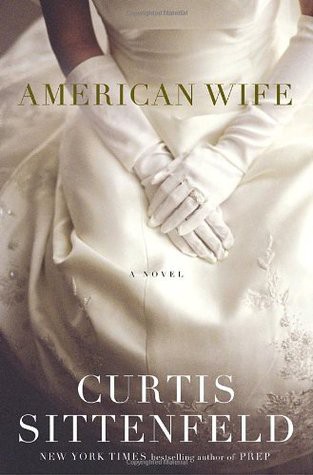
Charlie Blackwell/George W. Bush in American Wife, by Curtis Sittenfeld
American Wife is the story of Alice Blackwell (nee Lindgren), a “polite” young woman from Wisconsin who marries a Republican scion from a well-known, wealthy political family — a man who becomes President of the United States. By the author’s own admission, Alice is a fictionalized version of Laura Bush, making her husband George W. But not all is well in the White House. Sittenfeld explores an interesting tension, when Laura/Alice is privately at odds with much of her husband’s conservative politics.
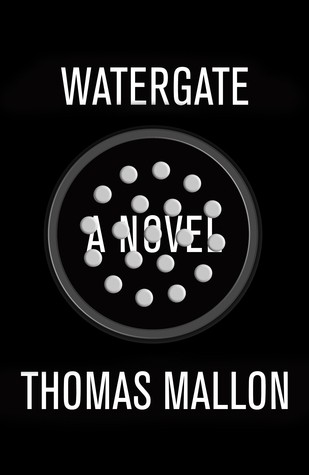
Richard Nixon in Watergate, by Thomas Mallon
Late-night thieves, amateur sleuths, phone bugs, destroyed evidence — these are all real aspects of Watergate, America’s hitherto unmatched Presidential scandal (but maybe don’t hold your breath). The actual events were pretty sensational (see: the 18 1/2 minute gap), but there is still value in a witty, novelistic take on reality. In Watergate, a finalist for the 2013 PEN/Faulkner Award, Mallon gives Nixon more nuance than many of his cartoonish fictionalized portrayals, creating a character who is, if not sympathetic, at least human under the mask.
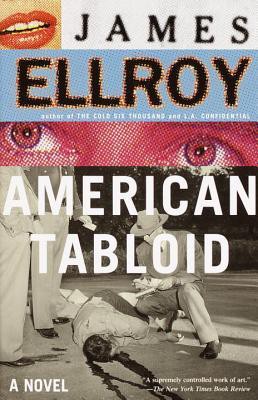
John F. Kennedy in American Tabloid, by James Ellroy
This fast-paced crime-and-conspiracy epic winds three narratives around John F. Kennedy and his underworld connections, from his election to the Bay of Pigs to his assassination. Given the nostalgic halo that usually graces JFK, it’s refreshing to see him portrayed as a charismatic but seriously problematic man with a fondness for call girls and family ties to the Mafia.
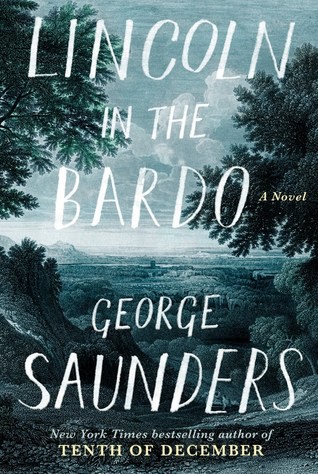
Lincoln in Lincoln in the Bardo, by George Saunders
George Saunders’ first novel, which is currently the talk of the literary world, takes its premise from the real-life death of Abraham Lincoln’s eleven year-old son, Willie, in 1862. But from there, it’s pure Saunders, as we follow Willie into the ‘Bardo’ — the Tibetan word for purgatory. Willie meets and mingles with ghosts, ultimately partaking in a struggle for his soul.
Warren G. Harding in Carter Beats the Devil, by Glen David Gold
Warren G. Harding isn’t the first President you’d think of to star in a suspense novel (or any novel for that matter) but he is indeed the lynchpin to this inventive plot. Inspired by true American stage magician Charles Joseph Carter (1874–1936), the novel opens when Carter invites President Harding on stage at a magic show. Hours after Carter successfully cuts the President to pieces and reassembles him as a magic trick, Harding dies, and Carter becomes a prime suspect. (ed. note — now that’s a book cover)
Thomas Jefferson Dreams of Sally Hemings, by Stephen O’Connor
What really went on between the third President of the United States and Sally Hemings, the woman who was at once his slave, lover, and mother to his children? Stephen O’Conner imagines a possible version in which the 16 year-old Hemings finds herself “somewhere along the spectrum between love and Stockholm syndrome,” both entrapped and enticed by her forty-six year old master.
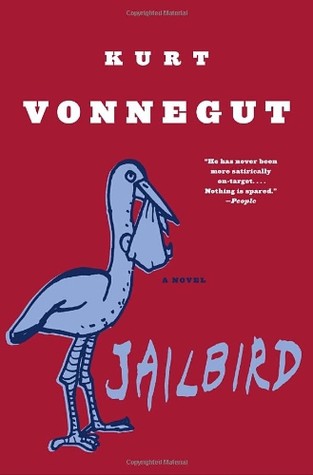
Richard Nixon in Jailbird, by Kurt Vonnegut
Did you know Vonnegut wrote a Watergate novel? Well, now you do. His take imagines the hapless Walter F. Starbuck, the son of a chauffeur and a general misfit who bumbles along, letting life happen to him, until Nixon makes him his advisor on “youth affairs.” Starbuck gets unwittingly tangled up in the Watergate scandal and sent to jail. Vonnegut’s Nixon is a bit of a caricature who interrogates anyone who doesn’t show enough gratitude for America! and capitalism!
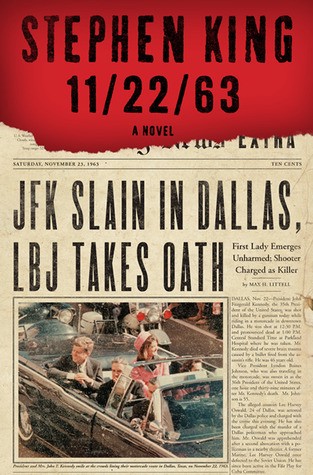
John F. Kennedy in 11/22/63, by Stephen King
11/22/63 brings together two ideas that have spawned reams of fantasy writing: time travel and JFK’s assassination. Jake Epping is a divorced high school English teacher in Maine who stumbles upon a portal to the past — specifically September 9, 1958, at 11:58 a.m. Epping uses the portal to try to prevent JFK’s assassination, an event he thinks triggered chaos in America.
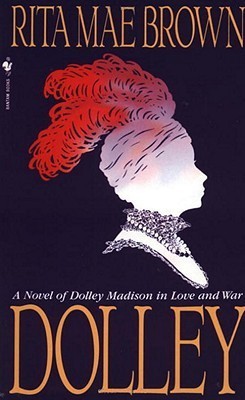
James Madison in Dolley, by Rita Mae Brown
Written by the author of The Rubyfruit Jungle, this novel-as-diary explores the life of Dolley, wife to President James Madison. Although Brown focuses on the more frivolous side of the Presidency (presumably Dolley’s main purview, aside from saving paintings from fires), political infighting and the War of 1812 hang like a shadow over even the most lavish dinner party.
Bill Clinton/Jack Stanton in Primary Colors, by Joe Klein/Anonymous
First published by “Anonymous,”Primary Colors caused a stir with its thinly veiled portrayal of the 1992 Democratic Presidential Primary. The journalist Joe Klein eventually admitted he was the author — after a slew of accusations, a sworn oath, and a handwriting analysis that was done on notes from the original manuscript. That people went through such trouble to find the true identity of the anonymous author doesn’t feel that shocking after the unmasking of Elena Ferrante, but, at the time, the novel’s portrayal of Southern governor Jack Stanton, i.e. Bill Clinton, as a lecherous, deceitful politician was pretty spicy.
James Buchanan in Memories of the Ford Administration, by John Updike
Despite its title, Updike’s 15th novel features an obsession not with Gerald Ford but with the 15th President of the United States, James Buchanan. The novel’s protagonist, Alfred Clayton, idealizes the man and is toiling away on an endless biography that he hopes will change the minds of the ninety-nine percent of historians who agree that Buchanan was a crappy President and at least partially to blame for the Civil War.
This list began with a mistake. I’d started collecting the titles of intriguing 2017 books: to read them, of course, but also because I hoped to review more prose in 2017. I soon noticed, though, that the writers I’d assembled in my private most-anticipated roll call bore an alarming resemblance in one respect to lists everywhere, not just the book-related kind (cf. editorial slates, boards of directors, tables of contents): the men outnumbered the women.
So, I tried to right the balance; before long, I did. Good! But then, looking again at the expanded list, I realized that most of the women writers I’d added were white. I love white women’s books, and I love books by men, but I wanted to read women of color, too. I consulted others’ lists. I trawled through publishers’ catalogs. What I discovered was that if I excluded books by friends, as well as titles my agent and/or novel editor had worked on, there wasn’t much else I could find. I didn’t have this problem with male writers of color, and I didn’t have this problem with white women. I wasn’t hunting for unicorns.
This was during the winter holidays: I was in a cabin, laid up because I’d sprained my ankle. With the unexpected glut of free time, I took to social media, asking what 2017 books others were looking forward to reading. I emailed friends; I pulled up more catalogs. In the end, I’d compiled a more robust lineup. It then occurred to me that other readers and reviewers who also care about diversity in books might like having such a list.
(If you don’t care: oh, where to start. A xenophobic, misogynistic fascist is president; hate is ascendant; and it’s easiest to forget the shared humanity of people whose lives we haven’t tried imagining. Studies show, for instance, decreased homophobia among Americans who have so much as watched a bit of Will & Grace. Inclusion has real consequences, and if you’re looking for the perfect gift to buy your Republican uncle or your racist cousin, here’s a shopping list.)
These are 34 anglophone prose books of 2017 I’m very excited to read that happen to be written by women of color: maybe not unicorns, but also not nearly as easy to find as they should be. I intend to be “greedy and indulgent,” as Jenny Zhang beautifully puts it, in reading these writers — join me?
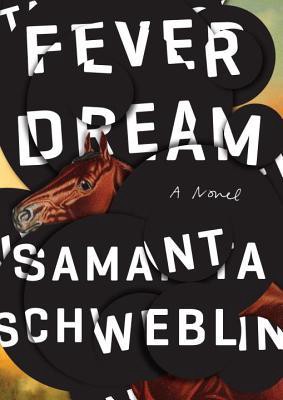
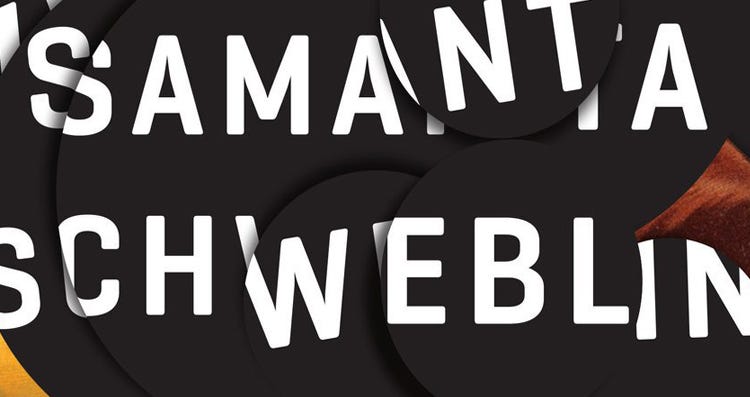
Samanta Schweblin, one of Granta’s Best Young Spanish-language Novelists, wrote this book entirely in dialogue, as a conversation between a dying woman and her friend’s son. It’s an inventive literary thriller powered by two mothers’ great love for their children, as well as the terrible fears that come with love.
Han Kang’s Booker Prize International-winning The Vegetarian, depicting a woman’s ferocious struggle with her family, was one of the most celebrated, and unnerving, books of 2016. Her new novel, which takes place in 1980 during the Gwangju Uprising in South Korea, is no less unsettling. During the ten-day protests, the military killed hundreds of unarmed students and civilians: Human Acts bears fictional witness to these dead, and to the travails of those who survived.
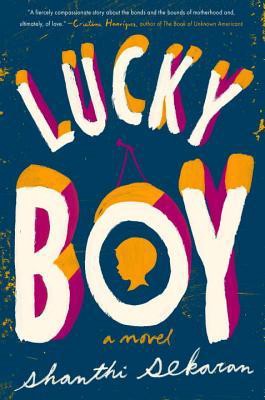
The fates of a rich, infertile Indian American couple, Kavya and Rishi, become tangled with the life of Soli, an undocumented, 18-year-old housekeeper from Mexico, when Soli’s baby is taken from her and placed in foster care. To Soli, the baby’s Ignacio; to Kavya and Rishi, he’s Iggy; to all three, he’s beloved. Heartbreak is inevitable, and Shanthi Sekaran’s novel compassionately explores the varieties thereof.
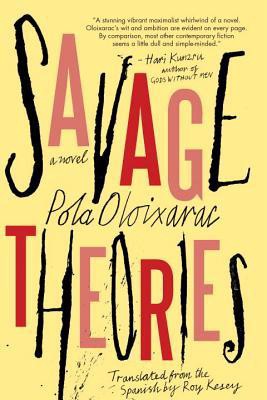
Savage Theories was a small-press bestseller when it appeared in Argentina; years later, it’s finally out in the U.S., translated by Roy Kesey. It tells the stories of Buenos Aires academics, former guerrillas, and gamers. Hari Kunzru calls it “a stunning vibrant maximalist whirlwind of a novel.”
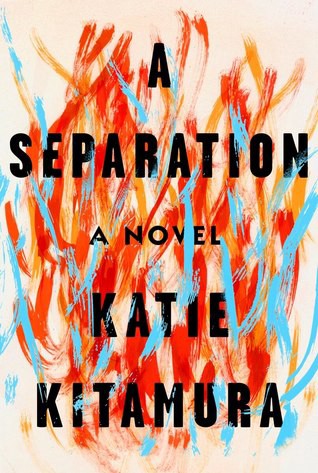
Katie Kitamura’s writing has captivated me for years, starting with her taut debut novel, The Longshot, about mixed-martial-arts fighters. A bookseller whose taste I love, Stephen Sparks of Point Reyes Books, read a galley of A Separation and said that Kitamura is America’s answer to Javier Marías; I’ve been waiting for her new novel ever since. In A Separation, a translator travels to a Greek fishing village to find her adulterous husband: I’m impatient to follow her there.
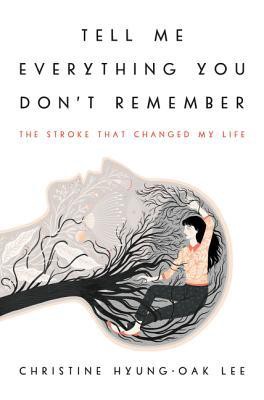
Christine Hyung-Oak Lee is another writer I’ve been reading for years, via short pieces in Buzzfeed, The Rumpus, and elsewhere. Tell Me Everything You Don’t Remember is a memoir about the stroke Lee endured when she was 33. It left her with no short-term memory, for months, and she wrote daily in her notebook to preserve a time she couldn’t otherwise recall. Those entries inform this book, Lee’s first.
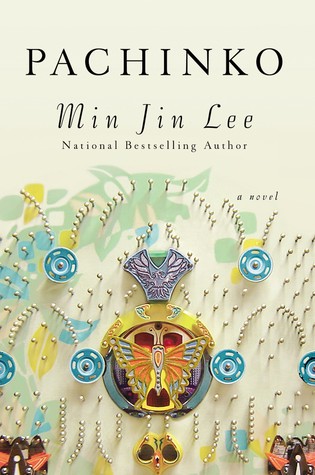
Min Jin Lee had the initial idea for what would become Pachinko in 1989: in college, she attended a talk by an American missionary who worked with ethnic Koreans in Japan, historically a marginalized group. She began writing fiction about Korean Japanese in 1996; then, when she lived in Tokyo for four years in 2007, she restarted her novel-in-progress. Almost 30 years in the making, Pachinko is a testament to Lee’s determination to give voice to lives that have been, as she’s said in an interview, “denied, erased, and despised.” Junot Díaz says that Pachinko “confirms Lee’s place among our finest novelists.”
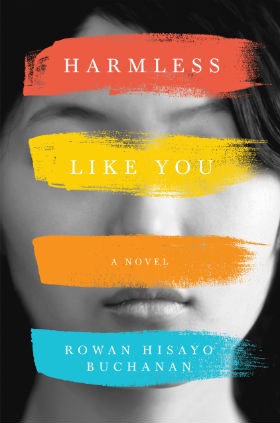
I first read Rowan Hisayo Buchanan’s fiction in Granta, a short piece featuring a ghost couple stuck for eternity on the grounds of the beach resort where they died. It’s a moving, weird, funny story that has stayed with me; her debut novel, about a Japanese American artist who’s abandoned her son, promises to be just as memorable.
Tell Me How It Ends is an essay structured around the 40 questions Valeria Luiselli translates and asks in New York City immigration courts, where she volunteers on behalf of undocumented Latin American children facing deportation. “I felt this book in the tug behind my eyes, in these hands shaking, in this heart beating too quickly. This is a book I will share with everyone I know. This is something every American needs to face, and to feel,” says Kenneth Coble of King’s Books.
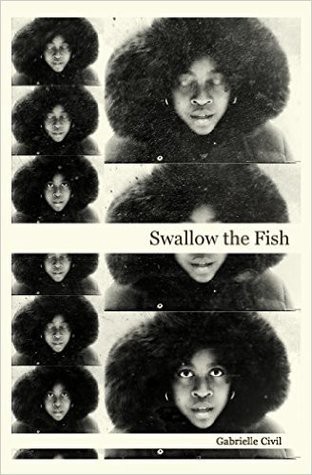
Swallow the Fish is described as a memoir in performance art that combines “essays, anecdotes, and meditations with original performance texts.” Not quite sure what this means? Me, neither, but I’m all for difficult-to-summarize hybrid books, and my curiosity’s piqued.
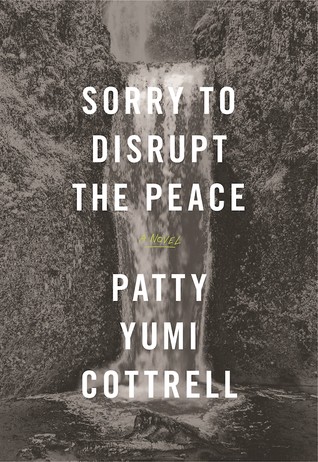
I was introduced to Patty Yumi Cottrell’s fiction in BOMB; since then, I’ve been on the alert for more. Cottrell’s first novel is narrated by a woman in her 30s whose adoptive brother has killed himself: she flies home, to her adoptive parents, to try to understand what happened. Jesse Ball says Sorry to Disrupt the Peace “is not a diversion — it’s a lifeline.”
This graphic memoir about an immigrant family from Vietnam comes praised by Viet Thanh Nguyen as “a book to break your heart and heal it.” In the days after the unconscionable Muslim immigration ban, I find I’m especially drawn to books, like Bui’s, about the stark challenges faced by refugees and other migrants. The family portrayed in The Best We Could Do escapes the fall of South Vietnam in the 1970s, and the story that results is by turns comic and tragic.
Lesley Nneka Arimah, a Caine Prize finalist, has been publishing odd, wondrously imagined stories in The New Yorker,Catapult, and other publications, and it’s a delight to see her writing will soon be out in book form. What It Means When a Man Falls from the Sky, which features supernatural phenomena such as children made out of human hair, is heralded by Laura van den Berg as one of the best collections she’s read in years.
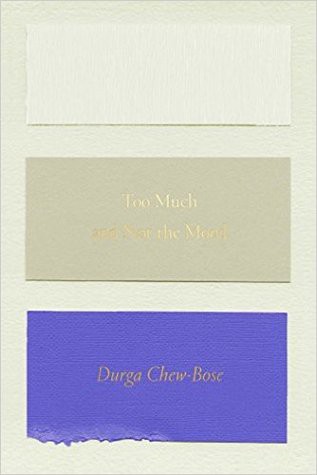
For those of us who have been reading Durga Chew-Boses’s intelligent essays about identity, solitude, art, and culture for years, Too Much and Not the Mood has been long awaited. This collection of essays, letters, and what’s been termed “essay-meets-prose poetry” is inspired by Virginia Woolf’s diaries and Maggie Nelson’s Bluets: yes, please.
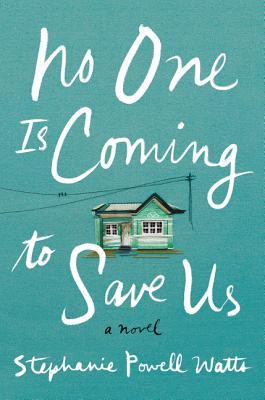
Stephanie Powell Watt’s debut novel follows a man returning home to North Carolina to pursue his high school sweetheart. Watts has described No One is Coming to Save Us as “The Great Gatsby set in rural North Carolina, nine decades later, with desperate black people”; Edward P. Jones says it’s “full of characters who come into a reader’s mind and heart and never leave.”
I heard Laleh Khadivi read from A Good Country last fall, and thought then it was a novel our country needs; how much more so now, as we contend with every last bit of recent political news. Khadivi’s third novel is about the radicalization of an American who’s never quite felt at home.
A Small Revolution gets inside the head of Lloyd Kang, a fictional Pennsylvanian gunman who holds college students hostage in a dorm room. Julie Iromuanya extols it as a gripping book that “explores the volatile space between love and loss, desperation and deed.”
With contributions from writers, activists, and thinkers such as Viet Thanh Nguyen, Junot Díaz, Patrisse Cullors, Opal Tometi, and Alicia Garza, the novelist Carolina De Robertis has assembled a collection of letters that will, she hopes, provide “messages of love and thoughts for how to continue to burn brightly and continue to work for a better world in these times.” She conceived of Radical Hope three days after the 2016 elections, and would like the book to be “an antidote to despair” because “despair paralyzes us, and we need to not be paralyzed right now.” I think I’m going to want to read this Baldwin-inspiredcollectionyesterday, now, and through the conceivable future.
This novel by a founding editor of Hyphen is about an undocumented Chinese immigrant who disappears, and the child she leaves behind. The Leavers is the recipient of the 2016 PEN/Bellwether Prize awarded by Barbara Kingsolver for fiction that is socially engaged.
Charmaine Craig, daughter of a woman who led an insurgent army brigade in Burma, has written a novel based on the experiences of her mother and grandparents. Laila Lalami calls it “a brilliant book,” “told from the perspective of people whose voices have been systematically erased from the official record.”
A longstanding complaint I’ve had with so-called literary fiction is that it too rarely invents mathematicians, or scientists, perhaps because most writers know little about either field. (Delightful exceptions: Catherine Chung’s A Forgotten Country, Yoko Ogawa’s The Housekeeper and the Professor, Jeanette Winterson’s Gut Symmetries.) Weike Wang’s Chemistry looks like a worthy addition to the line-up, with a science-infused story that Peter Ho Davies applauds as “a revelation — by turns deadpan and despairing, wry and wrenching, but always and precisely true.”
I’ve admired Rachel Khong’s writing since I came across her splendid food-exploring articles in Lucky Peach. Her debut novel is about a woman whose father has Alzheimer’s disease; Lauren Groff says that “Khong is a magician,” and “we are lucky to fall under her spell at the beginning of her brilliant writing life.” I couldn’t agree more.
I imagine Roxane Gay needs no introduction, but I’m especially excited to read her memoir, Hunger, about her body, food, and desire. The first, beguiling line: “This is not a book about triumph.”
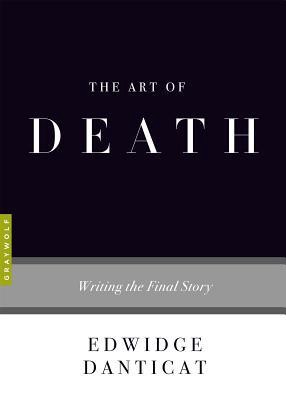
Graywolf’s “The Art of” series has been a treasure, with incisive books on writing and criticism by Charles Baxter, Christopher Castellani, Stacey D’Erasmo, Ellen Bryant Voigt, and others. This latest addition by Edwidge Danticat is a meditation on death, and draws from Toni Morrison, Gabriel García Márquez, and the mother Danticat lost.
Alice Elliott Dark says she’ll keep Refuge in her “bookshelf of favorites,” and Charles Baxter calls it “essential reading.” Dina Nayeri’s newest book follows twenty years of the life of an Iranian girl separated from her father when she flees to America.
Achy Obejas’s collection is about fictional Cuban migrants who never quite escape the land they’ve left. Alexander Chee on Obejas: “Obejas is a master of the human, able to conjure her characters’ heartbeats right under your fingertips, their breaths in your ears.”
I get very jazzed anytime there’s something new to read by Jenny Zhang, who’s been, until now, a poet and gloriously fierce essayist. Now there’s a story collection on its way, and I find myself wondering if there’s anything the woman can’t write. The Sour Heart is the first book to be published by Lena Dunham’s and Jenni Konner’s new Lenny imprint at Random House, and portrays Chinese American girls growing up in New York City.
The third novel from one of Granta’s Best Young British Novelists, Home Fire is about divided families and jihadis’ legacies. “A good novelist blurs the imaginary line between us and them; Kamila Shamsie is the rare writer who makes one forget there was ever such a thing as a line,” says Rabih Alameddine.
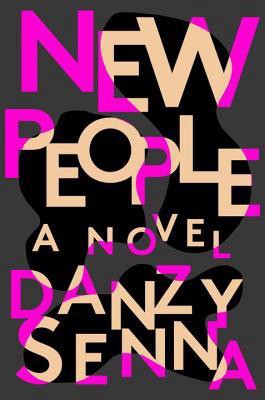
“More scorcher than satire, New People loads identity, race, despair, and desire into a blender then hits high. Get ready to stay up late, to be propelled, pricked, and haunted,” says Maggie Nelson. Danzy Senna’s previous novels, Caucasia and Symptomatic, were a joy, andNew People is about a woman who might have everything, but wants more.
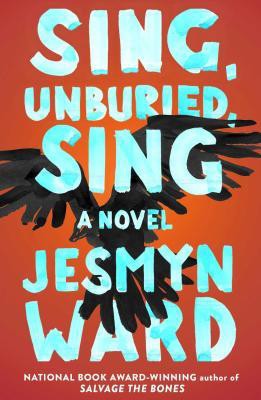
Jesmyn Ward’s third novel is here at last, and it’s billed as an epic that draws from Morrison, Faulkner, The Odyssey, and the Old Testament. She received the National Book Award for her last novel, Salvage the Bones, and edited The Fire This Time, a powerful collection of essays and poems about being black in America. Her writing is consistently generous and wise; thank goodness we’ll have new words from her soon.
I initially heard Celeste Ng’s fiction years ago at the Bread Loaf Writers’ Conference; years later, when her first novel was published, I rushed to buy it. Many readers have since shared my enthusiasm, and I’m eager to get my hands on Ng’s follow-up, Little Fires Everywhere, about a family in Shaker Heights, Ohio.
Carmen Maria Machado’s debut collection of stories is drawing comparisons to Karen Russell and Kelly Link, and includes tales of a plague, ghosts, girls with bells for eyes, and other wonders. I’ve relished Machado’s ingenious writing a long while.
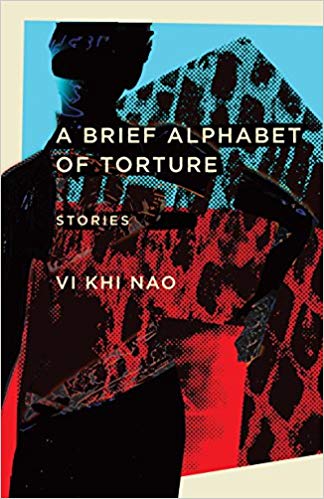
Vi Khi Nao’s Fish in Exile is the first novel I read after the 2016 elections, and I was grateful to have, as company, Nao’s strange, elliptical account of a grieving couple. A characteristically evocative line: “I watch her heels lift emptiness from the ground.” A Brief Alphabet of Torture is a story collection, the winner of FC2’s Sukenick Innovative Fiction Contest.
In Litany for the Long Moment, Mary-Kim Arnold winds together such disparate elements as linguistics, Francesca Woodman, Theresa Hak Kyung Cha, Ronald Barthes, a visit to Korea, and her own adoption records. What results is a tripartite book of essays and a long poem, by turns a meditation, a travelogue, and an examination.
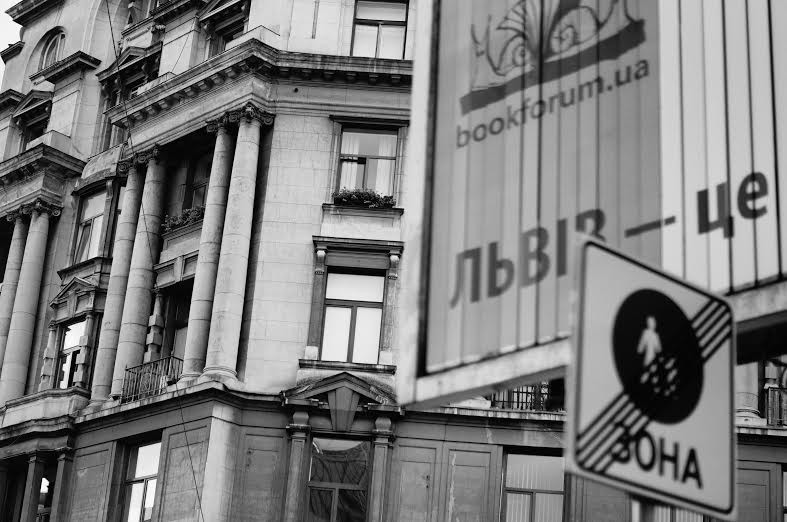
The Ukraine may soon face a book shortage, publishers say, after the country’s parliament passed a ban on the importation of books from Russia. The ban, which has been under consideration for several months, reportedly caught publishers off guard. Many now fear that the prohibition, slated to be in place through the end of winter, will result in a reading material drought.
The legislation is the latest escalation in an ongoing culture war that culminated most prominently in Russia’s 2014 annexation of Crimea.
Russia has for years suppressed certain branches of Ukrainian literature. In late 2015, the Ukraine in turn banned 38 Russian language texts that spread, according to Ukrainian State Television and Radio Committee, “hate ideology” and amounted to “information warfare.” The country also banned certain films deemed to glorify Russian security service and declared persona non grata several Russian entertainers, as well as French defector Gérard Depardieu, who, in addition to acquiring Russian citizenship, has also acquired a penchant for befriending authoritarian rulers with old age.
The new book ban will be a heavy blow to the Ukrainian book buyers market. As reported by the Guardian, Russian imports account for up to 60% of Ukrainian book sales. Publishers say that translation expenses and relatively meager domestic demand explain (in part) the reliance on Russian imports. Ivan Stepurnin of Ukraine’s Summit Books told the Guardian that he expected the ban to result “in a shortage of books in various sectors of the market — especially in educational literature and world classics.”
Russia, never a bastion of free expression, has over the last six years banned hundreds of Ukrainian books on the supposed grounds that the titles incited ethnic conflict. Some of those books were allegedly found in the Ukrainian Literature Library in Moscow in a 2015 raid, leading to the arrest of the library’s director, Natalya Sharina. Sharina has been confined on house arrest since the time of the raid and continues to maintain her innocence. Her trial, which began in November 2016, levels charges of distributing “anti-Russian propaganda” and embezzlement. Amnesty International and other human rights groups continue to call for Sharina’s release. Last week, it was announced that she was filing an appeal to the European Court of Human Rights in Strasbourg, which has jurisdiction over human rights violations in Russia. The Court has not yet responded to the application.
Hello, and welcome to my week-by-week review of the world. Today I am reviewing Tony’s Balloon Party.
Most parties have balloons, but only Tony’s Balloon Party has only balloons. That’s right — it’s a balloon-only party, meaning the balloons are the guests — each one with a face drawn on as if it is alive. Admission is $5, cash only, and only one attendee is allowed at a time. When I arrived, there was no line.
I slipped the $5 into Tony’s mailslot and could feel him yank the bill out of my hand. Then a voice said, “You have 15 minutes.” I asked if he would be at the party and he said no, but that he’d be watching.
The entire party takes place inside the kitchen, which you enter through the side door. All other rooms have been made inaccessible with handwritten signs that say simply “NO.” From behind one of the doors I could hear what sounded like fingernails scratching on the wood and I hope it was just a cat.
There’s a carrot and cheese platter but the balloons are really the centerpiece of the party. There are balloons of all colors. Some are standard balloon-shaped balloons while others are mylar balloons in more custom shapes and with images on them. The best balloon I saw was in the shape of a star and it had an image of Pac-Man on it. I reached out to touch one with a woman’s face on it when Tony’s voice came over a speaker and said, “Stay away from Daphne.”
When I accidentally popped one of the balloons, a door flung open and a guy who I assume was Tony came screaming at me to get out. I quickly tried to re-inflate the balloon but the damage was too severe, and Tony’s face was all red and he looked like he wanted to fight but he also looked like he wanted to cry so I hurried out of there.
When I drove past Tony’s the next day I saw a big sign on the lawn that read “NO MORE BALLOON PARTY.”
I have to say, I’ve been to better parties. But I’ve also been to worst. Like the one where the host was arrested for murder. She didn’t do that, but we didn’t find that out until 22 years later after new DNA evidence revealed someone else was the killer.
BEST FEATURE: Now that Tony’s Balloon Party is out of business, the field is wide open for competitors. WORST FEATURE: None of the balloons were filled with helium. Just Tony’s breath.
Please join me next week when I’ll be reviewing baby wipes.
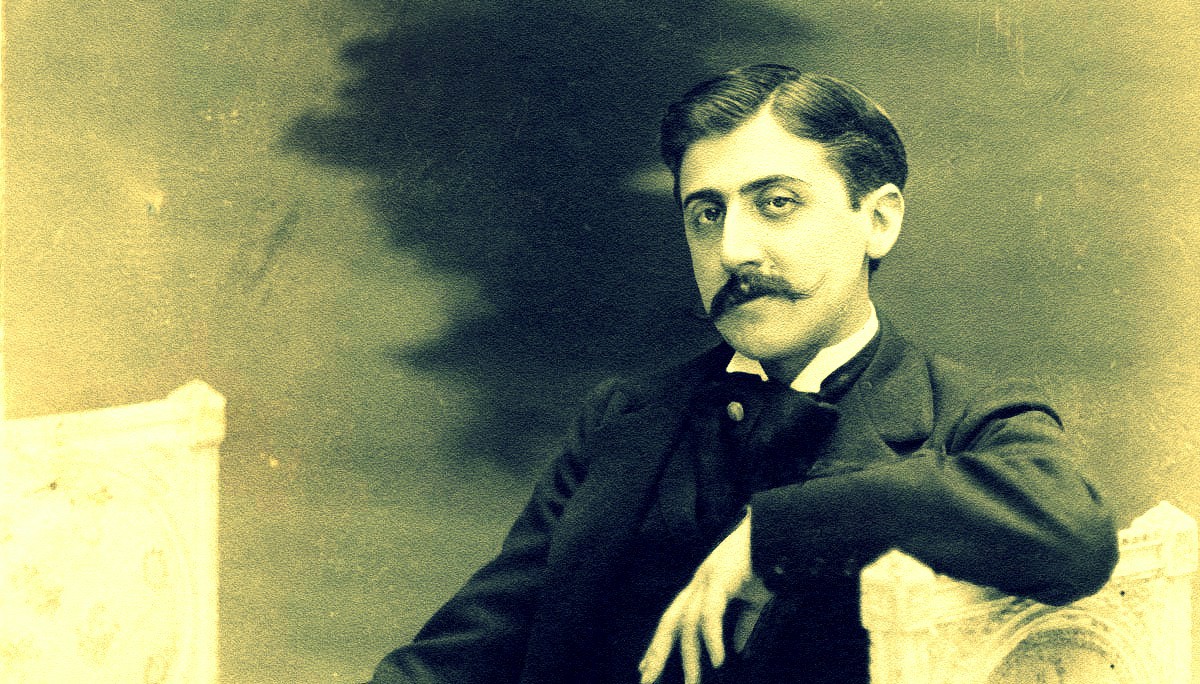
A Canadian film professor with a penchant for wedding videos may have just discovered the only known video footage of Proust
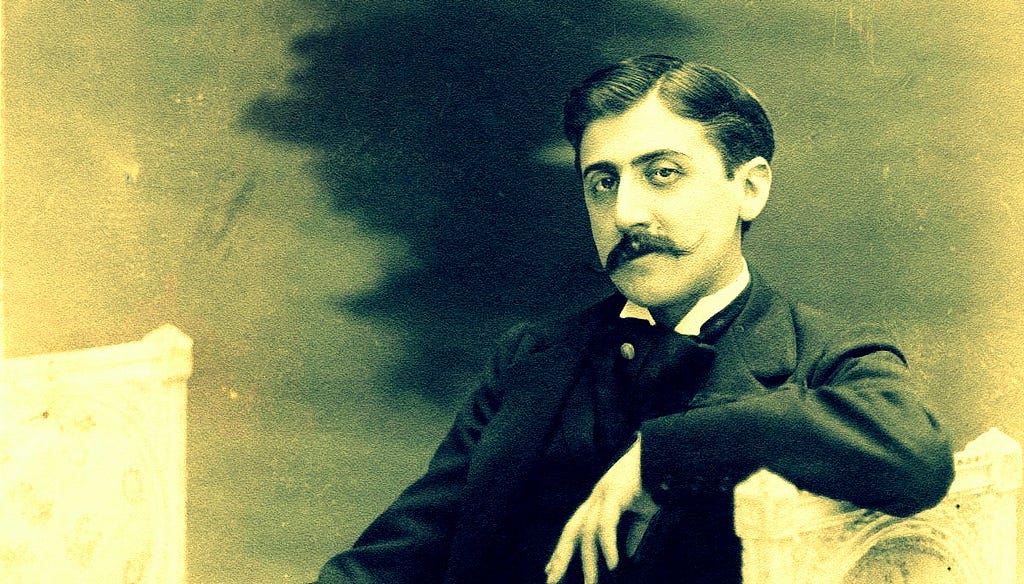
Proust, still life. Now see the exciting live action show!
A Canadian professor believes he may have found the only known video footage of the legendary Marcel Proust. Jean-Pierre Sirois-Trahan, a film instructor at Laval University in Quebec, was screening the 1904 wedding video of Élaine Greffulhe, daughter of the Countess of Greffulhe, whose spritely reputation as Paris’s it-girl inspired Proust’s character Oriane de Guermantes. (You know, just your typical end-of-week Netflix and chill.) While watching the film, Sirois-Trahan saw a man who looked a lot like Proust. So far, several notable academics have come down in agreement.
A clip from the footage, which can currently be viewed on the Guardian’s site, shows Proust quickly descending a staircase and navigating around a group of old people. Then, voilà! Just like that he vanishes out of the frame.
Despite the brevity of the clip, scholars are nevertheless over the moon about the discovery. Jean-Yves Tadié, a Proust specialist, told the Guardian, “I find this discovery very moving, and all the more so because Proust always had an ambiguous relationship with moving images.” Tadié expressed shock that nobody had thought to sift through the Greffulhes archives before. (The surnames in this story are magnificent, aren’t they?)
Luc Fraisse director of the Review of Proustian Studies, has also weighed in on the new footage and says the circumstantial evidence is strong: “Because we know every detail of Proust’s life, we know from several sources that during those years he wore a bowler hat and pearl grey suit… It’s moving to say to ourselves that we are the first to see Proust since his contemporaries.”
However, Fraisse did note that he wished Proust weren’t moving so fast.
Sirois-Trahan, who appears to be ever the realist, thinks it’s important to point out that there’s no concrete evidence that the speedster is indeed Marcel Proust. However, the evidence seems to be mounting, and the video is still an important historical window into 20th century Parisian life.
Americans around the country are going on strike today to highlight the importance of immigrants to American culture, history, and economy. Today’s “A Day Without Immigrants” is a response to the anti-immigrant agenda of the new administration. It also made us think — as we often do — of books. Just as America is the great melting pot, American literature has always drawn strength from immigrants, exiles, and refugees. Here are ten authors who we couldn’t imagine American literature without.
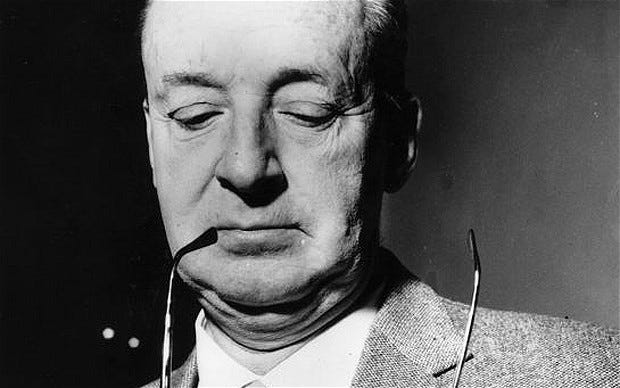
Vladimir Nabokov
While Lolita is a strong contender for the mythical “Great American Novel” title, Nabokov was born in St. Petersburg, Russia in 1899. His family fled Russia after the Russian Revolution, going into exile in France and Germany before ultimately settling in the United States in 1940. Here, Nabokov switched from writing in Russian and French to writing in English, producing such stellar works of literature as Lolita, Pnin, and Pale Fire.
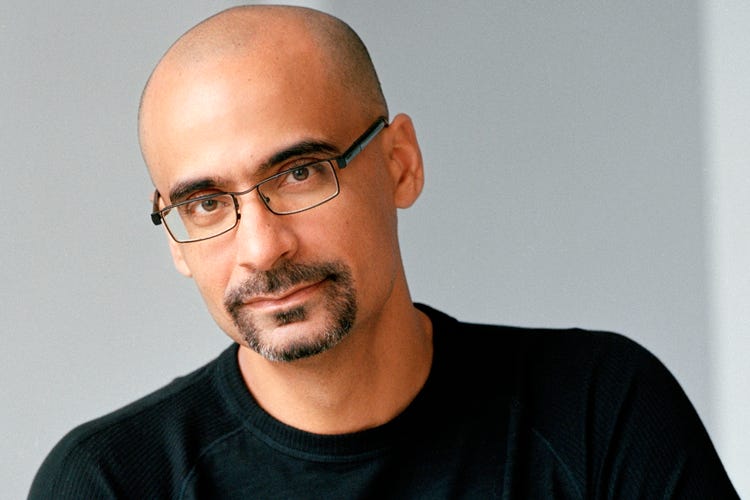
Junot Díaz
Born in Santo Domingo in the Dominican Republic, Díaz immigrated with his family to the states when he was six years old. His hilarious and moving fiction tends to focus on the lives on Hispanic Americans, often in the state he grew up in, New Jersey. His 2007 novel The Brief Wondrous Life of Oscar Wao won the Pulitzer Prize and the National Book Critics Circle Award.
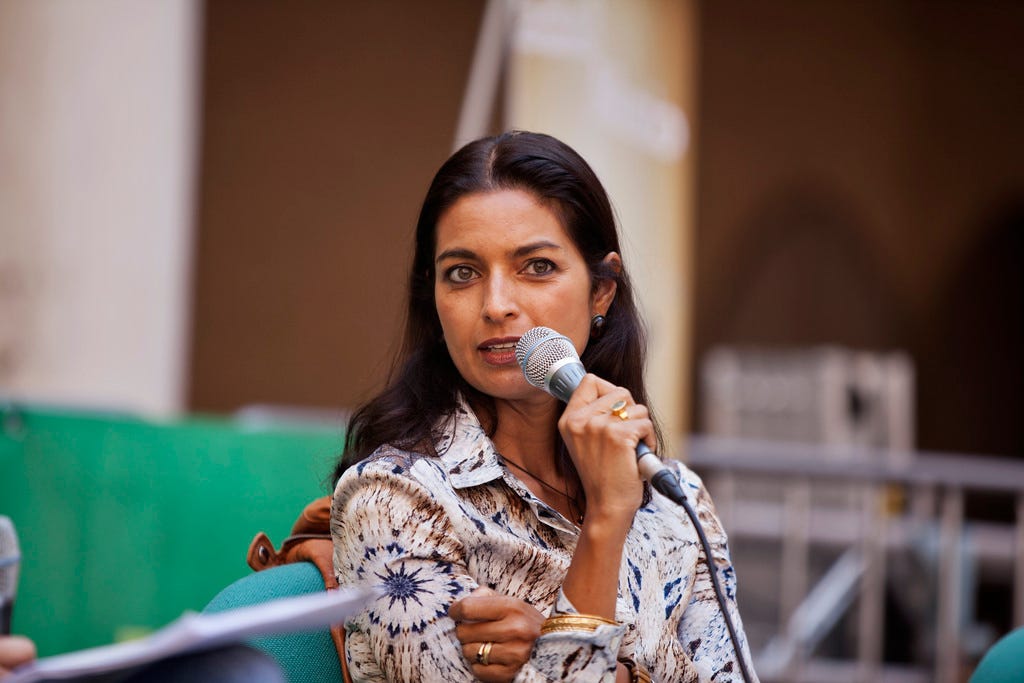
Jhumpa Lahiri
Lahiri was born in the United Kingdom to parents who were Bengali immigrants. Her debut book, the story collection Interpreter of Maladies, focused on the lives of immigrant Americans and won the Pulitzer Prize. Her 2003 novel The Namesake was adapted into a film starring Kal Penn.
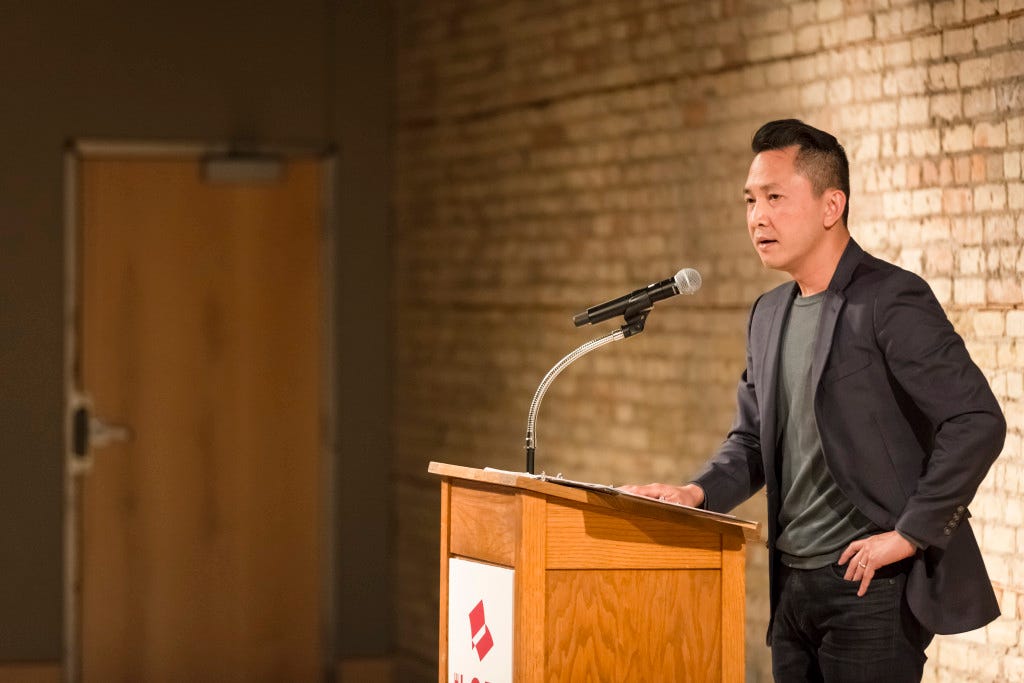
Viet Thanh Nguyen
Continuing our string of Pulitzer Prize winning-novelists, the most recent Pulitzer went to Viet Thanh Nguyen for his debut novel The Sympathizer which takes place during the Vietnam war. His story collection, The Refugees, is out this month. You can read one of the stories, “Black-Eyed Women,” in Electric Literature’s Recommended Reading.
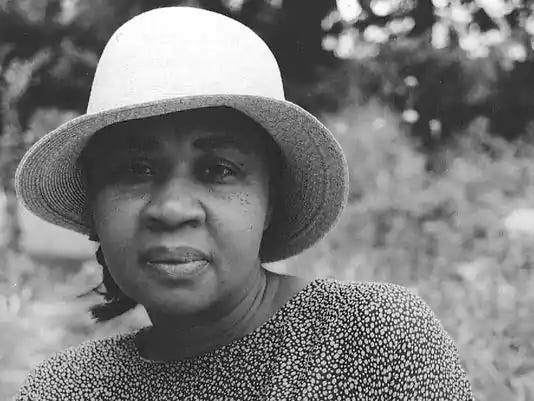
Jamaica Kincaid
Born in 1949 in St. John’s, Antigua, Kincaid has been a major voice in postcolonial literature and studies for the past several decades. Her works of fiction and non-fiction have won plenty of awards, including the Lannan and Guggenheim.
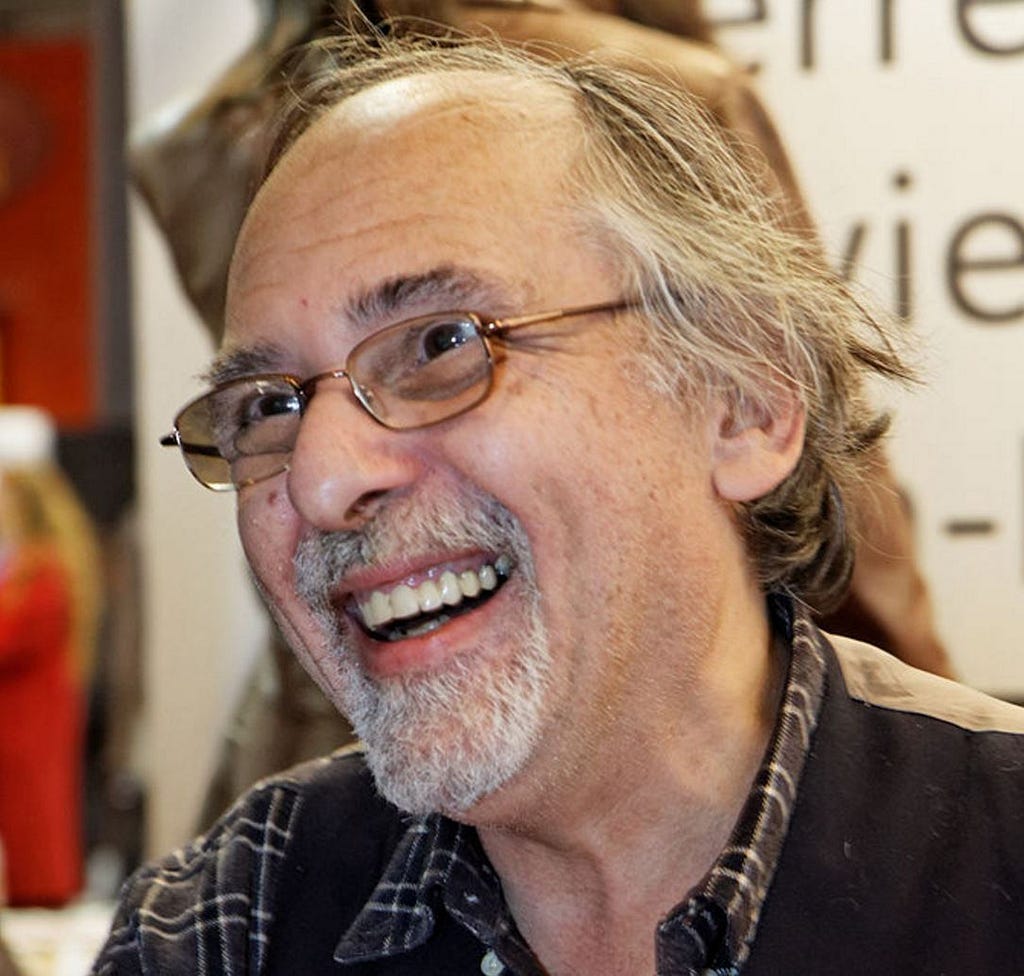
Art Spiegelman
Arguably the most celebrated graphic novelist alive, Spiegelman is one of the central comic creators who helped raise the medium’s critical reputation. His breakout graphic novel Maus about the Holocaust made critics realize that graphic novels could be literature of the highest order. (He also made the incredibly cool Garbage Pail Kids.) Born Itzhak Avraham ben Zee, he emigrated from Sweden in 1951.
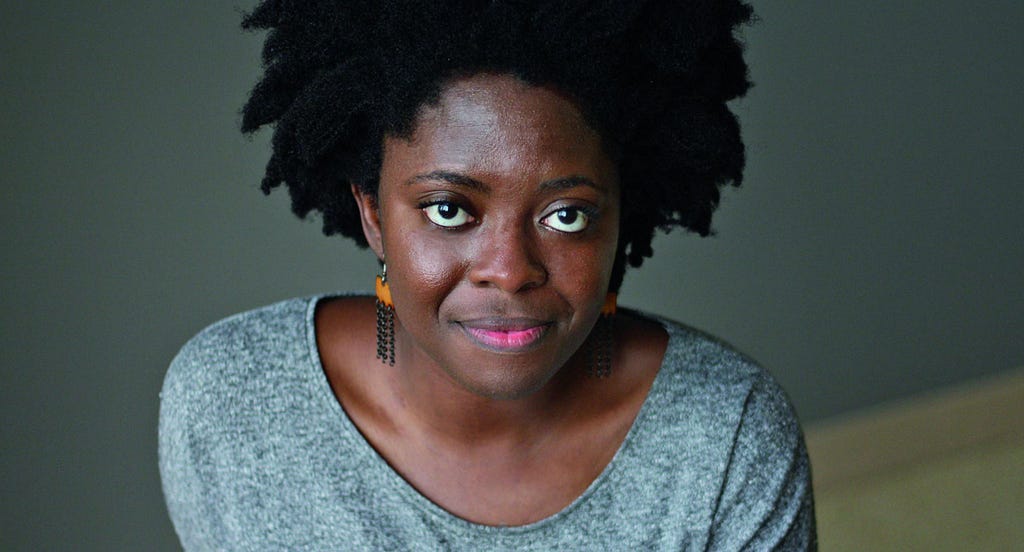
Yaa Gyasi
One of the most exciting young American novelists, Gyasi, emigrated from Ghana when she was a young child. Her acclaimed first book, Homegoing, followed the lives of two half-sisters, one living in Africa and one in America. It won her a National Book Award 5 Under 35 award.
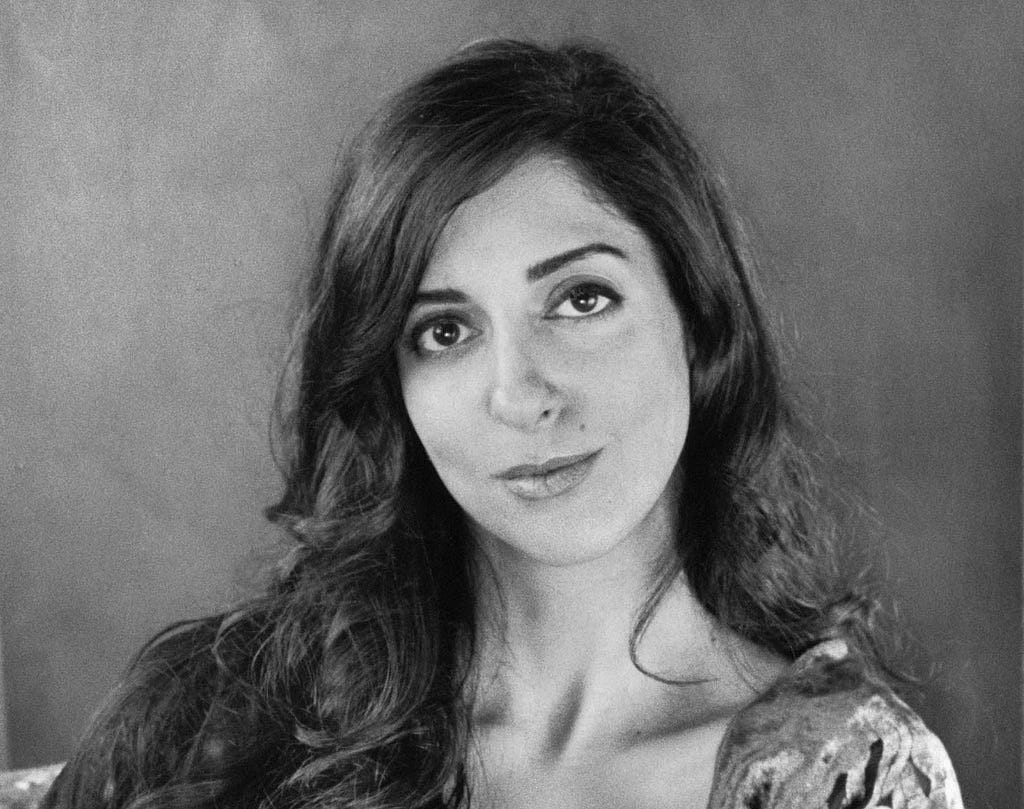
Porochista Khakpour
Another one of the best young American writers, Khakpour’s family immigrated to California from Iran. Khakpour’s second novel, The Last Illusion, follows an Iranian immigrant who is raised as a bird and lives in NYC during 9/11. Her memoir Sick is forthcoming from Harper Perennial. (You can read our interview with Khakpour here.)
Gary Shteyngart
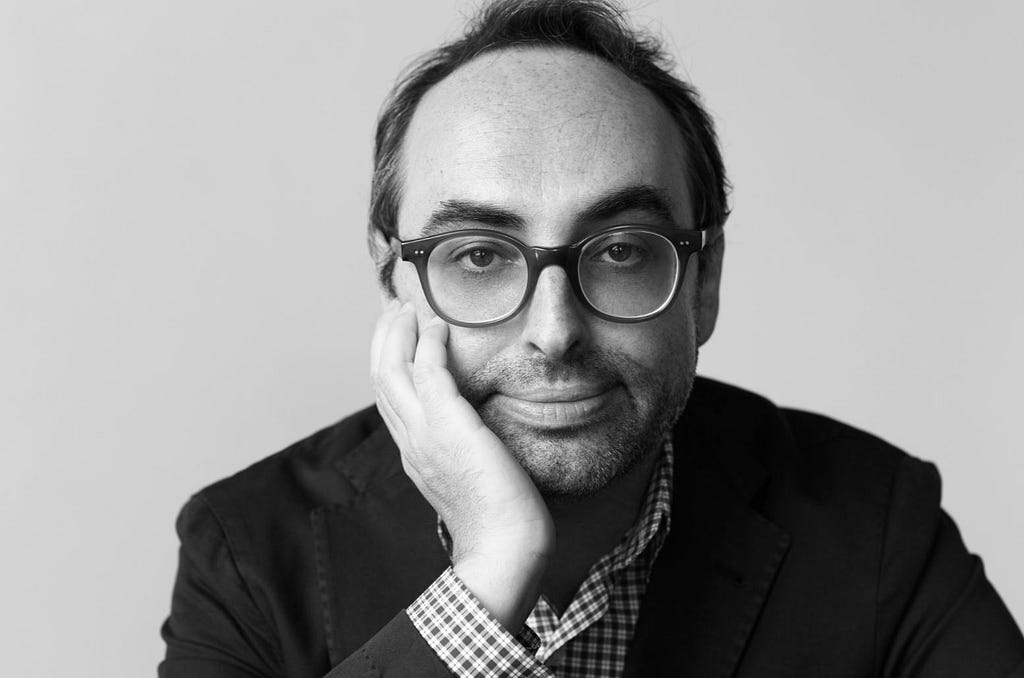
Shteyngart’s family left the Soviet Union for the United States in the late 1970s. His hilarious satires often involve immigrants as well as commentary on Russian, Jewish, and American life. When the Trump administration announced their Muslim travel ban, leading to protests at JFK and other airports, he tweeted:
One of my strongest memories is the feeling of safety and warmth upon finally reaching JFK airport in 1979 as a Soviet refugee.
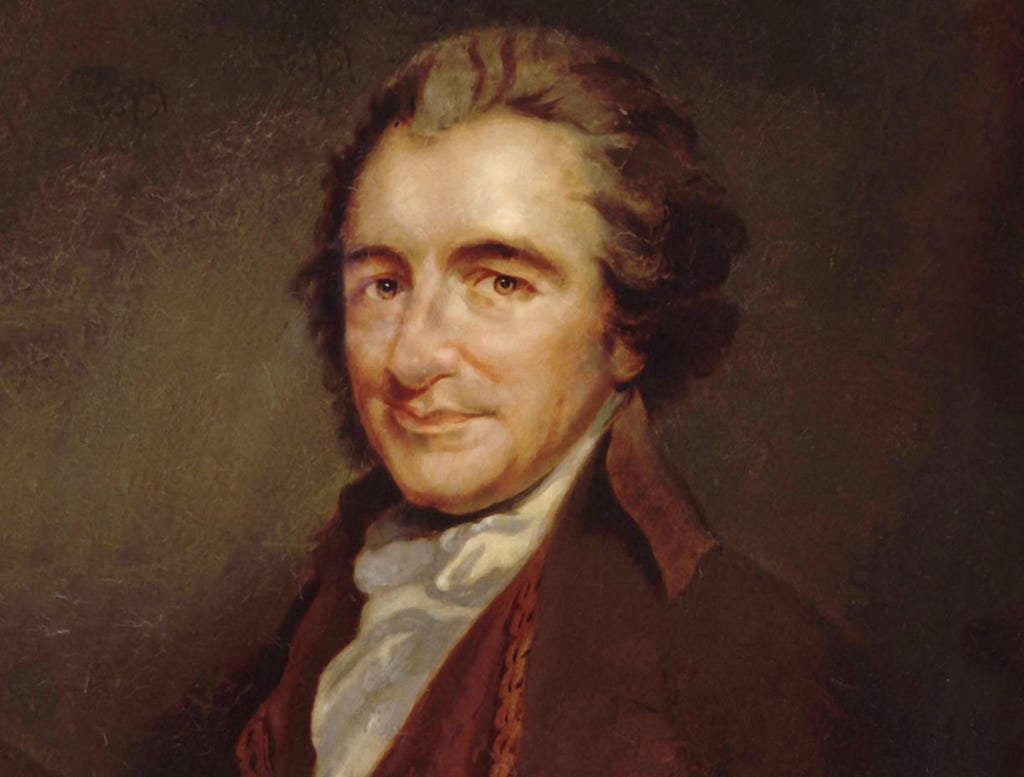
It’s basically impossible to imagine what America would be without Thomas Paine. One of the “Founding Fathers” of America, Paine was an influential philosopher, political theorist, and essayist who immigrated to America as an adult only a few years before the American Revolution.
These are just a few of the many immigrant writers who have made American literature great. Immigrants are so central to American literature that we couldn’t possibly list them all. Please add your favorite immigrant authors in the comments below.
How does one best describe Samantha Schweblin’s Fever Dream? One option would be to simply refer would-be readers to the title, which is apt. Another might be posit it as the result of some unlikely literary mash-ups: an interrogation blended with a deathbed confession; Gene Wolfe’s sinister/pastoral Peace interwoven with Silvina Ocampo’s hallucinatory tales of class and obsession. The novel takes its epigraph from Jesse Ball’s The Curfew, another narrative that’s notoriously difficult to pin down. Fever Dream is a short, terse novel; it’s also as expansive as the mind itself, and terrifying in the ways in which it evokes a panicked psyche spilling out its most horrific memories, fixations, and secrets.
“It’s the boy who’s talking, murmuring into my ear.” So says Amanda, the narrator of this novel, very early on in the proceedings. She’s just been told about worms–more properly, of a sensation that evokes the feeling of worms moving through the body. The questioner alternates between describing sensations for Amanda (evoking the final scenes of Synecdoche, New York, as the voice of Dianne Wiest directs Caden Cotard at the end of his life) and interrogating her, of trying to pinpoint exactly when things went wrong.
Soon more details emerge: Amanda is the mother of a young girl, Nina; the voice asking questions is that of David, a boy ailing as the result of a poisonous substance he drank. David’s sickness has led his mother, Carla, to take extreme measures: an occult technique called a “migration,” in which a person’s soul and the poison killing them are linked together. At least, that’s what seems to be happening in the novel’s early pages. Still, Schweblin also leaves space for ambiguity: “I want to tell Carla that this is all a bunch of nonsense,” Amanda says as she looks back on her memories of this event. “That’s your opinion,” David responds. “It’s not important.”
The title of Fever Dream serves as a constant reminder of the terrain we’re in as readers. At times, the give-and-take between Amanda and David can seem stilted, like an interrogation pushed into some realm far beyond stylization; on the other hand, that seems entirely appropriate for a fever dream. So, too, is the case with the strange twists the plot takes, which can defy logic–but, perhaps, not the logic of a fever dream.
Schweblin’s novel abounds with bizarre and unsettling imagery. At one point, Carla tells Amanda about a terrible sight she has recently seen: “three more dead ducks in the yard, stretched out on the ground like the day before.” Between a horse that plays a significant role in an early scene with David, the ducks that have met a horrid fate, and the metaphorical worms that are invoked on its opening page, animals are in abundance here. This, too, makes sense: for a novel that deals intimately with the fallibility of bodies and our own mortality, a juxtaposition of the natural world seems quite appropriate.
Fever Dream is an experiential book: it creates a powerful sense of mood from its earliest pages, but it also leaves a looming ambiguity in place over the course of its pages. Questions of memory and of identity run throughout the book, and events and figures slowly begin to blur as the winding plot takes turn after turn. (Again: fever dream.) Near the novel’s end, one character alludes to another “hallucinating me,” and the head-spinning mental gymnastics that ensue only add to the free-floating, highly ominous mood.
Attempting to describe Fever Dream isn’t an easy task. The shifting power dynamics that fuel its energy make for a thrilling reading experience, with their revelations causing the reader’s knowledge of what’s come before to alter again and again. Perhaps it’s a conspiracy plot like no other; perhaps it’s as ephemeral as its title suggests. Still, let’s not give dreams too hard a time: they can make for some of the most compelling stories we experience, and the best of them endure longer than the more formal stories we inhale. To say that this novel perfectly evokes the experience of its title, then, is meant as the highest compliment: the delirium of the unconscious, and all the terrors it can dredge up.
Television loves a good author-character, preferably one who drinks, smokes and is repulsed by Los Angeles and/or New York but nonetheless makes liberal use of the sexual opportunities afforded by those cities. (On a related note — prepare for a litany of white men ahead. TV is still pretty convinced that’s what an author looks like.) A fake novelist is a handy device. Need a high-brow veneer for your murder mystery? You got it. Want a haughty artist to scold your bourgeois characters for their trivial ways? Done. Want somebody to sell out? That’s what every novelist is always waiting to do!
TV is currently flush with authors: fake crime writers, fake romance novelists, fake eroticists, fake whatever-the-hell-that-guy-on-House-of-Cards-is. Each has his or her literary merits, but we need more. We need a winner.
This is a competition broken down into three categories, each analyzed and rated on a scale of 1–10 by our literary scientists, then tabulated by professionals at the storied Boston accounting firm of Norm Peterson, CPA.
The categories:
Quality of Prose — This is the most essential question, first among equals for our purposes. How good is the writing? Is it really good or just ‘this is how a literary novel sounds’ good? Since both criteria are currently accepted in the book world, both will accepted in the fake book world.
Zeitgeist — Is your work popping off right now? Or are you stuck on zombies and vampires? Are you writing about apocalpyses when the rest of the book world has moved onto near-future authoritarian dystopias?
Literary Trappings — Do you live like a novelist should? (Drugs, sex, murder, cussin’ out philistines, writing longhand, wearing blazers, etc.)
Now that the rules are laid out, let’s get to the contenders. Call it the Fake Pulitzer. The Fake National Book Award. Slap a sticker on somebody’s book cover. This is the fake prize the bookish TV masses have been clamoring for.
THE CONTENDERS
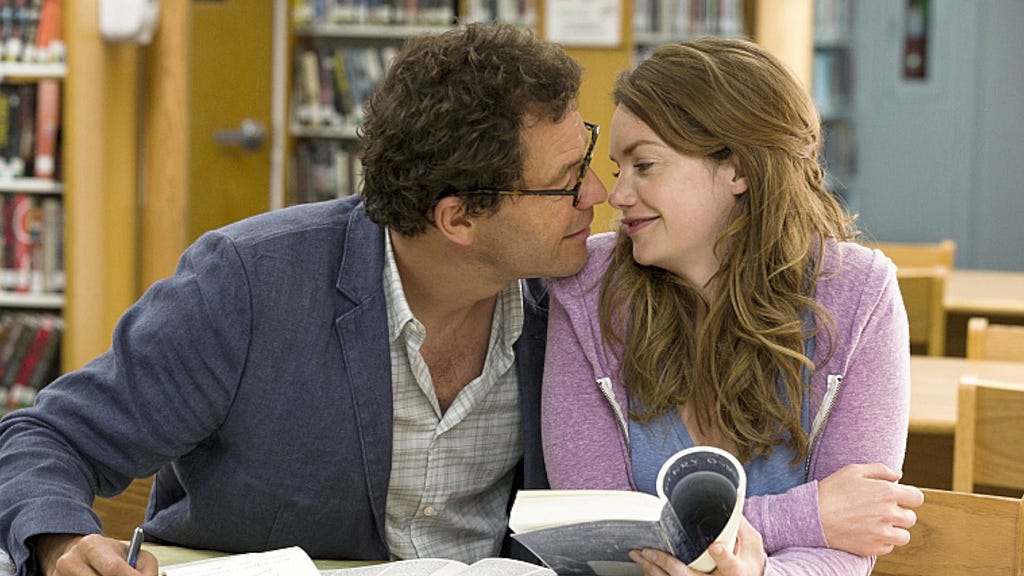
Noah Solloway, The Affair (Showtime)
The Literary Bona Fides
Solloway’s evocatively-titled novel, A Person Who Visits a Place, was largely ignored by critics and readers alike, but that was before he went to Montauk. Descent, Solloway’s follow-up, is an erotic thriller based on his sexual misadventures in the eastern tip of Long Island. While Descent caused some — let’s say — tension in Solloway’s personal life (what really happened that summer on the shore, McNulty???), it also brought him the literary celebrity he so desperately craved. He transformed into “the new bad boy of American letters,” the one Jonathan Franzen was dying to meet, the PEN-Faulkner nominee, the (spoiler coming)…convicted manslaughterer. His next novel, presumably underway in the big house, is historical fiction.
How about some excerpts?
From Descent:
— “He lifted her skirt just an inch. He paused. They listened together to the sounds of the marina, hearts shaking in their skin.”
— “She was sex. The very definition of it. She was the reason the word was invented. No marriage, no matter how strong, could survive her.”
How does he rate?
Quality of Prose: 4 (Wait, where is the heart shaking? In THEIR SKIN?!?)
Zeitgeist: 6 (Sexually charged thrillers are timeless, but not all that timely.)
Literary Trappings: 8 (‘He was a novelist. The very definition of it…’)
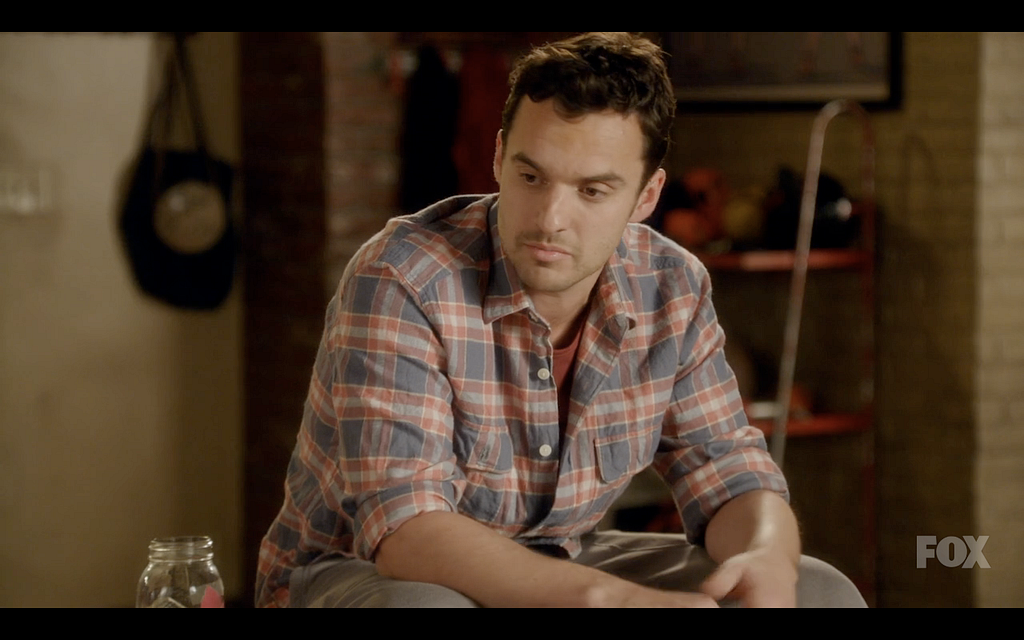
Jimmy Shive-Overly, You’re the Worst (FXX)
The Literary Bona Fides
Jimmy’s debut novel, Congratulations! You’re Dying, received a lukewarm critical reception and quickly made its way to remainder tables. After struggling with his sophomore effort for years, the young LA-based author finally decided to pursue a lifelong dream (his true vocation, it seems) by writing “the first truly literary erotic novel since Portnoy’s Complaint.” That book, titled The Width of Peaches, has yet to be released, but early readers are turned on and singing its praises. The author has described the story as addressing “the very concept of the familial paradigm in art,” meaning it’s about incest — a steamy love affair between half-siblings. The ultimate taboo.
How about some excerpts?
From The Width of Peaches
— “As Malcolm bent the 17-year-old Sally over the lip of his tanker desk, he thought back to her baptism. That summer’s day in ’73, every car radio blaring ‘Search and Destroy,’ a warm rain lashing down like sweat flinging off a groupie’s bouncing tits.”
— “Simon and Kitty stood before Pauline’s crumbling fieldstone marker. Moments later, in a nearby crypt, Simon repeatedly plunged into Kitty, the sounds of their passion mixing with the wet summer air and the cicadas’ desperate, deafening, doomed song.” [*the end*]
How does he rate?
Quality of Prose: 7 (the English have mastered the fundamentals of prose)
Zeitgeist: 7 (literary erotica is the new monster-gothic; incest is evergreen)
Miller’s writing career got off to a bumpy start with the long-gestating, now (presumably) abandoned draft of Z is for Zombie, a post-apocalyptic zombie novel notable for its various misspellings of the word “rhythm” (admittedly not an easy word) and a mid-narrative word search containing no words. But Miller’s second effort, while not yet acquired by a publisher, is being hailed by advance readers as a literary achievement of the first order. The Pepperwood Chronicles is about “a hardboiled Chicago cop turned New Orleans detective.” His adventures include swamp boats, food and women.
How about some excerpts?
From The Pepperwood Chronicles:
— “Julius Pepperwood loves three things in his life: his gumbo, his sex, and more of that sweet gumbo.”
— “The sun baked down on Pepperwood’s back as he moved over to the St. Charles Street Car. The driver handed him a brown paper sack. Without opening it, Pepperwood knew what was inside: blood-soaked beignets.”
From Z is for Zombie:
— “No one in the sleepy mountain town of Rithem City knew what the meteor meant, but the one thing Mike Jr. did have was a whole lot of rittem. Whoa, what bit me in the face?’ Mike Jr. said to his dad Mike Sr., who sucks.”
From Miller’s break-up poetry chapbook:
— “Shall I compare thee to a summer’s day? No, a summer’s day is not a bitch.”
How does he rate?
Quality of Prose: 7 (Melville & Miller — masters of the first sentence)
Zeitgeist: 8 (a shrewd move from zombies to crime)
Literary Trappings: 6 (points for owning a bar, living with roommates)
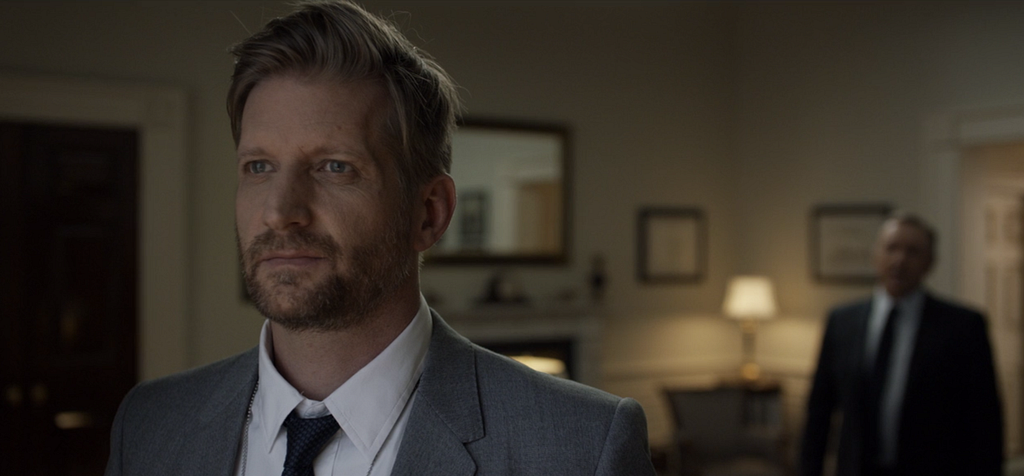
Tom Yates, House of Cards (Netflix)
The Literary Bona Fides
Yates is the author of the cult classic Scorpio, which was based in part on the stories older men told him during his time as a prostitute. Other publications include God’s Cauldron (unrelated to prostitution)and some super-intense online game reviews that apparently caught the eye of gamer-and-murderer-in-chief, Frank Underwood. Yates’ latest work is a Presidential commission. The pitch was a classic publishing gambit: a vaguely fictionalized bildungsroman that wins popular support for the President’s struggling jobs program. (Seems like Random House trots that one out every four years.) Unfortunately, Yates’ novel — the first chapter anyway — cut too deep, focusing on the troubled relationship of the President and the First Lady, and was promptly canned by its fearsome, audience-addressing patron.
How about some excerpts?
From Yates’ untitled Presidential novel:
— “The Fourth of July means nothing anymore. Overcooked hotdogs and fireworks that always leave you disappointed, bite size American flags made in China waved half-heartedly by five year olds who’d rather be playing Minecraft. But the third of September, that’s a date which matters. It’s the day, three decades past, that a redneck from Gaffney married a debutante from Dallas. And the Earth’s axis tilted that day. Though neither they, nor we, knew it at the time.”
— “Here’s a woman who describes her vows as a suicide flirting with a bridge’s edge, and a man who wears his wedding ring as a badge of shame, for the debutante deserved more. But truly, what more could she desire? Together, they rule an empire without heirs. Legacy is their only child.”
From Yates’ review of the game “Monument Valley”:
— “Whoever you are, whoever you think you are, believe that you’re also a silent princess. Your name is Ida. Your journey is one through a forgotten landscape of twisting staircases and morphing castles, atop floating stones defiantly crossing an angry sea, within dimly-lit caverns cobwebbed with ruins M.C. Escher could only grasp at in a dream state.”
How does he rate?
Quality of Prose: 3 (if only he were a silent princess named Ida)
Zeitgeist: 1 (unless and until WPA fiction finally hits it big)
Literary Trappings: 8 (props for career as a listening prostitute)
Jane Villanueva, Jane the Virgin (CW)
The Literary Bona Fides
Villanueva is an aspiring romance novelist and will become a published one come hell or high water. (The last we heard, the goal was a draft before the birth, but that has to be out-of-date by now.) We don’t know a great deal about Jane’s text, but we do know a little about her tastes. First, she’s a traditionalist and believes in the sanctity of genre customs. Second, her favorite authors: Amanda Elaine (played by Jane Seymour) Angelique Harper (Kathleen “Bird” York). Third, she’s gunning for an MFA and already has experience with cloying writing groups. All in all, it’s a promising start.
How about some excerpts?
No excerpts, but a nice line from a death scene:
— “You are my flesh and blood. Nothing you could do is unforgivable to me.”
How does she rate?
Quality of Prose: 7 (understated, from the heart — that’s the stuff)
Zeitgeist: 6 (romance is due for a moment, we’ve forgotten how to love)
Literary Trappings: 7 (never a dull moment)
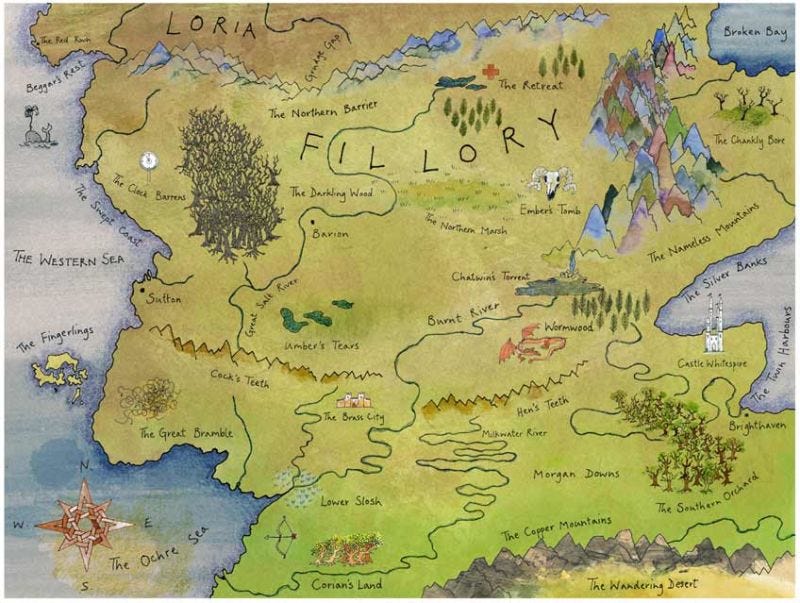
Christopher Plover, The Magicians (Syfy)
The Literary Bona Fides
Plover is the author of the Fillory and Further series, which follows the Chatwin children through a grandfather clock and into an alternate world of magical adventures. There are five known volumes in the series — The World in the Walls, The Girl who Told Time, The Flying Forest, The Secret Sea and The Wandering Dune — as well as a long-rumored, recently discovered sixth book called (wait for it…) The Magicians. Plover was a rough contemporary of JRR Tolkien, and while his fame and reputation never quite reached Lord of the Rings level, the students of Brakebills College for Magical Pedagogy (whose publishing imprint puts out Plover’s books) are really into the series. (Mind you, this information is mostly from the books, rather than the show. For much more, check out Andrew Liptak’s biography of Plover in Gizmodo.)
How does he rate?
Quality of Prose: 8 (Brakebills students are a shrewd readership)
Zeitgeist: 8 (our society must retreat deeper and deeper into fantasy)
Literary Trappings: 5 (points for tweed)
And the Fake Pulitzer Goes To…
Jimmy Shive-Overly
Shive-Overly gets the nod, with Plover, Villanueva and Miller rounding out the 2017 shortlist. Jimmy is the quintessential young novelist: eccentric, self-involved, a little frowzy, obsessed with the progress of his own career and fascinated by incest. The Width of Peaches is a savvy move — following-up a middling literary debut with a genre novel is a tried-and-true maneuver. He chose the right genre, too. American letters is in desperate need of an erotic revival, and Shive-Overly has come through with a “masterpiece of multi-generational sexploitation literature.” (Think, García Márquez meets Cinemax.) His career is about to take off, and the Fake Pulitzer loves to catch an author on the rise. Who knows, a few more seasons (er…books) as powerful as the last and Shive-Overly may be poised to join the fake canon.
Yes, there’s a canon.
THE HALL OF FAME
Ah, the annals of Fake Pulitzers-past. These authors need no introduction, but we will provide you with some choice excerpts from their finest works.
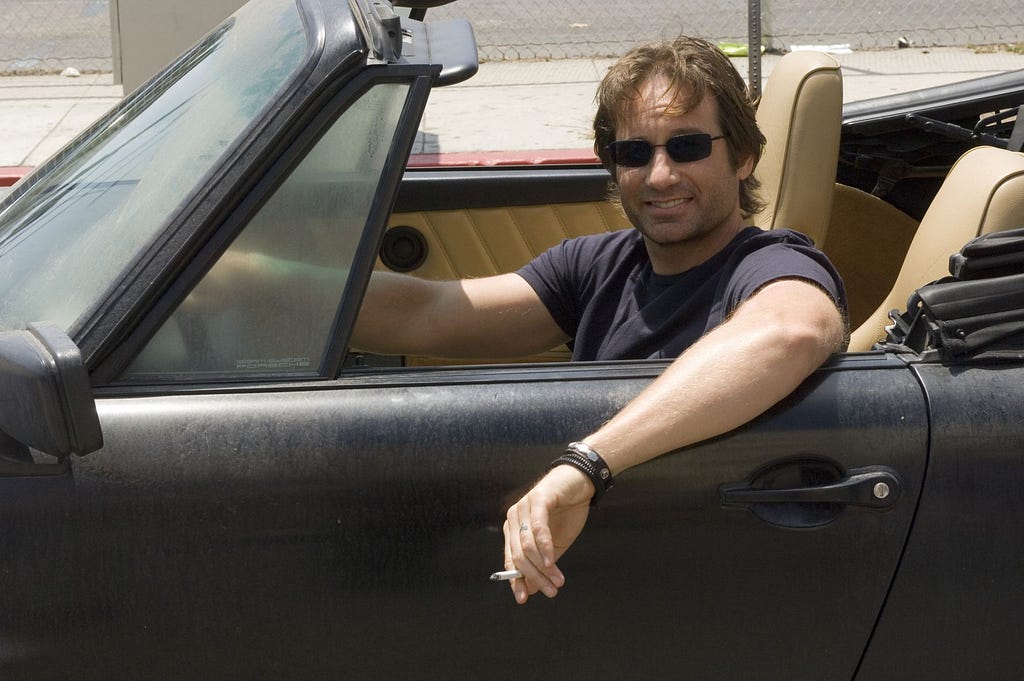
Hank Moody, Californication (Showtime)
Bona Fides: Author of South of Heaven, Seasons in the Abyss, God Hates Us All, Fucking and Punching, Lew Ashby: A Biography, and Californication
From God Hates Us All(a book Showtime went to the trouble of publishing):
— “Good morning, Hell-A. In the land of the lotus-eaters, time plays tricks on you. One day you’re dreaming, the next, your dream has become your reality. It was the best of times. If only someone had told me. Mistakes were made, hearts were broken, harsh lessons learned. My family goes on without me, while I drown in a sea of pointless pussy. I don’t know how I got here. But here I am, rotting away in the warm California sun. There are things I need to figure out, for her sake, at least. The clock is ticking. The gap is widening.”
— “I pop a cassette into the Buick’s stereo. It’s the Ramones. I turn the volume up high and roll down the windows. The highway air tastes of fumes, but it still feels goddamn good to breathe.”
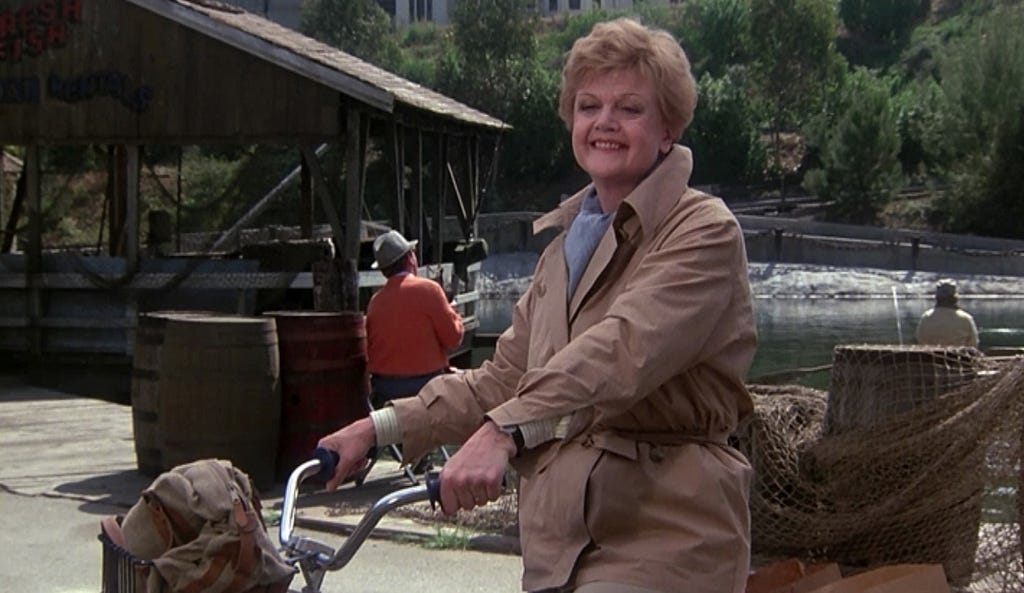
Jessica Fletcher, Murder She Wrote (CBS)
Bona Fides: Author of many, many mystery novels. Solver of crimes.
From A Story to Die For (look, we’ve never actually seen Murder She Wrote, and from the video evidence it seems Jessica Fletcher is speaking these words extemporaneously at a writing workshop, but it’s a taste of her style)
— “But because I’m a romantic I still believe that we have the potential to be nobler than we know and better than we think. That the darkness I’ve seen is only a shadow on the potential of the human heart. Warren, in his own way a romantic, made hard by the world around him until he finally made a tragic mistake. He walked away from his own moral compass.”
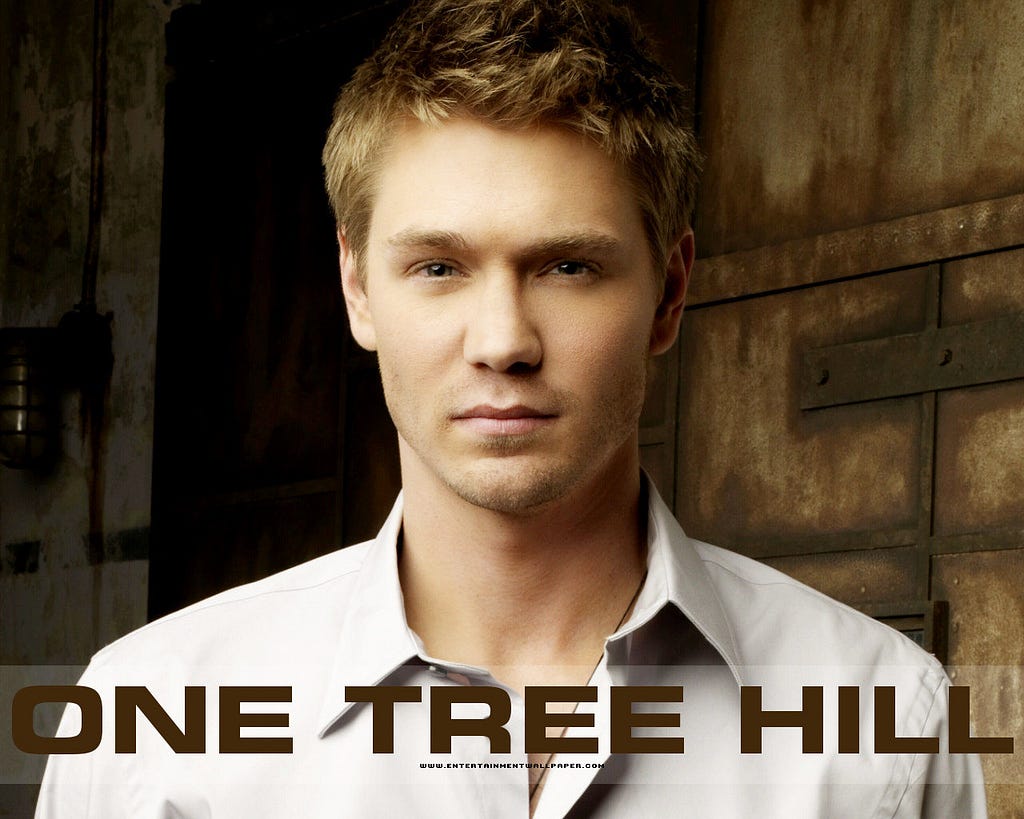
Lucas Scott, One Tree Hill (CW)
Bona Fides: Author of An Unkindness of Ravens and The Comet
From An Unkindness of Ravens:
“Suddenly, it was as if the roar of the crowd, the echo of the final buzzer, the cheers of my teammates were all sounding from a thousand miles away. And what remained in that bizarre, muffled silence was only Peyton, the girl whose art and passion and beauty had changed my life. At that moment, my triumph was not a state championship, but simple clarity.”
From The Comet:
— “It was more than just a comet because of what it brought to his life: direction, beauty, meaning. There were many who couldn’t understand, and sometimes he walked among them. But even in his darkest hours, he knew in his heart that someday it would return to him, and his world would be whole again… And his belief in God and love and art would be re-awakened in his heart.”
From the show’s theme song (presumably penned by Scott):
— “I ain’t trying to be anything other than what I been trying to be lately.”
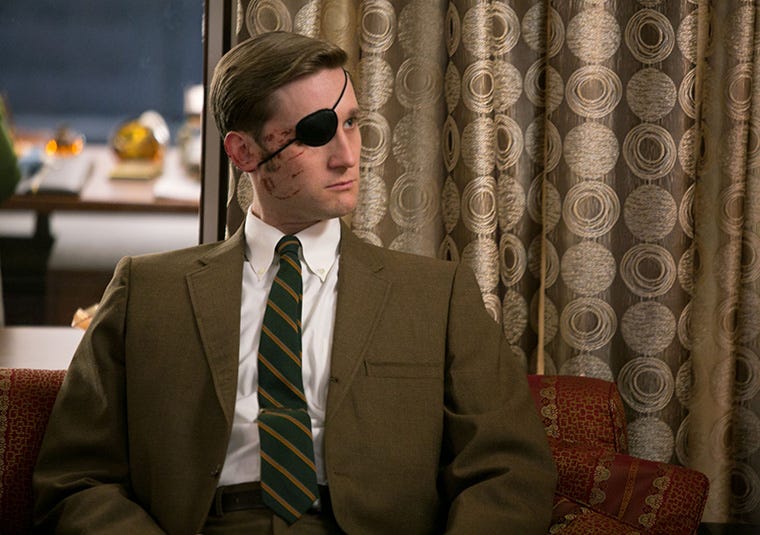
Ken Cosgrove, Mad Men (AMC)
Bona Fides: Author of “Tapping a Maple on a Cold Vermont Morning” and “The Punishment of X-4”; ad man, wearer of patches
— “First came finding the trees. We had tagged them that summer — loops of red twine, tied tightly around craggy trunks — when Fitz had been home, when the chill of winter had seemed distant and unthinkable.”
— “What would happen, I wondered, if we did not come back, one day soon, to collect it? What if the sap hardened? What if it became frozen — not just in the frigid air, but in time, sealing its secrets in a golden egg of amber?”
The plot of “The Punishment of X-4,” as described by Mrs. Cosgrove:
— “There’s this bridge between these two planets and thousands of humans travel on it every day, and there’s this robot who does maintenance on the bridge. One day he removes a bolt, the bridge collapses, and everyone dies.”
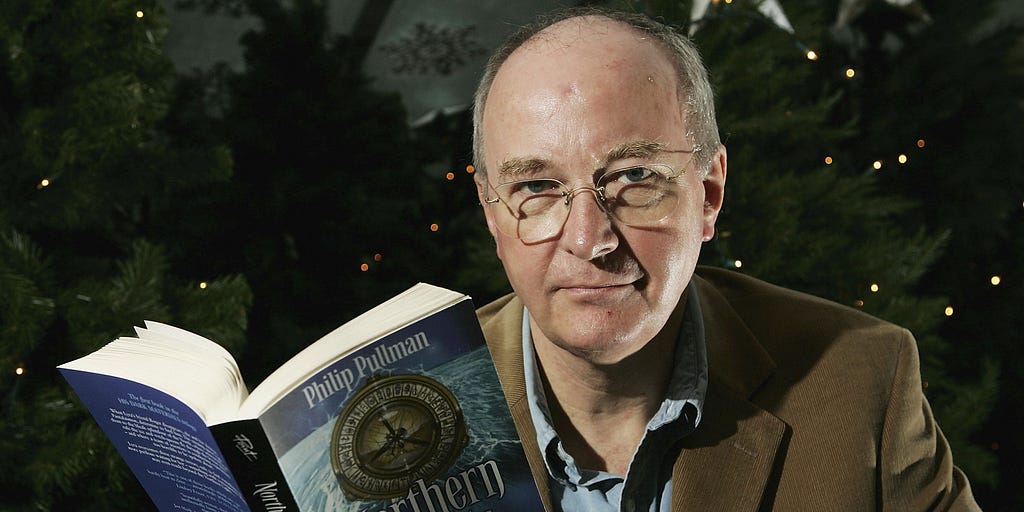
The first volume — The Book of Dust — is due out in October
Fantasy stalwart Philip Pullman announced last night that he has a new trilogy in the works. Beginning with The Book of Dust — due out in October, 2017 — the as-yet-unnamed series will be a companion to Pullman’s juggernaut His Dark Materialsseries(The Golden Compass, The Subtle Knife, and The Amber Spyglass), which ran between 1995 and 2000, selling nearly 18 million copies worldwide and inspiring a 2007 big-budget adaptation starring Nicole Kidman.
Returning to the authors’s noted multi-dimensional universe (which includes our own strange world), The Book of Dust will reportedly feature former protagonist Lyra Belacqua, albeit as an infant. The title references a particle central to the original series. In an interview with NPR, Pullman said: “what I really wanted to explore in this new work…[is] the nature of Dust, and consciousness, and what it means to be a human being.” Skipping forward, the second and third volumes will take place ten years after the conclusion of The Amber Spyglass, rejoining Lyra as she enters adulthood.
Given the fractured timeline, Pullman has an answer for those curious about what to call the new trilogy in relation to His Dark Materials: “it’s not a sequel, and it’s not a prequel, it’s an equal.”
DON’T MISS OUT
Sign up for our newsletter to get submission announcements and stay on top of our best work.
YOUR INBOX IS LIT
Enjoy absorbing fiction from Recommended Reading on Mondays, strange, diverting work from The Commuter on Wednesdays, and a roundup of our best work of the week on Fridays. Personalize your subscription preferences here.