The Struggle To Be A Good Critic

In preparation for my second residency at the Bennington Writing Seminars, I read the submissions from the other writers in my workshop. One of them startled me. It was a novel excerpt about a free Black man kidnapped and sold into slavery. The premise wasn’t so much what surprised me, but rather the identity of the writer. I googled the writer’s name and found her to be a White woman. Despite admiring her language, I was offended. How dare a White woman write a story about my ancestors? Even though it was my job to critique her work in hopes that it would get better, I did not trust her — or any White person — for that matter writing about marginalized people. After all, H.P Lovecraft said in reference to Black people, “A beast they wrought, in semi-human figure,/ Filled it with vice, and called the thing a Nigger.” Children’s books written by White authors were rampant with racism, such as The Story of the Little Black Sambo, Tintin in the Congo, or Let’s Hurry or We’ll Miss a Public Lynching. Even though my colleague’s intention was not to offend African-Americans, I felt very uneasy, perhaps even paralyzed in my ability to critique her story in the right way. But what is the right way? Was the way in which I emotionally responded to her story wrong? After all, the submission, although of course a rough draft, was very well-written. I found myself entranced by her descriptions of Louisiana even if the setting was a plantation. It was a conflict that stirred me both as an artist and a Black woman of Louisiana Creole descent on my father’s side.

In order to thoroughly critique a work, one must pay attention to elements such as plot, characterization, pacing, language, so on and so forth. A reader does not have to feel an emotional connection to a piece of literature in order to recognize its merit. For example, I don’t have to like Moby-Dick in order to acknowledge that it’s a beautifully-written story. However, this issue becomes complicated and nuanced when the work itself is about and read by marginalized people, especially when the writer is White. Are or should there be limitations in who gets to write the stories of people of color and what unique challenges are faced by minority readers when critiquing these particular texts?

Being one of very few minorities in my MFA program, I wanted to be able to assert my authority within predominately White spaces. There was one instance when a White colleague, and former mentor of mine, was giving a lecture on race and White privilege in a lecture. During the Q&A part, I raised my hand multiple times, the only minority to do so, and was never given the microphone by the runners. Meanwhile, I had to listen to other students express their hardships of writing about Black characters because they may not have Black friends. I asked myself, can White writers sympathize with Black characters even if they do not know any Black people in real life? Do they subconsciously put up a barrier when reading about them in fiction? After all, when Rue from The Hunger Games was portrayed by a Black actress, there were countless people who thought that her death on screen was less sympathetic because she was not White. Hearing these comments at the lecture only intensified my feeling of wanting White writers to not touch people of color in their works at all. But, I needed to step outside of myself and ask other Black writers if they felt the same.

Besides being published in Quarterly West, Zoe Mungin, is a Black and Latina fiction writer studying at the MFA program of the University of Massachusetts-Amherst. When I asked her what are the difficulties in analyzing a work about a PoC and whether this critique is affected by the writer’s identity, she replied, “There’s always a question of validity: whether the critique is valid in any way, if it’s worth as much of a critique as from White peers, because of the very idea of partiality.” Being the only Black person in her workshop, Zoe is most aware of how art is continually interpreted under the White gaze and finds herself alone in adding pressure to conversations so that multi-disciplinary perspectives are considered. White people are always at the center of conversations, even while discussing the works that are not about them. Like Zoe, I’ve been that Black girl in workshop who was afraid to speak up to my White classmate about her story because I understood the different power dynamics involved. On the one hand, I wondered, how dare this White woman write about Black people? On the other hand, how dare I have the gall to correct her? Will I even be taken seriously if I do?

But Zoe’s experience, like many others, raises an interesting point. If our White counterparts fear that our partiality is overshadowing our ability to critique a work, does this imply that a good critic must maintain a sizable, emotional distance from a story in order to analyze it properly? mensah demary, a Black fiction and nonfiction writer, as well as the Editor of Specter Magazine, does not agree: “We clamor for our own stories, to see ourselves in narratives, because that close emotional proximity matters; to see yourself in a narrative can be transformative. That close emotional proximity is political, revolutionary, when attempting to reclaim your identity, your stories.” For people of color like mensah, Zoe, and myself, that feeling of being able to resonate with a story should be the impetus we need to reclaim them as our own, as well as our identities because it reinforces collectivity and solidarity through artistic mediums, such as literature.

But another more polemical question emerges: are minorities the only writers allowed to create works about themselves? Ideally, any writer should be able to create the story of his or her choosing. Lena Dunham received a ton of flack for only having White characters in an extremely diversity place such as Brooklyn. In her interview with NPR , Dunham responded to the criticism by saying that she wrote a series that was honest and close to her experience, relaying to me that perhaps Black people, or any other minority for that matter, did not play any significant role in her life. Even when she inserted Donald Glover, in a few episodes of season 2, Kareem Abdul Jabbar blatantly said that a “black dildo would’ve sufficed and cost less.” A writer must handle a story with more care if he or she is writing about a traditionally oppressed group, especially if that writer does not face the same systemic disadvantages as his subjects. Furthermore, the discrepancy between the rate of White versus PoC writers is a factor that certainly cannot be ignored in this conversation, for even if a writer from each group pens creative masterpieces about minorities, statistically-speaking the former party has a higher chance of it being published. Think about it. According to a study conducted by the Cooperative Children’s Book Center at the University of Wisconsin, only 93 out of 3,200 children’s books published in 2013 featured Black protagonists. According to another study conducted by Lee &Low Books, no African-American authors made the Top 10 NYT Best Sellers List for Print and E-Book Fiction in 2012. As a result, White authors are given the large platform to promote our own stories while those most like the subjects clamor for even a fraction of the same exposure. As noted by mensah, “Whites have had, for centuries, the opportunity to tell the stories of PoC, and have proven to use that opportunity to expand their privilege and supremacy, at the expense, and on the backs, of others.”

So you see, this struggle is multi-layered and more difficult to elucidate the further one reaches to its roots. One cannot entirely blame the writer for his or her inspiration that later becomes published because therein exists a structural issue within the industry. However, to absolve a White writer completely of writing about PoCs even if the work is brilliant would be to ignore the countless others who tried to be successful at the same story, while reclaiming their identities, and failing.

What does this mean for the minority fiction writer in an MFA workshop or the editor of a respected magazine? They are confronted with different modes of perception when handling a text when it’s written by a White writer than a PoC. If it’s the former, our critiquing skills are undermined. If it’s the latter, we may be subjected to condemnation for perhaps rejecting a story from someone of our own when we are aware that not many make it to that level of acclaim. As mensah later said in his interview, “I once said that Zadie Smith struggles with the Black American voice in her characters, specifically in her novel On Beauty. The voice can be stilted at times, or perhaps off-key — maybe it fails my authenticity test. Anyway, there was some mild push-back on this statement.”

Both mensah and Zoe have grown weary of having White writers create works about PoCs. I thought I was too, but then I had a change of heart. When I entered into workshop and spoke to the woman who wrote the story, I discovered that she had been doing her research for about sixteen years. Although our classmates did not necessarily gravitate towards her characters using a lot of dialect, I loved it. Even when the session was over, we had breakfast together because she wanted to get more of my opinion on how she was handling a language different from her own. From that moment, I realized that I was so incredibly wrong in my thinking. Not only was this woman a very good writer, but she was also a compassionate person who wanted to make sure that she did justice to her story. I felt even more flattered that she asked me what I thought instead of rebuffing my critique, which involved me stressing how important it was to detail the brutality of slavery, as well as, using a bunch of hand gestures to accentuate my point.

Junot Diaz in The New Yorker wrote how his workshops were too White in his MFA program and that he and his colleagues never discussed how racial identities affected their writing. While I agree with this sentiment, for this particular event, I experienced something different. I felt like I was being listened to, and even respected. If a White person wanted to write about a person of color, does his/her research, and wants to learn more from his/her subjects, why not? Writers create their best works from seeing a world of possibilities. Therefore, is it too optimistic to think that they cannot find them in people who are unlike themselves?

We as writers, literary theorists, editors, and critical thinkers, must incorporate multiple lenses into our literary discourses so that the artists of this generation and the next will not operate through modes that inadvertently oppress those to whom they may be paying homage. There still needs to be dialogue about what works and does not work on a technical level. However, whenever we discuss a work about PoCs, we need to add another layer to our analyses. We are handling a work that is “unconventional” and that it needs to become the center, even if that means dismantling formally held, oppressive beliefs. We have to push ourselves more, become acclimated with what makes us uncomfortable, and question why that is so. And most of all, we must not silence the opinions that reside outside the normative for it is from there that we can truly be enlightened with our artistic choices. There may never be a way to conclusively reconcile these issues but working to be able to alternate different forms of consciousness may be a good place to begin.

REVIEW: Morte by Robert Repino

Mort(e) is a former housecat known previously as Sebastian in the days before the change. In the years after the transformation that gave animals self-awareness, Mort(e) chose a new name for its dual purpose. He tells us that it means death with the “e” (hence the parentheses), but without it, he’s just a regular guy. Mort(e) is a soldier in the war to exterminate humans — in his post-apocalyptic world, the surface animals have become two-legged beings, and joined the ants in the “war with no name.” Yes, you read that right. The cats and dogs have joined the ants — car-sized ants — responding to the commands of their queen. Hymenoptera Unus, the Daughter of the Misfit Queen, orders the Colony’s every move with chemical signals the ants have translated into interspecies language. Robert Repino’s Morte never stops moving, and it’s such a cinematic, fast-paced adventure that we’re willing to go along with the author’s bizarre, complicated mythology. Expect to give your cat or dog some side-eye while you read, though. Repino’s wild imagination has its base in the everyday behaviors of our pets.

Morte raises issues of progress and teleology. What might progress mean, if directed with the determination and singular focus of the ants? They’ve taken pursuit of science to the extreme, studying the flawed human culture so they might overtake it. The Queen realizes the humans’ weak point, and she goes for the jugular:

[T]he Queen realize[d] how easy it would be to turn the humans against themselves. Homo sapiens had a weakness for their language, a sort of gullibility. Whereas knowledge was stored with the Queen, ensuring almost complete infallibility from the moment a pair of antennae came into contact, humans would have to bicker over translations, authorship, historical context, symbolism and meaning. They had to rely on the faulty memory of the storytellers, the biased interpretations of the scribes, and the whims of inefficient bureaucrats to pass down their collected knowledge.

Language, that one attribute which humans believe separates and gives them dominion over the animal kingdom becomes the entry point for the Queen’s attack. Repino turns human triumph into fallacy and weakness. The ants exploit the humans’ desire for meaning and simple narrative. After Mort(e)’s transformation from “happy housecat” to “two-footed soldier,” he quickly makes a name for himself as the baddest of the bad. He attacks humans and doesn’t flinch at the gore that comes along with battle or disease. This is a quest and what drives Mort(e)’s actions is a search for his long-lost companion, a dog named Sheba who he befriended in the days before he transformed and the battle began. Sheba runs off and Mort(e) spends years searching for her in the ruins of their previous society.

To keep his feet moving, all he had to do was to imagine himself, as he had so many years earlier, growing old and dying alone in the same place. Still calling out his friend’s name. He had this mission, or he had nothing. It was awful, Mort(e) thought. And then he thought, But it’s beautiful, too. This quest was the only beautiful thing left in the entire world.

Repino is aware of the humor in his prose yet buried in the bold actions of feline, canine, and insect strife is a softness for friendship, love, and faith. Morte evolves into a morality tale, asking if any of the beliefs of humans, ants or cats can be trusted. Nothing is off the table in Repino’s morality tale; there’s a message in the end, but I won’t spoil it. I will say that Repino uses his ant and animal characters as both observers and allegorical stand-ins for humans. Every human trait is critiqued equally. The animals become satirical grotesques — “human,” even though they don’t want to be. When a virus overtakes the land, Mort(e) is sent to investigate. But the virus, EMSAH, like the other assumptions of his fellow animal soldiers and citizens, is not what it seems. “My investigation is complete,” he says. “EMSAH is not what you think it is.” Repino reminds us that ideas can infect minds just as easily as viruses invade bodies.

Morte is told from an omniscient third person point of view that shifts from character to character. The Queen is particularly brutal. She holds the knowledge of generations of ants in her mind at all times, knowledge of science and chemistry and destruction. But she cannot understand connection or relationships, and she hates anything that she cannot understand.

[T]o her, Mort(e)’s quest mirrored the basest desires of the humans: an escape from death, an exemption from suffering, a chance to live like gods themselves. Love was a word these mammals used to make up for the fact that they could not join as one, as the ants could with each other, as the Queen had once done so completely with her mother. Love was an illusion, a smoke screen that masked the humans’ capacity for hatred.

By the end of Morte, labels like “god”, “pet” and “human” do not function the way they had originally. Repino’s tongue is firmly in his cheek, but the story never stalls. There’s an adventurous sense of propulsion to the allegorical yarn. Is it crazy? Definitely. Will you turn the pages as quickly as you can? You bet. Robert Repino’s Morte is, page after page, an infectious tale.

Morte

by Robert Repino

Powells.com

POETRY: Two by Kary Wayson

If you have lived alone you know

I know how to live with others, even in love, way out at the end. And

if you’ve lived for long, you know well

those moments when all is actually lost — the head of

the heart of —

Happiness Himself, standing in the frozen dirt, holding out the blue

necklace.

If I can find a way to live without hope —

I mean, if you can find a way to live freed of hope, then, if,

Who knows if you will when he asks say yes.


THURSDAY. THE LIGHT

— for you who came so near me, late last September — bears/ repeating bears.

as January has it. A bowl of small oranges

in the window for the gray. Downstairs

my neighbor plays scales on her fiddle

while Hansel chops an apple on the kitchen table.

Such fine sharp cuts he makes on the table

that I too want to play the scales! In my mind

I can see: a stand of trees across the street. Of the trees I

think musical: chairs.

Photo via Stienar B on Flickr

Sunday Sundries: Literary Links from Around the Web (Feb. 15th)

Looking for some Sunday reading? Here are some literary links from around the web that you might have missed:

Alice in wonderland

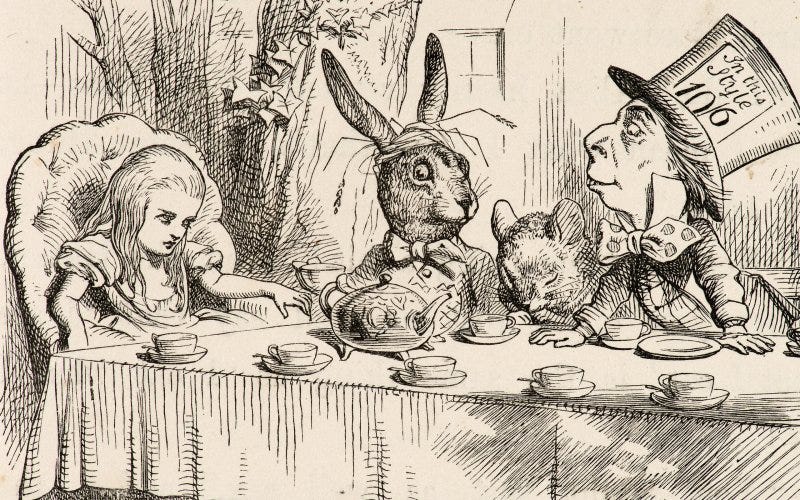
Did Lewis Carroll invent surrealism with Alice in Wonderland?

The Millions looks at how novelists use visual aides like maps and calendars to write

The Atlantic on Joan Didion, fashion, and loss

Tor.com thinks novellas are the future of publishing

David Ulin on the ethics of writing about real people

Everyone is swooning over this hot dudes reading books instagram account

The world lost a great journalist this week when David Carr passed away. Here was his last article looking at Jon Stewart and Brain Williams

Barbara Newhall: a literary prodigy who disappeared

Finally, some post-Valentine’s Day reading:

25 painfully unrequited love stories from literature

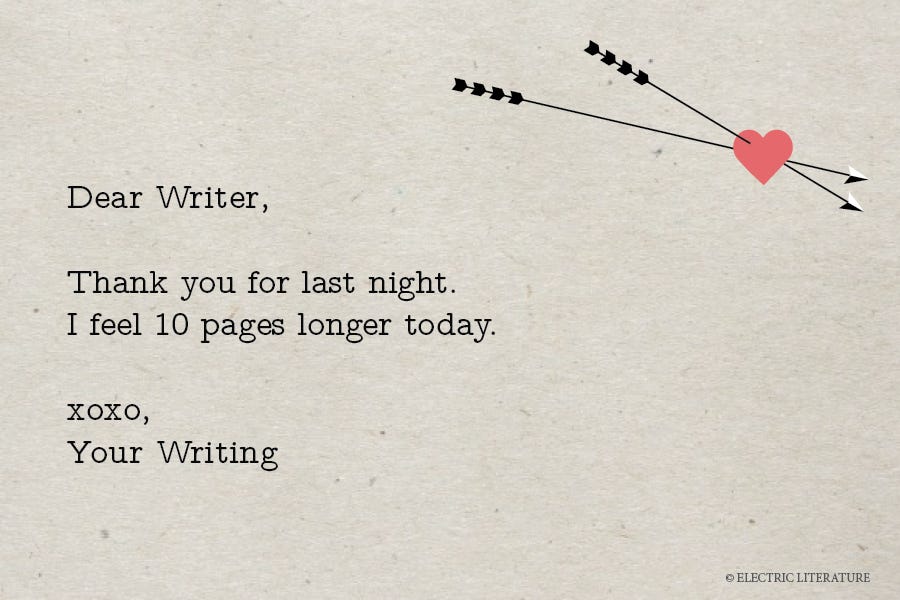
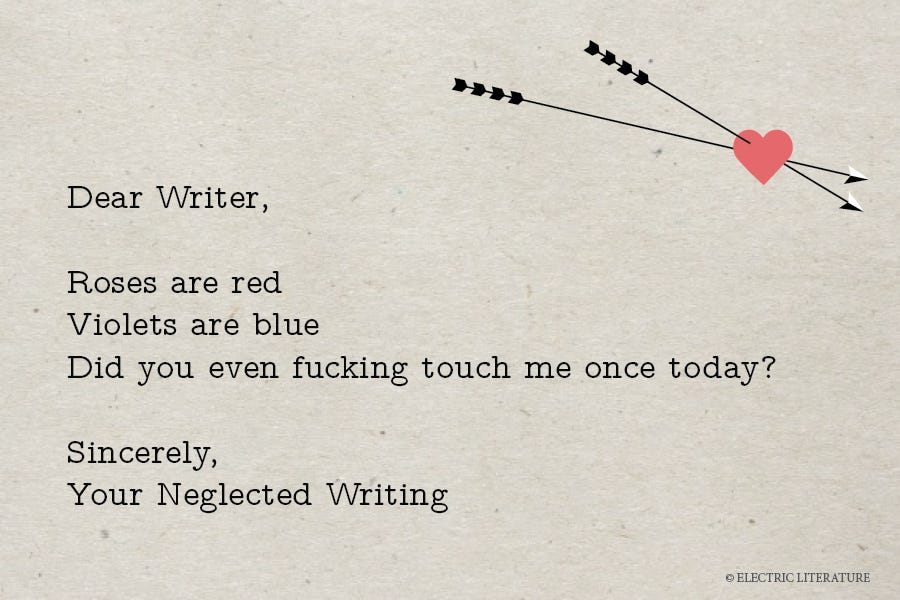
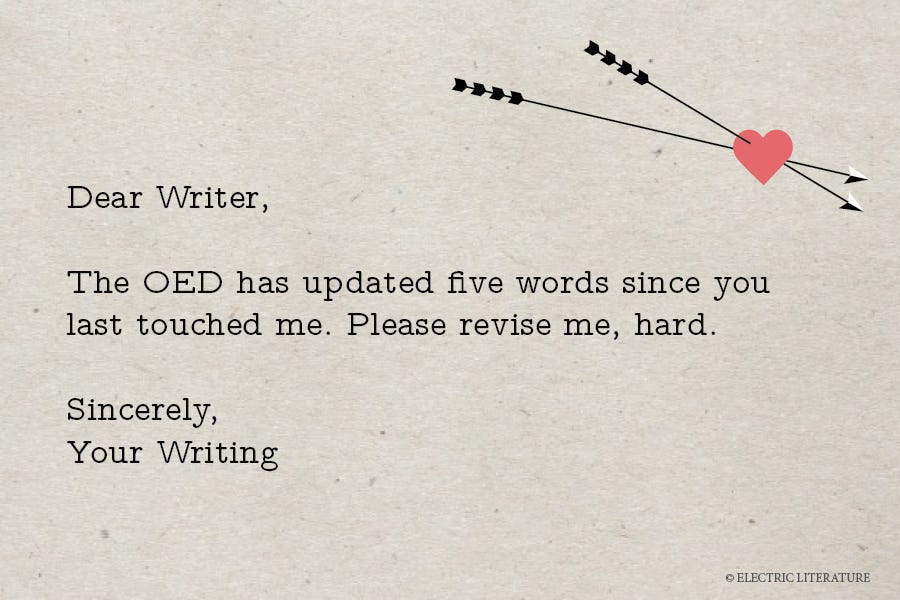
Love letters from your neglected writing projects

50 great poems about sex

A modern guide to the love letter

Alissa Nutting on Sara Woods’ Sara or the Existence of Fire

Colin Winnette admires the writer Alissa Nutting, so he asked her to suggest a book that they might talk about. She picked Sara or the Existence of Fire by Sara Woods. Then they talked about it.

Alissa Nutting is the author of the short story collection Unclean Jobs for Women and Girls and, more recently, the novel Tampa. She was the winner of the Starcherone Prize for Innovative Fiction in 2011. She teaches at John Carroll University.

Colin Winnette: Can you give a brief (3-sentence or less) description to ground any readers who haven’t read or heard of Sara or the Existence of Fire yet?

Alissa Nutting: That’s actually more daunting than it seems — one of the things about this book that I love the most is its breadth…if you think of Fairy Tales having, say, a runway, the kind that planes would take off from, and Childhood having another runway, and maybe Mystery and Disappointment and Wonder and Dogs and Cookies and Worms and Parties and Haunting…I could go on. Flights depart and arrive throughout the book. One description would be that the book’s a sort of biopic of the main character Sara, whom we first encounter in childhood. In some ways the form of the book is set up like a documentary or a docudrama, with a running narrative that cuts to other characters for interviews and alternate perspectives.

CW: That’s a great introduction. The book isn’t linear, but each moment seems proximally connected to some shared organic center. There’s a strange logic to the book, that’s constantly being undone and built anew, reset. With everything coming and going in this way, how does Woods keep us from feeling lost or discouraged? If you’re going to spend all day in an airport, you might find a private(-ish) place to sit, or wander in loops all day — some way of making this enormous and disorienting place your own. Where did you build your home in Sara or The Existence of Fire?

AN: For me it was directly within the character of Sara, who tinges sadness with the most incredible humor…the poignancy is wrenching. So many lines in the book are one-liners and quotables, or just make you grab your chest. Like, “A dog can be heartbroken.” The first time I read that line I gripped my chest and nodded for about ten minutes. That happened all throughout. It’s a very validating book. An empathetic one. I think the episodic nature of the book is part of what’s so smart and comforting about the narrative…there’s the connective thread of that character. No matter what happens in the episode, Sara’s always still talked about or referenced in some way.

Alissa Nutting

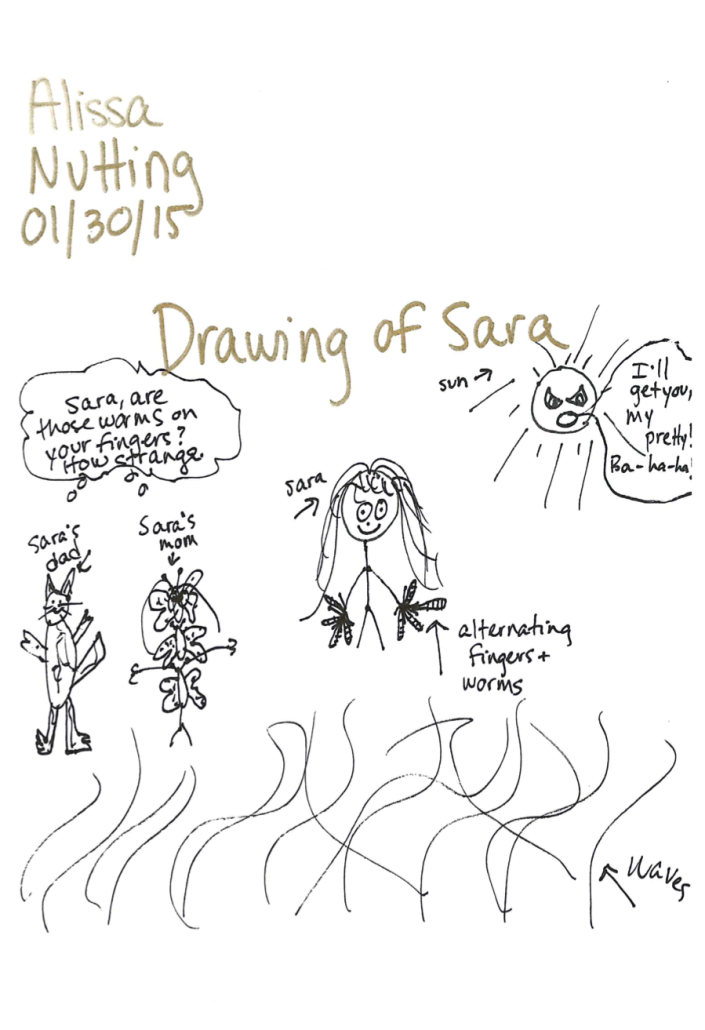
CW: Would you draw a picture of Sara for me?

AN: Okay. I’m teaching an undergraduate graphic novels literature course this semester, so I read the class pgs. 1–12 of the book and asked them all to draw a picture of Sara, too. (Those can be viewed here). My drawing is the one with my name, ha.

CW: Where did you find this book?

AN: I read [Sara Woods’] amazing book Wolf Doctors on the also amazing Artifice Books, and was very much all: MORE WOLVES!!! MORE POETRY!!! MORE SARA!!! This new book fulfilled all three of those requirements.

CW: Where did you find Wolf Doctors?

AN: In a word, narcissism. Poetry is one of the many pills in my anti-depressant arsenal. It just helps me cope. I feel like it’s bizarrely healthy, how these emotions and things are right there, and there’s enough space for those words to actually linger and grow and be showcased. It’s very religious for me, so I don’t read it daily, the way you wouldn’t want to do a sweat lodge retreat or something daily…you’d just get spent. Poetry spends me. In a good way. If I were a therapist I’d say I tend to write fiction because I don’t want to feel vulnerable. If I were a poetry critic I’d say I write fiction because my poetry is terrible. Anyway, I’d heard about the buzz for Wolf Doctors and had wanted to read it for a while, but as is my habit with poetry books I waited until I got sad to order it. It’s beautiful, and honest about the world in a way that isn’t restrained. It helped me. Beauty and honesty usually do.

CW: The book somehow felt both delicate and aggressive. There are obviously threats, fires, wolves, knives, etc. — but when I say aggressive, I’m thinking of the metaphors. Woods is constantly throwing down these gauntlets, “Sara’s father was a wolf,” “Sara was in a room full of hammers,” “Sara had an ocean inside her ears that wouldn’t go away.” These are the opening lines of just a few sections, and the poem spills out from each proclamation. Did it feel aggressive to you, or did you experience these opening moments differently?

AN: I felt both mesmerized, because of the magic of the events if they’re read literally and the images they trigger, and also very vulnerable. The text is very frank about how the danger and pain of life, and it’s coupled with these gorgeous, creepy descriptions (like a mother made of moths) that also really brought forward great positives about existence for me, like interest and curiosity. So for me it was a sort of comfort…this acknowledgment that the world can be so harsh and overwhelming, but that the silver linings are also quite real.

CW: When you think of the book, without picking it up to confirm, is there an image that comes immediately to mind? If it’s the moth mother, what does she look like? Gray and dusty? Backlit and white?

AN: Mothmother (I like it as one word) to me is a swarm of moths shaped somewhat like a roving droopy breast. The sound the swarm makes is the white noise sound of a sleep machine. But if there’s one image, without picking the book up, it’s probably an animation that is in the book yet isn’t, a composite aftermath of images and feelings: first the character of Sara standing on the beach as a young girl, then the image refreshes and the top half of her body is a wolf, then the image refreshes and she’s particles of sand, sort of like a swarm of moths I suppose (tinier, more particle-y) blowing away while a wolf sleeps in the distance on a beach towel, then the image refreshes and the sunset begins to shake out of place and we realize the sunset was actually a painting made of sand.

CW: Assuming the bit about the airport was metaphorical, where did you “set” this book? The beach? As you’re reading, do you place these characters anywhere in the world you know, or do you constantly readjust to keep up with the shifting world of the book?

AN: That’s a good question — I suppose because of the beach references parts of the book felt coastal, but because of wolves I also thought fairy-tale forest. Not in the sense of make-believe, but in the true fairy-tale sense: that life is filled with splendor and horror both; neither is available for individual purchase. The book kept reinforcing that to me in such a genius way.

CW: What feeling do you most associate with this book?

AN: The strongest feeling I associate is endurance…this capacity that tends to turn on hopeful lamps inside me, that things continue, for us and with us and after us, no matter our pain. And with all its unexpected hilarity about truly heavy subject matter, the feeling that sits with me after is that I will reach for this book a lot throughout my life when I need that empathetic lift without the sugar coating…I’ll reread it a great deal. When I was reading it I felt the discomfort more acutely — the discomfort of this book can be fast-acting, like a microwave, while the hope within the text is more of a crock pot. By the end of the book you do have a fully prepared, family-sized serving of hope — a particular flavor that is seasoned by unflinching veracity. Delicious.

CW: Would you leave us with a short passage from the book? And would you be willing to record yourself reading that passage?

AN: I recorded this for you today.

Author photo courtesy of Aaron Mayes

FEBRUARY MIXTAPE by Kate Durbin

SONGS FOR GIRLS WHO ARE ALSO CATS

“Songs for Girls Who Are Also Cats” is the soundtrack to my life, but it’s also inspired by all the amazing women I’ve had the opportunity to work with this past year on my performance project Hello Selfie. Hello Selfie is about women, the gaze, and the ways in which women’s bodies and emotions are commodified and objectified in our society. I was particularly inspired by the recent Hello Kitty fiasco, in which hello kitty’s identity as a girl and cat threw everyone into a state of confusion and terror. I think being a girl is about constantly evoking that state.

This is for: Augusta Gail, Aurora Pringle, Christiana Laine, Anna Dewey Greer, Lauren Eggert-Crowe, Jessie Askinazi, Jessica Nicole Collins, Tina Stormberg, Peggy Noland, Labanna Babalon, Kelani Nichole, Emily Raw, Monica McClure, Jennifer Tamayo, Monica Mirabelle, Leah Schrager, Leah Aron, Jenny Zhang, Andrea Crespo, Elizabeth Mputu, Grace Miceli, Laura Marie Marciano, Genevieve Belleavau, Elena Kanagy-Loux.

1. Lady Gaga — Boys, Boys, Boys

Gaga likes boys as much as I do.

2. Taylor Swift — Wildest Dreams

I like how she wants this boy to remember her in her dress, and how she plans to haunt his dreams forever like a banshee.

3. Lana Del Rey — Once Upon a Dream

Leave it to Lana to take my favorite Disney song, about my favorite princess — the one who just sleeps all day — and make it as melancholic as the fairy tale really is.

4. Chorus of Stray Cats in My Yard

My former neighbor was an alcoholic who rode a motorcycle and yelled at the bushes and sometimes at me but she also had a big heart and would feed these stray cats in the alley who were always fucking and reproducing. Sometimes when I would go outside all I would hear was this chorus of meows from scrappy kittens. They kept reproducing until the city came and took them away.

5. Le Tigre — Much Finer

This song is about being a feminist and being depressed.

6. The Donnas — Forty Boys in Forty Nights

Eating junk food, doing a new boy every night — The Donnas should be called The Buddhas.

7. The Lunachicks — Spork

I like this song because it’s about an instrument that is not a fork or a spoon, just like hello kitty is not a girl or a cat.

8. Beyonce — Why Don’t You Love Me?

I love all of her outfits in this music video, and her mascara tears. Rolling around in curlers, performing sadness.

9. Cibo Matto — Know Your Chicken

Girl cats know their chicken.

10. Tori Amos — Bachelorette
You live alone now and you cry sometimes. You’re a car girl, you’re a star girl, he’s at the door. There’s a window.

***

— Kate Durbin is a Los Angeles-based artist and writer, whose books include E! Entertainment and The Ravenous Audience. Her most recent performance is Hello Selfie, performed first for LA’s Perform Chinatown, then in collaboration with Transfer Gallery in NYC.

Photo by Jessie Askinazi

Last Minute Valentine’s Day Gifts for Your Literary Love

A dime-store teddy bear and box of chocolates doesn’t cut it these days (no, not even ironically). And although the perfect literary Valentine might be rewriting your favorite novel and casting you and your beloved as the main characters, and then having it specially printed and bound (in the sweatshirt you were wearing when the two of you first met, obviously), overworked and underpaid literary types sometimes just do not have the time. As always, Electric Literature is here to help you out. Here are 12 gifts for the lovable literary humans in your life.

Rumpus Mug

For the Struggling Writer Lover

Write Like A Motherfucker mugs from The Rumpus

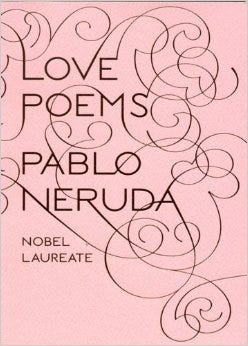
Neruda love

For the Poetic Lover

Love Poems by Pablo Neruda from New Directions

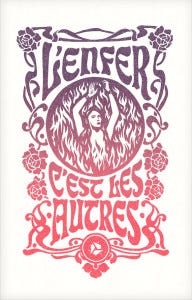
hell is other people

For the Misanthropic Lover

“Hell Is Other People” — Jean Paul Sartre hand-printed poster from TheAffair

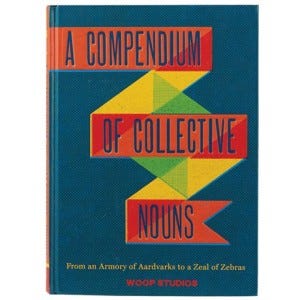
collective nouns

For the Lover Who Is Bored of Being Basic and Using “We”

Compendium of Collective Nouns from WOOP Studios

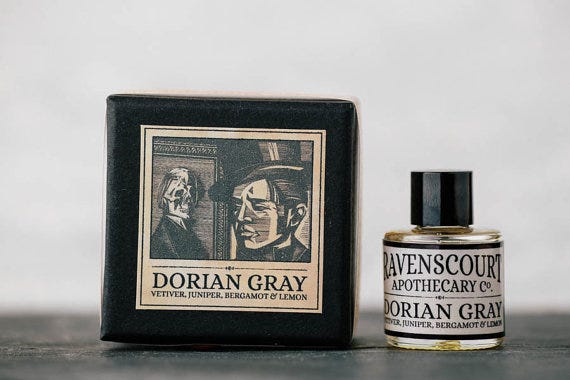
Dorian Gray

For the Well-Read and Well-Groomed Lover

“Dorian Gray” cologne from RavensCtApothecary

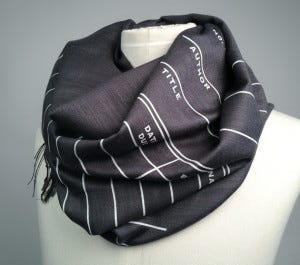
duedate

For the Lover with an Exposed Neck

Charcoal Library Due Date Scarf from Cyberoptix

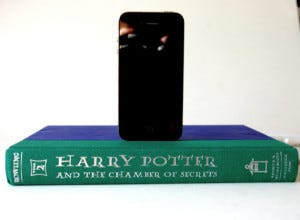
harry potter phone

For the Lover Whose Phone Keeps Dying (Unlike Your Love)

Harry Potter book iPod charger from RichNeeleyDesigns

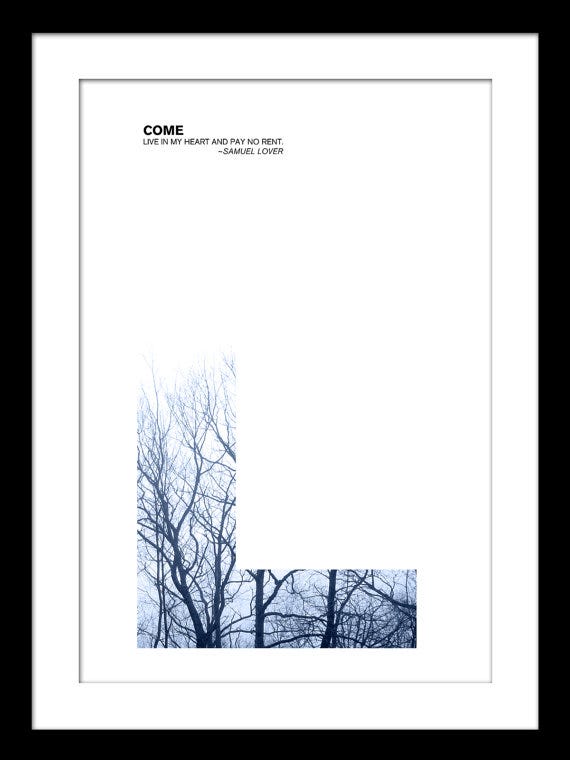
lover

For the Poor Writer Lover

“Come live in my heart and pay no rent” — Samuel Lover quote poster from EscapeModulePrints

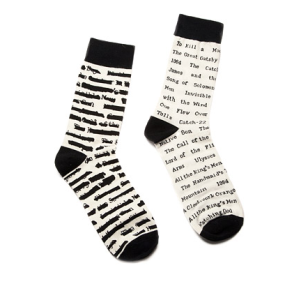
banned books socks

For the Lover Who Does It With Socks On

Banned Books socks from Uncommon Goods

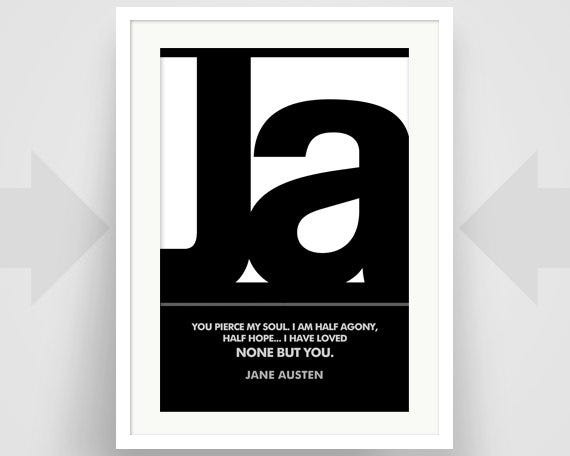
austen

For the Romance Book Lover

“You pierce my soul. I am half agony, half hope I have loved none but you” — Jane Austen quote poster from EscapeModulePrints

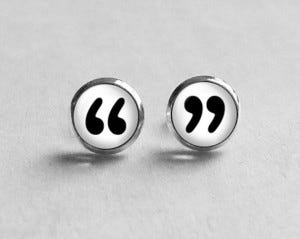
air quotes

For the Lover that Abuses Air Quotes

Quotation Mark earrings from petiteVanilla

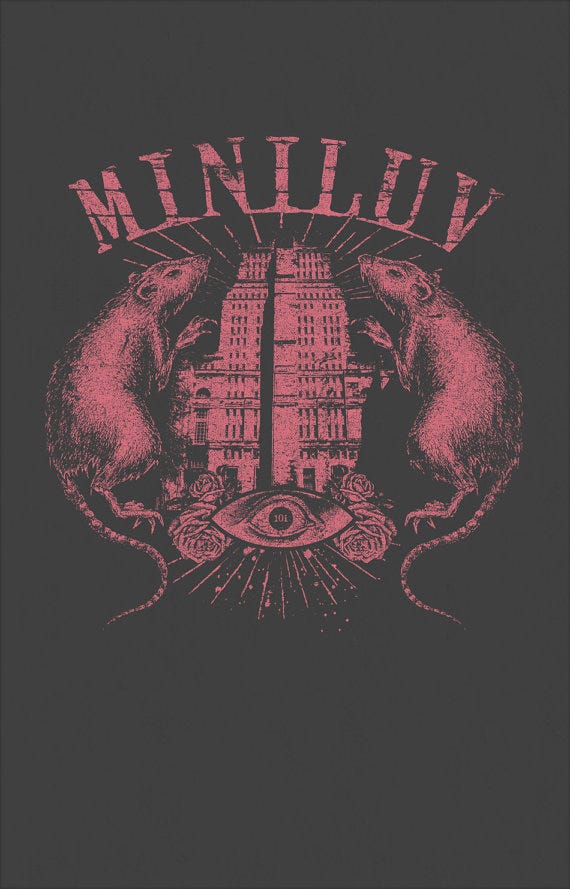
orwell

For the Couple Weary of the Valentine’s Day Industrial Complex

Ministry of Love George Orwell poster from TheAffair

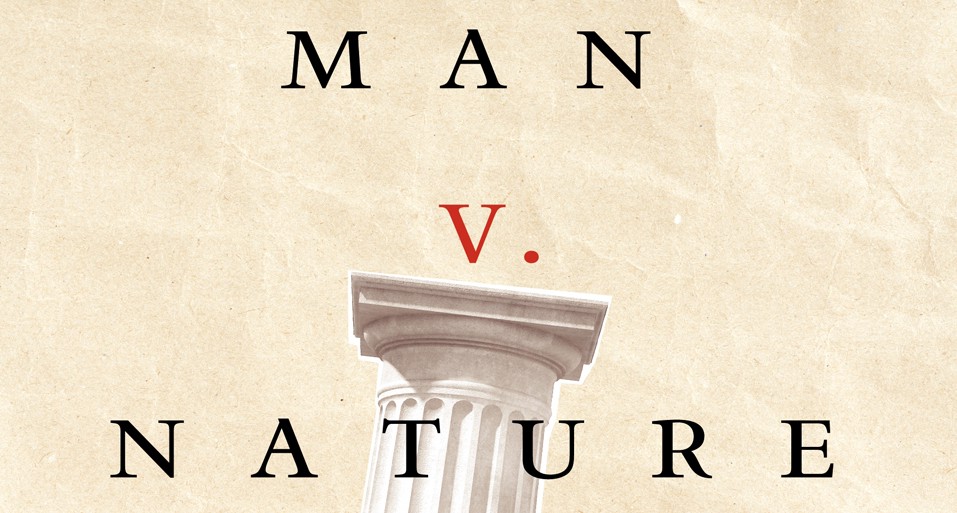
REVIEW: Man V. Nature by Diane Cook

I’m not sure exactly when the current wave of apocalyptic literature began or if it’s ever stopped or if there’s even the possibility that it will lessen or plateau before this planet reaches its end, but I haven’t read anything that tackles the anxiety of oblivion better Diane Cook’s Man V. Nature.

To be clear, Cook’s debut collection isn’t exactly apocalypse literature in the same category as the recent wave of world-ending books. Those stories tend to feature a recent environmental or political calamity — the coasts are flooded or the whole country is bombed out and bleak. Survivors are hunting deer, welling for water and staring into black nights, remembering the dead. They’re wandering, like in Cormac McCarthy’s The Road, in search of necessities and a will to live. And yet they still have the same relationship woes and dysfunctional families they’ve always had — Apocalypse Survivors: They’re Just Like Us!

At their worst, these stories can be either deeply moralizing (Left Behind, I’m looking at you) or just pure destruction porn, an outlet for our deepest anxieties about global warming or the human tendency toward war. This isn’t to say that these sorts of books aren’t often insightful, brilliant or at the very least entertaining, but they tend to fare better when they focus on how we survive after the dust settles than the oblivion itself. Emily St. John Mandel’s recent novel, Station Eleven, is a perfect example of this, focusing on the needs that lie just beyond basic survival — the love and stories chief among them. In The Road Cormac McCarthy uses a hellish landscape as a kind of neutral background so we can see the life of his characters in high relief. Yet the frames of these stories, an aggressive flu epidemic and a total nuclear annihilation, still read like possible ends to some of today’s headlines or thirty other books you’ve read. The tropes of the apocalypse are hard to escape. There may be more than one way for the world to end, but it tends to somehow feel the same.

The literature of the apocalypse can offer so much more than sheer anxiety fulfillment. At its best, these sort of books can let the reader grapple with the intangibility of total oblivion. Man V. Nature passes up the stock set pieces and gnaws on that thematic bone. The world doesn’t end so much as people’s worlds end — their senses of safety, their long-held narratives, their relationships and ideals.

Often these ends come at the hands of a shadow-y force, a system that is just beyond the comprehension of the people it controls. Something like a government, but not quite. Something like nature, but not quite.

In Moving On, a woman who has been recently widowed is taken from her home and forced into a prison-like women’s shelter. Heartbroken but timidly optimistic, she’s encouraged to demolish the memory of her late husband and take homemaking classes before a new man shows up to select her like a pound puppy. Cook creates a surreal but painfully honest world. She’s not trying to create a possible dystopia; instead she dramatizes the private catastrophe of losing love and the impossibility of escaping memory, despite what others insists.

Moving On is also one of the stories in the collection interested in womanhood and manhood. Here, a single woman is seen as just a husband-less wife, a poisonous societal pressure that the real world is still far from shaking. In another story, Marrying Up, there’s an unspecified violent uprising surrounding the apartment where the narrative unfolds, but it’s the interior of the home that is really terrifying. After two sweet but unimposing husbands are destroyed by the mob, a woman marries her Hulk-like neighbor purely for his size and brute protection. “Making love felt like getting run over. I was pancaked like in cartoons.” But eventually it is her own need to be protected that destroys her; after she gives birth to a monster child and her husband becomes increasingly violent. Gentleness no longer has a place in the world.

Cook is a pro at using the bizarre, sometimes even fable-like set ups to upend our most essential fears. Somebody’s Baby, a twenty-page stunner, unraveled the particular terrors of parenthood and expectant parenthood with a plot that was both utterly strange and completely familiar. Almost every time a newborn is brought home in this neighborhood a silent man stands in the yard, sometimes for months, waiting for the right moment to rush in and steal it. Of all the neighborhood’s mothers, only one is appalled by this tradition and after two of her babies are stolen she hunts him down and discovers all the stolen children who have grown ambivalent about their former families. It’s a beautiful distillation of the way parental fear changes shape: it starts as a terror of losing this vulnerable, tiny thing to some sudden death, then morphs into the worry that your child will become a stranger to you — someone you no longer recognize or someone who no longer recognizes you.

A handful of the stories wrestle with the antidote to annihilation — sex. In It’s Coming some mysterious, minotaur-like monster is rampaging an office building, eating workers by the handful. Two co-workers, inexplicably turned on by their final moments on earth, begin groping each other as they run from the beast, eventually fucking themselves into doom. In another, Meteorologist Dave Santana, a woman is driven witless over the one man she can’t seem to sexually conquer: Meteorologist Dave Santana. It was also the funniest story in the book and had one of the truest endings, one with a perfectly deft revelation that elevates the farce with wisdom.

When Cook does venture into a more traditional apocalyptic setting she does so with Barthelme-level absurdity, as in The Way the End of Days Should Be. A man is living luxuriously in the aftermath of massive natural disaster; he has plenty of food, a secure home, good wine, even scotch though he stays sober. Lonely, he eventually takes in a man who arrives at his door, starving and weather-beaten. A dilapidated home across the street, packed with survivors and low on supplies, has made him wary of outsiders, but he needs the company to survive and his particular distortions of this need propels the story.

In the final story, The Not Needed Forrest, “the State” determines that some ten-year-old boys are simply unnecessary, takes them from their families and throws them down a chute. Most perish in an incinerator, but “fourteen boys, naked and shimmering with mud” escape through some accidental portal that deposits them in a forrest. They find a camp and rejoice in their newfound freedom, living as violently and noisily as they want. “We’re boys. We’ll stun a bird and twist its neck, and we’re on to the next thing…We collect bird eggs, and we eat the mom.”

Winter arrives. The food runs out and starvation sets in. When one of the boys dies in an accident, the rest hesitate, then cook him. Eventually they start killing each other for food based on a lottery system, turning from tender to murderous in a span of two pages. Though the original enemy seems to be the cruelty of winter, by the end of the story the match has turned from Boy V Nature to Boy V Boy. Human cruelty is the greater threat.

Because our eventual ends are an essential human preoccupation, apocalypse literature has never been and will never be a trend. It’s always being written. We’re endlessly interested in the worst-case scenario, not just for the whole world, but for our personal worlds. A near-death experience can be the moment of redemption and rebirth that a life has been waiting for. Apocalypse books can have a similar function — to reveal what is essential about humanity after the worst, reminding the reader of what is most valuable in the world. But I prefer Cook’s approach, extracting and distorting a sense of oblivion without using environmental calamity or a surreal police state as scaffolding. Unfortunately we’re getting plenty of that in the news.

Enjoy a look at Man V. Nature: click here for issue 125 of Electric Literature’s Recommended Reading, as recommended by Terry Karten, Executive Editor, HarperCollins Publishers

Man V. Nature: Stories

by Diane Cook

Powells.com

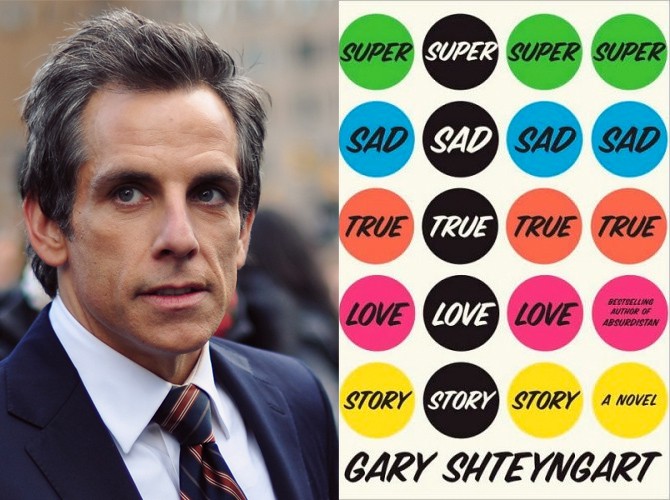
Ben Stiller to Adapt Gary Shteyngart’s Super Sad True Love Story for TV

Gary Shteyngart’s near-future comedy, Super Sad True Love Story, may be coming to a TV screen near you. Hollywood Reporter reports that the novel’s rights were picked up comedian Ben Stiller and independent studio Media Rights Capital, the latter of which produced House of Cards:

Super Sad True Love Story is a one-hour dramedy set in the near-future that explores the unlikely relationship between a bookish man stuck in a tech-obsessed society and a complex, materialistic young Korean-American woman. While navigating this romance he must also contend with mounting demands from his charismatic boss, who is himself being pressured by the domineering American government.

The script will be co-written by Stiller and Karl Gajdusek. There is no network attached, but apparently Media Rights Capital tends to start making their series before a network is on board. More info as it comes.