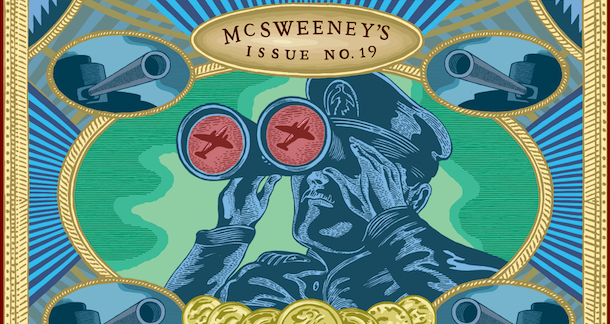
After 16 years, San Francisco-based publishing house McSweeney’s is officially becoming a nonprofit, the independent media company announced Thursday, October 16. The Dave Eggers-founded business, which has published works by Jonathan Lethem, Nick Hornby, Lydia Davis, Michael Chabon, David Foster Wallace and more, will apply for nonprofit status next month and is already accepted tax-deductable donations.
A statement on the McSweeney’s web site reads, “We believe that becoming a nonprofit will allow McSweeney’s to sustain itself for many years to come, with the help of an expanded community of donors, writers, and readers. We want to continue to pursue a wide range of ambitious projects — projects that take risks, that support ideas beyond the mainstream marketplace, and that nurture emerging work. A nonprofit structure, with a board and members supporting our efforts alongside our staff and writers, will allow us to put new resources behind all our undertakings, and explore a number of exciting projects that, until now, were out of reach.”
“We’ve always been a hand-to-mouth operation, and every year it gets just a little harder to be an independent publisher,” Eggers told the San Francisco Chronicle. “An independent literary title that might have sold 10,000 copies 10 years ago might sell 6,000 now, for example.”
Since its formation in 1998, McSweeney’s has launched a variety of critically acclaimed magazines, web sites, literary journals, novels, children’s books and criticism, gaining popularity for their high profile contributors and quirky, off-center material. The publishing house will apply for nonprofit status within the next month in hopes of becoming a 501(c)(3) organization within a year, following the example of nonprofit publishers like Graywolf and Copper Canyon.
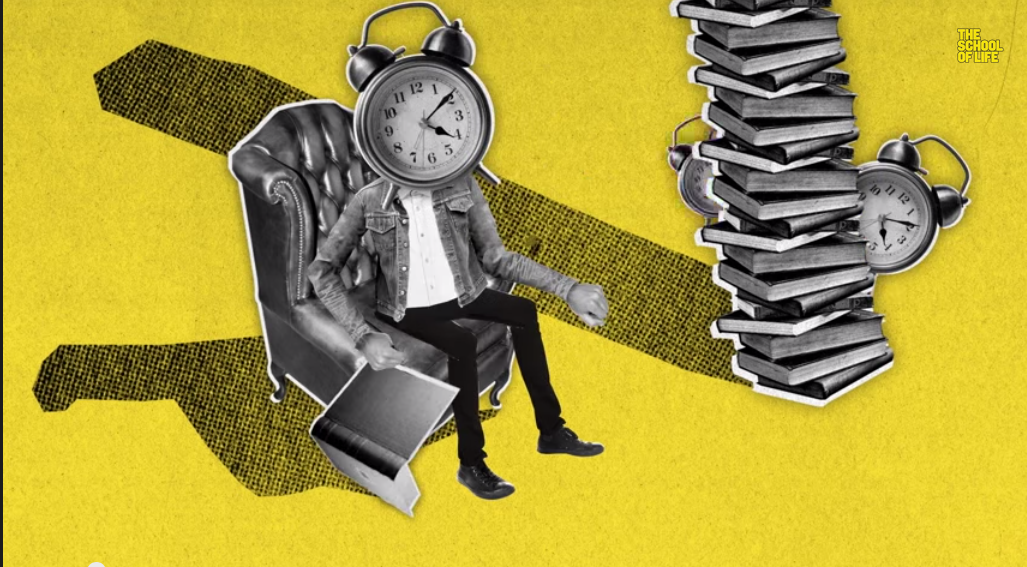
If you read Electric Literature, then you probably do not need to be convinced that reading is great. However, if you have a relative or acquaintance who asks you, “What’s the point of reading literature?” you can direct them to the above video from The School of Life. The neatly animated video points out four major reasons to read literature:
#1: It saves us time (by giving us access to events, emotions, and situations that would take forever to experience in real life)
#2: It makes us nicer (by letting us experience different people’s points of view and increasingly our empathy)
#3: It’s a cure for loneliness (since we learn that other people share our own feelings and ideas)
#4: It prepares us for failure (by letting us see characters struggle, fail, and succeed)
After they watch the video, recommend them your favorite book!
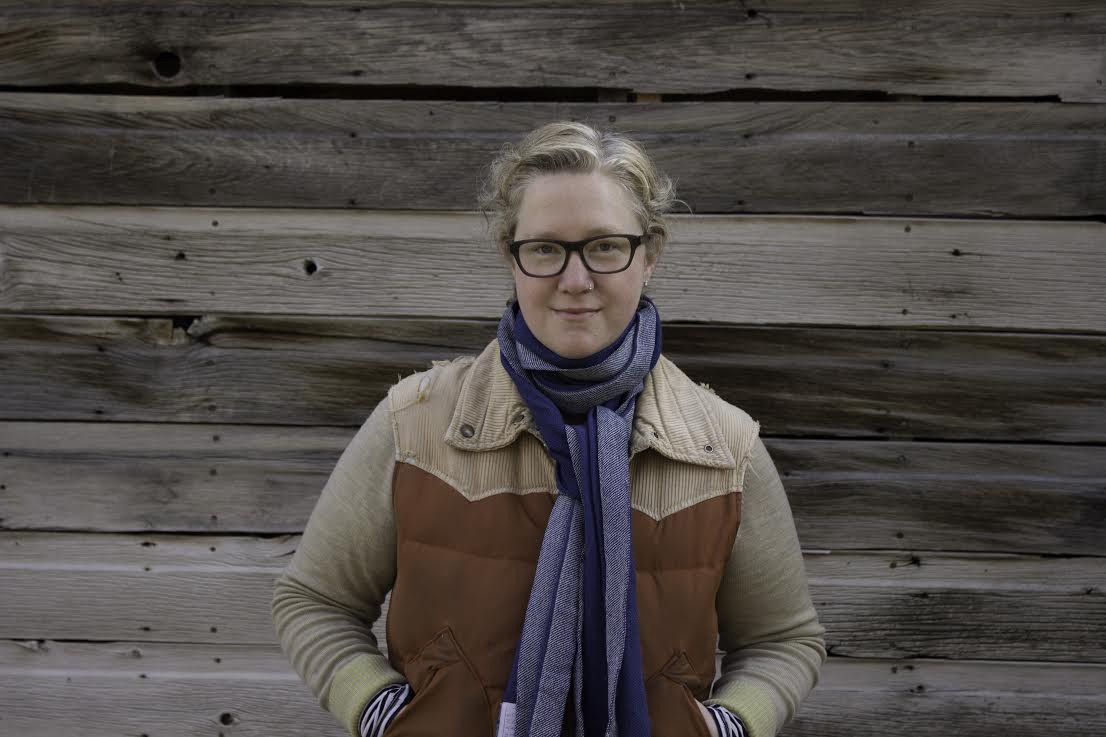
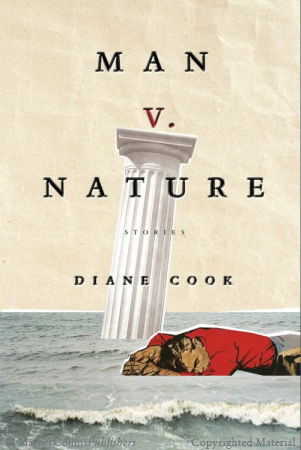
I had the chance to talk to my friend Diane Cook about her debut collection, Man V. Nature. Her stories are broadcasts from a world at once tender and terrifying. Each one grapples with questions of survival and how to be human in a universe turned upside down. Her book is like a memory from a place you’re almost certain you’ve never visited.
We chatted over email about Leelee Sobieski, writing prompts, and the psychological violence of endings.
Hilary Leichter: Your book has quiet apocalypses and crowded apocalypses. In stories like “It’s Coming,” or “A Wanted Man,” the reader is swept forward on a wave of ensemble choreography, a mass of humanity tumbling forward. The crowds feel like big, wonderful characters themselves. How do you keep track of an unruly mob on the page?
Diane Cook: I love to write a crowd. I like it best when it kind of throbs and swells like one organism. Because crowds are kind of this other life form. Or they’re a new form of us. There is a scene from the story “It’s Coming” where the main characters head to the roof of a building to escape a threat. From the roof they see the rest of the city running to escape that threat too. I imagined and wrote it be cinematic, sweeping, the crowd compelled and relentless, a bit like water flowing. I was probably thinking a little about that scene from The Last Unicorn where all the unicorns are released from the sea after The Red Bull is defeated. And I would have been thinking about mass movements or migrations. Herds of wildebeests across the Serengeti. Those helicopter shots (or I guess drones these days) showing just immense landscapes teeming with movement. Even real images or imagined ones of human mass movements, migrations, forced marches. These are images or feelings I return to often. Mass movement across land is an image and idea I think about often.
HL: Why write about the end of the world?
DC: The end of the world is just one kind of end and any kind of end tells us about ourselves. I’ve been thinking a lot about Deep Impact lately. I love Deep Impact because not everyone is saved. And when not everyone is saved, people’s decisions matter more. I like to watch the scene where everyone is fleeing, and then when the impact occurs. The scene where the parents give the baby to the daughter, and force her to flee without them. It’s Leelee Sobieski. I don’t know anything about acting but I think she’s amazing in this moment. Her confusion dawning to understanding then dissolving into a new kind of confusion is really devastating. I just made myself cry picturing it. I don’t revel in people’s misery, but there is this thing about the dawning moment, when a person realizes what is happening. I think we have that dawning with everything even — and maybe especially — small things. A moment we realize what is happening to us, what is pushing upon us, what this thing is, what is ending. I like to have some disasters, apocalypes or smaller personal disasters in my stories, but not really the heroics. I want to highlight and explore these moments of dawning.
HL: In “It’s Coming,” a group of executives are chased by an unknown beast — or is it a beast? We never quite see around the corner and catch a glimpse of what, exactly, they’re running from. There’s a similarly veiled evil in “Marrying Up,” festering just outside the narrator’s house. These feel like violent secrets the book is keeping from us. Like these are kinds of calamities that our pre-apocalypse brains don’t yet have the language to hear or see. Do you have names and faces for all of the unnamed beasts and monsters in your book, written down in some scary folder? Will they come up in your fiction again?
DC: I like that you imagine a compendium of monsters. I should write one, but I’m sure one exists by someone very creative who can draw. I like when things aren’t named. I had one reader ask if the threat in “It’s Coming” could be specific, something like a gunman. But then you’ve got a story about a gunman and then what? Then everything is done for the reader. Maybe you wonder, Why is the gunman doing this? But, I’m not often interested in why evil is done. I’m interested in what people decide in the face of evil. Or in the face of anything. I like when things go unnamed because I think a reader is better at filling in those blanks than I can be sometimes. I could have been very specific about certain stories, about certain threats in the stories. I certainly had images in mind, and had imagined a whole world I could have described. But when people read a story they introduce themselves to slightly new and different characters and worlds than I made. They’re bringing their own take on everything I’ve put before them.
HL: That reminds me of The Texas Chain Saw Massacre. There is a lot of imagined violence in that film. People see it, and afterwards, they swear that they are watching extreme gore. For many scenes in the film, it’s only a series of images that suggest gore, rather than gory images. I like the way you’re applying this idea to language, that the right words and sentences can create something terrifying in absentia.
DC: I certainly know where the monsters are in these stories, but a reader is going to have a much more interesting sense of that than I do, or at least a more personal one. The stories are for them to interact with and fill in with their own selves and imaginations. I think that’s what stories are best for. Maybe they’re like coloring books. Perfect form for what they are but the reader is needed to give it something more. And no two readers will color it the same.
HL: I want to hear more about the visible violence in your book. It’s gut-punch good. How do you write scenes with literal punches to guts? And still manage to somehow make those punches feel tender?
DC: The violence in the stories often comes from a deep and unanswered need, not out of a desire to harm. So many of the characters want to connect with others. The situations feel extreme though, and so perhaps their contact with people must have an extreme nature. But the need and the yearning is still felt. I think of a character like Gabby from “Girl on Girl” who is young and in turmoil and doesn’t have an expression for her needs and desires and so they come out in violence.
HL: Gabby’s violence is like a note left in a locker, or an ignored invitation to a sleepover. There is so much need there.
DC: And like Gary in “The Way the End of Days Should Be” who you sense is holding all the world’s loneliness in him but also happens to be the unofficial bodyguard for the solitary narrator. His violence is reluctant and his need to connect is bubbling.
HL: For every unnamed danger in your book, there are dangers that are fatally familiar. In “It’s Coming,” the refrain of “We are executives” felt like an echo of the financial crisis. For me, they might as well have been chanting “Too big to fail.” Do you start your stories somewhere nestled in reality, and then work your way towards the fantastic? Or do you write yourself a yellow brick road from Oz, home to Kansas?
DC: I guess in a way I do write myself back closer to a world the reader knows. I try to trim out really excessive things, the things that might allow the world building to take over from the fact that this is a story about people and a moment in their lives. In early stages, I overwrite the world so that I can understand it and then in revision I try to rein it in. The world can get cluttered. You don’t want to notice too much when you’re reading.
At least for this book, I tended to give myself rules or scenarios just so I could start. For “It’s Coming,” I was reading The Bloody Chamber. I was at a residency. I had time to play. I thought, I want to write a story that is full or gore and the word prick. Of course no story ends up only embodying the vague ideas you had when you started. The story holds so much more to it than starter rules or desires for it. But, as you may have noticed, there is a lot of gore in it. And the word prick. Twice. Which I think counts as a lot in a brief literary short story.
HL: It counts as a whole lot. I think this is one of the greatest writing constraints of all time.
DC: It was a fun constraint, that’s for sure. As for how the story shapes itself and why, I know I’m nodding to many familiar things, but I’m not doing that on purpose. I’m letting the story and my imagination take me somewhere, at least when I’m generating it. In the same way you couldn’t help but imagine “Too Big to Fail,” there were things I couldn’t help but imagine. But I didn’t want the story to be about any of that. I just wanted the story to be about threat, both familiar and strange. Anticipated but not believed in and not taken seriously, until it’s too late. And that can be a lot of things.
HL:In “Somebody’s Baby,” an anonymous man steals infants from the women who live on what seems to be an otherwise quiet, suburban street. I was struck by this killer question you ask in the story: “If you could suddenly get back everything you’d already said goodbye to, would you want it?” It feels like a fourth wall teardown, a challenge to the reader, a prompt for remaking the world, our individual worlds, or even a writing prompt. It’s a kind of fearsome nostalgia. Characters in your book lose their friends, their coworkers, their babies, their husbands, their fortunes, their families. In the world of your book, is nostalgia a dangerous thing? What’s the remedy?
DC: That would be a fun (or not fun) prompt: Write something you’ve lost back into your life.
Nostalgia is always a little dangerous, no? I mean, I guess it has to do with your temperament and relationship to it. But as you yearn and pine and think in the past, what are you really hoping for? What was? That thing forever? Endings can be psychologically violent. At the very least they send us into a bewildered state. Something of what we knew is over and now ahead is an unknown. We’re rarely ready for it. I think the characters in the book often instigate their own traumatic endings. Their worlds barrel on, but it is so hard to let go. I think the stories have something to say about the characters, newly bewildered, but also about those barreling worlds.
HL: Your book has men stranded in boats. Stranded in floating houses. Stranded in forests, on the rooftops of office buildings. I very much want to ask you the classic, stranded-on-a-desert island question: What book would you want to be stuck reading? But also, what book would you want to be stuck writing?
DC: There are a lot of books I return to again and again. Walden is one, and many other nature writing texts. Volumes of poetry. But if I were stuck I think I’d want a story to get lost in. Possibility rather than philosophy. Maybe a collected stories from Flannery O’Conner or Alice Munro or Steven Milhauser or Cheever. But doesn’t that feel a little like cheating?
HL: A little, but it’s a good cheat.
DC: I felt like I could read Dept. of Speculation a hundred more times. That book meant the most to me this year.
HL: I loved that book. I dog-eared that book like nobody’s business.
DC: It was so good. If it were the only book I had, I could get wrapped up in the story, but, if the story started to get tired I could read each little vignette like its own small book. That feels like a nice challenge. And if I were stranded on a desert island I think I’d want some other challenge to distract me from the challenge of plain old survival. As for a book to be stuck writing, I would never want to be stuck writing a book.
HL: There are so many babies in your book. There are so many possibilities of babies, and absences of babies. And then there’s a really huge baby in “Marrying Up,” so huge and strong and terrific. Is there something about writing about the end of the world that requires a nod to life’s beginnings? Are babies and apocalypses literary soul mates?
DC: I think every bigger ending in the book nods at a smaller, more personal one. Or some moment when your world and priorities get blown up and change, and when the ways you would have behaved earlier in your life must be interrogated. The baby stories have undercurrents of a new sense of responsibility. The mothers have to think about their children first, but they themselves are also in a kind of danger or under a kind of pressure or maybe just new and naive about it all. I’m curious about how extreme situations change us, or don’t. I think the babies in the stories — or the idea of the babies — put pressure on their mothers. It’s what those mothers do under that pressure that I’m interested in.
HL: I love that your narrators push back against the extreme parameters of your stories. They don’t always sit still and accept the rules you’ve created. They don’t want to move on from their marriages, or give up their children, or invite hoards of strangers into their homes, and yet, you’re telling them they must. They’re rebellious, and they don’t want to behave. I’m thinking of Stan and Susan in “It’s Coming,” having sex in the halls of their office, in front of all of their colleagues, while being chased to their deaths.
DC: I love Stan and Susan. They are two of my favorite characters. They do what they want in the story, but I understand that they haven’t always.
HL: They hold fast to the things that make them human, despite circumstances, and that’s a really beautiful kind of stubbornness.
DC: I think a lot of the characters feel put upon. Perhaps the rules of their worlds put pressure on them. The must make concessions to these rules and aren’t very happy about it because it doesn’t feel quite natural to them. They can’t adapt even though others have. The rules are the burden or some expectation from the big or small society surrounding the characters. I like that you call it a beautiful stubbornness, because I think the characters each question it at some point. Why can’t they be like everyone else? Even as they are pushing against it, even as they are feeling like they’re right. Honestly, I never considered they would go gracefully along with these worlds. I don’t know what the story would be if so. If I remember correctly, an earlier version of “The Mast Year,” had Jane trying to be much more game, and maybe even flattered by it all.
HL: Jane is experiencing an incredible winning streak in the “The Mast Year,” and everyone in her community (in the world?) comes to break off a piece for themselves. By the second page of the story, it feels like people are literally popping out of the woodwork to bask in her good fortune.
DC: Yes, it’s incredibly overwhelming and invasive. As I kept working on the story the pressure of the outside grew more intense and wild. And so, whatever good nature she might have had in earlier drafts dissipated. Almost as though the longer the story existed and got tinkered with the more tired she got, and the façade dropped and she was allowed to just be herself and to admit what a burden this all was. She tries to please but it is more muted and whatever she offers to others is really in service of getting them to leave. Meaning, it’s self-serving. Don’t we go along with things — often — because it is easier to, and the burden will feel lighter and shorter if we adapt to the things that feel heavy?
HL: Absolutely. It’s always harder to be Stan and Susan.
DC: Poor Stan and Susan. I really have so much affection for them.
HL: One of your stories has a major twist ending. To me, it felt perfectly executed. It vibrates. Can you talk a little bit about the experience of writing a spoiler-worthy moment?
DC: Ha, no because that would spoil it!
HL: Don’t spoil it!
DC: I’ll just say that some ingenious notes from excellent readers caused a light to go off in my head. Like I stripped a layer of sand and there was a a full and perfect stegosaurus skeleton or whatever. The story led me in a direction and then let me discover this new cool thing there. The story kind of made it. I really love that about writing. At least, writing when you’re open to surprises. I was especially heartened that this really important surprise came about in revision. Revision is hard for me. I mean, it’s a struggle whereas the initial writing is pure joy. I used to worry about the stories losing an electric or inspired feeling because I’m being so thoughtful about everything. I don’t think they do, but it’s a worry when you’re fine tooth combing everything. But in revising this book I’ve had a lot of electric and surprising moments. So it makes me happy that I had energy behind the stories through the whole process.
HL: The competitive, “versus” structure of your title sets up each of these stories as potential face-offs, or cage-matches. We have bouts between neighboring houses, high school girls, and abandoned boys in a forest. There are almost never any winners. Is the end of the world a fight to the finish? Fill in the blank: Diane Cook V. _____.
DC: Going back to Deep Impact (my sincerest apologies) —
HL: Never apologize for Deep Impact.
DC: — I think the sacrifices the characters make for others and their loved ones are moving. But we do get it immediately. Téa Leoni gives up her helicopter spot because she needs to heal with her dad. The parents are giving their children a chance at a life they’ve already lived. All around them are people angrily honking, yelling, fighting. But we don’t get those stories. I always felt those people (in any kind of disaster movie) are portrayed in a negative light, like, Look how selfish and self-serving. We’re not supposed to be interested in those stories. But I am. Those people are also trying to save something they think is important: whether that is their family, loved ones, or their own life. Maybe we are turned off because they’re doing it without grace. But, I think they’re the most like us; they’re not the stars and they’re not the sacrificing heroes. And I’m interested in that. There is a line in the story “The Not-Needed Forest” that to me says a lot about the spirit with which some of the characters in the book approach whatever their end is. Survivors always say yes. Meaning, that survival of anything comes down to decisions and willingness. I don’t know about a fight, but I think we make these small decisions everyday. We’re trying. But in a life without large scale conflict, or some extreme foe, if we fight anyone it’s often ourselves or the ones we love, in a way that breaks us up, invites tiny ends to life as we knew it. It’s Us V. Us.
I saw my ex-husband in the street. I was sitting on the steps of the new library.
Hello, my life, I said. We had once been married for twenty-seven years, so I felt justified.
He said, What? What life? No life of mine.
I said, O.K. I don’t argue when there’s real disagreement. I got up and went into the library to see how much I owed them.
The librarian said $32 even and you’ve owed it for eighteen years. I didn’t deny anything. Because I don’t understand how time passes. I have had those books. I have often thought of them. The library is only two blocks away.
My ex-husband followed me to the Books Returned desk. He interrupted the librarian, who had more to tell. In many ways, he said, as I look back, I attribute the dissolution of our marriage to the fact that you never invited the Bertrams to dinner.
That’s possible, I said. But really, if you remember: first, my father was sick that Friday, then the children were born, then I had those Tuesday-night meetings, then the war began. Then we didn’t seem to know them any more. But you’re right. I should have had them to dinner.
I gave the librarian a check for $32. Immediately she trusted me, put my past behind her, wiped the record clean, which is just what most other municipal and/or state bureaucracies will not do.
I checked out the two Edith Wharton books I had just returned because I’d read them so long ago and they are more apropos now than ever. They were The House of Mirth and The Children, which is about how life in the United States in New York changed in twenty-seven years fifty years ago.
A nice thing I do remember is breakfast, my ex-husband said. I was surprised. All we ever had was coffee. Then I remembered there was a hole in the back of the kitchen closet which opened into the apartment next door. There, they always ate sugar-cured smoked bacon. It gave us a very grand feeling about breakfast, but we never got stuffed and sluggish.
That was when we were poor, I said.
When were we ever rich? he asked.
Oh, as time went on, as our responsibilities increased, we didn’t go in need. You took adequate financial care, I reminded him. The children went to camp four weeks a year and in decent ponchos with sleeping bags and boots, just like everyone else. They looked very nice. Our place was warm in winter, and we had nice red pillows and things.
I wanted a sailboat, he said. But you didn’t want anything.
Don’t be bitter, I said. It’s never too late.
No, he said with a great deal of bitterness. I may get a sailboat. As a matter of fact I have money down on an eighteen-foot two-rigger. I’m doing well this year and can look forward to better. But as for you, it’s too late. You’ll always want nothing.
He had had a habit throughout the twenty-seven years of making a narrow remark which, like a plumber’s snake, could work its way through the ear down the throat, half-way to my heart. He would then disappear, leaving me choking with equipment. What I mean is, I sat down on the library steps and he went away.
I looked through The House of Mirth, but lost interest. I felt extremely accused. Now, it’s true, I’m short of requests and absolute requirements. But I do want something.
I want, for instance, to be a different person. I want to be the woman who brings these two books back in two weeks. I want to be the effective citizen who changes the school system and addresses the Board of Estimate on the troubles of this dear urban center.
I had promised my children to end the war before they grew up.
I wanted to have been married forever to one person, my ex-husband or my present one. Either has enough character for a whole life, which as it turns out is really not such a long time. You couldn’t exhaust either man’s qualities or get under the rock of his reasons in one short life.
Just this morning I looked out the window to watch the street for a while and saw that the little sycamores the city had dreamily planted a couple of years before the kids were born had come that day to the prime of their lives.
Well! I decided to bring those two books back to the library. Which proves that when a person or an event comes along to jolt or appraise me I can take some appropriate action, although I am better known for my hospitable remarks.
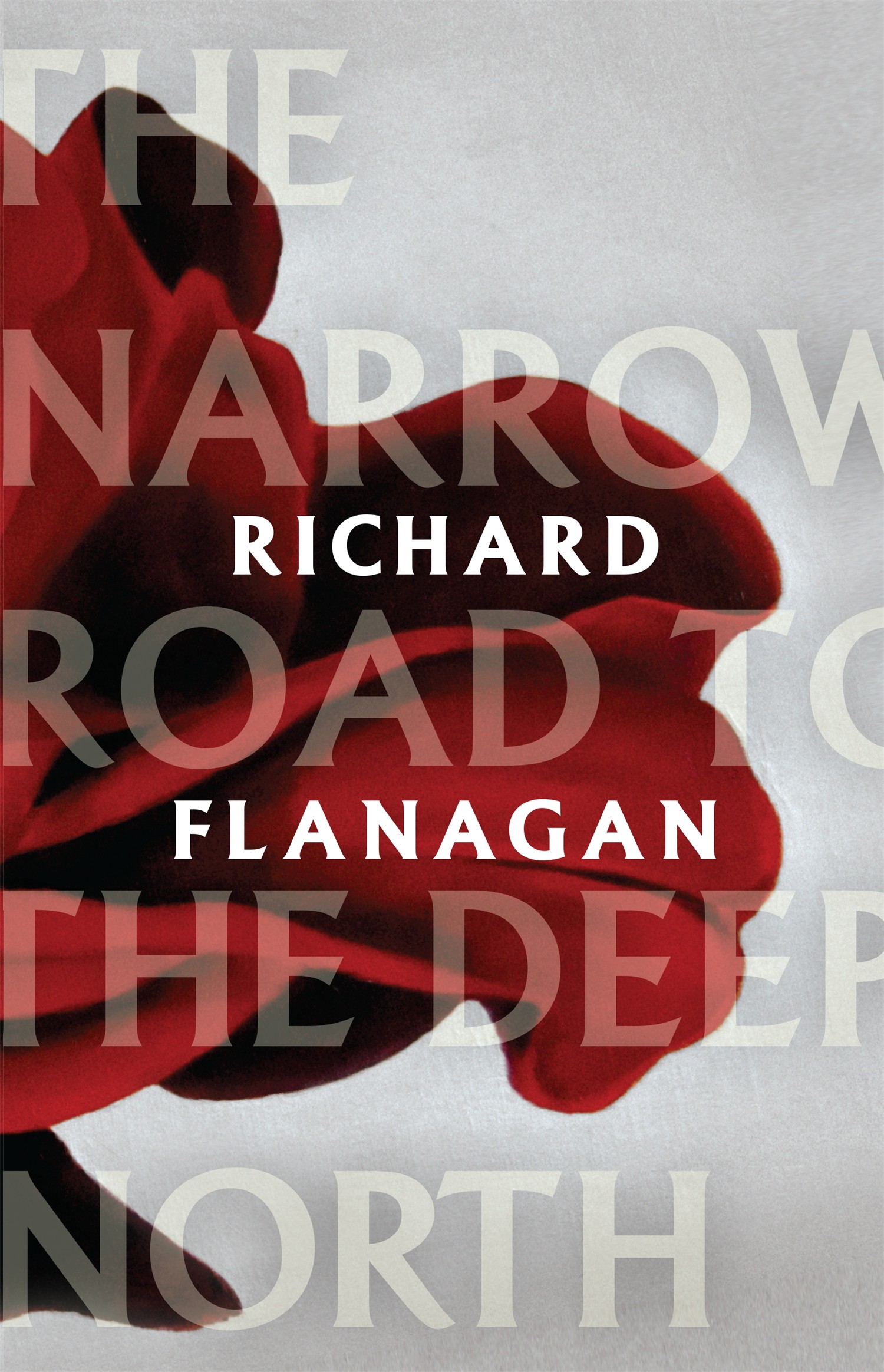
Despite grumblings and fears about the Man Booker Prize opening the gates to Americans, the prize stayed in the Commonwealth. Australian author Richard Flanagan won for his historical novel The Narrow Road to the Deep North. Here is the description from the US publisher, Knopf:
August, 1943. In the despair of a Japanese POW camp on the Thai-Burma Death Railway, Australian surgeon Dorrigo Evans is haunted by his affair with his uncle’s young wife two years earlier. His life is a daily struggle to save the men under his command from starvation, from cholera, from pitiless beatings. Until he receives a letter that will change him forever.
Moving deftly from the POW camp to contemporary Australia, from the experiences of Dorrigo and his comrades to those of the Japanese guards, this savagely beautiful novel tells a story of love, death, and family, exploring the many forms of good and evil, war and truth, guilt and transcendence, as one man comes of age, prospers, only to discover all that he has lost.
The shortlisted books were
To Rise Again at a Decent Hour by Joshua Ferris
The Narrow Road to the Deep North by Richard Flanagan
We Are All Completely Beside Ourselves by Karen Joy Fowler
There are few things more cheering than walking into a familiar bar to meet a good friend. Nothing (except maybe a good chicken soup) has ever been more effective at warming both bones and cockles of the heart, at banishing the deep chill and the early dark of winter, than that anticipation of a few rounds of drinks, a good conversation, warmth and conviviality.
During the twenty years I lived in New York City, I had a handful of favorite bars, among which were a hipster bar (Pete’s Candy Store), a hotel bar (Bemelmans), a secret bar (Angel Share), a neighborhood hangout (Irene’s), and a faraway bar (Ruby’s at Coney Island). Like most people I knew, I felt passionate about and possessive of and proud of knowing these places.
I felt the same about my friends in New York, who were just as carefully selected and highly cherished. Instead of a group of them, I had individual close friends. I preferred to see them all alone, on “dates,” so we could hunker down face to face and really talk.
So, for many years, drinking in bars was a nighttime, one-on-one thing for me, in a favorite place with a favorite person.
So, for many years, drinking in bars was a nighttime, one-on-one thing for me, in a favorite place with a favorite person.
Then, in November 2011, I moved to Portland, Maine with my boyfriend of almost three years, on a sort of wild but solid hunch that it was the right place for us. The year before, we’d been using his family’s farmhouse in the White Mountains as a home base for our frequent travels and had often flown in and out of Portland’s little jetport. We found ourselves falling in love with the old brick buildings in the small downtown; the seagull-bustling wharf; the long gorgeous views over Casco Bay on the East End; and the tree-lined streets of the West End.
So it came to pass that, on an updraft of optimism and faith, we bought a 19th-century brick house in the West End. We moved in as soon as the deed was in our hands, having never spent a night in that town before, knowing no one. On our first night in our old, drafty “new” house, we ate Vietnamese delivery amid stacks of unpacked boxes, sleet beating at the windows.
That first winter, we spent a lot of time alone together in a bar around the corner from us called Local 188. It’s big and airy but cozy, full of couches and comfortable tables, with an open kitchen in the back and a full menu. It was comforting to have other people around us, thronging the couches and tables, greeting one another, but we had yet to find a tribe of our own, or even a friend. Luckily, we love each other’s company, because that’s all we had for months.
When spring came, I signed up for twice-weekly Pilates classes and started volunteering at a women’s soup kitchen. Brendan started going off to write at a café, and every morning, we walked our dog on the trails along Casco Bay, on the East End. We were working hard, writing, keeping our heads down, our noses clean and to the grindstone, elbows to the wheel, etc. All of that was well and good, but every night, it was just the two of us. We kept up frequent correspondences with our old friends, all of whom lived elsewhere, while making a new life for ourselves. But we still had no friends in town.
Finally, in early May, our friend Jami, a Brooklyn novelist who was temporarily homeless, came to live with us for a few weeks. She took stock of our sorry lack of a social life and intervened.
“You need friends,” she said. “I’ll introduce you to my writer friend Ron and his girlfriend, Lisa.”
I’ve always been slightly leery of other writers, as well as friends of friends. I’m afraid they’ll be competitive and/or standoffish, and that I won’t like them as much as I should. But I couldn’t afford to be leery of meeting anyone right now. In fact, I leapt at Jami’s offer like a hungry dog catching a thrown tidbit.
The next night, while Brendan was out of town, Jami and I met Ron and Lisa at Local 188. I liked them instantly. Ron was a novelist and Lisa worked in local politics; they both grew up in a small town north of Portland called Waterville. They were friendly, charming, low-key, smart, and (it must be said) extremely good-looking. The four of us chattered the night away.
Happy as I was to meet them, they were Jami’s friends, not mine. And then, after Jami went back to Brooklyn, Brendan and I spent most of the summer in the White Mountains, writing in his family’s farmhouse, while contractors banged and sanded away in our Portland house.
So that might have been that. But in September, when we were back in town, we got an email from Ron, inviting us to come and meet some of Portland’s other writers at a bar called Sonny’s. Improbably, this was to take place on a Wednesday at the astonishingly early hour of 5:00 pm.
When I lived in New York, I rarely met anyone for a drink earlier than 7:30 (except, of course, for brunch dates.) Dinnertime was generally around 10, so to me, 5 was arguably still lunchtime.
Nonetheless, we accepted Ron’s invitation with gladness in our hearts.
When Wednesday came around, I closed my laptop at 4:30 and walked downtown to Brendan’s café and picked him up from “work.” We walked together around the corner to Sonny’s, which is housed in the former Portland Savings Bank, a high-ceilinged antebellum building on Exchange Street in the Old Port, tucked into a corner of Tommy’s Pocket Park, a tiny European-feeling square where street musicians congregate on benches under the old trees.
It was still light out. Tree leaves rustled in an ocean-scented wind. Seagulls shrieked on updrafts above mansard roofs. The brick of downtown glowed in the sunlight. It felt far too early, too nice out, to duck into a dark bar.
Then we caught sight of Ron with some other people at a big table in the plate glass window in the front. He saw us, too, and waved. In we went, feeling half shy.
We entered through red velvet curtains into a foyer that wouldn’t have been out of place in a Victorian bordello, which I mean in a good way: brocade fainting couch, low-hanging fringed lamps. When the new owner, Jay Villani (who also, coincidentally, owns Local 188), bought the
place in 2000, he took great pains to preserve the old details — exposed brick, vaulted ceilings, tile floors, stained glass windows. The booths and tables were clearly designed to blend in and look as if they’d been there forever. There’s an old bank-vault door high over the bar.
The menu features two of my favorite things, a tamale of the day and an intriguing assortment of original tequila cocktails. The tamales are very good and wholly authentic and only $5 each. For my new favorite cocktail, the Jaycito, house- infused chile tequila (the bar wizard, Christina Klein, also infuses vodka and gin) is shaken with cilantro-infused simple syrup and fresh lime juice, then finished with seltzer. I never order anything besides these two items, even though both the food menu, which is South American- and Mexican-inflected, and the drink menu, which features many great-looking cocktails as well as new world wines and craft beers, are extensive and imaginative. Why branch out when you hit on the perfect thing?
Why branch out when you hit on the perfect thing?
The same goes for a bar. The same goes for friends.
That first Sonny’s night, in addition to Ron, there were Monica and Jessica, both novelists, and Bill and Chris, who run Longfellow, the local indie bookstore, all of whom live in Portland, as well as an old friend of Ron’s from Waterville. We sat around that table until after 8:30. (We would come to appreciate that in Portland, this is late, just as we’d come to appreciate getting home by 9:00 after a big night out on the town.)
Throughout the fall and following winter, Wednesday night at Sonny’s turned into a semi- regular thing. More writers and their spouses were folded in. One night, so many of us showed up that we took over the long table in the back room.
Two years later, Sonny’s nights have become a social regularity. The point is not to get drunk. We all generally have two or maybe even three drinks over the course of an evening, enough to relax us but not enough to send us off our rockers. We’re a warm, convivial, cheery bunch. We laugh a lot and have much to discuss. And this is Maine: We create zero psychodrama — no contentious spats or pissing contests, no factions, backbiting, or bitchiness. We talk shop, commiserate over hardships and setbacks and struggles, congratulate one another on books begun, finished, published, or good reviews, prizes won, and plum assignments.
The thing about Sonny’s itself, and our group of friends in Portland, is that we didn’t choose them. They happened to us, just as we happened to them. But we couldn’t have chosen a better bar or better people. Sometimes life is just lucky.
Our meetings have expanded to cocktail parties at our various houses, smaller dinner parties, individual friendships, and — gasp — occasional meetings at other bars in town. But Sonny’s is still the writers’ bar of Portland, Maine. And it’s always a Sonny’s night in my mind when we all get together, wherever we are.
***
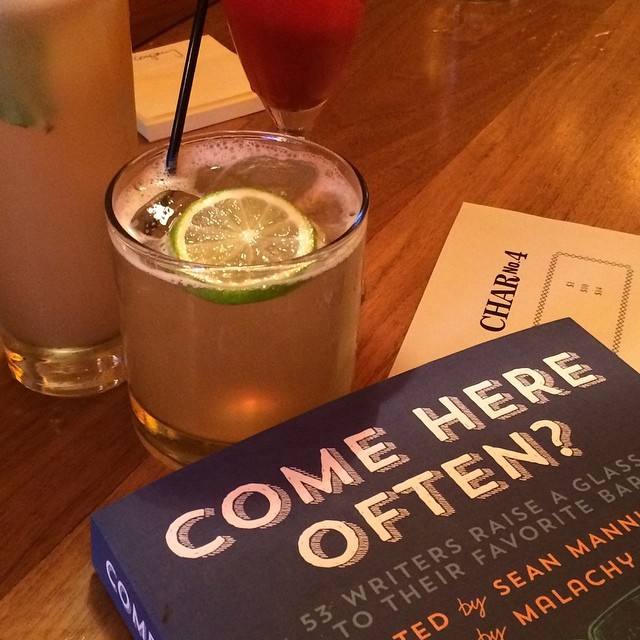
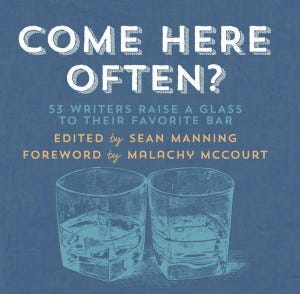
Looking for a bookish and boozy night out in New York this week? Join our partner Black Balloon Publishing as they celebrate the launch of the new anthology, Come Here Often? 53 Writers Raise a Glass to Their Favorite Bar. Tuesday 10/14 from 6:30–9:30pm at Union Pool in Brooklyn. Editor Sean Manning and contributors Elissa Schappell, Mike Albo, and Scott Raab will read their essays. Bring your friends….
Paper cuts, carpal tunnel, compound hangovers, and the mind-numbing effects of a friend’s experimental poetry reading are just some of the occupational hazards that any writer must face. Now we can add “sitting” to that list of potential health risks. Yes: “butt-in-chair,” one of the hallmarks of any writing guide, could actually kill writers.
“The best thing about planning to kill everybody in America is you can begin with anybody in America.”
300 Million revolves around a cop named Flood, tasked with investigating a mass-murderer/cult-leader named Gretch Gravey, who, in turn, is possessed by an evil entity named “Darrel.” Gravey’s cult consists of young burnout metalhead kids that bring him victims to rape, murder, and dismember. Flood goes/was crazy while/before reading Gravey’s diary but there’s the possibility that the diary maybe never existed, that maybe even the officers and kids providing the footnotes never existed. The utilization of footnotes and odd passages of pseudo-dialogue play in the same vein as House of Leaves, where the metaphysical imbues a sense of creepiness alongside masterful fourth-wall breaking.
I am fascinated by what makes this book speak to me. In equal measure, I feel like I loved and hated it while loving the parts that I hated because they felt like an important part of the whole, like they had to exist in order that what I loved might exist. 300 Million feels new and unique in the way it’s trying to tell you something that shouldn’t be told; however, it’s that same manner that becomes at times completely exhausting. Reading it for long stretches of time while standing up in my kitchen with my laptop on the counter, my eyes would glaze over after a few lines and I’d feel like I was receiving a transmission, rather than reading a book. But that’s not a bad thing; in fact that’s what I liked most about 300 Million. Every word means precisely what it feels like it means, instinctually. When it washes over the reader, one can get in touch with the little voice that communicates via colors and feelings rather than words.
I felt similarly about Butler’s previous work. Scorch Atlas was intense and incisive; Sky Saw was obtuse and mesmerizing. Both books, however, were difficult and thin on plot. Whether things like plot are necessary to a work of fiction is a big topic, and I tend to weigh in, delicately balanced, on the fence. A work should be judged on what it is and what it’s trying to be (or at least what the reader perceives it is trying to be) and as such I’m going to go out on a limb and say that this is a book about language, that in fact most of Butler’s work is about language, and the characters, the themes, all of those things are in service to the words and not the other way around.
Therefore, this is a gutsy work because the success of the whole hinges on the effectiveness with which the words are arranged on the page on a nearly word-by-word (or perhaps sentence-by-sentence) basis, and gutsier still because Butler infrequently arranges them in a stereotypically beautiful order.
When the sentences work, they do so with an alarming, ugly force:
“I was snowing like a crematorium on fire in the stem of August all throughout me.”
Or:
“Their dreams in absence of individual mobility rasped whiter than white was when I understood what white was.”
Both of these lines reveal something underneath the surface of our waking minds. Don’t follow it literally. What does “snowing” bring to mind? What do “crematorium on fire”? What does “stem” mean? And “August”?
What about “me”?
That second sentence, I can’t even put into words how much I love it. It so encapsulates the feeling one gets (through drugs or just life) how much more clearthings are beyond the burdensome mechanics of our mundane chemicals, how there’s always another level hovering and waiting patiently just over the one in which we typically reside. Both of these sentences are so intensely good that you have to go back and count the syllables.
Then there are lines like this:
“…the chest flesh is rendered from the sternum with an apparatus and taken into the self in part of self becoming and then taken off of those with scalpels or teeth themselves…”
The line employs the same spirit, but for some reason just doesn’t work for me. The fascination with the mechanical workings of the body, while a good contrast to the deep-brain of the other half of the book, fails to bring me in. Also, once “taken into self in part of self becoming,” appears, my brain begins to trip and stutter, and I lose my footing. Taken as a whole, again, this is something that I really enjoy. I like the fact that I was both awoken and shaken. But in the line by line, minute to minute action of reading the book, too many lines like this can become a chore, can make you wonder just what it is you’re doing in the first place.
Also, there are plenty of death metal sentences, such as:
“In total death, at last, all bodies appeared stacked up neck-high across the landscape, dead as fuck.”
Passages move from twisting, philosophical transcendence to Ren & Stimpy style depictions of bodily functions (I didn’t search for “barf” or “butts,” but those words are in there); or, in the case of the above line, a kind of willful shedding of pretense. I love the idea of this symbiosis between the high and the low, this seeming irreverence for whether such things as “high” or “low” even exist.
Though some lines work and some lines don’t, these are sentences that live or die based on rules the novel created for itself. Even now, looking back over what I’ve written, I’m having trouble putting my finger on what I liked or didn’t like about the good or bad lines, or if it really matters.
The overwhelming sentiment upon finishing the novel is that Butler has created a language all his own. The rhythm is that of an incantation. You’ll go from geometric patterns to descriptions of semen to a philosophical reflection on white space. All of this works in the kind-of fractal pattern you’d experience while under the influence of a psychedelic. The way everything tumbles into itself is at the heart of what I had mentioned earlier, the way with which the language felt by turns torturous and merciful. There are times where you get a whole novel’s worth of feeling and sickness within a single sentence.
I think a lot about how books can best separate themselves from movies and music, as entertainment. This is the answer. 300 Million stands as an entity constructed purely by language, a sledgehammer if a sledgehammer were something more slippery. There are a lot of scenes in the book where characters laugh but no sound exists to accompany the gesture. Tapes are played and, yet again, there is no sound. No sound in a voice. No sound on tape. No sound in a room. No sound: The cult leader, this Gravey guy, or rather Darrel, is a virus, aforce of nature, and he exists only in the language Butler has concocted. The characters hear nothing on the tapes and the videos because it’s all drained into the thing that’s right in your face. The whole time, never blinking. Not even once.
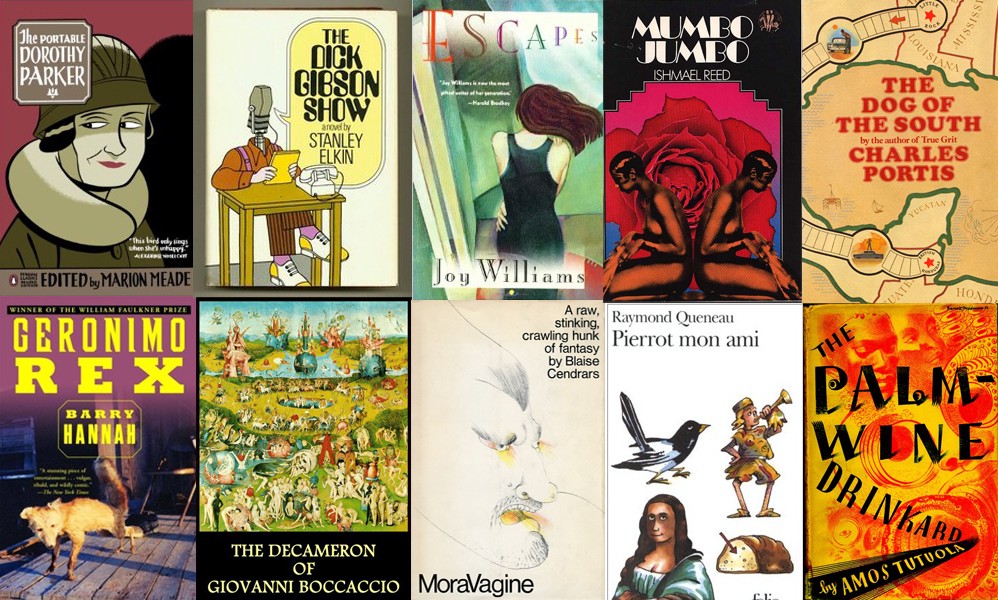
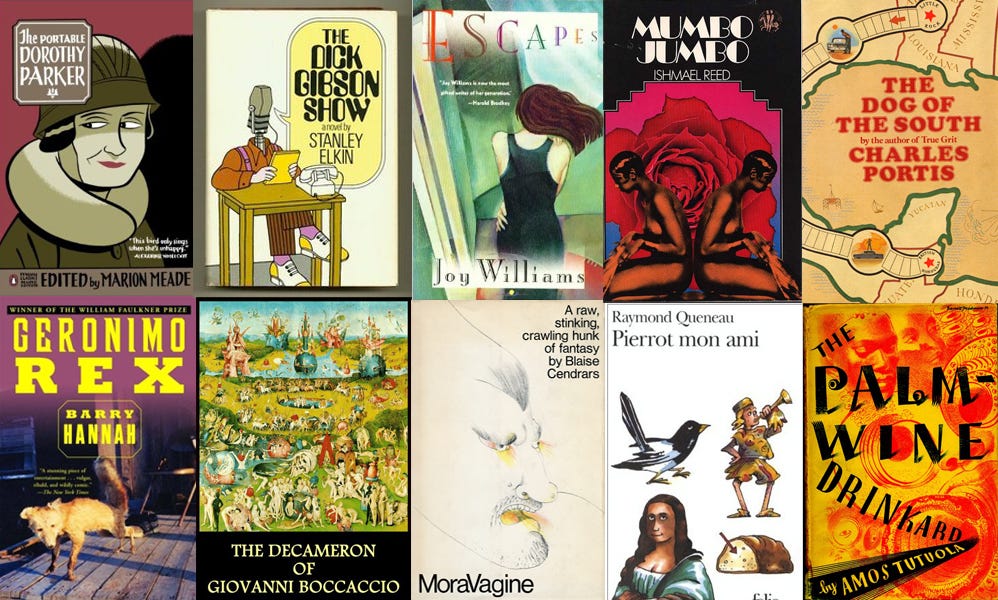
What are the funniest books ever written? The answers always seem to be the same: Catch-22, A Confederacy of Dunces, and maybe Fear and Loathing in Las Vegas. In a way, these are the funniest books. They’re certainly among the cleverest books, their setup-and-punchline jokiness most closely resembling the type of humor we appreciate in today’s sitcoms and stand-up. However, I would like to suggest that there are subtler modes of humor available as well — books whose humor is not always derived from the spasms of individual jokes but also from a slow accumulation of ideosyncracy. I’ve come to think of them as books that are “holistically” funny, if that makes any sense. They do indeed have healing powers. Ten are listed below.
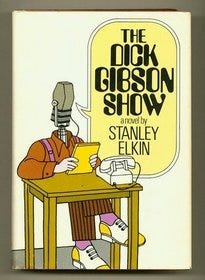
1. The Dick Gibson Show — Stanley Elkin
This is the best book ever written about radio, and its wit, out-of-this-world language, and sense of wonder are a match for the best of that medium. The climactic debate on an all-night talk show is enough to crack up even the sourest of insomniacs.
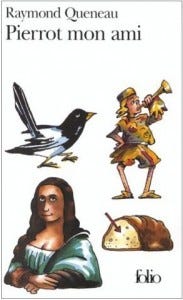
2. Pierrot Mon Ami — Raymond Queneau
The most underrated member of the Oulipo group, Raymond Queneau writes like a sunnier James Joyce. Follow Pierrot, a 28-year-old sometime carnival worker, in his hilarious search for love, adventure, and the meaning of life in rural France.
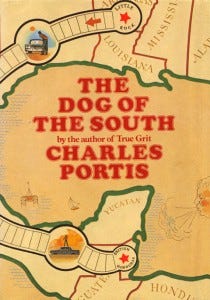
3. Dog of the South — Charles Portis
Although Charles Portis has reentered the public consciousness via the Coen Brothers’ adaptation of True Grit, this, his best book, remains largely unread. In Dog of the South, Portis enters the mind of Ray Midge as he pursues his wife and the man she’s run away with from the South to Central America. The lyricism is natural enough that you won’t even notice it.
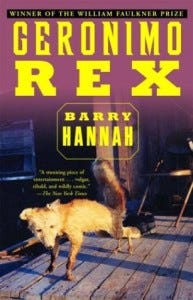
4. Geronimo Rex — Barry Hannah
I am the rare creature who prefers Barry Hannah’s novels to his short stories. While some of Hannah’s short stories seem like the work of Donald Barthelme with Southernness applied to them, he’s a better long-form world-builder than most people give him credit for. This coming-of-age novel showcases that to perfection.
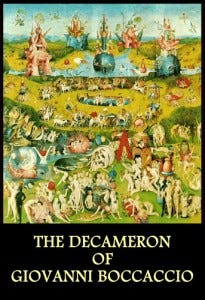
5. The Decameron — Giovanni Boccaccio
What would you do in medieval Venice as plague ravages the land? As it turns out, you would probably bone anything and everything, even corpses! These one hundred hilarious stories form a bridge between earlier folkloric collections and the personal prose fiction that would emerge in future centuries.
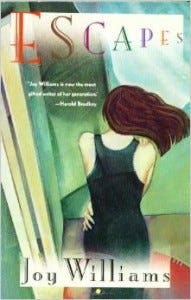
6. Escapes — Joy Williams
Comedy is a cousin to terror, and Joy Williams uses that fact to great effect in her 1990 short story collection. Though her characters are often menaced by death and desertion, they react to these threats with language of childlike originality. One cannot help but laugh.
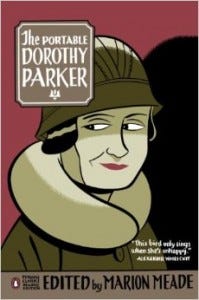
7. The Portable Dorothy Parker — Dorothy Parker
The only true humorist on the list, Dorothy Parker has the comedian’s gift for seeing the worst in people. Though her light verse is now a bit dated, her eagle-eyed, acid-tongued fiction did as much to establish the aesthetics of the New Yorker short story as the work of J. D. Salinger.
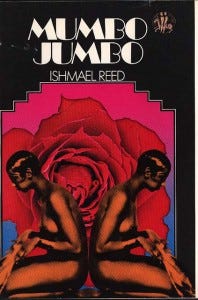
8. Mumbo Jumbo — Ishmael Reed
This is the only novel I’ve ever read that featured an ancient Egyptian rock and roll band. They aren’t very good, but nobody can throw tomatoes at them, because there were no tomatoes in ancient Egypt.
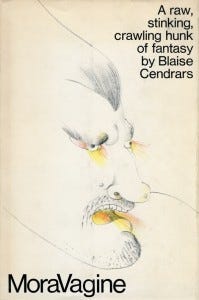
9. Moravagine — Blaise Cendrars
If you like your comedy black, you could hardly do better than French poet Blaise Cendrars’s novel about a dwarfish, globe-trotting serial killer. The depravity and madcap antics are enough to bend the mind, with occasional moments of genuine beauty and emotion making this novel all the more strange.
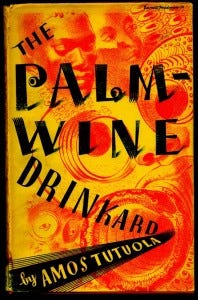
10. The Palm-Wine Drinkard — Amos Tutuola
Post-colonial literature is not typically known for its comedy, but The Palm-Wine Drinkard is simply hilarious. Amos Tutuola has a personal understanding of English usage, but that’s all just part of the fun. Like the Decameron, this novel also blends folklore and a personal sense of style.
George R. R. Martin’s A Song of Ice and Fire isn’t native advertising for Sparkling ICE and Fireball Cinnamon Whiskey… but a brand manager can dream.
The Grapes of Wrath is one of the most powerful novels about the Great Depression, and Welch’s is one of the most powerful brands in grape juice. Can’t we put 2 and 2 together?
I read Moby-Dick hoping to find great native advertising for whale watching trips and was disappointed to find Mr. Melville threw away an opportunity.
Joan Didion’s The White Album doesn’t really have anything to do with the Beatles or a wedding albums supplier, but what if Joan Didion only only wrote essays about brands? Wouldn’t those brands be that much more fascinating?
Edgar Allan Poe once famously said, “Quoth the Raven, nevermore!” Each Sunday Baltimore Ravens fans cheer, “Go Ravens!” Historians will debate which phrase is more viral, but people who love the power of telling stories through brands will never think of one without the other.
On the surface, A Portrait of the Artist as a Young Man has nothing to do with photo messaging start-up apps, but isn’t James Joyce’s lyrical language the perfect brand building tool for Snapchat?
Just throwing this out there, but would anything be taken away from the ending of Kate Chopin’s The Awakening if the author devoted a page to the ten hottest two-piece bathing suits on sale at Walmart?
Chipotle recently published content by Jonathan Safran Foer and Toni Morrison, who won the Nobel Prize for content in 1993! If you are a content producer, you have to ask yourself: is there any open patch of un-contented space that I could content up with enough branded content that we are all of us — every single brand, consumer, and content-producer in the whole wide world — content?
DON’T MISS OUT
Sign up for our newsletter to get submission announcements and stay on top of our best work.
YOUR INBOX IS LIT
Enjoy strange, diverting work from The Commuter on Mondays, absorbing fiction from Recommended Reading on Wednesdays, and a roundup of our best work of the week on Fridays. Personalize your subscription preferences here.