Reading Lists
The Gothic Is a Gateway to Literature’s Most Enduring Themes
The best books in the genre are haunted by the unbearable truth at the heart of empires
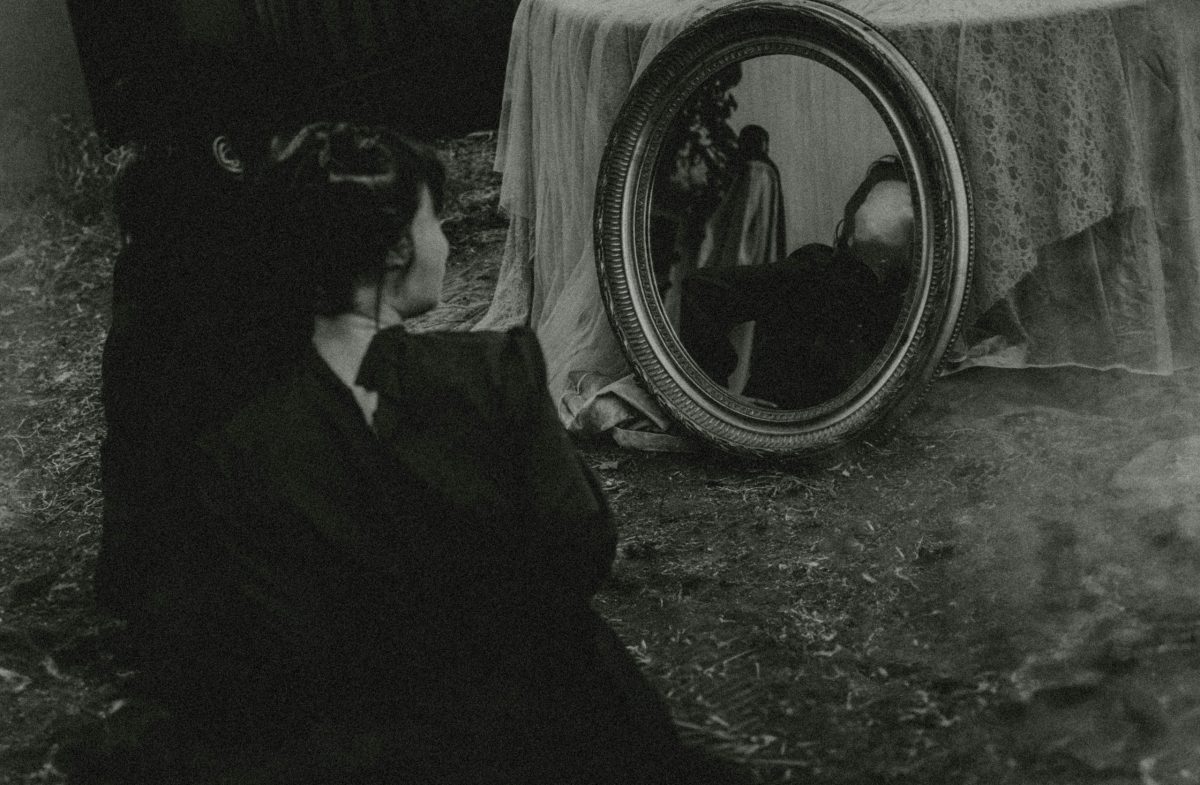
The Gothic is a genre with recognizable tropes: witches and vampires, haunted houses and cobwebby tombs. It’s eerie, it’s morbid, it’s campy and over the top. When I was writing my novel Immersions, based on the fairy tale “Bluebeard,” I wanted to write into this Gothic tradition, so I included a big creepy house, a mysterious older man, and a sister who disappeared.
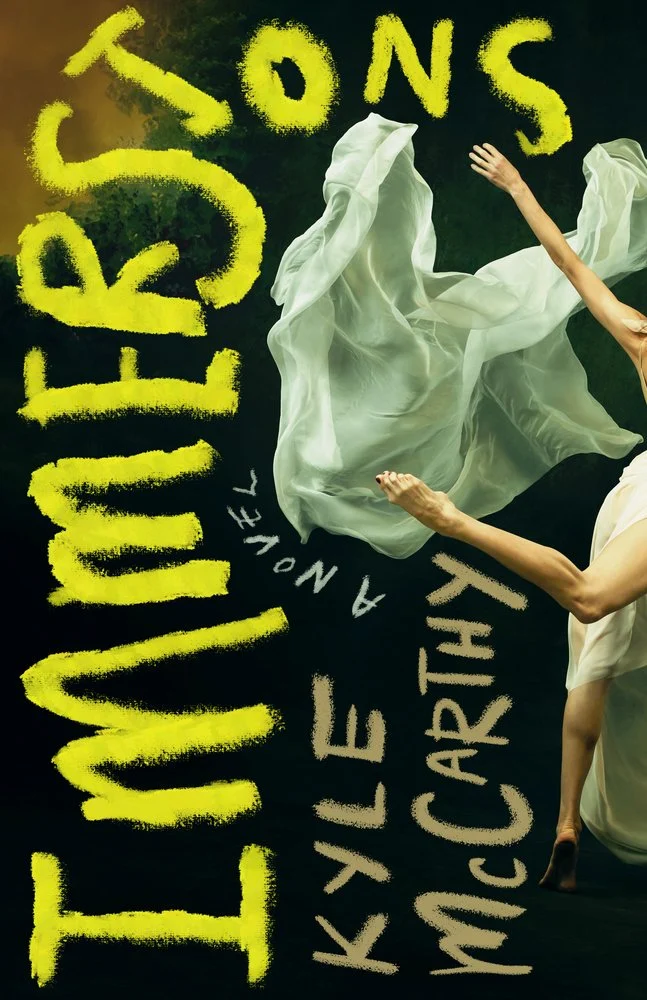
In early drafts, I kept escalating these elements, making the disappearance more mysterious, the house more menacing. I worried that if my novel wasn’t melodramatic and shocking enough, it wouldn’t count as Gothic. But in my reading life, I was beginning to see that a novel didn’t need a bombshell revelation to count as Gothic. In fact, a subtle, pervasive Gothic-ness occurs in all kinds of novels: lyric, realist, and satirical. These novels don’t have literal ghosts, but they do have hauntings, doubles, and uncanny inklings. They understand that, even absent its overt props and set pieces, there is something in the Gothic and its ability to convey the consequences of repression that makes it essential for engaging with some of literature’s greatest themes: knowledge, history, the return of the past.
What’s more, through my reading I began to see that the Gothic is not only the terrain of personal terrors. Historical atrocities live there, too. Even in 19th century British classics, the Gothic is used to express the racism, sexism and colonialism we’d rather not see, the painful history—and present—we’d like to keep locked in the attic. Jane Eyre’s Rochester, who makes a fortune from the enslaved laborers on Caribbean sugar plantations, has a mad first wife in the attic—a symbol not only of his troubled romantic past, but the corruption and violence at the root of his fortune.
The haunting at the heart of the Gothic is the unbearable truth at the heart of empires: they rest on slavery and genocides, land theft and resource extraction. The lords and ladies in English manors and Southern plantations would prefer not to think too deeply upon this. But the violent truth insists. Repressed, submerged, it bubbles up in Gothic form.
Beloved by Toni Morrison
That Beloved is a Gothic novel is a fact both obvious and ignored. Nearly 40 years after its publication, Toni Morrison’s masterpiece has the status of a classic, something too revered to dwell in the lowly realm of genre. Yet to tell the story of Sethe, a formerly enslaved woman, and her anguished decision to save her baby from slavery, Morrison employs a haunted house and a baby ghost; there are uncanny doubles and inexplicable magic. On the surface, the novel is about Sethe’s individual grief, but Beloved is more broadly about what slavery does to people. The house and the ghost are not only symbols of a specific murdered baby and a specific anguished psyche, but manifestations of our damaged nation. With its bold reckonings, Beloved asks us to take the Gothic seriously.
White is for Witching by Helen Oyeyemi
Helen Oyeyemi’s White is for Witching, which takes place in a house that forcibly ejects anyone non-white, is bracingly political. This racist house has been occupied by four generations of the Silver family, who are all white. The last woman in this line, Miranda, falls in love with a Black woman, Ore. When she brings her home, the house begins to torment Ore, who eventually flees, forcing Miranda to reckon with her hateful matriarchal home—and herself. Here, whiteness is a troubled, even self-destructive state. Miranda wants to believe she does not bear direct responsibility for the crimes of her home. But knowledge, insidious, imperfectly ignored—that is to say, Gothic—insists otherwise.
Wide Sargasso Sea by Jean Rhys
Rhys published Wide Sargasso Sea, her feminist, post-colonialist prequel to Jane Eyre, after nine years of labor and 27 years of literary silence. It tells the story of Antoinette Cosway, a young white Creole woman in Dominica whose family is pushed into poverty after the end of slavery. Her opportunistic marriage to Mr. Rochester, meant to save her family from destitution, brings misery to all. He disdains her Creole identity; she mocks how poorly he understands the people and land around him. Rhys’ prose is lush, dark, and gorgeous. By giving literature’s famed “madwoman in the attic” a (new) name and a voice, Rhys showed that behind every fearsome Gothic monster is a wounded child bearing the mark of difference. Wide Sargasso Sea takes the subtle colonial critique of Jane Eyre and makes it explicit.
Yellowface by R.F. Kuang
After the death of her more talented, successful friend Athena Liu, June Hayward, a young white writer, steals Athena’s work and passes it off as her own. A withering satire of cultural appropriation and a bravura channeling of white grievance and entitlement, Yellowface is also a stealth Gothic novel. As June’s guilt and anxiety mounts, she begins to see Athena’s double everywhere, and starts chasing Asian women down on the street before admitting that they look “nothing like” Athena. At the novel’s climax, June finds herself alone on the “Exorcist steps” of Georgetown’s campus, screaming her confession into the cold dark night, convinced she is communing with a ghost.
Stone Yard Devotional by Charlotte Wood
First published in Australia in 2023, this novel centers on an unnamed white protagonist who has devoted her life to do-gooder causes. Tired and shaken after a divorce and the death of her mother, she makes her way to a convent. Though she’s secular, she finds herself drawn to the rituals of prayer and communal living, and soon a brief retreat becomes a permanent living situation. But the convent proves anything but quiet. A plague of mice reaches foul proportions and the bones of a murdered young nun return to the convent’s care. Finally, a woman whom the narrator teased horribly when they were both children comes to stay. In other words, the mess and violence of the world arrives. There is no peace. But unlike most Gothic heroines, the narrator of Stone Yard does not panic. In Morning Prayer one day, flooded with strange heat, she thinks, “This is either a ghost, or it is God.” Here, the divine and the Gothic touch.
Hamnet by Maggie O’Farrell
This novel (and now movie), which portrays the brief life and untimely death of Shakespeare’s only son, is a weeper, more likely to make you cry than cower. But O’Farrell sprinkles the Gothic throughout: Agnes, Shakespeare’s wife, can read the future in the stretch of skin between one’s thumb and forefinger; her work with herbs earns her the reputation of witch. And at a key moment, the doomed young boy at Hamnet’s center performs a bit of Gothic magic, tricking Death into taking him, rather than his ill sister. Rolling her aside, he implores Death to “turn away . . . close your eyes,” before thinking that, if only one of them can live, it must be her. “He wills it . . . He, Hamnet, decrees it. It shall be.” Though the boy is only a small child, vulnerable to his grandfather’s fists and his father’s absences, he finds agency in the Gothic realm.
Lolly Willowes by Sylvia Townsend Warner
For those with courage, the Gothic world can offer surprising power. Nowhere is this more splendidly demonstrated than in this 1926 novel, which tacitly argues that to secure her freedom, a woman must become a witch. For 20 years, spinster Laura Willowes has been treated like doting “Aunt Lolly” by her family. But then she becomes moody. Visiting church graveyards, wandering by the river, she courts “loneliness, dreariness . . . a kind of ungodly hallowness.” Soon she is buying extravagant bouquets of chrysanthemums, then a house in the countryside. One day, she finds a small black cat in her kitchen, and understands that she has metamorphosed into a witch. In a long final speech to the Devil, she explains that she became a witch not to perform mischief, but “to have a life of [her] own.” For Laura—and countless others, dispossessed and delegitimized—what has been hidden is knowledge of their own power. In the Gothic, they can seize it.