Books & Culture
The Rights of Forgotten Books

European Court upholds French authors right to disappear
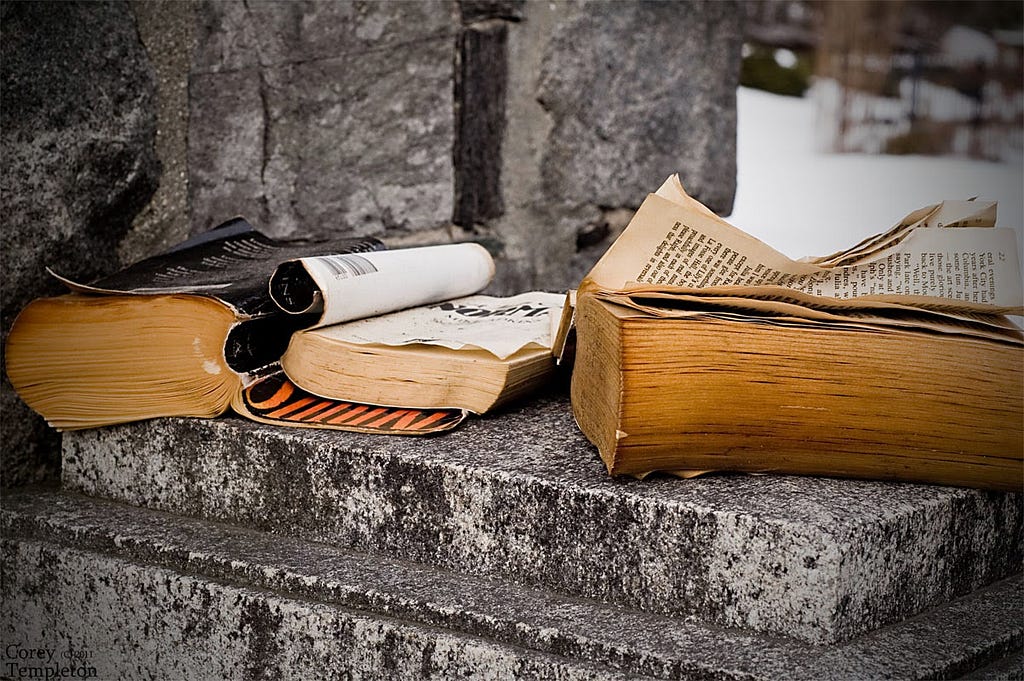
With its ruling yesterday, the European Court of Justice has granted authors the right to have their books forgotten. The conflict started with the formation of a French governmental organization called SOFIA (la Société Française des Intérêts des Auteurs de l’écrit), an institutional body tasked with collecting works of literature that were published before January 1st 2001 and are no longer commercially distributed, published, or available online, for reproduction and marketing in a digital format. The suit’s plaintiffs, two unnamed French authors, asserted the ordinance violated the EU’s copyright directive because the collection practice did not provide writers of “forgotten” books with sufficient recourse to control their work.
To avoid an extensive diversion into the practice of European courts of last resort and civil versus common law structures: it worked. Basically, these texts cannot be repurposed without the writers’ consent. Or, as the Court of Justice put it, authors retain the rights to a book’s “resurrection.” (Very Gallic.)
For some, this might seem akin to various other “right to be forgotten” cases in Europe (and Argentina) that have been gaining momentum over the last decade. However, that burgeoning movement is about the proactive efforts of individuals to expunge themselves from privately controlled information databases (i.e. Google). This was more an issue of artistic control and the autonomy of created work within a governmental framework.
While the wider ranging implications of the case will remain unclear for some time, it’s worth remembering that the definition of “forgotten” is a constructed, and fluid, concept, open to institutional definition. Without this ruling, writers’ autonomy would be at the mercy of commercial whim and circumstance, leaving their art vulnerable to cooption and cannibalization. This is not to bemoan the French effort with SOFIA, an endeavor the European Court of Justice deemed of significant “cultural interest.” However, by securing the right for their books to be forgotten, writers are claiming the terms of their works’ remembrance.
So, in sum, if you’re an artist looking to disappear from the face of the earth, you could do worse than France. The courts will back you, anyway.