news
Elena Ferrante Explains Why She Publishes Anonymously: “Books, Once They Are Written, Have No Need…
E
Hemingway did beer advertisements. Virginia Woolf spent a day puttering around London’s fashion houses for a spread in British Vogue. Legions of writers have held forth on Oprah Winfrey’s couch or Jon Stewart’s interviewee chair. But not Elena Ferrante, the pseudonymous Italian writer whom the NYTRB called “one of the greatest novelists of our time,” but who, since her first book was published in 1992, has clung stalwartly to her anonymity.
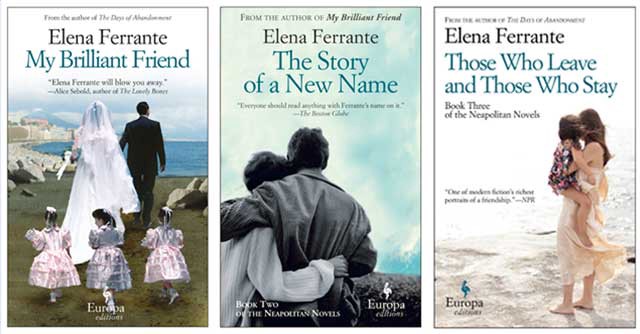
With the fourth and last of her acclaimed Neapolitan Novels due for release this September, Ferrante fever is at an all-time high. The jury remains hopelessly out on the author’s true identity, but, in a brilliant feat of anti-publicity publicity, Ferrante’s publisher Europa has released a letter to the London Review of Books written by the author in 1991 — prior to the publication of her debut novel Troubling Love — explaining her choice to shun the limelight.
Ferrante tells her publisher, Sandra Ozzola, that she will not do any publicity: “I’ve already done enough for this long story: I wrote it. If the book is worth anything, that should be sufficient.” She elaborates:
To explain all the reasons for my decision, is, as you know, hard for me. I will only tell you that it’s a small bet with myself, with my convictions. I believe that books, once they are written, have no need of their authors. If they have something to say, they will sooner or later find readers; if not, they won’t.
Tough luck for those kept up at night by Ferrante’s elusiveness. But in an age when the publicity campaigns for highly anticipated novels routinely reach onslaught proportions, and Man Booker Prize nominated novels boast their own Twitter accounts, it’s refreshing to see a writer committed to dodging the bandwagon at every turn.
You can read the entire letter on the Bookshop blog of the London Review of Books.