Reading Lists
Essential Witchy Reads, Recommended by a Witch
Lindsay Merbaum’s syllabus for anyone curious about magic, feminist resistance, spiritual power, and the literature of the occult
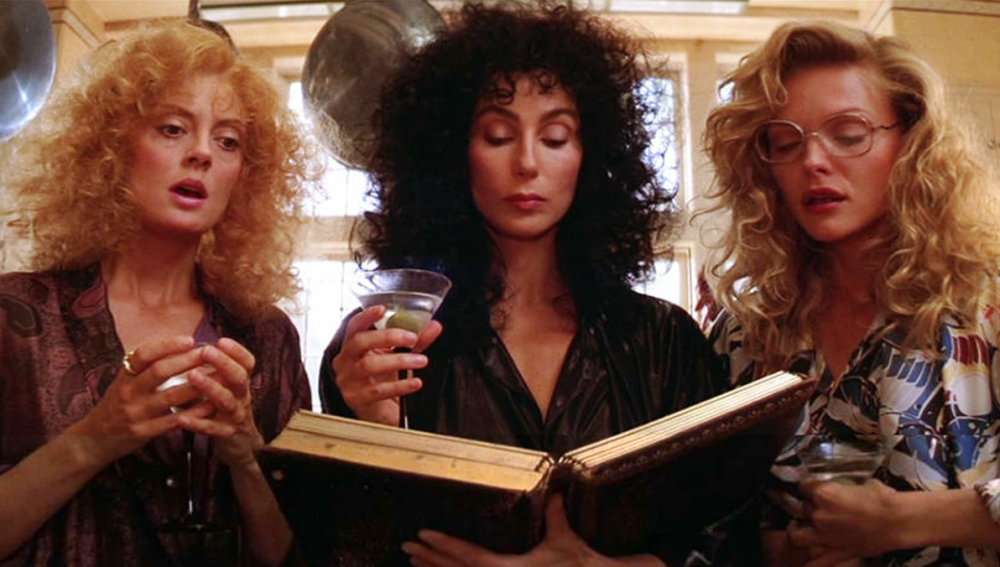
I am a witch. A kitchen witch, specifically, meaning I make messes into magic and brew potions. Yes, you can drink them. I suppose I’ve always been a witch, but I didn’t embrace that part of myself until about 10 years ago. What happened was I went through some fresh yet familiar trauma, started my life over, found love again, and with it, magic. The inclinations that I’d dismissed, the mythologies I’d thought of in only an academic sense, began to impress themselves upon me. To call me. So, like any good writer or student, I picked up some books on witchcraft. But my initial finds were lackluster, pedestrian. Contextless spells and rootless folklore, presented without acknowledgement of what had been lost in translation. What is modern witchcraft and where did it come from? I wanted to know.
First, I uncovered a host of misinformation. For example, the myth of the Burning Times—the idea that actual witches were murdered during the witch trials. (In fact, most victims sentenced to death were hanged, not burned.) The theory was popularized by Margaret Murray, author of The Witch Cult in Western Europe, published in 1921. Murray accepted the testimonies of accused witches as statements of fact, arguing these confessions were valid and not actually extracted under torture, which they definitely were.
I learned many modern, widespread witchy practices derive from Wicca, a religion founded by Gerald Gardner, who was heavily influenced by Murray’s work and himself claimed to have uncovered an ancient goddess cult that remained underground during the Christianizing period. A living relic, in other words. Murray wrote the introduction to Gardner’s 1954 book Witchcraft Today.
Gardner was also partially inspired by the infamous Aleister Crowley, who didn’t treat women very well, among others. Much of his work would today be considered cultural appropriation.
Crowley published The Book of the Law, in which appears the famous phrase, “Do what thou wilt shall be the whole of the law,” meaning be true to your will and your purpose. The book became the cornerstone of Thelema, a composite religion focused on self-actualization, which Crowley founded in the early 1900s. Thelema still has a small number of followers today.
Fun fact: Crowley is the one who replaced the “c” in magic with a “k.”
Understanding this history became even more vital once I started the Study Coven, an independent study series for witchy women writers, where I’ve taught classes on witches in literature. My search for texts for the coven brought me to contemporary witches’ memoirs like Initiated by Amanda Yates Garica and hybrid texts like Ariel Gore’s We Were Witches or Pam Grossman’s Waking the Witch, which is both personal and informative. Now my reads were speaking to each other about goddesses, assault, abuse, sex work, and awakening your own power. My students and I culled wisdom from these witches’ stories and insights. For one class, Writing through Ritual, I crafted a syllabus full of writing exercises paired with spells, most of them originals.
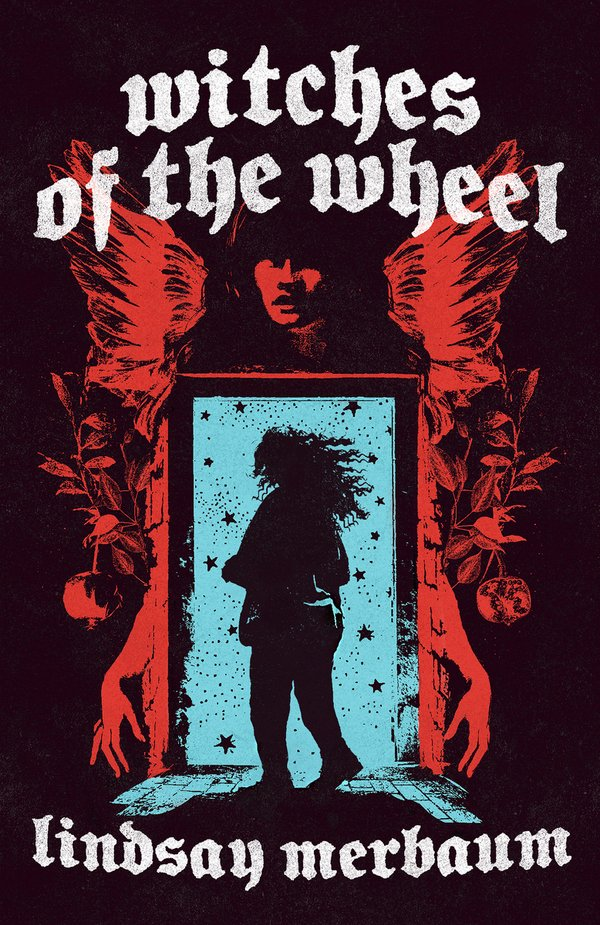
In the years I’ve been leading the Study Coven, I’ve authored three strange books, including a just-released novel, Witches of the Wheel. It took me around eight years to complete this book. The first drafts were written intuitively, like spellwork, and they were a mess. I was trying to convey something about the experience of magic, and the weight of the divine presence. I wanted to infuse the story itself with power but I had no idea how. It was only through repeated revision, accompanied by intense interrogation of the manuscript, that the book managed to become what it is today.
Witches of The Wheel follows Gold, a young woman who can see spirits. After her mother dies and she flees her home, Gold stumbles upon a job at a secret, magical queer bar where there’s never a line for the bathroom and the bottles refill themselves. The bar is also the meeting place for a local coven Gold wants to join. But before she can find her place, she has to contend with an ancient goddess pursuing her, a volatile being with the will to destroy.
Here you’ll find a curated list of must-reads for witches. These books have been selected to inspire and educate you, as well as entertain. Together, they do not represent the complete library of witchery. That would be too much for one list. Instead, think of this as the reading for Witches 101.
I hope you enjoy this collection. And I hope you’ll find your way to Witches of the Wheel too, particularly if you’re curious about your own powers.
Goddess speed!
The Conjuring of America by Lindsey Stewart
Combining ancestral beliefs with local herbal rituals and remedies, enslaved conjure women employed their magic to midwife babies and effectively address illness. In the process, they passed down vital knowledge and created cures we still rely on today. All this history and more can be found in the pages of The Conjuring of America. This captivating read relies on mythology, meticulous research, and firsthand accounts from enslaved people in order to make a convincing case for the varied influences of conjure in America.
Bunny by Mona Awad
Samatha Mackey is trapped in a top-tier MFA program, a gentrified oasis in a struggling city. Sam’s peers are a clique of squealing, glittery girl-boss white feminists who like to etch poems on glass and call each other “Bunny.” When the Bunnies’ disdain turns into an invitation to join their girl group, Sam finds the pull of their wealth and splendor too much to resist, even as she risks losing Ava, her one true friend. This novel offers a deftly executed exploration of loneliness and aloneness. Also, you’ve never seen witches like this! And there’s a sequel.
Witches, Midwives, and Nurses by Barbara Ehrenreich and Deirdre English
Witches, Midwives, and Nurses offers a look at the inherent corruption of the medical establishment and its roots in the persecution of women, particularly as witches. The authors explore how female practitioners were discounted and pushed out of medicine so that men could profit from controlling women’s bodies. First published by the Feminist Press in 1973, Witches, Midwives, and Nurses was groundbreaking in its time, and the latest edition still resonates today in a post-Roe world.
The Manningtree Witches by AK Blakemore
After their village falls under the spell of a mysterious and aloof witch hunter called Matthew Hopkins (based on a real figure!), young Rebecca and her surly, hard-drinking mother find themselves accused of witchcraft. Ravaged by civil war and hunger, the community is ripe for hysteria and eager for scapegoats to heap blame upon for their misfortunes—and poor, unattached women are the perfect targets. Expertly conjured, The Manningtree Witches is based on historical fact. It’s also written by a fantastic poet and it shows.
Initiated by Amanda Yates Garcia
This memoir is an underworld odyssey of self-discovery through sex work, poverty, demon love, travel, adventure, and magic. Let the author lead you, and find out how she became the Oracle of LA. This is another one that’s rife with wisdom like: “Witches use magic to compost suffering into something nourishing, something that brings the world around us to life.”
Rootwork by Tracy Cross
The first book in Cross’s The Conjure Series, Rootwork follows three young sisters sent to their Aunt Teddy’s in Louisiana for the summer. The year is 1889. A matriarch, Aunt Teddy instructs the children in hoodoo and hard life lessons. The girls revel in their newfound freedom, until tragedy strikes. A story of love, revenge, and magic, Rootwork powerfully blends historical fiction, folklore, and horror.
Waking the Witch by Pam Grossman
An essential overview of modern witchcraft with a bit of memoir mixed in, Waking the Witch examines witchy pop culture archetypes, fairy tales, horror films, and more. It’s chock full of fascinating facts from witch history, including information on figures like Victoria Woodhull, an advocate for free love and the first woman to run for US president; the abolitionist feminists who talked to ghosts, aka the Spiritualists; the influence of The Wizard of Oz, and so much more.
We Were Witches by Ariel Gore
A young mother and burgeoning witch named Ariel struggles to get an education, find herself as a writer, manage her mental health, and take care of her daughter, while also making ends meet. A brilliantly original book, We Were Witches bends genres and subverts expectations, challenging our assumptions about identity as much as story. This book is full of wisdom like: “Maybe what shame needs to stay alive is the consent of the shamed.” Seriously, reading this might change your life, witches.
Witches of America by Alex Mar
This memoir is rooted in the author’s study of the occult for the sake of a documentary film. Though skeptical about paganism and witchcraft, Mar immerses herself in magic, participating in different groups’ rituals, and even taking on an apprentice role. Ultimately, the reader is spurred on by a desire to know if Mar can overcome her skepticism and embrace herself as a witch. Unsurprisingly, this memoir caused some controversy regarding which information the author chose to reveal about her subjects, and also how they were portrayed generally. Mar’s story will resonate with those who are new to witchcraft and still finding their way, or who feel hopelessly mired in skepticism.
She Would be King by Wayétu Moore
In this novel, a mysterious power draws three extraordinary people together: June is bullet-proof and possesses superhuman strength; Norman may under certain circumstances disappear into thin air; and a cursed “witch” Gbessa cannot die because she embodies the power of life. The story journeys to Virginia, Jamaica, and finally the colony of Monrovia, culminating in the foundation of the nation of Liberia. She Would Be King poses questions about freedom in a racist, Christianized world. Here, the witch is powerful, but also an outcast, a sober reminder of those still punished or even executed for witchcraft today.
Witches, Sluts, Feminists by Kristen J Sollee
The title says it all! Sollee examines the portrayal of the witch in art, media, literature, pop culture, and politics, outlining how women have been persecuted for the appearance of witchiness, and also how a resistance formed against such persecution.Through extensive research and interviews, Sollee addresses witchcraft and sex, sex work, queerness, pornography, pleasure, and reproductive rights.
Lolly Willowes by Sylvia Townsend Warner
A middle-aged spinster aunt gives up her role taking care of her demanding family in London and moves to a remote village in the country, where she answers the devil’s call. Witchcraft in Lolly Willowes does require a compact with the devil, but it’s not at all as dangerous as you think. It’s the world that’s cruel and tricksy. A playful satire, Lolly Willowes has a lot of fun subverting your expectations.