Cover Reveals
Exclusive Double Cover Reveal of Two Forthcoming Forrest Gander Titles
THE WEIGHT OF THE MOMENT and DUNE LINES, both publishing in 2027, feature strikingly different styles
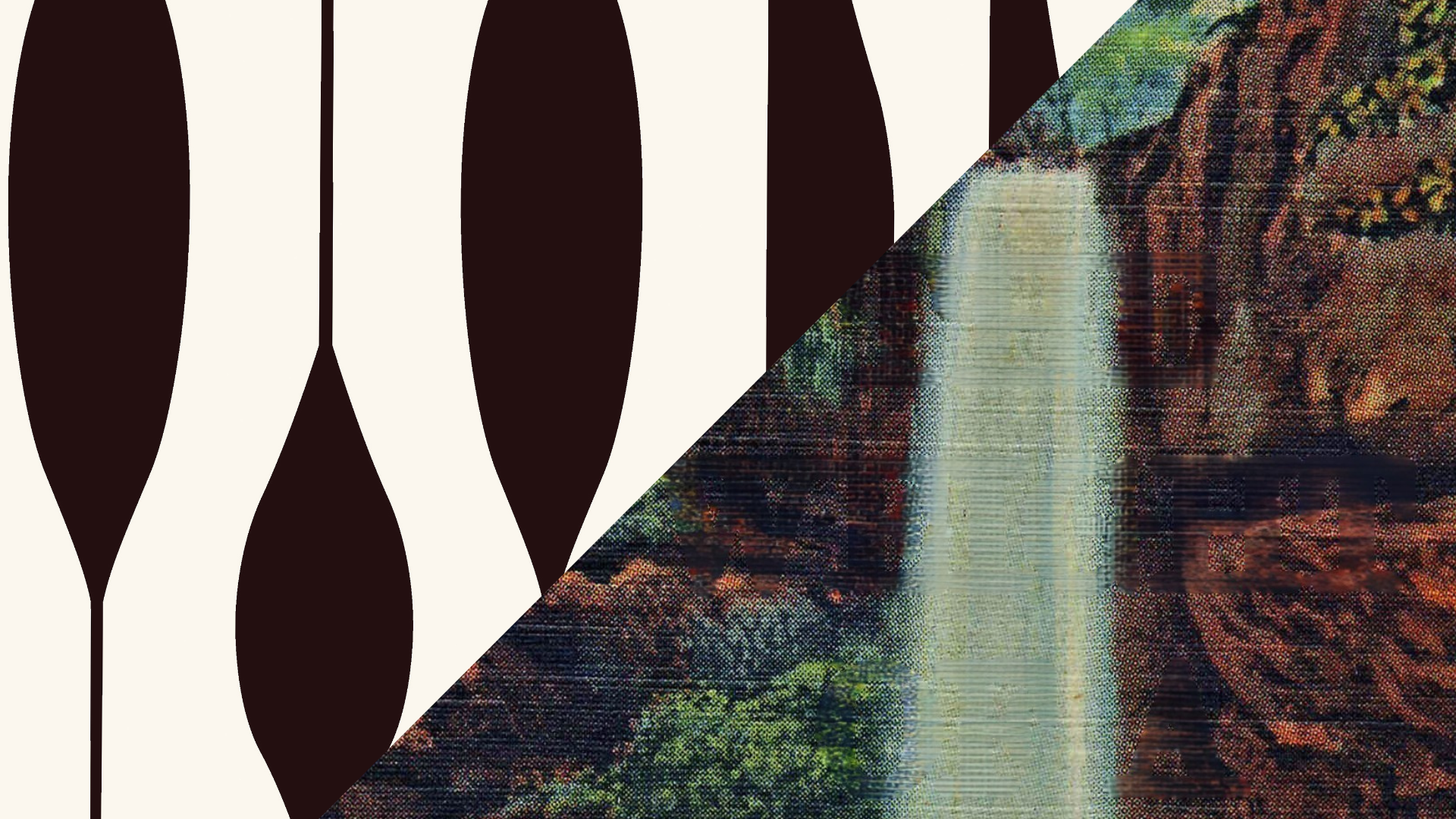
Electric Literature is pleased to reveal the covers of The Weight of a Frozen Moment and Dune Lines: New and Selected Poems by Forrest Gander, which will be published respectively on April 6, 2027 by Milkweed and April 27, 2027 by New Directions. You can pre-order your copies here and here.
The Weight of a Frozen Moment
From Pulitzer Prize-winning author Forrest Gander comes a poignant exploration of intimate human and ecological bonds. In a small intentional community in California’s Sierra Nevada mountains, two sisters—Maya and Mira—grow up sharing explorations, secrets, and the sense that their lives are unfolding in parallel. But as adolescence pulls Mira away, first subtly and then irrevocably, Maya must remake herself alone: through grief and family tragedy, through a journey to Karnataka to honor the anniversary of their father’s death, and through an ever-deepening bond with the place that helped shape her.
Strikingly lyrical and quietly devastating, Forrest Gander’s poetic restraint and his detailed attention to the natural world imbues the landscape with a gravitational pull on the narrative. The Sierra Nevada is witness, anchor, and the ground on which the sisters find their way back to each other and to an even more expansive sense of belonging.
A meditation on place, identity, and the strength of the ties that endure, The Weight of a Frozen Moment offers unexpected grace in demonstrating what it means to be separate and inseparable.
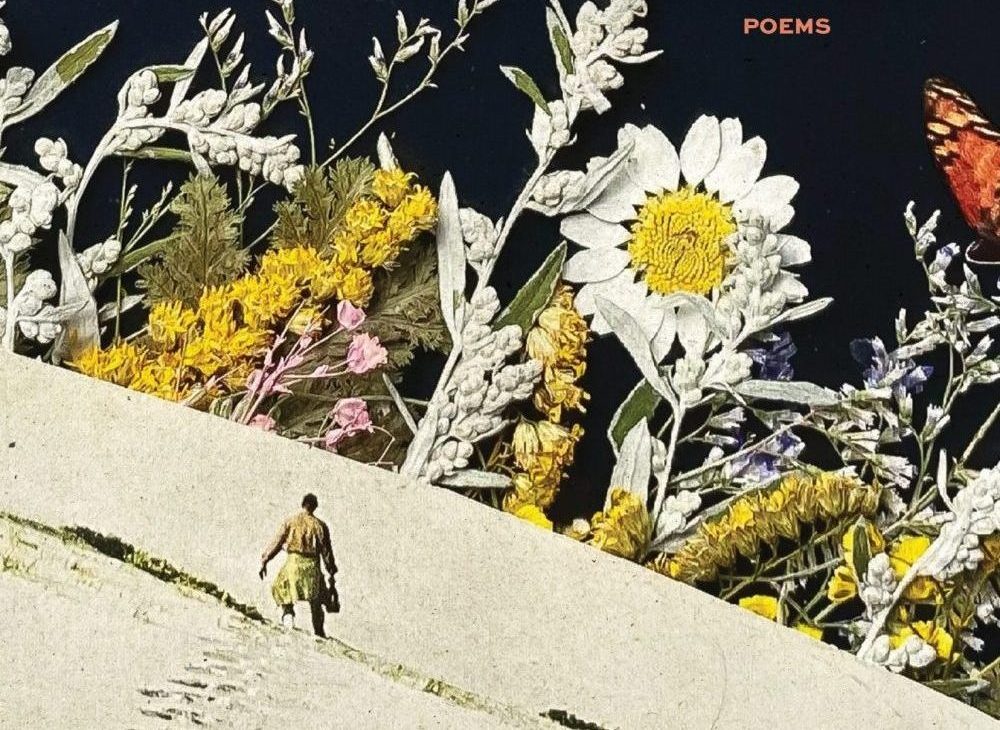
Here is the cover, designed by Mary Austin Speaker:
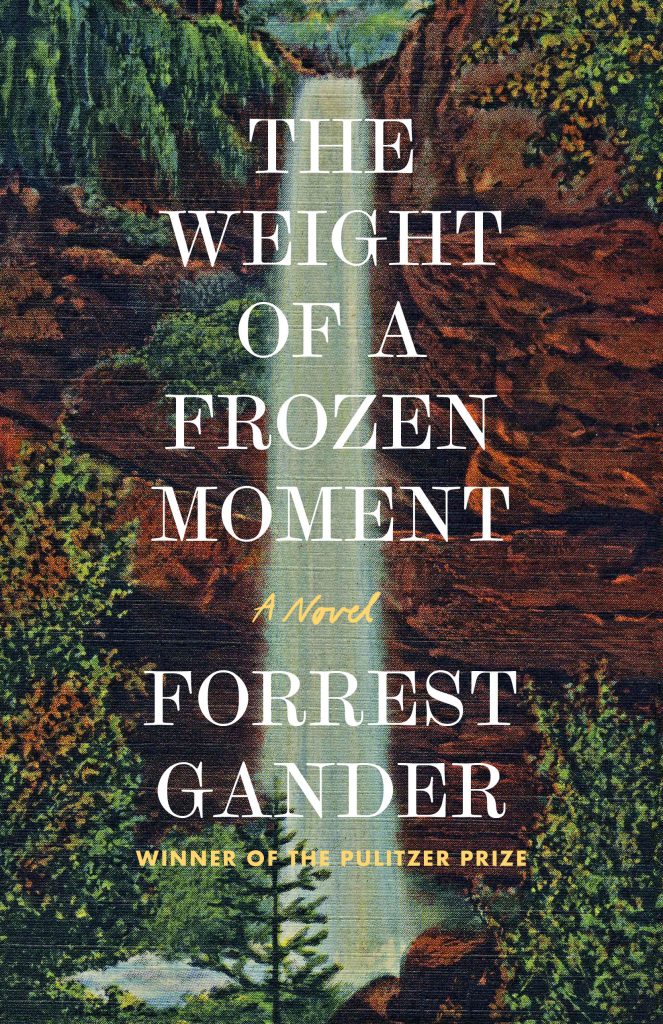
Forrest Gander: Mary Austin Speaker, who designed the cover for The Weight of a Frozen Moment, values vintage artwork precisely because it comes from an era before AI—out of respect for those artists who painstakingly made art by hand. This cover image, which might have started as a black and white photograph, isn’t generically pretty. In fact, it’s hard to tell whether we’re looking at a painting, drawing, lithograph, or photograph. It has the dreamy in-betweenness of a metaphor, partly real, partly imagined. And then there’s something about the way the heavy, fissured rock cushions the sheerness of the waterfall, the way the forest’s darkness seems more preparatory than foreboding that suggests the quality of memory and of the signal events that orient Maya, the main character in the novel. As her sister drifts into adulthood and her father falls ill, she has to reckon with a self she can’t fully enter. Then again, although it doesn’t gesture toward the transnational dimension of the book, the particular landscape in which the characters live—the Sierra Nevada foothills overlooking the Yuba River Canyon and Tahoe National Forest—may itself be the main character, and the cover captures that just as well.
Mary Austin Speaker: For the cover of Forrest Gander’s exquisitely rendered novel, I wanted to evoke the feeling of finding a private place in the woods, like the sisters at the center of the story do, and thought a waterfall would be a great way to symbolize that feeling of discovery, awe, and the rushing-and-stillness of time (and the gravity of memory) that Gander articulates so beautifully across the span of the book. Because images of waterfalls can tend toward the cliché (and this is particularly true of photographs), I looked for something extra-saturated with something painterly about it. I ultimately settled on a lithograph of Latourelle Falls printed by the Wesley Andrews company in 1935 for its slightly askew colors, and for how the forest hugs the edges of the image. I have collected lithographic postcards for years precisely because of their in-betweenness. They were printed in an era before color photography and hand-painted, so they become a pastiche of the real and the imagined, which lends them an eerie power. It must have something to do with the nature of memory and how it becomes part of who we are, in all its embellishments, as the characters in the book discover, and how certain scenes from our life persist vividly while everything around them darkens.
Dune Lines: New and Selected Poems
What is an ethical life? An erotic life? A life underpinned by awe? By grief? What is it to recognize oneself as comprised of others, human and not? What hasn’t this poet lavished his “gorgeous attention” on? Gathered from 40 years of published books, the Pulitzer-Prize winning poet Forrest Gander’s Dune Lines offers such poignance: of tenderness, tragedy, phenomenological inquiry, and the almost sustaining particularities of love. His poems are worldly in scale, but intimate in scope, fusing geological and human time. Dune Lines contains a wide-ranging selection of many of Gander’s best-loved poems, revealing how he has charted his utterly distinctive course in contemporary poetry.
Here is the cover, designed by Rodrigo Corral and Giacomo Girardi:
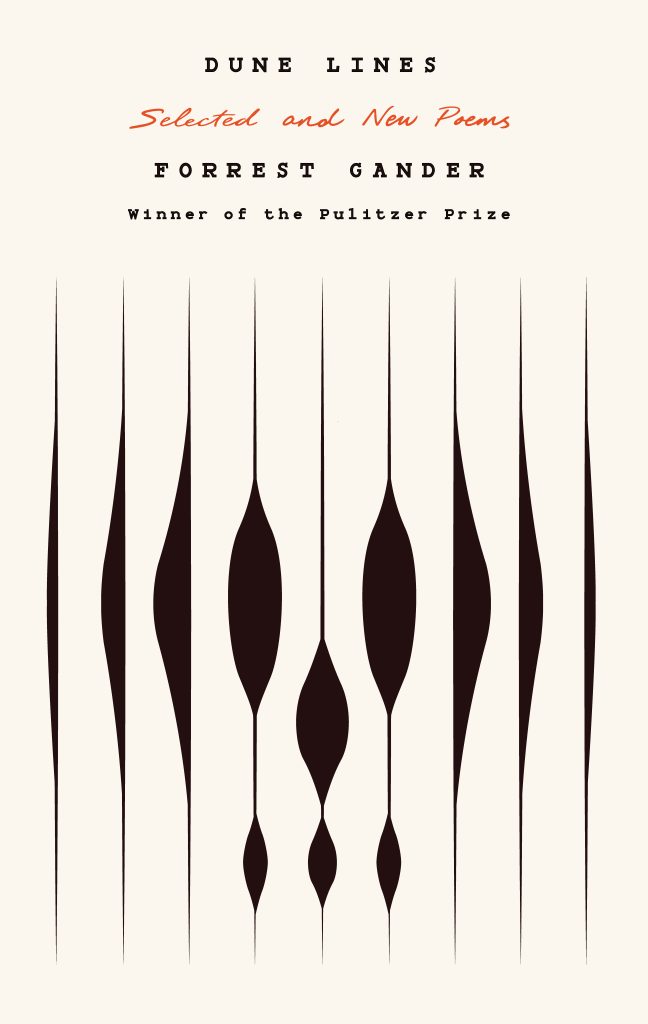
Forrest Gander: Dune Lines, my third consecutive book with a cover designed by Rodrigo Corral Studios—this time, a collaboration between Corral and Giacomo Girardi—is gorgeously minimal but suggestive. A single repeated vertical gesture, calling to mind cymatics or oscilloscope traces, swells, and narrows until the eye starts to hear rhythm. When I first saw it I thought of Bridget Riley’s early black-and-white Op Art meeting the sensual, formal strictures of Ellsworth Kelly’s drawings. The shapes could be reeds or ribs or a seismograph recording. Or, of course, dune lines reassembled bolt upright. That would be especially appropriate for sections included from the book Mojave Ghost, which records a hike along the San Andreas fault into the Mojave Desert, where I was born. It’s all suggestiveness, and that’s exactly what a book of selected and new poems, gathered from 40 years, would want as its face. The cover also might be taken to enact the throb and ebb, the rising and falling music of the many poetic sequences included in the book. Shifting takes on a theme, on an event, a query proposed from several perspectives. Even a visual representation of the act of breathing—which is an integral element of my poetic process.
Rodrigo Corral: The cover for Dune Lines is an undulating rhythm of movement and stillness. The shifting line weights, representative of the dunes, meet in the middle to become a skull, encapsulating the cyclical nature of life, grief, memory, and what it means to be human in relation to nature and its geological timeline.