interviews
Jim Shepard On the Subject of Fiction Based on Non-Fiction
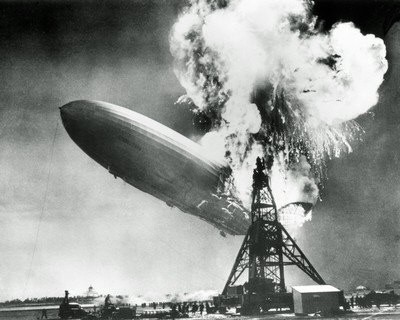
The first worry writers have when they consider working with something like historical events has to do with the issue of authority: as in, where do I get off writing about that? Well, here’s the good and the bad news: where do you get off writing about anything? Where do you get off writing about someone of a different gender? A different person? Where do you get off writing about yourself, from twenty years ago?
Writers shouldn’t lose sight of the essential chutzpah involved in trying to imagine any other kind of sensibility. And that they should take heart from that chutzpah, as well. The whole project of literature — the entire project of the arts — is about the exercise of the empathetic imagination. Why were we given something as amazing as imagination, if we’re not going to use it?
We need to bear in mind, as we’ve been told many times, that we’re working from, but not necessarily about, our lives. The poet Seamus Heaney had a nice way of putting it. He said: “I do not suggest that the self is not the proper arena of poetry. But I believe that the greatest work occurs when a certain self-forgetfulness is attained.”
And here’s the happy paradox: such distancing seems to enable a new — and often unexpected — version of emotional honesty and intimacy to be generated within the work. Both of which are crucial. Oscar Wilde had a great insight about that. He said, “Man is least himself when he talks in his own persona. Give him a mask and he will tell you the truth.”
An old student once quoted to me Allan Gurganus’ remark that it was the writer’s job to take the world personally. I think that that’s true. When I read about The Who or John Ashcroft, or the disaster at Chernobyl, I’m reading about it because I’m interested in the subject, and by interested I mean to suggest that not only my intellect but my emotions have been engaged. And when I’m reading, I’m trying to read receptively; that is, I’m beginning, if I’m engaged enough, to pay attention to how what I’m reading is affecting me, and why. You might say that, if I’m, for example, reading about the catastrophe at Chernobyl, I’m simultaneously storing away the facts about the disaster and keeping on eye on the spectacle of my own ongoing affective reaction to what I’m learning.
Suffering is everywhere. Drama is everywhere. Why do some things affect us so much, when others don’t? Some things we come across and say, Oh, that’s terrible, and go on to the next thing. Other events, experienced and imagined, stay with us. The fact that they don’t go away is a hint about how important they are to our psyches. That’s a hint to which the writer should pay attention. What’s important about those things? That’s for us to find out.