
Lit Mags
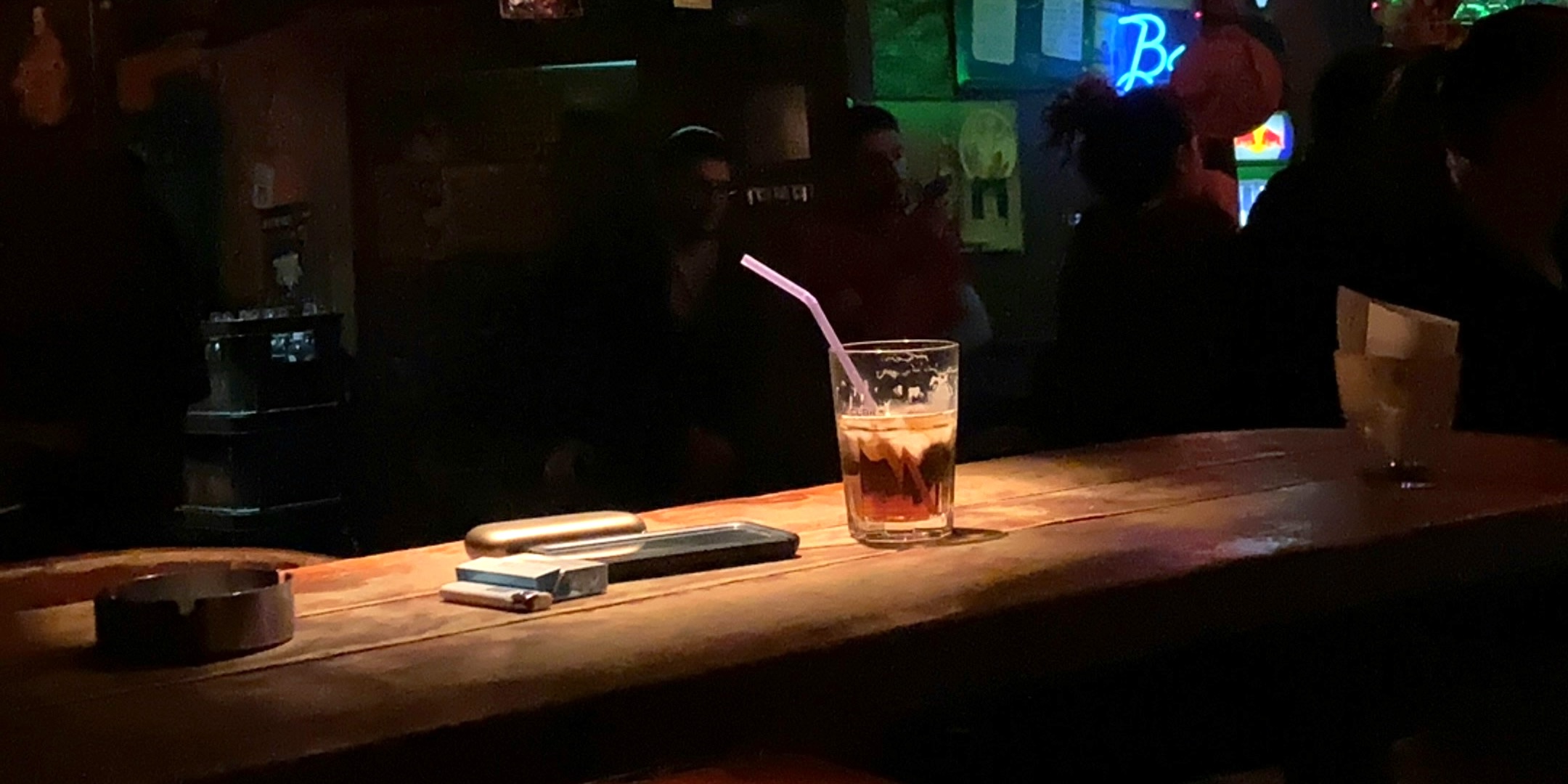
Protected: Dad Died and Everyone Is Buying Me Shots
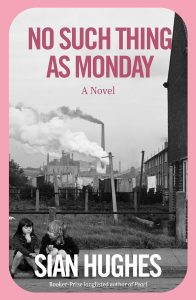
An excerpt from NO SUCH THING AS MONDAY by Siân Hughes, recommended by Stephen McCauley
Introduction by Stephen McCauley
As soon as I finished No Such Thing as Monday, Siân Hughes’s quietly brilliant second novel, I began recommending it to friends. Inevitably, their first question was: “What’s it about?”
I’d attempt a sentence or two of plot summary before worrying I wasn’t doing justice to the book’s unique appeal. “It’s about this lonely, middle-aged woman who works at a dry cleaner. When her abusive father dies, she starts thinking about her long-lost sister and . . . .”
I changed tactics. “I’ll send you the first chapter. Just read it.”
That worked. Everyone expressed the excitement and dazzled admiration for the author’s voice and storytelling that I felt. They said, “Please, send more.”
The novel is lean and fast-paced, the kind of book you have trouble putting down. Steffie is the blunt, unsentimental, and occasionally crass narrator—her language silences a West Midlands pub full of hard-drinking men. She takes it upon herself to find the sister who disappeared from her life decades earlier. That mission propels the narrative.
It also opens a Pandora’s box stuffed with Steffie’s buried memories of growing up in a poor, alcoholic family in which “things were said and not said.” A lot was not said. “Imagine someone suddenly starts saying Tuesday comes straight after Sunday. There’s no such thing as Monday. You learn not to mention Monday.”
Monday, so to speak, now appears to Steffie in flashes that trigger guilt about having been the favored daughter of a cruel man. Not that her favored-daughter status did her much good. Her life is a string of bad decisions, lost jobs, and all manner of personal struggles.
Even so, Steffie tells her story with an acerbic sense of humor, magnificent empathy, and a stunning eye for detail. A dreary landscape has “small spiky trees that looked like they were trying to bend down and get back under the ground, now they’d seen how sad it was.” She’s self-destructive but has a survivor’s determination. When faced with a new challenge or a squalid place to live, she digs in, starts to clean and attempts to make a home. You fall in love with this mightily flawed woman and hope that something, anything, will finally break her way.
Hughes inhabits the character of Steffie completely. Her depiction of Steffie’s world neither degrades nor ennobles her characters. She is a realist in the tradition of British New Wave films like The L-Shaped Room and A Taste of Honey. She simply tells their stories. You sense from the start that if redemption is coming, it won’t be in the form of a Hollywood-style windfall or wealthy, handsome savior.
Fortunately, though, this is not a pessimistic book. When the freezing rain abates and possibilities shine through, I found myself deeply moved and holding my breath, hoping another downpour wasn’t about to start.
The excerpt that follows is the novel’s first chapter, the one I sent to my friends. Reader, prepare to be dazzled.
– Stephen McCauley
Author of You Only Call When You’re in Trouble