Lit Mags
Protected: The Hottest Colony in the Empire Is Literal Hell
An excerpt from NOTES ON A COLONIAL SITUATION FROM HELL by Robert G Penner, recommended by Jeremy M Davies
Introduction by Jeremy M Davies
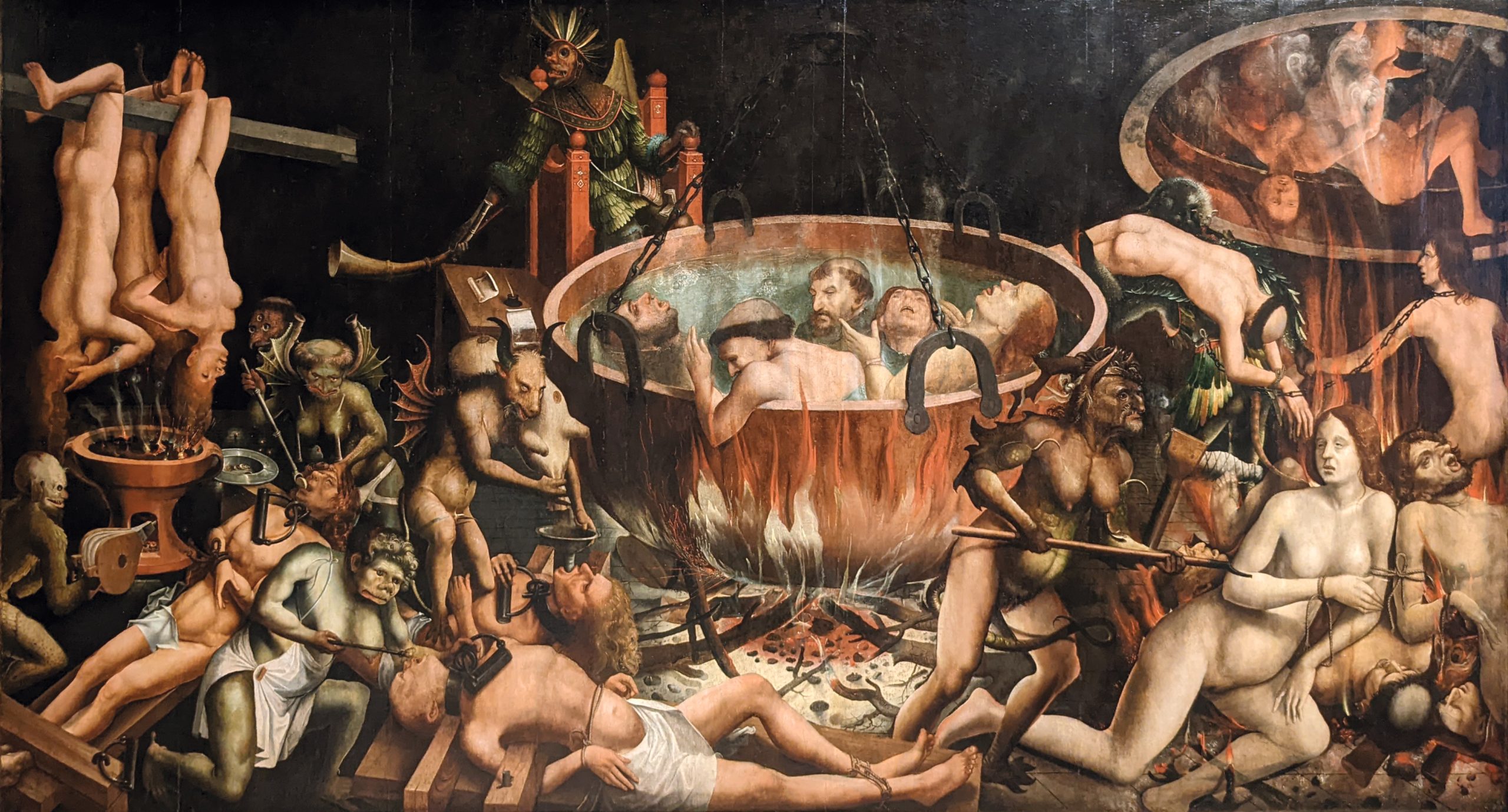
Having been burned so many times before, you might be thinking—as I did when I first saw this manuscript—that the title of this novel must refer to a metaphorical hell. No doubt this is some sort of bland suburban psychodrama, you will groan, and wander on in your digital browsing. Stay a while, though, for the hell under discussion in Notes on a Colonial Situation in Hell is the pit itself, or a place very much like it, populated by lost souls, demons, and the British, who never met an inhospitable terrain they couldn’t learn to covet. Set during the reign of Queen Victoria, Notes is a gazetteer to the lands below; it is a series of portraits of those who have chosen—or been obliged—to begin new lives in a place that has traditionally exhorted its occupants to abandon, rather than cultivate, all hope for the future. It is also an adventure story, the tale of a quest undertaken by certain beleaguered colonists (administrators, orphans, lost souls, literal and otherwise) to seek an audience with hell’s aboriginal powers—whomever, or whatever, they may be.
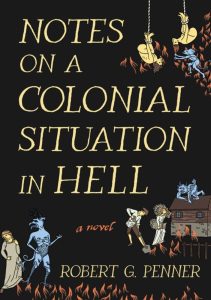
That is to say, Notes is a rare sort of novel indeed: one that does precisely what it says on the tin. It is a marvelous pastiche of the late Victorian colonial novel as well as a bracingly modern satire of the same. It speaks to the frailty of the conqueror and the emptiness that drives imperial ambitions to the brink of hell and back—in this case, quite literally. The pith helmet has yet to be invented that can protect the human mind from a confrontation with the madness seething beneath its illusions of control.
Rather than hide behind didacticism, Robert Penner has embodied his anticolonial sentiments in a book that is unafraid of the full panoply of novelistic pleasures, be they literary or “pulp”: mortality and existential dread stand cheek by jowl with gory, demonic murder and mutilation. Something about that feels oddly radical, as well as old-fashioned. It might go some way toward explaining what so high-concept a novel by a living author is doing on a list like McNally Editions’, which is (by and large) devoted to reprints of forgotten fiction by authors long since resident in the underworld themselves. Reading the manuscript for the first time, I had the uncanny sense that Notes was—to praise it with faint damnation—a “hidden gem” of the future. Even still, none of Penner’s nineteenth- and early-twentieth century antecedents could have come up with anything as electrifying, strange, and unnerving as his Hell. I am quite comfortable identifying this novel as plowing neighboring ground to the formative work of Conrad and Forster—but also Avram Davidson, Philip José Farmer, Ursula K. Le Guin, Alan Moore, Michael Moorcock, and Joanna Russ. I remain in awe of its achievements.
– Jeremy M Davies
Editor of Notes on a Colonial Situation from Hell