Poems That Bear Witness to State Violence and Insurgency in Assam

Aruni Kashyap’s debut poetry collection, There Is No Good Time for Bad News, tells the story of India’s diverse and strife-riven borderlands, which have been neglected in Indian books, films, and television shows that have become increasingly popular in the U.S. Kashyap’s homeland, the northeastern border state of Assam, has witnessed an armed insurgency against the Indian government since 1979. The Assam depicted in the poems—the distinctive cultural identity, linguistic diversity, and varied tribal communities alongside its resistance to violent nationalistic integration—offers a powerful counterpoint to the standardized Indian identity enshrined in mainstream narratives: Hindu, heterosexual, and high-caste.

Kashyap’s poems bear witness to the enduring effects of living under protracted state violence. He draws on a range of first-person narrators, from victims and survivors to insurgents and soldiers, to express how violence ripples across generations, and shapes both the oppressor and the oppressed. Crucially, oppressor and oppressed are not mutually exclusive categories: even as his narrators highlight state coercion, they emphasize the ethnic insurgency’s xenophobia towards migrants.      

I spoke with Aruni Kashyap over email about identity, violence, and unexpected moments of beauty.


Pritika Pradhan: Your poems take the form of monologues by a range of characters. Could you tell us about your experience of writing in different poetic voices?

If we don’t critique India’s dark aspects, its human rights abuses, its hollow claims to being the world’s largest democracy, we cannot complain about it either.

Aruni Kashyap: The poems are the result of fieldwork I conducted almost a decade ago—the stories, anecdotes, and shared experiences of the survivors of the insurgency in my home state of Assam, one of many insurgencies in Northeastern India. At the time I was writing my first novel, The House With a Thousand Stories, set amid the insurgency. I grew up during this conflict and witnessed its effects on several members of my family. One of my cousins was tortured. An uncle never remained the same after one of his closest friends was shot dead while they were sitting and chatting in a public place. In high school, my best friend’s cousin was accidentally killed during the Secret Killings of Assam, a period of alleged extra-judicial killings when hundreds of people were killed allegedly by the Indian government to suppress the militancy, which is also the backdrop of my novel.

When I set out to write my novel, however, I was pursuing a master’s degree in English at Delhi University, and found it challenging to write at this remove. So I began traveling to the rural areas of Assam to talk to survivors of the conflict. Most of the poems in this collection resulted from this research—witness accounts and experiences that did not make it to the novel, but which I wanted to highlight and celebrate in some way. In writing these fictionalized monologues, I drew on the testimonio genre of Latin American literature, in which oppressive state agents are held responsible by the survivors of state terror by telling their stories. Writing in monologues enables me to retain a certain kind of immediacy and urgency that gives the speaker and the poem a lot of power.

PP: Your testimonial poems chronicle the history of Assam—and of India as a modern democracy—from the 1962 war to the insurgency from 1979 onwards to the contemporary Indian diaspora. How did this history shape your experience growing up in Assam, and your desire to be a writer and poet?

AK: I don’t want to romanticize tragedy, but I think growing up in a place where life is uncertain—where you are treated by the state as less than equal citizens—has enabled me to understand the differences between, and the value of joy and sorrow much more deeply. I know the value of joy because I have felt sorrow and tragedy so deeply. In that sense, I have had an emotionally rich life due to my upbringing in Assam. The public loss, the strong sense of belonging and identity, our complicated relationship with the larger narrative of the Indian state: these historical forces have made me who I am as a person, a scholar, a writer, and a teacher. 

I think I would have been a writer anyway, even if I was born in Bhutan, which is known as one of the world’s happiest countries. However, as an indigenous, queer writer from a historically racialized and marginalized location, it is my duty to write what I have witnessed. Otherwise, no one would know that such things happened to my community. Writing is also a way of making sense of myself, by narrating the self.

If we don’t critique India’s dark aspects, its human rights abuses, its hollow claims to being the world’s largest democracy, we cannot complain about it either, because if you want a better country, you have to critique it. It is the best thing one can do as a citizen and a writer: to question. In order to achieve that, I had to give the poems global literary solidarity by borrowing the elements of the testimonio. So the collection not only offers a critique of democracy, but also brings the individual perpetrators to a public trial, in a text that would be publicly available for everyone to read. It was artistically challenging to reach there, but it started from a simple place: to narrate what I witnessed, what I was told. I was also inspired by the work of Carolyn Forché, who popularized poetry of witness among American readers. 

PP: The growing canon of mainstream Indian English writers is largely silent on the violence committed by the Indian state against its own citizens in the borderlands. Why do you think this is the case? Does this silence attest to the relative privilege of Indian English writers—most of whom are upper class, upper caste, and male —and their complicity in the Indian state’s Hindu nationalist project?

We need a balance of stories: the story of diasporic melancholia, as well as the story from the borderlands that interrogates the idea of India and shifts our understanding of Indian literature.

AK: In Assam, I went to an English-medium school, where most students were from upper-middle-class families, with little connection to the rural areas where the insurgency and its consequences were brutal. It was in these sites that the violence orchestrated by the state forces was most palpable, where death was every day, torture was normal, and a bomb blast was occasional. But when I talked about these things to my classmates, many did not believe me. In fact, there was a huge disparity in how the conflict was covered in the English media in Assam, and in the local, Assamese-language media (which was bigger but had local reach due to linguistic limitations). When one of the now-folded independent weeklies, Budhbar (“Wednesday”), edited by the slain journalist and novelist Parag Kumar Das, published investigative reports of army atrocities, influential Assamese intellectuals accused them of exaggeration and sensationalism. So you can understand how class-blindness works.

Mainstream Indian English writers and Indian American writers are largely silent about the human rights abuses in India’s borderlands simply because most of them don’t know about it. The mainstream media, in its complicity with the state, does not cover it. In addition, mainstream writers benefit from their privileged position in the status quo. This is reflected in the content of their often beautifully written books: people who can move from one part of the world to another at the drop of a hat; characters who always go to study in rich private universities in the West. It is a body of work that is self-affirming and self-congratulatory, and consolidates the idea of India, while seldom looking inward and critiquing itself. 

PP: The silence of mainstream Indian English and Indian American writers is ironic, considering their focus on anti-immigrant racism and diasporic loneliness. Yet the racism, casteism, and colorism within Indian society and the diaspora is ignored.

AK: This silence is intrinsically linked to the story of Indian immigration. When I moved to the US in 2011 to attend graduate school, I was appalled by the anti-Blackness I witnessed in the Indian diaspora. I was part of a mailing list of Indian immigrants, who would post racist memes about Black public figures. I was truly shocked, and it took me a long time to realize this was because the bulk of the Indian diaspora is a privileged group of upper-caste and upper-class people who have self-selected to emigrate and pursue a life here, and have brought casteism and racism with them. Knowing English is itself the result of privilege in India, with only ten percent of the population being able to read and write in English; of this, only a very select few can attend a private school in India, and apply abroad for their undergraduate or masters. The class and caste privilege that enabled this select group to migrate also insulated them from the reality in the borderlands, where villages in Nagaland and Assam were burnt, where the Indian army dropped bombs on its own citizens in Mizoram: they did not know because they could afford not to know.

However, I am less worried about Indian immigrants who attend Howdy Modi rallies, and openly wear their Islamophobia, homophobia, casteism, and racism. Of even greater concern are those privileged Indian celebrities and Hindu advocacy groups in the United States, who use the language of social justice to center themselves in the American liberal space, by clinging to their marginality, trying to monetize it, while tacitly supporting fascist regimes back home.

I am particularly worried by the so-called “Modi Democrats” who vote for the Democratic Party in the US, even as they support the party of Hindu fundamentalism in India. And this is enabled by the inability of white liberals to read caste and class among Indian diasporas. For the well-meaning white liberal, the brown Indian is simply another person of color, and hence it is hard to see them as perpetrators of racism and colorism. Mainstream Indian American celebrities exploit this simplified liberal view to their advantage. For its own sake, the American literary landscape should listen to Indian writers from marginal spaces. 

However, the global conversation about Indian literature is gradually changing. There is increasing interest in India and in the US in texts from marginalized regions and underrepresented communities, often in translation. However, such conversations are happening in the margins: on the pages of small magazines, small presses, and independent, progressive online magazines such as Electric Literature, Warscapes, and Catapult. But that’s not a bad thing, right? Let the places in the center move to the margins and find us. We need a balance of stories: the story of diasporic melancholia, where the student eats a tortilla and thinks about chapati, as well as the story from Kashmir or Nagaland that interrogates the idea of India and shifts our understanding of Indian literature. 

PP: What distinguishes your poems is your recognition that one can be oppressed while oppressing those more marginalized than oneself. The female narrator of “No One Would Hear Me If I Screamed” wonders why insurgents “terrorize [migrants]/ who were working harder than we were.” How does violence blur the line between oppressor and oppressed?

AK: Firstly, I don’t think violence solves anything. However, I do identify why rebel groups, after years of erasure and marginalization, take up violence as the last resort. Once you have chosen violence as the method, it consumes you and makes you a perpetrator. Eventually, it is the common people who suffer.

Assamese nationalist rhetoric presents the rebel groups sympathetically, as being forced to take up the larger cause of liberation. But it is hard for me to accept that narrative when the insurgents practice their own kind of bigotry, by turning on the common people settled in Assam from other regions, banning Hindi films, and so on, to send a message to the rest of the country. I can identify that this struggle is between the powerful Indian state and the oppressed people, but as a writer, I cannot only see that while overlooking other things. So I try my best to provide a detailed picture. And the project is ongoing: the mistakes I make in this project will hopefully not recur in the future. 

PP: Several of your narrators are women, who are both nurturers and upholders of communal tradition and memory, and targets of traditional patriarchal and state violence. How does having women narrators affects your understanding and portrayal of suffering?

AK: I have women narrators because most of the survivors are women, and they suffered the most during the insurgency. As men left the villages to join the rebel groups, they suffered the loss of their loved ones, and again when these men were killed by the army. Women were tortured and raped by the army during counter-insurgency operations. So the women have stories that are even unknown to the men. Most of the people I spoke to were women. They are able to share not only the public story but also the intimate, daily stories in vivid detail. 

PP: It seems to me that your poems expand the understanding of South Asian literature to encompass traditions and influences not necessarily associated with South Asian, Indian, or postcolonial writing.

As an artist, it is my job to find structure, joy, and beauty in the most horrible situations.

AK: My work is shaped by several literary traditions: Assamese, oral, British, American, African, and so on. If that expands the understanding of South Asian literature in the US, I will be delighted. I hope we will read more texts in translation, from other marginalized literary traditions, to expand and enrich fixed ideas of what is a good story. One of the reasons the US publishing culture is so insular is that they read so little in translation. 

PP: Moments of unexpected beauty and tenderness are interspersed with terror in your poems. Two boys play while discussing how to survive a riot in “At Age Eleven, My Friend Tells Me Not to Wear Polyester Shirts.” It seems to me that such moments serve both as a balm for the violence and pain, and to amplify them.

AK: You will be surprised to know that until I moved to Delhi, I did not know that everyday issues such as public health or inflation could make the front page of a newspaper, because I was so used to the news of bomb blasts and gun battles. I think living in such traumatic circumstances ensured that we enjoy life to fullest. Assam still celebrates one of the largest book festivals I have known: the Assam Sahitya Sabha’s biennial conference, which attracts around half a million people. In fact, we sometimes complain that we in Assam are a bit too happy, that we celebrate too many festivals. I guess that is a way of coping? Perhaps this sort of obliviousness enables us to appreciate beauty. So the poems have everything: beauty and pain. As an artist, it is my job to find structure, joy, and beauty in the most horrible situations. Writing is a way of making sense of the chaos. 

10 Books About Alienated Women in Their 20s

In March 2020, I turned 23. Simultaneously, the pandemic unfolded and my college closed, I flew back to my home in Southern California, I was fired on my birthday, and I was newly single. A week before all of this, I sat in Central Park and read all of My Year of Rest and Relaxation by Ottessa Moshfegh in a single sitting.

For the months that followed, I told myself that 2020 could be like my year of doing nothing. Like the narrator, I’m a (potentially unlikable) woman** in my 20s who should’ve been “doing life” better. I couldn’t find a job, but I had gone tens of thousands of dollars in debt for a private New York City college education. All of my friends and cousins were in long-term committed relationships, but I couldn’t stop texting my emotionally unavailable ex. After years of recovery, my body image plummeted, and I couldn’t look at a pair of jeans without crying.

Being a woman in your 20s who isn’t following a traditional, cis heteronormative path is like competing in an obstacle course where you are designed to fail—think Wipeout. Social media added to the blows. I spitefully scrolled through an Instagram feed of throwback pictures of real college graduations, ultrasound photos, engagements, and job announcements. Falling out of place from “traditional young womanhood,” made me anxious. 

It can feel isolating and unrelenting to simply exist in your 20s. Thankfully, there is a budding genre that according to one Goodreads Review can be titled “yet another tale about an alienated woman having a quarter midlife crisis.” These narratives capture a world of malaise where you don’t have to have it all together, where you can be bad at your job, and a disappointment to your family, and unapologetically bitter. 

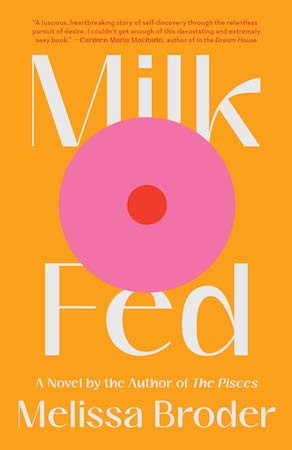
Milk Fed by Melissa Broder

Broder’s second novel focuses on a 24-year-old Rachel, who has body image issues, mommy issues, and an addiction to frozen yogurt. One day, her usual froyo clerk is gone and his replacement is his beautiful older sister, Miriam. The catch? She is an Orthodox Jewish woman. The two women fall into an intense and messy situationship, where Rachel is driven by a hunger for love, faith, and fulfillment.

Toddler-Hunting and Other Stories by Taeko Kōno, translated by Lucy North

Published in 2018 but set in 1960s Japan, Toddler-Hunting is brimming with tales of unsatisfied young women. The titular story follows a young woman who is obsessed with buying clothes for boy toddlers. In “Ants Swarm,” Fumiko is in the midst of an unwanted pregnancy scare. Her husband secretly wants a child, but she daydreams of abortions, punishing the child, and being masochistically beaten while in labor. The entire collection circles unlikable and selfish women who value their pleasures and achievements over what society tells them they should—a clean home, a husband, and children.

Mona at Sea by Elizabeth Gonzalez James

When I read the description for this book, I realized, “I have never had an original experience in my life.” Mona, a 23-year-old Chicana, graduates college during a recession only to find herself jobless, and back in her dysfunctional parent’s house. On top of that, (thankfully unlike my life), Mona becomes the subject of a viral meme, “Sad Millenial,” after a reporter captures her reaction to losing the finance job she had lined up. Because of this, she mopes around Tucson, smoking weed in an existential funk, until her mom encourages her to join a support group for job seekers. 

Luster

Luster by Raven Leilani 

Edie and Eric match on a dating app and sext for a month before their first date at Six Flags. Edie, a Black flâneur in her early 20s, doesn’t mind that Eric is in an open marriage. That is until she loses her job for a myriad of reasons—hooking up with coworkers on the clock, watching porn from her computer, and sending sexually explicit emails—and she winds up living in Eric’s marital home. Luster is a so-awkward-it’s-painful tale that takes on a glittering world of its own through Leilani’s prose. You can read an excerpt in Recommended Reading.

Bunny by Mona Awad

Bunny by Mona Awad

The Heathers meets Sorry to Bother You, this book takes a look at an MFA program in New England where the girls are up to something. Samantha is not interested in the clique of rich girls in her fiction cohort—who all speak as a unit and refer to each other as “Bunny”—but after she receives an invite to one of their “workshops,” she can’t help but attend. However, things quickly spiral out of control in a sardonic and twisted way.

Sketchtasy by Mattilda Bernstein Sycamore 

The queer scene in 1990s Boston was highly divided among race, sexuality, and gender. Angel, an early 20s “Queen,” is desperate to find a place free of the hatred and discrimination that plagues her daily life. She finds herself captivated by the club scene and begins using heavy drugs to evade her past traumas. Overflowing with parties, failed attempts at sobriety, and the ever-present threat of contracting HIV, Sketchtasy grieves for a community few even acknowledged.

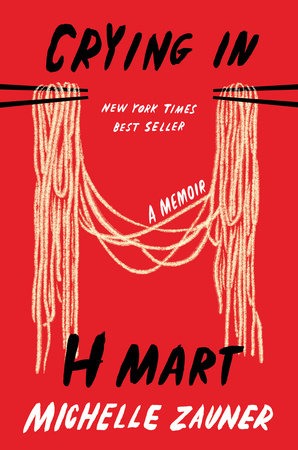
Crying in H Mart by Michelle Zauner

Crying in H Mart by Michelle Zauner

In an impeccable balancing act, Zauner—more commonly known as the frontperson of Japanese Breakfast—details her isolating childhood, aimless adolescence, and distance from her Korean identity and culture while taking care of her terminally ill mother. From the first sentence, the reader knows that her mother will die and Zauner will “cry in H Mart,” but the loss stings on every page. This memoir especially answers the questions of how do we connect to heritage when we have lost our roots, and how to cope with the death of a parent when you don’t feel like you are someone to be proud of yet.

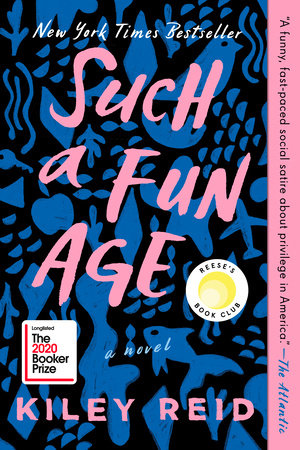
Such a Fun Age by Kiley Reid

Such a Fun Age by Kiley Reid

After an encounter with a racist security guard, Emira—a 26-year-old babysitter—is promoted to “nanny.” Her employer is a 30-something Alix, a writer/influencer/mom/feminist/Hilary Clinton campaigner, and totally not a performative ally. Emira’s new boyfriend happens to be Alix’s ex-boyfriend who ruined her reputation in high school. Emira finds herself stuck in the middle of their white ally struggle, as they drain her agency in her working and personal life. Reid captures feeling powerless as those around you use you for leverage.

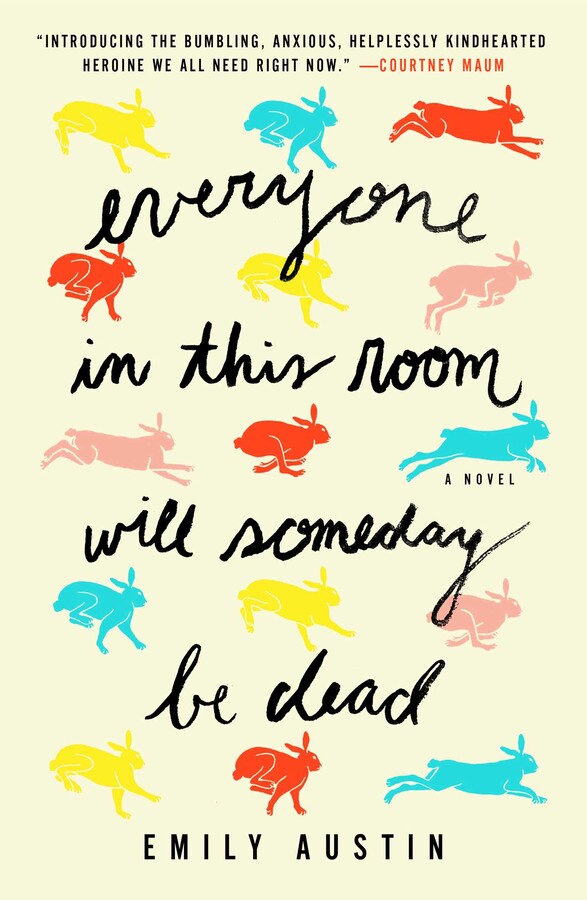
Everyone in This Room Will Someday Be Dead

Everyone in This Room Will Someday Be Dead by Emily Austin

Gilda is a 27-year-old-lesbian and atheist who anxiously dreads the demise of everyone and everything around her. Her neighbor’s cat goes missing in a house fire, she breaks her arm in a car accident, and then she accidentally accepts a job as a receptionist at a Catholic Church. But then she learns that the previous receptionist, an elderly woman named Grace, might have been a victim of an “Angel of Death” serial killer. Gilda and the church staff then take it upon themselves to seek justice for Grace.

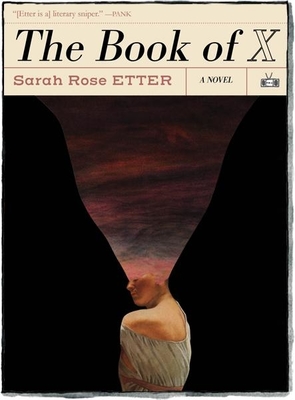
The Book of X by Sarah Rose Etter

The unnamed narrator in this novel is born with a knot in her stomach. A knot that is so large it is visible when she is dressed. The narrator desires to be “normal,” which is hard in a world where her family has a meat quarry and there are rivers of thighs. The Book of X is an intensely character-driven novel told in fragments, where the use of surrealism expertly highlights how womanhood intersects with disability and body image issues.

Your Fall Reading Horoscope

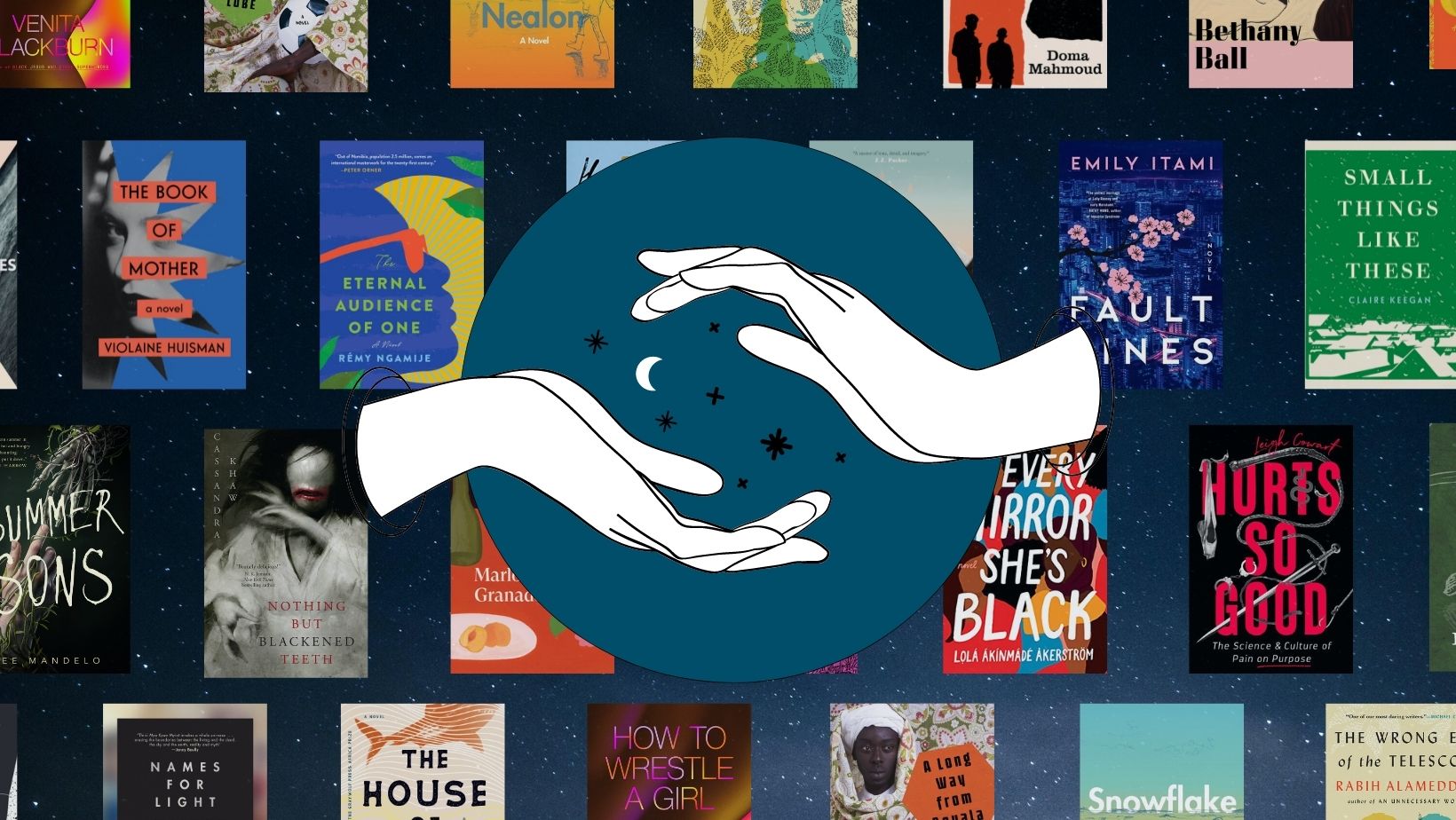
Imagine: You’re curled up in the corner of your favorite coffee shop, wearing a striking combination of knits/flannel/denim, drinking your favorite coffee and watching the leaves fall outside. You pull out a tote bag with an enviably cool logo and reach inside to pull out the perfect book—but what book is it? In an effort to help you live out your autumnal cafe fantasy, I’ve consulted the stars and found out which new books will be perfect for each zodiac sign. Read on to find out the new releases you should curl up with this fall.  


Aries

How to Wrestle a Girl by Venita Blackburn

This collection of short stories and flash fiction stars girls, women, and queer people who are fighting their way through their lives with scraped knuckles, bruised knees, and very little fear. I think more than a few Aries can relate to that. Read our interview with Venita Blackburn about writing for young women of color. 

A Long Way from Douala by Max Lobe, translated by Ros Schwartz

When Jean’s older brother, Roger, runs away from home in the wake of their father’s death, Jean sets out with his friend, Simon, to find Roger before he can get to the Nigerian border. This funny, affecting, boisterous journey through Cameroon will keep Aries on their toes from start to finish. 


Taurus

Snowflake by Louise Nealon

This family novel/coming-of-age story about a girl growing up on a farm outside of Dublin who begins commuting to Trinity College for classes has everything a Taurus might want: a distant mother figure, a brother obsessed with dead authors, a young women uncertain about her fate and her place in life, a farm. Any book set on a farm immediately goes to the Tauruses, that’s just a fact.

The Wrong End of the Telescope by Rabih Alameddine

Two women in a refugee camp in Greece—one a doctor, one a Syrian refugee—become bonded over a secret illness. Telescope explores the very Taurus themes of home, family, and bodies.


Gemini

Cairo Circles by Doma Mahmoud

Set in both New York City and Cairo in the early 2000s to post-Arab Spring, this book follows a cast of characters across years and continents, through terrorist attacks and romance and kidnappings. Geminis will enjoy reading a book that lets them peer in at the lives of such complex and flawed characters. Read our conversation with Doma Mahmoud about class and privilege in Cairo.

The Pessimists by Bethany Ball

This book is so Gemini I’m going to scream. Set in small-town Connecticut, The Pessimists follows various upper-crust-y couples whose children all go to the same private school. It’s gossipy and lavish and picks apart the wealthy elite in the most satisfying way. I can already feel all the Geminis reading this clicking “add to cart”. Check out our reading list by Bethany Ball about the weirdest schools in literature.


Cancer

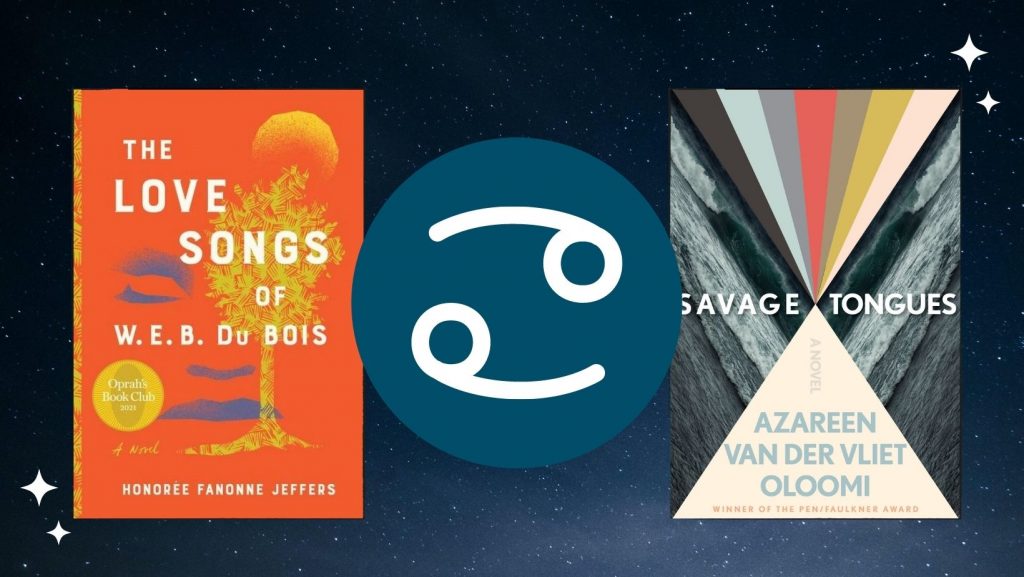
The Love Songs of W.E.B. DuBois by Honoree Fannone Jeffers

Love Songs follows a Black woman tracing her family history back through the generations to understand who she is and where she came from. As if that plot isn’t Cancer-y enough, please note that this book is literally the first novel of an award-winning poet. Read our interview with Honorée Fanonne Jeffers about ancestral legacy. 

Savage Tongues by Azareen Van der Vliet Oloomi

A young woman returns to Spain with her best friend to clean out her dead father’s apartment and finds herself confronted with a trauma she’d managed to keep buried since she was a teenager. Savage Tongues deals with grief and memory in a way that Cancers will surely appreciate. Read our interview with Azareen Van der Vliet Oloomi about trauma narratives. 


Leo

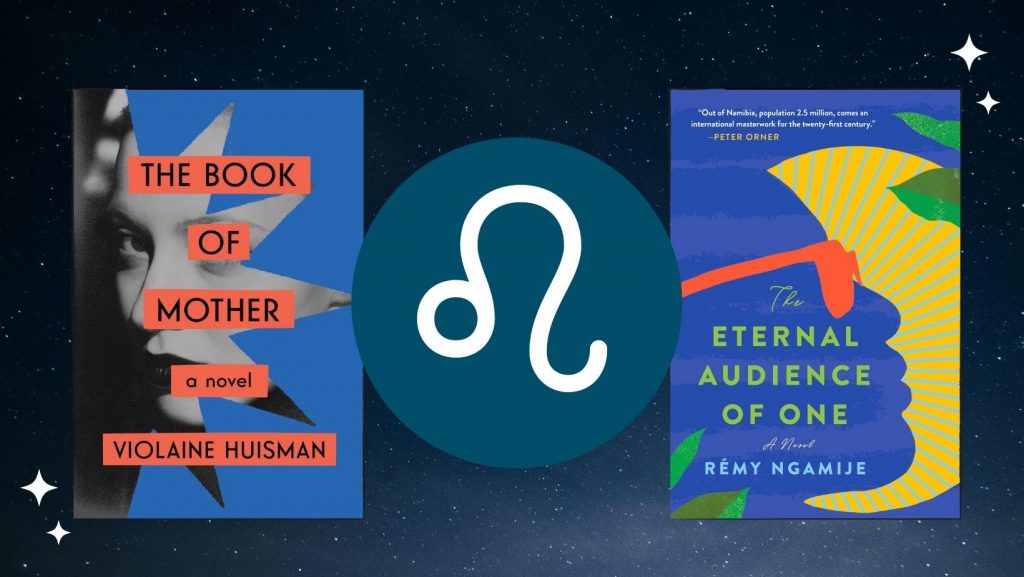
The Book Of Mother by Violaine Huisman, translated by Leslie Camhi

In this novel about the difficulties of loving a Leo, a daughter must reckon with her love for her wonderful, volatile mother when her mother suffers a breakdown and becomes a more dangerous version of herself. I know Leos prefer to see themselves at their best, but it can be fun to see how you might look at your worst, too.

The Eternal Audience of One by Rémy Ngamije

When Séraphin, a cool Namibian millennial, finally gets to move out of his hometown in Namibia and to the exciting city of Cape Town, he’s thrilled to finally kickstart his life with parties, friends, and sex. He gets all of this—but also, of course, much more than he expected. Séraphin is a textbook Leo, and this book is sure to appeal to any Leos who’ve been craving adventure lately. Read our interview with Rémy Ngamije about writing a novel about immigrant life in Africa. 


Virgo

Hao by Ye Chun

This short collection about language and silence is perfect for thoughtful Virgo. The stories in Hao span centuries and explore the varied experiences of women and their relationships to language, and how this shapes the world around them. Virgos love watching the tiny ripples of big events, and this collection always leans into the ripples. Read the short story “Stars” from Hao here

We Imagined It Was Rain by Andrew Siegrist

The loosely connected short stories are all linked by water, and a clear-sighted understanding of complex emotions. Virgos are famously straight-shooters (sometimes to a fault), and they’re sure to love this collection that pierces to the emotional heart of many different, complicated situations. 


Libra

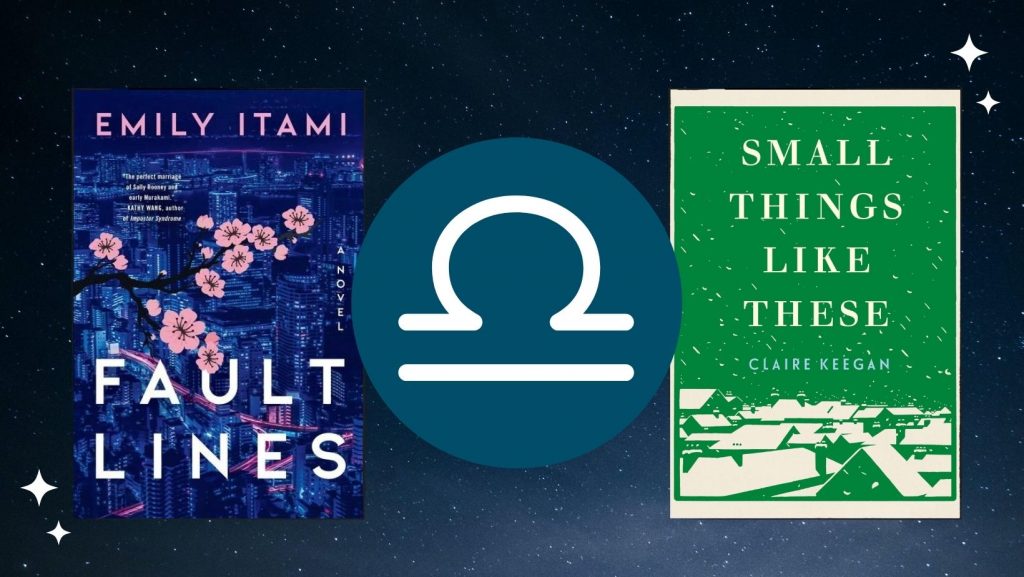
Fault Lines by Emily Itami

Forbidden romance, illicit affairs, a beautiful city—do I have your attention, Libra? This novel about a housewife in Tokyo who falls in love with a man who isn’t her husband and must choose between her old life and her new one sounds like it was written just for Libras. 

Small Things Like These by Claire Keegan

This is perhaps an unexpected Libra pick, but something told me Libras would particularly enjoy it. It’s winter in rural Ireland, just before Christmas, and a coal and timber merchant faces the Catholic Church that’s taken control of his town. It’s a book about doing the right thing even when it’s difficult, an idea I know fair-minded Libras will love. 


Scorpio

Summer Sons by Lee Mandelo

When Andrew’s best friend, Eddie, dies by apparent suicide a week before Andrew is supposed to move in with him, Andrew’s life is thrown into chaos. Haunted by Eddie’s ghost, Andrew tries to put together the pieces of his friend’s life to understand his death. Do I even need to explain why this is a Scorpio pick? 
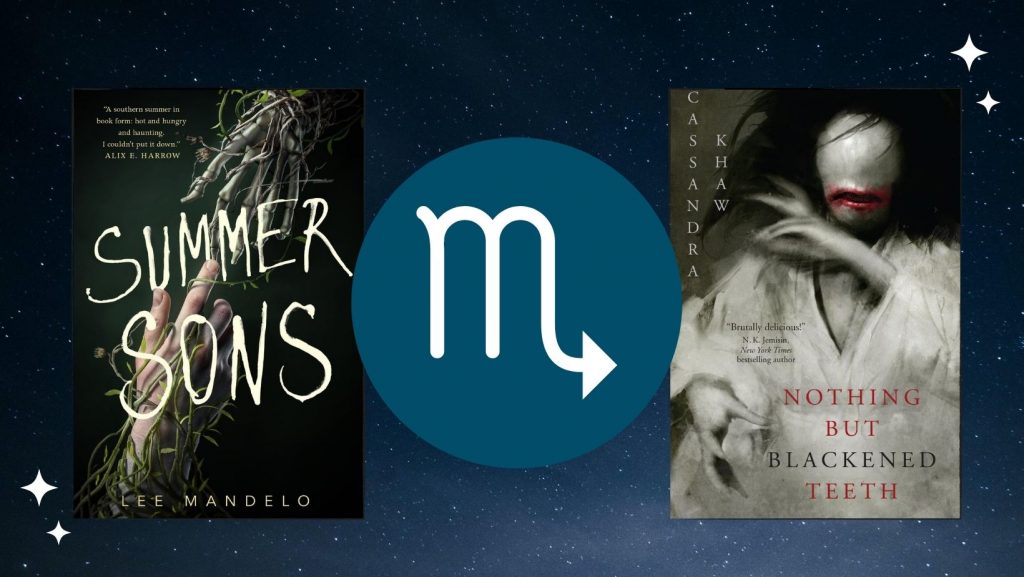
Nothing But Blackened Teeth by Cassandra Khaw

A ghost story based in Japanese folklore about a terrifying ghost bride haunting a group of friends who decide to get married in her former home. Again, it’s a Scorpio no-brainer (and a great Halloween read, too). 


Sagittarius

Happy Hour by Marlowe Granados

How could a book about party girls in a new city go to anyone but Sagittarius? This glittering novel told in diary entries follows party girls Isa and Gala over the course of a summer spent in New York City as they dance and drink and hustle their way through the city. Sagittariuses will feel seen. Check out our reading list by Marlowe Granados about the top party girls in literature.  

Love in the Big City by Sang Young Park, translated by Anton Hur

Forgive me for giving you two party novels, Sagittarius, but I feel like we could all use a little more fun in our lives right now. This novel about a Korean millennial in Seoul trying to party his cares away will probably feel a little too real for most Sagittariuses, but the complicated queer romances and spot-on humor will make up for that. Enjoy this book with an ice-cold Marlboro Red. 


Capricorn

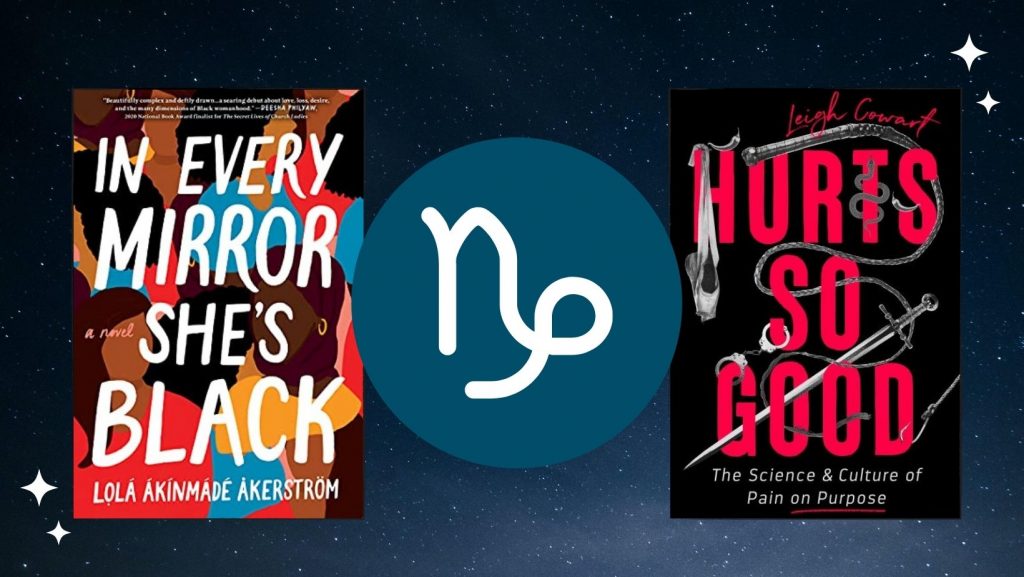
In Every Mirror She’s Black by Lola Akinmade Åkerström

Three Black women with very different lives are bound together by their relationships to a wealthy white Swedish businessman in this fast-paced, astute novel about race and class in the modern world. A novel that’s simultaneously exciting, thoughtful, and relevant? Capricorns are sure to love it.   

Hurts So Good by Leigh Cowart

I see you, Capricorn. I’m sure you’re acting shocked to find this book here, instead of under Scorpio, but I know that secretly you get it. Caps are lowkey the masochists of the zodiac, and a book about the pleasure and science of pain is perfect for you secret little weirdos. So please, indulge yourselves—I won’t tell anyone. 

Aquarius

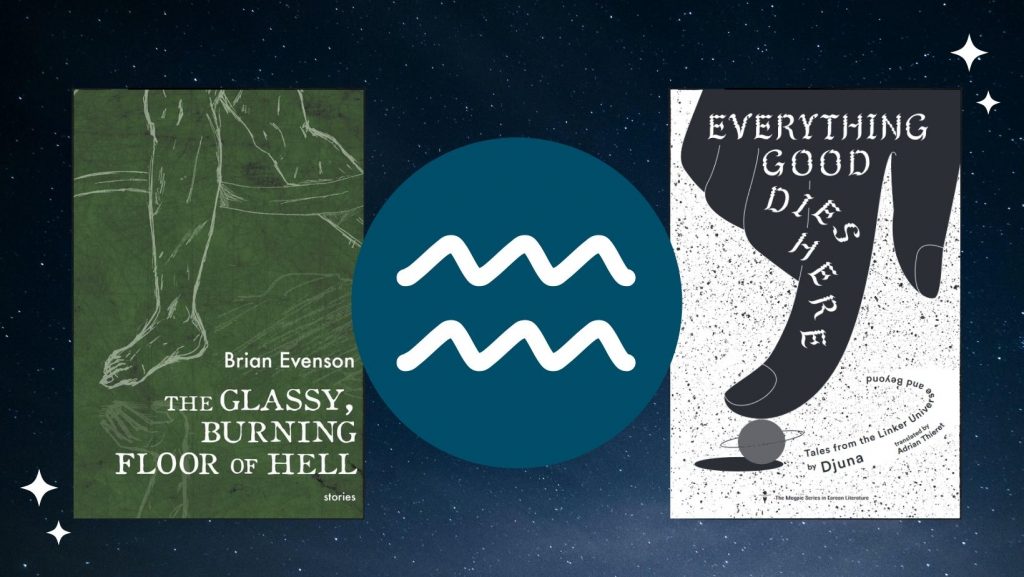
The Glassy, Burning Floor of Hell by Brian Evenson

A sci-fi, cli-fi, futuristic short story collection with a title that whips this hard absolutely has to go to the Aquariuses. This collection is as good as it is weird, and it gets very weird (think sentient prosthetic legs and people who make their living stealing from parallel dimensions). Read the short story “The Shimmering Wall” from The Glassy Burning Floor of Hell here
Everything Good Dies Here by Djuna, translated by Adrian Thieret

Okay, yes, I’m giving Aquariuses two speculative short story collections—but consider this: you’re going to love them. Everything Good Dies Here is a boundless, unexpected, wild ride of strange stories that take inspiration from genre fiction, classic movies, and apocalyptic literature. Aquariuses will find everything they’re looking for and more in this collection.  


Pisces

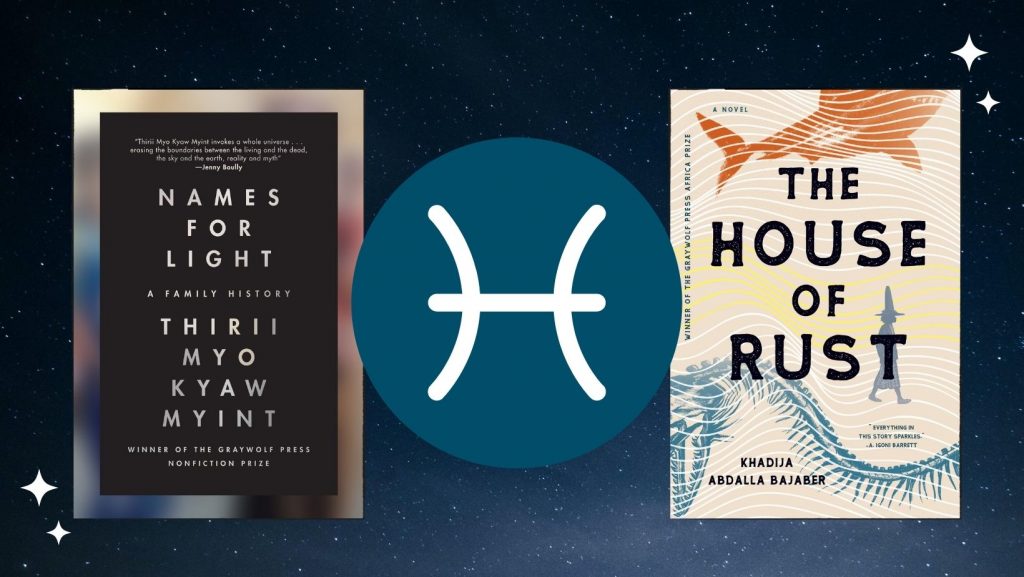
Names For Light by Thirii Myo Kyaw Myint

I’ve got two words for you, Pisces: Experimental memoir. Through lyrical prose, memories, and mythology, Thirii Myo Kyaw Myint tells the story of her family’s history and immigration from Myanmar to America. This beautiful book is perfect for pensive Pisces. Read our interview with Thirii Myo Kyaw Myint about what binds a family together. 

The House Of Rust by Khadija Abdalla Bajaber

Magical boats, talking cats, and sea monsters all populate this magical realist coming-of-age story about a Hadrami girl in Mombasa trying to rescue her missing father. This book is strange and delightful in all the right ways, and dreamy Pisces won’t be able to get enough of it.

Forget Billionaires! The Future Of Literary Magazines Depends On Us

Dear Readers,

In what feels like a never ending cycle of disappointing media news, last week we in the literary community were astonished to learn that after two decades The Believer magazine will discontinue publication. (Since 2017, The Believer has been published by the Black Mountain Institute, out of University of Nevada Las Vegas College of Liberal Arts, and was published by McSweeney’s before that.) I was sharing an Uber with another writer on the way to a short residency when we both saw the tweet. In unison, we gasped. I’m sorry to admit that my second thought was a complex blend of gratitude for the feeling of relative job security and the eerie reminder that everything can change in an instant—sometimes for the better, but often for the worse. 

At Electric Literature, a 501(c)3 nonprofit, we are funded by a mix of grants, advertising sponsorships, membership fees, and grassroots donations. There are both benefits and drawbacks to this business model. There is no guardian angel waiting on the sidelines, ready to jump in and save us should our finances go awry. On the other hand, we aren’t beholden to any person or institution other than our readers and our leadership. We trade the short to medium term financial security of a sole benefactor for the existential security of knowing that we are not subject to any one person’s whims. This allows us to enjoy a certain amount of freedom; we operate without the oversight of someone holding the purse strings, who inevitably juggles shifting priorities and motivations. 

The more people that support a magazine, the freer it is to tell the truth

Earlier this year, EL’s executive director Halimah Marcus and I sat down over cocktails for a virtual live salon. We wanted Electric Literature’s community to have the opportunity to get to know me as an editor and leader. During the Q&A, someone inquired about feeling competitive with peer publications. I said that I don’t feel competitive (other than the rare occasions when we must compete for a piece we want to publish!). So many publications were formative for me—teaching me craft, bringing me through editorial processes that affirmed me as a writer, thinker, and human being. So there’s no joy in the news that another storied publication is closing its doors. Instead, it brings feelings of sympathy for their hardworking and talented staff, and the loss of their vision for the literary community. 

But it also brings anger.

I am angry that another journal—which I deeply respect—will soon close its doors. I’m angry that artistic institutions are forced to operate in a cultural context that so devalues art that a single person or institution can pull the plug. It’s exciting to me that the study of writing seems more accessible than ever, with increasingly diverse MFA programs and workshops offered by journals and local organizations as a viable alternative. But I can’t help but wonder about the fate of the platforms where these writers aspire to publish. If literary journals keep shutting down, where will writers cut their teeth? Where will they gain the practical experience of being edited, of signing a contract, of reviewing proofs, and publishing for an audience that engages with their work?

If literary journals keep shutting down, where will writers cut their teeth?

Literary journals are the rigorous proving grounds that early-career writers need; they are the venues that often propel us from early to mid-career. We gain experience and critical credibility in their pages, which often goes a long way when we’re looking to find agents or publish our first books. And given the consolidation that’s happening in book publishing, and the reluctance of major publishing houses to take risks, literary journals are especially important for writers from marginalized backgrounds. They are the first venues to publish us, to affirm our writing, and to help us build an audience. This, in turn, helps us build careers.  

I’ll never forget the kind words Ann Rushton, editor-in-chief of Bound Off (RIP!), had for me when I told her Bound Off was my first acceptance: “Well I’m most certain this won’t be your last publication.” I still think of her when I need a boost of confidence. Or a few years later, when Esme-Michelle Watkins at Apogee Journal took me through three rounds of content and line edits so thorough, that at first I worried whether or not she even wanted to publish my piece. But when all was said and done, I realized she had helped me find the best version of the story, and shaped my understanding of the novel I’m now writing, which grew out of that work. It’s the work of literary journal editors that first showed me the value of my own writing, and allowed me to believe that my work was worthy of a readers’ time. If literary journals don’t get the support we need—from readers, from writers, from donors, and yes, from institutions—the decline may be slow, but American letters will fall from excellence. Our work will not be read.

We are at risk of losing our literary institutions. After the Black Mountain Institute announced they would cease publication of The Believer, people were tweeting versions of “can’t someone save it?” But rather than waiting for millionaires and billionaires to fund, defund, and subsequently “save” literary magazines, shouldn’t we rally as a community to support them in the first place? Currently, Electric Literature has 1,200 members who contribute ~25% of our budget. Their support is deeply appreciated and vital, but we still carry debt and don’t have a safety net. What if 5,000 members supported 75% of our budget? We would have a steady monthly income to cover our essential expenses; we could pay writers and staff what they deserve rather than what we can afford, and an advertiser pulling out or the loss of a grant couldn’t throw us into a crisis. The more people that support a magazine, the more democratic and diversified it is, the more safe and sustainable it becomes, and the freer it is to tell the truth.

This letter comes to you in the first week of our $12,000 for 12 years campaign, celebrating Electric Literature’s decade plus of publication. If you love what Electric Literature is doing to make literature more exciting, relevant, and inclusive, then join us in our mission by becoming a member. Help us safeguard our future!

Warmly,

Denne Michele Norris
Editor-in-Chief

The Body Horror of Being a Woman

Speculative, surreal stories can be doorways to imagine both what is possible and the effects of trauma and change on the most vulnerable people. Speculative storytelling is expansive, incorporating horror, science fiction, and surrealism to help readers tackle what we are most unwilling to see, highlighting how systemic oppression can break open and create new realities.

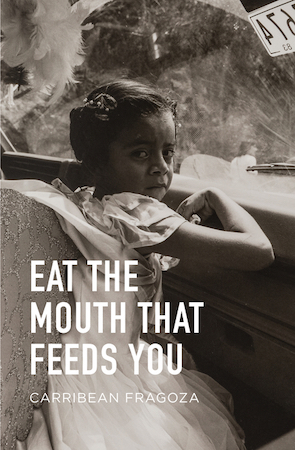
In her collection, Eat the Mouth That Feeds You, author Carribean Fragoza immerses the reader in the experiences of Mexican and Chicana women who are navigating intergenerational relationships, abuse, and changing bodies. While each story stands alone, they also feel very cohesive, as if they are on the same looping timeline in which one person’s story dies to bloom another’s. Each story blends the horrific, the magical, and the ordinary so seamlessly that they reimagine our expectations of reality, asking you to confront the grotesque in the everyday violences of our own lives. 

I had the opportunity to speak to Carribean Fragoza about the way that the book deals with experimentation, the body, and where she finds community with other Mexican American artists. 


Leticia Urieta: Where did this book begin for you or what does the title of the book mean to you? 

Carribean Fragoza: I wrote these stories over the course of many years, some of them as early as undergrad at UCLA. When I wrote “The Vicious Ladies” I really felt like I hit on something that I wanted to continue to push. That’s the story of the young woman who graduates from college and goes back to her neighborhood, not really by choice but she has to because she doesn’t really have any other job prospects. And then she has to join this party crew, and she just kind of gets sucked into this party crew in her neighborhood, but Samira, who’s the leader of the party crew, had this very strong voice that was not afraid to speak her truth, even if it made me uncomfortable. She was so clearly dedicated to protecting and holding and uplifting the girls and the women in her party crew that that became a lesson for me and a real point of departure for a lot of what I’ve written since.

Originally I thought the collection would be titled the “Vicious Ladies” and I always thought of it that way but then in conversation with my editor, Elaine Katzenberg, we thought it would be best to use that title, Eat The Mouth That Feeds You, because it touches on so many themes and ideas that are woven in throughout the entire book, mainly the intergenerational connection. I’m just transferring knowledge through bodies through storytelling across generations of women. There’s a sort of complexity to the title that people can sit with. There’s also the cringe quality that makes people uncomfortable. But I’m okay with people cringing through my stories. I think there’s a little pleasure for me to be honest, in grossing people out or making people uncomfortable with my depictions of death and decomposing bodies and bodies being consumed in different ways. As a fan of certain types of body horror in film, there’s a really great way to use that to depict the everyday horrors of the body, and especially of women’s bodies, from a menstruation cycle to a miscarriage. 

LU: That was something I loved most about this book was how you write about the body. There are several stories in this collection that depict aging bodies, dying bodies, the bodies of women being consumed, and bodies in transformation. Why is that something that feels important to you as a storyteller? 

CF: Most of my writing is very embodied, and I make it a point to do so. It’s the perspective that we don’t get to see very often in literature, how women’s bodies are depicted usually from an outsider perspective, usually from the male gaze. It felt really important and necessary for me to write it from a very embodied internal perspective, where the body is experienced, not just gazed upon. Having a female body is an experience that I don’t think gets talked about enough.  I mean sure, we know about menstruation, but even that is so taboo still after all this time. I would love to read more writing from other women or women-identifying people and just understand more how other people experience their bodies. I have this one body and this is how I experience it, and I want to understand how my characters experience their bodies as well. 

LU: I think one of the things that comes out in the stories is trauma’s effects on the body and how trauma could transform and change the body in grotesque ways, but also in kind of beautiful ways. One of the stories that I went back to is the “Mysterious Bodies.” A lot of these stories end with the destruction of the character in some way or even the destruction of the bodies as they were before. Do you feel like that’s one way to depict trauma’s effect on the body, even familial trauma?

There’s a little pleasure for me, in grossing people out with my depictions of death and decomposing bodies and bodies being consumed in different ways.

CF: It’s very important to me to think about how trauma manifests itself in the body, even though we’re not always aware of it, even the trauma of previous generations. I’m also thinking about the life cycle of the body and the transformation of the body from birth to death, especially as a mother of an almost ten-year-old and a two-year-old. I have a two-year-old baby and I watch her grow every day and then I have this almost ten-year-old that’s about to start puberty or is already starting. And here I am, about to turn 40. Here the three of us are, our bodies being in different places.

I wrote “Eat the Mouth That Feeds You” when I first learned that I was pregnant with my first child and shortly before that, my grandmother and my great-grandmother passed away. So I was in this really interesting place between producing future generations and letting go of my predecessors, and trying to locate myself within that, within the family, but also historically. What does it mean to be of my generation, and what are my contributions? I’m giving my body physically to this new little baby. And every time I nurse I’m literally letting her feed off of me. But then also, as a writer what do I contribute to conversations, to actions to change in the world? To be honest, I don’t always know how writing these stories impacts anything, but I think I see something when I get to have conversations like with you or others who feel impacted or touched by the stories.

LU: For several of the characters in the book, such as the narrator of “Eat The Mouth That Feeds You,” or “Me Muero,” there is an acceptance of death, or being consumed. Do you think that there is power there? 

CF: I’m trying to think about how the body experiences violence in being consumed, but then also how we navigate that to find some empowerment. I think in all of my stories I’m trying to find a way to empower the characters. I can’t speak for everybody but so many of us find ourselves in and across multiple generations, in situations that are very difficult, and we still live in a patriarchal capitalist, white supremacist society. And we are still in the position that we’re in within those structures, and we’re constantly trying to navigate that and find our places of power. And sometimes it’s in our bodies, sometimes it’s in spirituality. Sometimes it’s in ancestral knowledge. Sometimes it’s in our own family histories. And so I think for each of us, empowerment looks different, and I was trying to find that in each of the lives of my characters and in their narratives, despite whatever their situation is whether they’re a low-level employee somewhere, taking the abuse or shit from their boss, or whether they’re a mom, like an immigrant mother, just trying to have a daughter and live in the United States. I asked, what does it mean to live in these positions, and how can we create openings within our situations to find our place of power within that. 

My interest in looking at history in general and our particular familial past is to find the lessons. And sometimes the lesson can be a way to move forward, to not repeat certain situations that our mothers or grandmothers were in, but sometimes the lesson is maybe you don’t move forward, maybe you don’t get to be in a better place than your grandmother or your mother. There’s one particular story where the character is talking about how she feels like she ended up in a place where her grandmother was. Instead of doing better than the previous generation, she got knocked back to a place of poverty and abuse, similar to what her grandmother might have experienced. We learn the lessons and we do hope and expect to  “move forward” or progress but maybe that’s not really real for some of us. Then what do you do with those lessons? 

LU: Who do you consider your literary ancestors or community members? 

We’re constantly trying to navigate [living in a patriarchal capitalist, white supremacist society] and finding our places of power… For each of us, empowerment looks different.

CF: One of my influences is vampire literature, like Interview with a Vampire. As a young person back in middle school, I remember reading vampire novels and writing as if I were a vampire, and how that really nourished my writerly self. It really freaked people out, mainly my teachers, because they were thinking, “oh, Carribean is not well.” Anne Rice was a part of the lineage of Gothic Literature that I gravitated towards and Shirley Jackson as well. When I read her story, “The Lottery,” something changed in my mind. I started thinking more about how maybe unconsciously I’ve been influenced in these profound ways by the genre. I hope that newer writers can find their place in this genre as well. 

I have to mention Helena Viramontes who I read and immediately loved. Currently, I also feel really connected to Sesshu Foster, who wrote Atomik Aztex, because he and I are both from East LA and he and I have this vision of revising or rethinking history and thinking towards the future. 

LU: Could you talk more about your work as an editor and community organizer? What kinds of spaces are you creating with publication and the arts collective? 

CF: With the publication of Vicious Ladies Magazine, I wanted to create a safe space for women or nonbinary writers and cultural critics of color to write in their own unique voices that is not policed by the white gaze. I often struggled to get my stories heard and read as a journalist, and so I hope to create opportunities for mentorship and for new writers to get their stories out there in whatever voice they choose to use. They can sound this hood as they want. They can use poetry to write about an art installation. I want this to be a space of experimentation. 

My husband’s a historian and we collect oral histories, we’re building an archive, and we wrote a whole book about the history of my hometown. We started the South El Monte Art Posse (SEMAP), a multi-disciplinary arts collective, which is 10 years old this year. This community has really shaped how I see our stories, and I want to always shout out to El Monte writers like Salvador Plascencia, Michael Jaime-Becerra, Toni Margarita Plummer (Kirkpatrick), and other writers I am in community with like Myriam Gurba. This community and these stories are a way of belonging to a place through these little stories and through connections to small, seemingly insignificant objects and narratives in this archive. So I’m very invested in uncovering new histories, but also in thinking about the future and what we want the future to look like and how does my writing contribute to the future that I want to see not just for myself, because I’ll be gone before you know it, but for all of our future generations, like my kin, my daughters, but also all the new young writers and artists out there. 

His Best Friend is a Bottomless Void

“Dark Matters” by Courttia Newland

The world beyond his room had grown mysterious, untrustworthy. He spent whole days alone, his parents downstairs, lying belly-down on the carpet, sketching and coloring images. At first, during his early years, Max responded to the graffiti everywhere he went, the characters and wild styles and throw-ups, the improbable mix of colors that seldom met in the natural world. When he grew older he searched above, up toward the light-saturated night sky. His canvas became larger, moving from school notebooks to A3 sheets. He began to conjure nebulae, solar systems, distant dwarf stars that shone pale milk blue, the lifeless glow of dead planets. His parents grew worried. To them his pictures were of nothingness, empty dead space, cold and isolated. His mother complained to Aunt Lina that he’d lock himself away for hours, rarely coming down to eat; and even when he did, he wouldn’t speak. His father eyed him with sullen concern, mouth opening and closing, cigarette poised by his lips, grasping for language never caught.

Max knew what he feared most: the odd looks, that slow creep away, and in strange, laughable contrast, the trailing six steps behind him in every shop, his newfound size met with awe and some distress. The previous summer he felt people thought him charming, possibly lovable. Without warning all that had changed. Now he was a foreign body causing panic. A threat.

He lay stretched on his stomach painting a watercolor cloud of blue in red when Noel knocked for him. His neighbor lived two streets away, so their mothers made sure they walked to school together, hoping to deter rougher neighborhood youths. When the boys reached their school gates they split like torn paper, staying apart until it was time to go home. Max didn’t blame him. He liked Noel. He was short, not self-conscious, confident and popular with girls, boys, and teachers, humorous and knowledgeable without seeming quirky. Once, at lunch, Noel spent ten minutes stabbing every fry on his plate onto a fork with intent precision while the entire population of the school hall watched, applauding as he crammed the soft-spiked bunch into his mouth.

At the knock, Max half rolled over, knowing who it was. There was nobody else it could be. “Come!”

The door eased open, stopped. Noel’s head appeared. “Yes, Maximillian!”

“Bruv. I told you not to call me that.”

Noel pursed his lips in a closed-mouthed smile. “Yes, Max. You good?”

“Yeah. Come.”

Noel entered. Sagging skinny jeans, fresh black Adidas, a matching T-shirt and black hoodie. Noel always had the manners to remove his snapback when he came in the house, which Max’s mum never stopped going on about. His haircut was barbershop fresh, a day old at the latest, making his small head gleam like a water chestnut. Max, in contrast, had on worn trackies from last year, a fraying polo shirt, and his Afro hadn’t seen a barber in months. His cheeks warmed as Noel looked for somewhere to sit, opting for the single bed. The room was small, barely space enough for the thin bed. A single wooden chair was filled with a pile of folded clean clothes. Posters of street murals, Hubble photographs, and rap stars surrounded them.

“Why you lyin’ on the floor?”

“It’s comfortable. Plus it’s the best place to draw.”

“Don’t you hurt your back an’ shit?”

“Sometimes. I haven’t got a desk, so . . .”

Noel craned his neck, tracking the walls. “Man can draw, fam.”

“Thanks. It’s just practice.”

“Nah, it ain’ practice. I could practice years and not draw like that.”

“Everybody’s got their thing, innit?” 

Noel wrinkled his nose. “You reckon?” 

“Blatant.”

A wait, the distance between them more apparent with every second. Downstairs, a clang of kitchen utensils. The aroma of melting coconut oil. Frying onions.

“Bruv, I pree something, you know.”

Max rolled onto his back. Noel was staring out of his window. At the underground tracks beyond his garden.

“What?”

“I dunno.”

Max laughed, stopped. There was a thin shadow of hair along Noel’s jaw he hadn’t noticed before. “You dunno?”

“Yep.”

“Where?”

“The industrial estate. It’s proper mad. As soon as I see it I thought, that’s Max. He’ll know what to do. It’s peak.”

His skin began to tingle. It came from nothing, nowhere. He felt pressure in his veins, the sparkling sensation of a dead arm, and realized he was leaning on his elbows. He sat up. The barricade lifted, blood rushed back where it belonged.

“What is it?”

“I can’t explain. You gotta come, trust. You’re the only man I’ll let see this ting, believe me. Everyone else’s too stupid. They’ll ruin it.”

“Is this a joke?”

Noel stared. His eyes were dark marbles. “Bruv. Do I joke?”

It was empty space, the substance he’d stared up at night after night. It was the vision before his eyes when his lids were closed. 

They held each other’s gaze, and burst into spluttered laughter.

“Nah, but really,” Noel said. “Do I joke about seriousness?”

Max was already on his feet, easing into sneakers that were blackened like plantains, a sweatshirt lined with creases, and over that, a gilet vomiting cotton from the loose jagged teeth of torn seams.

“Come then,” he said, avoiding Noel’s smile.


They rode single file, in silence. Past the small park used by Amberley Aggy more than anyone else, beneath the quiet thunder of the underpass, and onto the busy main road, which for some reason was called a lane. Even their bikes were nothing alike: Noel’s a gleaming thoroughbred, bright red with thin black tires, Max’s a lumbering matte-black no-name, thick-boned with a wide snakeskin tread, rusting and creaking as its wheels turned slow. They cruised at medium pace, Noel seemingly in no hurry. Traffic was snarled up this close to rush hour, granting the ability to ride single and double yellows in lieu of bike lanes, ignoring the momentary panic on car passengers’ faces, unaware of their relaxed, guilt-ridden calm once they were gone. The day was bright, the breeze chilled as the sun began to fall, Max relishing his mild sweat as he bore down on the pedals. When Noel turned left immediately after the overhead railway bridge, he followed.

Traffic sounds lowered. The rolling shush of car tires became soothing, momentary. There was even the sound of chattering birds. Max closed his eyes, enjoying the sensation. His tires whirred beneath him.

The warehouse had once been some kind of factory, but it had clearly been long abandoned. On the upper floors, steps ascended into thin air and crumbling window frames. The only intact ceilings were on floors one and two, which were dark even though the sun was bright, foreboding even from outside. Noel glanced over his shoulder as he wheeled his bike toward the dusty steps; other than that, he hardly seemed to notice Max. He lifted the bike up, toward the blue factory doors. A scrawl of tags was etched on wooden boards that replaced the broken glass. Max thought the doors were closed, locked, as both were straight-backed and rigid, but when Noel pushed there was just enough space to squeeze themselves and the bikes through their resistance. Inside, he kicked one semiclosed; it barked a splintering protest, stuck. Noel wheeled his bike farther inside and so Max left it be, trailing after him.

The ground floor was vast. He couldn’t see the far end, consumed as it was by shadow, the walls disappearing into gloom much as the stairs above their heads evaporated into sky. Everywhere was dust and rubble, as though an earthquake had taken place, leaving the outside untouched. He saw repeated mounds of white plaster embedded with red brick that reminded him of strawberry meringue. Some mounds touched the pocked and cracked white ceiling. Cathedral arch windows beamed stunted blocks of daylight on either side of the boys, but the center of the hall was dark and difficult to make out.

Max found himself stumbling every few steps; on what, he dared not guess. The smell was of mold, damp earth. It clogged his nose and made his eyes feel heavy. The scrape of their feet caused a sea of dust to rise around their ankles. Every now and then there was a downpour of debris as showers of plaster fell from the floors above, thankfully nowhere near them. He stopped pushing the bike to rub his fingers together; they were rough, powdery, and he could taste a crackle of grit between his teeth. In front of him, the dust fog settled. He could just make out Noel’s shadow. He angled his handlebars in that direction and only knew he’d reached him when he bumped the back of his legs.

“Oi,” Noel said, softer than usual.

“Sorry,” Max whispered, following his lead.

“It’s sleeping,” Noel said.

Max was just about to ask what, but he stepped out from behind Noel, and saw.

Beyond the boys, there was a small pile of rubble as high as Max’s waist. On or spread across the crumbled plaster, it was difficult to tell, was nothing. Or rather it was something as far as Max could see, although exactly what he didn’t know: a black patch, dark ooze where there should have been sand-like plaster. There was an absence of light on the ground before them, a hole-like rip in the earth that led into . . . an abyss. It was empty space, the substance he’d stared up at night after night. It was the vision before his eyes when his lids were closed. The deepest part of the night when he lay in bed, roused from dreams. To see it where it shouldn’t be made Max dizzy with uncertainty and he stepped back with a yelp of surprise. He stumbled on an unseen brick, which shot from beneath his foot and made him fall, the bike clattering to the dust in a racket of gears and wheels.

He blanked out for a moment, trying to collect himself. Through holes in the glass roof, the faraway blue sky spun in slow motion. A wisp of cloud traveled on the wind. Noel whispered, “Shit,” and Max only just heard him, thinking he might be in trouble, so he tried to get up; only when he’d pulled himself into a sitting position, he froze. Everything left him. Body heat, voice, his breath.

The dark ooze had moved. It wasn’t spread out on the floor, it was sitting up like him. No, it wasn’t sitting up, it was pushing itself onto hollow haunches. He could see that what he’d first thought of as a random spread of substance was actually manlike—arms, legs, torso, head, all midnight black, all devoid of features. Humanoid. The creature got to its feet, spreading its arms out wide. A man-shaped silhouette three inches taller than him, around six foot four, a cutout patch of blank shape and inside that, dark void. Max tried to peer into the depths. For a moment there was the sparkle of distant stars: galaxies perhaps? The nothing was so deep it almost gave off its own light. Maybe that was what he was seeing? He leaned forward, yearning for more, so captivated he barely registered Noel say: “See? It’s beautiful.”

The being seemed to hear him. It extended a pitch-black hand, fingers reaching, strained for contact. It didn’t move. Noel stepped forward.

No,” Max whispered from the rubble floor.

Noel ignored him, inching closer, an exhalation of dust at his feet. He touched the darkened fingers and immediately, instead of grasping them, Noel’s fingers began to disappear. It was as though they’d been immersed into a gleaming pool of thick oil. He made a terrible noise, moaning fear and revulsion, deep-throated, growing louder as he fell deeper into the creature’s body. The darkness covered more of him, his knuckles, wrist, forearm, his elbow, and up one shoulder, Noel’s feet beginning to slide closer into the creature, sending roiling dust puffing high, some of which also vanished into the dark form. Half Noel’s torso, his leg, his face, which turned toward Max and let out a roaring scream, until it covered his shaved head, and the substance filled his mouth, cutting off his voice as though a plug had been pulled inside him.

Max yelled something that wasn’t even a word, his throat raw.

The creature sucked Noel in, took his whole body until there was only a flailing arm, a bent elbow, fingers writhing like windblown leaves, sliding inside the creature with a dull pop. Immersion.

He was cold, and so he climbed beneath his covers fully clothed, teeth transmitting code for his ears alone, the image of Noel absorbed into the void of the creature returning like a DVD glitch; repeat, repeat.

It was still. The void became auditory. It turned toward Max, opening its arms. He picked up his bike, pushing it a meter before him, and leaped on, pedaling hard and fast. He only looked behind once, against his will, believing the creature would come after him, but it stood in the same spot, arms wide, turned in his direction. He made it to the graffiti-stained doors, jumped from the bike, wrenched the doors open, breaking three nails so his fingers bled, and pushed himself outside without a care for bumps or scrapes, throwing himself back onto the bike and sprinting hard. His breathing was a harsh, ragged, quiet scream, ripping his chest like smoke, his expression a wide-eyed mask of shocked fear. He rode so frantically cars veered out of his path to avoid collision, and buses sighed to a stop.

At the small park his muscles could do no more and his legs gave out. He fell onto the grass, bones jarring as they met earth, lucky to have the bike roll away and not collapse on top of him, the whine of his breath like the sawing rasp of an asthma attack, sweat pouring from his face and body, soaking his clothes. Old Man Taylor and Ms. Emmes saw him as they returned from the parade of shops, and assumed he’d been smoking, or possibly injecting, forcing a wide space between themselves and the boy, storing the image of him splayed and panting to recreate for his parents.

Max’s chest rose and fell, looking painful, possibly dangerous. By the time it returned to an even pace, daylight had dimmed. The Amberley Road teenagers arrived, sauntering in no clear direction only to pivot on the spot, palms slapping, barking laughter, passing lighters and curses, heads nodding to smartphone music until they noticed Max; then whispering among themselves as they saw him on his back, motionless. They tried to pretend he wasn’t there, yet his presence muted their voices. The strange kid, even stranger now, possibly drugged or the victim of an attack. Unable to tell and unwilling to check, they left Max alone.

When he rose to his feet sometime later, the youngsters were a darting swarm of burning orange sparks. Max lifted his fallen bike and walked it home, stumbling past, ignorant of their hush; group suspicion clouded by nightfall.


Max hurried to his room, marching away from the calls of his parents, the shrillness of his mum’s voice, though she was not quite panicked enough to remove her sagging flesh from the television and see if anything was actually wrong. With his bike safely stored in the shed at the bottom of their garden, he tried to treat himself similarly, locking his door, collapsing on the bed, energy spent, head revolving slowly as a park merry-go-round, throbbing angrily. He was cold, and so he climbed beneath his covers fully clothed, teeth transmitting code for his ears alone, the image of Noel absorbed into the void of the creature returning like a DVD glitch; repeat, repeat.

Beyond his room, the garden, and the untidy jungle of overgrown slope beyond his father’s greenhouse, the underground tracks caught Noel’s attention: the Central Line to Ealing Broadway or Ruislip going west, Hainault or Epping to the east. Every five minutes there was a mechanical shudder, a screech and roar of trains, the glow of carriage windows creating a cinema reel of lights, illuminating gloom. Hours passed. The darkness gained depth, thickened. His mother knocked on his bedroom door, tentative, though it was easy to feign sleep, closing his eyes to cement purpose, wait until she went downstairs, the soft thud of her footsteps on carpet matching the pulse of his fear, still faster than normal. He opened his eyes only when he felt safe, tracing the patterns of rattling trains on the white screen of his ceiling, absorbing their flow without meaning, lips moving as though in conversation with his consumed friend, a whispered dialect that perhaps only they understood.

He tried to imagine himself doing more. Instead of freezing on the spot mute and powerless, reaching for Noel and pulling with all his strength. Picking up a half shard of brick, pitching it at the creature with all his power. Maybe rushing it with a broad shoulder, forcing it to the floor, away. And yet as much as he tried to conjure images of himself in action, they were solemn fragments, still, unfocused photographic moments at best, patchy and unclear. Whenever he attempted to force them into motion they fell apart or resisted, so he couldn’t see the results. And yet he continued to try, eyes red and stinging, a snail’s trail of tears leaking from the corners, running from his temples and onto the pillow as the dark grew stronger, and the cat’s-eye lights of the trains flickered against his poster-lined four walls, and his body gave in and slept, plunging Max into a subconscious well of nightmares and ether.

Something woke him. He kept his eyes closed. The trains had stopped, which meant midnight had passed. His parents had gone to bed. Floorboards and walls ticked, creaked. Max felt no physical sensation. His body had seemingly dissipated, leaving nothing physical behind, only spirit, the invisible void.

He heard night workmen, their noisy clink of metal, and with that, sensation returned. He’d seen them sometimes, guiding a battered flatbed carriage along tracks, mustard yellow, mottled with vitiligo rust. He lay still, eyes closed, absorbing sounds, imagining slow progress. High points of conversation caught his ears, snatches of swearing, and the beam of their mounted spotlight flooded the room, turning the dark behind his eyelids red. He opened his eyes.

The thing from the warehouse rose at the foot of his bed, reaching, arms wide, seemingly larger now, pure emptiness within. Max tried to scream and nothing came out but a strangled whine. He wanted to move only for his limbs to resist, the thing stretching its arms like dark honey, creeping closer until each encircled the bed, and the thing grew taller, spreading up and out until it was a dark, giant mass above and around him. Max’s heart pounded so hard, his skin was so cold, and his fear so paralyzing he thought he might die.

And yet inside the body, he saw something. Now he was closer and the creature had widened like canvas, he could make out a powdered white terrain, the purple glow of something that resembled sky. The curving glow of moons, the shadow of a planet and on what he assumed was the ground, a series of blocked shapes that looked like plateaus, or cliff tops. There were marks in the sand, a trail of some kind. Curiosity broke paralysis, although a residue of fear still caused him to shake, gasp breath, as he sat up in bed, leaning closer. Yes. Yes, it could be. He kneeled before the creature as if he were about to pray, reaching, touching, feeling the ooze creep along his arm, not the sensation of contact he usually associated with touch, but something else, a warmth that transformed his whole body, stilled his heart, and he wasn’t afraid: he was relieved, filling with joy. He released a monotone groan, understanding this was the sound Noel had made upon contact; it was release, not resistance, letting it wash over him until that warm feeling was everywhere, seeing nothing more of his bedroom, only the thick absence of light that embraced him.

A temporary floating sensation, the pop of air pressure, soft, hardly noticeable. Solid ground beneath shoeless feet. Warmth against his soles. The glowing white land. A purple sky, closer now, everywhere, the spray of stars and the planet, heavy and low, half-dark half-red, bursting with its own weight. Beyond that, faraway moons, twin ice crystals, tiny and bright. The trail he’d seen was of footprints, climbing from where he stood, a dual pattern on the sand, the reversed imprint of sneaker soles. They rose, disappearing behind dunes to reappear farther, toward what he’d thought were flat mountaintops from the unimaginable distance of his bedroom, but were actually looming structures, white as the sand. Turrets or towers, Max couldn’t tell. He turned to look behind himself. The creature’s silhouette; inside the body, a distant view of posters, the dull wooden foot of his bed, the night workmen’s spotlight reflecting on his white ceiling. Home.

He relocated the trail of footprints, eyes rising upward. The structures shimmered in half light piercing the velvet atmosphere, blinking silent reprieve.

8 Books by Chicano Writers

Growing up, when asked If your last name is Juarez, where are you from, I learned that answering Los Angeles, New Mexico, and Texas only earned more questions. Even in Southern California, a land that was Mexico less than 200 years ago and is home to millions of people of Mexican descendent, to most people being “Mexican” implies a recent migration from elsewhere. 

In the 60s, Chicano activists began protesting for rights and awareness of the growing population of people with Mexican heritage who were born in the United States. While the obvious term seems like “Mexican-American”, Gloria E. Anzaldúa wrote Borderlands / La Frontera to describe how the term can aid to the frequent doubling and dividing that most Chicanos experience. Being from both cultures, yet feeling othered all the same. 

Recently, depictions have been on the rise for first, second or higher generation Chicanos. Terms like Xicanx have also gained popularity, the x’s representing both gender inclusivity and a nod to Nahuatl, an indigenous language spoken by the Mexica people (also referred to as Aztec). With shows like Gente-fied, Selena, On My Block, Xicanx stories are being shared with a wider audience. The following books by and about Xicanxs showcase the diversity and talent within our community.

Mean by Myriam Gurba 

Myriam Gurba and I are both queer, mean, half-Xicanas from Long Beach, California. So needless to say, her memoir hits close to home. Gurba uses the lens of being “mean” to discuss the ever-present threat of misogyny and violence that women (especially women of color) face. This untraditional memoir opens with a recounting of the assault and murder of a Xicanx who shared a rapist with Gurba. The rest of the book weighs assault, sexuality, race, and gender in a way that is like a loving gut punch.

Heart like a Window, Mouth like a Cliff by Sara Borjas

A deeply personal poetry collection that navigates Chicana identity in familial, academic, and romantic settings. Borjas returns frequently to the idea of being a “pocha,” a typically negative word used to look down on Mexican Americans who do not speak Spanish. However, Borjas embraces that identity and dismantles the shame associated with it.

Inter State by José Vadi

This debut, interlinked essay collection is an ode to the silent yet ubiquitous experiences that every Chicano from California knows, and a look into Valdi’s experience working in tech as the grandson of Mexican farmworkers. In the essay “Getting to Suzy’s,” Valdi describes his ritual of playing jukebox music “that make[s] Chicanos, old-timers, hip-hop-beat purists,  ex-cons… and me feel at home.” Later, he mentions The Art Laboe Connection, my grandpa’s favorite radio show that I never imagined reading about in an essay collection.

Sabrina & Corina by Kali Fajardo-Anstine

Focusing on various young Chicanas in Denver and Southern Colorado, these stories highlight the pain of gentrification and the risks of young womanhood. In the titular story, Sabrina is murdered, and Corina reflects on the legacy of violence against the women in her family, including their blind Great-Auntie Doty. In the following story, “Sisters,” we follow Doty in her final week with eyesight. Fajardo-Anstine also made a choice to make the characters both Mexican and Indigenous to Colorado.

Hip-Hop (and Other Things) by Shea Serrano

For three of the last four years, my Christmas gift to my dad has been something from Shea Serrano. Shea’s bibliography is heavily focused on rap, basketball, and all things Chicano (my dad’s favorite things.) His newest book is an informative illustrated dive into all things hip-hop. With mythos, scholarly insight of Nas’s discography, and flow charts like “Is it your birthday? —> No —> We don’t give a fuck it’s not your birthday,” HOAT closes on an attempt to answer 2Pac or Biggie.

The House on Mango Street by Sandra Cisneros

One of the most classic Xicanx texts, this fragmented novella follows Esperanza, a young girl in a Hispanic neighborhood in Chicago. In 110 pages, an entire world is explored. From Esperanza’s friends and crushes to the Puerto Rican girl who spends all day inside babysitting and selling Avon. The House on Mango Street is a poetic coming-of-age story that is expertly woven by a Chicana legend.

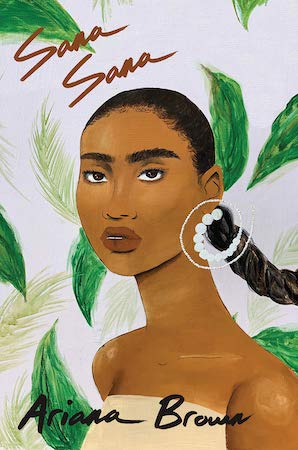
Sana Sana by Ariana Brown

This poetry collection is technically a chapbook, but Brown stuffs her poems filled with rage, acceptance, and self-reflection. A queer Black Mexican writer from San Antonio, Brown simultaneously contemplates Black womanhood in modern America and her identity to Spanish and colonization. Her poem, “Dear White Girl in My Spanish Class,” which went viral on YouTube, grapples with being born into two languages that were once forced upon her ancestors.

City of God by Gil Cuadros

By the time Cuadros died of AIDs complications in 1996, he had given space to a community rarely discussed within Chicano cycles: queer men and those affected by the AIDs crisis. Two years before his death, he released City of God, a collection of short stories and poems detailing life in Los Angeles for gay Mexican American men. The opening selection discusses Chicano childhood and the buddings of queerness. The second section deals with the internal conflict between Latine families and sexuality, especially as it relates to machismo. The final section focuses on living with HIV/AIDs as a Brown man and how Los Angeles is a reflection of the frailing body.

Why Edgar Allan Poe Is the Best Writing Teacher for Our Own Hysterical Moment

This past August, two weeks before my first book came out, our childcare fell through, with immediate effect. For the first week, I cadged time off from my full-time job and attempted to meet freelance deadlines—hahaha—while tending to my one-year-old son. The second week was a long-scheduled “vacation,” with my entire family staying in a beach rental to celebrate my parents’ 50th wedding anniversary. I ached to see everyone, and I felt too guilty to skip it, even as I remained terrified we’d all get Delta. The beach house wasn’t childproofed; no, it had been expressly designed to cause injury. Every 10 seconds my son tried to swan dive off a balcony, while the tendons in my neck cranked tighter and tighter and tighter until I could barely turn my head. Then, on the car ride home, the symptoms started. It was not Covid. It was only a bad cold, and still I wanted to lay down in the driveway and stay there, unmoving. 

Those were two hard weeks. The last two-ish years have been hard. The pandemic created new stresses; if your life felt even slightly on-the-brink before, it probably feels a little bit closer to the brink now. Twitter buzzes with jokes about nervous breakdowns and “The Great Resignation.” Sometimes my group chat goes quiet for a few days, and it turns out my friends were having mini versions of just such breakdowns, and sometimes—like back in August—I’m the one going quiet.

The pandemic created new stresses; if your life felt even slightly on-the-brink before, it probably feels a little bit closer to the brink now.

This is where Edgar Allan Poe becomes relevant, especially for us writers. Few creative careers that have risen to such heights have also been conducted under so much stress— financial stress, professional stress, familial stress, psychosexual stress—and it shows in his work. Think of Poe’s typical short-story structure: A single narrator caught in some terrible situation, frantically jotting down the horrifying details of his dilemma as his situation only grows worse. This was both a reflection of Poe’s own situation, and an incredibly effective strategy for holding a reader’s attention. It’s why his stories still grip us almost 200 years after their writing, simple as they may seem, at first.

The story of why Poe wrote them is gripping, too. If he had had his druthers, Poe would’ve have been a trust-funder like his hero Byron, scrawling Romantic poetry in between adventures, and maybe, on occasion, turning his attention to some arcane academic question. But his reality was utterly different. In fact, it was positively swollen with suffering. An orphan by the age of 3, he was adopted by a wealthy family—then, in his late teens, cast out and disowned. From then on, Poe never had any money at all, while his beloved wife eventually contracted the same disease, tuberculosis, that had killed his biological parents. Unable to bear the strain of her illness, he became, by his own account, “insane, with long intervals of horrible sanity.” Between his dire poverty and constant experience of real-life horror, it’s no great wonder that Poe leaned into writing commercial horror. More specifically, the “Blackwood’s” style of sensationalist short fiction, which many American publications were willing to pay for.

Blackwood’s was a popular Scottish magazine in the early decades of the 19th century, influential on both sides of the Atlantic, and the stories it published, as described in Michael Allen’s Poe and the British Magazine Tradition, were “usually structured around a protagonist in some strange, horrific, or morbid situation which is progressively exploited for effect.” Think of Poe’s early story, “MS. Found in a Bottle,” or a more mature work such as “The Tell-Tale Heart.” Each follows the basic model: Someone is telling you about an awful experience, and in such detail that it’s almost as if it’s happening to you, too. In “MS. Found in a Bottle,” a man survives a terrible storm at sea only to find himself thrown onto another, more mysterious vessel, apparently crewed by ghosts. Then that ship is sucked into a whirlpool and goes down, all hope vanishing with it. In “The Tell-Tale Heart,” the narrator commits the perfect murder, yet goes mad with guilt and confesses to the crime anyway, blowing his best-laid plans.

Had Poe used the Blackwood’s model in a one-note way, however, we might not be reading him now. Instead, his stories loop back on themselves, their hysteria often amounting to satire and meta-commentary. In an 1835 letter, he rather self-consciously described these works as “the ludicrous heightened into the grotesque: the fearful colored into the horrible …. the singular wrought out into the strange and mystical.” 

And while scholars tend to focus on the nouns in this description, obsessing about what Poe may have meant by “ludicrous” and “grotesque,” what jumps out at me as a working writer myself—and maybe to you?—are Poe’s references to the movement and development in the stories, the heightening and coloring, of how exactly he’s elevating the dilemmas into metaphors, working in the satire and grander commentary. Because how does a writer both master and transcend a commercial genre, which in our time might equate to romance novels, fantasy epics, how-to nonfiction, or personal essays? That’s my burning question. Maybe yours, too. Wouldn’t we all like to be read, get paid, and eat our satire-cake too?

Wouldn’t we all like to be read, get paid, and eat our satire-cake too?

To that end, what if we adopted some of Poe’s techniques to rivet our own readers? Single narrators. Horrific or morbid situations. A tone that pivots from hysteria to satire. I mean, after the couple of Covid years we’ve all just had, who among us does not have these materials ready to hand?

Fortunately, Poe left us explicit, if also satirical, instructions on using his model. “How to Write a Blackwood Article,” first published in 1838, is a facetious essay apparently written by a ridiculous woman who’s being taught how to write this type of fiction by a pompous professor. So, how should such an article/story go? The good doctor says the steps are easy enough to follow:

  • Get yourself into a scrape or misadventure (or take drugs and record your sensations).
  • Next, consider your tone. Be sure to write in a “diffusional and interjectional” style, “all in a whirl.” Short sentences help.
  • Bring in metaphysics where you can, to give your tale that little soupçon of elevation.
  • Finally, show evidence of extensive general reading. Quote somebody, or something, preferably in a dead or Germanic language.

Once again Poe’s tone here is self-conscious, self-mocking, ambivalent about his own productions, even as he insists that Blackwood’s fiction should be “our model upon all themes.” And that’s because the stuff sells, he explains. Yes, I have started to say he. I realize you could argue that I’m confusing Poe and the characters in his facetious “How to Write a Blackwood Article” essay, but I swear it’s like he’s breaking the fourth wall, turning and grinning at the camera when he advises: “Should you ever be drowned or hung, be sure and make note of your sensations—they will be worth to you ten guineas a sheet.”

Considering how recently the “first-person industrial complex” dominated the internet, this advice doesn’t seem all that out of date, either. It even strikes me as hopeful. Maybe these tough, tedious experiences we’re all having might be worth something to us someday. Maybe we can figure out how to burlesque our pandemic times, and even better, satirize popular genres while we’re at it. (I don’t think it’s a coincidence that my own favorite pandemic reading has been personal newsletters, particularly from mother-writers like Katie Leitch and Evie Ebert. The formula is similar: Dire or at least semi-dire situations. Single narrators. Jokes both explicit and implicit.)

Maybe these tough, tedious experiences we’re all having might be worth something to us someday.

As I write this, my house is half dark, a storm blowing up outside as if to provide some missing gothic motif, and downstairs, my kid is waking up from his nap. A rainy evening indoors stretches out before me, offering plenty of time to worry about whether this essay is any good or not, whether I’ve said what I wanted to say or not—but no more time to work on it. Jetzt haben wir den Salat. Still, if it turns out to be vulgar or pretentious, I guess I can always pretend that I intended it to be. Should you ever find yourself in a similar position, be sure and make note of your sensations—they will be worth to you, well, whatever editors are paying now.

Everything in Haiti Changed After the Earthquake

Haitian-Canadian-American author Myriam J. A. Chancy’s new novel, What Storm, What Thunder is about the lives of ten people coping with trauma in the wake of the 2010 earthquake in Haiti. The novel explores the measure of grief that ten individuals experience as the earth fluttered and shook at 4:53pm on January 12, 2010. Even though time has caused some of the memories of the 2010 earthquake to fade, What Storm, What Thunder stands as a memorial to the many lives lost, calling on us all to remember what happened, to never forget.

I was already immersed in What Storm, What Thunder when the 7.2 magnitude earthquake struck Haiti’s southern coast on August 14, 2021. I reached out to friends and colleagues to know if they and their families were safe. As the stories emerged of Haitians helping pull one another out from under the rubble before Tropical Storm Grace arrived with floods and her morbidly ironic name, there was nothing else I could do but sit and listen to the characters in Chancy’s novel as they told me their stories of love and loss.


Nathan H. Dize: I want to spend most of our time together talking about this beautiful novel that you’ve written, but I’m wondering if you’d be able to tell us what it’s been like to publish a novel about the January 12, 2010 earthquake in Haiti in a year where Haiti has already seen a rise in kidnappings and civilian deaths, the assassination of President Jovenel Moïse, a 7.2 magnitude earthquake, tropical storms, and many months of deportations of Haitians from the US with Del Rio, TX just being the most recent iteration? 

Myriam J. A. Chancy: Well, it’s certainly been a difficult time for Haiti and for Haitians, especially for those residing in the Southern peninsula where the August 14th, 2021 earthquake took place, leaving over 2,200 dead and over a million affected by homelessness, food insecurity and the effects of tropical storms in the earthquake’s wake. I would say that having the novel appear at this time is bittersweet. Certainly, I wrote the novel partly because I felt that the events and aftermath of the 2010 earthquake were being forgotten by those beyond Haiti while the aftereffects remained on the ground but, until this summer, I thought of the novel as historical rather than topical.

At this point, I can only say that the effect of having all these events follow one by one since early July is somewhat despairing, but my hope is that the novel can shed light not only on what happened then but what is happening today and humanize not only the events themselves but the lives of those living through them.

NHD: What Storm, What Thunder is based around the 2010 earthquake, could you take us back to the moment you first learned about it? Where were you, what was going through your mind? What was it like, as a person so intimately connected to Haiti, to experience something so catastrophic? 

MJAC: I didn’t learn about the earthquake until a few hours after it had occurred. I was on my way to teaching a literature seminar, a three-hour seminar, when I received a text about Haiti on my phone, but I didn’t have the time to see what was happening as I was heading into class. After the class was over, I checked the news and saw that an earthquake had happened. Honestly, the experience was surreal because one doesn’t expect to hear about an earthquake in Haiti. The last severe earthquake before 2010 had taken place near Cap-Haitien, I believe, in the late 1800s. It was surreal. Very little news came out of Haiti because already fragile infrastructures were wiped out and the death toll so high (around 300,000 dead; the second deadliest earthquake in human history) but when some of the first images coming out of Haiti were of the fallen Presidential palace and of the Notre-Dame Cathedral fallen into ruin, it was clear that this was no ordinary occurrence and that whatever would come next would be terrible. It took two to three weeks to track down family members and then came the work of assisting with rebuilding and aid efforts.

I would say that, for myself, it was both a very isolating experience because I was not living at the time in an area with a Haitian community and most people around me could not fathom the amplitude of the problem while lending what skills I had to aid efforts brought me into closer communication with Haitian groups elsewhere that I found I could help and was a part of. So, on the one hand, I felt very isolated and, on the other, I recognized that I was a part of a collective, that Haiti remains one of my homes.

NHD: To me, this novel reads like a memorial. It’s dedicated to the memory of your mother and the memory of the hundreds of thousands of people who perished in the 2010 earthquake. One of the things Taffia, the little girl named after sugar cane moonshine, says makes also makes me think of the novel this way. She describes living in the wake of the earthquake as “having to live in the after, always, remembering the before.” Do you think of What Storm, What Thunder as a certain type of memorial?

I wanted to honor women who work in the markets all day long, often for very little remuneration, and who often know more—about politics and economics—than they’re given credit for.

MJAC: I definitely think so. One of the things I was trying to do with each of the voices in the novel was to have them reflect on the 250,000-300,000 people we know to have perished, many of whose names and stories will never be known. In some small way, I wanted those voices to give readers a sense of what was lost and might never be regained. For Haitians, certainly, there is a definite feeling of a “before” and “after,” a cleaving caused by the event of the earthquake. I feel that way; I think others do too.

The other thing I was trying to do in having these different storylines, was to individualize the catastrophe for readers, to render how individuals might navigate such circumstances and how responses might defer from person to person. In this sense, my mother’s illness and passing in the years in which I was completing and revising the novel certainly colored my sense of how to write about life and death in a very personal, visceral way.

NHD: The novel is narrated by 10 different people, and yet the novel is stunningly intimate. Many characters are interconnected, and their storylines overlap. Since she’s the only character whose narrative voice appears twice, once at the beginning and once at the end, would you tell us about Ma Lou? Who is she?

MJAC: It was my intent to have the voices overlap and interweave while having some of the characters be related to one another, either by blood or by association. Ma Lou is related, for instance, to two of the other characters, Richard, her son, and Anne, her granddaughter but she is also connected to all of the others through her work in the market.

Ma Lou is an older woman in her 70s who has lived all her adult life working a stall in an open market. She knows everything about the community, and this is why she opens and closes the book. I wanted to honor those women who work in the markets all day long, often for very little remuneration, and who often know more—about local and global politics and economics—than they’re given credit for; she’s also, in a very loose way, patterned after my maternal great-grandmother, who was also a market woman, and a force of nature.

NHD: Even though the novel is set around the 2010 earthquake in Haiti and its impact on Port-au-Prince specifically, the storyline is much more fluid. Some characters live outside of Haiti and their chapters precede or take place after the quake. Can you talk about how time and place function in the novel? I’m thinking about Sara and Didier, for instance.

MJAC: Well, what I was trying to do was to give the reader a wholistic sense of the experience of the earthquake, before, during, after. To do that, and maintain a sense of continuity between the characters, it was important to make decisions about where each character was in time, in the earthquake’s time, so to speak, and this ultimately depended on what each character revealed about what was most important to them about their experience of this event. If a character lost family members in the earthquake, as in Sara’s case of losing her children, then the most important aspect of her story came to rest on her struggle to remain sane after witnessing the death of those she gave birth to and the rupture these deaths cause in her marriage, which, before that time, she thought was unshakeable. It became important to situate her experience in that split between the before that she remembers and the after that she cannot move through: that split reflects the tear in her psyche. While, in Didier’s case, a musician who survives in Boston by driving cabs, and is not in Haiti at the time of the earthquake, the focus shifts to what it was like to be going along in one’s life and to be caught short by an unexpected event. Didier’s section, then, reads more as someone just going along in life when his everyday activities and navigations are jolted by the news of the earthquake. The movements in time through the storylines are meant to give the reader a sense of how disparately such an event might be experienced or remembered by those affected directly by it. Some of the sections contrast each other while others give way to another aspect of a similar story, for example, life in the IDP camps after the earthquake. In a non-linear way, I try to move the reader through a “before, during, after” that encapsulates the earthquake while also reflecting the way such an event disrupts and suspends time.

NHD: The way that you weave vulnerable men, women of different ages and walks of life, children, and even animals into the story made me feel as though the novel is gesturing toward a sense of justice and equity that one finds in feminism, particularly in Global South feminisms. Would it be fair to call this a feminist novel? 

I hope that readers will dispense with narratives of ‘resilience’ and ‘impoverishment’ when speaking of Haiti and of Haitians.

MJAC: Absolutely. I would call it a transnational feminist novel since I think of my positionality as a feminist as “transnational” in the sense that I am informed by and invested in feminisms produced globally and feminist conversations that flow between “North” and “South” from French feminisms, for example, to postcolonial feminist theorizing. I think this is evidenced in the novel through the geographical shifts of the characters, from Haiti to France, to Rwanda, to the US, and through the foregrounding of the voices of women, children, and members of vulnerable communities such as the “M” or queer community, represented in the novel by Sonia and her best friend, Dieudonné.

NHD: What Storm, What Thunder is receiving glowing reviews and is already on several notable booklists. For the reader who picks your book up hoping to learn more about Haiti, what do you hope they walk away having understood about Haiti and its people?

MJAC: First and foremost, I hope that readers will, after reading the novel, dispense with narratives of “resilience” and “impoverishment” when speaking of Haiti and of Haitians, including Haitian immigrants and migrants. Haiti is a culture rich in so many things— the visual, literary, culinary arts, to name but a few—but is often remembered only for its historical achievements.

I hope that the novel humanizes Haitians such that they/we are considered for as whole human beings, with flaws and strengths, like people anywhere, from whom “resiliency” shouldn’t be expected or be defining. I hope that, after having read this novel, the next time Haiti is in the news, readers will think critically about what they are hearing, how the narrative of Haiti is framed, and perhaps seek out narratives resonant with the experiences of Haitians themselves. Lastly, for Haitian and Caribbean readers who see themselves represented in the novel (as I have already heard some do), I hope that they walk away from the novel feeling restored, that it serves as a lasting, and healing presence in their lives.