It may be a lazy summer Friday, but the book world is buzzing with exciting news. Legendary NY Times chief book critic Michiko Kakutani is stepping down, the Man Booker Prize longlist has been released, and Hilary Clinton’s upcoming book promises to tell the world what exactly happened in 2016.
Michiko Kakutani steps down as chief New York Times book critic
It’s the end of an era in book criticism as we know it. Pulitzer-Prize winning book critic for the New York Times Michiko Kakutani is ending her reign as a feared and respected voice for literature good and bad, as she will be stepping down as the publication’s chief book critic. Kakutani has garnered a reputation for her honest and sometimes scathing book reviews, making and breaking the careers of writers in her 30+ years in the position. Among the authors she has reviewed are literary legends Toni Morrison, David Foster Wallace, and J.K. Rowling. Her reviews not only deemed books good or bad, but sifted through the social implications nestled in the fiction and non-fiction books. Kakutani is relinquishing the prized role to write more essays about politics and culture in the Age of Trump. We know her work will be just as brutal as ever.
Man Booker Prize longlist filled with literary big-names
The Man Booker Prize for Fiction has announced its 2017 longlist, and it is graced with English-speaking literary titans. A notable selection is Colson Whitehead’s Underground Railroad, which has already won the National Book Award and the Pulitzer Prize. Arundhati Roy, who made a comeback with her second novel, Ministry of Utmost Happiness, is featured on the list. The Man Booker Prize is for writers of any nationality who write in English and are published in Britain (American writers first became eligible in 2014). This year, four Americans made their way onto the list: Whitehead, Paul Auster, George Saunders, and Emily Fridlund. In September, judges will announce the shortlist, the longlist trimmed down to six works. The winner will be revealed on October 17, granting the recipient a hefty prize of 50,000 pounds.
New Hillary Clinton memoir addresses pressing questions
Hillary Clinton will address the question that has been on our minds since November: how did it all go so wrong? Aptly titled What Happened, Clinton’s most personal memoir yet will offer insight into the former Secretary of State’s experience as the first female presidential candidate from a major party in the United States. In addition, it will explore her thoughts and feelings during one of the most dramatic and messy campaigns in modern U.S. history. According to the book’s publisher, Simon & Schuster, the introduction reads as follows: “In the past, for reasons I try to explain, I’ve often felt I had to be careful in public, like I was on a wire without a net. Now I’m letting my guard down.” The book will also include a fair share of discussion about Russian interference in the election. Now number 17 on. Amazon, What Happened is scheduled to be out on September 12.
Hello, and welcome to my week-by-week review of the world. Today I am saying goodbye.
After eight years reviewing the world, this column has come to an end. I’ve recently encountered some health concerns and have been given only six weeks to live. While I’m not suffering from any specific malady, I am rather old, and at a recent checkup I pressed my doctor on the matter and she said, “for all I know it could be as little as six weeks.” I’m hoping to beat this thing called old age but the outlook is not good.
With such a prognosis, and also because Electric Literature has cancelled this column, this is my final installment of Ted Wilson Reviews the World that will be published publicly. I will continue reviewing everything in the world in the privacy of my own home, where I do a lot of other private things I can’t tell you about. My reviews will be kept in a notebook, to be revealed only upon my death or if a home invader should find it.
Reviewing one item per week for the last eight years has allowed me to review a lot, but not nearly everything. My hope is that with what little time I have left I can fulfill my pledge of reviewing the world even if that means three-word reviews such as “too many holes” or “not a cabbage.” I also may not be able to devote the time required to spellcheck or fact-check anything.
I would like to thank The Rumpus for originally publishing my column, and Electric Literature for publishing my column up until they decided they no longer wanted to.
I now feel a bit foolish for having spent money on this commercial.
For the next six weeks you can contact me by any of the methods below. (Please sign up for my email list if you’d like to be notified of my funeral arrangements.)
Presenting the eighth installment of The Bodega Project, where authors from across New York reflect on their communities through that most relied-on and overlooked institution, the bodega. Read the introduction to the series here.
I grew up in Tottenville, out on the southern tip of Staten Island, the southern tip of the state. The last town in an overlooked borough. A peninsula out past the Outerbridge, which, remarkably enough, was named for an actual person: Eugenius Harvey Outerbridge. Growing up, we always thought it was a geographic description. The bridge at the outer end. Of what? Everything. Yet somehow still part of New York City. Put it this way: if you took a small town in Indiana and filled it with New Yorkers, you’d have Tottenville. If that sounds incongruous, well, there you go.
George’s Deli was on the corner of Yetman Avenue and Amboy Road, up the block from three schools, and across the street from Our Lady Help of Christians (OLHC), an old red brick Catholic church with a single turret. Every Sunday, after noon mass, an altar boy, still wearing his white cotta and red rope belt, was dispatched to George’s to buy a six pack of Schaefer for Monsignor Brennan and Father Burke. Aspects of this story may have been apocryphal. A six-pack, for example, seems a little light.
George’s proximity to the church struck a discordant note. A darkness not so much on the edge of town but right in the heart of it. Across from the church no less. A bad element hung around there, teenagers who wore denim jackets dotted with the patches of heavy metal bands: Iron Maiden, Judas Priest, Black Sabbath. Playing video games, smoking cigarettes, and (gasp) doing drugs. Or maybe they were “on drugs.” Our parents weren’t sure. Either way, it was bad. What drugs? Didn’t matter. This was the eighties and all drugs were the same: one huge frying pan that sizzled then scrambled the egg that was your brain. As a result, we weren’t supposed to go into George’s. I only went in there on Saturday mornings, after basketball practice, to get a quarter water and a pack of gum. It was dark inside, even during the day; the video games in the back glowed with alluring light. The floors were wooden and a cat strolled around, up on the counter and back behind the register. Being in there by myself gave me an illicit charge; years later, I would feel a faint echo of it whenever I walked into a bar by myself in the middle of the day. Looking for trouble, as my mother might say.
In 1985, when I was in the fifth grade, a fire destroyed the old church. We watched it happen from our classroom down the block, black smoke billowing out of the elongated windows on its side. The fire was found to be the result of an electrical issue but the bad element from George’s was blamed. If they were on drugs, they were probably pyromaniacs too. They watched the fire as well, from across the street. They gathered outside George’s, skipping school, laughing. I remember watching them laugh and thinking they were evil. Not just bad but evil, like the devil. Only an evil person could laugh at a burning church.
(I was an altar boy in training at the time. Pure as the driven snow. Puberty, with all its occasions of sin, was mere months away. By the time it arrived, mass was being held in the school gym and I was an actual altar boy, on the long road to lapsed. To this day, I blame that fire for my fall away from the faith and by illogical extension, the bad element outside of George’s. Those fire-starting, drug-addicted, heavy-metal-head, Satan worshippers.)
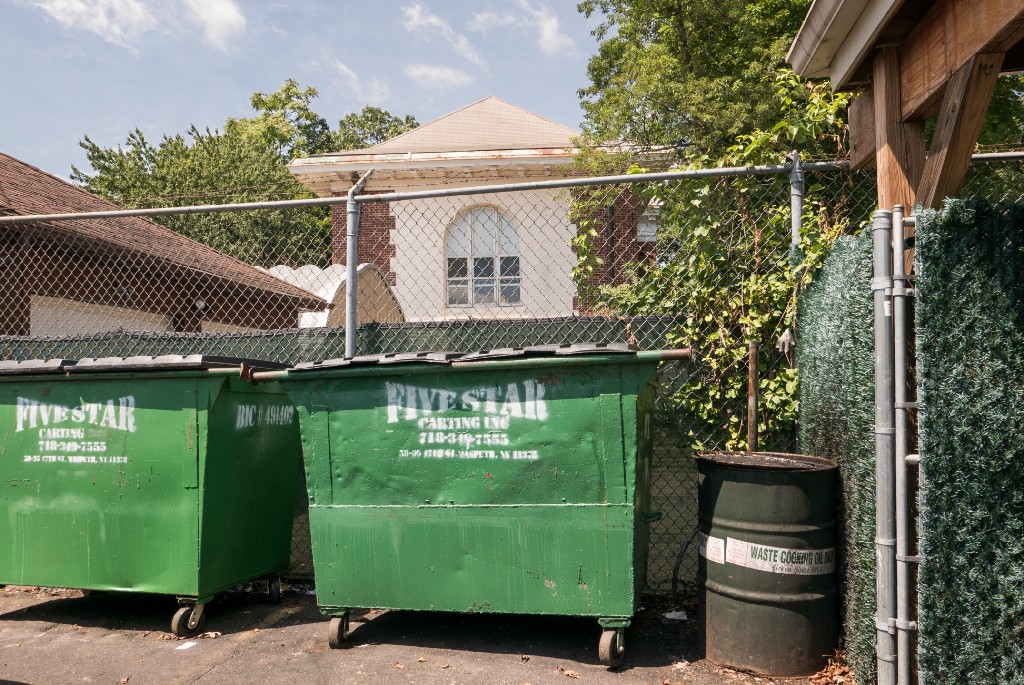
Some time after the fire, I was with a friend who wanted to go into George’s. This friend was bolder than me and I didn’t want to seem timid in front of him. In we went. The store was empty. We took our time, checking out the video games before buying Yahoos and Yodels. (The adolescent version of pairing Cabernet with a ribeye.) We walked out of the store and turned right, in the direction of my house. By the time we saw them, it was too late. A large group gathered around the dumpsters behind the deli. We put our heads down, hoping to pass unnoticed. No such luck.
“Hey carrot top,” one guy said, stepping out in front of me. I’d seen him before. He was burly, had a mustache. He was old, even for this group, almost a grown up. One of his eyes wasn’t right; it curled into the corner near his nose. He was holding a small dart with a red plastic flight. He stepped very close to me. He raised his hand, pumped his arm, like he was going to throw the dart in my face. I flinched. His friends laughed.
“I’ll throw this in your eye,” he said, pumping again. I stumbled back. He smiled. We walked away, trying not to look too nervous, but I was scared shitless. My knees kept knocking into each other.
I never went into George’s again.
Years went by. I became a teenager, grew tall, broadened out. After a while, I didn’t go into George’s not because I was scared but because there was no need to go.
Also, it was no longer George’s. It was now called Rose & Paul’s Deli, though in a hurried, slurry Staten Island accent, it sounded like Rosenpalz, some Shakespearan character who didn’t make the final cut in Hamlet. (Even when it was George’s, I never associated it with the name George. In my head, it was Georgia’s, like the state, which made a certain sense. It was a place, not a name.) Rose & Paul’s was a cleaned up cousin of George’s, but sold the same fare: after-school snacks, milk and bread, beer.
The summer before I left for college, I got a job as a cleaner at my old intermediate school, IS 34. Over the summer, public schools get a once over: stairwells painted, floors waxed, classrooms cleaned. The other guys — the school’s janitors during the year — viewed me with an understandable mix of distrust and disdain. I wasn’t much use and I asked too many questions. We worked in the mornings and after lunch, well, everyone went their separate ways. I went to the gym to shoot jumpers. I didn’t see anyone again until five when I punched myself out and one of them punched everyone else out. This happened every day, except on Fridays.
On Fridays, we all went to the library after lunch. One of the janitors, Whitey, who liked me, sent me up to Rose & Paul’s to buy a case of cold Budweiser tall boys. The first time, when I balked, he told me to say it was for Whitey. Sure enough, when the woman behind the counter saw me carry a case of beer up to the counter, she asked me for ID, a scowl on her face.
“It’s for Whitey,” I said.
“Oh, okay,” she said, taking the twenty he’d given me. “Tell him I said hello.”
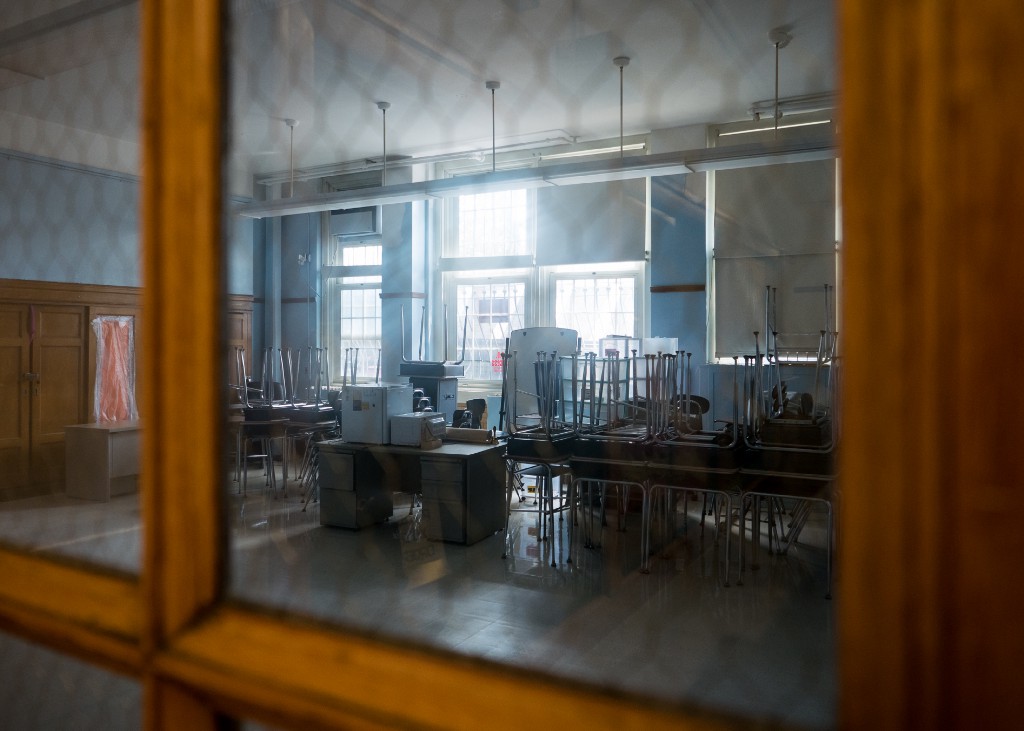
I’d carry the case back and we’d sit in the library with the windows open, drinking beer while Whitey told stories. Around four, they’d call it a day, ask me to punch them all out. (I guess they trusted me more after a few beers.) Whitey took home whatever beer hadn’t been finished. They lined the empties up on one large table, in the corner of the room. I didn’t drink much at the time, especially during the day. (College, with all its occasion for sins, was mere months away.) But I nursed a beer or two, to feel like part of the crew. After I punched everyone out, I went back to Rose & Paul’s and bought a pack of gum. I chewed every piece while I walked home, hoping it was enough to cover the smell of beer on my breath.
I’d carry the case back and we’d sit in the library with the windows open, drinking beer while Whitey told stories.
This happened all summer, every Friday. The empties piled up, until the entire table was covered. It worried me, that pile of empty beer cans. I kept thinking the kids would come back to school early and see it. But on the Friday before Labor Day, a few days before I left for college, Whitey dragged two large gray garbage cans into the library. He placed them at the end of the table and pushed all the empties into them. A few fell on the floor, spilling beer, but a quick mop with some ammonia and that was that. Good as new.
“And that’s how you do it,” Whitey said, winking at me. It felt like some hard-earned wisdom was being passed along, though to this day, I couldn’t tell you what it was.
I left Tottenville the next week. Not forever though it felt like it. I was only in Rose & Paul’s one other time. The following summer, I tried to buy a case of beer, using the “it’s for Whitey” trick. But it doesn’t work at ten on a Saturday night, especially when you’re already drunk.
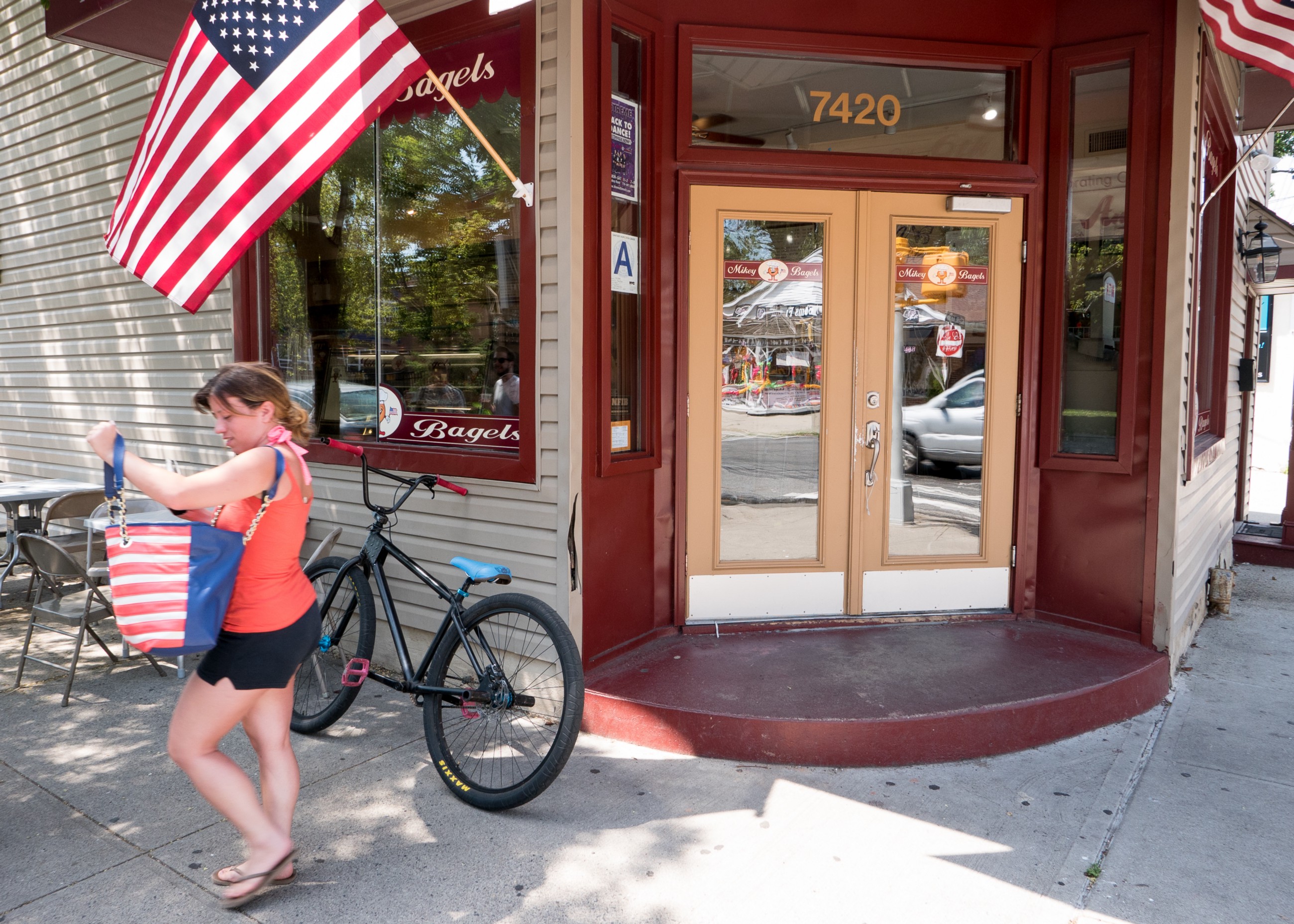
Rose & Paul’s is now Mikey Bagels. (Every deli on Staten Island, it seems, has some association with bagels. Bagel stores have spread across the Island the way bodegas have spread across the rest of the city.) Last week, I stopped in to see it. The store is bright and open with big windows and a handful of tables. On a Wednesday midmorning, it was doing a brisk business: moms chatting over coffee, teachers tucking in to grab tall cans of Arizona iced tea, blue collar workers ordering egg sandwiches. At the far end, where the video games used to be, a television, turned to ESPN, hung over the coffee makers. The attire was working class casual: sweatpants and jean jackets.
Not a bad element in sight. The drugs, however, are definitely there. Tottenville — like all of Staten Island, like almost every working class white part of the country — has been devastated by the opioid epidemic. Before I stopped at the store, I drove around the town for a while, saw a handful of strung out guys strolling the streets. I haven’t lived in Tottenville for twenty years but it was still unsettling. And when it’s widespread as it is, you can’t blame a bad element.
I drove around the town for a while, saw a handful of strung out guys strolling the streets. I haven’t lived in Tottenville for twenty years but it was still unsettling.
My mood improved at the store. I bought a cup of coffee and eavesdropped as the moms one table over debated the merits of having a pool in the backyard versus joining the South Shore Swim Club. An old friend, a teacher at IS 34, stopped in to get a snack. We hugged. She’s the librarian now, works in the same room where Whitey lined up all those empties. She asked after my family and I asked after hers. We promised to get together, the way old friends do even when they know they won’t. She had to run back to school for a meeting. I walked out a few minutes later, took my coffee to the car and drove back to Brooklyn.
About the Author
Eddie Joyce is the author of Small Mercies. He is working on his second novel. He was born and raised on Staten Island. He lives in Brooklyn with his wife and three daughters.
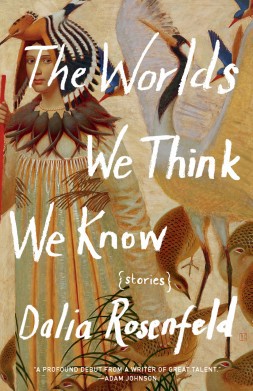
Rona wants to move to Paris or Rome or Tel Aviv but instead she lives in a small town in Ohio as a stay-at-home wife of a doctor who gets stuck in bed with migraines. “Stinkbugs fell from the ceiling onto my head while I slept, and the Food Lion in town was forever out of vegetables,” Rona says. She thinks if her husband prescribed her a good tranquilizer, she might arrive at “the state of mind conducive to sleeping ten hours straight with the TV and lights on.”
The characters in Dalia Rosenfeld’s debut short story collection, The Worlds We Think We Know, are often stuck between their connection to their Jewish culture and their displacement from it. Rona, for example, walks around town reading Sholem Aleichem, a 19th century Yiddish author. She gets these books from her mother who thinks if her daughter spent enough time “back in the shtetl,” she would stop complaining about her life in Ohio. When a neighbor recognizes what Rona’s reading and says the writer’s name out loud, pronouncing the guttural ch, Rona’s smitten. “I had hoped we could talk about literature a little longer,” Rona later says as the man admires her breasts in the bathtub. “That was half the reason I had taken off my clothes. The other half, as I have already suggested, was pure physiognomy.”
Rosenfeld writes funny and poignant stories about the struggle to feel at home in the world. In “Swan Street,” a couple moves just because the husband feels fidgety. He trips over a hole in their yard in Israel and declares he cannot live in a country with a permanent frost beneath its soil. In another story, the narrator tells an old man that her parents tried to raise her “to be the kind of Jew who could plant a tree in Israel without having to stay and watch it grow.”
A handful of Rosenfeld’s characters are spouses with not enough to do, so they spend time reading great novels and getting involved in small-town misbehavior. “I’m not sure why my husband let me lie in bed all day,” Rosenfeld writes in one story. “Maybe because he loved me? Or because he knew that it was safer for me to live in Isaac Bashevis Singer’s 1920 Warsaw or Jane Austen’s Pemberley than in dinky Lorraine?”
The rich stasis — the humor and modest drama — of Rosenfeld’s storytelling is reminiscent of Rivka Galchen’s work. In one great Galchen story, the narrator has so little meaningful activity to occupy her time that she focuses on not doing things. “I was trying to eat a little less often, it’s true,” Galchen writes. “I could be like those people who by trying to quit smoking or drinking manage to fit an accomplishment, or at least an attempt at an accomplishment, into every day.” Galchen and Rosenfeld write characters that crave engagement but are overwhelmed by the thought of pursuing it. In “A Famine In The Land,” Rosenfeld’s narrator grows frustrated with her sleepy bar mitzvah mentee:
“I cursed his parents for not enforcing a proper bedtime, and then myself for not knowing when that might be. Nine o’clock? Ten? How many hours did a preteen require these days? It was not enough to know that I needed twelve.”
The lush melancholy of this collection is bolstered by the characters’ deep intelligence and wit, and that spirit coalesces into a final piece called “Naftali,” a story about a woman vying after a man she will never be able to have. The narrator says, “It was easy for me to love [Naftali] without knowing him. He lived in Jerusalem, a city that belonged to my heart like no other.” But even in the holy city with the Jewish man of her dreams, this protagonist feels uncomfortable with her heritage. “I created only more chaos,” she says of her conversations with Naftali. “I could have given up then, admitted to myself that while we might have shared the same roots, there was no point in carrying on like an archaeologist, trying to produce evidence of an unbroken past.”
Jewish history is shredded through with displacement, and many of Rosenfeld’s characters are caught in the position of a having a long cultural history and no sense of home. “The streets were full of people like me,” Rosenfeld writes, “carrying their burdens from one place to another, stopping once, but never more than that, to admire the bougainvillea cascading over fences and stone ledges.” Naftali never stays in around Jerusalem for long, and says, “A Jew must always keep a packed bag under his bed, in the event he has to leave in a hurry.”
Rosenfeld expertly uses sadness and humor side by side, and her characters, while often vying for something more, are full of life. Couples in Rosenfeld’s stories agree to flirt a bit at parties, “just enough to keep a small cosmopolitan spirit alive, and to stay off antidepressants.” One narrator goes out for a drink with one of her husband’s visiting colleagues, a woman named Sophie, and after half a glass of wine is punctuating her conversation with joyful slaps to Sophie’s knee. She says, “While we talked, we got hungry and ordered food, first a plate of polenta fries, then a dish of asparagus, and finally the $25 steak special, which we took turns eating with one fork, even though the server had brought us two.”
That’s what reading Rosenfeld’s writing is like: You sit down to commiserate over your pain, and before you know it you’re laughing and ordering more drinks — more plates of food.
From a spy-packed Parisian brasserie to a North Atlantic chowder house, we’d love to eat and drink at these iconic literary haunts
Adam Gopnik, the terrific essayist who frequently finds a way to incorporate food into his work, once wrote, “Going to a restaurant is one of my keenest pleasures. Meeting someplace with old and new friends, ordering wine, eating food, surrounded by strangers, I think is the core of what it means to live a civilized life.” I would agree with Gopnik while adding another related, but no less keen or civilized pleasure — reading about a restaurant.
What’s so great about literary restaurants? First and foremost, I’ve found that restaurants — plus cafes, bistros, pubs, diners, really any manner of food establishment except maybe an automat, though full disclosure I’ve yet to come across one in a novel — transport you to and immerse you in the author’s imagined space more vividly than other settings because they play to multiple senses. At a restaurant, we hear the diners chat to each other as the glasses and forks clatter, we see the decor and observe the clientele, smell the cooking and taste the dishes. Restaurants are great for character building, too — you can learn a lot about someone based on what they order, whom they eat with, and how they treat the waitstaff, which incidentally I find holds true in real life, so tip appropriately.
Fictional restaurants, far from real life’s rent hikes and health inspectors, are often cozier, more delicious, more delightfully bizarre or over-the-top luxurious than anywhere I’ve actually eaten, and that’s why I’d absolutely go to these eleven restaurants — and bars for good measure — if only they existed.
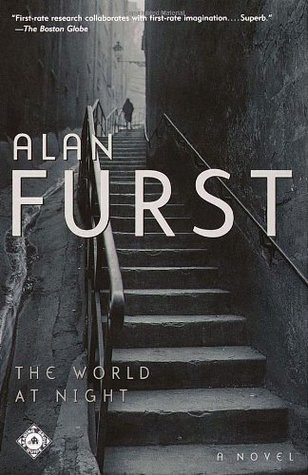
1. Brasserie Heininger in Alan Furst’s spy novels
Alan Furst is obsessed with Paris — the Hammett Prize-winning mystery writer returns time and again to the world of dark, smoky, seductive 1930s-era Paris, including many scenes set at the Brasserie Heininger. The brasserie is more than simply a fictionalized version of a classic Parisian restaurant — it’s also a smoky spy den. If I could go, I’d be sure to ask for table 14; in The World at Night, a bullet hole is cracked into the mirror above the table right before the Bulgarian head waiter is shot dead while sitting on the toilet in the ladies’ bathroom.
2. Try Pots in Moby Dick by Herman Melville
On a cold Nantucket evening, what’s better than settling down at an inn where you can dive face-first into a bowl of clam chowder “made of small juicy clams, scarcely bigger than hazel nuts, mixed with pounded ship biscuit, and salted pork cut up into little flakes; the whole enriched with butter, and plentifully seasoned with pepper and salt.” Granted, chowder is the only dish they serve at Try Pots (your choice of cod or clam), but see it as a delightful quirk, like the restaurant’s floor, which is paved with clamshells.
3. The Angleterre in Anna Karenina by Leo Tolstoy
The 19th century Russian aristocracy weren’t exactly known for their restraint, and the meal which Oblonsky and Levin share at The Angleterre is fit for two kings, which incidentally is how the wait staff treats them throughout their lavish, multi-course meal. On the menu? Turbot, oysters, cabbage soup, roast beef, capons, poulard a l’estragon, macedoine de fruits, Chablis, and Champagne, among other treats.
4. The Three Broomsticks from the Harry Potter series by J.K. Rowling
J.K. Rowling knows how to create delightful magical spaces (see: all of Diagon Alley and especially the bookstore, Flourish and Blots). That includes the wizarding world’s pubs: the Three Broomsticks is a local Hogwart’s hangout in the village of Hogsmeade, and I’d love to join the students and teachers for a pint of Butterbeer or a glass of Firewhiskey, mulled mead, or red currant rum.
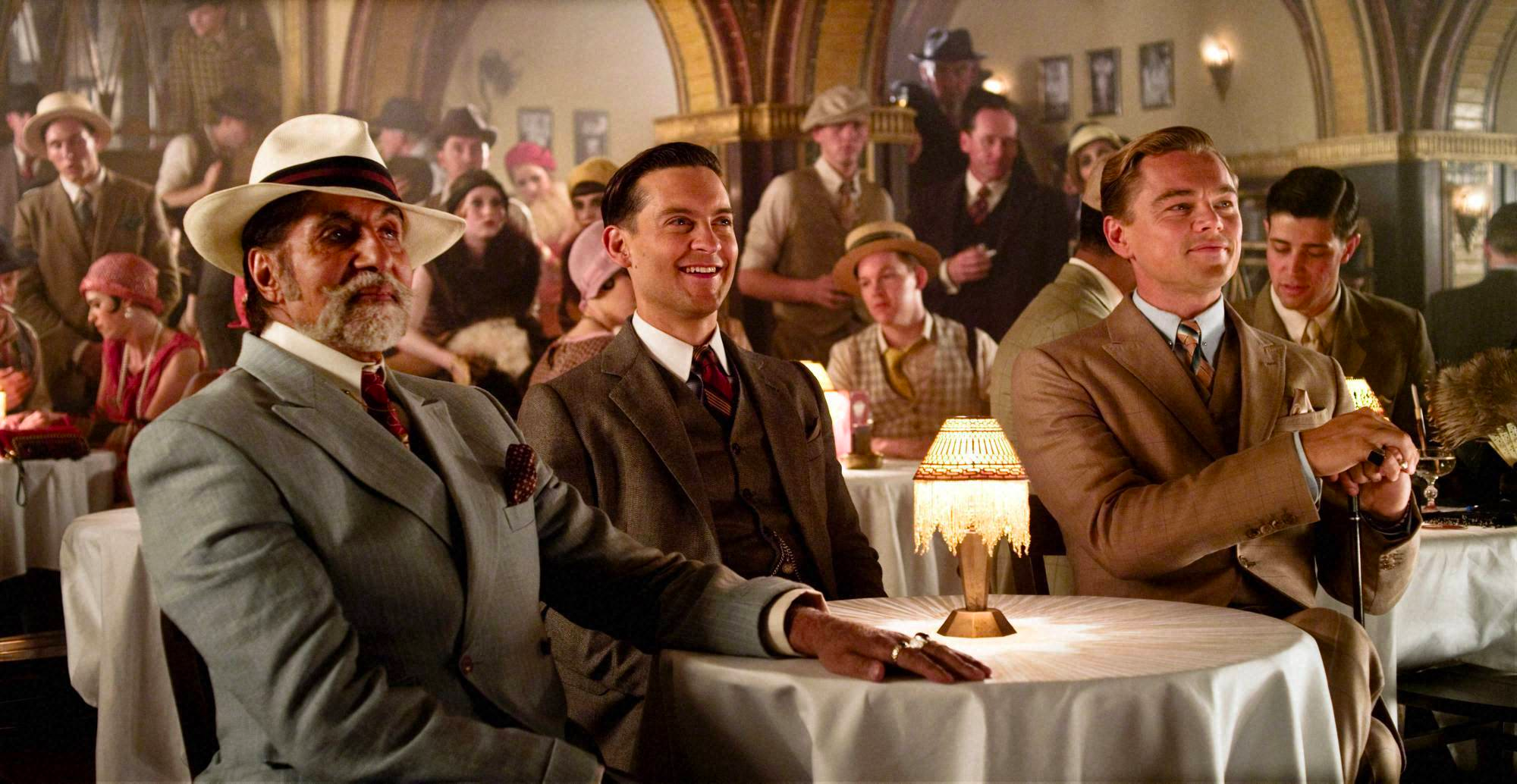
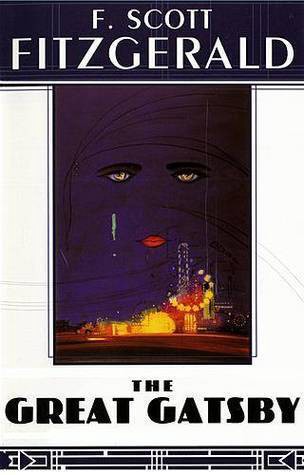
5. Speakeasy in The Great Gatsby by F. Scott Fitzgerald
Faux-speakeasies and Prohibition-era cocktails are a dime a dozen in modern day New York, but there’s nothing like the real thing, particularly if the bar is created by F. Scott Fitzgerald — a man who knew how to have a good time. The den where Nick Carraway and Gatsby go to lunch and drink illicit booze is also a hothouse of dubious characters, including the man responsible for fixing the 1919 World Series. Pass the moonshine, please.
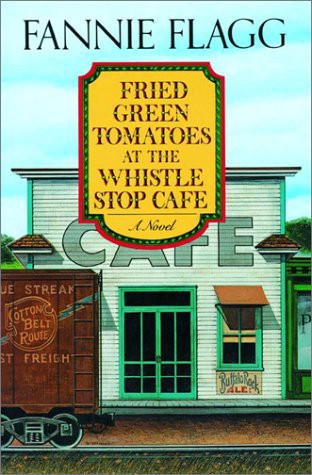
6. Whistle Stop Cafe in Fried Green Tomatoes at the Whistle Stop Cafe by Fanny Flag
The Whistle Stop Cafe is a warm, cozy spot where everyone is welcome to come and enjoy home-cooked Southern food, including the titular green tomatoes fried in cornmeal. Flag’s cafe was inspired by one that her great-aunt Bess owned in Irondale, Alabama, and she once admitted, “Strangely enough, the first character in Fried Green Tomatoes was the café, and the town. I think a place can be as much a character in a novel as the people.” Just one hint: skip the BBQ.
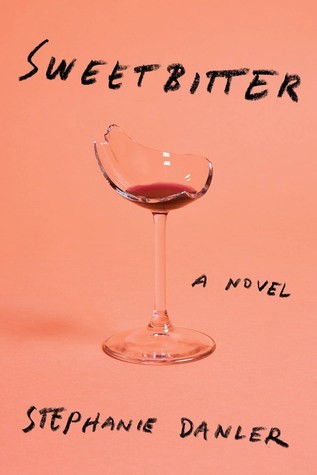
7. Unnamed Restaurant in Sweetbitter by Stephanie Danler
Danler’s fictional, unnamed restaurant was inspired the Union Square Cafe, the popular New York City restaurant where she worked as a waitress while earning her MFA at the New School. Instead of trying to nab a reservation in the dining room, I’d grab a seat at the bar and enjoy the delicious food while watching a kind of dinner theater — the many tensions and romantic entanglements that Danler seeded among the restaurant staff.
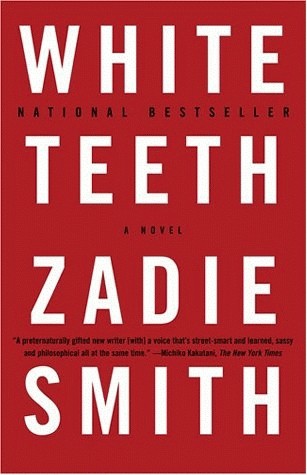
Smith excels at capturing the London which exists outside the posh streets of Kensington and the tourist attractions around Buckingham Palace and the Tower of London. Take O’Connell’s: an Irish pool house run by Arabs, it has no actual pool tables and the menu is bare bones, or short and sweet, depending on what you’re in the mood for — which better be eggs, chips, beans, and mushrooms, because that’s all they serve. Of course you go to O’Connell’s less for the eggs and more for the conversation, which covers “everything from the meaning of Revelation to the prices of plumbers. And women. Hypothetical women.”
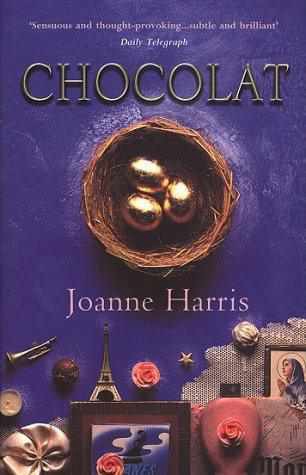
9. La Céleste Praline from Chocolat
This 1999 novel tells the story of a wandering chocolate-maker named Vianne Rocher who comes to the small French village of Lansquenet-sous-Tannes and opens a chocolaterie during the season of Lent. Vianne’s sugary creations aren’t appreciated by the local priest, who fights to shut her down. He loses, of course, to Vianne’s mouth-watering confections, like a gingerbread house “with the detail piped on in silver and gold icing, roof tiles of Florentines studded with crystallized fruits, strange vines of icing and chocolate growing up the walls, marzipan birds singing in chocolate trees.”
10. The Cat’s Pajamas in 2 A.M. at the Cat’s Pajamas by Marie-Helene Bertino
The “second best jazz club” in Philly may be the most delightful in terms of atmosphere, from its charming name to its quirky, likable staff and regular patrons. I’d easily hole up at The Cat’s Pajamas for a long night of house drinks, jazz, and shimmying — something which happens regularly at the Cat and which needs to happen more in everyday life.
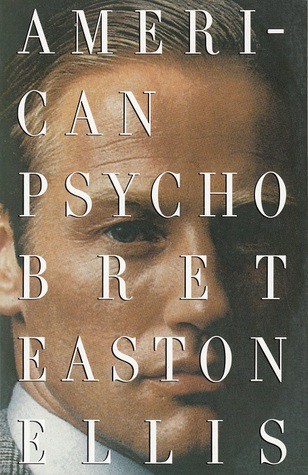
11. Dorsia in American Psycho by Bret Easton Ellis
The Dorsia is the ultimate in ridiculously expensive yet horrendously disgusting 1980s New York City power-dining. Though I wouldn’t want to actually eat dishes like blackened lobster with strawberry sauce or baby softshell crab with grape jelly, I would stop by to see the spectacle and then take pleasure in doing something that didn’t exist when Ellis was working on American Psycho — writing a scathing review on Yelp.
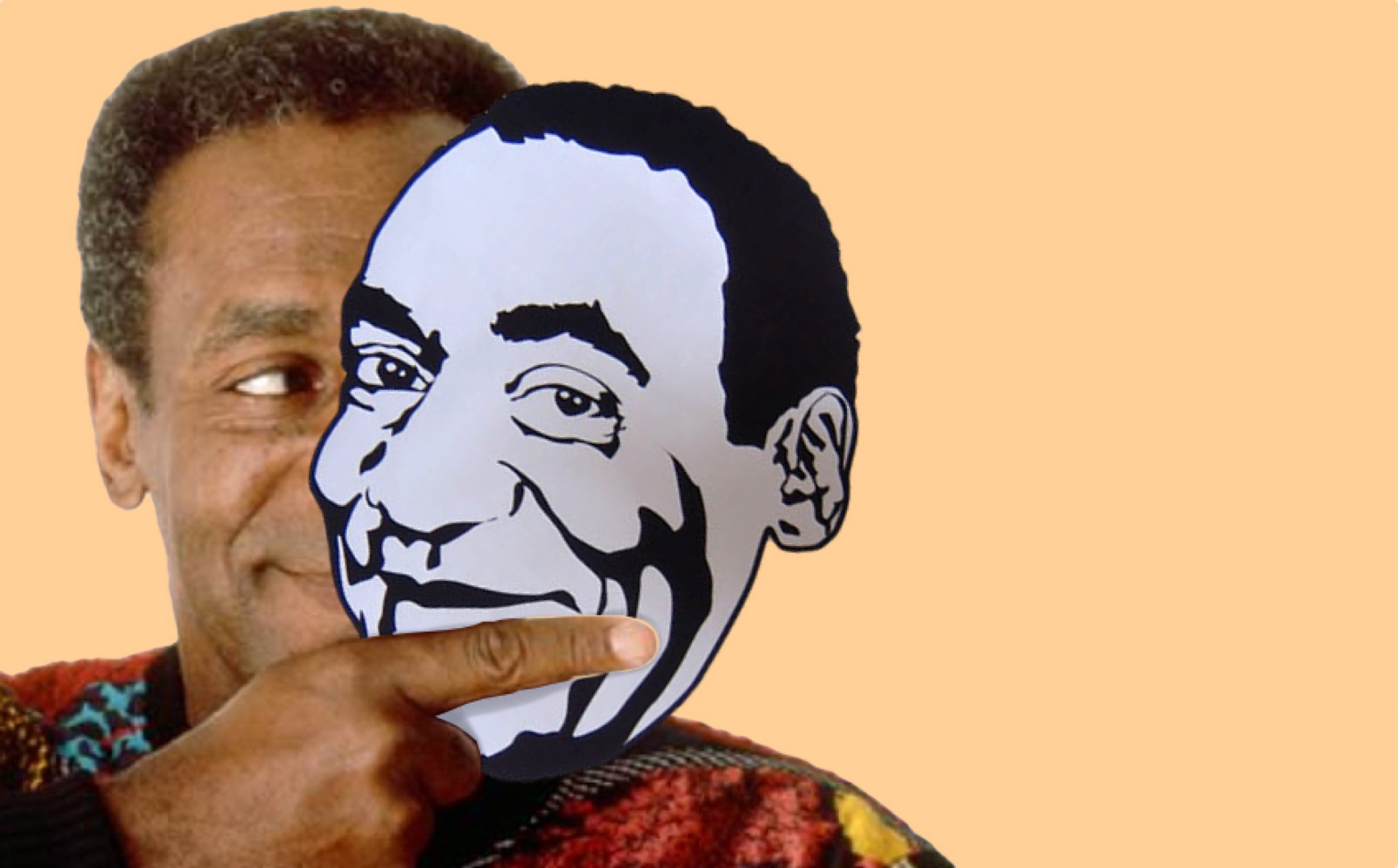
For a long time, when people asked me what television shows I liked, I had only one show from which to choose. As a kid, I wasn’t allowed television on weekdays, but my parents made The Cosby Show the sole exception. It was not only permitted; it was pretty much a requirement. I was more or less fine with this, or at least this is what I recall. Without fail, on Thursday nights at 8 p.m., Ganeshananthans assembled to watch Huxtables, and I loved it.
What made my parents choose Cosby as the exception to their rule about television, which they considered generally useless? Maybe it was that the Huxtables weren’t white, as my family is not; we are Tamil, and Sri Lankan, and American, not always in that order, and had no prayer of seeing a family demographically like ours on the small screen. (This is still true.) But we could throw our allegiance to Cosby’s fictional black family and see some things that we recognized. Maybe it was that Bill Cosby as Cliff Huxtable was a doctor, like my father; perhaps it was that lawyer Clair Huxtable was a strong and intelligent and opinionated and beautiful woman, like my mother. There is also more than a chance that we saw my brother in goofy Theo, the only Huxtable boy among five children. Or maybe I was the recognizable one: before I went to college with Felicity or high school with Dawson Leery, I was about the same age as the youngest Huxtable daughter, Rudy. (I suspect it would be a lie to say I was as incessantly cute. In fact, I was definitely jealous that I wasn’t.)
We could throw our allegiance to Cosby’s fictional black family and see some things that we recognized.
Compelling as all these factors were, though, none of them could have won my family’s viewing loyalty without the necessary, indefinable, and joyous chemistry between the show’s seven (!) leads. I was comfortable with the Huxtables’ safe, upper-middle-class, black professional identity, sure, but more than that, I was comfortable with their comfort with each other, a dynamic that to this day I have never seen rivaled in a sitcom. They were more than merely funny and physical; they were also unapologetically and intelligently weird and quick and particular. As a child, I had only a subconscious interest in the representation of people of color on screen; I did know, though, that I craved Huxtable level familiarity, humor, play, silliness, and wit. They felt, from their very first season, their very first episode, rich and real — wholly imagined.
The small intimacies and inside jokes of their family were irresistible on-screen. In Clair Huxtable I saw a wife and mother who let her partner lean on her, and I don’t mean metaphorically. A Huxtable daughter receiving a scolding was likely hearing from parents entangled at the foot of her bed like cats; Theo entering the living room might find Cliff and Clair lounging on each other on the sofa. Even as the dapper duo jointly chastises their children, the attraction between them remains magnetic and undeniable. In one episode, Theo gets in trouble with the police for riding in a car driven by a friend who only has a permit — but his parents are bickering, and he hopes this will help them forget to punish him. To his dismay, he returns home one afternoon to find them on the couch, clearly about to make out. Go upstairs, they coo at him, staring at each other in reconciliatory delight. We’ll be up to punish you shortly. Theo vanishes as instructed, and the couple discusses possible penalties while Cliff buries his nose in Clair’s neck. Cosby’s sparring partner, the indomitable Phylicia Rashad (née Ayers-Allen), is a notably gorgeous woman, but more importantly, the writers made the character of Clair smart and sexy. She wants her way and mostly gets it, while her husband makes eyes at her.
The house of the Huxtable family seems to rest on this foundation. The magic of Clair walking into her own living room after a long day at work, only to see Rudy upended on her father, both of them asleep! I have no idea how we ended up like this, dear, Cliff Huxtable says when she wakes him up, and it seems innocent and sweet. Don’t wake her up, Clair cautions him. Shaking his whole body, he demonstrates that it would be impossible to do so.
We trusted Cosby; I too could have fallen asleep there, believing completely that nothing bad would happen to me.
It’s impossible now, watching this show, to see it without the invisible but insistent subtitles of my jaded heart. When Cliff Huxtable whirls Clair around, I imagine a chorus of women next to her. When he emerges from his OB-GYN practice, I wonder at his profession, which involves closely examining women’s bodies even as it gives him the safe veneer of someone interested in the lives of children. When he polices his daughters’ behavior or hassles their dates, I am distinctly unamused. Some people may be able to separate the artist from the art, and I don’t know that I hold that against them. But I loved The Cosby Show because I found it intimate, and in the face of recent knowledge, that intimacy feels newly dangerous. As a kid watching The Cosby Show, I imagined my body in a space with their bodies — a safe and loving space. Today, as I rewatch, one person in that half hour seems sickeningly unsafe.
We know now that some women entering Bill Cosby’s real home say they were in danger. He has been accused of drugging and assaulting them. The intimacy I admired in the show as a child and thought a signifier of safety seems to have been turned to his advantage when he wanted to prey on women who sought his professional guidance and mentorship. Armed with his avatar, Cliff Huxtable, Cosby wasn’t silly; he was vicious.
Going back in time and television to think about why I loved this family so much, and why I felt they had been taken from me, I found a YouTube clip of that same conversation from the pilot between Theo and Cliff. Someone has reedited it so that it involves Theo asking his father for a definition of sexual assault. I couldn’t finish watching. I clicked away, away, away, so that I was no longer in Theo’s messy teenage bedroom, no longer watching his authoritative, kindly father at the foot of the bed. I thought of the women and their stories.
Family and dear friends: the people in whose homes or upon whose shoulders you might doze off in complete safety, and without them minding. (Even now I am given to these lapses at the houses of favorite pals.) I think too of the comforting proximity of my own parents, who let me doze on them, in cars, at concerts, on planes, at people’s houses, always gently chiding me to remove my glasses first so that I didn’t break them. To me, the physical familiarity that was such a vital part of the Huxtables’ undeniable fun looked dear and close and warm. I recognized it, perhaps because I often watched the show snuggled up on one parental shoulder or the other. And like the Huxtable children, when I was small I often looked for an excuse to clamber into my parents’ bed. On other sitcoms, children snoozing near parents are astonishing, and played almost exclusively for comic relief. I can’t wait until the kids are out of here, the parents say to each other. Or: Now we can have fun. But on The Cosby Show, a stray child diving into the bedclothes is routine, and Cliff and Clair obviously sometimes want their children there. The physicality of being related is present in every single scene.
The pair often counsels their offspring as my parents did, inviting them to have private conversations that give the young people a modicum of dignity, even when they misbehaved. Admonishments are often paired with reminders of love. Here in their implausibly spacious Brooklyn home is a set of siblings who kiss their parents hello, annoy each other, throw food at each other, borrow each other’s clothes with and without permission, and hug. In early episodes, youngest siblings Rudy and Vanessa are at each other’s throats; second sister Denise admonishes her mother to control her children when they begin a fight at the dinner table. But Vanessa and Rudy also wander around the Huxtable household with entwined fingers as they bother each other. Theo gets in hot water when playing circus with Rudy results in her getting injured. This friction of love on the show felt — and feels — genuine and electric. The rub of affection and argument made possible all sorts of tender and difficult and odd conversations. The Huxtables were not only blacker but also smarter and stranger and more specific than other television families. More believable. Watching them is like being invited to a private club.
The Huxtables were not only blacker but also smarter and stranger and more specific than other television families. More believable. Watching them is like being invited to a private club.
Their jokes are often deeply character-based. They favor family stories or mannerisms or imitations; they construct elaborate pranks, skits, and musicals. They can easily put on and shed other skins because their basic knowledge of each other is so strong. In one episode, Cliff imitates a car Denise covets; in another, he compares a woman giving birth to a toaster ejecting bread. But such hilarity wasn’t Cosby’s sole responsibility: the child performers with whom he surrounded himself would often rise to meet him in inspired performances that matched him silliness for silliness. Theo and Rudy are especially good at this. In the first Thanksgiving episode, Cliff mimics Julia Child while teaching Theo how to carve the turkey. Theo asks Cliff, “Why are you talking like that?” “I have no idea,” Cliff says in response. “It just makes me feel more secure when I’m in the kitchen. Now try it, my boy. And talk it through.” Malcolm Jamal-Warner as Theo doesn’t leave the invention to Bill Cosby; he responds by creating his own growly Muppet-like voice, a character he holds even when his mother and sister dip their heads into the room to find out what’s going on.
In the most famous scene from the pilot, Cliff explains to underachieving Theo why he will need to go to college by setting up a dummy life with a dummy job and a Monopoly salary. The money is quickly eaten up by rent, transportation, and food. (And taxes! As Cliff informs his son, the government comes for the regular people first.) Theo, who had said he wanted to be a “regular person,” ends up with no money at all. He later tells his father that he understands his parents’ point, but that they should understand his. They are successful professionals, but maybe he was just born to be a regular person and they should love him anyway because he’s their son.
The studio audience claps a bit at this line masquerading as deep truth. This is where most shows stop, on the feel-good moment. But Cosby went for feel better. Cliff breaks back in. Theo, he says, that is the dumbest thing I’ve ever heard, and you are going to try hard at school because I said so. Also, Theo, I love you. I brought you into this world, and I’ll take you out.
Later still, the whole family conspires to teach Theo a lesson along similar lines, but on an even grander scale. With Cliff, Clair, Vanessa, Denise, and Rudy in special roles — landlord, building owner, restaurateur, modeling-agency secretary — they perform a “real world” to give Theo an idea of what it’s like to pay rent. When he laughs at their performances and asks for his family, they withhold their familiar selves from him. With its swift elevation of children to powerful status, the episode highlights exactly how little they know about how the world works. Rudy, ridiculous in an old-lady outfit, owns several buildings, and won’t make any exceptions to allow her brother to rent an apartment. Cliff, playing the role of a building super, tells Theo — aghast at the sight of his bedroom bereft of furniture — that he needs a reference, and will have to get his own replacement bed and chairs. Theo slowly rises to the dare, enlisting his friend Cockroach to join the pretend world as his boss.
In another episode, Vanessa fights with classmates who call her a rich girl. “None of this would have happened if you weren’t so rich,” she wails at her parents. Would you be friends with someone who had more than you? Less than you? Clair asks. Yes, Vanessa says. Well, then it’s those girls who have the problem, Clair says, and honey, you are rich: you have a family that loves you. Thanks, Mom, Vanessa says, and then adds, But when I grow up I’m just not going to have so much money. That way my kids won’t have any problems.
She is ridiculous. I can see why my parents liked this show so much.
My mother, it turns out, does not remember her own Cosby Rule. Is her memory trying to disavow? I am surprised. Maybe, she said dubiously, when I asked her recently, years removed from that house, that television, that ritual. She used a skeptical tone of voice she reserves for humoring me and which I am only able to align with Clair Huxtable in retrospect. Sure, my mother said, when she realized I had checked out all the library’s available DVDs and brought them home for Thanksgiving. You brought what home? o.k., let’s watch again. And so we did, my parents and I, our memories of 1984–92 stained by over sixty allegations of sexual assault against Bill Cosby, a man we had once thought of as the head of a family much like ours. Once again, I put my head on my mother’s shoulder
I told her: I felt dirty even taking the DVDs out of the library. She laughed a little, just to show that she got it, because it wasn’t funny. We were watching Clair — I had perhaps almost entirely disappeared into watching Clair — when one of them said: She defended him. Didn’t she? She had. I don’t remember if it was my mother or my father, but I realized: they couldn’t forget either.
You have to understand: my father too has a kind face. My father too is a doctor. My father too would say How. Much. when we asked him for things sometimes, Cliff-like. My father too has an elasticity of spirit and expression; he can be silly even as he is stern and loving, and when I first watched Cliff, I did not know which father preceded the other. Now I am horrified that I ever thought of these two men in the same way.
Still, I am impressed by the show’s lasting power. It does not appear in reruns as often as it might were its star’s legacy not crumbling. It’s sad that a show that did such a terrific job of portraying the generational transfer of knowledge will be erased because many people will be too uncomfortable to show it to their children. I don’t blame them. But look: the physical and emotional closeness I loved in my first viewing was enabled, I suspect, by the cast’s balance of five women and two men. Can it be, after all this news, that Bill Cosby made a show about women and their power? Is it possible to see the show this way? So often, Cosby humor arises from Cliff and Theo playing fools to the older women’s competent straight “men.” The boys attempt to hide their hunger for things they shouldn’t have: food, money, markers of status. Clair in particular is excellent at catching her husband, who is supposed to be as good as her and clearly isn’t. She is in control; her daughters are her avatars. Sondra, the oldest child, is an academic high achiever like her mother and goes to Princeton; Denise has her mother’s creativity, vivacity, and beauty; Vanessa possesses Clair’s keen sense of ambition and justice; Rudy wields a hefty dose of her mother’s charm, comic timing, and skill as a performer (in performance and social situations). The women are frequently powerful, competent, smart, and stylish, while the men are more often than not gentle jesters with aspirations to the same kind of discipline.
Cosby made me his ardent viewer by showing a kind fatherly figure, one who deployed his authority and his wealth to help and protect his family — when in his real life he used those things to endanger and lie to people.
Or is this feminist reading simply my desire to redeem the show in the wake of the allegations about its star? Bill Cosby was ostensibly the sun around which the other characters orbited, even though he had a real rival for attention in Phylicia Rashad. The family was modeled on Cosby’s stand-up, which was modeled on his own family. Cosby made me his ardent viewer by showing a kind fatherly figure, one who deployed his authority and his wealth to help and protect his family — when in his real life he used those things to endanger and lie to people. Many of his accusers relate experiences that fall outside the statute of limitations for prosecution; there is one exception for which he recently stood trial. Horribly, it ended in a mistrial. A number of the stories from Cosby’s accusers include moments when Cosby allegedly took advantage of young women by leveraging his status as a mentor or a successful man with money and power. Knowing this, it is hard to watch him lecture the young actors on the Cosby set about how to conduct themselves responsibly with money. Be in the real world, he tells them. They take his advice and grow up.
Their “father” is the one unable to do so. Now, in the wake of the mistrial, Cosby seeks to resume his role as a giver of life advice: he plans a national series of talks aimed at helping others to avoid sexual assault charges. That reedited talk in Theo’s bedroom, gone even more haywire.
I, in turn, once the faithful viewer, seem to have outgrown my television. The Cosby Show, the family-friendly and yet still willfully weird creation of Dr. William H. Cosby Jr., Ed.D., was the number one show in America for five straight years. Once upon a time, watching it made me feel comfortable, smart, and included. Of course, that’s no longer true. And nothing I’ve watched since has quite matched it.
A few years ago, I stopped watching television almost entirely. I had two televisions, and they sat in my apartment, big and dark and blank. I gave one away when I moved. The second I abandoned in an alley. It was the television I’d inherited, a television I could afford. I let it go and left it for someone else to pick up. And then for about a year, I had no television. I didn’t miss it. I did not replace it until yesterday, when someone I trusted, upon whose shoulder I’ve slept, gave me an old television, and I thought, well, maybe I’ll try again.
We scoured PEN’s incredible new digital archive for these gems.
Today, PEN America launched its long-awaited Digital Archive, a collection of more than 1,500 hours of audio and visual material available for free online. The project, which took five years to compile, spans more than 50 years of PEN cultural programming aimed at exploring the intersection of literature and freedom of expression. The Archive features speeches, discussions, and panels from some the world’s most renowned artists and intellectuals, covering a range of subjects from religion to free speech to the dangers and possibilities of new technology. Below is a list of ten items you shouldn’t miss from this exciting new resource.
Toni Morrison receives the 2008 PEN/Borders Literary Service Award and discusses important topics including oppression, conflict, freedom of thought — and how writers fit into it all.
A panel discussion, part of the 2008 PEN World Voices Festival, explores the increasingly hazy distinction between fiction and memoir. Speakers address how authors decide what information to reveal and what to withhold, when to be specific and when to keep it broad.
Six authors, including Cynthia Ozick and Fay Chiang, talk about whether and how their cultural backgrounds affect their work. They discuss the weight of the term “ethnic subculture” and the realities of marginalization and division.
A tribute to the Spanish writer who popularized magical realism, this event includes Paul Auster reading excerpts of Márquez’s short story “Sleeping Beauty and the Airplane” and Salman Rushdie discussing his notable writing style in One Hundred Years of Solitude. The night ends with a message from Márquez, read to the audience by Patricia Cepeda.
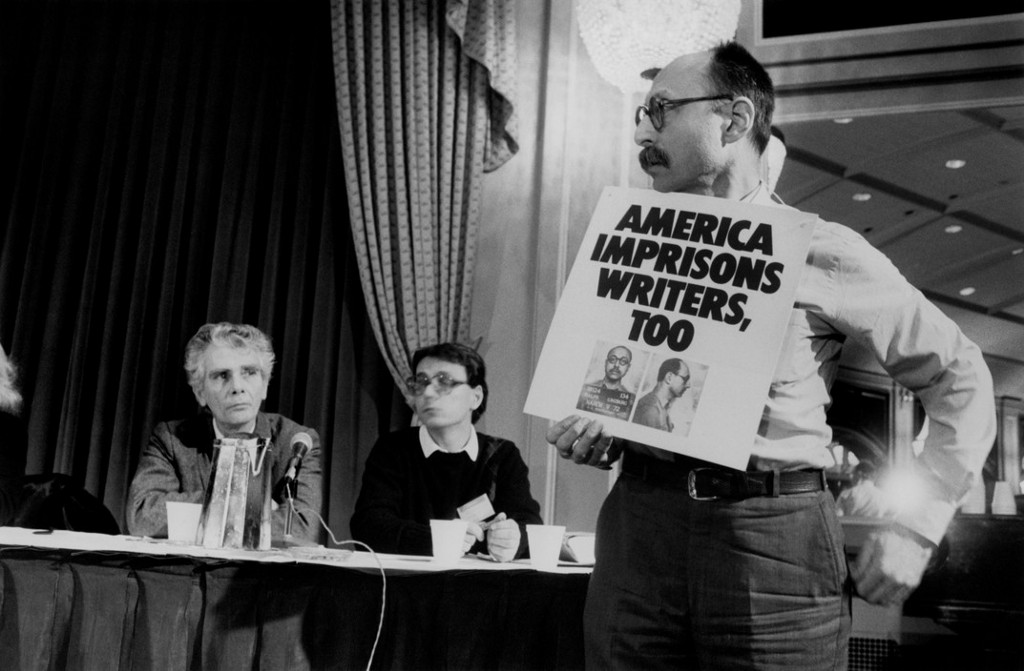
Joseph Brodsky, Toni Morrison, Edward Said and others read the banned, forbidden, and exiled works of writers such as Osip Mandelstam, Aleksandr Solzhenitsyn, and Mila D. Aguilar. They delve into a discussion about political imprisonment, freedom of expression, and the immeasurable power of words.
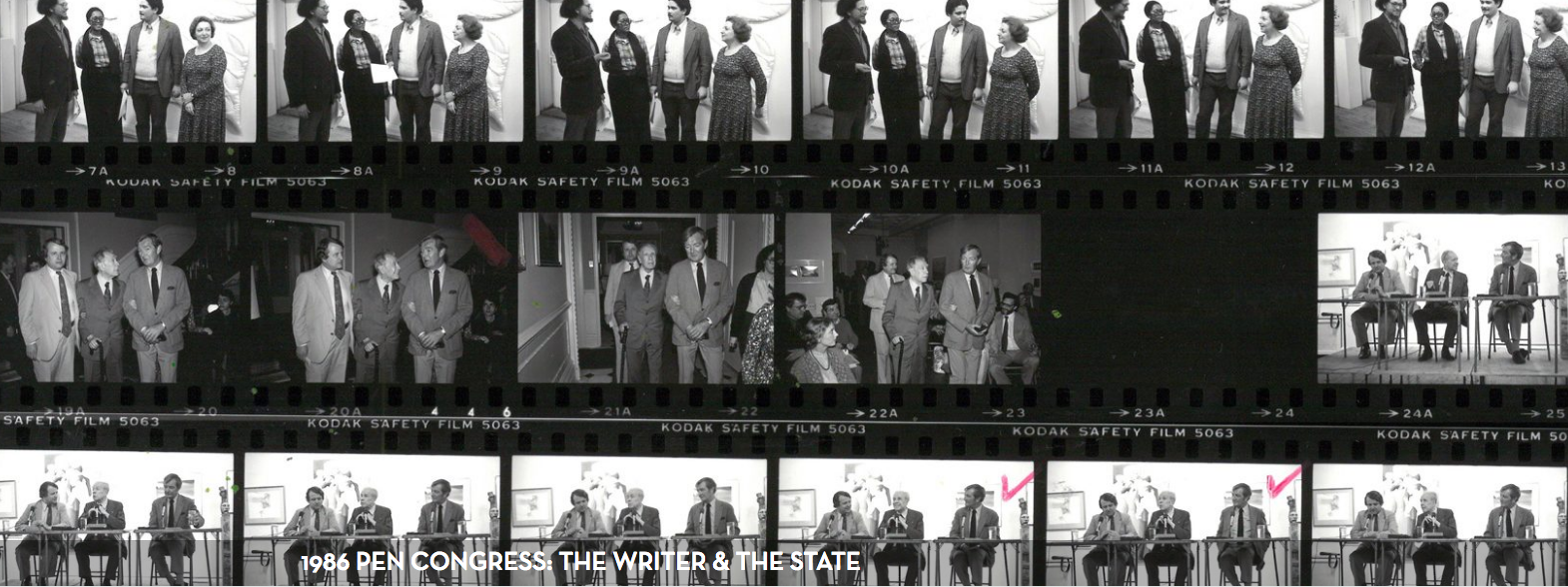
This 1986 event stirred up quite a bit of buzz. The recording begins with introductory remarks from then-president of PEN International, Per Wästberg, and then-president of U.S. PEN, Norman Mailer. Later, Ronald Reagan’s Secretary of State George Shultz speaks, ending his remarks with the line, “Don’t be surprised by the fact that Ronald Reagan and I are on your side.” At the end, Mailer explains his controversial decision to invite Shultz.
A number of writers including Joan Didion and Norman Mailer show their support of Salman Rushdie and read from his book The Satanic Verses, which at the time (1989) had been pulled from shelves by three major booksellers. Speakers discuss the hazards of political leaders making judgements about books and the value of freedom of expression.
Noteworthy cultural and literary figures, including Arthur Miller and Pablo Neruda, talk about how writers fit into the public eye. They question why people read classics — because their lessons and characters are universal, or because of their authors’ historical role? They ponder how technology and media effect the public personas of writers.
This is the sixth annual PEN-AAP symposium, in which five writers and their publishers/editors discuss what components are necessary to create a successful book and how to reach an expanded audience. The audio recording features Dominick Dunne and Terry McMillan, among others.
“Thirty Years of Feminism” was a multi-part event in 1992 about the influence of female writers. In this segment, participants discuss a writer’s relationship to taboos, gender discrimination, and how women can fight back against societal stigmas.
We returned to Johannesburg one year after my mother died. Of the two weeks we spent there, I spent one afternoon with my grandfather. He sat in his recliner, in front of the TV, switched to the cricket game, and I halfheartedly arranged papers, went to the store to buy milk, and brought him cups of tea.
“You don’t seem well,” he said.
I laughed and said that I was fine.
“My feet ache,” he said, pointing down at his blue velvet slippers. His diabetes caused his feet to swell, and they caused him great pain. I removed the slippers and found his skin dry and red. His toenails were black.
“Papa . . .”
“I’m in pain every day,” he said. “It’s not just my feet, it’s all over.”
I saw his eyes fill with tears and then looked away quickly. My father had spent most of his time in Johannesburg with my grandfather, running him all over town, sitting with him, talking. They had always gotten along, but now they behaved as old friends, reunited after a long time apart. They shared a bond over my mother’s death that the rest of us couldn’t know. My grandfather’s pain was as unknowable to me as my father’s but multiplied several times over. I was afraid that if I looked into his eyes, I might see what it was like to lose a child. In- stead, I excused myself to the bathroom.
“I’ll get you some muscle rub, Da.”
In the small room lined by eggshell tiles, unchanged since my mother bathed in there as a baby, I gazed at his neat arrangement of ointments and creams, the same bottles that he’d used since I was a child. I cried until I felt so empty that I knew no more would come, and then I went back outside.
We assembled at my family’s gravesite, at the large coloured cemetery a few minutes from my grandparents’ house. As we walked from our cars to the small plot marked by a few lines of white folding chairs, I remembered my grandmother’s funeral, held here ten years ago. My grief had been simple and remote. I had had no clue of the depth of feeling beneath my own mother’s tears; this time I finally did.
My mother’s brother Bertie led the ceremony. He had made a small fortune and a name for himself by opening a string of gas stations in coloured townships that employed neighborhood people and quietly exploited them. He walked to the front of the group with a serious look that bordered on a smirk. He could barely contain his glee at being in front of a captive audience. He rubbed his belly with a gold ring–laden hand; his children sniffed loudly from the front row.
Bertie took the urn holding my mother’s ashes from the pedestal nearby. He handed it to my grandfather, who laid it in a small hole next to my grandmother’s headstone.
My cousin Lyndall squeezed my hand.
“I hope his fat ass falls in that hole,” she whispered under her breath to me. We both laughed, and Bertie’s children — clad in designer clothes and shades, comforted by their respective spouses — shot us disapproving stares. Though we were close as children, our relationship became distant when my cousins became certifiably rich, in a way none of us could really understand; it ended completely when they married. Their wealth made them paranoid. They closed ranks against people or conflicts that challenged any one of them. The rest of us saw this happen, felt a different kind of grief for the people they had once been.
I started to sob in huge bursts again, felt my face getting hot.
“Are you okay?” Lyndall whispered to me.
I felt Stephanie, my older cousin, poke me in the back. She opened her palm and revealed a small blue pill.
“For your nerves,” Lyndall said. I held it in my hand.
“Don’t think about it,” Lyndall said, and raised my hand to my mouth.
The pill kicked in just as Bertie waddled back to his seat, and everything turned gray. I stopped crying. We waited in line to throw dirt on my mother’s ashes. I held my father’s hand. We said our final prayer and went back the way we had come.
My cousin Lyndall is beautiful and wild. She has wavy sandy- brown hair flowing down to her back that she flicks off of her neck mischievously whenever she is lying. She’s the pariah of our family because in high school, her parents caught her doing tik. They screamed and beat her and she didn’t apologize, so they sent her to rehab in Botswana for a month. She came back wilder than ever, but better at hiding it.
Lyndall is that fatal mix of beautiful and visible brokenness that made all the guys swarm us whenever we would go out. When I first arrived, she took me out into the small rectangle of my grandfather’s backyard and handed me a joint. As we hunched under the clothesline, Lyndall held the garments away from our smoke. “Aish, if my mother smells this I’m in for it.” I chided Lyndall, still a captive to her parents’ old ways. For the millionth time, I told her she should move to America. No one as free as her should live in this country. She waved off the weed smoke.
“This is dangerous,” Lyndall said, putting the joint be- tween her teeth. She led me up to the roof of our grandfather’s garage just like she did when we were kids. We hoisted our- selves onto the wall, then onto the storm pipe, and up onto the tin roof.
“Papa used to hate us doing this, hey?” Lyndall said with the joint still in her teeth, casting a cautious glance into the living room window. When we were little, our grandfather had a sixth sense for our mischief. As soon as we put a foot on the house’s whitewashed wall, he would be at the window, yelling threats at us to get down.
A dog barked. We lay side by side, blowing smoke into the air. We could hear pots clanging in the kitchen sink, our aunties cleaning up the funeral lunch.
“Do you remember when we were little,” Lyndall said, “when we used to pretend we were grown-up? You always wanted to be twenty years old and living in New York.”
“I did,” I said, chuckling. “We used to practice putting on lipstick and kissing our pillows.”
“I was going to marry a footballer,” Lyndall purred, drawing long on the joint. “I still can.”
We laughed.
“How you doing, really?” Lyndall asked.
“How do you think?” I sighed. “It feels like everything has fallen apart.”
“Your mom and I were close in a — different kind of way.” My mother generally disapproved of Lyndall’s wild behavior, but there was some part of her that obviously identified with it. They called each other often to share gossip, and when Lyndall got in trouble, my mother would be the first to call and chastise her. But at the end of the conversation, they would end up laughing.
I looked over and Lyndall was crying. She wiped her eyes on her forearm, the joint in her fingers.
“Ahhhh!” She flicked the joint off the roof. “It’s time to get out of here and get drunk!”
From an article on a planned high-rise in Maboneng, the fast-developing neighborhood in Johannesburg, by London-bred Ghanaian “celebritecht” David Adjaye
“I think it will be a double take with a lot of people, because you will look at this building and think that it is in some other city, and then you will realise its in Johannesburg; it’s in Africa,” he said. The aim is to “combine an African aesthetic with a contemporary vision.”
But why do “African” and “contemporary” have to be incommensurate? Why (and to whom) is it appealing to think you are in another city besides the one, in Africa, that you are in?
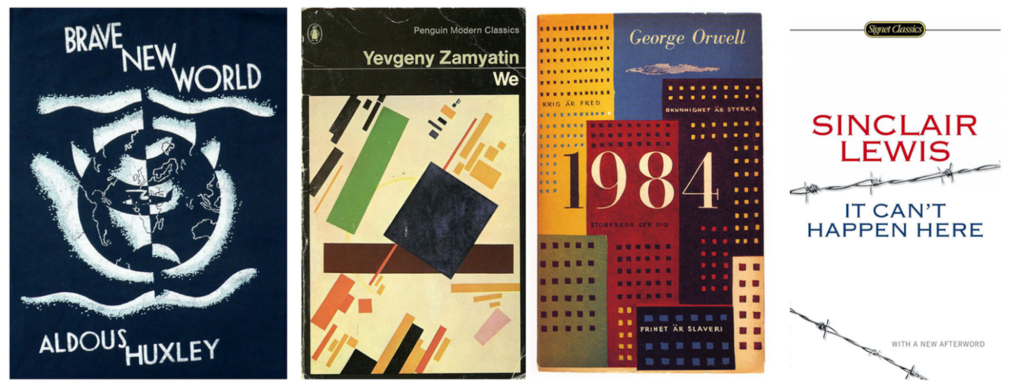
George Orwell is back in vogue these days — a far cry from 2014, when The Guardian was debating whether or not 1984 was good bad or bad good fiction. In January this year, 1984 shot up the bestseller charts, and the trail doesn’t just go cold there. Soon joining it at the top were 1984’s old dystopian buddies, Brave New World and It Can’t Happen Here; in the meantime, sales of The Handmaid’s Tale were up 30 percent in 2016.
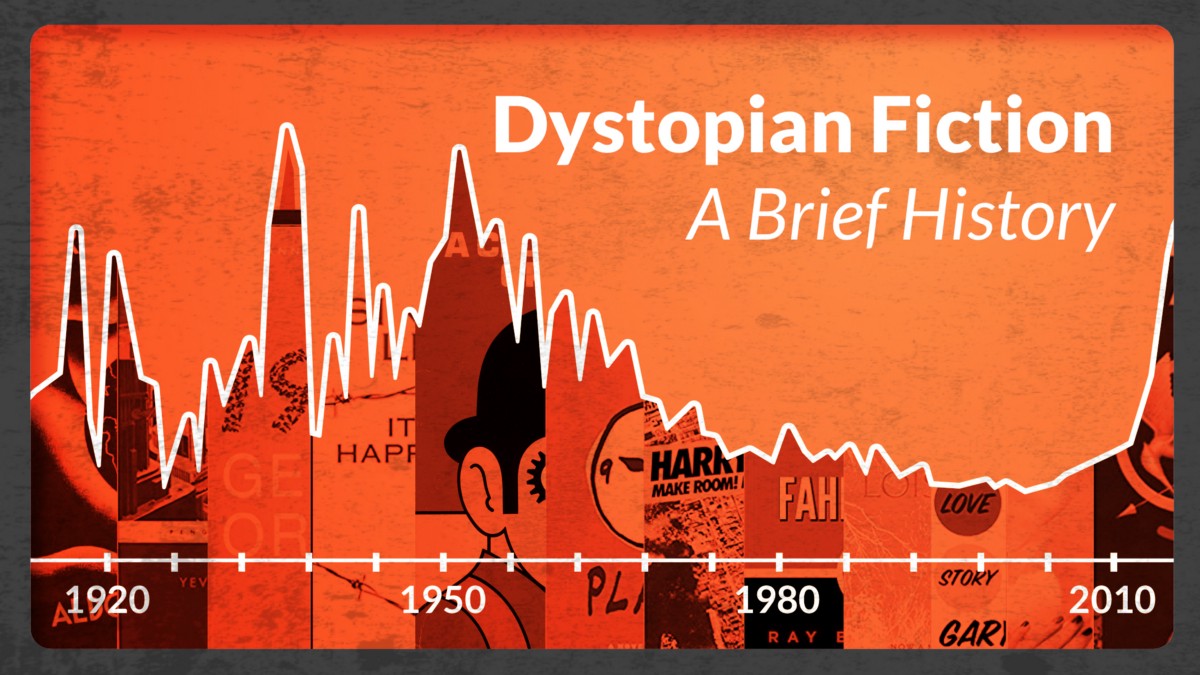
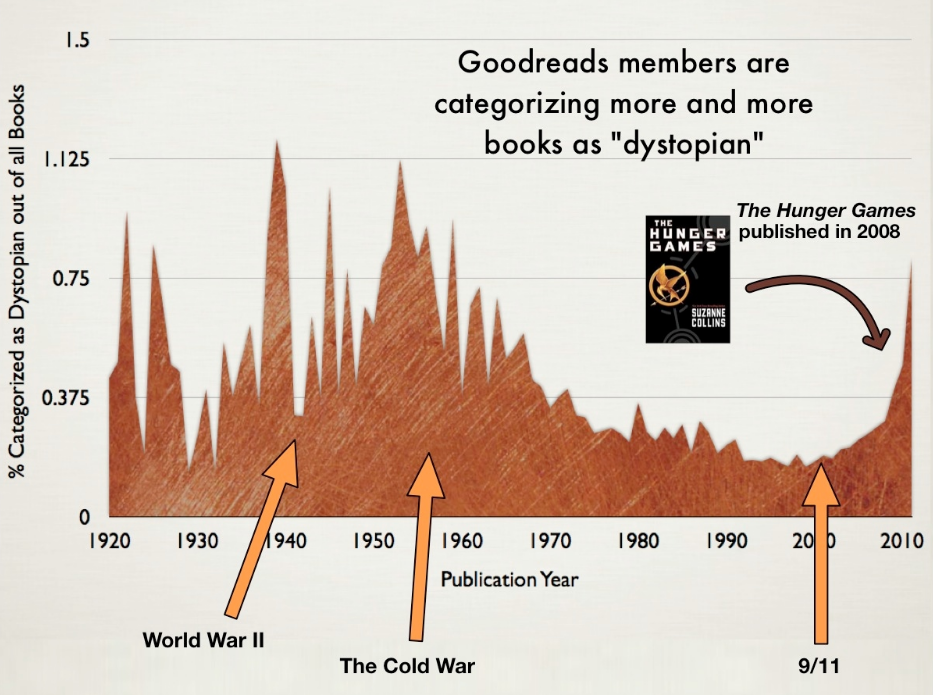
We are re-reading these past giants of the genre, even though we’re used to the idea of dystopia in our pop culture by now. (Credit where credit’s due: The Hunger Games was something of a big factor.) Yet the dystopian novel — as we know it, in its full totalitarian glory — is itself a relatively new phenomenon. Before 1900, only the British satirist Jonathan Swift wrote books that could, with one eye squinted, be called dystopian. So when did dystopias and dystopian themes start taking off in modern fiction? And is there a pattern to their rise and fall throughout the past?
Origins
First, there was the concept of utopia, the yin to dystopia’s yang. The former sprung from the mind of Sir Thomas More, who wrote Utopia in 1516. Ironically, More possessed serious reservations about the existence of utopias. (The word itself could be a pun, derived from the Greek word u-topos (“no place”) and also eu-topos (“good place”). Such a good place, More seemed to reason, was not anything we knew, and so it must not exist.)
If a utopia is a place that’s too good to exist, a dystopia is a place that we certainly don’t want to exist.
Today, we can define dystopia as “an imagined place or state in which everything is unpleasant or bad, typically a totalitarian or environmentally degraded one” (OED, 2017). The first public usagegoesall the way back to John Stuart Mill in 1868. In a speech to the House of Commons, Mill said, “It is, perhaps, too complimentary to call them Utopians, they ought rather to be called dys-topians, or caco-topians” (‘cacotopia’ was relegated to the Wastepaper Basket of History). But it wasn’t until about 50 years afterward, when authors made the word their own, that the idea of dystopia began to actually take root in the public consciousness.
1920s & 30s: Defining The Genre
Perhaps it makes sense that the modern dystopian novel emerged at the turn of the 20th century. It was a time of political unrest and global anxiety, with two world wars awaiting in the near future. Jack London’s 1908 novel Iron Heel was said to be a remarkable prophecy of the impending international tensions that would give way to World War I. Yet we don’t see dystopian fiction becoming a more defined genre until the publication of Yevgeny Zamyatin’s slender We in 1921.
Before We, fiction about an “ideal” society (with the exception of H.G. Wells and London) tended to end utopian. After We, the genre took a grim downturn (or upturn, depending on which way you’re squinting). We set up many of the tropes that would come to dominate dystopian fiction. These included troubled, unresolved endings (very fun!) and a totalitarian government gone mad.
Also importantly, Zamyatin’s book greatly influenced two fictional works that tower over the rest of the genre to this day: Orwell’s 1984 and Aldous Huxley’s 1939 Brave New World. Both were written in the shadow of a world war. Both predicted an even darker future. Admittedly, the worlds within these two dystopian novels differ vastly, and the influences that Orwell and Huxley feared were not the same. According to critic Neil Postman:
“What Orwell feared were those who would ban books. What Huxley feared was that there would be no reason to ban a book, for there would be no one who wanted to read one. Orwell feared those who would deprive us of information. Huxley feared those who would give us so much that we would be reduced to passivity and egotism. Orwell feared that the truth would be concealed from us. Huxley feared the truth would be drowned in a sea of irrelevance. Orwell feared we would become a captive culture. Huxley feared we would become a trivial culture, preoccupied with some equivalent of the feelies, the orgy porgy, and the centrifugal bumble puppy.
In short, Orwell feared that what we fear will ruin us. Huxley feared that our desire will ruin us.”
But the stage for the genre was set, in spite of any differences. In this early crop of dystopian fiction, we can see the themes over which future novels would continue to obsess: political capital, the meaning of free will, and, perhaps most significantly, fear of the state and the unchecked power of government.
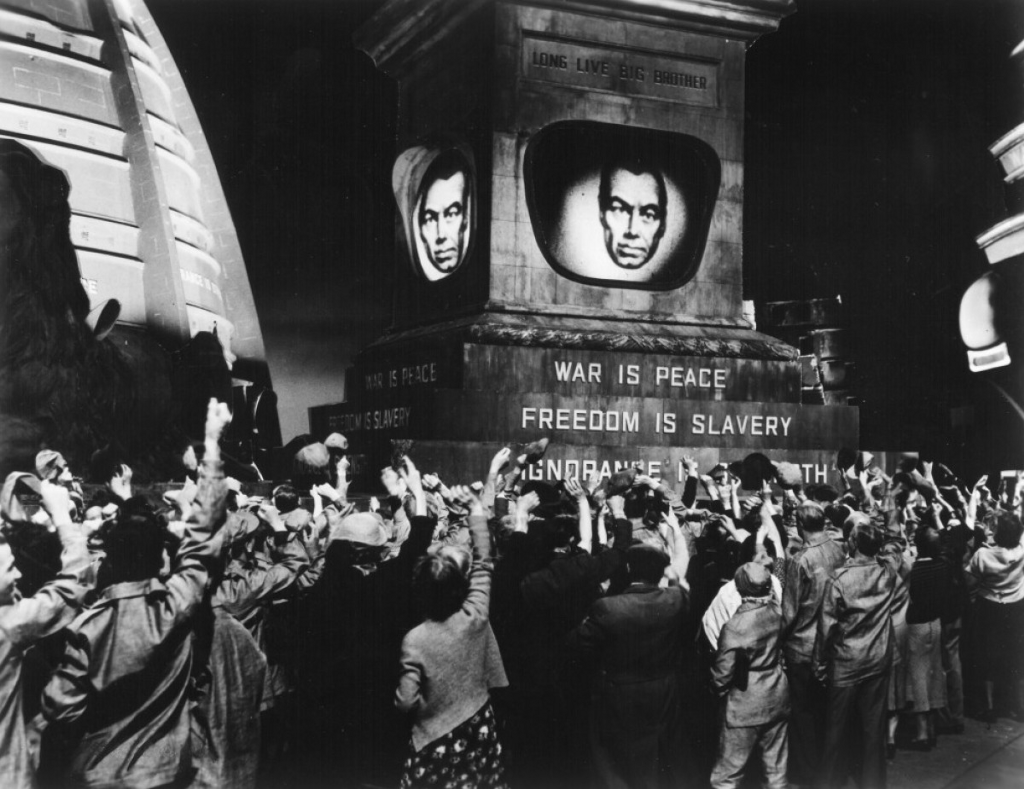
Whereas Huxley’s dystopia is based upon affluence and pleasure, Orwell’s 1984 is just gray totalitarianism: a towering cross-examination of government surveillance, information, and the meaning of freedom. Gave rise to the concept of Big Brother. Half of the Big 2.
A semi-satirical novel that experienced renewed popularity after 2016. It Can’t Happen Here was written in 1935 and predicted a fascist America under the control of a dictator.
1950s and 60s: War And Tech
OK, we’re out of the woods of World War II, you say. Time to breathe a sigh of relief! Surely, post-war optimism means that authors are going to start cheering up, right?
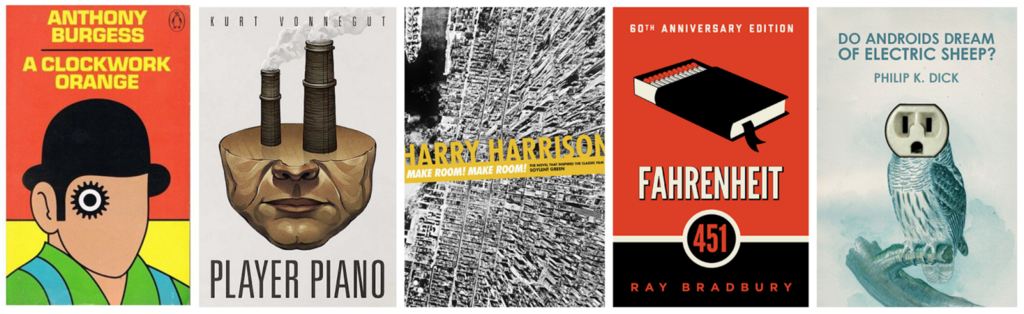
Political commentary shouldered many of the dystopian themes that emerged from the end of the war. And World War II fueled the prospect of World War III and apocalypses. (See: Kurt Vonnegut’s classic Player Piano in 1952 and Philip K. Dick’s 1964 The Penultimate Truth.) We do differentiate between apocalyptic fiction and dystopian fiction — but there’s always a fair bit of crossover when crumbling societies and their governments are involved.
Incidentally, it was during this time that authors’ growing suspicion of technology bubbled to the surface. Some major technological advances during this time included:
the inception of the Turing test (a test for intelligence in computers)
the creation of Sputnik I
the invention of the first personal computer
As a result, dystopian novels began to cross paths more regularly with science fiction worldbuilding, such as in Dick’s 1968 novel, Do Androids Dream of Electric Sheep?
After witnessing war, authors grew particularly concerned with totalitarian governments’ ability to regulate the arts. One of the most popular examples continues to be Ray Bradbury’s Fahrenheit 451, which breathes into awfully vivid life the possibility of a future in which books are burned. (Today, Fahrenheit 451 is banned in many schools in the United States, and so one cannot say that real life does not possess a solid sense of irony.)
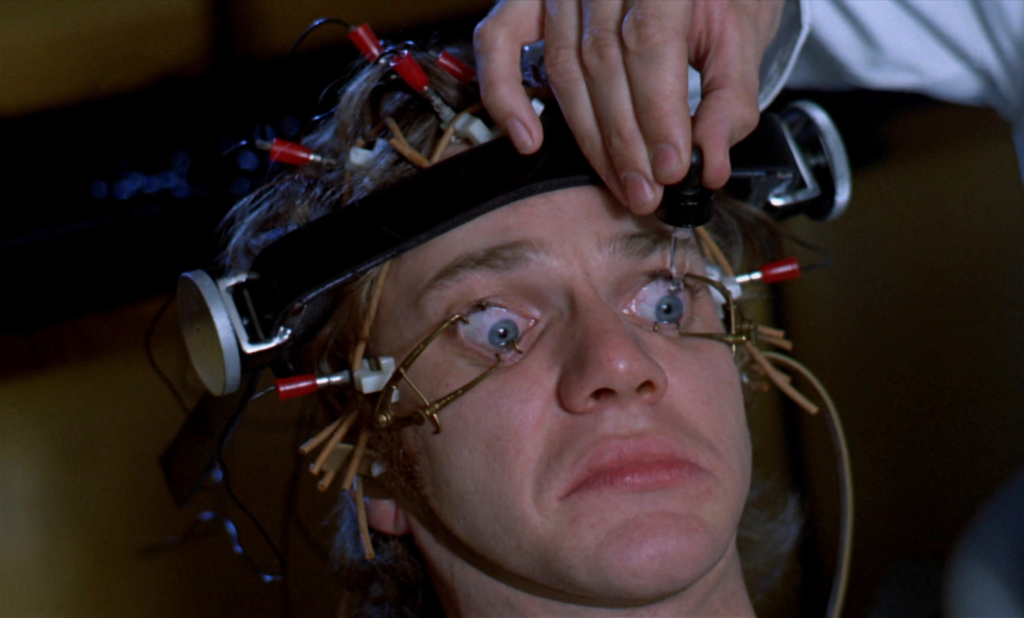
The brainwash of an ultraviolent youth in A Clockwork Orange’sdystopian but complacent society allows author Anthony Burgess to pose this question: “Is it better for a man to have chosen evil than to have good imposed upon him?”
Internet thinkpieces about machines presiding over the future are nowhere near as grim as Vonnegut’s Player Piano, set in a class-divided society after World War III.
A classic novel of overpopulation. In a crime-ravaged New York City, food is scarce and the government is rationing portions of a mysterious substance they call “Soylent Green.”
You wonder: why the title, Fahrenheit 451? It’s the temperature at which the paper of books catches fire. In Ray Bradbury’s world, all books are banned — and burned.
In which a man who increasingly wonders about the difference between people and androids he must kill. Also the inspiration behind 1982’s Blade Runner.
1970s-1990s: Corporations and Poisoned Bodies
While the volume of dystopian fiction declined for a period entering the 1970s, the variance within the genre broadened. If the genre reflects our fears back to us, then in the 1970s we see the public moving past a perpetual fear of war to explore new meadows. Environmental crises dominated the conversation (the Clean Air Act was only passed in 1980) while the onslaught of advertising, misgivings over the body, and economic stagnation ushered in a new era of cynicism.
It was a catalyst for quite a few dystopian classics that took the genre in brilliant new directions.
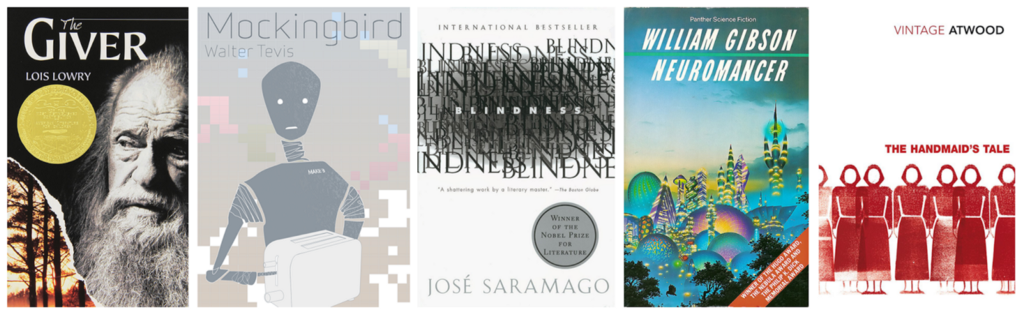
The Handmaid’s Tale, a book in which women’s bodies are nothing more than reproductive machines,shook the world when it was published in 1985.
Cyperpunk was born out of William Gibson’s 1984 Neuromancer.
Private corporations became a wellspring of repression and public enemy #1 alongside totalitarian governments in many dystopian novels, such as Neal Stephenson’s Snow Crash.
And meanwhile, black satire became all the more pronounced in the genre, as José Saramago showed in the Blindness and its sequel Seeing, which both use an omniscient narrator to great effect.
Perhaps most notably, in 1994, Lois Lowry quietly published The Giver. A slender book about a community in the future that doesn’t feel pain anymore, The Giver was a dystopian novel for young adults before the breed was cool. It built upon past traditions of adult dystopian fiction while managing to popularize the genre among young adult readers. This would be significant because of what would occur in the next decade or so…
“A world without color — fantastic!” said no-one ever. Yet people embrace this society within The Giver, which asks what a world with Sameness really is: a dystopia in sheep’s skin.
Saramago uses a third-person omniscient narrator and an ever more ominous tone to create this chilling and ultimately bewildering work about a society suddenly afflicted by blindness.
The dystopian world found in this romping science fiction novel was one of the first to introduce cyberpunk to society, capturing first-time novelist William Gibson the Hugo, the Nebula, and the Philip K. Dick Award in 1984.
A vision of a dystopia steeped in gender discrimination, The Handmaid’s Tale was giving folks the shivers decades before it became a popular television show on Hulu.
The Turn Of The Millennium: Youth Betrayed
Today, dystopian fiction is predominantly associated with the young adult genre. Young adult dystopian series — Maze Runner, Divergent, Ready Player One, among countless more — dominate the shelves, bleeding into Hollywood. The Divergent films alone grossed over $700 million in box office receipts worldwide.
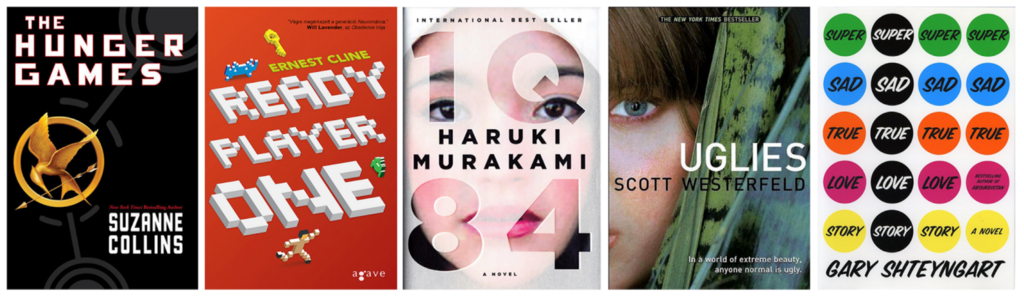
How did we reach this point? In big part, it’s due to The Hunger Games, as the trend that The Giver began exploded in popularity among young adults with the publication of Suzanne Collins’ series. In dystopian fiction, young adult readers can find a tangle of themes to identify with: themes of self-discovery, of one young person pitted against the whole terrible world. Overall, the rise in dystopian novels since 2000 is said to be a symptom of the pooling anxieties that followed 9/11 and other troubling geopolitical events.
But The Hunger Games still managed to change many aspects of the game. In an essay, the AV Clubnoted:
The Giver comes from what seems to be a lost tradition in dystopian storytelling. It used to be okay for genetics to eventually yield an individual who wants to break free from societal homogeny, and choose to escape that oppression to a safer community. Now, merely escaping isn’t enough — dystopian-thriller protagonists must learn brutally militaristic tactics and enact violence that brings tyranny crumbling down in increasingly bloody action sequences.
And so in today’s crop of dystopian fiction, the stakes are bigger than ever. Continuing in a proud tradition, they carry on vindicating the definition of a dystopia: a worst possible world. But what each of them (sometimes) offers is a brief, shining belief that such a world can be fixed. And now, the resurgence of sales for books such as 1984 and Brave New World shows that a vast contingent of us continue to turn towards the genre for comfort, or answers.
Like MMORPGs? You perhaps won’t be such a fan of them after you read Ready Player One, which won the Alex Award from the American Library Association and the 2012 Prometheus Award.
(Un)coincidentally, 1Q84 is only one number removed from George Orwell’s 1984. Once called the dystopian novel to end all dystopian novels, this winding epic is a feat of brilliant imagination that only Murakami could’ve conjured.
In the background of a burgeoning romance between a Korean-American and a Russian, America teeters on the brink of economic collapse and consumerism threatens to overwhelm all.
Who says you’re ugly? This book does. Uglies turns a very dystopian eye upon plastic surgery: in this future, when you turn 16, you get an operation to turn “pretty.”
We all love the ‘80s, but is this movie going overboard?
A still from ‘Ready Player One’ — or, the third horsemen in the cultural apocalypse, possibly
Another year of San Diego Comic Con has come and gone, leaving behind a whole slew of teasers and trailers that will have people buzzing for weeks to come. The newest controversy raging on Twitter? The trailer for Ready Player One, the new sci-fi movie directed by Steven Spielberg, set to be released in March 2018, and based on the 2011 novel written by Ernest Cline.
Ready Player One tells the story of a dystopian near future in which the world’s population uses an advanced gaming system for all facets of life. When the creator of this new world order dies, it’s discovered that he hid his fortune in the form of an easter egg within the game, and — here’s the kicker—only those who share his love of the 1980s have a real chance of finding it. Spielberg called the film’s world “a flash future that is awaiting all of us whether we like it or not.” Cline noted that it will expose people to the coming possibilities of virtual reality. In other words, we should all prepare for the fast approaching day when a virtual simulation of ALF serves as our all-seeing, all-powerful, all-cat-consuming overlord.
Which brings us to the controversy, controversy being the inevitable result of just about any combination of Comic Con + Internet. At first, people seemed to be generally on board with the Ready Player One movie, or at least keeping an open mind, especially with Spielberg at the helm. His work, of course, is a seminal element to the fictional universe’s worship of all things ‘80s. But those positive vibes quickly changed with the reveal of the teaser trailer at SDCC.
The question now — or anyway the question overtaking a certain segment of the web — is whether we’ve reached a saturation point with our nostalgia for recent times, and whether projects like Ready Player One are an indication that we as a culture have lost our capacity for original creation and are completely dependent on and beholden to the recent past, and in fact are spiraling downward into an abyss of retreads, rehashes and kitsch. Or something like that. Entertainment Weekly noted that thetrailer alone has over 20 references to other works, including Willy Wonka, Back to the Future, and A Nightmare on Elm Street. While some are excited about this world of homage, dubbing it a mixture of Willy Wonka and The Matrix, others took to the internet and Twitterverse to voice their concerns.
A.V. Club noted that the debate seems to be focused on whether the increasingly mainstream “nerd culture” is a distinct aesthetic or just a collection of pop culture references. Other outlets such as The Ringer and Voguehave criticized the movie’s reliance on nostalgia commodification.
Given that we are living in the era of reboots, with a fascination (read: obsession) with all things late ‘80s and ‘90s, it’s no surprise that shows like GLOW and Stranger Things are doing so well. But is Ready Player One going too far?
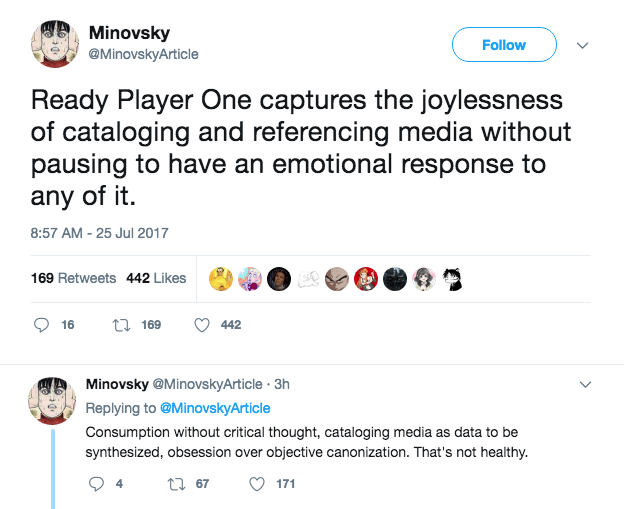
Donnie Cuzens, a web developer and writer, voiced his concern over Twitter about the problems associated with nostalgia. “Ready Player One being made into a film is the apotheosis of aggressively weaponised and monetised nostalgia but maybe it’s what we deserve,” he tweeted. Cuzens posts reflect many people’s frustrations with the emotionlessness of references in film — of consumption without thought. USGamer calls the trailer a reflection of the book that’s “about nothing.” While visually enticing and designed to make you say “Woah, cool!” — it lacks deeper meaning.
I'm no Twilight stan but notice how it and Ready Player One (commercialised fan fiction) are regarded culturally depending on who it's "for
So, is Ready Player One a sign of the coming cultural apocalypse? A brilliant meta-fiction? The corruption of your youth or an avenue toward the future?
Probably we should all come to a conclusion before seeing the actual movie, just to be safe.
Sign up for our newsletter to get submission announcements and stay on top of our best work.
YOUR INBOX IS LIT
Enjoy strange, diverting work from The Commuter on Mondays, absorbing fiction from Recommended Reading on Wednesdays, and a roundup of our best work of the week on Fridays. Personalize your subscription preferences here.