
Lit Mags
Protected: I Will Never Be the Pianist My Father Loves Best
An excerpt from HUDSON by Hernán Ronsino, translated and recommended by Mallory Craig-Kuhn
Introduction by Mallory Craig-Kuhn
Literary translation is a pleasure and a challenge, and in my experience, these two characteristics are often directly proportional. Every text presents its own hurdles, and some are trickier than others. With Hudson, by award-winning and internationally translated Argentine author Hernán Ronsino, it’s all in the prose.
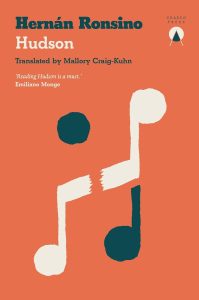
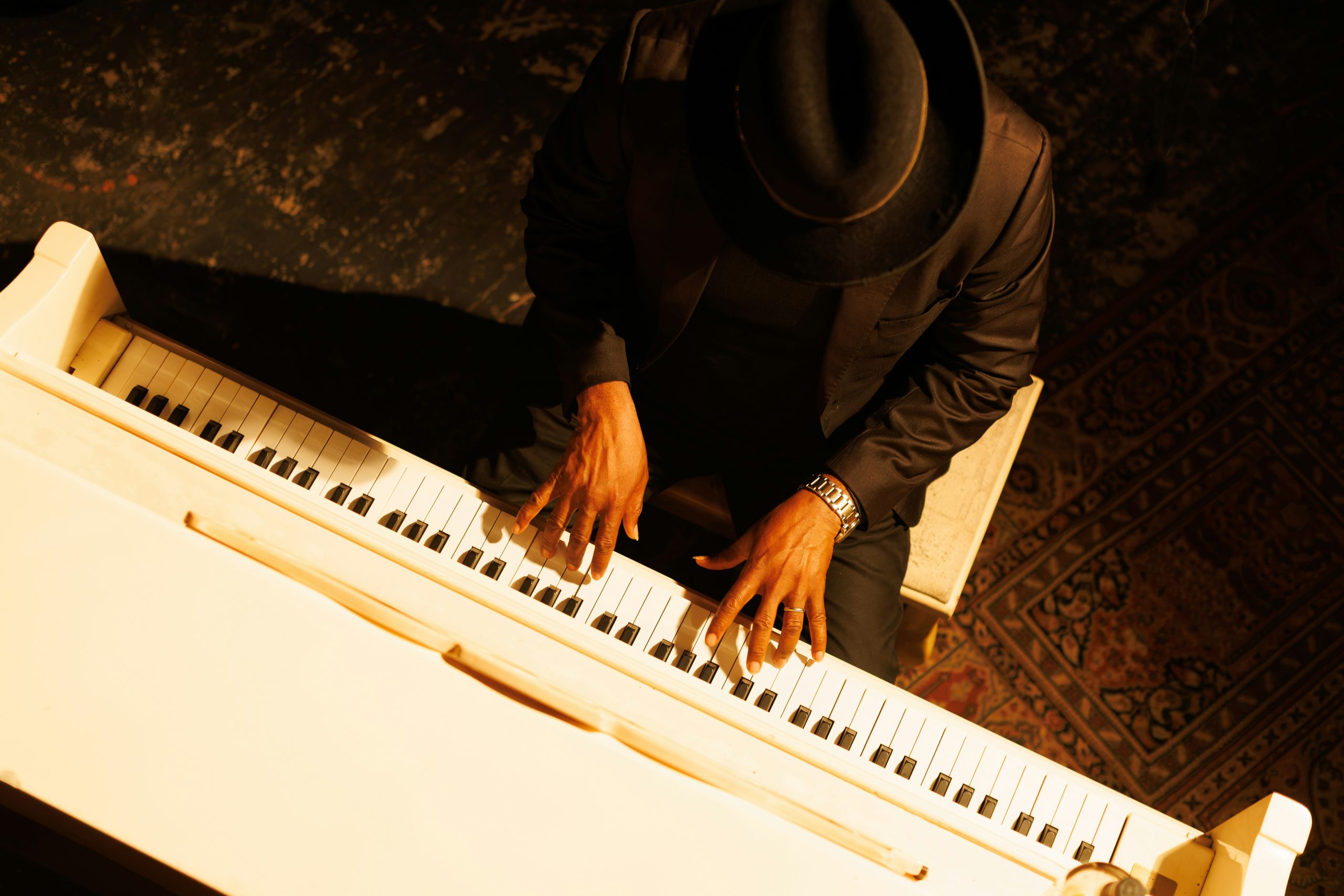
This novel, Ronsino’s first to be translated into English, composes Juan Sebastián Lebonté’s struggle with the sudden death of his father, who imposed an obsession with music upon him. News of the death reaches Juan, who is a pianist, while touring in Europe, and he is suddenly and completely unmoored, pulled toward his father’s mysterious past. As Juan drifts, Ronsino’s writing is a kind of sonorous searching out of meaning and coherent phrases. In its pacing and spacing, rhythm and experimentation, every element of the prose evokes not only Juan’s profession but also his new condition as a fatherless son floating on tides not of his own choosing.
Without that paternal dream of fame and talent, which had been the driver of his musical career, Juan returns to Argentina to take charge of an inherited property in the outskirts of Buenos Aires. This, he soon finds out, is occupied by squatters. Improvising, as if his fingers were atop the keys of a piano, he moves into the orbit of these strangers in an attempt to uncover lost memories and hidden truths. Juan spent hours, months, entire summers practicing his instrument at the behest of his uncommunicative father. Yet, the only hint of what propelled this aloof man was his inexplicable passion for an album recorded by another enigma, an American jazz musician who died alone after leaving a single recording. That album, also called Hudson, is an agitated current that pulled Juan’s father, and Juan in turn, like the river for which it was named.
Water and music are constants in this novel. The story flows. Thus, the challenge of translating Hudson was inhabiting Ronsino’s particular use (and skilled misuse) of Spanish syntax and phrasing, the verbs and nouns he applies with unexpected and figurative meanings, while maintaining the tension of a plot filled with questions. Why did Juan’s father feel so connected to this nearly unknown artist and his single album that he binds his son’s life to that music? What was his relation to money-making during the last Argentine dictatorship and to the laborers who now occupy his long-abandoned property? Moreover, what might family come to mean for an adult son now lacking the overbearing figure of the closemouthed father who planted him firmly on a narrow and predestined path?
I hope, too, that English-language readers will be pulled along by the strangeness and musicality of Ronsino’s prose. The author is playing jazz, and it was a pleasure to follow his lead.
– Mallory Craig-Kuhn
Translator of Hudson