Reading Lists
Our Favorite Essays About Radicalism and Resistance
Political action doesn't begin or end with elections

I’m writing this before knowing the results of the American election—and depending on how long things take, you may be reading it before knowing the results, too. But in the midst (or, hopefully, towards the end) of a season of unprecedented uncertainty, there’s one thing we can say for sure: we will need courage, action, and resistance in the months and years to come, no matter who wins, no matter what else happens. Here are some of our favorite essays celebrating radical thought and action on and off the page.
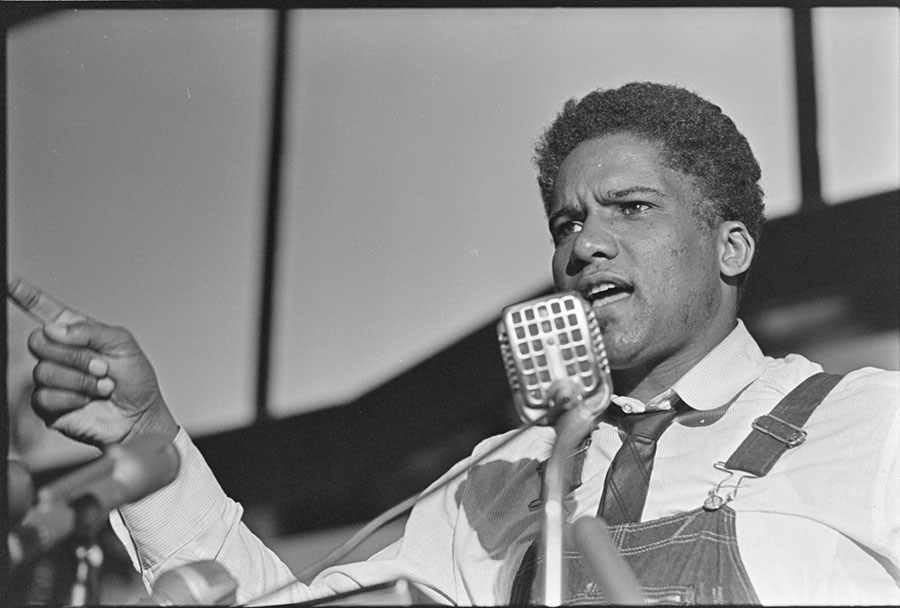
“50 Years Later, the Demands of ‘The Black Manifesto’ Are Still Unmet” by Carla Bell
In a guerrilla address to the congregation of the Riverside Church in 1969, civil rights activist James Forman demanded that white Americans recognize and re-enfranchise the Black Americans they’d been exploiting for generations. People weren’t ready to hear it—and they’re still not, writes Carla Bell.
The Manifesto is symbolic of America’s accruing and compounding indebtedness to black people, a stolen people, who built the nation and its economy through generations of labor, whose blood is in the soil.

“Writing Behind My Country’s Back” by YZ Chin
The characters in YZ Chin’s Though I Get Home deal with censorship in Malaysia, but in this essay, Chin breaks down what that censorship meant to her personally.
I have no exact memory of my first realization that I live in a censored world. It is hard to be aware that a thing you have never seen is missing. But I imagine it had something to do with watching choppy programs on state TV, and seeing one scene blink into a totally different one with no semblance of transition.

“Czech Dissident Writers Can Teach Us How to Protect Language from Lies” by Erica Eisen
State control over communication doesn’t only take the form of censorship. Sometimes those in power break down language by reducing it to absurdity—say, by lying so flagrantly that words cease to carry meaning. Czech political dissidents had some experience in writing about this kind of collapse, writes Erica Eisen.
With the current global rise of the far right, when phrases like “post-truth” and “fake news” are uttered by pundits and plutocrats alike without so much as the bat of an eyelash, the literary investigations of writers from the Eastern Bloc can take on an eerie second life, like Cassandra’s prophecies recollected as Troy burns.

“Oscar Wilde’s Gay Socialist Vision” by Arvind Dilawar
Do you think of Oscar Wilde as an aristocratic dandy? You’re not wrong—but, says Arvind Dilawar, he was also a committed libertarian socialist.
In libertarian socialism, Wilde not only saw the potential for his realization as an artist, but his liberation as a gay man.
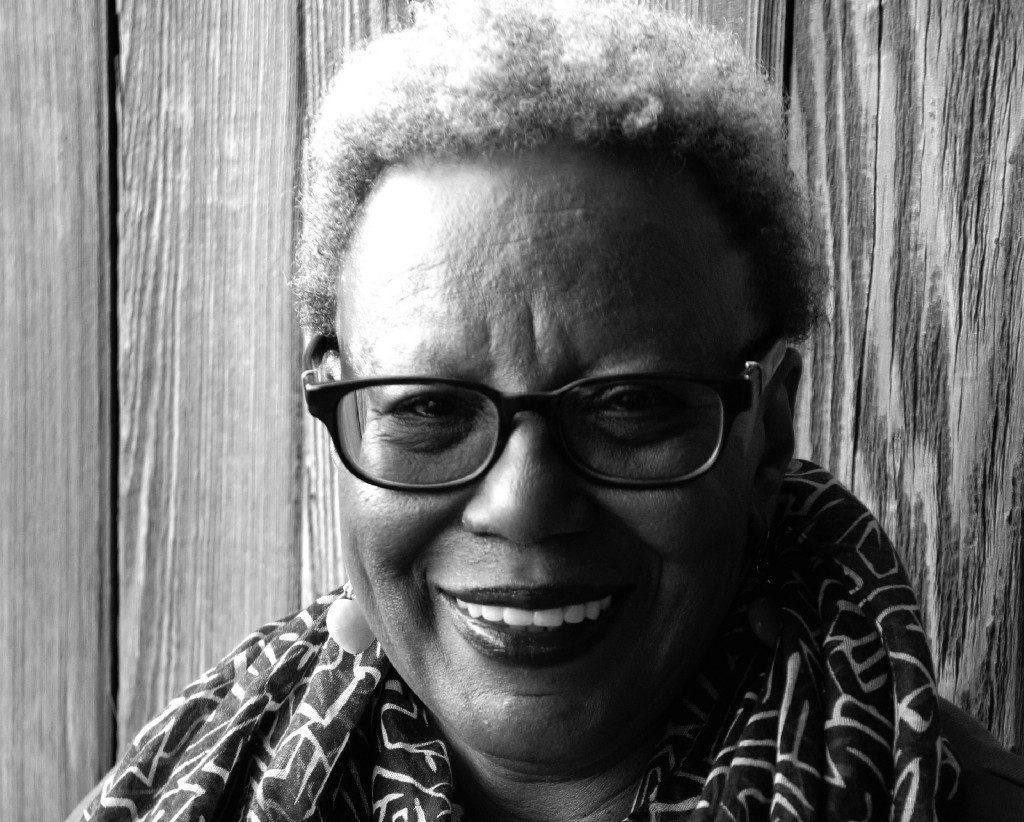
“The Poetry of Black Women Shows Us How to Move Forward” by Patricia Spears Jones
Change doesn’t just come from the strength to fight—it comes from the compassion and vision to see a way forward, says poet Patricia Spears Jones in her closing address from the 2019 LitTAP conference.
If a new world is coming, then let us use our power to shape it and the privilege to leave those forms to those who follow. As we take the outrage, the anguish and the joy, that these and other revolutionary poets have given us. This has been your time to feast on the power of language and the people who make best use of it. It is a privilege to engage with this world in thoughtful, ethical and caring ways.

“How Austrian Literature Taught Me to Stop Worrying and Hate America” by Jeffrey Arlo Brown
If your country has done terrible things, shouldn’t you have the guts to call it terrible? Jeffrey Arlo Brown admires Austrian writers who treat their country’s Nazi past with frank disgust.
I’ve been immersing myself in Austrian literature while watching America’s shift to the far right. The artists’ anger makes a different kind of sense to me now. In recent years, as America lurches from black sites and torture to drone strikes on civilians to the abuse of Central American children, I find the relentless negativity of Austrian literature consoling. At least it’s honest. The terrible truth is better than a balanced lie.
“The Children of Latinx Immigrants Need a New American Dream” by Ruby Mora
In this essay, Ruby Mora explores what how the American Dream has failed the children of Latinx immigrants, while she reads My Time Among the Whites by Jennine Capó Crucet.
For her, and other immigrants of her generation, that’s what the American Dream meant: financial stability, no stress, the ability to provide for her family. But for the first-generation children of these true believers, it’s becoming clear that the dream is more complicated.

“The Politically Radical Family That Inspired ‘Little Women’” by Rebecca Long
Louisa May Alcott created one of literature’s best-known families—but the family that created her was no less remarkable. Rebecca Long takes the reader on a tour through Orchard House, birthplace of Louisa’s books and her parents’ revolutionary ideas.
Bronson was a teacher, philosopher, educational reformer, and failed-utopian-commune founder; he was the first educator in Boston to admit a Black student into his class, and we have him to thank for inventing recess. Abigail was one of the first paid social workers in Massachusetts, as well as a passionate suffragist. Both were Christians, transcendentalists, abolitionists, women’s rights advocates, and vegetarians; it was with these beliefs that Bronson and Abigail raised their four daughters, affording them much more freedom and agency than young women at the time were generally given.

“The Words That Will Bring Us Through the Chaos” by Michelle Chikaonda
Reading Octavia E. Butler’s Bloodchild and Other Stories got Michelle Chikaonda through her father’s death. During a summer of protests in Philadelphia, she realizes that the story “Speech Sounds” has more to teach her about what it means to be heard.
In these protests it is not that people have finally spoken: some of them have, certainly, but most have been speaking for a long time, and some for their whole lives. It is that this particular death—which happened in the eye of an unprecedented countrywide shutdown for which the entire country was brought to a standstill, and in that national silence was forced to finally see truth—shattered the comprehension barrier between speakers and their willfully unhearing audience.
“The Antifascist Message Hidden in This Greek Coming-of-Age Novel” by Niko Maragos
Three Summers looks like a conspicuously apolitical novel, the story of teenage sisters growing up in the suburbs of Athens in the mid-1930s. But in fact, says Niko Maragos, the novel puts bourgeois complacency in the crosshairs.
Yes, this book is a chronicle of both a girl’s coming of age and an artist’s development. But in the context of post-war Greece, such a book was political. Beyond being an Arcadian withdrawal to better times, Three Summers is a bittersweet indictment of a culture’s reluctance to confront its own pathologies—and each individual’s complicity in it.
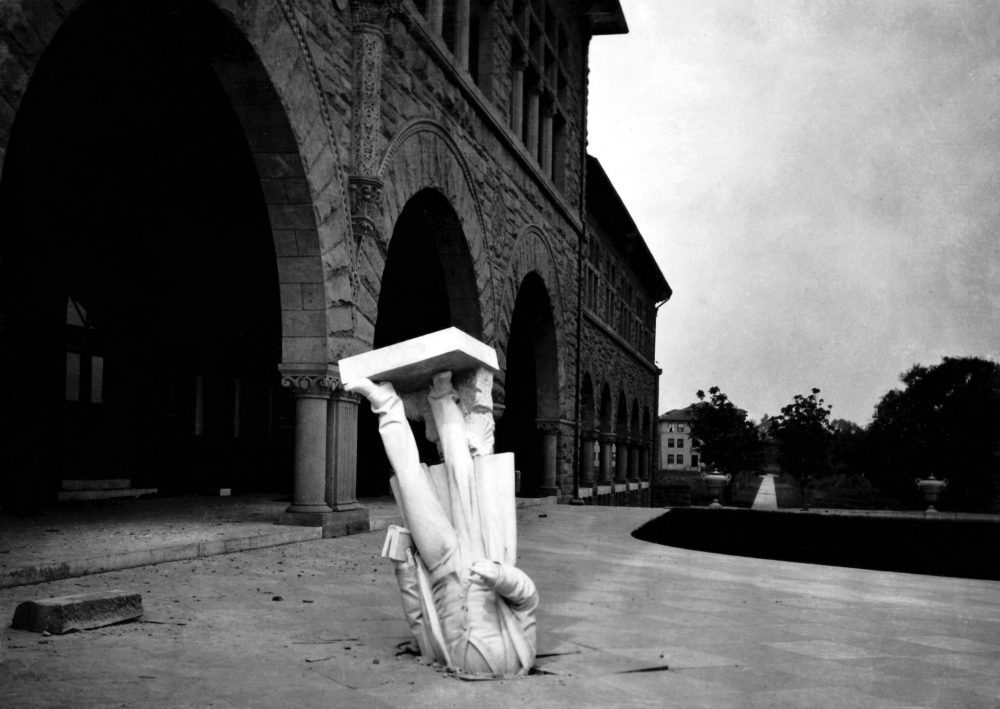
“Confederate Statues are History — So is Taking Them Down” by Rebekkah Rubin
Does toppling a confederate statue mean destroying history—or creating it? Historian Rebekkah Rubin talks about how we can read and, crucially, revise the statues and their place in our communities.
Statues can tell us how the past was remembered by some, but they don’t tell us that the statue was privately funded by a few supporters. They don’t tell us about those who resisted and opposed the building of the statues. A statue only tells part of the story, amplifying the voices of the few.