That Was Now, This Is Then
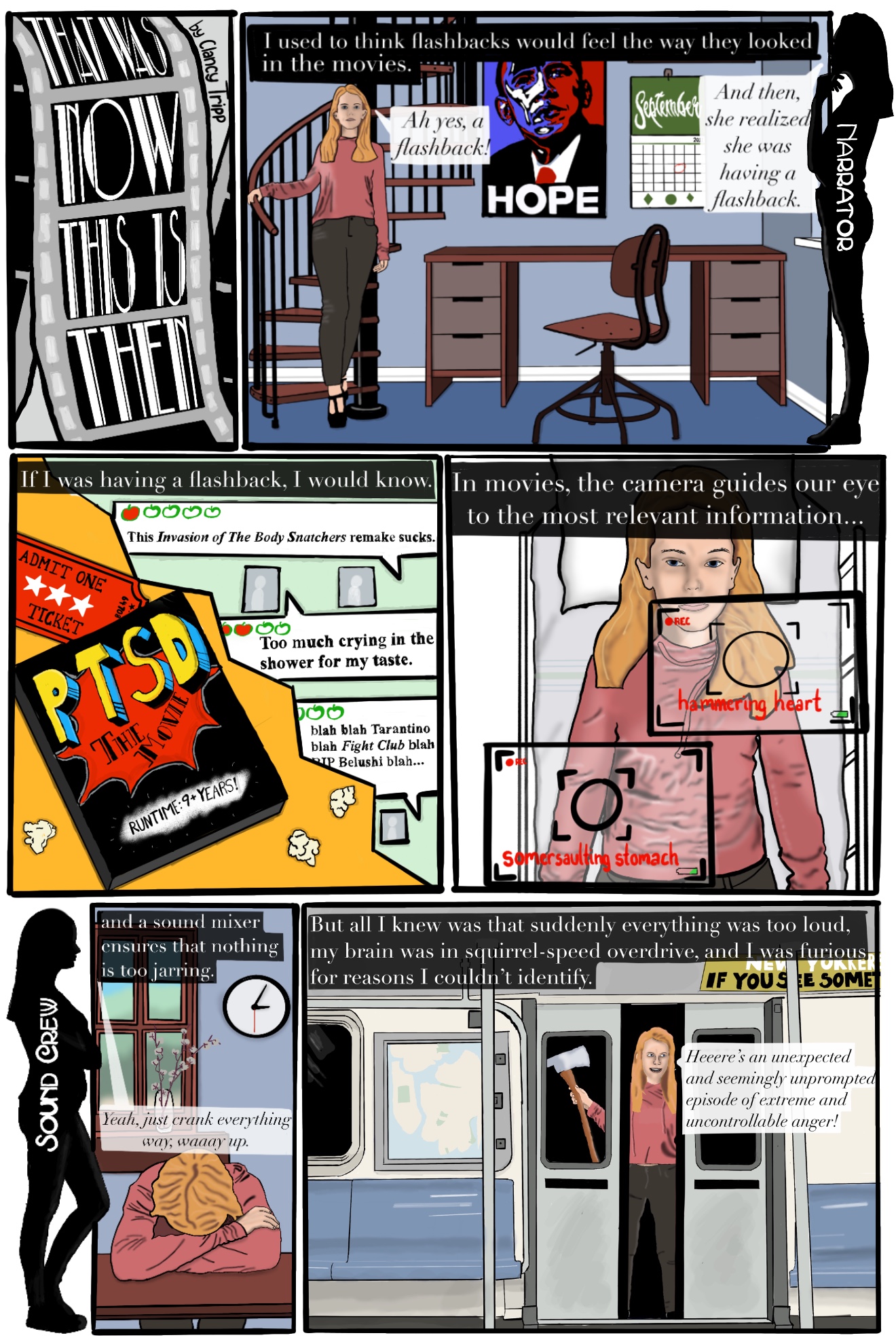
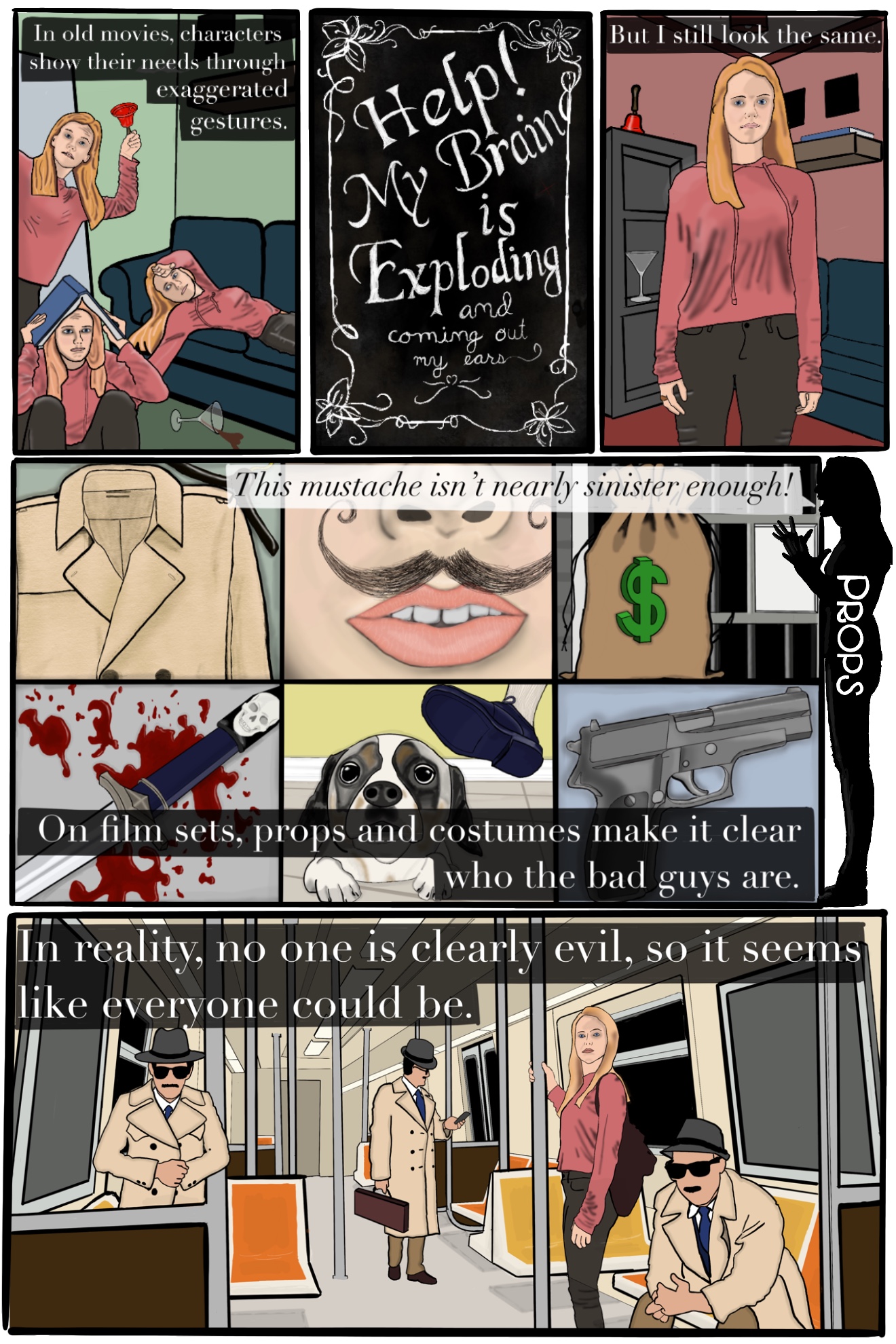
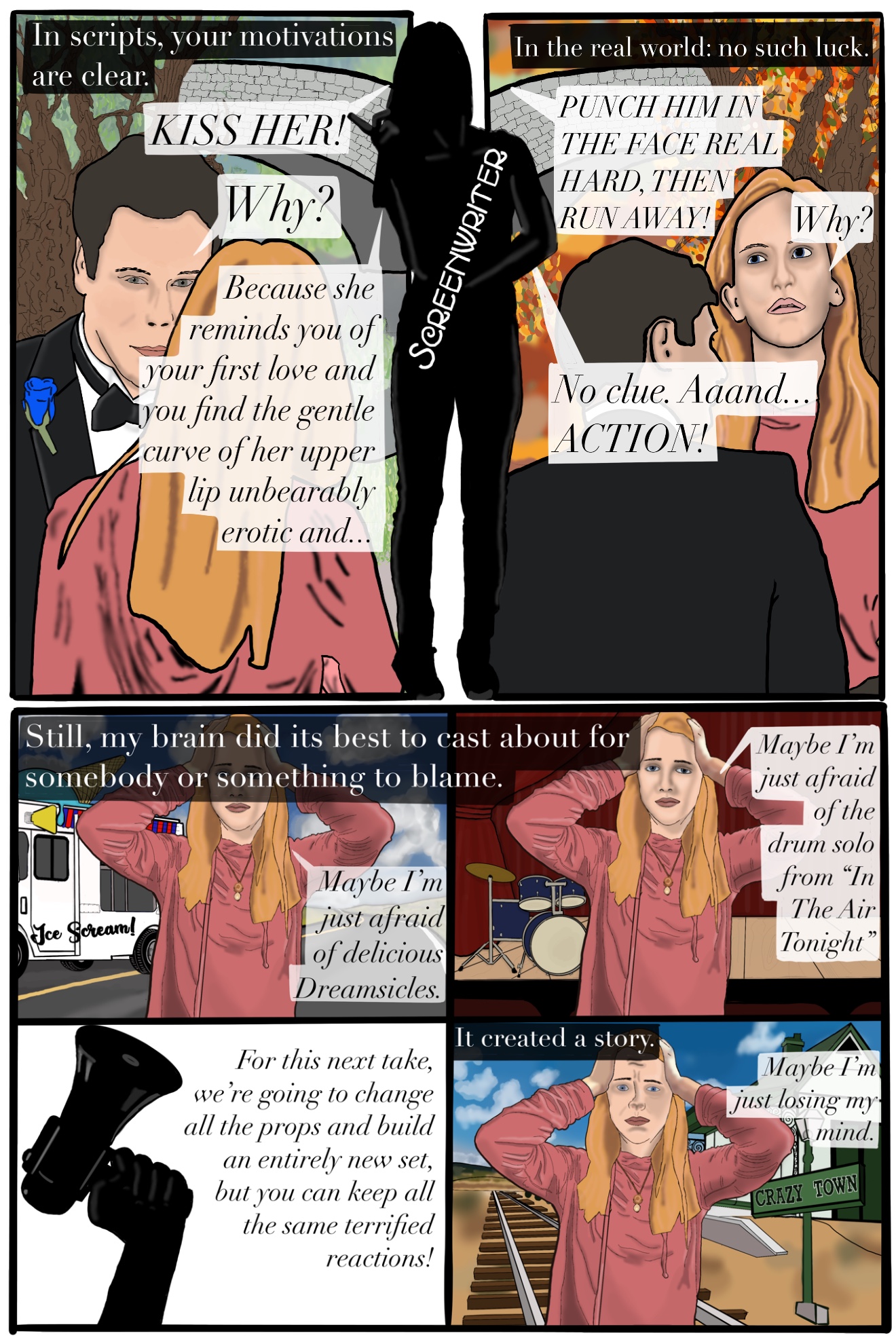


Click to enlarge and scroll.



Click to enlarge and scroll.
I heard about Emma Cline’s 2016 debut, The Girls, as many of us did—through a whirlwind of praise and accolades, from literary critics and friends with good taste alike. When I read the novel, I immediately understood why. The Girls is mesmerizing and beautiful in both its language and its narrative, focused on the lives of the women in a 1969 California cult.
I met Emma Cline soon after, at a Paris Review party in New York (remember parties?). It always makes me a little nervous to meet someone whose work I admire, but Cline was charming and funny, and I probably managed not to say anything too weird.
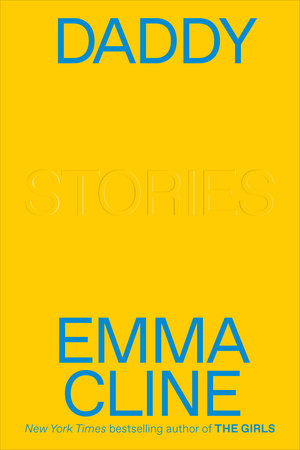
So of course, I was thrilled to read Daddy, Cline’s second book and first collection of short fiction. “You pressed only slightly on the world and it showed its odd corners, revealed its dim and helpless desires,” muses the protagonist of “Los Angeles,” a story about a young woman working retail. The stories in Daddy feel like the result of this kind of pressure: tours through the odd corners of disgraced men’s minds and women’s internet rabbit holes. The world reveals itself in subtle details: “[he] had scars on his back from teenage acne but told her they were from a rock-climbing accident” (“The Nanny”); “This was why you lived in cities—abundance buffered you from the vagaries of human contact” (“Northeast Regional”); “her father had told her how hair and teeth had tightly wound cellular structures that held power” (“Marion”); “It had been bearable because it would become a story, something condensed and communicable” (“Los Angeles”). Every divot in a character’s inner monologue becomes a well.
Earlier this month, Cline and I talked on the phone about the dual meaning of “Daddy” and writing the aftermath of mens’ bad behavior.
Deirdre Coyle: A number of these characters have clear opinions about whether someone is a “good” or “bad” person. In “A/S/L,” a woman asserts that her husband is “not a bad person.” In “Northeast Regional,” a father thinks a waitress “must have thought he was the bad guy.” In “Marion,” a man tells a woman that she’s “a sweet girl”; in “The Nanny,” a man tells a woman that she’s “a nice girl.” At first I was amused by the short-sighted simplicity of men informing women that they’re good—whom among us, right?—but the stories go beyond that. How did you determine these characters’ morality judgments?
Emma Cline: I mean, there are always two levels of things, right? The characters live in this world where they think of themselves as good people, or other people as bad people. They can have those kinds of morality judgments, and I feel like as a writer, I try to stay away from those sort of binaries as much as possible. I guess part of the pleasure of choosing characters, choosing to write a certain story or situation, is [choosing] characters through whom I get to explore ambivalence, if that makes sense. I’m not interested in judging the characters or coming down on them as good or bad people, but I’m interested in the kind of characters who do see the world that way, and how seeing the world that way kind of allows them to get away with bad behavior longer, because they are captain to what is right and what is wrong. That kind of delusion is really interesting to me.
DC: So would you describe these characters as deluded?
EC: Yeah, I mean I think that’s where my interest lies as an author, at least in the story form. It’s that distance between how people think of themselves and how they actually are in the world. I think if these were characters who really saw themselves very clearly, I’m not sure that I would be that interested in following them through a situation. I always think about that when people are like, “Oh, this character is so mean,” or “This character is so envious,” or “judgmental,” or all of these bad qualities, and I just can’t imagine wanting to read or write about a really healthy, kind character. Although, you know, maybe some people would like that. And actually, there are probably exceptions to that rule that I can think of. But I think it’s fun and interesting to follow a flawed human being.
DC: It is interesting when people only want to read about characters they find relatable. For me, at least, I feel like that would be very narrow.
EC: Right.
DC: The stories in Daddy don’t directly reference #MeToo, but in many of them, we’re seeing men deal with the aftermath of their actions. What was it like putting yourself in the heads of these men?
EC: As strange as it sounds, I think it could feel a little bit like a reprieve, even though these are people who are not the most pleasant consciousnesses to spend time in. But especially after writing The Girls, that was so focused on the aftermath of mens’ bad behavior, and having to think about it, and write about it [for] so long from the point of view of a young woman, and to have to experience it from the selfhood of a woman. There was something interesting to me about approaching it not from a victim—well, you know, I don’t even like using that word in this context. There’s something interesting about being a woman and writing these men. I don’t know if I can articulate it any better.
DC: Well it was such a shift from The Girls, which is so focused on these womens’ interiority. When I read the stories in Daddy that are narrated from mens’ perspectives, I was totally absorbed in it, and it felt very real to me. And I mean, I’ve never been a man, but I was really awed by that shift.
There are meta moments in a few of the stories where characters zoom out from their experience, and imagine describing it to someone else. In “Los Angeles,” the protagonist hears her future self narrating a sordid story to her coworker; in “Mack the Knife,” a man imagines telling his friend (the next day) about his drugged up girlfriend’s behavior. I immediately latched onto that because I think about that kind of thing all the time in my own life. What did it feel like, as a writer, to observe these characters observing themselves?
We all carry around a narrative about ourselves, this sort of movie of your own life that you can zoom out to.
EC: For me, it goes back a little to the idea of the narrative we all carry around about ourselves, this sort of movie of your own life that you can zoom out to. I feel like there are certain things in the culture that encourage it. I mean, it’s dumb and maybe basic bitch to say, but obviously, to me, social media encourages you to form this external narrative of your life and things in it and just the whole gestalt of how you see the world. There’s something that can be really alienating about always creating a narrative behind things that are happening, but I think it’s also rich fodder fictionally, for the reasons we spoke about earlier—that there’s a gap between that narrative of self and what is actually happening. What goes on in someone’s consciousness inside that gap is really interesting to me, and I think very revealing.
DC: It reminds me of the time a friend described Twitter as “writing fan fiction about yourself.” I feel like that’s kind of what these characters are doing—not in a social media context, but they’re imagining their own fan fiction.
EC: Totally, and it can be so alluring. I just got an Instagram, but I’ve only done like three posts or whatever, and they’re all really dumb and not of myself. But I can feel how strong this pull is, because it is a form of control, which we lack in so many other areas of our lives. So much is out of control, and the idea of controlling one’s own image has this real pull. But I feel that it also is scary for that reason.
DC: I do think, if you’re in any creative profession, social media can be—well, I, at least, personally often find it harmful to my actual work, because it is so alluring to be on social media instead of doing anything else. I don’t know if most people feel that way.
EC: I can see that for sure.
DC: So I’ve never lived in California, so some of this might be projection, but both in The Girls and in the California stories in Daddy, the descriptions of the landscapes—the colors, and the canyons—feel so dreamy and surreal. Is this what it feels like to live in California?
So much is out of control, and the idea of [social media] and controlling one’s own image has this real pull.
EC: [Laughs] The landscape here is so potent for me. For whatever reason, it’s the landscape that I most respond to. I just find so much about the way California looks and the way cities look so improbable. Like in LA, all of these green hills with all of these houses on them. There’s something that looks a little surreal to the eye about seeing certain landscapes or scenes in California, and I don’t feel that way on the East Coast, for example.
This might be a lazy generalization, but I think living in California, you become more aware of the natural landscape because you interface with it more, and you’re more at its mercy. I think there was an earthquake three days ago, four days ago? Which is so bizarre. This sounds like a stoner thought, but just zooming out for a second, after the earthquake, I was like, if somebody explained that you would be living your life and occasionally the earth would shake and everything would move, it would not seem like a real thing that you could make your life around these moments. But it happens, and it’s almost commonplace, and that is so bizarre to me.
DC: It feels kind of science-fiction-y.
EC: Totally.
DC: Can you talk about the title?
EC: The title I liked for its multiple meaning. There’s a very innocent version of the word [daddy], sort of invoking all of these familial, good feelings and wholesomeness. And then of course there are all these other sort of shadings on the word that have more to do with power and sex. When I was thinking about titling the collection and looking at all the stories together, and thinking, “What’s the connective tissue?” or “What’s the animating force behind all of these stories?”, there’s something about that word that seemed to get at what I was trying to do with the stories. I’m always interested in the innocent surface and darkness underneath, whether it’s landscape, like we were just talking about—California is very beautiful, but it’s quite literally unstable. And then family structures, outwardly, are these places that are supposed to be very safe and loving but that often are deeply dysfunctional and violent. That, to me, is very interesting, and I liked the duality of that for the title.
There is a lot of news over the past week that will live on eternally. But one of the taglines that brought a bit of relief to the world was Donald Trump hosting a press conference at the Four Seasons Total Landscaping, which one presumes he thought was the Four Seasons Hotel. (Nobody’s admitting this, but come on.) Once again, under this absolutely surreal government, real life steals a plot that would be far-fetched (but also hilarious) in fiction.
If you’re not yet ready to move from thinking about last weekend’s farcical error to thinking about this week’s farcical coup, here’s a list of ten books involving similar errors of mistaken identity. These books range from memoirs about wrongful accusations, to postmodern novels where characters chase their doppelgangers, to full-on comedies where all the characters’ costumes start to look the same. If anyone in the Trump administration read books, they might have known what was coming.
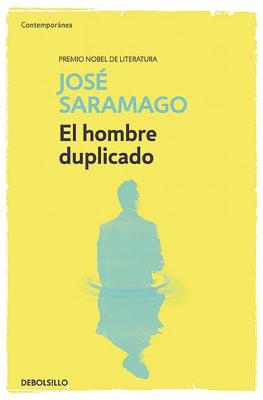
The Double, or O Homem Duplicado (literally, “the duplicated man”) in Portuguese,is about Tertuliano Máximo Afonso, who watches a movie in which the main character looks just like him. To find out more about the character, he calls the actor on the phone, only to be mistaken for the actor by the actor’s own wife. Eventually, the doubles meet, and fall even deeper into confusion and duplicity.

Twelfth Night shows that mistaken identity has been a part of our literary canon for centuries. Like most Shakespearian comedies, everyone in this play is trying to take advantage of, grift, seduce, or win over everyone else. But at the heart of the story are the twins Sebastian and Viola, who are easily confused—to hilarious and chaotic effect—because Viola spends most of the play dressed as a man. For in this world, that was all that was needed to confuse the characters (like how not reading past the words “Four Seasons” confused our government.)
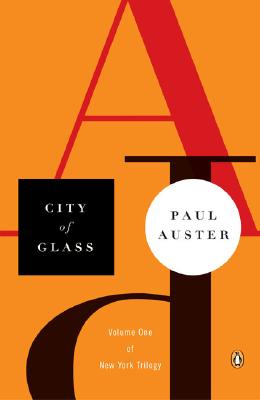
This novel opens up with the narrator Daniel Quinn receiving a call meant for the private detective named Paul Auster. The protagonist dutifully follows, resulting in a neo-noir revolving around identity. This postmodern novel asks: what does a protagonist do when mistaken for the author?
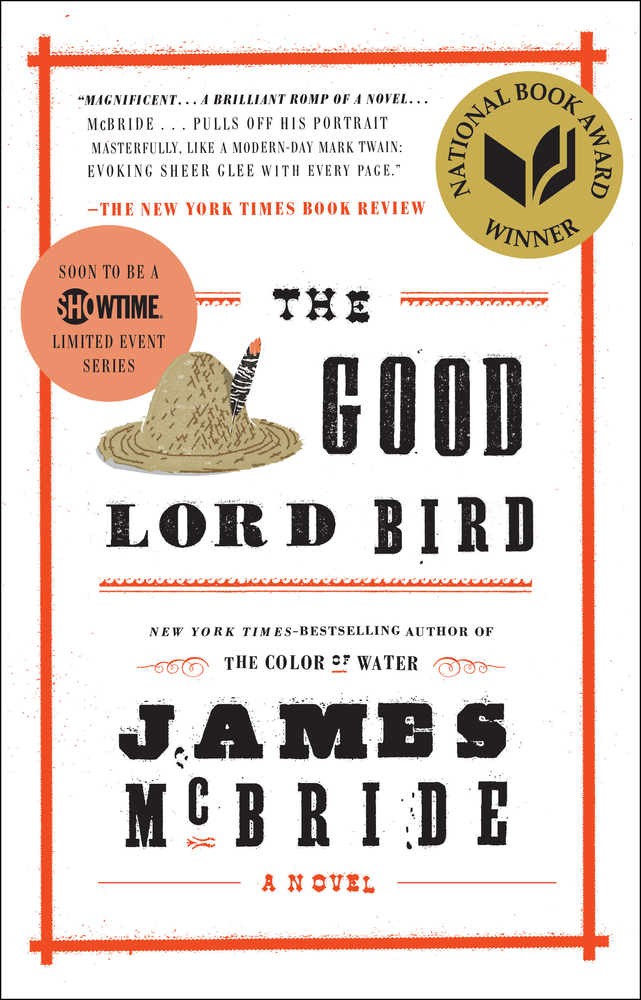
In The Good Lord Bird, John Brown confuses the enslaved boy Henry Shackleford for a girl, whom he calls Onion. Early in the novel, Brown hears Henry’s father say “Henry ain’t a…” and mishears it as “Henrietta,” an error that he never thinks to investigate or correct. This helps establish John Brown’s character as a man of faith who never questions his gut or his first impression. Henry is able to use this mistaken identity to his advantage at times —but at other times, it puts him at great risk.
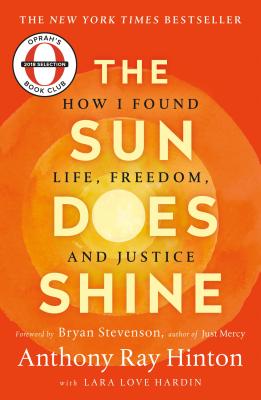
The Sun Does Shine tells the story of Anthony Ray Hinton, who through a case of mistaken identity is sent to Death Row for 30 years. Hinton perseveres and is exonerated for the crimes he didn’t commit—but this isn’t primarily a story of hope. It’s a cautionary tale about a judicial system that can take nearly everything away from an innocent person, much of which can never be given back.
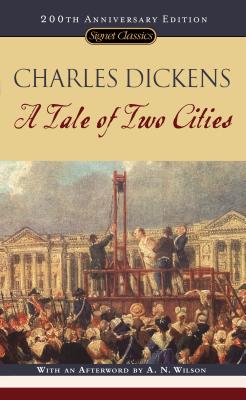
In this Dickens classic, doubles play a key factor. This starts with the infamous opening line “It was the best of times, it was the worst of times” and continues on as a theme as the paired opposites echo multiple sets of doubled characters. This is most striking when Charles Darnay is being tried as a spy, partially due to the suspicion that his ordinary looks bring upon him. Darnay’s looks are so normal that even another lawyer, Sydney Carton, looks like him. Darnay’s lawyer gets him exonerated by claiming mistaken identity. The ability to mistake Darnay for Carton continues to play a factor throughout the novel, as they eventually weaponize their similarities (while Dickens also incorporates other doubles as well.)
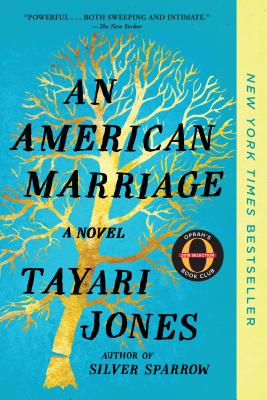
An American Marriage by Tayari Jones is a story about how the carceral system in the United States is more about punishment than correction. Roy and Celestial are newlyweds, living as close to an American Dream in their American Marriage that is afforded to them, when through a case of mistaken identity, Roy is arrested. Despite their bond, and their individual strengths, Celestial and Roy’s marriage, love, and lives are pushed to the brink. This story shows that no matter how well individual people know each other, the system’s imprecision can ruin people.
In Tana French’s mystery novel, detective Cassie Maddox takes on a murder case that comes uncomfortably close: the victim looks just like Cassie herself, and has an ID using one of her old undercover aliases. In order to solve the murder, Cassie must take on Alexandra’s identity and life.

Mistaken Identity: Race and Class in the Age of Trump is a book exploring the differences that exist within the particular groups of people/communities that in America are viewed as monoliths. Haider goes deep in exploring these fissures within communities, while exploring how to better understand these communal identities. This one is more about the concept of “identity” than about mistaking one person for another, but watching how punditry struggles over demographics such as the “Latino” voting bloc, it’s clear that this book is as important as ever.
I was at a Christmas party with a man who wanted me to hate him. I should hate all whites, he felt, for what they have done to me. I thought hard about what whites have done to me. I was 40, old enough to have accumulated a few unpleasant racial encounters, but nothing of any lasting significance came to mind. The man was astonished at this response. “How about slavery?” he asked. I explained, as politely as I could, that I had not been a slave. “But you feel its effects,” he snapped. “Racism, discrimination, and prejudice will always be a problem for you in this country. White people,” he insisted, “are your oppressors.” I glanced around the room, just as one of my oppressors happened by. She was holding a tray of canapés. She offered me one. I asked the man if, as a form of reparations, I should take two.
It was midway through my third year in academia. I had survived mountains of papers, apathetic students, cantankerous colleagues, boring meetings, sleep deprivation, and two stalkers, and now I was up against a man who had been mysteriously transported from 1962. He even looked the part, with lavish sideburns and solid, black-rimmed glasses. He wasn’t an academic, but rather the spouse of one. In fact, he had no job at all, a dual act of defiance, he felt, against a patriarchal and capitalistic society. He was a fun person to talk with, especially if, like me, you enjoyed driving white liberals up the wall. And the surest way to do that, if you were black, was to deny them the chance to pity you.
The surest way to drive white liberals up the wall, if you were black, was to deny them the chance to pity you.
He’d spotted me 30 minutes earlier while I stood alone at the dining room table, grazing on various appetizers. My wife, Brenda, had drifted off somewhere, and the room buzzed with pockets of conversation and laughter. The man joined me. I accepted his offer of a gin and tonic. We talked local politics for a moment, or rather he talked and I listened, because, being relatively new to this small town, it wasn’t something I knew much about, before moving on to the Patriots, our kids, and finally my classes. He was particularly interested in my African American Literature course. “Did you have any black students?” he inquired.
“We started with two,” I said, “but ended with 28.” I let his puzzled expression linger until I’d eaten a stuffed mushroom. “Everyone who takes the course has to agree to be black for the duration of the semester.”
“Really?” he asked, laughing. “What do they do, smear their faces with burnt cork?”
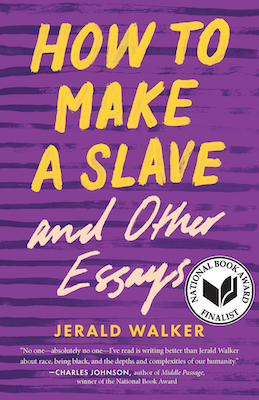
“Not a bad idea,” I said. “But for now, they simply have to think like blacks, but in a way different from what they probably expect.” I told him that black literature is often approached as records of oppression, but that my students don’t focus on white cruelty but rather its flip side: black courage. “After all,” I continued, “slaves and their immediate descendants were by and large heroic, not pathetic, or I wouldn’t be standing here.”
The man was outraged. “You’re letting whites off the hook,” he said. “You’re absolving them of responsibility, of the obligation to atone for past and present wrongs…” He went on in this vein for a good while, and I am pleased to say that I goaded him until he stormed across the room and stood with his wife, who, after he’d spoken with her, glanced in my direction to see, no doubt, a traitor to the black race. That was unfortunate. I’d like to think I betray whites too.
More precisely it’s the belief that blacks are primarily victims that I betray, a common view held by both races. I, too, held it for many years. When I was in my early twenties and making my first crude attempts at writing fiction, I’d sit at my word processor and pound out stories brimming with blacks who understood only anger and pain. My settings were always ghettos, because that was what I knew, and the plots centered on hardship and suffering, because I knew that too. And I also knew this: white society was responsible for the existence of this miserable world, and it was my duty as a black artist to make this clear. Three of these stories gained me acceptance into the Iowa Writers’ Workshop. It was there that my awakening occurred.
My first course was with Frank Conroy, the program’s director. He was brutally honest and harbored a militant obsession with clarity. Most of the two-hour-long classes were spent with him shredding the stories and our egos. We squirmed in our seats and wiped our brows as he did his infamous line-by-line, zeroing in on words and phrases that confused the work’s meaning or failed to make unequivocal sense. It was the most intense and best writing class that I’d ever had. I went into the second semester confident that my prose had improved and that the most difficult course was behind me.
More precisely it’s the belief that blacks are primarily victims that I betray, a common view held by both races.
Randomly, I decided to take a workshop with James Alan McPherson. During the break before classes resumed, I read for the first time his books Hue and Cry and Elbow Room. The impact his writing had on me was profound. He, too, chronicled the lives of African Americans, and he had done it in short story form, my genre of choice at the time; this was the model I’d been searching for. I read the stories over and over again, convinced that I had found my literary father.
The contrast between Conroy and McPherson could not have been more stark. Conroy was tall, white, and boisterous; McPherson was short, black, and shy. Conroy cursed, yelled, laughed, and joked; McPherson rarely spoke at all, and when he did his voice was so quiet you often could not hear him. The students dominated his workshops. I was disappointed. McPherson was a Pulitzer Prize winner, after all, the first African American to receive that honor for fiction. He was the recipient of a MacArthur “Genius” grant, as well as countless other awards. I wanted his wisdom. I wanted his insight. He gave it mid-semester, when it was time to workshop my first story.
“Before we begin today,” he said, “I’d like to make a few comments.” This was new; he’d never prefaced a story before. A smile crept on my face as I allowed myself to imagine him praising me for my depiction of a den of heroin addicts, for this was not easy to do, requiring, among other things, an intimate knowledge of heroin addicts and a certain flair for profanity.
“Are you all familiar with gangster rap?” McPherson asked. We were, despite the fact that, besides me, all of the students were white and mostly middle to upper class. While we each nodded our familiarity with the genre, McPherson reached into a shopping bag he’d brought and removed a magazine. He opened it to a premarked page on which was a picture of a rapper, cloaked in jewelry and guns and leaning against the hood of a squad car. Behind him was a sprawling slum. “This person raps about the ghetto,” McPherson said, “but he doesn’t live in the ghetto. He lives in a wealthy white suburb with his wife and daughter. His daughter attends a predominantly white, private school. That’s what this article is about.” He closed the magazine and returned it to the bag. “What some gangster rappers are doing is using black stereotypes because white people eat that stuff up. But these images are false, they’re dishonest. Some rappers are selling out their race for personal gain.” He paused again, this time to hold up my story. “That’s what this writer is doing with his work.” He sat my story back on the table. “Okay, that’s all I have to say. You can discuss it now.”
For a few seconds, the only sound in the room was of my labored breathing. And then someone said, “McPherson’s right. The story is garbage.”
“Complete rubbish,” said another.
And so it went from there.
I did not sleep that night. At 8 a.m., when I could hold out no longer, I called McPherson at home and demanded a conference. He agreed to meet me in his office in ten minutes.
He was there when I arrived, sitting behind his desk. The desk was bare except for a copy of my story, and the office was bare except for the desk and two chairs. The built-in bookshelves held nothing, and nothing hung on the walls. There was no dressing on the window, no telephone, and no computer. It might have been the janitor’s office, a place to catch a few winks while the mopped floors dried. And McPherson might have been the janitor. His blue shirt was a mass of wrinkles and his eyes were bloodshot. His trademark hat, a beige straw Kangol, seemed to rest at an odd angle on his head; from beneath it a single long braid had worked its way free and dangled rebelliously behind his right ear. He noticed me staring at it and poked it back into concealment.
“Are you okay?” he asked. His voice was gentle, full of concern. “You sounded like a crazy man on the phone.”
“Well, I’m not a crazy man.” I reached forward to tap my finger on my story and proceeded to rant and rave as only a crazy man could. “I did not make this stuff up,” I insisted. “I’m from the ghetto.” I went through the characters one by one, citing various relatives on whom they were based, and I mentioned that, just the week before, my younger brother had been shot in the back while in McDonald’s. I told him I had another brother who was in and out of prison, a heroin-addict sister-in-law, that I had once been arrested for car theft (falsely, but that was beside the point), and that many, many of my friends were still living in the miserable community in which I had been raised. “You misread my story,” I said in conclusion, “and you misread me.” I leaned back and folded my arms across my chest, waiting for his apology. Instead, I watched as he sprang from his chair and hurried from the room. He turned left into the hall, and a moment later he passed going right, with Frank Conroy calling after him, and then they passed left again, now with Connie Brothers, the program’s administrator, in tow, and after two more passes this awful parade came to an end somewhere out of view. Now Connie stood before me, looking as nauseous as I felt. “Jim is the kindest soul on Earth,” she said quietly. “Why, why would you insult him?”
For an instant, I saw myself at twelve, looking at a closed front door, behind which was my first love, who had just dumped me and left me standing on her porch trying, unsuccessfully, not to cry.
Connie magically produced a tissue and handed it to me. She rubbed my shoulders while I rambled incoherently, something about sleep deprivation and McPherson being my father. “It’s okay, sweetie,” Connie said. “I’ll talk to him.”
McPherson returned momentarily. I apologized. He told me it was okay, that workshops can make people uptight and sensitive. It had been difficult for him too, he explained, when he was a student there in the seventies. There was a lull in the conversation before he asked, “So, where’re your people from?”
He still does not believe me, I thought. I mumbled, “Chicago.”
“No, no. That’s where they are. Where are they from?”
“Oh, sorry. Arkansas.”
“Mine are from Georgia,” he said. He smiled and added, “That place is a motherfucker.”
The essence of black America was conveyed in that response, a toughness of spirit, humor laced with tragedy, but at that moment all I saw was the man who had rejected my vision. Defeated, I thanked him for agreeing to meet with me as I rose to leave. He stood and shook my hand. As I was walking out the door, he called my name. I turned to face him.
“Stereotypes are valuable,” he said. “But only if you use them to your advantage. They present your readers with something they’ll recognize, and it pulls them into what appears to be familiar territory, a comfort zone. But once they’re in, you have to move them beyond the stereotype. You have to show them what’s real.”
“What’s real?” I asked.
Without hesitation, he said, “You.”
It was one of those things that you instantly recognize as profound, and then, because you do not quite understand it, try to forget as quickly as you can. It was also one of those things that you cannot forget. And so it roamed freely in my subconscious, occasionally coming into sharp focus to remind me of its presence, but I allowed myself to be consumed by it no more than I would a housefly. For about a year. And then I went to see him again.
“I was wondering,” I said, “if you wouldn’t mind supervising an independent project.”
“That depends,” he responded, “on what you’d like to study.”
“Me,” I said. “I want to study me.”
We started with black folklore and history. Next we moved on to blues and jazz, and then we covered a broad range of black literature and culture. We studied black intellectuals and philosophers, sociologists, anthropologists, activists, filmmakers, and ex-cons. For four years, we dissected nearly every aspect of black life and thought, and in the process a theme emerged that had been there all along: life is a motherfucker; living it anyway, and sometimes laughing in the process, is where humanity is won.
I had become my own stereotype, a character in one of my short stories who insisted on seeing himself primarily as a repository of pain and defeat.
And this is what I learned about me: I had become my own stereotype, a character in one of my short stories who insisted on seeing himself primarily as a repository of pain and defeat, despite overwhelming evidence to the contrary. The very people with whom I had been raised and had dedicated myself to rendering in prose had become victims of my myopia. My stories showed people being affected by drug addiction, racism, poverty, murder, crime, violence, but they said nothing about the spirit that, despite being confronted with what often amounted to certain defeat, would continue to struggle and aspire for something better. That old slave song “We Shall Overcome” pretty much says it all.
The coursework I conducted with McPherson ultimately contributed to a doctorate in interdisciplinary studies. McPherson served as my dissertation chair. I knew when I started my academic career that I owed him a debt to teach black literature in a certain way. “Less time needs to be spent on the dragons,” he told me once, “and more on our ability to forge swords for battle, and the skill with which we’ve used them.”
The man at the Christmas party, of course, would rather that I talk about the dragons. And at first, when students take my class, they are surprised, even a bit disappointed, to see the course will not head in that direction. But by the end of the semester, they are invariably uplifted by the heroic nature of African Americans, in part, perhaps, because it is the nature found in us all. Sometimes students thank me for this approach. On occasion they ask me where I got the idea. I tell them I got it from my father.
Excerpt from Jerald Walker’s How to Make a Slave and Other Essays, used by permission of Mad Creek Books, an imprint of The Ohio State University Press.
In Argentine author Samanta Schweblin’s latest novel, Little Eyes, characters indulge in long-distance voyeurism—and exhibitionism—via mobile stuffed toys with built in cameras, called kentukis. Translated from Spanish by Megan McDowell, Little Eyes has some of its characters buy kentukis as pet-like companions in their homes, while others buy connection cards to be inside the soft toys, which take the forms of moles, rabbits, and crows.
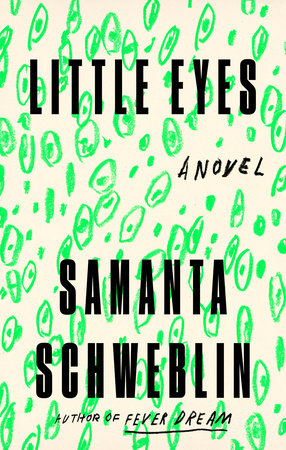
The relationship between the kentukis and their keepers couldn’t be further from a normal owner-pet relationship since inside each kentuki is an actual human being, on the other side of the world. The kentukis interact back more than say a cat purring even though their range of communication is limited. Schweblin infuses a large spectrum of human behaviors—jealousy, falling in love, pursuing a dream, murderousness—through the screen and proxy of the kentuki.
Via email en español (with help on the finer points of translation from Rikki Matsumoto) , I spoke with Schweblin, whose eco-nightmare Fever Dream has won raving U.S. fans (including Jenny Offill) about screen intimacy, watching and being watched, and the genius of being old with technology.
J.R. Ramakrishnan: Most of us are used to the idea of being watched by security cameras and by the Internet. The kentukis are the observers of their owners. Could you talk about how you imagined the side of the watchers?
Samanta Schweblin: I suppose I got to this other side of the mirror naturally, because of the type of device a kentuki is, and the possibilities it offers as a literary object. And there is also something about my own fears about our exposure to technology today. For decades, we have been concerned with the idea of technological control in the hands of large companies or states themselves. It was already there, even in 1984 by George Orwell, and any apocalyptic idea regarding the control that can be inflicted at a massive level on citizens seems very genuine to me. But I think we sometimes neglect the power and harm that we, ourselves, as naive and poorly-educated users of technology, inflict on others. It is naive and clumsy harm, yet massive. And that was the place I was most interested in thinking about. I did not intend to think of the technological dangers from an explosive or apocalyptic place, but within the most intimate and personal worlds in which we live. Technology is neutral. It is neither good nor bad, nor interesting in itself. The interesting thing is how it is used, the interesting thing is the people behind it, and the limits to which they can reach or let go.
JRR: The world in which the kentukis exist is transnational and mobile. How did you choose your settings? I understand that you’ve spent time in Oaxaca previously.
SS: At first, I worked with cities that I knew, and almost all of them I knew for literary reasons, because I had been invited to readings or festivals: Lyon, Erfurt, Lima, among many others. And even artist residences: I spent two months in the Italian residence Civitella Rainieri, half an hour from Umbértide by car, and I went quite a bit to the city, so I knew quite a few corners for Enzo’s history. The eccentric artists’ residence isolated on the top of a mountain in the Oaxacan jungle does exist, and I also lived there for three months, almost ten years ago.
But of course, as soon as the novel began to take shape, I had to abandon the eccentricity of working only with known cities. I needed to expand to much poorer or richer, or Nordic, or isolated areas, so I started to venture into writing sites I have never been to. I worked a lot with Google Earth, and even with the spontaneous collaboration of users of forums or social networks who lived near businesses or the houses where my characters were supposedly living. For example, I remember asking a Norwegian man I met in a forum: If there were such a device (as a kentuki), do you think that the device would be able to climb the sidewalk of the street on which you have your own business? I thought the man would never answer, but a few days later, I received a short message: “I’ll check it out.” And a week later, he wrote, “Yes of course there are ramps on the corners of every street, it could climb without a problem.”
JRR: The desire for connection (as well as voyeuristic thrills and much less benign impulses) seems to drive the interaction between the kentukis and their owners. I loved the part when Emilia’s skeptical friend Ines says, “Why don’t you find yourself a boyfriend instead of crawling around on some stranger’s floor?” It made me wonder the same. Could you talk about this preference of this screens-only long-distance connection in the book, and perhaps also in our real world?
SS: I suppose that all distances—geographical, technological, cultural— shape our most effective idealizations and prejudices. And there is also the advantage that, if everything happens within the digital realm, all commitments can be ended with the push of a button.
Regarding voyeurism, I am interested in thinking about it beyond its sexual reading. I think there is something very sincere and beautiful in that curiosity we have to spy on others. In my own experience, seeing others when they don’t know they are being watched, has to do with an almost urgent need to know who I am. He who does not know he is being watched does not act. He is who he is, in his truest way. Are others really happy, those who say they are happy? Do the pains we are so afraid of really hurt that much? I think that if I can catch others dealing with these things in their most sincere ways, I get vital information for myself. I understand better what kind of impact they can have on me. And the kentukis are the eyes wide open to all these truths.
JRR: I was really struck by the connection between older people, the kentukis, and technology. Upon seeing an older woman murmuring to herself in the supermarket, Emilia thinks, “I may be crazy but at least I’m modern.” I imagine in your crafting of the book, the question of age and loneliness must have been very prominent. Would you discuss this?
Technology is neither good nor bad, nor interesting in itself. The interesting thing is how it is used, the people behind it, and the limits to which they can reach or let go.
SS: The older generation, and now I’m just generalizing, are the ones that have been furthest from understanding some technologies. This gives them both genius and a much stronger lucidity than the generations that are already immersed in it can have. They have enough distance to not understand it at all and, at the same time, to see clearly the long list of follies that accompany these technologies. I was interested in that contrast. That added to the fact that old age has always interested me as a literary space. I usually go through it one way or another in almost all my books. I always think of the mistaken idea that, at 20, we have what it will be like to be 40, at 40 what it will be like to be 60, and so on. There is a great lack of knowledge of what old age really is. I remember last year when there were more books like that, that approached old age with such rawness, sincerity and lucidity. I remember reading them and thinking: They should have made me read these in high school. We would all be making much more decent, sensible, and happy decisions.
JRR: I couldn’t decide which was my favorite plot line. I was captivated by the Lyon-based kentuki falling in love with another kentuki operated by the married woman in Taipei but also by the unabashed hustle of Grigor who trades in offering a choice of handpicked kentuki connections in Zagreb. He says, “Ultimately, people loved restrictions” but even he is a little turned off by the end after what he sees. The desire for love and money, both very human drives, are acted through kentukis literally in the affair of the Lyon-Beijing-Taipei duo, and through them as commodities. Could you tell us about how you imagined these two plot lines? Both are extremely intricate and the Lyon-Beijing one is a bit heartbreaking!
SS: Grigor’s story was there almost from the first draft, because it seemed important to me to have a character who could get involved with this technology in a more calculating way, just to take advantage of it. Possibly Grigor’s is one of the characters who, without knowing it, does the most damage, and for that reason I wanted to have him very emotionally attached to me, that I, as a possible reader, understood that in his same situation perhaps I would have made the same decisions as he did, and I could see how he was led to dark places through actions and decisions that might have seem sensible.
I wrote the Taipei-Beijing story practically in one sitting, like a story. I wanted a love story, but I had never written one, so I thought it would be the one that would bring me the most trouble. Also, it happens in two cities that I don’t know, in three languages and two cultures that I don’t know well, everything really was out of my comfort zone. In fact, the first drafts were riddled with foolish and unforgivable mistakes regarding the cultural customs or idiosyncrasies of each city. But then I assigned readers for each story in the book, which helped a lot with these kinds of details. My Chinese publisher, for example, was following this Taipei-Beijing story closely, a Croatian friend was following Grigor’s. A Peruvian writer from Lima, German friends from Erfurt, and so on.
JRR: The book is only set in the U.S. for a few pages but we are reminded of it in the name of the kentukis and Alina names her kentuki, Colonel Sanders. Would you discuss the naming and how you considered capitalism in this novel (especially in light of Fever Dream)?
He who does not know he is being watched does not act. He is who he is, in his truest way.
SS: The name just appeared during the writing of the first draft and it stayed there for a while. Then I googled “kentuki” and found that there are cities in Australia and Ukraine that bear that name. Also a traditional Japanese food, an American rifle, a famous Russian race horse. I wanted that, a name that sounded familiar, and at the same time different in some cultures. I made a list of things that I wanted the name to reflect or invoke. I wanted a name that sounded cheap, popular, that resonated as something already known, already heard, and also something almost funny, and greasy too. I suppose that some of this in turn reflects the capitalist ideas you were asking about. All the answers always led me back to the name “kentukis,” so that’s how it turned out.
JRR: I must admit I felt like you had looked into my life, certainly in the broad strokes of Alina’s story (though not in the more distressing details) since for a brief period, I lived in Oaxaca with a former artist partner. Your rendering of the relationship between two artists was intensely done. I won’t spoil it for the reader but Sven’s final act is shocking. But isn’t the type of theft he commits, what all artists do for “material”?
SS: It can be. I suppose that writers are also always looking and listening to everything hungrily for material. Although sometimes it can also work as a shield. In moments of pain, or fear, sometimes I find myself taking a distance and wondering, will this help any story? Perhaps what we call “our virtues” are nothing more than personal methods of evasion or defense.
I’m lactose intolerant, but he was my daddy and he wanted to watch me drink from the cow’s teat. I got on my knees, spotted a brown patch on the cow’s udder, and sucked, moaning because that would get Nicholas hard. The cow mooed, and I knew I had seconds before it kicked. I wanted my face to stay intact. With an Asian penis and a slow metabolism, my curved nose and high cheekbones were all I had to offer.
“Baby,” Nicholas said as we walked back to the farmhouse, “you make me hot all over.”
“Thank you, sir.”
“Feel it,” he said, so I felt it, and it was throbbing.
I woke up with a toothache and a bruised ass. In the kitchen, Nicholas tried to figure out how to operate the coffee machine. The Airbnb had advertised modern appliances, but these farm folks thought refrigerators with ice dispensers were innovative. The Wi-Fi was slow. The microwave barely heated. Steam radiators clanged at three in the morning, and the TV in the living room still wore antennas. Nicholas poured water into the coffee machine’s reservoir, then slapped its side until he gave up and threatened to sue.
“You lift the nozzle,” I said, recognizing the machine from my dad’s house. I wiped crust from my eyes and drank water straight from the tap. It had a metallic flavor that might’ve been caused by the rusted faucet. My tongue tasted stale.
“Why don’t they have an espresso machine?” Nicholas asked.
“You’re the one who wanted a rural weekend.”
“Don’t test me.”
“Sorry, sir.” I hugged him from behind, my wet lips kissing the acne on his shoulder. He was taller than me, his hands as big as my face. I liked how calloused his fingers were from playing the guitar, even though he sang when he played, and his baritone cracked when he attempted low notes. On our second date, he made me shut my eyes while he pretended to audition for The Voice. I thought of our takeout growing cold as he fumbled through a ballad I didn’t recognize. Afterward, he asked me why I hadn’t pressed the buzzer, and I said there was no buzzer to press. He said I could’ve poked his chest, which excused me from having to tell him he lacked talent.
“You make the coffee,” he said, then went to the bathroom to pee, his stream as heavy as his penis. I tried to jerk off and forgot to press the start button, so when he came back asking why the coffee wasn’t brewing, I lied and said the machine was broken. He noticed my erection and lifted me up onto the counter, which was too cold to be pleasant. My butt still hurt, and I didn’t have it in me for a round this early, so I told him I loved him. He backed off.
“I love you,” I repeated, and watched as he walked out the door wearing nothing but his wrinkled green boxers, carrying a pack of Marlboro Lights he’d chain-smoke until his thoughts were back in order.
The coffee started brewing once I pressed start. The machine gurgled until it hissed, and I found two novelty mugs in the cabinet above the microwave. One had an i ♥ ny logo, which felt wrong upstate. I drank from the yellow mug patterned with purple Labradors and stared at Nicholas through the window. My fingernail scratches had scarred his back, meaning that, for this weekend, he was mine. The first sips of coffee made my stomach rumble, and I thought of the pain in my ass, meaning I was his.
When he came back inside, he asked me how I’d fixed the machine. “I just did,” I said.
“Genius,” he said, then kissed me while his hands cupped my ass cheeks. I wanted to chew on his smoker’s breath. “I love you too,” he said, grabbing his milk jug from the fridge and pouring whole milk into his novelty mug. “There’s a lot of love in this house.”
We went for a hike after eating tofu scramble. I’d wanted more—a banana, an apple, a bowl of cinnamon oats—but he had a rule about me asking for seconds.
I was wary of ticks because my mom was bitten during a trip to the Philippines and spent two weeks certain she’d contracted Lyme disease before her doctor informed her she just had lung cancer. Our family physician was my godfather, and the last time I’d gone in for a checkup I’d weighed only 190 pounds. No need to see my new stats. “This is a long trail,” I said, trying not to breathe like an asthmatic.
My boots hadn’t been broken in yet. I felt them rub up against the backs of my ankles. I’d have to tear off the blisters during tonight’s bubble bath. I hated when dead skin floated in the water.
I swatted a fly buzzing beside my ear. Nicholas was a few steps ahead of me, his head tilted up at the sky. “There’s no smog outside the city,” he said. “You inhale and you breathe in clean air.”
It smelled like manure, but I nodded along while he examined the bark of a fallen tree. He wore shorts even though it was autumn. His leg hair grew in patches, his calves were smooth. His thighs were so meaty that I wondered why he wanted me. At a bar, he could smile and the bartender would offer him free whiskey. I felt the heaviness of my gut from my one plate of breakfast.
“If you think about it,” Nicholas said, “bark is the one thing protecting trees from violation.”
He liked making statements that he thought were philosophical. He expected praise, so I grabbed his hand and kissed each knuckle. “I used to scratch off bark with my keys,” I said.
“Why?”
“I’m an only child.”
He made me kiss his other hand, then told me to unbutton my pants and bend over against the fallen tree, so I did, and when he said he hadn’t brought lube, I said spit was all I needed. I watched a trail of ants crawling along a leafless branch while he moaned behind me, his hands gripping my hips, his thumbs pressing down on my bruises. I bit the insides of my cheeks. Shards of chipping tree bark pricked my palms.
“Baby, tell me you love me,” he said.
“You are my life, sir.”
“Tell me you’d do anything for me.”
“You can do anything you want to me, sir.”
When he finished, he told me to lick him clean. He tasted like rubber and I wanted to spit him out, but he said he loved me, so I swallowed and got back up. He kissed my forehead and traced his thumb across my chapped lips. I smiled, knowing that we had only a few more hours. He shoved his thumb into my mouth and said I was the love of his life. I sucked until he got bored.
We continued down the path and were met by a small gorge. Dead leaves floated on the surface of the murky water. A fat frog hopped away once it noticed us. A tailless squirrel climbed up a short tree, as if in search of its missing appendage. Nicholas removed his clothes and jumped in, expecting the water to be deep, but it was a toddler’s height. He pretended not to be injured as he limped toward the stream.
“Get in,” he said.
“Are your legs okay?” I called out.
“Yeah, the water’s okay,” he shouted back.
In the cold water, my penis shriveled. Floating leaves touched my hips, and I kept thinking they were bugs. I wanted to be back in my dorm room.
“We didn’t bring towels,” I said once I reached him by the stream. He said we were free to roam naked, which I didn’t want to do. A tree branch would prick me, an ant would bite. A pervert with a camera could flash a photo from the bushes. Above us, gray clouds gathered. It would rain soon, and we’d be stuck indoors for our last evening.
“You don’t like swimming?” he said.
“We’re standing.”
“Squat.”
We squatted and lingered in the water. My nipples were solid. I wanted to ask him to lick them, but I never initiated. I stared at his face while he meditated. His scruff was sexy. His hair still existed. He had lips that I enjoyed kissing, but he liked using his tongue, which too often tasted like pepperoni. He liked biting my chin until it bled, and I had to moan and say I liked it.
I peed in the water, expecting warmth, but all I felt was dirty. I moved closer to Nicholas and removed a wet leaf from his chest. I kissed him and asked if he was ready to go back. He opened his eyes and asked if that was what I wanted. I told him I’d do anything he wanted.
Nicholas had a hard time getting up, his age visible as his knees popped. “You’re so short,” he said.
“You’re towering over me.” I stood up, my eyes reaching his chest. He bent down to kiss my eyebrow and told me to hold his hand while we walked back to our clothes. “It’s going to rain,” I said, using my shirt to dry off. Nicholas returned to the trail, his clothes balled in his hand. He shook to get rid of the water, his penis flopping. I hated his foreskin.
We walked barefoot along the trail. I followed behind, hoping he knew where he was going. I wanted to smoke a cigarette, but he hated seeing me smoke, which felt hypocritical. Twigs cut the soles of my feet, and I worried that a mosquito would land on my exposed penis. The cold air bit my nipples.
“My dad used to take me camping,” I said, unnerved by the sound of my own breathing. Nicholas didn’t look back. “He said the mark of a true man was being able to make a fire using sticks and rocks, but I always failed. And then my mom died.”
“I think this is it,” Nicholas said. He’d found the fallen tree where we’d fucked.
I’d been following a lost man.
I lasted two minutes in the shower before my shivering body made Nicholas go limp.
“Cold showers are about discipline, which you lack,” he lectured as he slid open the curtain, his other hand cupping my bruised cheeks. I stepped out of the tub and nearly slipped on the tiles. “You need to grow up at some point,” he said, and I nodded, shaking as I reached for the beach towel hanging behind the door. “That’s mine,” he shouted, cold water sprinkling out from the still-open curtain. “Use the cum rag in the bedroom.”
“There are extra towels in the closet,” I said, his towel in hand. “I’ll grab you one.”
“No,” he said. “I want your body to smell like my babies.”
“Yes, sir.” I hung the towel back on the hook, then dried off in the bedroom using the short towel beside the broken radiator, grossed out by the cold air and the feeling of semen rubbing around my wet body. Wanting a small victory, I dug into my backpack and pulled out my phone, which I always put away when Nicholas took me out on dates. Our first time together, when he brought me to his apartment after dinner at Jean-Georges, he’d swiped my phone from my hands, said it was impolite not to provide my full attention, and tucked it into his back pocket. His stained veneers made him look like a creep, but he’d shown me old photos of him and his baby nephew, and babies rarely smile at murderers.
Nicholas turned off the faucet in the bathroom. I had a text from my boyfriend. I listened for the sound of Nicholas’s electric toothbrush as I opened my messages.
How’s Brooklyn? Brendan had texted an hour earlier.
My dad’s cough has gotten worse, I lied, though maybe it was true.
He texted back immediately, which meant he was horny. Sorry, he wrote, which didn’t make me feel any better. I pictured him having a hard time typing with his left hand. You get back tonight, right? he added.
Late, yeah, I texted back, worried he expected something tonight. He’d see my bruises and ask how I’d gotten them, and I’d say my dad had hit me, which used to be true, and he’d say my dad deserved to die, and I wouldn’t react, because I didn’t want to blame myself if it came true.
The Foucault reading is dense, just fyi.
I figured he’d stopped masturbating, which made me smile. I imagined the Asian twink in his video, paused on all fours, begging to be played. But Brendan had picked me.
I’ll be up all night, I texted, expecting him to ask if he could join me, which I’d reject, and then he’d beg, and I’d finally cave. I liked when he got desperate. I liked being yearned for. The other night, I’d nearly replied No to Nicholas’s offer, but there was something about receiving his emails that made me want to open them again. It was the way he signed off: Grateful for you. I liked the idea of an older man thinking he was lucky to be alive at the same time as I was.
I’ll buy us coffee, Brendan texted, then sent a heart emoji, which killed my script.
Before I could respond, Nicholas walked into the room, cleaning his ears with a Q-tip, and said, “Who are you texting?”
“My dad.”
He checked the earwax on his Q-tip and tossed it into the wastebasket. “I don’t like thinking of you as someone’s son.”
“Sorry, sir,” I said, tossing my phone back into my bag. “I don’t talk to him often, if that helps.”
“I want to be your only daddy,” he said. I thought he was flirting, so I placed my hands on his waist, but he pushed me back and said to dry off before I got the hardwood wet.
“Sorry,” I said again, annoyed that I was here. Life went on in the city, and up here we sat in dirty water and stared out windows. I thought of tipping cows. I shut my eyes, trying to meditate like Nicholas had in the gorge, but he said to quit mocking him, so I stopped.
He went to the kitchen to start cooking dinner while I shaved my nipple hair in the bathtub. I considered running a bath for my blisters, but I didn’t want to reuse the cum rag. Nicholas yelled that he was cooking chicken for dinner.
“I’m vegan,” I said, joining him as he sautéed chicken breasts in an old ceramic pan. The fire alarms looked inoperative, so I opened one of the windows in the living room just in case, then noticed the rain. I thought of the cow who’d given me her milk, hoping she’d found shelter.
“You need more meat in you,” he said.
Nicholas was a chubby chaser, and I should’ve been more appreciative that he kissed my stretch marks when he rimmed my ass. Freshman year, a guy had asked me if they were tattoos, so I turned off the lights while he took my virginity. Diet pills only made them worse.
We attempted doggy one final time, but dinner had made my stomach gurgle, and I found myself in the bathroom while Nicholas strummed random chords to hide the noise. The bedroom was too close to the bathroom, so I yelled for him to go outside and smoke, but he said he didn’t take orders. I ran the faucet.
I flushed the toilet twice, thinking a second flush would capture some of the smell. There were usually candles or air fresheners at Airbnbs, but this bathroom didn’t even have a plunger. In the cabinet underneath the sink, I found an unopened twelve-pack of single-ply toilet paper and a pile of browned magazines from 2001. I washed my hands under cold water and told my reflection that he was disciplined. I turned to the door in search of the towel, then remembered that Nicholas had left it in the bedroom. I listened to the strumming continue.
“The meat got to me,” I said, hoping for an apology, but he didn’t look up from his guitar. I watched his thick fingers trying to line themselves up along the strings. He stopped strumming when he couldn’t figure out a chord, then asked me why I was still standing. Cold water dripped from my fingertips. I wanted to flick it at him.
He attempted another chord that didn’t sound right, then cussed and placed the guitar on the pillow where he’d pushed down my face not ten minutes ago. He stared at my hairless nipples and told me to lie in bed with him.
We cuddled underneath the thin blankets. His chin stubble brushed my earlobe. His limp penis pressed against my bruised ass. I enjoyed being the little spoon because I didn’t have to do anything. Light rain patted the windows.
“My knees are killing me,” he said.
“Drink milk,” I said, imagining him on his swollen knees, sucking on a cow’s teat. It would try to escape, so he’d bite down until the cow knew who belonged to whom.
He said he wished he were nineteen again. I said it sucked not being allowed into bars. He told me it was a good thing because it meant fewer temptations. I wanted to tell him that being told no made me want the thing more, but I agreed with him instead. “You always agree with me,” he said, then sat up to play the guitar.
“Could you play me a song?”
“No.”
I watched him strum two chords, then placed my hand on his knee. “Did I do something wrong?” I asked.
He didn’t say anything.
“Because if I did something wrong, I’m sorry.”
He brushed my hand off and said, “You should call your dad more often.”
“I thought you didn’t like it when I talked about my dad.”
“I’m the one talking about him,” he said. He turned to the window and stared at the rain. I wasn’t sure if I should touch him, so I kept my hands underneath my pillow while Nicholas scratched the skin tag on his neck. I wanted to see his face, brace myself if he intended to yell. He turned back to me and said, “My nephew died last September.”
“How’d it happen?” I asked, still unsure if I should touch him. I cracked my knuckles underneath my pillow.
“That’s personal.”
I felt bad for him in the same way I felt bad about getting an F on a plagiarized paper, so I told him he made me happy, and asked if he wanted to talk about it, but he said he’d rather teach me chords. I let him use my fingers on the strings while he shared a story about stealing his first guitar from band class in junior high. I tried to imagine him as a teenager, but I felt like a pervert, so I thought about his dead nephew instead. I wanted to ask a question, but I needed Nicholas to remain a mystery—otherwise, I’d have no reason to come back for more.
“I don’t want our weekend to end,” he said, puppeteering my fingers into a G major chord.
I noticed a hangnail on my thumb and asked him to stop playing with my fingers, then felt useless when he let go of my hands. I wanted to peel an orange and wince from the burn.
“You have work tomorrow,” I said. “And I have class.”
“Drop out and move in with me.”
“Nicholas.”
“I’m sorry,” he said.
The drive home took two hours. I wanted him to drive over the speed limit, but the rain made Nicholas careful. What was the point of a luxury car if he drove his age? The air conditioner was on. My legs kept falling asleep. We listened to jazz for an hour, then he talked about his goals on the last stretch of highway. He said he had played the clarinet until his older brother used it to bat Nicholas on the back of his head and bent the keys. Then he grew up and earned an engineering degree. He turned to me while we tailgated a truck.
“I can’t wait for you to grow up,” he said, then rested a hand on my thigh.
When we reached campus, two night guards were patrolling the quad in neon jackets and oversize sunglasses. One of them walked around without an umbrella, trying to appear macho. I’d have to run to the dorms if I didn’t want to get drenched. I considered asking Nicholas if he had an umbrella I could borrow, but I didn’t want to hold on to anything of his. The weekend was over.
“When can I see you again?” he asked.
“Email me.”
He reached into his pocket and pulled out ten hundred-dollar bills. “Add it to what I’ve already given you.”
“Thanks, sir.” I tucked the money into the small pocket of my backpack.
“Call me Nicholas, please,” he said.
“Okay.” I unlocked the door and stepped outside.
“It’s been two months,” he called out from his rolled-down window. “I still don’t know your real name.”
“Do you want to?” I asked.
He lit a cigarette. “I don’t know.”
I crossed the street and passed the front gates, knowing Nicholas would watch until I was too far down the quad. He’d email me in a few days. He needed me.
Brendan was eating a burrito bowl on the floor while his roommate watched a ten-minute washboard-abs YouTube tutorial. I took a seat beside Brendan, leaning against their shared mini-fridge, and told him I’d missed him. He swallowed a mouthful of steak cubes and kissed me, his mouth tasting like meat and gingivitis. His roommate asked if we wanted the room, and I hoped Brendan would say yes so I could blow him, but he told his roommate to stay because we wouldn’t do anything silly. I took it as a sign, wondering if what I had intended to do was silly.
I climbed onto Brendan’s bed. “Did you grab me any coffee?”
“Shoot,” he said.
“You had time to buy Chipotle.”
“There’s Mountain Dew in the fridge. Want one?”
“Soda me,” I said, then laughed at my own pun. Brendan didn’t catch it.
He opened two cans and joined me on his hard mattress. He clinked my can in celebration—maybe he knew he’d just dodged a breakup. I wasn’t sure how long I’d stay with him. His birthday was coming up, which meant I needed a gift, but I didn’t want to spend any money on him. I didn’t want to spend money even on myself. I played with the tab of my can. The carbonation would upset my stomach, but we weren’t going to do anything silly, so I took two large gulps and burped in his face.
“Tasty,” he said, then crinkled his nose in a way I always found cute. There’s something about beautiful faces acting ugly that I find endearing, like when a valedictorian smokes a cigarette, or a father changes his baby’s diapers. “You’re wet,” Brendan said, noticing only because my clothes were soiling his bedsheets. He asked me if I wanted a towel, and I took it as an exit sign, telling him I needed a hot shower. Not wanting to lead Brendan on, I said I needed to call my dad first.
“Weren’t you just with him?” Brendan asked.
“I can’t check up on him?”
“You can.”
“Thanks,” I said. “Pray that I get my reading done before I pass out.”
Brendan said God was a lie.
“So was that coffee.”
I walked down the hall. I shared my room with a junior who had an older girlfriend that lived in the Bronx, so he was never around, leaving me with a home that didn’t feel lived-in. The walls needed posters. The desks needed plants. I’d once thought owning a turtle might be pleasant, but then I’d have to feed it and call it by a name, which felt too intimate.
I called my dad to see if he was alive, not sure which answer I wanted.
“You’re still awake?” my dad asked, phlegm in his throat. In the background, a news anchor reported a missing teen from Flatbush. I wondered if my dad had remembered to lock the front door. His heavy breathing made my ear itch, so I put him on speaker and placed my phone on my bed while I counted my cash.
“It’s barely eleven o’clock,” I said, stacking the bills into piles of ten. My dad was chewing on something for too long. I turned off the speaker and pressed the phone back to my ear, listening to the sound of his molars mushing. “I’ll wire another thousand to your bank,” I said.
“I’m really sorry,” he said after swallowing.
“Don’t apologize, Roger. You need to pay for chemo.” I pulled the hangnail on my thumb until it bled, then muted my phone and screamed into my pillow, which smelled like dandruff. I thought of the money he could’ve saved if he had health insurance, but I couldn’t blame him. I unmuted.
I heard the news switch to a profile of a football team’s winning streak. My dad flipped to another news channel, where the anchors were discussing politics. He turned off the television and coughed into his phone.
“I cooked chicken adobo for dinner,” he said. “I took a photo of it. I’ll text it to you.” He’d been taking too many pictures since he upgraded his phone. Dogs in the neighborhood, his Mexican coworkers, a male nurse with a panda neck tattoo. One night he sent a photo of a paper cut, then a second text explaining how he’d gotten it. He said it was from paper. I wondered if anyone still listened to him.
“I ate chicken today too,” I said, then checked the photo he’d messaged. Blurry, his head casting a shadow. The chicken looked dry. He’d added too much black pepper.
“My chicken was perfect,” he said. “Your mom would be proud.”
“Yeah,” I said. “She would be.”
Midwesterners are known for a few things: a love of Ranch dressing, endless rolling farm fields, and being “nice.” There’s a lot to back up all three of these stereotypes. Hidden Valley reveals that more Ranch is sold in this area than anywhere else, for instance, and flying over the so-called “flyover” states, you do see squares of corn and soybeans, soybeans and corn. As for niceness, we more often perform the ritual apology if we run into you on the sidewalk (and it usually starts with “Ope!”). In my small town, we wave to strangers by raising our pointer fingers off the steering wheel at four-way stops. We smile. We make smalltalk in lines at the grocery store and are quick to send a casserole to someone in need.
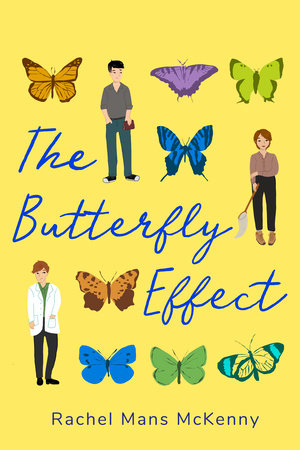
“Midwest niceness” is a convenient social salve, but it often favors and is most performed by those in the majority. Take Real Life, by Brandon Taylor, in which a gay, black Ph.D. student from the south moves to a Midwestern university town. Wallace finds himself forever under the petty judgements of the predominantly white people around him. Are they Midwestern nice? Possibly. Are they actually nice? Absolutely not. Performing “niceness” is nearly impossible to live up to when your rights, worldview, or livelihood are questioned. Writing a book set in the Midwest, it’s impossible not to consider “niceness” as part of the equation. By deliberately complicating societal expectation of a Midwestern main character, a writer can disrupt the narrative—and its reception by critics.
While working on my debut novel, The Butterfly Effect, I wanted to create a strong Midwestern woman who didn’t really care for social niceties. I wanted to write a character who longed to immerse herself completely in her work, since I was so often drawn out of mine. Early Goodreads reviews of the novel, perhaps expecting something different based on the bright cover, bemoaned my “unlikeable” heroine. One blogger said that they hoped the publisher would add some “humanity to her” before publication day.
Do we need to be docile to be human? I hope not. In the stretch of land from Kansas north to the Dakotas and Nebraska to Western Pennsylvania, we imagine a simplicity personified. Kinder, calmer. Instead, I offer reading suggestions in which Midwestern writers, poets, and characters are unwilling to demur or make apologies to smooth over an issue for the sake of social grace.
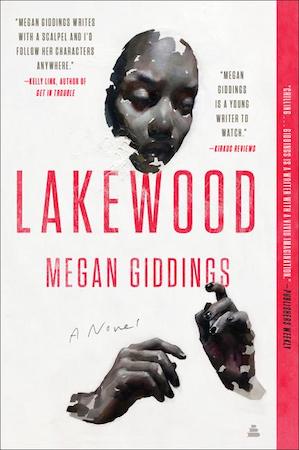
Those who fell in love with Megan Giddings’s short stories were thrilled to hear of her debut novel’s publication in March 2020. Protagonist Lena Johnson drops out of college and participates in medical experimentation in northern Michigan, a move which provides not only health insurance but a substantial paycheck to help her family after the death of her grandmother. Lena isn’t unlikeable to the reader, but she can often bristle against others at the facility. Lena’s acerbic wit and clear-eyed observations of the truth of what she has become involved in demonstrate Giddings’ skill. Kelly Link puts it best when she says that Lakewood “compels even as it unsettles.”
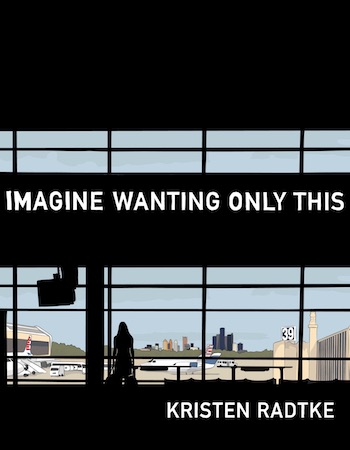
Kristen Radtke’s debut graphic memoir spans time and space to question what we and who we leave behind. Told with journalistic acuity and drawn with artistic grace, Radke’s narrative is sometimes brooding and slashed with the grief of losing her uncle. It weaves family history, the landscape of Midwestern towns long forgotten, disasters, and Radke’s own journey to discover what is actually important.

Another Michigan novel, Marlena tracks the unhealthy friendship of Marlena and Cat. Mixing flashback with a present narrative, Buntin marks the threads of a disordered friendship, hedged by substance abuse, playing hooky, and ultimately the untimely death of the title character. This novel is just as much about poverty and class as it is about the either misunderstood or too well-understood title character.

Too often, even Midwesterners leave Chicago out of their accounting of the Midwestern experience, as if its more diverse population somehow excludes it from geographical and economic factors which define this region. This—let’s not be coy—is a racist sentiment. A key, uniquely Chicago novel is I Am Not Your Perfect Mexican Daughter. This young adult novel follows Julia as she comes to grips with the death of her sister and her own longing for something different than the dreams and ambitions of her Mexican-immigrant parents. Julia states, “It’s easier to be pissed, though. If I stop being angry, I’m afraid I’ll fall apart until I’m just a warm mound of flesh on the floor.” Rife with teenage longing and a certain twinge of adriftness, this novel is thrilling.

Lenz wasn’t born in the Midwest, but she’s fought for it harder than most. In her debut nonfiction collection, she examined the way that politics and culture intersect in the region, including personal experience, interviews, and deep dives into local history. Did she get into fights? Not physically, but she doesn’t back down from her stances in this book or in her now-disbanded column in the Cedar Rapids Gazette. She followed this book up with Belabored, which unapologetically examines maternity and motherhood in America, and is also highly recommended.

Part satire, part personal essay, Bury My Heart closes the gap pointed out in its back cover copy, which asks“Why is there no native woman David Sedaris?” Published in late 2019, Midge’s collection refuses to be pinned to a particular form or topic—pretendians, the death of her mother, Standing Rock, the political landscape in the Trump era. Midge’s biting commentary is as sharp as it is unapologetic, and the poignant personal reflections hit just as deeply.
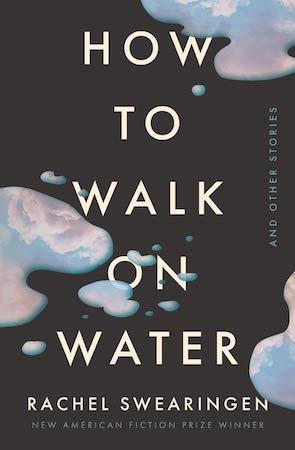
Swearingen’s debut short story collection from New American Press is at points noir and at points surreal. Her stories interweave violence, both personal and societal, with a moody backdrop. The settings keenly focus on the Midwest, with a few exceptions. A few standouts: “Notes to a Shadowy Man,” which follows a British-expat nanny in the Twin Cities and “Felina,” a truly unsettling story about a banker and the extremely unsettling visual artist he becomes obsessed with. Highly recommended— haunting and haunted.

Smith, a St. Paul native, likely grew up surrounded by Garrison Keillor worship, but their poetry isn’t actively a response to it. In fact, Smith’s poetry insists you take it on its own grounds—or don’t. No one is forcing you to read it. In an interview with The Rumpus, Smith stated “My most annoyed thing from workshop in undergrad was somebody saying, ‘I don’t understand what this is’ … What that translates too is that you’re creating poems for the most middle-of-the-road, straight, white, Midwestern aesthetic of a person, which maybe poems do. But sometimes I write a poem, and it’s for fat, black, gay dudes who eat too much chicken on Friday.” Smith’s Homie is their third collection and focuses on friendship and rage. Reviewer Elizabeth Hoover wrote succinctly, “the book offers the opportunity to witness ‘the miracle of other people’s lives’ and will challenge you to consider how and why that miracle is dismissed in countless daily acts of racial aggression.”
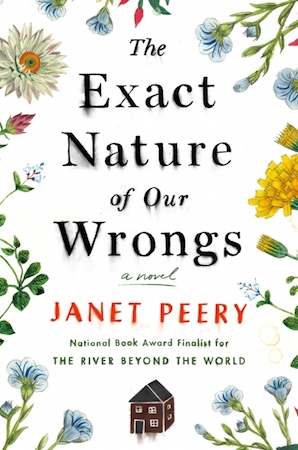
Peery was a 1996 finalist for the National Book Award for her debut novel, The River Beyond the World. In this 2017 second novel, Peery tracks seven distinct characters as they adjudicate the life and death of the family patriarch, retired judge Abel Campbell. What struck me most about this novel was how utterly and believably screwed up many of the characters were. The complicated tapestry of this family drama is at times hilarious and at times mournful, but most often a commentary on mental health and drug abuse in rural communities.

Stephen Graham Jones’ 2020 novel is surprisingly funny for how murderous it is, at least at points. Told in a variety of perspectives, it tracks the aftermath of one event on the Blackfeet reservation ten years previous. The narrative questions whether we can ever outrun the consequences of our pasts. Graham Jones’s answer? Probably not. Many sections are told with such close perspective that it feels like the reader has participated in the crime and retribution, and complicit to both, disturbs as only good horror can.
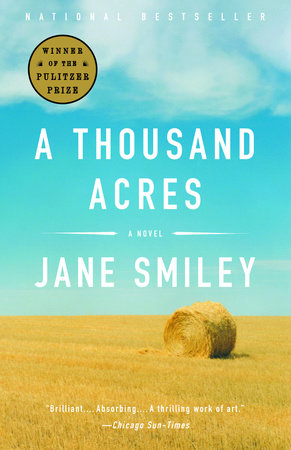
I couldn’t make this list without the 1992 Pulitzer Prize Winner for Best Novel. Smiley retells King Lear during the farm crisis set in Iowa and told by the perspective of one of the villains in the original play. Ginny (whose counterpoint is Goneril) becomes at once a sympathetic and still deeply conflicting character for readers. This novel is a personal touchstone, and I often think of Smiley’s balance of the scene of poisoned canned goods, and in turn, a land poisoned by agriculture.
I am a literature professor because when I was 18 years old and in my first year of college, I read Toni Morrison’s The Bluest Eye. Okay, maybe it’s not that simple, but it’s pretty close. When I encountered Morrison’s debut novel, which celebrates its 50th anniversary this year, I was at a point in my life where I had reluctantly admitted to myself that race would always matter, but I had not awakened to how gender was shaping my experiences. Once Morrison’s work opened my eyes, I began noticing how frequently people tried to make me prioritize either race or gender whenever things got intense. Because we were college students enjoying freedom from parents, gender and race often intensified dorm room debates about issues of sexuality, but tensions also ran high in classes—when discussion centered on seemingly staid matters, such as merit.
Compared to the obliviousness that preceded it, I gained super-vision after reading The Bluest Eye that would help me navigate this racist, sexist world. Growing up, my mom would often say, “Girl, you better act like you know.” I could now appreciate the wisdom of those words. As a Black woman in the United States, it’s always best to act like I know that this is a racist, sexist, heterosexist society. Operating as if I don’t know that is foolish. Perhaps more important, knowing that truth keeps me from believing the nation’s lies.

I encountered The Bluest Eye in a women’s literature class. The professor structured the course around How to Suppress Women’s Writing, Joanna Russ’s study of the many ways that women’s literary contributions have been denigrated. For example, women authors are often denied authorship or agency; critics say that she must not have written the work herself, or if she did, she shouldn’t have because its content was unbecoming or the concerns were trivial, rather than lofty or universal. I found the entire book engrossing and I kept scribbling in the margins, “Why can’t you see that this applies to Black-authored works???”
I never let on that I was frustrated by never having this question answered. I liked the class and the professor, and I didn’t want to bring negative attention to myself. But in the final weeks of the semester, we read The Bluest Eye, and I no longer cared about what I believed to be a hypocritical silence in all of our discussions of “women’s literature.” Because my professor introduced me to that novel, I gained an understanding of my surroundings that I doubt could have come from her or my classmates.
The novel felt like it had been written for me. I am dark-skinned and was called “fat, black, and ugly” nearly every day of my teenage years. Claudia MacTeer, one of the novel’s narrators, is also dark, but she has something I instantly realized I didn’t: an ability to question assessments of beauty and worth. When her peers have “a loving conversation about how cu-ute Shirley Temple was,” Claudia narrates, “I couldn’t join them in their adoration because I hated Shirley.” Likewise, other children love blue-eyed baby dolls, but Claudia relishes dismembering them. To my mind, these were unthinkable displays of strength. And this was a strength particularly valuable for African American girls.
It was not simply being Black or being dark-skinned that mattered; it was being those things while also being female.
I didn’t have the gift of Kimberlé Crenshaw’s concept of “intersectionality,” but The Bluest Eye revealed how, in my presence, racism and sexism would always collide to produce negative experiences that others could dodge. It was not simply being Black or being dark-skinned that mattered; it was being those things while also being female. When I was called “fat, black, and ugly” at the bus stop every morning, I was not the only Black child, nor was I the only dark-skinned child in the group. We were all Black, but I was the only girl… and I was dark. As a girl, though I did not realize it then, it was my duty to look a certain way so that I would be pleasing or at least acceptable. Not doing so came with a price. My peers were being American; they had learned the racist, sexist lessons the United States relentlessly teaches.
Besides questioning beauty standards, Claudia gives voice to feelings with which I was too familiar. At one point, Claudia and her sister Frieda have an argument with Maureen Peal, a middle-class girl with a fair complexion. The disagreement ends with Maureen’s declaration: “I am cute! And you ugly! Black and ugly black e mos. I am cute!” Claudia explains her and her sister’s response in these terms: “We were sinking under the wisdom, accuracy, and relevance of Maureen’s last words. If she was cute—and if anything could be believed, she was—then we were not. And what did that mean? We were lesser. Nicer, brighter, but still lesser. Dolls we could destroy, but we could not destroy the honey voices of parents and aunts, the obedience in the eyes of our peers, the slippery light in the eyes of our teachers when they encountered the Maureen Peals of the world. What was the secret? What did we lack? Why was it important?”
These were questions that I had never asked, but I was familiar with the feelings that I suddenly believed should have inspired them.
Surely, if I had had the confidence Claudia possessed, I would have asked those questions, but before I could become preoccupied with criticizing myself, the novel gave me reason to show mercy. Morrison has Claudia continue, “And so what? Guileless and without vanity, we were still in love with ourselves then. We felt comfortable in our skins, enjoyed the news that our senses released to us, admired our dirt, cultivated our scars, and could not comprehend this unworthiness.”
I was pressured to prioritize either race or gender, like so many Black and Brown women before and since.
Determined to raise awareness, including my own, I became interested in moving out of the dorms and into campus housing that supported student activism. The Women’s House sponsored programming on women’s issues, including sexual harassment, rape survival and prevention, and negotiating society’s beauty standards. Soon, it was settled; I would move in at the beginning of my junior year. During the same time, the House of Black Culture became co-ed for the first time in its history. Because I was active in Black student organizations, some asked why I would opt for the Women’s House rather than the House of Black Culture, and some were bold enough to say I made the wrong choice. Their criticism was frustrating, but over time, I had reason to be frustrated with my peers in the Women’s House, too. My white housemates would sometimes suggest that healthy body image or domestic violence, for example, were clearly “women’s issues” that had nothing to do with race. In other words, I was pressured to prioritize either race or gender, like so many Black and Brown women before and since.
By then, The Bluest Eye had helped me see that gender and race equally and simultaneously factored into the experiences I would have. This fact became even clearer when a scandal developed around a popular, beloved interracial couple on campus. They had been dating for quite some time when the white woman accused her Black boyfriend of rape. As was common for small liberal arts colleges, the university scheduled an arbitration hearing, which would determine disciplinary action without involving the police.
What most shaped my experience of the controversy was the fact that student leaders encouraged “all members of the Black community” to rally around “our brother” by lining the hall leading to the room in which the arbitration hearing would take place. The intended result: the complainant, defendant, and school officials would have to walk through a silent crowd of African and African American students. The Black defendant would feel supported and the others would know that he had backing.
A friend and I decided not to attend the demonstration because we did not know enough about what happened to take sides. We were disappointed that so many of our peers showed up without having any more information than we had. Date rape exists, but they had learned the sexist lessons American culture relentlessly teaches. And those sexist lessons erase how rape, including date rape, exists for Black girls and women, too.
Gender and race, power and vulnerability, alienation and allegiance were writing the scripts.
There was no denying that white women’s accusations easily lead to death and destruction for Black communities. But there was also no avoiding what it meant for my obedience to be expected without hesitation. Gender and race, power and vulnerability, alienation and allegiance were writing the scripts in which I was expected to play particular (even if contradictory) parts. How would I navigate these forces?
I still live with that question. Decades after that college controversy, I see suspicion swirl around the work of Black women addressing sexual violence. “Race traitor” accusations and reprimands about “airing dirty laundry” hound #MeToo founder Tarana Burke as well as Salamishah and Scheherazade Tillet. And that’s to say nothing of the pushback to Dream Hampton’s Surviving R. Kelly and the criticism Oprah received for planning to support On the Record, the documentary about the many women victimized by Russell Simmons. As Megan Thee Stallion wrote, protecting Black women and girls shouldn’t be controversial, but it often is.
The semester after I encountered The Bluest Eye, a guest speaker visited another literature class. Because he was invited by my favorite professor, it never occurred to me to view this guest with anything other than awe. He dazzled us with readings from his own work and discussion of literary traditions more generally. Toward the end of the class period, he asked whether we could name the latest winner of the Nobel Prize for literature. Someone offered, “Toni Morrison.” The guest confirmed the answer and asked if we could list past winners. A string of men’s names followed. I had heard of most of them, but not all. Soon, familiarity with the authors proved irrelevant because the purpose of the exercise became clear. The guest declared, “Toni Morrison won this year’s Nobel prize. You know, it’s a good time to be Black and a woman.”
Suddenly, I felt several sets of eyes on me. Students’ eyes. The guest speaker was too caught up in himself to look in my direction. I was uncomfortable and avoiding the glances that came my way, but I remember looking at my favorite professor, who was watching his guest with pride. The presentation delighted him.
Somehow, I was vaguely aware that I was in the middle of an age-old scenario. This educational experience was shaped by the easy confidence of the white men at the front of the room, the racial affirmation my white classmates had not requested but nevertheless received, and the rejection affecting the posture of the lone Black student. This scenario enacted strong beliefs, but I couldn’t quite name them. I now realize that the speaker believed neither race nor gender factored into the Nobel Prize… until Morrison earned it. Being white and male had nothing to do with the success of most winners, but being Black and a woman had everything to do with the recognition of Morrison and her work. I was being encouraged to believe this too, and I wasn’t sure I didn’t because I had no tools for questioning the assumptions. Still, I suspected that accepting those beliefs would doom me to a life of mediocrity.
This incident stayed with me for the rest of my college career, and though it did not keep me from applying to Ph.D. programs, it certainly haunted me while I did so. If Morrison’s achievement could be so easily diminished, what would happen to me?
The Bluest Eye helped me eventually gain language for articulating a simple truth: whiteness is not neutral.
Because it revealed how much gender and race factor into all experiences, The Bluest Eye helped me eventually gain language for articulating a simple truth: whiteness is not neutral; it carries meaning in all interactions. Those meanings translate into the person being respected, whether or not it is deserved. Whiteness is privileged and advantaged, but everyone is taught that the respect granted to white people is based on actual qualifications or “merit.” However, white professors (for example) are not “just” professors or “just” scholars. They are professors whose racial markers lead most of their students to assume they are smart and lead most of their colleagues to assume they deserve their position. (Several examples of ineptitude won’t be enough to undo the presumption of competence or even excellence. Lackluster performance must be continual for any question to emerge about whether they are qualified.)
To put it plainly, U.S. universities do not look like they do because white people are brilliant or deserving, but because these institutions are set up to ensure that they are viewed that way. Because Morrison opened my eyes when I was 18, I know this. Best believe, I act like I know.
In countless ways, Toni Morrison lived by the wisdom of “Girl, you better act like you know.” I hope you’ll join me in celebrating the 50th anniversary of The Bluest Eye. Whether you read it for the first or the 20th time, it will help you act like you know, too.
When I was ten years old, the fairies won a court case. More precisely, Irish protestors successfully diverted a proposed new motorway route which would have destroyed an old “fairy” tree thus leading to countless fatalities on that particular stretch of road.
You hear a lot about Ireland’s relationship with the Church, but beyond Catholicism and Protestantism, there is another set of beliefs which, in some corners, still prevails; an older, stranger set of superstitions rooted in the land and the country’s pagan past.
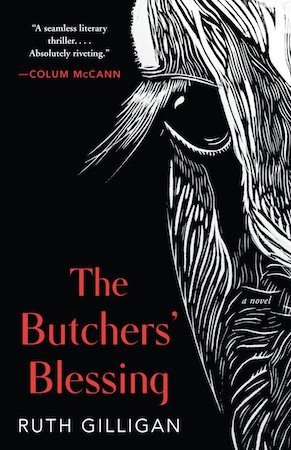
I wanted to write a novel about what happens when these ancient ways clash with ideas of progress; when tradition and modernity come face to snarling face. I also wanted to write a novel set in rural Ireland that focused, not on the men whose stories tend to make up our canon, but on the women.
In The Butchers’ Blessing, a group of eight ritual slaughterers wander around Ireland, killing cattle according to an ancient custom. However, given it is 1996, belief in this archaic practice is dying out, generating a tension that eventually spills over into hostility and, ultimately, into unspeakable violence.
Rather than follow these eight men on their travels, the novel prioritises the wives and daughters they leave behind, exploring what the lore of the land might mean for them. So I turned to other books that combine feminism and folklore; books where uncanny tales are used to empower female voices (and, crucially, female bodies). Here are just eight of the weird and wonderful bunch:
Daisy Johnson sets her sinister short stories in the East Anglian fenlands, a marshy landscape on the edge of everything where girls find themselves on the edge of womanhood. They also find themselves gorging on the flesh of men or starving their bodies until they turn into eels, becoming as slippery as this brilliant, boundary-shifting collection.

“the hex for a penis isn’t really all about / the penis”—so declares the opening poem in Rebecca Tamás’s debut collection, which is really all about the primal power of femininity. Fusing the occult with the ecological, these 21 poems follow the titular character over the course of history, casting an elaborate spell of sexual empowerment.
From Cuban folklore in The Opposite House to fairy tales in Gingerbread and Boy, Snow, Bird, all of Oyeyemi’s books are somehow tangled with ancient stories. I recommend starting with her debut Icarus Girl, where eight-year-old Jessamy struggles to reconcile her British Nigerian identity, finding strange possibilities in the Yoruba myths of her mother’s homeland.
In this deliciously dark and twisted eco-fable (written by an Irish author, but set in a nameless small town), Ada and her father are healers to whom the cynical yet grateful locals bring their various ailments. There is no cure, however, for the lust that is awakened when Ada encounters a boy named Samson and begins to claim agency over her own body, her own intimate desires.
Having been abandoned by her mother as a baby, Kirabo now lives with her paternal grandparents in rural Uganda under the reign of Idi Amin. Desperate to figure out her role in the world, she turns to the local witch Nsuuta who introduces her to Ugandan folklore and reveals the “huge, strong, bold, loud, proud, brave, independent” potential that lies within all women, despite society’s attempts to keep it suppressed.
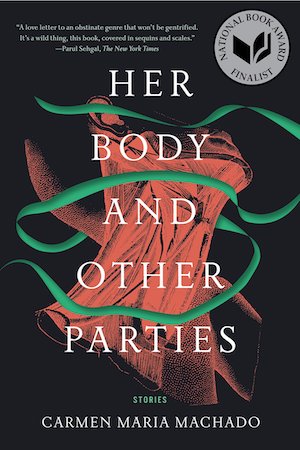
Combining fairy tale, fantasy and folk horror, Carmen Maria Machado’s wildly inventive collection offers a monstrous inventory of the different forms of violence and shame that can be exacted on women’s bodies. Yet, for all their darkness and political rage, these stories are shot through with a wonderful humor, a kind of irresistibly freewheeling gothic glee.
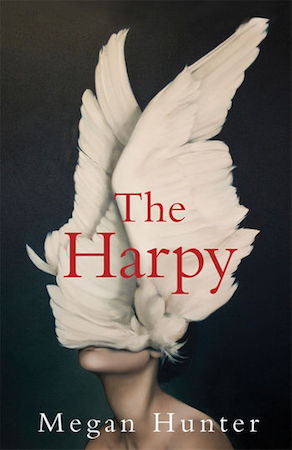
Megan Hunter’s premise is as bizarre as it is simple—Lucy’s husband has been unfaithful, so now in return, she is allowed to cause him pain exactly three times. As the mythic and domestic begin to merge, Lucy becomes increasingly obsessed with harpies—those classical creatures of revenge—until she undergoes a shocking metamorphosis of her own.
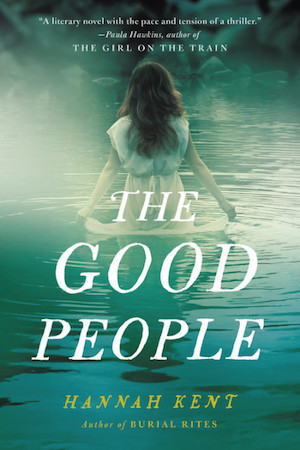
Finishing back in Ireland—this time as written by an Australian—Kent’s second novel is just as atmospheric as her bewitching debut Burial Rites. Set in 19th-century County Kerry, Nóra, Mary, and Nance form an unlikely sisterhood, drawn together by ancient rituals and forgotten superstitions.
Bryan Washington’s debut novel, Memorial, is about Benson, a Black daycare teacher, and his boyfriend Mike, a Japanese American chef, who find themselves at the four-year mark of a messy relationship without a clear path forward.

Much like with Lot, his lauded 2019 short story collection, the novel offers Washington’s trademark empathy and compassion for characters who struggle to step outside of themselves, who long to open up, who make mistakes and hurt one another, who are doing their absolute best to get by. It’s a novel built on quiet moments, touched by equal measures of grief and joy. As Benson and Mike navigate dating, work, and the death of loved ones, they reflect on their time together and apart, disrupting the static life they once knew. As a writer, reading Washington’s fiction makes me want to do better for my characters. And as a reader, I always walk away from his work reexamining the construct of my own heart.
Bryan Washington’s Lot earned him a number of awards and nominations including the 2020 Lammy for Gay Fiction, the Dylan Thomas Prize, and the Ernest J. Gaines Award for Literary Excellence. He is a National Book Award 5 Under 35 honoree, and his writing has appeared widely in such places as The New Yorker, The New York Times, BuzzFeed, Vulture, The Paris Review, McSweeney’s Quarterly, Tin House, One Story, and Catapult.
I had the pleasure to speak with Washington about mundanity, hookup scenes, cooking as a love language, and doing right by the communities and people we care about most.
Christopher Gonzalez: I’m obsessed with the fact that you refer to Memorial as a “gay slacker dramedy.” Can you unpack what “slacker” here means? For me, it speaks to this kind of everydayness, how life is always mundane even when it’s not, if that makes any sense.
Bryan Washington: The intention on my end was certainly leaning towards mundanity. The book I wanted to write was about the creases in relationships. Sometimes that’s romantic relationships or familial relationships or even just platonic relationships, and so much of that is mundane. You look up at some point and your partner is your partner, or your relationship with your mother or father has changed, or you know a sibling or someone who you see as a person and not just a brother or a sister or a partner become something else. The transitory periods between those plateaus are often filled with things that are mundane. I was trying to find a way to write about that as remarkable, because I think there is a lot of remarkability in mundanity.
CG: I don’t necessarily want to talk about representation with a capital R.
BW: Ha, OK, appreciate you.
CG: But there was something remarkable, to use your word, about reading a novel about Benson and Mike, two gay men of color, having a lot of sex, and how commonplace it all was within the work. Can you talk a little bit about that?
BW: I don’t have the sexiest answer for that beyond the hackneyed notion of wanting to write the narrative that you want to see, and taking experiences that I’ve had and experiences that my friends have had, the stories that we told one another. I wanted to see a simulacrum of that on the page, because I feel like when you’re telling stories to your friends, you’re not thinking about how a white audience would interpret the narrative. When you tell a story to your friend, you just try to tell the story. I wanted to write a narrative that features the communities I am a part of and also the ones I care deeply about.
CG: You tapped into this casual cruelty that can exist within the hookup scene. This rang painfully true for me. I’m thinking specifically about the racism and fetishization Mike encounters on the apps and the comments he gets about his body. And the fact that, like many of us, he still sleeps with the assholes.
BW: It was deeply important to me to try to paint as full of a picture of these very particular experiences and these very singular experiences as possible without being prescriptive or being definitive as opposed to being illustrative of what those interactions can look like. What does it say when that character goes through with it? What does that say about them? What does it say about the interaction itself? What does it say about the construction of that interaction? And what is owed and what is expected between two bodies? I just wanted to paint a picture for the reader and have them take it for what it is, and have them come to conclusions given their respective experiences, their respective canons.
CG: Another type of narrative might have instilled the idea of an educational moment, but that doesn’t happen here. There is a withholding of judgment, not only with writing about sex and cheating but also some of the violence that occurs in Benson’s and Mike’s relationship. It’s part of their dynamic. There’s no morality tied to it, which I found fascinating. Was that the goal?
BW: I feel like when we’re telling stories about people we care about to people we care about, the inclination to be moralistic or to be judgmental isn’t nearly as strong. You’re just trying to tell the story about what happened to these folks and trying to do it in such a way that it retains the dignity of each of these characters while still not shying away from the fact that sometimes they do fucked up things and fucked up things happen to them.
CG: Something that strikes me is how conscientious you are about how you portray your characters. This also comes across in how you write about Japanese cuisine, not only in this novel but also in your nonfiction. How did you approach this thread for the novel? And did anything surprise you when it came to writing about food?
What is the menu for someone who gives comfort and pleasure and nourishment predominantly through the foods that they cook?
BW: I was really interested in writing about comfort and writing about pleasure and the different ways that people give and receive comfort and pleasure. Food was one way to do that. For Benson, what does a culinary education look like for someone who is learning about how to care for others in this way? What would he start to cook and where would he end up so that his trajectory from being shocked about Mitsuko cracking an egg to cooking Mike’s favorite dish at the end of the book makes structural sense. Whereas for Mike, my question was, what is the menu for someone who speaks and thinks and gives comfort and pleasure and nourishment predominantly through the foods that they cook? And, because Mike’s been cooking for a while, that gave me a lot more options as far as what that could look like. But that didn’t really make it any easier, because each of those meals is supposed to be saying something about how he feels or intends the recipient to feel.
CG: I love the dynamic between Mitsuko and Benson. She’s similar to Mike, in that both never stop talking, while Benson is very quiet and reserved. Mitsuko is able to shake him a bit. It makes me wonder about communication more generally within the book. You’ve touched on food as a means of communicating love and giving comfort, but I’m also thinking about how communication breaks down for Benson and Mike at the start of the novel and how distance exacerbates this issue with text messaging becoming insufficient for them as they both fall into separate day-to-day lives.
BW: There’s a certain reading of the book where you could argue that Benson’s arc is of someone who learns how to speak up for what they want, whereas Mike’s arc is someone who ultimately learns how to listen to other people, which is an extremely, extremely, like extreme shorthand of the book. I’m really someone who takes stock in a character’s love language, and the ways in which they relate to other people that might not be immediately discernible as being deeply significant but that are significant for them. That tells me that this is how they communicate when they’re trying to get affection across or trying to entice someone or even if they’re just trying to tell someone to go away. If I know what a character wants and I know what they desire, I know what they don’t want, and I have a pretty general framework of who they are and how they relate to the folks around them.
CG: We’re at a point now where social distancing and the lockdowns have afforded us time for great introspection and reflection as well as time we might not have previously had to devote to learning something new. To speak to the book, distance is what Mike and Benson ultimately need in order to figure out where their relationship is headed. And in that space, Mike is able to connect with his dying father, and Benson learns what opening up to other people feels like, and they both see opportunities for new love. Is there anything in the last seven months that you’ve finally had time to sit with and learn about yourself? Is there anything new you’ve tried to master?
BW: Something that I’m hyper-conscious of now, even if I was just very peripherally conscious of it prior to our being in a pandemic state, is trying to really expand on and to calcify what generosity and what being there for someone can look like. While the medium has changed in which we can show up for one another, whether it’s for a capital-B Big reason, or if it’s for someone just wanting to have you around, the need certainly hasn’t. The need has grown and extended itself. So, I’m trying to figure out the many different forms that that can take for folks, whether it is a romantic relationship, whether it’s more platonic, or a familial relationship. It’s just something I’ve been thinking about a lot as of late. Is there anything for you?
CG: I guess for me, personally, I’m thinking about what loneliness can yield and how it’s always been something I had run away from or feared. I’m thinking about how I might need it to, as you were talking about, be there for other people. And the big question I’ve been working through these last seven months is how to be there for myself, too. Have we gotten there? I don’t know.
BW: Do you feel like you need to get there?
CG: That’s a very good question. I guess, and maybe you can relate, I’m always in my own head in some way. And never have I ever had to confront a lot of things about myself on this level.
I take stock in a character’s love language, and the ways in which they relate to other people that might not be immediately discernible but that are significant for them.
BW: I never feel like I’m deeply and integrally comfortable anywhere. And by way of that, it makes it extremely difficult for me to be uncomfortable anywhere, if that makes sense. I’m not someone who feels like I’m in uncomfortable situations very often or, rather, I have a very high tolerance for what that can look like. I wouldn’t say whether that’s a good thing or a bad thing, but having to think about that in the context of the pandemic as someone who generally has a tendency to take everything extremely seriously—but also I don’t take very many things terribly seriously—and wanting to put myself in a position where I’m not constantly dissociating. Ideally, you want to be present in the moment, but when the moment calls for long stretches of time in solitude, whether that’s solitude with a partner or solitude by yourself, or if you and your kids are trying to find a way to be present, that’s been a big challenge.
CG: You’ve talked a lot about trying to do right by characters in your book and also by people in your life. I think that’s what we’re trying to do better as writers, be there for people whether they’re fictional or not. That level of empathy and compassion you have and that is so prominent in your work, how do you maintain that? Not even just in considering the current moment, I mean, pick any year. There’s so much to be angry about. I guess I’m mainly asking or myself, but how do you channel what might be anger into empathy?
BW: As far as the context of work specifically, I care quite a lot what my friends think of my work. I care quite a lot about what those who are close to me think of my work and the projects that I’m trying to do. A lot of not too good things happen in the book. A lot of terrible things happen to each of the characters. There’s the dissolution of relationships, there is a drifting apart, there is literal death of loved ones. I think about what the characters need to carry them through to the next page. Whether they’re sharing a meal or sharing a glass with someone in a bar or they’re sharing a chat with someone or they’re sharing a smoke with someone or sharing a drink with someone or they notice something in the road, that may be enough. And that’s very much how I approach things generally and, more specifically, as of late, as far as really being appreciative of the generosity that I’m privy to and the generosity that I have been privy to while acknowledging that things are still very much fucked up and it’s deeply unlikely that they will unfuck themselves over the course of my lifetime. But that doesn’t negate the small pleasures and the small generosities and the small comforts I’ve been privileged to have and that, ideally, I can be privileged to share with friends and loved ones and folks I hold dear.
 Thank You!