Nothing brings the spectral and supernatural to life as powerfully as a good story. In that spirit (!), we’ve reanimated 10 haunting tales from the Recommended Reading archives, featuring writing by the likes of Angela Carter, Kelly Link, Viet Thanh Nguyen, J. Robert Lennon, Laura van den Berg, and more.
Laura has a monster in her closet. The monster comes at just the right time, easing the ache of Laura’s loneliness. Soon they become inseparable, playing Pictionary and nuzzling on the couch. At first a charming and pitiful little thing, the monster demands more and more and more as his caretaker struggles to feed his violently insatiable appetite. This short story transforms our fear of imaginary monsters lingering in the shadows into the real monsters that haunt our inner thoughts.
“What’s immediately noticeable is that ‘Deathwinked’ plays on two different registers of time,” writes another RR author, Matthew Neill Null, who introduced this story for the Fine Arts Work Center. “One moment is heady and fleeting — adolescents racing down an alley, pursued by bullets — but then…. time falls away.” The term “deathwinked” is coined by our narrator, a sniper, and is the verb he uses to describe being killed by the shot.
In David Lynch-like style, the everyday becomes imbued with the uncanny and the horrible in this piece by short story master and author of Get In Trouble, Kelly Link. “Ostensibly,” writes Lincoln Michel, “‘Stone Animals’ follows a husband, a pregnant wife, and their two children as they settle into a new house in the suburbs. There are no murders or monsters. Nothing explicitly horrifying happens. And yet…” Read on to discover the terror.
As a vampire story that invokes “Beauty and the Beast,” “Jack and the Beanstalk,” and perhaps at a stretch, “Rapunzel,” this tale is a classic, swooping Carter masterpiece and appeared in the recent (posthumously) published collection The Bloody Chamber. Of the many works in Chamber, this one is Kelly Link’s favorite: “I love ‘The Lady of the House of Love’ for the luster of Carter’s language,” writes Link in the foreword, “[for] the tensile strength of the prose; its luscious, comical, fizzing theatricality.”
In this retelling of the legend of Bluebeard, a nightmare commentary on the power roles of marriage, Merrell makes a crucial adjustment to the story: the wife has broken her husband’s spell and holds all the power. “Two modes — the magical and the mundane — coexist in compelling tension here, as in much of Merrell’s fiction,” writes Rachel Pastan of FWJ about a story that features both a cameo from Ina Garten and a man whose day job requires spells and incantations.
The best remedy for a good scare is laughter, and yet when the frightful and the hilarious meet, it makes for a great story. Jack Pendarvis hits this sweet spot with “The Black Parasol,” which follows a lonely woman, a bartender, and a ghost story collector in the pursuit of the ghouls of the the most haunted town in America. But as Guy Intoci of Dzanc Books observes, “The Black Parasol” and Pendarvis’s other fiction “aren’t merely funny stories. First and foremost, they’re sincere pieces about people more similar to us than we’d sometimes like to acknowledge.”
Akhil Sharma recommends this story from Nguyen’s recent collection, The Refugees, which offers irony alongside tragedy, surreality next to brutal reality. Despite her mother’s insistent superstitions, a ghost writer doesn’t believe in ghosts until she encounters her brother who died on their voyage to the U.S. from Vietnam. “There is a fantastic too-muchness to the story,” writes Sharma. “But the very fact that Viet’s stories succeed reminds us that there is a too-muchness to life also.”
The narrator in Laura van den Berg’s “Where We Must Be” makes a living out of being monstrous, realizing others’ fantasies: she’s an actor paid to embody Bigfoot at the Bigfoot Recreation Park. “It would be so easy for that to be the story — a person in service only to others, to the fantastic, who loses themselves in the effort,” write Britt Ashley and Peter Kispert in the foreword. But it’s not the story. Instead, van den Berg “blurs the line between reality and fantasy, illuminating the narrator’s struggle for her own sense of balance between the two.”
Recommended by Jeff VanderMeer for Weird Fiction Review
Jeff VanderMeer recommends this horror story on behalf of the Weird Fiction Review, writing that “‘Tin Cans’ appealed to us because of the precision of detail and the dark humor, juxtaposed with real horror.” “Tin Cans” is a horror story no doubt, but the power of its horror comes from the plausibility — the accessibility — of the man and tragedy it depicts. Narrated by an old man whose wife died the day the Moscow Olympics opened, Sedia’s story captures sundry terrors of life: unemployment, impotence, and aging.
“‘The Cottage on the Hill’ is a J. Robert Lennon horror story,” writes Matt Williamson for Unstuck, which means that it’s also a story “in which the characters’ loneliness — their disconnectedness, their inability, at times, even to speak or listen to one another — is more chilling than any of the supernatural elements.” Following Richard, Evelyn, and their children Lily and Gregory through the many vacations they have at the cottage. But with through framework of an idyllic life, Lennon shows us something terrifying: “in a world where we may not be able to prevent ourselves from hurting, terrorizing, or even destroying the people we most want to protect.”
Gabriel Tallent’s debut novel My Absolute Darling came out almost exactly a month ago. In that time it has been much discussed; it was initially heavily praised and then began to draw ire, especially from influential feminists. The backlash primarily took the form of snarky comments on social media and Twitter. It started with Roxane Gay, who shot off some derisive subtweets while reading and then posted a critical review of the novel on Goodreads. By the next day the book had become an in-joke on literary twitter, prompting Nicole Cliffe, co-founder of The Toast, to remark that it was up there with Ethan Frome at the top of lists of most despised books. To make matters worse, Tallent had given a tone deaf interview to The Guardian in which he explained his project’s importance by saying, “we need more books like this…about survivors and abuse.” His white-guy-saves-the-world arrogance did not go over well with many readers. A few days later Bitch published s.e. smith’s scathing takedown of the novel entitled “My Absolute Misogyny: Male Authors Are Still Profiting from Women’s Pain,” which described it as the “most sexist book of 2017.” Somewhere in the distance a death-knell sounded for Tallent’s aspirations to enlightened manhood.
My Absolute Darling is primarily an exploration of a mind shaped by abuse. Its protagonist is a fourteen-year-old girl named Turtle who lives with her father and grandfather in the relative isolation of the hills outside Mendocino. Turtle likes to play with guns, dislikes other women, and is frequently raped by her father. She has been called “a heroine in the mold of Huck and Scout” by Parul Sehgal of The New York Times, which she is, if by that you mean she’s a self-contained youthful adventurer with a funny name who’s comfortable in what seems to be a quintessentially American natural landscape. Of course, Turtle finds herself in a much darker world than Twain or Lee ever imagined for their spunky protagonists. Here, the wolf is not only at the door, but inside the house, indeed in the heroine’s very bed. Innocence and experience mean something wholly different in a bildungsroman about a victim of incest.
One of the things that is challenging about the novel is that Turtle both adores and loathes her father. There are even times when she seems to yearn for him sexually, or at the very least participate somewhat willingly in their incest. She doesn’t think of what’s happened to her as abusive until long into the book, and doesn’t describe her father’s crimes as “rape” until the book is nearly over. Indeed, she only begins to be able to see him for what he is when he abandons her (during which time she forms an intense friendship with a teenage boy) and then returns with a ten-year old girl. When we see the way Martin (Turtle’s father) coaches the girl into accepting his abuse, we come to fully understand what has happened to Turtle before the book began, and why she remains invested in him despite his brutality.
One of the things that is challenging about the novel is that Turtle both adores and loathes her father.
Critics have been divided about whether Tallent’s portrayal of that incest is successful or responsible. Roxane Gay wrote that though she understood that Tallent was trying to suggest Turtle’s ambivalence, she “did not like the way it was handled here.” She found that “the sexual violence was written, all too often, with an uncomfortable amount of romance.” Smith too criticized the novel for exploiting, in a pornographic way, the victimization of its heroine. Sehgal also faulted the novel for relying on cliches about women, but different ones than those Gay and smith seemed to be responding to. For Sehgal the fact that “Turtle has clearly been designed to be ‘empowering’” suggested another, subtler kind of misogyny, which defines female empowerment in terms of what are traditionally viewed as “male” forms of heroism (the ability to kick ass and chew bubble gum, etc.).
Personally, I found My Absolute Darling’s depiction of the psychological costs of sexual trauma to be fully convincing. It had many faults (for me, most jarringly, the unbelievability of the teen characters’ dialogue, which Gay aptly described as “like Dawson’s Creek but in Mendocino.”) The book is far from perfect and probably not a “masterpiece” as its cover proclaims, though let’s be real: it was only Stephen King (not exactly a master of nuance) who said that. I liked it, but I’m not interested in convincing you whether to read it or not. Rather, the response to the novel got me thinking about reader reception to texts about sexual violence, and the curious shapes that reception often takes.
Discussions of the novel, particularly after Tallent’s embarrassingly self-impressed Guardian profile, often articulated the position that men should not write novels like My Absolute Darling, especially not now, when the voices of women are finally being given a platform with regard to this issue. As smith wrote in the Bitch review, “the use of sexual violence against women for shock value and literary awards is nothing new” and there is already a “huge body of literature by women who’ve survived incest and child sexual assault.” Tallent’s claim that “we need more books…about survivors and abuse” suggested his ignorance or dismissal of this canon. At best he was clueless; at worst he was positioning himself as “doing women a favor” (as smith put it) as a cover for his exploitation of their stories.
As smith pointed out, there is a whole canon of literature (both fiction and nonfiction) written by victims of sexual violence and sexual abuse like incest. This literature often gets charged with the same criticisms that have been made of Tallent’s novel : of eroticizing sexual violence, exploiting the stories of victims (even if the story is told by the victim), embellishing levels of violence, and just being generally unnecessary. I fully understand why a novel that depicts graphic sexual violence against a girl child, especially one written by a man, would call forth these questions; Tallent is, of course, the literal creator of his characters’ misfortunes, ones which presumably he has never shared (at least we can assume he has never been a 14-year-old girl who is in an incestuous relationship with her father). I generally have no personal problem with people writing about things they can’t have experienced, but I also understand that such depictions engender questions about ethics. (For example: are the representations gratuitous? Do they subject the reader to trauma for the sake of the larger narrative or merely to ratchet up the story’s stakes?) What I want to know is why the criticisms leveled against Tallent’s work dovetail so closely with those made against recent high profile memoirs — first-person accounts — of abuse written by women. Why, indeed, has Tallent’s book been less controversial than some such works?
For example, in his review of the recent memoir The Incest Diary for TheNew York Times, Dwight Garner praised the book but reflexively offered proof of its “veracity,” as if the question of the story’s truthfulness would be the first that would come to readers’ minds, despite the fact that it was published by high-class literary venue Farrar, Straus, and Giroux. With more self-awareness, Rich Smith analyzed his own impulse to question the story’s credibility for The Stranger, but still felt compelled to offer statistics that ‘proved’ that the author’s story was a common one. Though reviewers of both The Incest Diary and Roxane Gay’s Hunger, for instance, lauded the texts for their literary accomplishments, only reviewers of The Incest Diary questioned the text’s truthfulness. No reviewer, as far as I can tell, had the temerity to challenge Gay’s account of her gang rape. Why was The Incest Diary treated differently?
The reception of The Incest Diary places it in a tradition of incest/long term sexual violence memoirs by women that have been sharply criticized on the grounds that they are too explicit. What all these texts have in common is that they are narrated by women who describe in detail the ambivalence they felt about their victimizers. Kathryn Harrison, author of the much maligned The Kiss (1997), began an affair with her previously-estranged father when she was twenty, and this was enough for many reviewers and readers to impugn her sanity and morality. (James Wolcott, for The New Republic, famously wrote a fantastically misogynistic account, in which he called the book “trash with a capital ‘T’” and explicitly blamed Harrison for her complicity in the incest.) As Garner put it (incidentally in his Times review of The Incest Diary), The Kiss ignited “a debate…about whether the American memoir had finally gone too far.”
What all these texts have in common is that they are narrated by women who describe in detail the ambivalence they felt about their victimizers.
Harrison was largely not seen as a victim, but as a writer who had opportunistically mined her family history for its gory details. The controversy which followed the publication of her book has defined the rest of her career. Similarly, Margaux Fragoso’s memoir Tiger, Tiger (2011), an account of her relationship, which lasted into her twenties, with the family friend who began abusing her when she was eight, was criticized for what was perceived as its horrifying attention to detail; a number of reviewers, including Jenny Diski, argued that it would only appeal to pedophiles. The anonymously authored Incest Diary, explicitly about a victim’s experience of sexual pleasure at the hands of her rapist father, has proven to be one of the year’s most controversial books. All of these books were accused — as My Absolute Darling has been — of going too far, of being too graphic, and of treating sexual violence with an uncomfortable amount of ambivalence.
Those criticisms of fiction make a certain kind of sense; we don’t assume that authors are impelled to create fictional stories in the same way that they might be impelled to testify to their own histories through memoir. Presumably there are many ways an author of fiction could express an idea, and the characters through which they do so are illustrative inventions. If one such invention is particularly damning to a certain group, or draws on a very damaging cliché, we wonder why the author chose to represent the character that way; and we will probably only give the author the benefit of the doubt if we are confident that they are conscious of and in control of that aspect of the representation.
But how can a memoir go too far? How can the truth be the wrong thing to tell? Even if talking about sexual violence were in some kind of “bad taste,” would anyone actually argue that our commitment to propriety should outweigh our understanding of actual crimes that are being committed against vulnerable people? The argument that Wolcott made in his review of The Kiss and Diski in her review of Tiger, Tiger — that people are now too willing to tell their tales of sexual woe — doesn’t hold up when one examines the rest of the culture. Exaggerated, unrealistic plots of rape can be found everywhere, particularly on popular television shows like CSI and Law and Order: SVU. They are the very stock and trade of whole channels like Lifetime and Investigation Discovery (I have friends who work in reality television who behind closed doors call these shows “rape porn” and lament the fact that they are hard to turn down because they pay so much better than more reputable documentary shows). No one who knows anything about the sexual violence statistics in this country can think that these shows accurately represent the majority of such violence. Though three fourths of rapes in the U.S. are committed by people known to the victim, the vast majority of sexual crimes on television are committed by unknown and terrifying super-predators. This disjunction suggests that we don’t watch these shows because we want to be aware of what’s really going on in the world, but because they do exactly what they’re designed to do: titillate.
How can a memoir go too far? How can the truth be the wrong thing to tell?
If we’ve accepted rape narratives as a form of entertainment (which Western culture has clearly done since at least the eighteenth century) then we can’t also argue that true stories of sexual violence have no place in the culture because they’re distasteful. There must be something else we don’t like about such memoirs. (Indeed, My Absolute Darling has been much more popular, well received, and widely reviewed than The Incest Diary, a fact which suggests that Tallent has benefited from our culture’s taste for sadistically pleasurable depictions of women while also situating his book as working against such representations.)
My suspicion is that books like The Incest Diary tend to be treated with skepticism and disapproval for a few reasons. The first, obviously, is that women’s stories about their experiences continue to be taken less seriously than those of men. To wit: a Twitter troll recently mocked me after reading my Twitter profile, which says that I study “sexual violence,” by tweeting that I study “made up sexual violence.” (Solid burn, bro!) The second, more complex reason is that incest and other forms of prolonged sexual abuse are such profound violations that they provoke a different form of disbelief than the kind that women often face when they talk about sexual violence they have experienced; when you tell your mother you’re being raped by your father, as the author of The Incest Diary does multiple times in her adolescence, you are disbelieved not because your mother is casually misogynistic, in keeping with her culture, but because she can’t believe you and uphold her understanding of the world. Incest is a violation so profound that it breaks knowledge. In these cases we disbelieve not because we’re so inured to a world where men take sexual advantage of women that such abuse seems normal, but because we can’t conceive of a world in which what we believe is normal could be so defiled.
All this said, I believe there’s still another reason why books like The Incest Diary are controversial (and I believe this sheds at least some light on why a novel like My Absolute Darling has been so upsetting for so many). The Incest Diary is written by a victim of rape, but not the kind of victim whose visibility contemporary feminism has fought for. This is both because it brings up the uncomfortable question of complicity when it deals with the author’s attraction to her father, and because the author is a person who has not survived in the sense that we mean when we call someone a “survivor” of sexual violence. Indeed, she writes that hers is a “creation story,” one in which the years of brutal sexual abuse she suffered are so central to her selfhood that they cannot be separated from her survival. They cannot be overcome, but must be integrated into her experience, and as the book ends, the author is still very much in the middle of that process.
The author writes that hers is a “creation story,” one in which the years of brutal sexual abuse she suffered are so central to her selfhood that they cannot be separated from her survival.
The Incest Diary ends without resolution, depicting the author stuck in a psychoanalytic repetition of the dynamic she had with her father with another man. The book is about the inescapability of such violence; its entire structure and story challenge the notion that one can emerge as a “survivor” from certain kinds of trauma. Though we seem more ready than ever, as a culture, to talk about sexual violence, we may not yet be ready to hear the story of the person who has lived but not “survived.” And yet, if we are as concerned about the accounts of women being taken seriously as we say we are, we should welcome such stories, even if they don’t meet our expectations or confirm our biases.
The issue is further complicated by the fact that one person’s memoir is another’s fiction. This is especially true when we talk about sexual violence and intimate trauma, where real people often disagree about what happened between them. The Incest Diary attests to this. The narrator’s family refuses to acknowledge the reality of her sexual abuse, despite some of them having literally seen her father abusing her. The author does a lot of thinking about how it can be that her brother and mother, and even her father (who believed she had “seduced” him at the age of three), perceived reality radically differently from the way she did. When Harrison published The Kiss, she faced much criticism over the fact that her first novel Thicker Than Water had dealt with similar material. She was charged with “self-plagiarism” by many reviewers, and this seemed to be further evidence for many that Harrison was simply returning to the material for the sake of its salaciousness, or perhaps even fabricating the story. Harrison’s father granted an interview to The New York Observer after the publication of The Kiss, in which he complained that the book put his life as a public figure (he was a former pastor) in “jeopardy,” but never explicitly denied her story, saying that he was uncomfortable with accusing her of lying. Harrison, on the other hand, wrote that The Kiss “exposed” her, not her father. While I, as a reader, have no doubt that the author of The Incest Diary and Kathryn Harrison were both terribly sexually exploited by their fathers, I also see Harrison’s point: memoirs tell the truth of the memoirist, from their perspective. We get uncomfortable when memoirists write about topics that we generally adjudicate in a court of law, because they expose the ambiguities that such law can never account for.
Alexandria Marzano-Lesnevich’s recently-published The Fact of a Body blends memoir and fiction to trouble this very divide, showing how it can break down in relation to the topic of sexual violence in general and the sexual abuse of children in particular. In it, Marzano-Lesnevich recounts her own abuse at the hands of her grandfather while also telling a parallel story: that of a convicted child molester and murderer on whose legal team she once briefly served. The book is half constructed from the Marzano-Lesnevich’s memory and half fictionalized: explicitly, as the author constantly reminds the reader, constructed from court documents and other records of the case. Even when dealing with her own history, Marzano-Lesnevich continually questions her motivations as a writer (as she writes of her parents, who, though they put a stop to the abuse, continued to allow her grandfather to have contact with their children): “Am I mistaking my own interests in the past for theirs? Can my parents sit across from him and never, never imagine the actions that lie behind the words they have been told, never see the story unspool before them?”
This is a book that refuses to resolve its complexities. It puts aside ideology and asks us to consider the vastness of the questions that sexual violence and in particular incest pose for all us (let alone for people who have been victims of such crimes). Marzano-Lesnevich asks us to sit with the ambiguity of contradictory truths: that her grandfather wasn’t “all bad” and that he molested her, that her parents attempted to both protect him and her, that the murderer whose story she tells was also a victim, and that there are secrets we will never resolve about both our own and other people’s families.
Gabriel Tallent’s fame (and infamy) will probably be long-lasting. As I said before, I’m not sure if you should read his book, and if you do, you should be aware of the possibility that it may be triggering if you’re carrying sexual trauma. What I do know is that it’s easy to criticize a guy who takes on a topic like this, and talks about his book with such easy confidence. I also know that a lot of important, challenging, frightening, and stunning books are being written about sexual violence, and they are often batted down with versions of the same criticism Tallent has faced. This pattern should encourage us to think about why certain narratives are more threatening than others, not because of their author’s gender or their genre, but because of their content. And if you choose to read one book about this topic this year, read The Incest Diary or The Fact of a Body. To borrow a phrase from Tallent, “we need more books like this.”
Some people sneak peeks inside medicine cabinets, but I’m fascinated by writers’ writing spaces. I want to see what environment someone else has found successful for creating work. What is the structure of their inspiration?
Does the writer keep their desk space tidy and spare or messy — brown rings staining the insides of mugs, wadded tissues, grimy keyboard? What books has the writer chosen to keep close? Are they arranged in any particular order — by author, subject, spine color — or haphazard? Curious to see if the writing space offers clues to the writing practices of their user, I surreptitiously read scrawled notes, hoping to get a glimpse of a novel-in-progress, to see what their unpolished sentences look like. How does their space inform or represent their singular journey from mind to page? Does their writing space look like they write?
A writing space feels private, intimate. It’s the room where the rawest of thoughts and emotions are encouraged. The space can offer reassurance that its desktop, and therefore the writer’s practices, are as disheveled as our own. Or it presents ideas for how to restructure our space in hopes of becoming more organized in our minds and on the page. Maybe I should switch from Leuchtturm notebooks to Postalco, write my first drafts longhand rather than on a laptop. Perhaps I need a fainting couch.
Writing Spaces Project on Instagram shares photos of writers’ workspaces. The posts capture images, both micro and macro, of what writers surround themselves with in order to make creativity happen. Following are some of my favorites.
“This is what happens to a table after the desktop computer sitting on it crashes and is never replaced. Above hang various typed projects soaking everything in. It is important to be reminded that the ancient glyptodont had a solid shell which protected it. Equally important is to have photographs of artists who have meant a lot to me throughout the years, like Sor Juana, Anaïs Nin, and Elizabeth Cotten.”
Library at the Wisconsin Historical Society. Photo: Chloe Benjamin
“In my early 20s, writing required total silence and a controlled atmosphere: I woke up, made my bed and sat on top of it to work, a cup of coffee on the nightstand. At some point I realized that it was good to leave the house every so often and discovered earplugs, along with the pleasure of working at a coffee shop, where other worker bees provided gentle peer pressure and sustenance was at the ready.
“This year, though, I had difficulty getting into my third novel. On a whim, I stopped by the library at the Wisconsin Historical Society. “So this is why people work in libraries,” I thought, as I took a seat under the recessed, stained glass ceiling and relished the prayer-like quiet (no claustrophobic study carrels!). Total silence and a chance to leave the house: the Historical Society library might be the perfect compromise, even if I’m as late to the game as I was with earplugs.”
“This is my writing space. An old Crate & Barrel table my wife and I bought over ten years ago that’s now our breakfast table in the sunniest room of our rental house. There are other rooms and an office at the university where I can write, as well, but I always find myself here. (I’m writing here right now at 6:30am, before anyone else wakes up.) But what’s funny to me about this image is that, while it looks like I’m writing, what I’m probably doing is looking for mentions of my book online because it was my pub day, and the sheet of paper next to my computer, if you can zoom in on it, is a list of chores I need to finish and groceries I need to buy before people come to our house after we launch the book at a bookstore near our house. So even when I’m not writing, the space just feels like I’m writing.”
“This is the desk where I finished writing my book this summer while housesitting for an artist in northern New Mexico with my partner and our three cats. It had a family of putty-colored spiders living under it — my correspondents — and twice in the morning I found dead wasps sandwiched into my laptop. That’s Gary (named for Shteyngart) on the floor. My writing spaces are rarely this pristine, this designated. At home my desk is usually covered in papers, books, unopened mail. More often I write wherever I am: the couch or the bathtub or the car or the public library or my phone’s notes app at 3:30 in the morning, which is where I’m writing this.”
“Switching between tasks is hard for me — for each project I work on I have to clear my desk and populate it with a different set of research books, distraction books, books that I look to for time or inspiration. Sometimes I just work at the kitchen table to escape all that. It feels temporary there, low-pressure.”
“For me, the key is to prep my writing space before bed. I clean the desk, fill the fountain pens, make sure I’ve got paper, & I set the timer on the coffee maker. This way, when I wake up, the process is already in motion. I let the momentum carry me through my work.”
“I own an A-frame cabin in the redwoods near the Russian River, about an hour and a half north of San Francisco. It was really run down when I bought it in 2013 — a foreclosure that was formerly a grow operation, where the owners grew weed everywhere they could. There were also a few strange little shacks on the property, filled with trash and sort of scary seeming (I called one of them the “murder shack,” jokingly but also not; I was also sort of nervous I might someday find a dead body there). Anyway! I cut windows into this particular shack, put in leftover flooring, installed clear roofing, and built a desk. It’s still pretty crappy, but it’s now at least a pleasant space for writing in. I spent most of August 2015 working on Goodbye, Vitamin in this shack, alone in the woods and going slightly feral, before I sent it off to Marya, my agent. It sold that fall.”
“When a draft is complete, I often pull out individual chapters and spread them out on my writing table, to help me look at the overall structure. I turn off my internet connection when I work, though occasionally I allow myself the use of my iPad for word references. I always need multiple pens and pencils, and lots of water. Then revision can begin.”
Ah, dick pics. They’re as much a part of modern life as push notifications and Rihanna’s Instagram, and yet they’re noticeably absent from the literary universe. The greatest authors of the 20th century didn’t tend to concern themselves with the phenomenon — largely because it didn’t exist in its monstrous current form yet — and precious few pages of classic novels have been dedicated to dissecting this low-brow art form.
It’s time we addressed this oversight, and I’m the person to take up the mantle. Being well and truly a creature of the Internet age, I can’t go more than a couple of days at a time without thinking deeply about dick pics. I’ve run Critique My Dick Pic (NSFW; actually, just go ahead and assume that all the following links are NSFW) for more than three years, a website that works exactly as it sounds: I receive thousands of dick pics and critique selected submissions according to their photographic merits, considering elements such as the lighting, angle, and pose and finishing each review with a bold letter grade (“Thank you for submitting to Critique My Dick Pic. Your dick pic gets an A+”).
The thing about seeing upwards of 5,000 penis pictures in a few short years is that it’s made me good at guessing what any particular punter’s effort would look like. So I turned my imagination to the protagonists of seven classic novels to answer the question on everyone’s lips: “What would my favorite literary character’s dick pic look like?”
Sal Paradise (On The Road, Jack Kerouac)
Sal is the kind of fake-deep backpacker type who would put “sapiosexual” in his Tinder bio but ignore smart women who don’t happen to look like Nadya from Pussy Riot, so of course he’d take a terrible dick pic and think it was brilliant. His dick pic would be a bog-standard log shot but he’d send it with a caption two paragraphs long, explaining how he’d noticed the way the sunlight was streaming through the window on an idle morning (read: while jacking off) and decided to “capture the eroticism of the moment” by whipping down his pants and snapping a rudimentary birds-eye-view shot of his semi-erect penis. His underwear and feet would be visible in the shot and he’d send the same picture to four different women, each of whom would flinch upon opening it.
Atticus Finch (To Kill a Mockingbird, Harper Lee)
Atticus Finch would experiment privately with taking, but never send, a dick pic — which is a shame, because the end result would be a phenomenally artistic shot. He’d include his entire body within the frame and pay meticulous attention to the lighting, pose and setting, carefully considering each component and creating dozens of drafts until the final result was perfect. After he’d crafted an exquisite final product — a dick print, not a full-blown cock shot, because he knows the value of subtlety — he’d suddenly feel self-conscious, guiltily deleting all the evidence. Not a single woman would ever know how good Atticus Finch’s dick pic was, but he’d know.
Holden Caulfield (The Catcher in the Rye, J. D. Salinger)
Holden Caulfield is a teenager and it’s gross to imagine what even a fictional minor’s dick pic would look like. I’m not some kind of sicko.
Winston Smith (1984, George Orwell)
Within the confines of the 1984 universe, Winston could never find the requisite moment of privacy to take a dick pic — which is a good thing for Julia, because his dick pic would be an artless and utilitarian advertisement for size. In an earnest attempt to accurately represent his erectile measurements, Winston would include a beer bottle for scale, rendering his dick pic acutely unerotic and laying bare his painful insecurity about his perfectly average penis.
Mr. Darcy (Pride and Prejudice, Jane Austen)
Too elitist and humorless to create one of of his own accord, Mr. Darcy would take a dick pic only at Elizabeth’s insistence. “I dearly love to laugh!” Lizzy would badger, and surly old Darce would reluctantly oblige, taking a hurried and ultimately blurry dick pic to the great delight of his sarcastic wife, who’d roast him relentlessly afterwards.
Meursault (The Stranger, Albert Camus)
Meursault’s dick pic would be an extreme close up of the head of his penis, capturing the veins, glans and frenulum in graphic, clinical detail. He’d be as coolly indifferent to Marie’s response as the universe is to him, and he’d consider the entire process of capturing his reproductive organs on film in the hope of causing a fleeting moment of arousal an allegory for how meaningless everything truly is. In other words, Meursault would be a dick pic bore.
Jay Gatsby (The Great Gatsby, F. Scott Fitzgerald)
Jay Gatsby would bring the full force of the most state-of-the-art photographic technology to his dick pic production, yet still manage to create an underwhelming shot. He’d employ tripods and make overinvolved use of diffusers and reflectors, all for the sake of a middling, C-grade photograph. Gatsby’s dick pic wouldn’t be bad per se but it would be painfully overproduced, and Daisy would feel faint pity at how hard he’d hard he’d tried to impress her. Were the technology available to him, he’d 100% slap on a Clarendon filter.
Okay, yes: Hugh Hefner, who died on Wednesday, was not a good guy. But whether because of or in spite of its founder’s influence, Playboy has long been an undeniable platform for writers and their stories. That old joke about how people “just read it for the articles”? That’s obviously a lie, because they probably read it for the fiction too.
Whatever you thought of Hefner, and whatever you thought of his magazine’s T&A content, you have to admit that the text in between the naked ladies was frequently tremendous. Here are 10 works that helped elevate Hefner’s legacy from “dirty old man” to “dirty old man who was also sometimes a patron of the arts.”
In The Paris Review Interviews Vol. 1, Robert Gottlieb talks about editing Joseph Heller’s Catch-22. He compared the process to surgery: “you just cut the work open, deal with the offending organs, and stitch it back up again.” They came across a chapter Gottlieb wasn’t particularly fond of—it was “pretentious and literary”—and Joseph Heller didn’t hesitate to take it out. It wasn’t too pretentious and literary for Playboy, though, and the story was billed as “The Lost Chapter of Catch-22” in the December 1987 issue.
Ray Bradbury was all over Playboy; he published excerpts of Fahrenheit 451 in the magazine, gave interviews, and wrote original content—such as “The First Night of Lent.” In this story, published in 1956, a writer makes a startling and humbling discovery about his reliable driver, Nick, who is described as “the most careful driver in all God’s world.” The two have a casual discussion on their Lenten sacrifices, and Nick swears that he’ll be giving up cigarettes. The next day, the first day of Lent, Nick is irritable and reckless, hurtling down the highway at an alarming speed. It turns out, instead of giving up cigarettes, he had given up whiskey. The writer pays him generously and asks that he makes sure to drink before picking him up again.
Gabriel Garcia Marquez, “The Handsomest Drowned Man in the World”
One of the most respected authors of our time, Gabriel Garcia Márquez, wrote “The Handsomest Drowned Man in the World,” for Playboy in 1971. A village comes together after a mysterious male corpse — the handsomest one in the world — washes up on the seashore. The story draws greatly on Lord Alfred Tennyson’s “Lady of Shallott,” but with a twist that makes it both very Playboy and very Gabriel Garcia Marquez.
If you don’t already know about the short stories that influential children’s author Roald Dahl wrote for a grown-up audience, you’re in for a treat—they’re surreal, disturbing, wildly inventive, and definitely not for kids. Sometimes, they’re even pretty raunchy. Dahl’s 1965 story “The Visitor” was appropriate for its venue, in that it concerns a passionate (and regrettable) sexual encounter. Womanizing “Uncle Oswald” is traveling in Cairo, and stays at the home of a man with a beautiful wife and equally beautiful daughter. At night, one of the two slips into Oswald’s bed, but it’s so dark that he doesn’t know which, and his silent companion has disappeared by dawn. This fantasy scenario takes a turn when Oswald discovers his host has a second daughter who had not been introduced to the guest—because of her contagious leprosy.
Joyce Carol Oates, “Saul Bird Says: Relate! Communicate! Liberate!”
Joyce Carol Oates published this piece, for which she won Playboy’s “major work award,” in the October 1971 issue. The story, a dark satire of radical campus politics, was later republished as “Pilgrim’s Progress.”
As a female writer, Joyce Carol Oates received much push back for choosing to work with Playboy. The National Organization for Women wrote to Oates vehemently disapproving of her choice with the hopes of persuading her to boycott the magazine. She responded:
I have never published anything in any magazine on the basis of my agreeing, entirely, with every page of that magazine. In a democratic society, there must be avenues of communication in publications that appeal to a wide variety of people, otherwise writers with certain beliefs will be read only by people with those same beliefs, and change or growth would come to an end. Playboy is astonishingly liberal, and even revolutionary in certain respect.
Haruki Murakami, a master of the written word, wrote for Playboy in 1985. “The Second Bakery Attack” opens with a newlywed couple unable to satisfy their hunger. This hunger, and too much beer on an empty stomach, inspires the husband to reveal to his wife that he and his friends attacked a bakery when he was younger and he feels the experience left him under a curse—one that, his wife says, can only be lifted by attacking another bakery. And so, the newlywed couple find themselves at a McDonald’s for a second go-around. This one is available to read online.
“Before the Road” was published after On The Road, in 1959, but takes place before the events of Kerouac’s seminal (in a couple of senses) novel. It’s a story about freewheeling Dean Moriarty before he meets Kerouac stand-in Sal Paradise and they start crisscrossing the country together. The first page and one of the illustrations can still be seen online.
“My Appearance” was the original title of this story by David Foster Wallace, his first piece of fiction in a major magazine. It was republished on the five year anniversary of his death to Playboy’s online archives with an introduction from Playboy’s fiction editor for 22 years, Alice Turner. After turning down several of Foster Wallace’s submissions, Turner accepted “My Appearance” with few edits except the title, which she saw as uninteresting to readers of a men’s magazine. Foster Wallace was fond of the title because it worked on two levels—the story is about a woman who appears on David Letterman and feels anxious about being put under a microscope—and Turner notes drily, “I won for Playboy but I think he went back to his original title in his own collection.”
“Words of a Native Son,” published in the December 1964 issue, was an essay rather than a work of fiction. The piece, which was reprinted in Baldwin’s collected nonfiction anthology The Price of the Ticket, concerns writing in general, and writing a play in particular (at the time, Baldwin’s second play Blues for Mister Charlie, about a black man’s murder by a white man, was on Broadway).
Ursula K. Le Guin published “Nine Lives” in 1968, under her initials so as to not intimidate the male readers. It’s a story about a spacecraft crew who are all clones of the same young man, but apparently that was less chilling to Playboy’s audience than the idea of a female science fiction author. Nevertheless, “Nine Lives” (which is available online) was endorsed by President Lyndon B. Johnson, and Le Guin gained a fast and devoted following for her work. “Nine Lives” was nominated for the Nebula Award for Best Novelette in 1969.
Michael Ausiello, known to rabid television fans as the go-to person for any inside scoop on casting notices, behind-the-scenes tiffs, and shocking spoilers of your favorite shows, didn’t shy away from giving away the third act of his memoir in its title. Spoiler Alert: The Hero Dies (Atria Books, 2017) isn’t, as becomes clear, about Ausiello himself, but about his partner of more than thirteen years. Christopher “Kit” Cowan died in 2015 after battling a rare and aggressive form of cancer for close to a year. Just like its subtitle — “A Memoir of Love, Loss, and Other Four-Letter Words” — Ausiello’s moving account of those final months together nakedly tackles the heartbreak of seeing your loved one ravaged by illness with humor and grace. In that, the book stays true to Kit himself. Here was a man, after all, who had not only given his large rectal tumor a name (“The Lurker”) but had turned a two-inch campy retro B-movie monster figurine into its physical manifestation, one he placed on their coffee table facing a 99-cent store ceramic middle-finger statue right before heading to the hospital for his first treatment.
Having followed Ausiello’s columns and scoops for years, I was all eager to sit down with him to discuss his most personal writing to date. Over coffee and a bagel, we talked about how he decided to turn such painful memories into a book, why he didn’t feel the need to shy away from his and Kit’s imperfections (he’s candid about his partner’s indiscretions, his own insecurities, and the way couples’ therapy was a constant in their lives), and why the memoir works as a probing portrait of the perils of contemporary queer intimacy.
Manuel Betancourt: Let’s start at the beginning. Where does the idea to turn that last year with Kit into a book come from?
Michael Ausiello: It was not my idea. I’d been chronicling Kit’s illness, our battle, and our experience through the illness on Facebook. And a couple of months after Kit died an editor from Simon & Schuster, who was an acquaintance of mine and had been following my posts, approached me. He thought there was a book here. He asked me if I’d be up for it and interested. And I really thought about it — I thought about whether I had the strength to dive back into the worst year of my life, unpack it and then go further back into our relationship and relive all of the ups and downs. As hard as I knew it would be, I also knew I had to to do it. I knew this was an incredible opportunity to honor him, to introduce the world to him, to find some meaning in this horrible tragedy. So, he died in February, and I think it was August when I signed the contract and decided I was going to do it.
MB: That’s soon.
MA: It was very soon. After I decided I had to do it I also decided I had to do it quickly. For a couple of reasons. One was a practical one: I wanted to do it while the memories were still fresh in my head. I didn’t want to say, “Oh, I’ll wait until I’m in a better emotional place and then suddenly be like, oh shit I don’t remember half the stuff that happened — like, I remember the big stuff but not the little stuff.” My favorite things in the book are the little things. I knew I had to write this as fast as possible before I forgot. And then there was also a self-preservation aspect to it where I knew that the sooner I finished writing it, the sooner I could get on with my life.
MB: The book shuttles between that last year and then various memories from your time with Kit going back all the way to your first date. What was most challenging to write — the medical drama, or the relationship issues you trace throughout?
MA: The cancer year was by far the hardest part of the book to write. To re-live the highs and lows of that last year was definitely the hardest for me. You know, all the appointments with the doctors, which I had actually on tape and I had to listen back to in order to be as authentic as possible in the re-telling of those moments. Because. in some instances, it’s an actual transcript of those doctors’ appointments. That was really painful. To be back in those moments when you’re not sure how bad the cancer is and you’re filled with hope. And you slowly realize “Holy shit, this is terminal. There’s a really good chance he’s gonna be dead in a year.” Putting myself back in that mindset as my life started to fall apart, as I started to realize that Kit was going to die, to re-live all of that was the hardest part of the book. I actually had a really fun time going back to the beginning of our relationship and some of those early moments. And re-telling some of the stories from our relationship was like falling in love with him again. Just remembering those early days — how fun it was — I was actually surprised at how easy it was to remember so much of the stuff from back then. I was afraid that I wouldn’t remember a lot of it. A lot of it just came back. It was helped by photos. Kit took a lot of photos. That was an amazing research tool; to just go through his photos and say, “Oh yes, I’d forgotten about that.”
MB: When writing these sorts of memoirs, especially dealing with someone you’ve lost, you can often feel authors airbrushing stories and anecdotes to paint people in a better light. But you can’t really say that about Spoiler Alert, can you?
MA: Well, I knew going in that if I was going to tell this story, I needed to tell the unvarnished truth in order for it to have any power or meaning. I needed to show all of our flaws. Show that we were not perfect people. That this was not a perfect relationship. That we fought to stay together for 13 and a half years. I knew that I needed to tell the truth of the story. That said, Kit was a very private person. I am a fairly private person. So after I finished the book and I was reading it, I did feel very protective of him. I didn’t want anyone to judge him. I didn’t want anyone to have a negative opinion of him. So, it did weigh on my mind a little bit: am I giving too much away? But ultimately, I looked at the big picture and looked at the whole story and he’s just a much more interesting person when you know all of the aspects of him. I wanted people to really get to know him as he was. Not this sort of perfect caricature of something.
MB: That truly comes through, especially since not only do we get to see Kit’s less flattering side, but also we get to see that —
MA: That I am just as fucked up as he is, basically. I struggled in my life with shame, secrets, self-esteem issues — all of this stuff. I have my own demons and there was something very liberating about not giving a shit when I was writing this book. Like, “You know what? Fuck it! I’m not hiding anything any more.” I am who I am. I’m not perfect. And there was something freeing about just putting it all out there and not caring what people might think.
MB: Do you think that’ll change once the book comes out?
MA: Maybe. I don’t think what’ll change. What’s already been a little weird is when I see friends of mine who maybe didn’t know — who learned a lot about me while reading the book. You feel a little vulnerable being with them when suddenly they know so much private stuff about you. Not just friends, co-workers, too. That’s a little weird. But also it feels good to let go of some of that shame, you know?
MB: The book is very much a gay story. There are obviously Big Themes here, but it struck me that at its heart, it tells a very specific gay male 21st century storyline about what queer intimacy can look like.
MA: Part of what you’re asking about is, I think, the sex stuff, which I didn’t really sidestep. I do feel like while this story is universal and relatable, there are aspects of the gay relationship that are unique. I didn’t want to sidestep those; I didn’t want to sidestep the unique struggles that gay couples face — that we faced. It was important to me to include what it’s like to be in a gay relationship. Actually, in the original draft, it was much more intimate. I’d included a lot more intimate details and I pulled back just a little bit. Not because I was ashamed or anything like that. It was more thinking that some things were personal between the two of us, and I wanted to keep something that…
MB: That was yours.
MA: I didn’t want to give everything away. Some of the struggles we faced — just about monogamy and infidelity, sexual compatibility; all of that stuff felt important to include. But I did keep some details to myself.
I didn’t want to sidestep the unique struggles that gay couples face — that we faced.
MB: Changing gears a bit, I wanted to also touch on the book’s wild tonal shifts. Given its subject matter (and title alone!) you might think this is a rather dark and dour book, but it also has passages and scenes that are laugh-out-loud hilarious. It’s a fine line to balance. Did you have any books, or even TV shows, in mind in terms of what you wanted to accomplish in terms of tone?
MA: Well, I have to confess I’m not a big reader. So I can’t spout off a list of authors that inspired me. Honestly, I just pulled from our relationship and the tonal shifts in our relationship. Because that’s exactly what it was like for us. Sometimes it would swing wildly from completely silly, stupid, funny stuff to dark, hopeless, depressing. It really wasn’t like modeled after a television show that I loved or a movie. It’s just honestly who I am. That’s who Kit was. That’s who we were. That was just what the story was. Sorry I don’t have a more interesting answer than that one!
MB: No problem. One of the reasons I wanted to ask about the tonal shifts is because I was also curious to hear what parts of the book did you most enjoy writing? There’s a sense of joy in so many of them.
MA: I loved the story about Kit toilet-training Mister Scooch. I had so much fun writing that section. I just took a weekend and literally was just having so much fun exploring that relationship between our cat and Kit, through the lens of this toilet-training experience. It amused and tickled me. I don’t always enjoy the process of writing — I mostly don’t enjoy it. I like being finished with writing and feeling that sense of accomplishment. But the actual work itself, I don’t find particularly fun. But I found that sequence really fun. I also enjoyed writing the part where I first met his mom in the hospital in the flashback. That was really fun and enjoyable reliving some of those early memories. I’m also really proud of the final chapter (which I don’t want to spoil!) but I’m really proud and happy with how that came out.
MB: As you talk about it, it’s clear that this was quite an emotional undertaking. This’ll sound a tad trite but, what did you learn about yourself while working on this book? And was that different, do you think, than what you learned while going through that final year with Kit?
MA: I learned that I’m capable of a lot more than I gave myself credit for. Just writing this book was a huge fucking undertaking. I was plagued by insecurity throughout: can I do this? Is it gonna be good enough? Am I gonna do justice to him? Am I gonna do justice to our relationship? And the fact that I did it, that I overcame those insecurities and, really, I feel like I proved something to myself. That I’m stronger than I give myself credit for and that when I decide I’m gonna do something, I’m gonna fucking do it. I spent a lot of my life telling myself, “No you can’t do that! You’re not good enough! You’re not talented enough! You’re not smart enough! You’re not strong enough!” To look back and really look at what I’ve been through, with the deaths of my parents and then growing up gay and my weight issues and then Kit getting sick and Kit dying. Then writing a book about the whole thing — it’s just, I’m still standing! I’m still here! I have my idiosyncrasies, and I have my issues but I’m still here. I sometimes maybe don’t give myself enough credit for that.
I also realized writing the book that I never took our relationship for granted. I always knew that this was something special. I always knew he was special. I always knew that it was worth fighting for. So it’s not like I look back and say, Were there are aspects of the relationship that I wish I’d been more present for? Sure. But I always knew he was special. I knew he was worth fighting for. I was reminded of that quite a bit while writing the book. That I did fight for the relationship. That I did stick it out — and there were many times when I could’ve thrown in the towel and said, no more. But he was worth it. I’m glad I did.
I always knew he was special. I knew he was worth fighting for.
MB: And he did, too.
MA: We both did. We both fought hard. 13 years of couples’ counseling! I highly recommend that, by the way. One of the takeaways people should take from the book is: “Don’t wait to go to couples’ counseling when you’re in crisis.” It’s a great maintenance tool. Don’t wait until there is a problem. Or, even if there is a problem, don’t stop going when it passes. Keep checking in with each other. You take your car in for a tune-up; take your relationship in for a tune-up.
The best book I read this year used to be a bowling alley.
New Mexico art collective Meow Wolf specializes in art you can walk around in; it’s built an interdimensional boat, a tiny coral reef, and a surreal grocery store. But the group’s first permanent installation, the House of Eternal Return, isn’t just a magical landscape. It’s also a huge, immersive science fiction story the size of a building. (Specifically, the size of an abandoned bowling alley, although once inside the only hint of the space’s provenance is a bowling ball embedded in one of the walls.)
You don’t exactly read it, of course—or rather, you don’t read all of it. Dotted around the two-level, 20,000-square-foot space are diaries, blogs, experiment logs, day planners, newspapers, magazines, pamphlets, and notes you can sit down and page through. But there are also treehouses, arcade games, a laser harp, a giant musical light-up mastodon skeleton, and a washing machine you can slide through into a sparkling laundry hole. These, too, are part of the story.
True to its massive scale, the House of Eternal Return is not the work of a single author; an eight-person narrative team was responsible for building the story and creating the textual elements. (Even Meow Wolf’s landlord dabbles in writing—the art complex is owned by George R.R. Martin.) I talked to Billiam Rodgers, a member of the narrative team, about the particular challenges and joys of writing a building-sized nonlinear book that has to be experienced to be read.
Jess Zimmerman: How would you describe, in a few sentences, the story of the House of Eternal Return?
Billiam Rodgers: The Seligs, a family gifted with supernatural powers of creation, warp time and space while trying to rescue their son from a pocket dimension. As their universe collapses into chaos, the Seligs’ memories, secrets, and desires manifest outside of the house. An Illuminati-esque organization known as the Charter freezes the house in time and moves it to New Mexico for safekeeping. Guests are visiting a sci-fi version of Yucca Mountain. God help us if the Charter’s quarantine fails.
Billiam with some of the House’s narrative objects (Kate Russell courtesy of Meow Wolf)
JZ: What’s the order of operations for writing a story that is also a building-sized collaborative art project? Did you and your team have a hand in directing the design and building of the space, or were you presented with a more or less fully-formed art concept that you then developed a backstory for? Or did the art and narrative elements inform each other?
BR: The centerpiece of the exhibition is the Seligs’ home and I believe that idea predates everything else, even the story. After the main creative team agreed on that image, Vince Kadlubek brought together a group of local writers and gave us a prompt: Something happened inside the house that broke time and space, creating our exhibition. What was it?
The challenge for the collective was to let individual members of Meow Wolf build their own creative visions, but to do that in such a way that the whole work is seamless. The exhibition needs to look like it is suspended in a bubble. The story prompt helps unity because we’re all starting from the same space. It helps individual creators because it’s broad enough to go wherever an artist wants to take it. It’s a container. Narrative is important because it brings everything under the same umbrella. Even if a room doesn’t have a word of text inside it, your experience of that room is still colored by the story.
Even if a room doesn’t have a word of text inside it, your experience of that room is still colored by the story.
So in that way art and narrative work together. For example, I wrote the character of Lucius and became obsessed with Emily Montoya and Benji Geary’s idea for Portals Bermuda, a Sandals-style resort that shuttles tourists off to different dimensions. Lucius is the leader of a self-help cult and the idea of this bougie new age Waco floating in outer space was too strange for me to ignore. I never would have reached that spot on my own. That character’s whole arc is based on us riffing off one another.
Narrative also supports the theme of being in a suspended reality. We don’t have suited docents who guests would quickly learn to ignore; we have Charter agents in lab coats. They serve the same function but they support the story. When a guest learns their significance it’s an “aha!” moment.
When art and narrative work together within a large container idea, everything a guest sees is text. You can walk through the exhibit without reading a word and you’ll still see our themes everywhere you look.
One of our narrative team members, Chadney Everett, was heavily involved in the set design in the house. Chadney and everyone who helped him did wonders for the story. The home is so moody and mysterious. It’s my favorite text in the exhibition.
A mysterious portal opens up in the Seligs’ kitchen. (Lindsay Kennedy courtesy of Meow Wolf)
JZ: For the most part, you have no way of controlling in what order people will read the different parts of the story. How much did that figure in to the way you constructed the narrative? Did you attempt to predict or even guide people’s attention so the story would unfold in a specific way? (One element seemed to me like a clear attempt to influence reading order: there’s an experiment notebook that’s locked inside a safe whose code is written elsewhere.) Or was the challenge to construct a narrative that is equally intriguing no matter where you start, and deepens in an equally satisfying way no matter which direction you move from there?
BR: This was a tough issue to address. There aren’t many things to look to for models. Most other forms of storytelling aren’t comfortable with the audience exercising their ability to wander away from the narrative. Even videogames, which I used to inform my writing, often demand to be experienced linearly. If you go off the critical path you’ll have a character in your ear every 20 seconds reminding you of the objective.
We didn’t want to build a dark ride at Disneyland, we wanted people to feel like they were exploring another world, a place that feels lived in and persists with or without them.
When art and narrative work together within a large container idea, everything a guest sees is text.
So linearity doesn’t work well. But I think embracing chaos and being comfortable with people wandering off actually helped us in the long run. When you write a story it can feel like you’re gambling against the reader’s attention span. You’re fighting inertia if you lay everything out in front of them.
But if you take that story, abstract it across a three-dimensional space and offer only minimal guidance? The audience will tear the place apart looking for the next journal, the next video, the next secret code. We didn’t get as game-y with the story as we could have, but there are still game-like loops that reward exploration. What the hell is up with the clocks? What’s in the safe? What’s that strange pyramid shape all about? You’ll eventually discover those secrets for yourself and they pay off by making the world appear larger than it did five minutes ago.
I tried to make a critical path through the story after we opened, but I abandoned it. Instead, the story elements support one another by offering different viewpoints of a few key events. If you miss the experiment notebook in the safe, you’ll get similar ideas in the kids’ room down the hall. That feels real to me. It respects the guests’ agencies and makes the space feel lived in.
All of these tree houses. (Lindsay Kennedy courtesy of Meow Wolf)
JZ: Does the team do any research, formal or informal, on how people interact with the House and its story — what order they tend to go in, how long they spend reading or watching things? Have you made any surprising observations?
BR: Most of my assumptions about audience engagement were wrong. At the earliest meeting of the narrative team we discussed the story as something that would appeal to adults, because why would a kid care about a story when there are all of these tree houses? Instead kids are — by far! — the best at piecing everything together. Kids occasionally send mail to the family and it’s eerie how much they know about the Seligs.
Why is that? I believe that younger people are closer to this kind of storytelling. A kid who builds her own world in Minecraft is going to be better at this than I would have been at that age, when I was watching four hours of cartoons a day. They also have the benefit of growing up with the internet, which is unrefined semantic goo and is perfect for experimental storytelling.
I also noticed that some people feel insecure about their own powers of deduction. Whenever someone mentions that they’re not sure if they solved the story, I ask them what they think happened. Most of the time the person does understand, they just doubt themselves. I think we have a very open-ended narrative experience. We don’t have a special room where you are hit with a white light and all the answers are revealed. I think some people could be helped by that kind of definitive validation and I hope we get to explore it soon.
We don’t have a special room where you are hit with a white light and all the answers are revealed.
JZ: Early this year the exhibit shut down for a little while to refurbish and build new stuff, including new narrative objects. Did creating new texts change or deepen your understanding of the story of the House as a whole? Are you done expanding for now, or is the story likely to keep undergoing refinements?
BR: Those new texts were very important for me to finish. I celebrated after installing them and nearly did backflips out of the exhibition that night.
You’d think the hardest part for us would be getting to opening night, but the months after the doors opened were difficult for me. Suddenly writing I felt comfortable with in the abstract was being scrutinized by hundreds of people a day and I think that broke my brain a little. I was hyper-aware of where the story could be more complete and I obsessed over how people engaged with it.
To put that anxiety to bed I met with some of the other writers and worked out plans to build out the characters. We had the benefit of hindsight so I was able to have these texts respond to specific strengths or weaknesses in the older texts. Lex’s experiment notebook with Thea Milinaire’s kickass hamster illustrations is one of my favorite things in the exhibition in part because it reveals so much in just a few minutes of reading. I also got to see how characters responded to the central theme of the story: the necessity of balance between order and chaos. With Lucius that theme leads to a very tragic place, but Nicolae moves to a place of strength and he gets to experience something grand before the curtain closes on his family.
It’s hard for me to say how the story could be refined in the future, but we’re always working on ways to get strange with narrative. We did a lot of universe building for this project and the writing team loves riffing on it. Our Halloween and anniversary performances were both connected to the central story.
The world’s greatest collection of makeout nooks. (Lindsay Kennedy courtesy of Meow Wolf)
JZ: Some percentage of the people who come to the House are never going to read any of the text. The first time I went there were a lot of kids, who clearly saw it as the world’s greatest playground, which it is. The second time, a Friday night, there were a lot of teenage couples who saw it as the world’s greatest collection of makeout nooks (also legitimate). Do you feel like they’re missing some essential part of the experience, or even missing the point? Or is the story just one of a number of equally valid ways into the work?
BR: The House is an immersive work and however it gets you to buy-in is valid. There are many elements, but they’re all feeding into a constructed reality. So if the narrative grabs you: that’s great! It’s done its job. If the Laser Harp or Treenado serve as your entry into the world, then that’s also great. The point is to lose yourself and explore.
Storytelling in this space is awesome because it’s another way to be maximalist. The coolest scenario I can imagine is someone running through the secret passages as a kid and not engaging with the story until they’re older. Once that happens, this space that was once so familiar will become new again. They’ll see text everywhere they look. They’ll notice hidden messages in the wallpaper and the clocks and the newspapers. They’ll find clues in places where there are none. It will be the mother of all payoffs.
The coolest scenario I can imagine is someone running through the secret passages as a kid and not engaging with the story until they’re older.
JZ: A small number of the textual elements from the House are accessible from outside it; there’s the blog and another website that can be accessed from anywhere, and the gift shop sells copies of the newspaper found on the kitchen table. But other parts — a diary, the experiment notebook, a day planner — are only found inside the House. Of course I selfishly wanted to be able to pore over them on my own time. But do you feel like the written parts of the story make sense outside the context of the House? Does taking them out of their ecosystem diminish them? I guess what this question boils down to is: where, to you, does the narrative live? Is it in the books and notes and papers scattered around the House, or is it only in the House as a whole?
BR: Atmosphere matters. There are features to the narrative experience that would be lost without the context of the House. People who hunt for the story are being transgressive; they’re digging through a stranger’s mailbox and sock drawer. The House feels like the family left five minutes ago and you wonder if they’ll come back and catch you snooping around. You’re surrounded by these aloof authority figures in lab coats. They’re watching you. These features take a familiar kind of environment and make it exceedingly strange.
This is text too, but it’s not written. There’s a loop between the environment and the words that benefits both.
Sound, like this playable floor-to-ceiling “laser harp,” is the key to the Multiverse. (Lindsay Kennedy courtesy of Meow Wolf)
That said: I like the idea of fiction invading reality and the other writers do, too. We have characters that can live outside of the exhibition. They insist that they’re real.
JZ: If someone is going to visit the House, what’s one important thing you’d like them to know about the story? (Where to start, what not to miss, secrets or Easter eggs, or just your favorite part.)
BR: Sound is the key to the Multiverse.
JZ: For people who can’t visit but who are intrigued by the project, is there a book or film or other narrative experience you’d recommend?
BR: When I started working for Meow Wolf I was obsessed with the story in Dark Souls. Like everything else in that game, the story is indifferent to the player. The world persists with or without your interest. If you read every item description in the game, fine; if you breeze past all of it on your way to fight a gang of skeletons, fine.
I love that about Dark Souls. I love that it doesn’t lecture me with cut scenes and I love that everything benefits the minute I start taking an interest in the world. I can see how the architecture, the character dialogue and even the enemy placement reinforce the theme of a world that is succumbing to entropy.
That approach appeals to me because I feel like the world it creates doesn’t exist for my benefit. It’s larger than me. It’s my role to take these scraps of evidence and stitch them together into something I can use. If you do that, the choice you make when you beat the game will feel weighted with so much significance you won’t notice that the ending is less than a minute long.
The House of Eternal Return is located in Santa Fe, New Mexico and is open Sunday, Monday, Wednesday, and Thursday 10 a.m. to 8 p.m. and Friday and Saturday 10 a.m. to 10 p.m. Your $20 admission gets you in for a full day, even if you leave and come back, which you’re going to want to do.
My great-grandmother grew up in Fall River, Massachusetts, the home of the still-infamous murders of Andrew and Abby Borden. She was privy to the trials, the rumors, and the thrills long before the Christina Ricci Lifetime adaptations. She passed the tale of Lizzie Borden — because it is, in numerous ways, a “tale” — along to my grandmother, who then told it to my mother, and then to me.
I spent much of my childhood reciting “Lizzie Borden took an axe / gave her mother forty whacks/ when she saw what she had done / she gave her father forty-one” like I would any other of Mother Goose’s nursery rhymes (and fittingly so, as this more gruesome rhyme is rumored to have been written by Goose herself). The macabre and the grotesque were celebrated and normalized in my house. In elementary school, I dressed as American McGee’s Alice for the Halloween parade, brandishing a plastic machete that spurted fake blood onto my sky blue, Disney-licensed dress. In high school, we visited the boxy green house of the Borden murders as a family; we sat on the davenport with a black and white photo of Andrew Borden’s sunken skull above us, we visited the gift shop, we left with dolls.
I have always felt that by celebrating all that is strange, I was simply celebrating my own strangeness. And this may still be true. But by doing so, I may have also contributed to the very sensationalism that demonizes and others strange girls, and it took several Shirley Jackson novels for me to finally figure that out.
I needed to cover my eyes, but I wanted, so badly, to peek through my fingers. I loved this fear strangely and too much.
As a teen, I was naturally assigned “The Lottery” for Honors English I. The strange, suspenseful horror of the story terrified and enthralled me all at once — a feeling new to me, but one that has always been exploited and preyed upon. I needed to cover my eyes, but I wanted so badly to peek through my fingers. I loved this fear. I loved it strangely and too much.
So I moved quickly through Shirley Jackson’s entire bibliography, beginning with We Have Always Lived in the Castle. It was here, on about page five, that I scrawled “LIZZIE BORDEN?!” in all capital letters, thrilled to find two of my favorite fascinations merging.
Jackson, an odd and oppressed woman herself, explores the sexist and classist implications of the Lizzie Borden trials in Castle, via the thinly-masked Blackwood family. However, she also takes the analysis of the murders and Borden herself a step further by interweaving deconstructed fantasy elements with this realistic, and even arguably historical fiction. Merricat and Constance Blackwood are mostly estranged from their New England village after Constance is acquitted of the murders of her parents and younger brother. Yet her acquittal does not quell the constant taunts of children:
I wondered if their parents taught them, Jim Donell and Dunham and dirty Harris leading regular drills of their children, teaching them with loving care, making sure they pitched their voices right; how else could so many children learn so thoroughly?
Merricat, said Connie, would you like a cup of tea?
On no, said Merricat, you’ll poison me.
Merricat, said Connie, would you like to go to sleep?
Down in the boneyard ten feet deep!
This reveals the initial paradox of both the Blackwood and Borden trials: both Lizzie and Constance were found innocent despite incriminating evidence (Lizzie’s dress burning and hatchet dismantling and Constance’s rapid rinsing of an arsenic-filled sugar bowl). They were acquitted quickly after each jury had difficulty believing a woman could act so cruelly. However, after the trials, the supposition that femininity is synonymous with altruism and docility did not hold up. Both Constance and Lizzie experienced harassment far more unbearable than a jump rope rhyme, causing the former to suffer agoraphobia and the latter to relocate altogether.
Neither woman was treated as human, in either their arrests or their acquittal; they were treated as spectacles. In each situation, the police and councils neglected to consider the full spectrum of evidence which would have effectively solved the crime one way or another (it was Merricat, after all, who murdered the family, but she was never even suspected, mostly likely because she was only a little girl). The concern did not lie with the murder, but instead with the murderess, a construct treated similarly to that of a deconstructed maiden or princess. The construct of the murderess has almost nothing to do with culpability. It’s a concept begotten from circumstance, and perpetuated as a fetish. The murderess is always strange, always unconventionally beautiful (or perhaps made pretty only as a murderess), and always, always sexualized. She is not a woman, but a thing.
They were acquitted quickly after each jury had difficulty believing a woman could act so cruelly.
Constance and Lizzie were sentenced to their respective towers, or castles as Jackson aptly asserts in her title. They are indefinitely arrested and subjected to endless conjecture and voyeurism. They are not their own, but they are the objects of the village — objects of Americana. Their homes will be burned down or slept in forever, and in many ways, so will their names.
To this day, Lizzie Borden’s culpability in her family’s murders is completely unknown. With the distance of time, it becomes increasingly difficult to separate the facts of the event from the torrent of rumors that followed, yet the language surrounding the event always points to Lizzie Borden (i.e. Lizzie Borden murders/Lizzie Borden Bed & Breakfast, etc.)
The Borden household at 92 Second Street in Fall River, Massachusetts
The murderess is always strange, always unconventionally beautiful, and always, always sexualized. She is not a woman, but a thing.
This rhetoric surrounding female culpability has persisted in American media. How many, for example, can even name the victims in what journalism has referred to as the Amanda Knox or Casey Anthony murders? Both women were acquitted of homicide. In Knox’s case, the actual murderer of Meredith Kercher has been identified. Yet, tabloids, Lifetime adaptations, and Freeform dramas still abound, all plastering the names of these women, forever associating them with a crime from which they have been exonerated.
In the words of Nick Pisa, the slimy journalist who coined the offensive, yet ubiquitous phrase “Foxy Knoxy,” this is because in American media sex sells. A woman, specifically a murderess, is a spectacle, and America has always loved a circus. Elizabeth Yuko’s 2016 Rolling Stone article, “Lizzie Borden: Why a 19th Century Axe Murderer still Fascinates Us” posits:
The salacious elements and the uncertainty surrounding the Borden murders has become modern American mythology. In addition to the fact that the only real suspect was acquitted and the case was never solved, the murder and trial occurred during a time when the quantity, quality and content of American newspapers was changing rapidly.
Once the arrest has been made, the woman is no longer an individual, but instead a product of that mythology. She is the strange, misunderstood girl that society projects Peter Pan syndrome upon — she does not grow older, uglier, or wiser. She must be the maiden wolf in sheep’s clothing forever: fantasizing about adulthood; removing controlling parents à la Freud’s family romance; and of course virginal, yet motivated subconsciously by sex.
This is why Jackson’s Merricat is doomed to the twelve-year-old mindset forever—burying dolls, begging for desserts, and practicing sympathetic magic into her adulthood. Likewise, Lizzie will always be an unmarried girl of 32 carefully feeding her pigeons, despite the fact that she lived to be 66. That is how the media views the murderess: stultified in their youth and stuck in the infantile mentality of the forever assumed murder.
And Jackson was well before her time in her implications regarding the fetishization of the murderess. In her 1958 novel The Sundial, she deviates slightly from the gruesome and snobbish joy of the Halloran’s in the midst of an apocalypse to discuss Harriet Smith, a previous member of the village which happens to be Fall River, Massachusetts. Harriet is also rumored to have murdered her family, and she has also been acquitted of the crime. Yet her presence and her house’s presence still draws in the same terror/fascination that fuels the media and keeps small towns afloat with tourism:
During Harriet’s arrest and trial, the villagers had met more strangers than had ever come their way before, and after Harriet’s acquittal it was customary for almost daily groups to get off the bus … and wander, guided by a villager, up the half mile to the Stuart house, where they were occasionally rewarded by a fleeting glimpse of Harriet’s housekeeper … who must sometimes have wondered if Harriet’s hammer days were over…
The home of Lizzie Borden did not officially open to the public as a museum/bed & breakfast until Martha McGinn inherited the property in 1996. While it is certain that tourists made their way to 92 2nd St. well before then, it did not become the bucket list item of horror fans everywhere until the ghost tours and well-stocked axe-shaped keychains. Yet Jackson predicts the thrill of peering into the Borden (Smith) windows with uncanny prescience. As onlookers peer over fences to see Harriet Smith in her garden, they don’t see a woman, but instead something supernatural or cryptozoological. Often, when consumers read headlines involving women and crime, they don’t read journalism; they read folklore.
How many can even name the victims in what journalism has referred to as the Amanda Knox or Casey Anthony murders?
In 2017, the names Shirley Jackson and Lizzie Borden remain intertwined through their paralleled sensationalism. Jackson’s works have been rapidly adapted into Netflix originals such as last year’s I Am the Pretty Thing that Lives in the House (which included a striking image of a young girl wielding an axe) and the mini-series based on her most famous ghost story of the same name, The Haunting of Hill House, starring Carla Gugino. Likewise, Lizzie Borden will soon be on the silver screen in Lizzie starring Kristen Stewart.
Odd girls everywhere surely rejoice in such adaptations that speak to them on an intimate level, because we, too, feel the weight of the spectacle and, perhaps, we, too, engage in its exploitation. It’s a paradox of perpetuation, and I have taken heed of Jackson’s wise warnings against it. Now, perhaps more than ever, we as a society must be careful that our gift shop keychains don’t become the very torches of media that continually burn women at the stake.
Everyone who loves Jeff VanderMeer’s Southern Reach trilogy probably loves it foremost for the perfectly unsettling ambiance of Area X, the uncanny overgrown stretch of land where most of the first book, Annihilation, takes place. And based on the teaser trailer for the Annihilation movie, writer-director Alex Garland got the look and feel of Area X just right.
It’s hard to tell much else about the movie from the teaser, which is less than two minutes long. Will Garland maintain the brilliantly frustrating mysteries of Area X, most of which aren’t explained until later books? We’ll have to wait until February 2018 to find out. But we do know one thing: Where lies the strangling fruit that came from the hand of the sinner I shall bring forth the seeds of the dead to share with the worms that gather in the darkness…
Here’s some Jeff VanderMeer content to tide you over for the next five months. What can we say, the man is an Electric Lit fave.
Kathy Acker and Chris Kraus are two of America’s most misunderstood and misinterpreted writers, born out of the last days of an affordable New York City we can’t stop eulogizing. They are preserved side-by-side in the amber of cult status, and not only because they have shared lovers, friends, or artistic sensibilities (Chris Kraus even owns a rare William S. Burroughs print that was given to Acker as well). Their personal narratives also connect them. Both were once invisible strivers, and within very different timeframes, they found the open arms and gaping mouths of a fresh-faced audience.
So it’s fitting that Kraus is now Acker’s biographer. Her After Kathy Acker shows the cult favorite not only as an artist in the making, but as an autofiction instigator and satirist ahead of her time. And it also demonstrates that Kraus and Acker’s spiritual connection is shared much more broadly than previously acknowledged — shared, perhaps, among all misunderstood women artists. Acker, as an outsider in the literary scene and a loner in her personal life, gave birth to a new generation of female creators, giving them permission to take risks and experiment. This book will enlighten anyone who, knowingly or not, was fed from Acker’s umbilical cord.
Acker styled herself as an “anti-nuclear family writer.” The formal structures and “post-punk” style she became famous for were in direct opposition to the cozy images of courtship and childrearing. Her true home, her religion, sat on her bookshelves; she worshipped by collaging herself with each page she has ever read. But in her work, as we see through Kraus’s biography, she was (perhaps in spite of herself) both a daughter and a mother. She was a daughter consumed by the chaos of her psychic welts — a mind forged into a sharp spear of control and discipline to offset the lack of mirroring from her family. Acker’s was an “identity full of holes” in need of books to fill in her foundation to prevent the feeling of constant free-fall. She cannibalized her idols, birthing herself from the art she consumed like a maggot emerging from its host.
And she was a mother because Acker was always in conversation with other writers, doling out permission slips to future generations to reach for the words they desired and own them until they could find their voice. The feminist musician Kathleen Hanna recalled being deeply changed by a workshop led by Acker in Seattle, realizing that “I (too) couldn’t write from a singular perspective, I couldn’t write an open and closed narrative. I just sort of wrote this stuff that was from all different kinds of identities, and I thought I was nuts and I would just hide that shit in my bottom drawer.” According to Hanna, Acker told her to give up on making it as a writer and start a band if she wanted to be a catalyst for change; her teacher had “no maternal bones in her body,” Hanna said, but she was prophetic and profound even if not nurturing. In a parallel process so often indicative of Acker’s almost psychic tether to her audience, she herself has said that writing was a way of managing symptoms of a mind on the brink of a possible schizophrenia. Acker searched for the fascia in everything, and we can’t tell the head from the tail in her vaudevillian twists and turns as she looks for the right landing strip on the writer’s tarmac. Acker needed the support and guidance her exterior and performative hyperbolism seemingly denied. She wrote Bernadette Meyer postcards as a young poet, detailing her hungry pursuits, minor triumphs and disappointments with her literary community was a way of accessing an identity, an ever evolving and pliable self that could both mold and disrupt once allowed to ooze in through the cracks.
Acker was always in conversation with other writers, doling out permission slips to future generations to reach for the words they desired.
Was it possible for Acker to get some distance from the world and her fixed persona in it without being deemed a castrating bitch, without becoming too scary and confusing in her stories? She used a stand-in to challenge the binary that says we must either be “real” and confess, or create someone or something out of whole cloth. Invent, or be yourself, but never shall the two coexist: this is the lie Kathy Acker wouldn’t live with. Acker could not, and should not have to, pick between poetry, fiction and nonfiction. There has never been a stronger case made for a fourth genre revolution than in reading After Kathy Acker.
“I was unspeakable, so I ran into the language of others.” With that one sentence Acker lays bare the political necessity of thievery and a feminism that reveals the struggles of achieving a shifting collectivist goal. She also recasts what vulnerability and the urges towards perfection look like side-by-side, plugging up the glory holes of our objectified bodies with shreds of boring fiction. With “unspeakable” she re-stages and fairytales the stable and oppressive text into a moving river anyone can step into more than once. Acker then de-feathers the heroic father lie, taking on welcomed self-curated constraints to subvert the violence of alienation and otherness. As Caroline Bergvall notes of this kind of Ackerian master trick: “One is not oneself. One has not one self. One’s speech is that of others.”
In Kraus, Acker finds not only a biographer and a spiritual daughter but also a true mother, someone who gathers up her lies and truths alike with equal regard. Kraus has recently said in an interview that one can only really get a hologram of Acker, and the one she evoked may not please her. However, this is a family portrait Acker deserves, because Kraus dug through every scrap and postcard and assembled a tapestry worthy of this lonesome goddess of war. We now know of every boyfriend, every foe, every love letter, every flat she occupied, and every setback she often created for herself, such as her stubborn refusal to treat her breast cancer with western medicine, eventually dying in 1997 at an alternative clinic in Tijuana. She was only 53 years old.
In Kraus, Acker finds not only a biographer and a spiritual daughter but also a true mother, someone who gathers up her lies and truths alike with equal regard.
Mostly, we see that Acker wasn’t simply hungry for an audience like every artist out there. She was starving for her own cavalry of readers to provide her with unconditional love. Acker wanted her punch to be met with a kiss, a goal she never satisfactorily achieved. The men she pursued with her intellect ran away, or they stayed and became her celibate companions. She spoke at length in interviews and correspondences about how her female gaze and promiscuity only brought on constant rejection and compromised her reproductive health as a secondary blow. Acker didn’t break out of the traditional structure of male dominated relationships in which women had much more at stake physically, emotionally and mentally even though she aggressively tried in ways spanning from her sartorial choices of leather and chains to her soldiering on with painful sex through bouts of pelvic inflammatory disease to sustain a connection.
With her first book, I Love Dick, Chris Kraus managed to give women the right to be wrong, asking, “Why does everybody think that women are debasing themselves when we expose the conditions of our own debasement? Why do women always have to come clean?” She has blessed us with a feminism of failure and longing. While Kraus had to work against being pigeonholed as the wife of so-and-so at one time, Acker wanted more than anything to be attached to a committed and powerful man and never seemed to fear how her writing might be perceived in contrast to a mate’s. Her biggest allies, and automatic enemies, were all women. Acker killed off her relationship with Constance DeJong, the writer of Modern Love, a book she surely related to and wished had been fed through her pen, after DeJong upstaged her at a joint reading. It was petty and childish, but being a hurt little kid wasn’t something she managed to outgrow. And so, storming off, leaving, moving, and constantly traveling ultimately became something Kathy Acker was very good at doing. She continued to symbolically stomp away from her mother. But tantruming to avoid the cliché of becoming her mother with such blind fury yielded the opposite result, especially towards the end of her brief life.
Tantruming to avoid the cliché of becoming her mother with such blind fury yielded the opposite result.
It makes sense that Acker couldn’t stay in the claustrophobia of the literary world, or maybe anywhere, and fell in love with her motorcycle the way young girls tend to become obsessed with horses. She was a blue ribbon showstopper herself, and knew it, and needed everyone else to mirror that image back to her. The legendary LA punk singer Exene Cervenka has said that it’s women who exude power on stage in a direct or exaggerated way are rejected as too angry and too scary, when emotion is completely beside the point. Acker inched towards the kind of rock star status women were beginning to enjoy right before her untimely death and was welcomed into the queer San Francisco community with ease and eventually recorded a spoken word album, Redoing Childhood (Kill Rockstars), with the seminal band Tribe 8. Acker’s less than nurturing nudge to Kathleen Hanna to use music as a tool to reach, or create, as she eventually did, a wide feminist audience, generously paid off, and continues to have a cultural ripple effect. When women in the nineties, like L7, The Lunachicks, Bratmobile, and Bikini Kill got on stage wearing combat boots and pulling out their tampons to throw them into a crowd of sweaty meatheads shouting slurs and telling them how much they sucked, Kathy Acker was the pin in their hand grenades — none of the maternal bones, but all of the connective tissue birthing us angry girls.
DON’T MISS OUT
Sign up for our newsletter to get submission announcements and stay on top of our best work.
YOUR INBOX IS LIT
Enjoy absorbing fiction from Recommended Reading on Mondays, strange, diverting work from The Commuter on Wednesdays, and a roundup of our best work of the week on Fridays. Personalize your subscription preferences here.
Thank You!
Manage Consent
To provide the best experiences, we use technologies like cookies to store and/or access device information. Consenting to these technologies will allow us to process data such as browsing behavior or unique IDs on this site. Not consenting or withdrawing consent, may adversely affect certain features and functions.
Functional
Always active
The technical storage or access is strictly necessary for the legitimate purpose of enabling the use of a specific service explicitly requested by the subscriber or user, or for the sole purpose of carrying out the transmission of a communication over an electronic communications network.
Preferences
The technical storage or access is necessary for the legitimate purpose of storing preferences that are not requested by the subscriber or user.
Statistics
The technical storage or access that is used exclusively for statistical purposes.The technical storage or access that is used exclusively for anonymous statistical purposes. Without a subpoena, voluntary compliance on the part of your Internet Service Provider, or additional records from a third party, information stored or retrieved for this purpose alone cannot usually be used to identify you.
Marketing
The technical storage or access is required to create user profiles to send advertising, or to track the user on a website or across several websites for similar marketing purposes.






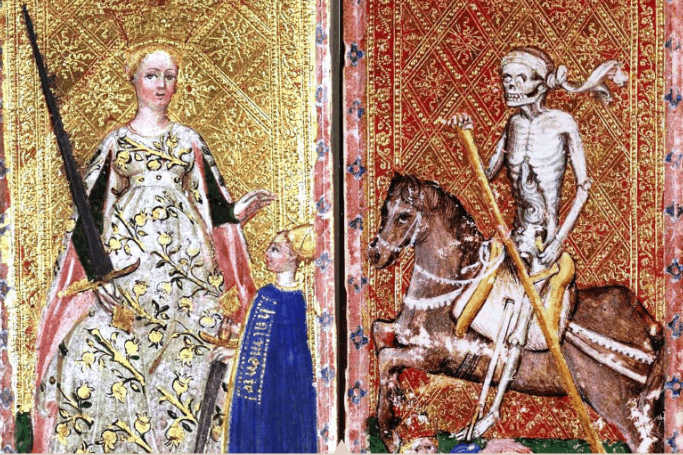



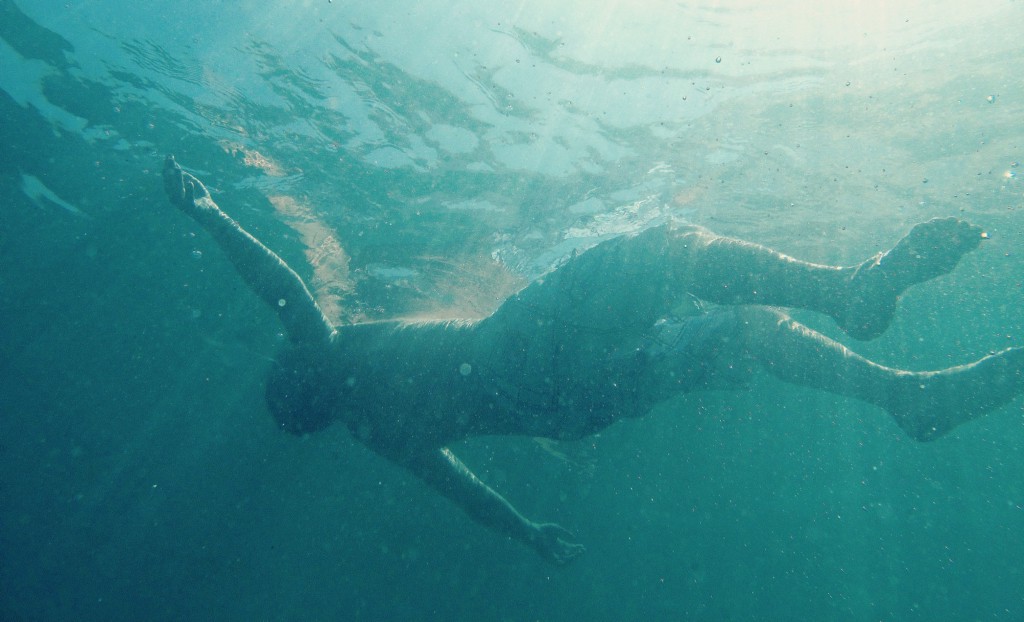

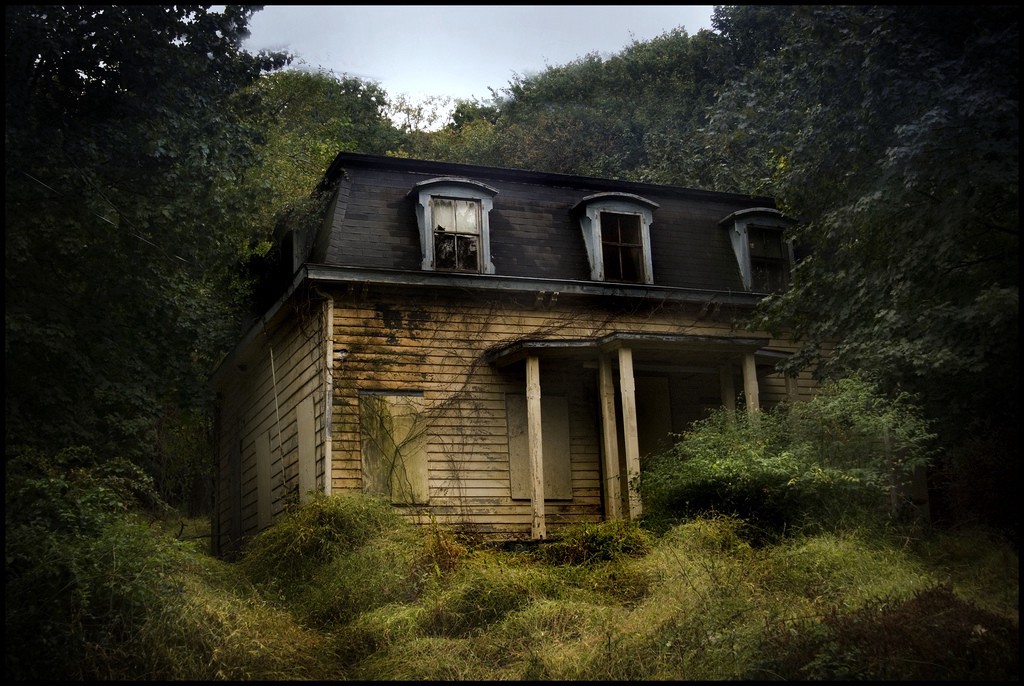
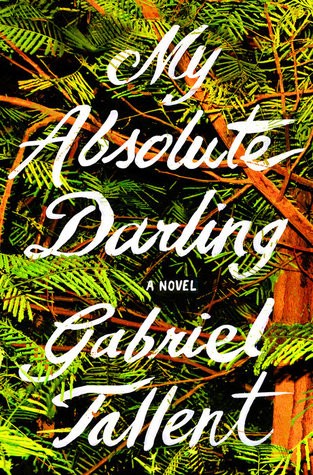


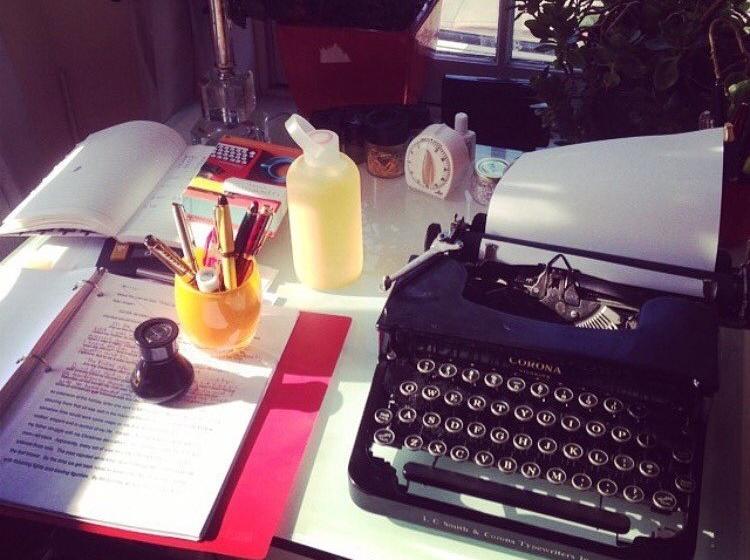
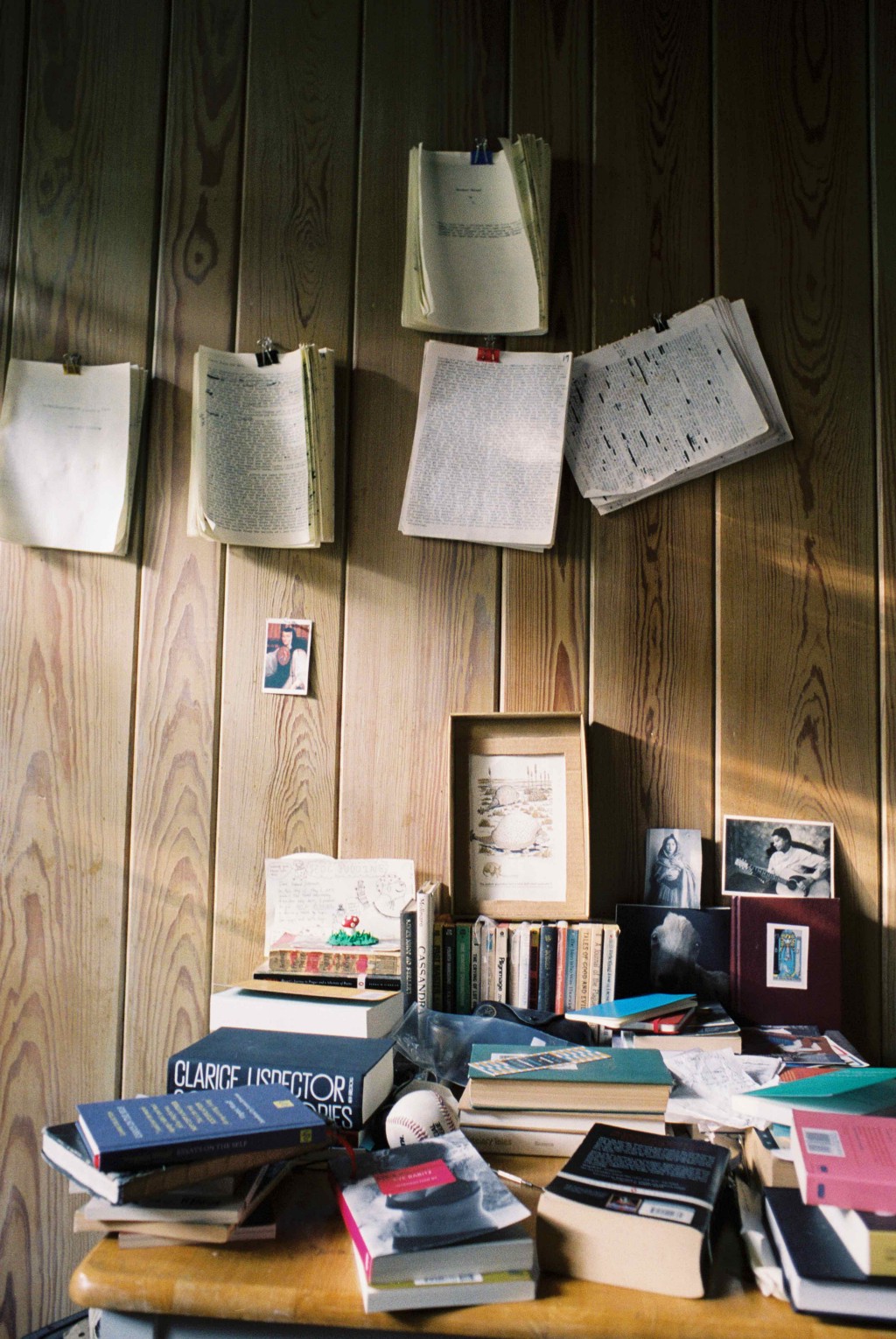


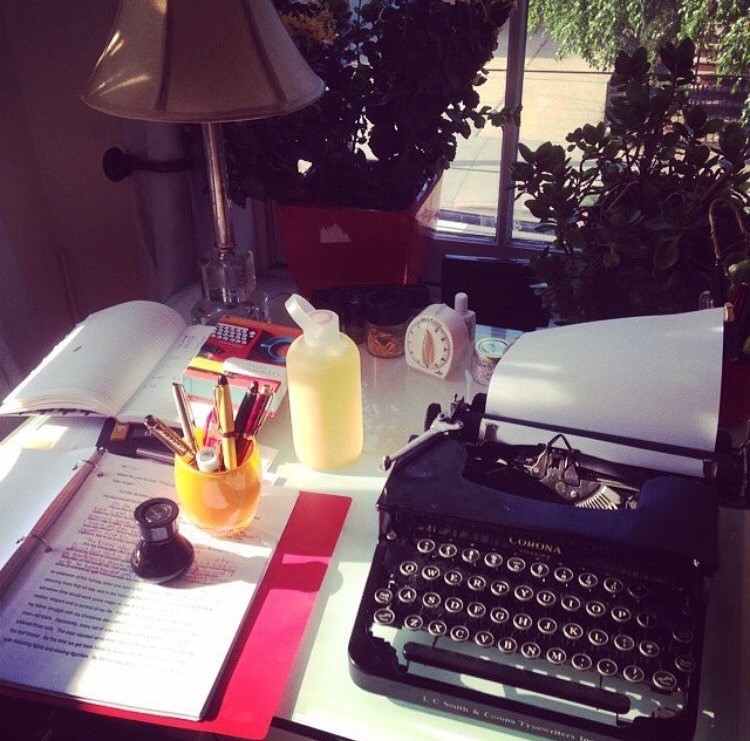

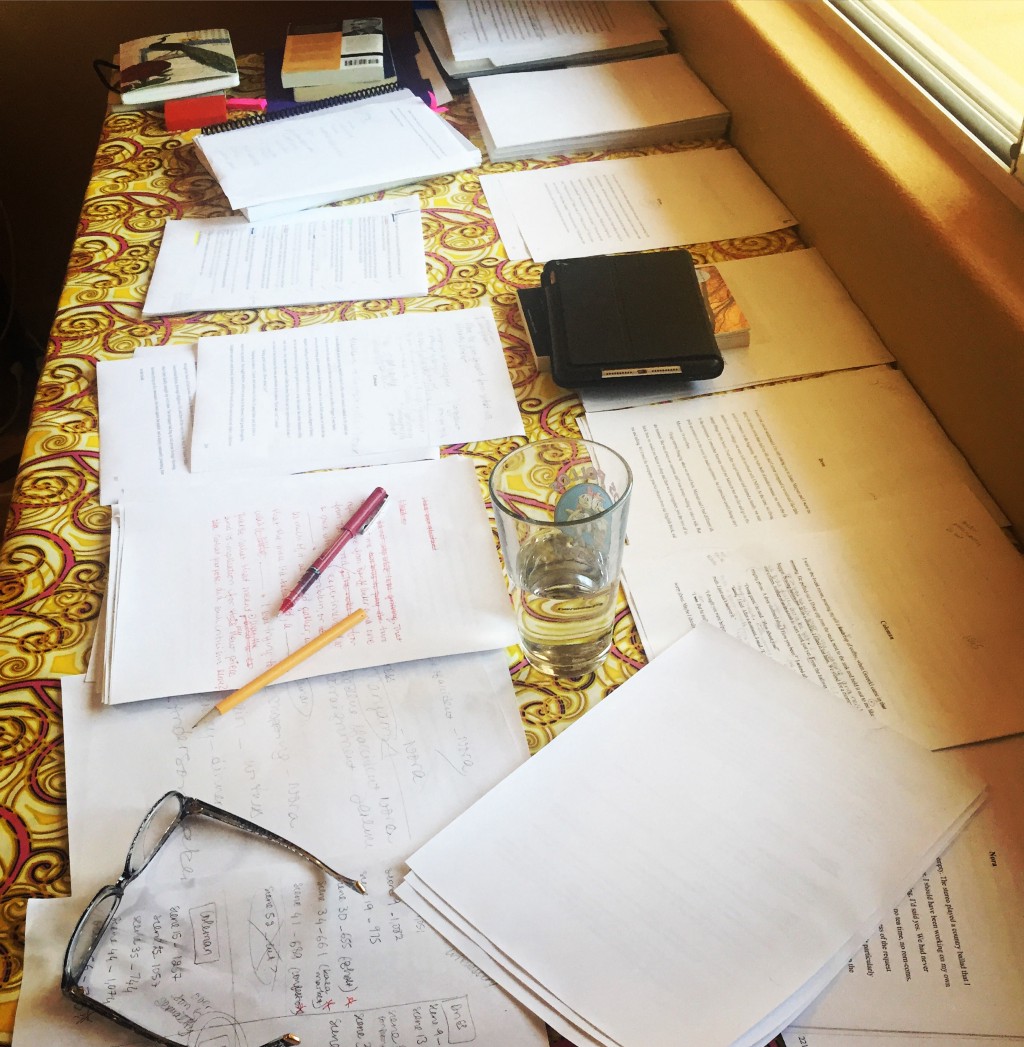
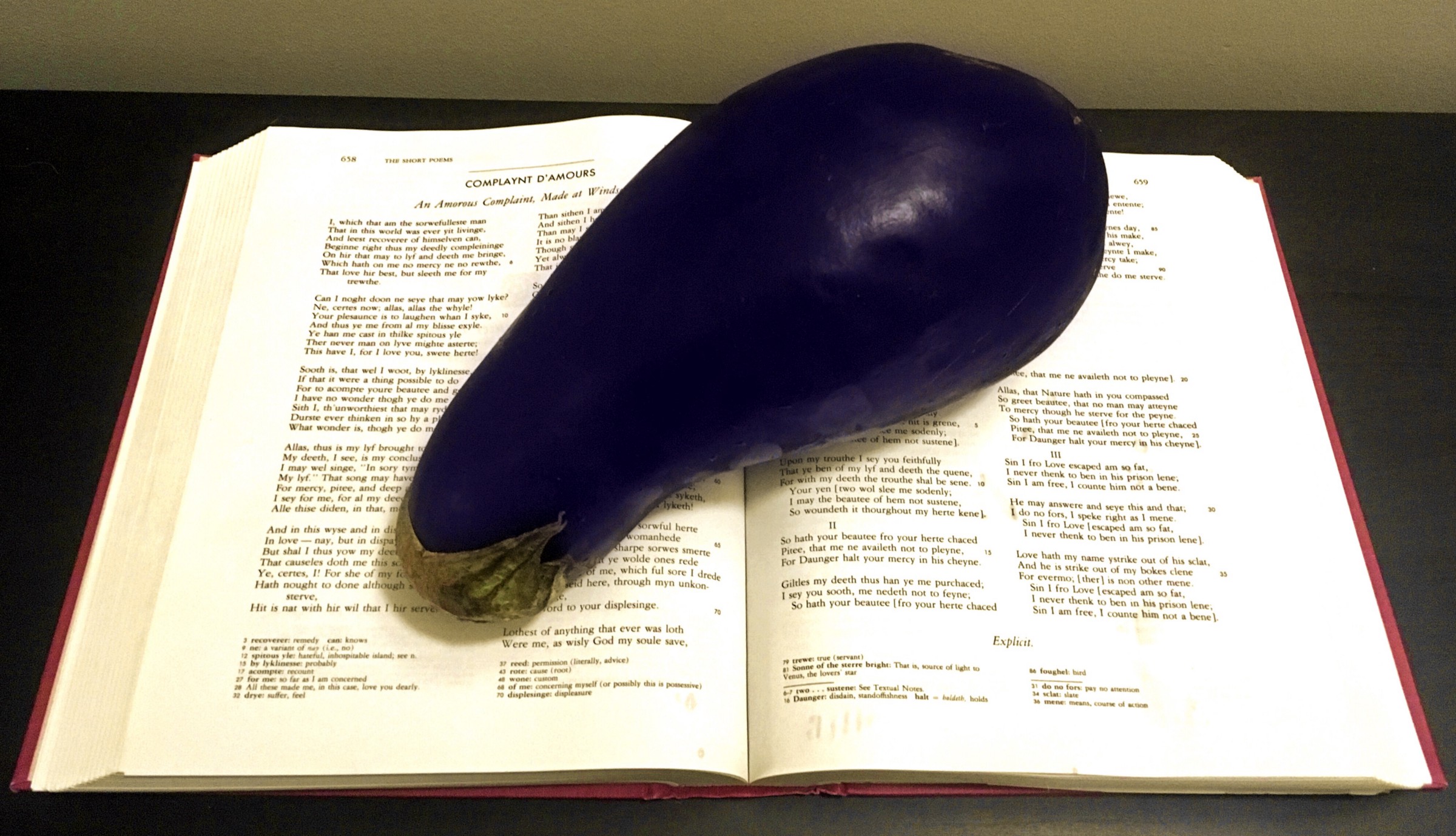


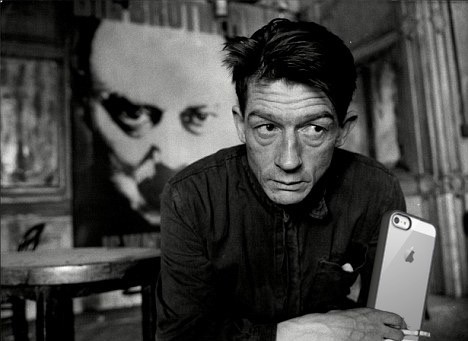

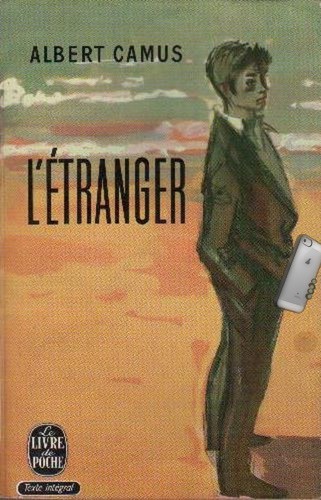

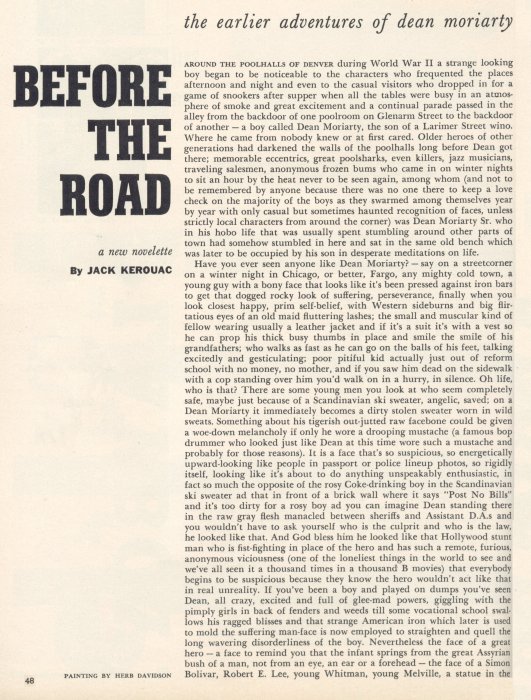


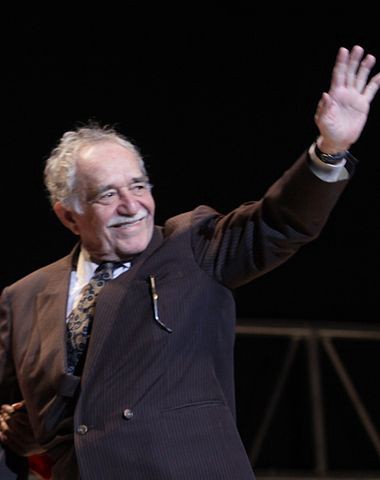
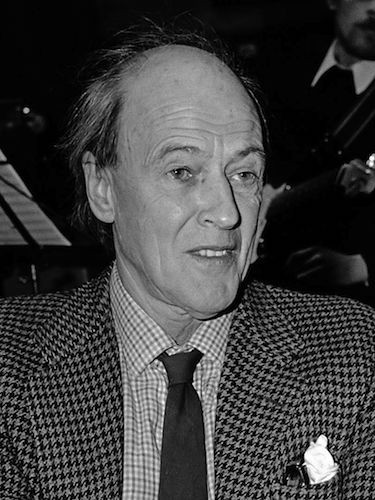

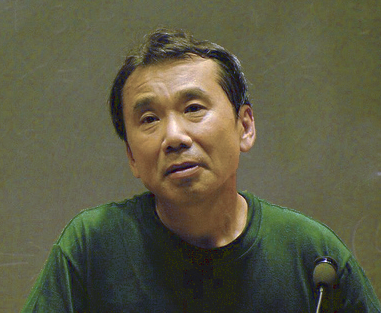


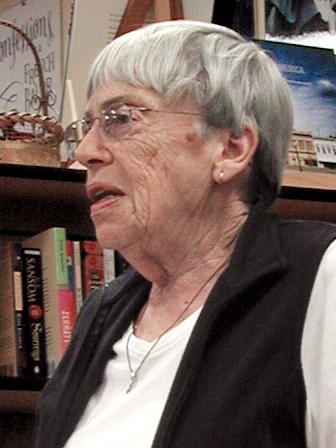
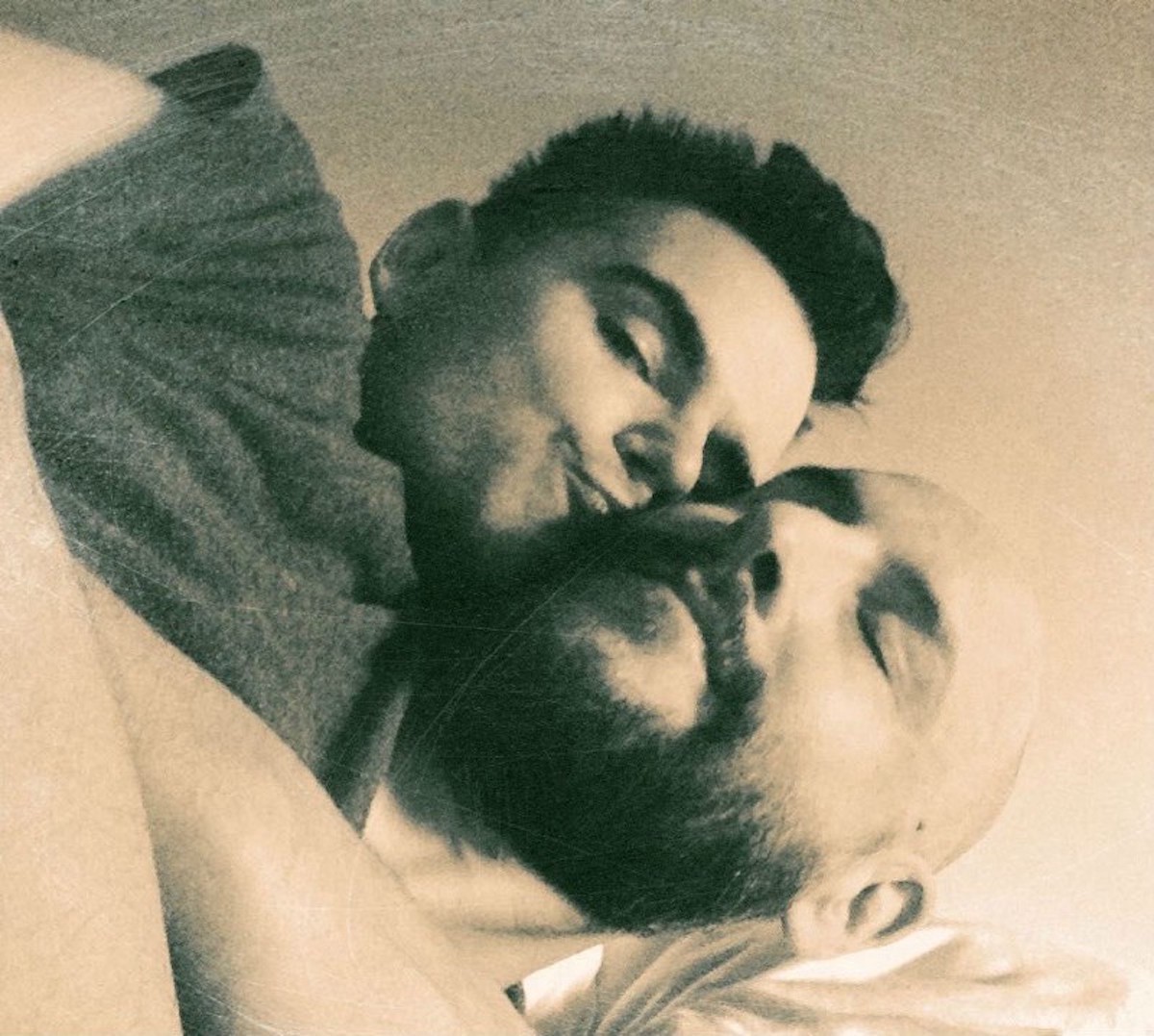


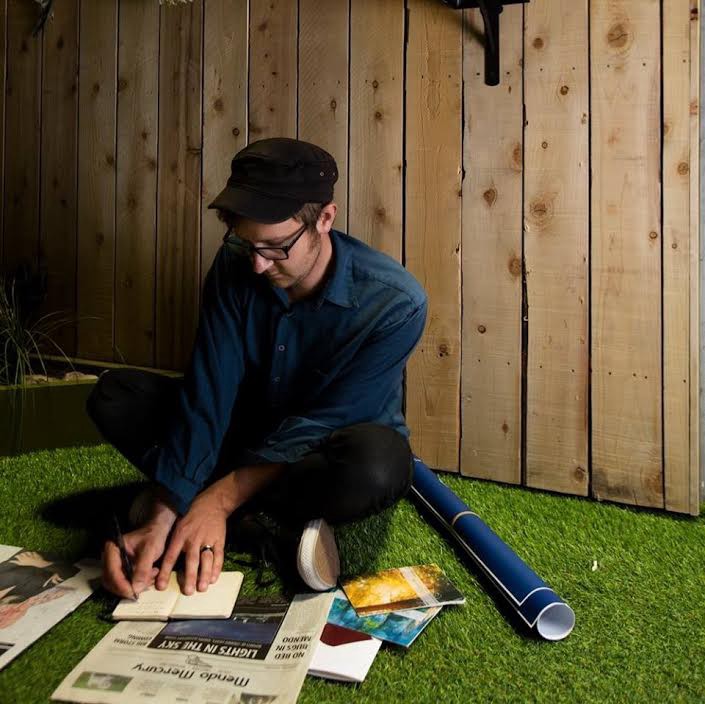


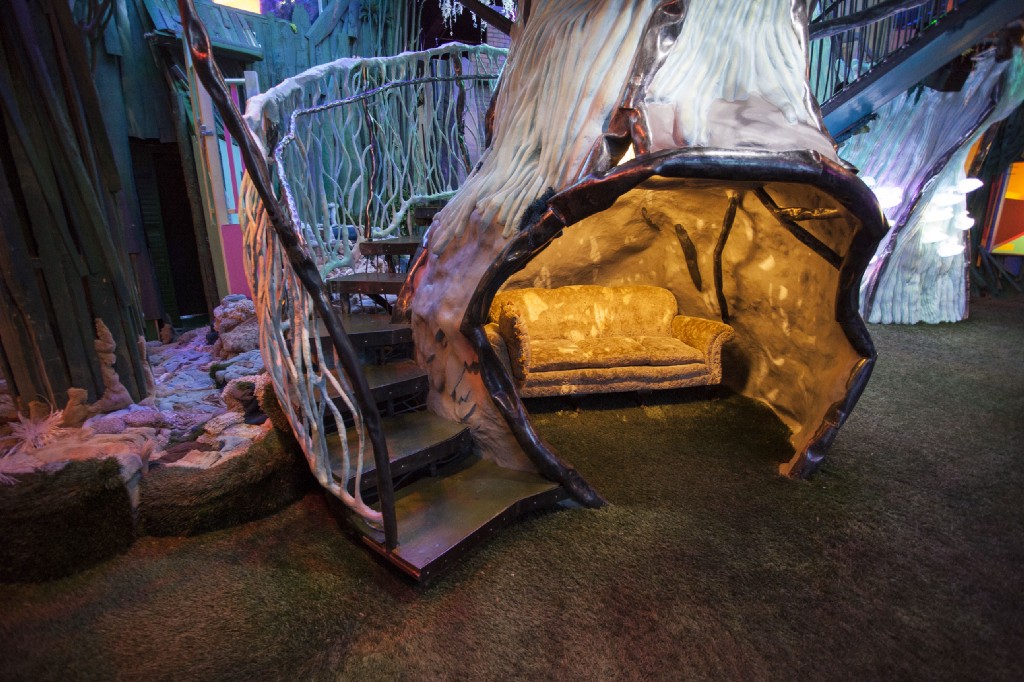


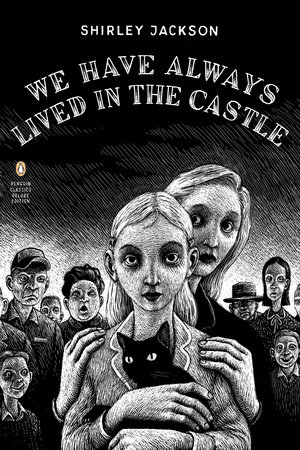
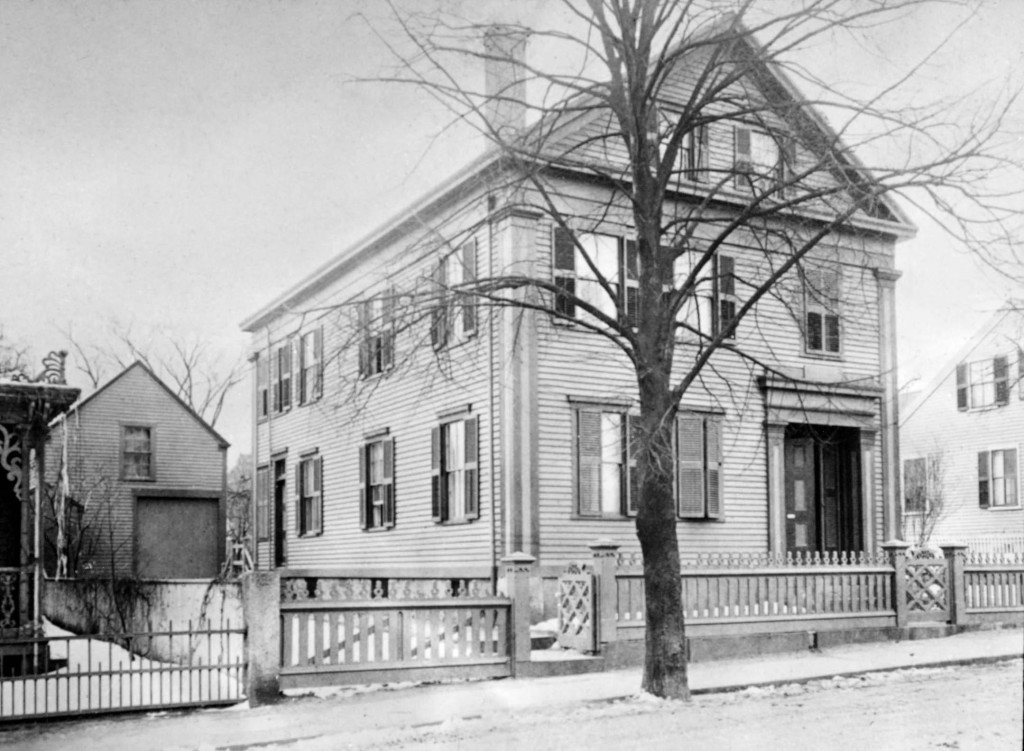




.jpg)
.jpg)
.jpg)




.JPG)