8 Stories by LGBTQ Women Writers From Around the World

Five years ago, my second collection of short stories, Amora, was published in Brazil to unexpected acclaim, taking home one of the country’s most important literary prizes. A surprise to everyone, not least of all me. The Prêmio Jabuti catapulted me into the limelight, making me a spokesperson for writing by LBTQ women. I was invited to give lectures and teach courses; I was asked about LBTQ women writers in Brazil and around the world, besides the ones everybody already knew about; I was pushed to name references, inspirations, and so on. Fierce nerd that I am, I decided to embark on a postdoc project to help me dig up some names. I called it “Lesbian Geographies,” and it riffs on a concept coined by Eduarda Ferreira and Kathe Browne in the field of Social Sciences and which I’ve applied to the study of literature, using geography to map and analyze the prose and poetry works of LBTQ women writers. When I first started I thought it would be easy. It was just a matter of finding works, adding them to a list, reading them. No biggie. I’d begin there and once I was done, start on the analysis. I was wrong. Today I’ve got more than four hundred names of women writers who’ve authored a crazy number of books, and I’ve encountered a wide range of genres and themes that have led me to rethink these geographies, to rethink the spaces these authors occupy in the world (media, market, audiences, etc.), as well as the poetic and fictional spaces they create. 

The word “amora” in Portuguese means blackberry, but it’s also a pun on the Portuguese word for love, “amor,” which is a masculine noun (go figure). Adding the particle “a” queers amor, making it feminine. Amora, is divided into two parts: “big and juicy” (short stories) and “small and tart” (prose poems) that depict lesbian protagonists of various ages and social backgrounds across a series of situations. Amora is not so much a book of love stories as it is a book showcasing multiple forms of affection as well as other scenarios rarely featured in mainstream Brazilian literature (with the exception of work by Cassandra Rios, who was truly a bestseller). My concern has always been to present lesbian protagonists in different contexts, not necessarily romantic ones, to move them beyond love in order to reveal their complexities and nuances in everyday circumstances. Amora was born not out of the references I was being asked to provide so much as their absence in my journey as a reader.

Below are some books and stories by LBTQ women writers from around the world that you can read in English. I hope they nourish you as much as they have nourished me.

Editor’s note: This article was translated from Portuguese to English by Julia Sanches.

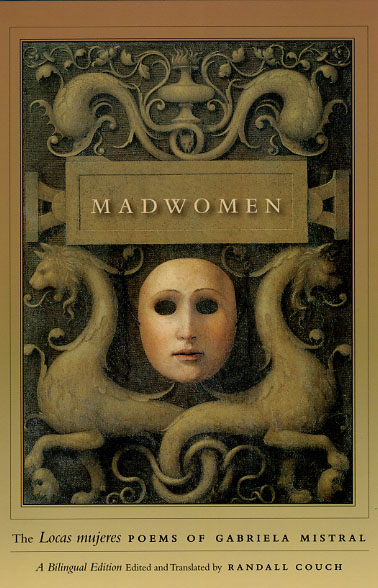
Madwomen: The "Locas mujeres" Poems of Gabriela Mistral, a ...

Madwomen: The “Locas Mujeres” Poems of Gabriela Mistral, translated from the Spanish by Randall Couch

A posthumous work edited and translated by Randall Couch, this volume highlights the worries and anxieties of Mistral as a poet and social worker. The madwomen portrayed here are intense, strong, and humane. Needless to say, Mistral was awarded the Nobel Prize for Literature in 1945. 

Yellow Rose from Flower Stories by Nobuko Yoshiya and translated from the Japanese by Sarah Frederick

A short story that in a way inaugurated the shōjo genre (stories written for girls), Yellow Rose follows Katsuragi Misao, a young college graduate who takes a teaching position at an all-girls school outside Tokyo so she won’t have to get married. On the train there she meets Urakami Reiko, a future student (even though she doesn’t know that yet). An immensely moving and imaginative narrative.

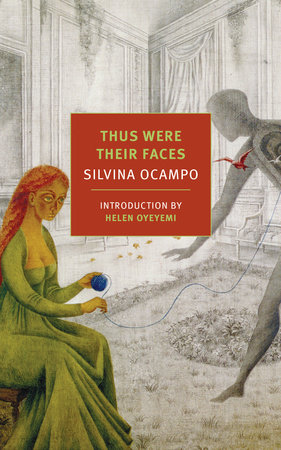
Thus Were Their Faces by Silvina Ocampo

Thus Were Their Faces by Silvina Ocampo, translated from the Spanish by Daniel Balderston

Thus Were Their Faces is a collection of forty-two insanely obscure yet marvelous stories written between 1937 and 1988. I read once that Silvina Ocampo creates a world that leaves readers dizzy and dazed with unfamiliarity, and I completely agree. If you like Borges and Cortázar. . . Except Silvina Ocampo is much better.

Notes of a Crocodile

Notes of a Crocodile by Qiu Miaojin, translated from the Chinese by Bonnie Huie

The book is narrated by a lesbian, but we don’t know exactly who she is, maybe because the book is set in the post-martial-law era of 1980s Taipei, when people were denied the right of assembly, free speech, and publication. I love a good coming-of-age story and this certainly is one. It follows a group of queer young misfits as they experiment with art and love, and discover the meaning of friendship.

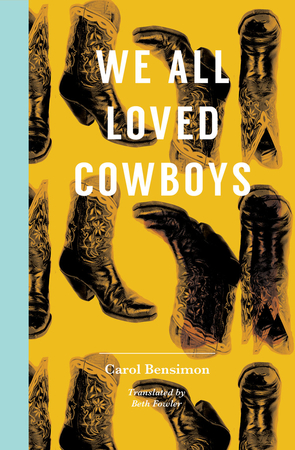
We All Loved Cowboys by Carol Bensimon, translated from the Portuguese by Beth Fowler

Coming-of-age meets on-the-road in this novel that follows Cora and Julia as they decide to go on a trip together to make peace after a fight that took place years ago. Along their journey, they realize they have to face the future, make plans, figure out who they are, and start their lives for real. If you want some non-cliché images of (southern) Brazil, this is a good place to start.

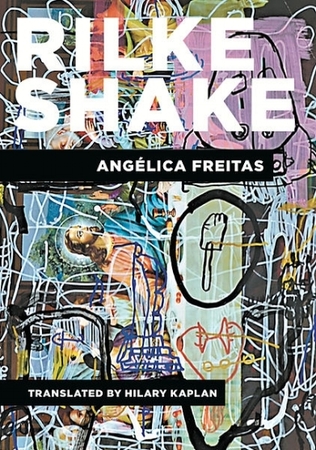
Rilke Shake by Angélica Freitas, translated from the Portuguese by Hilary Kaplan

A collection of fun, innovative, and daring poems. Angélica Freitas is one of my favorite contemporary Brazilian poets. Her books are a delightful mix of refinement (she references Gertrude Stein and Ezra Pound) and simplicity (she has Gertrude Stein take a bath and fart while she relaxes. What could be simpler?). 

Short Stories by LBTQ Brazilian Women Writers

There are a great deal of LBTQ women writers in Brazil, most of whom are published by small independent houses. But only a handful have been translated into English, a lot of it published in literary journals and online magazines.

The following are two writers I love. I’ve read everything they’ve ever written. None of their books have been translated into English yet, but you can read some of their writing at the links below. Here’s hoping this helps get some more Brazilian fiction in translation by LBTQ women writers out there.

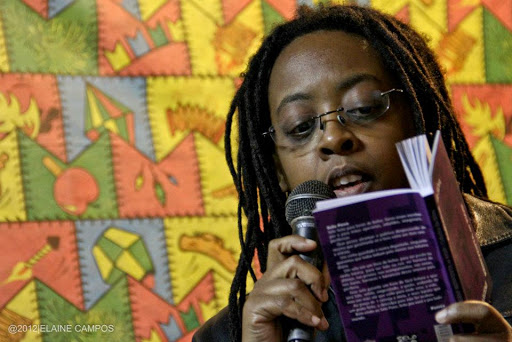
Blog da Cidinha
Photo by Elaine Campos

The Stunt Double” by Cidinha da Silva, translated from the Portuguese by JP Gritton

It bears mentioning that Cidinha da Silva’s prose is intricately bound to Orishas and the contemporary world. This is the story of a young boy who’s taken to see a psychiatrist on account of some strange games he had played. There he describes his dreams, which feature superheroes, iron men, and swords of justice, and says that he one day hopes his life will have that kind of meaning.

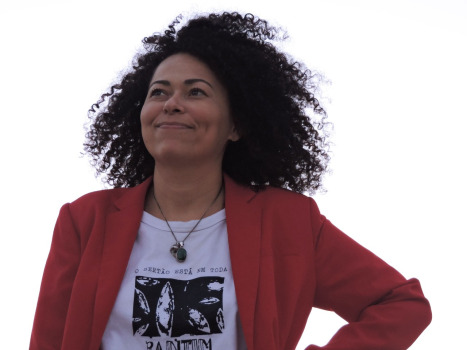
Luciany Aparecida_photo credit_Louise Queiroz

What Males Want” and “Sunday Dress” by Luciany Aparecida, translated from the Portuguese by Sarah Rebecca Kersley

You’ll learn a lot about Luciany Aparecida’s phenomenally interesting creative process from these pieces. In the first story, the narrator describes in detail her method of killing men twice a week, while the second is the story of a woman pregnant with her thirteenth child who decides she can’t bear to spend the rest of her life giving birth. 

10 Nonfiction Books on Why We Need to Defund the Police

Why have the police become one of the most common perpetrators of violence in today’s America, rather than a measure of safety? It has been made clear, over and over again, that the killing of George Floyd is far from one cop being “a bad apple.” We have seen police violence escalate, tear gas and rubber bullets used on peaceful protestors. We have seen that the U.S. policing system is deeply rooted in anti-Black, racist structures of power that uphold white supremacy. The past week’s events have shown us, once again, that our national crisis is beyond a matter of police reform; it is long past time that we hold the police accountable for their brutal actions, and start thinking of more viable options for our future.  

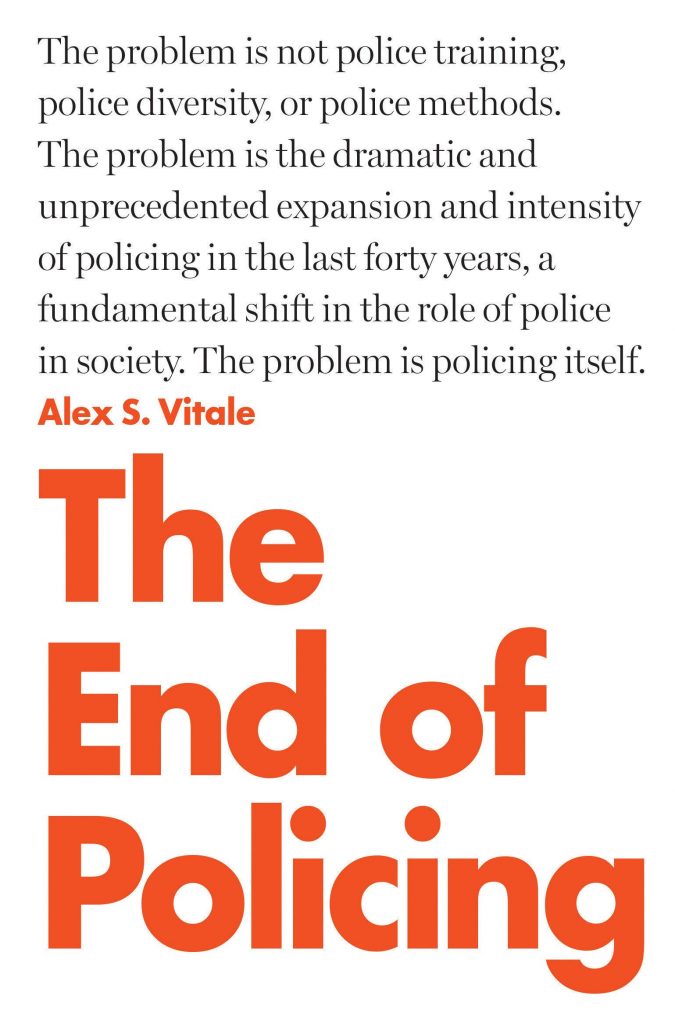
To quote Alex S. Vitale, author of The End of Policing: “It’s time for everyone to quit thinking that jailing one more killer cop will do anything to change the nature of American policing. We must move, instead, to significantly defund the police and redirect resources into community-based initiatives that can produce real safety and security without the violence and racism inherent in the criminal justice system.”

Although by no means comprehensive, here are ten books to start learning more about the U.S. police system—and why we should consider defunding the police. If you’re also moved to take action against police brutality, here is one list of compiled resources for supporting the cause. 

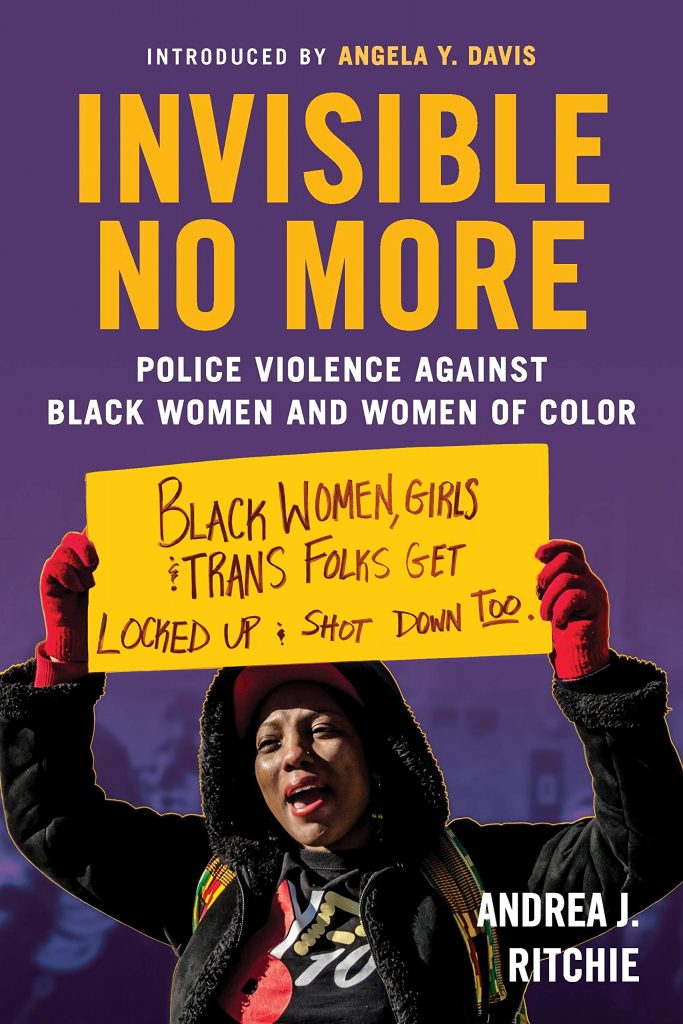
Invisible No More: Police Violence Against Black Women and Women of Color by Andrea Ritchie 

What stories, voices, and deaths are ignored by mainstream media? For example, police sexual violence is rarely punished, although, as Ritchie notes, it is the second most common police misconduct. Invisible No More meticulously documents how police brutality disproortionately affects women of color, drawing on real-life accounts from Black women, Indigenous women, trans women, non-binary people of color, and others. Ritchie, a police misconduct attorney and the author of Say Her Name: Resisting Police Brutality Against Black Women (2015), not only compiles a narrative of often-silenced voices, but also demands a radical re-approaching of what we define as “safety.” 

The End of Policing by Alex S. Vitale

It’s not enough, says sociologist Vitale, to educate, retrain, or otherwise reform police within our current system. It’s modern policing itself that’s the problem—police authority as we understand it is incompatible with the public good. Vitale examines a wide body of international research to argue for the abolition of policing and the implementation of alternatives like harm reduction and restorative justice. (PSA: Verso has made the e-book 100% free on their website. Open access for all!)

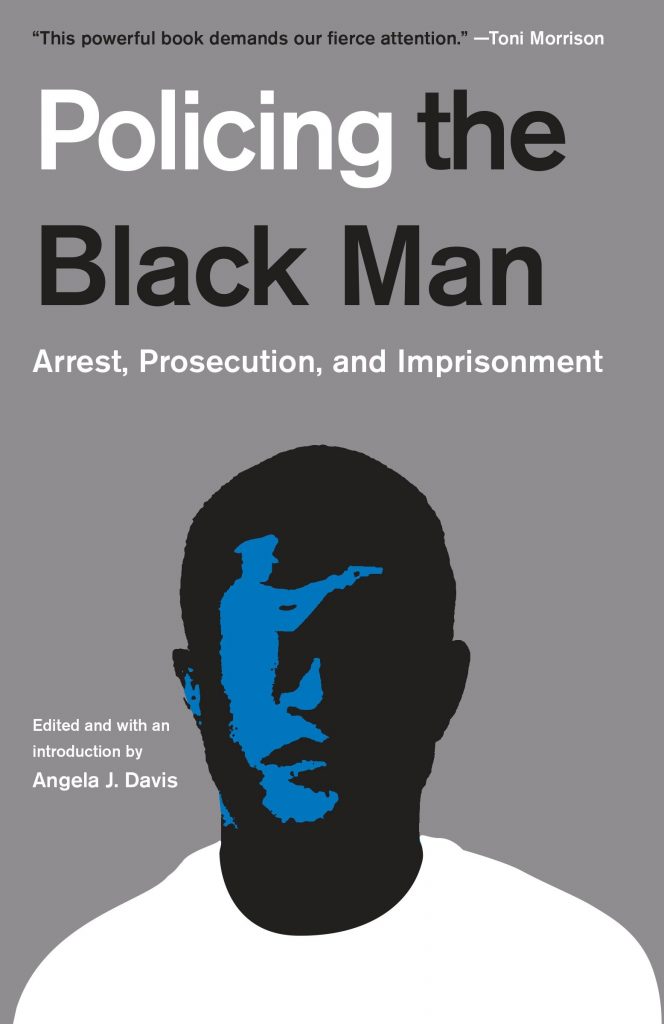
Policing the Black Man: Arrest, Prosecution, and Imprisonment, ed. Angela Davis

A discussion of racialized police brutality wouldn’t be complete without acknowledging the prison industrial complex; the two go hand in hand in persecuting—and frequently incarcerating—people of color, specifically Black men. In this well-researched yet approachable anthology, scholars come together to discuss the policing and mass incarceration of Black men. From legal analyses to historical contextualizations, racial profiling to implicit bias, the anthology covers a wide range of approaches and topics. 

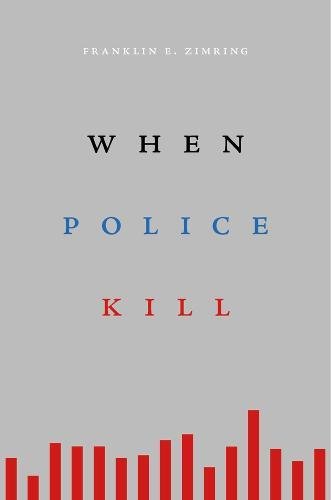
When Police Kill by Franklin Zimring

In 2017, when the book was published, approximately 1,000 people died every year from the police; in 2019, the statistic had not changed: 1,099 died from police shootings. Zimring, a UC Berkeley criminologist, provides a comprehensive, data-driven analysis of what exactly those numbers entail (Black people are twice as likely to be shot), why police shootings in the U.S. may vary from that in other countries, and how gun violence plays out within our police system. 

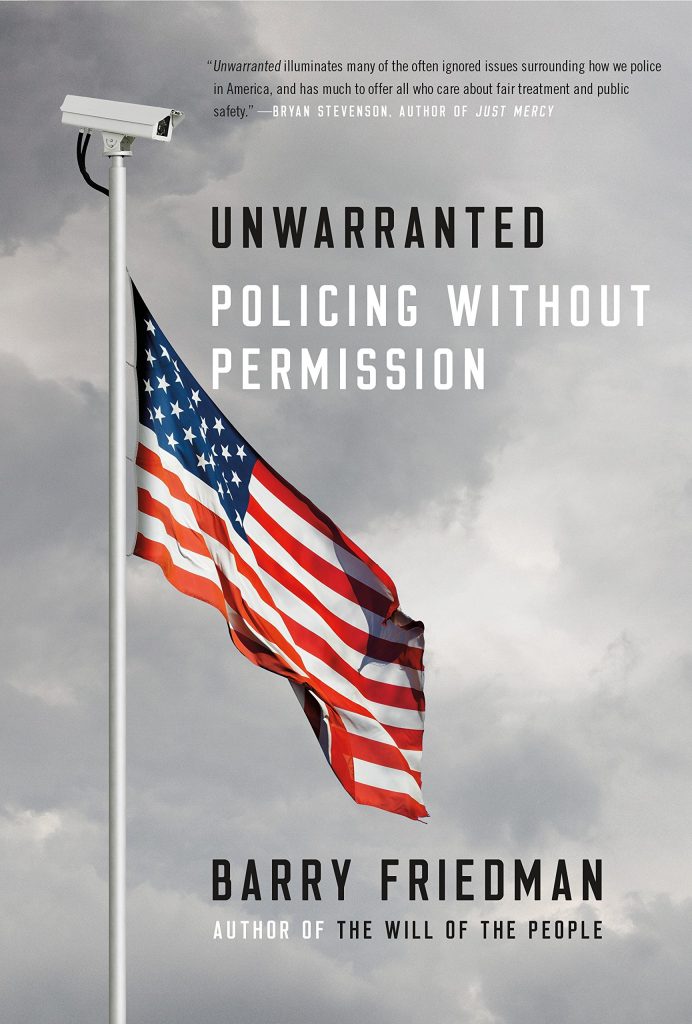
Unwarranted: Policing Without Permission by Barry Friedman

How has the rise of data surveillance and new technologies helped the police? Friedman, who is a constitutional lawyer, explores how the police often override the Fourth Amendment—the Constitutional rights “against unreasonable searches and seizures”—in the name of public defense. Friedman’s book shows how constant tracking and increased police militarization affect the lives of every U.S. resident. 

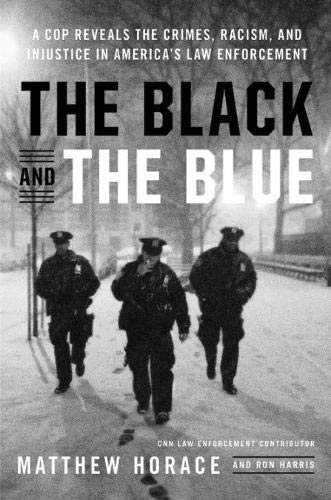
The Black and the Blue: A Cop Reveals the Crimes, Racism, and Injustice in America’s Law Enforcement by Matthew Horace and Ron Harris

“But aren’t there cops of color? Would they say that police are racist?” is a common retort one may hear. In The Black and the Blue, Matthew Horace describes his 28 years in the police department, rising through the ranks as a Black cop. But when a white colleague points a gun at his head, Horace realizes the extent to which racism is ingrained into the police system. Horace offers an insider’s account of the archaic power dynamics of the police, analyzing several publicized shootings and cases. 

Nobody: Casualties of America’s War on the Vulnerable, from Ferguson to Flint and Beyond by Marc Lamont Hill

The frequency with which police kill Black people means that it’s impossible to write a book about state-sanctioned violence in America without being immediately out of date. But in considering high-profile deaths from Trayvon Martin to Sandra Bland, Hill draws out truths about authoritative overreach, government neglect, and the wholesale disenfranchisement and exploitation of vulnerable communities that will still apply to the next tragedy (unless, of course, we abolish the police).

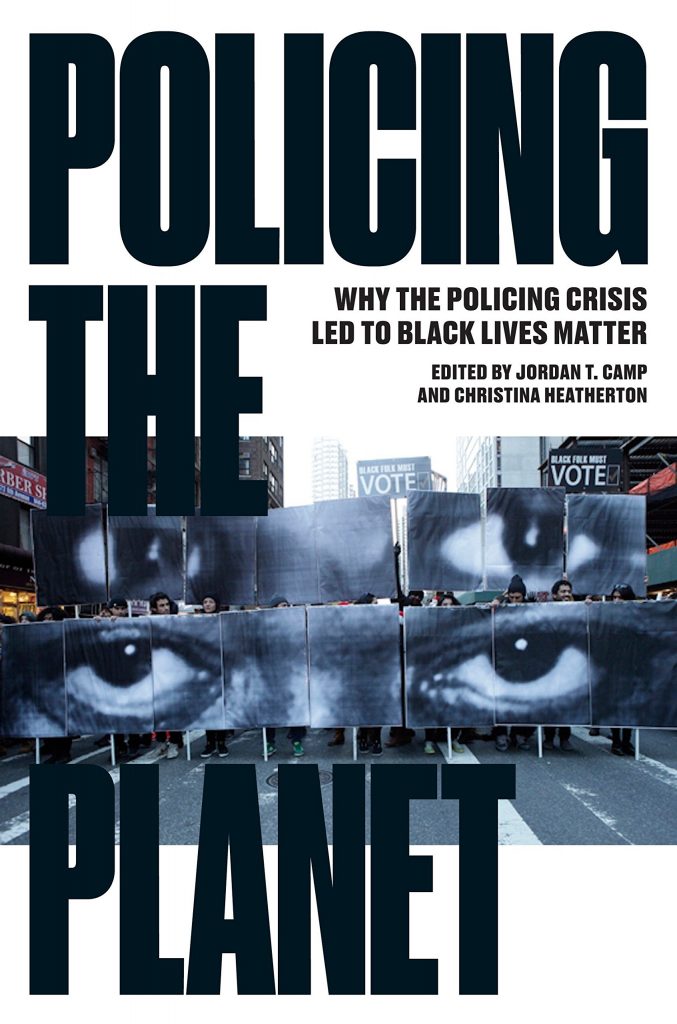
Policing the Planet: Why the Policing Crisis Led to Black Lives Matter, ed. Jordan D. Camp and Christina Heatherton

You may already know that the “broken windows” strategy of policing, focusing on strictly punishing petty crimes like graffiti and public drinking, drives a significant increase in police mistreatment of marginalized people, without clearly doing anything to prevent more serious crime. But how did this defective strategy spread, and how did it lead to crisis? Scholars, artists, and activists join together in this anthology to trace the failures of policing in America.

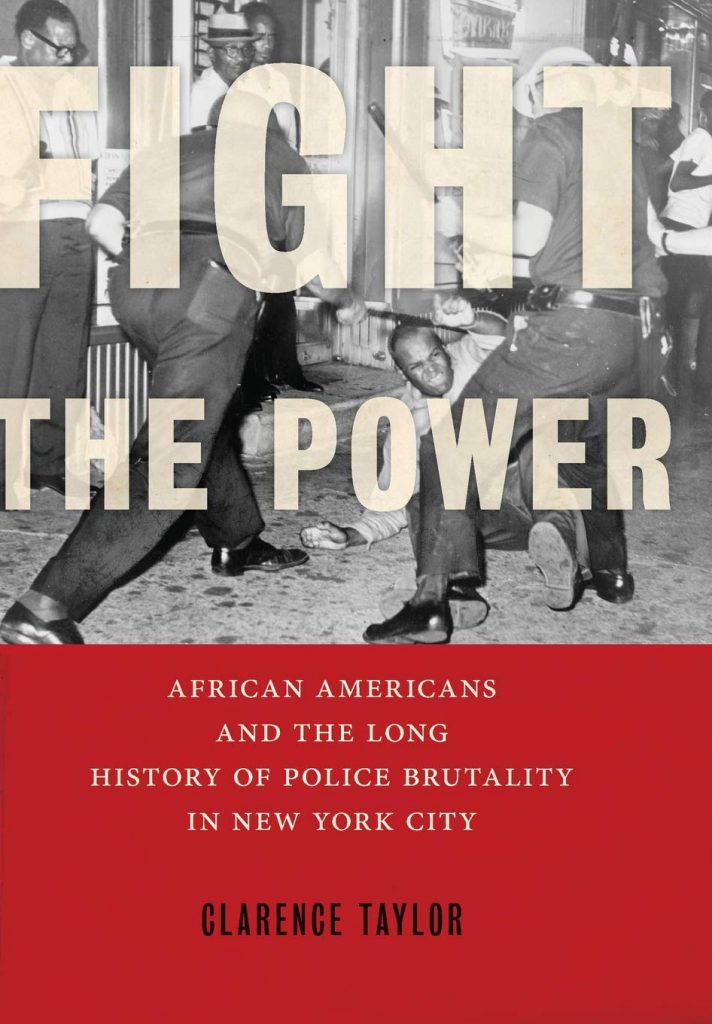
Fight the Power: African Americans and the Long History of Police Brutality in New York City by Clarence Taylor

To those who may view police brutality and grassroots movements for racial justice as a recent “trend,” Taylor’s book shows how they are part of an ongoing pattern. Focusing on New York City’s history from the 1940s onwards, Taylor contextualizes the New York Police Department’s violence and the various forms of Black community resistance that take place everywhere, from the church pews to the courtrooms to the streets. Drawing upon historical evidence, Fight the Power calls for a radical reduction of police power in New York. 

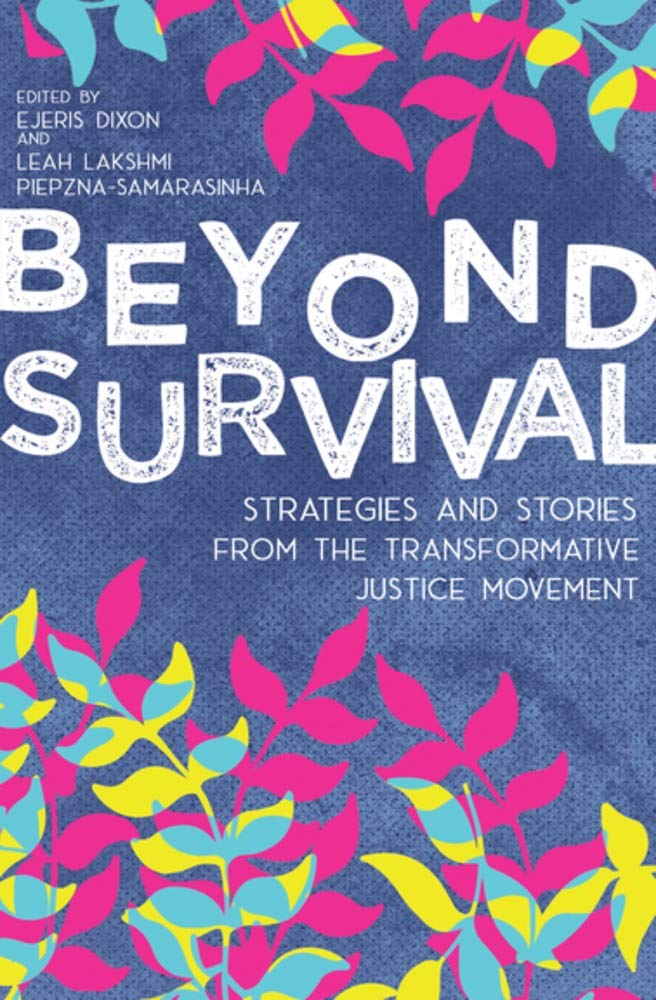
Beyond Survival: Strategies and Survival from the Transformative Justice Movement, ed. Ejeris Dixon & Leah Lakshmi Piepzna-Samarasinha

So yes, we say. Let’s defund the police. But what else can we do? In this collection,contributors write of “transformative justice,” a means of resolving violence on a community-based, grassroots level. The truth is, as Beyond Survival points out, there have been other ways of implementing accountability, redress, and equity in communities—practiced long before the implementation of our current-day police. Drawing upon a range of diverse voices, Beyond Survival outlines both concrete and creative ways we can redefine our system of justice. 

Any Friend of Pickles on Pizza is a Friend of Mine

An excerpt from Pizza Girl
by Jean Kyoung Frazier

Her name was Jenny Hauser and every Wednesday I put pickles on her pizza.

The first time she called in it’d been mid-June, the summer of 2011. I’d been at Eddie’s a little over a month. My uniform polo was green and orange and scratchy at the pits, people would loudly thank me and then tip me a dollar, at the end of shifts my hair reeked of garlic. Every hour I thought about quitting, but I was eighteen, didn’t know how to do much of anything, eleven weeks pregnant.

At least it got me out of the house.

The morning she’d called, Mom hugged me four times, Billy five, all before I’d pulled on my socks and poured milk over my cereal. They hurled “I love yous” against my  back as I fast-walked out the front door. Some days, I wanted to turn around and hug them back. On others, I wanted to punch them straight in the face, run away to Thailand, Hawaii, Myrtle Beach, somewhere with sun and ocean.

I thank god that Darryl’s boyfriend fucked a Walgreens checkout girl.

If Darryl’s boyfriend had been kind, loyal, kept his dick in his pants, I wouldn’t have answered the phone that  day. Darryl could make small talk with a tree, had a laugh that made shoulders relax—he manned the counter and answered the phones, I just waited for addresses and drove the warm boxes to their homes.

But Darryl’s boyfriend was having a quarter-life crisis. Ketchup no longer tasted right, law school was starting to give him headaches, at night he lay awake next to the man he loved and counted sheep, 202, 203, 204, tried not to  ask the question that had ruined his favorite condiment, spoiled his dreams, replaced sleep with sheep—is this it? One day, he walked into a Walgreens to buy a pack of gum and was greeted by a smile and a pair of D cups. The next day, Darryl spent most of his shift curbside, yelling into his phone. The front door was wide open, and I tried not to listen, but failed.

“On our first date you told me that even the word ‘pussy’ made you feel like you needed a shower.”

It was the slowest part of the day. A quarter past three. Too late for lunch, too early for dinner, pizza was heavy for a mid-afternoon snack. The place was empty except for me and the three cooks. They waved hello and goodbye and not much else. I couldn’t tell if they didn’t speak English or if they just didn’t want to speak to me.

“You know you’ve ruined Walgreens for me, right? I’m going to have to drive ten extra minutes now and go to the CVS to get my Twizzlers. God damn it, you know that I can’t get through a day without my fucking Twizzlers.”

I was sitting on an empty table, turning paper napkins into birds and stars and listening to my iPod at a volume that allowed me to think, but not too deeply. I couldn’t remember the name of the boy I used to share Cheetos with in first grade. I wondered if I had ever used every drop of a pen’s ink. All shades of blue made my chest warm. Our boss, Peter, napped around this time. Every day, at 3:00 p.m. without fail, he’d close his office door and ask us to please, please not fuck anything up. We never fucked anything up. We also didn’t get much done. I stared at a large puddle of orange soda on the floor and made a paper-napkin man to sit among the birds and the stars. “Oh God, tell me you wore a condom.”

The phone rang then. I was about to call for Darryl. He started shouting about abortion.

I’d be lying if I said I don’t look back on this moment and feel its weight. I could’ve just let it ring—no one would’ve known. I didn’t. I hopped off the table, walked to the counter, picked up the phone, and heard her voice for the first time.

“So—have you ever had the kind of week where every afternoon seems to last for hours?” Her voice was heavy, quivering, the sound of genuine desperation. Before I could reply, the woman kept talking. “Like, you’ll water your plants, fold your laundry, make your kid a snack, vacuum  the rug, read a couple articles, watch some TV, call your mom, wash your face, maybe do some ab exercises to get the blood pumping, and then you’ll check the clock and thirteen minutes have passed. You know?”

I opened my mouth, but she kept on going.

“And it’s only Wednesday! I’m insane, I know. I’m insane.

But do you know what I mean?”

I waited a few beats to make sure she was done. Her breathing was loud and labored.

“Um, yeah,” I said. “I guess.”

“Yes! So—you’ll help me?”

I frowned, started ripping up an old receipt. “I think you may have the wrong number.”

“Is this Eddie’s?”

“Oh, yeah. It is.”

“Then this is exactly the right number. You’re the only person who can help me.”

I remember shivering, wanting to wrap this woman in a blanket and make her a hot chocolate, fuck up anyone that even looked at her funny. “Okay, what can I do?”

“I need a large pepperoni-and-pickles pizza or my son will not eat.”

“I can put in an order for a large pepperoni pizza. We don’t have pickles as a topping, though.”

“I know you don’t. Nowhere out here does,” she said. “You’re the sixth place I’ve called.”

“So what are you asking?” I rubbed my lower back. It had been aching inexplicably the past couple of weeks. I figured it was the baby’s fault.

“We just moved here a month ago from North Dakota.

My husband got an amazing job offer and we love it here, all the palm trees, but our son, Adam, hates Los Angeles. He misses home, his friends, he doesn’t get along with his new baseball coach.” She sighed.

She continued: “He’s on a hunger strike. A couple days ago he came up to me and said, ‘Mommy, I’m not eating a damn thing until we go back to Bismarck.’ Can you believe that? Who has ever said that? Who likes Bismarck? And that potty mouth! Seven years old and already talking like a fucking sailor. How does that happen?”

I wasn’t even sure if she was talking to me anymore. I looked at the clock and saw that I’d been on the phone for over five minutes. It was the longest conversation I’d had with someone other than Mom or Billy in weeks. Darryl too, I guess, but that felt like it didn’t count.

“I’m sorry,” I said, “I just still don’t understand how I can help with this.”

“There was this pizza place back home that used to make the best pepperoni-and-pickles pizza. I swear, I’ve tried doing it myself, just ordering a regular old pepperoni pizza and putting the pickles on after. He said it wasn’t right, and when I asked him what wasn’t right about it, he just kept saying, ‘It’s not right,’ over and over, louder and louder, and wouldn’t stop until I yelled over him, ‘Okay, you’re right! It’s not right!’ ” She paused. “I just thought maybe if I could get him that pizza, something that reminded him of home, this silly hunger strike could end and he could start to love Los Angeles.”

There was a long pause. I would’ve thought she’d hung up if not for that loud, labored breathing.

When she spoke again, her voice was softer. I thought of birds with broken wings, glass vases so beautiful and fragile I was afraid to look at them for too long. “It just feels like I’ve been failing a lot lately,” she said. “I can’t even get dinner right.”

I thought of a night two years ago. Dad was still alive and living with us. The Bears game had just started. He wasn’t drunk yet, but by halftime he’d have finished at least a six-pack. Some nights, I was the best thing that ever happened to him, his pride, his joy; he talked often of buying us plane tickets to New York City and taking me to the top of the Empire State Building. On other nights, I was   a dumb bitch, a waste of space; sometimes he’d throw his empties at me. I didn’t want to find out what type of night it was. My window opened out onto the roof. I climbed out of it to sit and smoke, try to find stars in the sky. I was about to light up when I looked down and saw Mom’s car pull into the driveway.

I watched as she took the key from the ignition, killed the lights. I waited for her to come inside. She didn’t. She sat in the driver’s seat, just sat. Five minutes went by and she was still sitting, staring out the windshield. I wondered what she was staring at, if she actually was staring at anything, or if she was just thinking, or maybe trying not to think, just having a moment when nothing moved or mattered—I wished that she was at least listening to music. She sat and stared another ten minutes before going inside.

There was a supermarket not far from Eddie’s. Pickles were cheap. “What’s your address?” I asked.

The cooks eyed me funny when I came into  the  kitchen with a brown paper bag. They looked only slightly less nervous when I pulled a pickle jar out of it.

“It’s okay,” I said. “I’m just helping this lady out.” They stared blankly at me.

“Her kid isn’t eating.” Silence.

“Can you guys get me a large pepperoni?”

They looked at each other, shrugged, and started pulling the dough. I chopped a couple pickles into uneven slices and wedged myself between the cooks, sprinkled the pickles over the sauce, cheese, and meat. I told myself that it only looked off because it was raw, but the cooks didn’t seem to know what to make of it either. One sniffed it, another laughed, the third just stared and scratched his head. They eventually shrugged again and put the pizza in the oven.

While I waited, I walked out of the kitchen and to the front of the shop. Darryl was off the phone and back inside, pouring rum into a soda cup. We stared at each other for  a moment. His eyes were red and puffy; his face looked strange without a smile.

I coughed, just for something to do. “Any calls?”

“Just one,” he said. “Midway through, the guy decided he wanted Chinese and hung up.”

“Cool. I picked up one while you were—when you—” I coughed again. “Cool.”

I thought about asking him if he was okay, decided to mop the floor instead. Peter would be waking up soon and didn’t need much to start yelling at us. Darryl sipped his drink and wiped down the counter.

I mopped half the shop before my mind began to wander. There was a slip of paper in the back left pocket of my jeans with an address and the name Jenny Hauser scribbled above it.

“I’m Jenny, by the way. Jenny Hauser,” she’d said after she thanked me for the third time. “My grandma also had the same name. I don’t remember much about her except that she made real good rhubarb pie and hated black people.”

I’d thought she sounded too old to be a Jenny. She should be a Jen or a firm Jennifer—Jenny had a ponytail and scrapes on her knees, liked the crusts cut off of her PB and J’s, fought with her mom but always apologized, had never really been in love but had plenty of crushes on boys in her class, teachers who showed her kindness, Jenny believed in God and Kenny Chesney—I couldn’t stop imagining what she looked like.

“Yo,” Darryl hollered. “Order up.”

My dad didn’t have any money to leave us. He did have a ’99 Ford Festiva.

The paint job was faded, the driver’s door dented; there was a questionable yellow stain on the back seat; the A/C was broken, stuck on high, freezing air pumped through the car, even in the winter. Simply put, the car was a piece of shit.

I’d told Mom we should sell it for parts, take whatever we could get. She shook her head and said she couldn’t, she remembered him bringing it home for the first time. “He looked so handsome stepping out of it. He bought me flowers too,” she said. “Sunflowers.” I didn’t remember that. I did remember him teaching me to drive in it. He’d smoke and sip from his red thermos, flick ashes on me whenever I drove too slow or forgot to signal. Once, I sideswiped a car in a Popeyes parking lot and he made me iron his shirts and shine his shoes every Sunday night for a month.

When Mom got a new car last year—a used ’07 Toyota Camry that didn’t have dents or stains or broken radios, was a sleek shiny silver—she dropped the keys to the Festiva on my bedside table. I let the car sit in front of the house a week before I lost all willpower.

I spent that whole day driving, every song sounded good on full blast. It was a Los Angeles winter day, seventy and cloudless. Everything looked crisp and clean through the windshield. The full gas tank and the open road made my fingers and toes tingle. A man was selling oranges on the shoulder of a highway. I bought four bags and shouted along with a song that was about a girl and a goat and Missoula, Montana.

The radio was off when I was driving to Jenny’s house for the first time. My palms were sweaty against the steering wheel and I had that tight-chest feeling I sometimes got when I drank too much coffee. I hadn’t had any coffee for over a week. Billy said it was bad for the baby, he didn’t want to have a little girl or boy with twelve toes and poor reading skills.

The address took me to a nice part of town where all the homes were big and uniform with perfectly mowed front lawns. I saw three different golden retrievers being walked by three different women in tracksuits before I pulled up to her home. I was relieved to see that, though her home was big, it didn’t annoy me. It was one of the smaller ones on the block, and her lawn was slightly overgrown and yellowing in some places.

The coffee chest–feeling increased as I stepped out of my car and started walking to the front door. I appreciated then how good I felt on a daily basis, calm and centered, how little fazed me, my ability to walk tall and look straight ahead. Three weeks ago I peed on a stick, and when the little pink plus winked up at me, I walked downstairs, opened the freezer, and ate a Popsicle, thought about what I wanted to watch that night, a rom-com or an action movie—both would have broad-chested dudes, did I want to cry or see shit get blown up?

There was sweat in places I didn’t know I could sweat. I was confused why this instance of all instances was making me damp behind the knees, between my toes. As I knocked on Jenny’s door, three times hard, I reminded myself that she was just some lady with some kid. Then she opened the door and I wanted to take her hand and invite her to come with me whenever I ran away to Myrtle Beach.

Fiction By Contemporary Black Authors About Navigating White Supremacy

For those who have not been on the receiving end of the systemic violence of racism, and who are therefore responsible for dismantling it, the work begins with listening to the voices and experiences of those who have. For those who are subject to anti-Blackness every day, it can be valuable to see your experience reflected and understood. Either way, fiction offers a rich medium through which to explore themes as complex and weighty as navigating white supremacy as a Black person in contemporary America. If you’re looking to dive deeper into this subject, seeking either kinship or education, consider one of the following novels or story collections by contemporary Black authors who tackle it head on. 

Sing, Unburied, Sing by Jesmyn Ward 

Jesmyn Ward’s 2017 National Book Award winning novel belongs to the tradition of New Black Gothic; while there are literal ghosts in the story, what also haunts Ward’s Black characters is whiteness, white supremacy, and an intergenerational legacy of racial violence. Leonie and her 13-year-old son Jojo, both haunted by ghosts who have lost their lives to white violence, take a road trip across Mississippi (with Jojo’s toddler-age sister in tow) to pick up their father from the state penitentiary, a swampy odyssey fraught with dangers such as couriering meth and being stopped by racist white police officers.

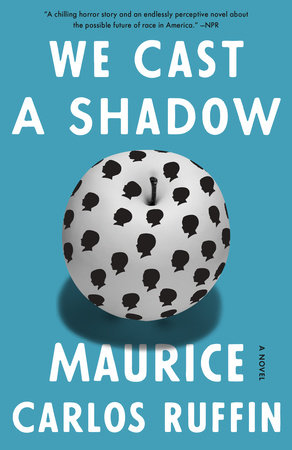
We Cast a Shadow by Maurice Carlos Ruffin

We Cast a Shadow by Maurice Carlos Ruffin

What lengths will a father go to to protect his son from racism? An associate attorney at a law firm (and only Black member of the company’s diversity committee) worries about the growing black birthmark on his biracial son that will not fade even with the burn of skin-bleaching creams. Wanting a better life for his son than the bleak fate of prison or poverty that awaits Black men in a near-future hyper-racist American South, the unnamed protagonist struggles to get ahead at his job, so he can afford an expensive experimental “demelanization” treatment that will turn his son completely white.

Lakewood by Megan Giddings 

Medicine has often seen black bodies as subjects rather than patients—think the Tuskegee experiment, or Henrietta Lacks. Lakewood moves this historical reality into speculative fiction with the story of Lena Johnson, a young woman who signs up for a research study so she can get money and health insurance for her family. The sinister experiments she undergoes at the Lakewood Project are deeply rooted in Black Americans’ real-life experiences with medical research.

God Help the Child by Toni Morrison

God Help the Child by Toni Morrison

Nobel Prize winner Toni Morrison’s 2015 novel is a contemporary fairy tale about a girl, Lula Ann Bridewell, who is born such a dark shade of black that her mother will not touch her. It’s an exploration of the destructive effects of colorism—white supremacy turned inward on the Black community—by one of our most important Black authors.

Friday Black by Nana Kwame Adjei-Brenyah

Reading the surreal-yet-hyperreal stories of Friday Black is less upsetting than living in a country shaped by white supremacy, but only a little less. Gut-punching, unsparing, and weirdly funny, Adjei-Brenyah’s creations include a nightmarish zombified shopping mall, a cohort of young Black men dealing out vigilante revenge for a chainsaw massacre, and a theme park where white people go to hunt Black teens. 

Such a Fun Age by Kiley Reid

Such a Fun Age by Kiley Reid 

Emira Tucker, a young Black nanny, is at a fancy grocery store with her white charge when she is stopped by a security guard who accuses her of kidnapping 2-year-old Briar. But the novel isn’t about that. It’s about how seemingly-progressive white people use Black people as props to look “woke” and “cool.” It’s about the burden of constantly having to navigate the white gaze as a POC just trying to live your life.   

Real Life by Brandon Taylor

Real Life by Brandon Taylor

Electric Lit senior editor Brandon Taylor’s debut novel follows Wallace, a gay Black graduate student from Alabama in a Biology Ph.D. program at an overwhelmingly white midwestern university. Wallace must navigate a lonely landscape filled with racist microaggressions from supervisors, colleagues, and supposed friends, including a white female labmate who might be intentionally sabotaging his work in order to cover up her own inadequacies by casting herself as a victim. His at times tender, at times troubling new sexual relationship with fellow grad student Miller leads him to revisit painful memories from his past, while he contemplates whether he wants to spend his future in this academic world.

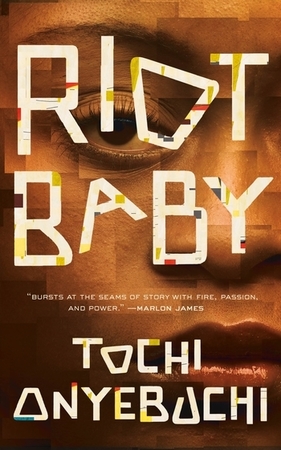
Riot Baby by Tochi Onyebuchi 

In this streamlined but powerful novel, a young Black woman is both protected and tormented by her supernatural powers. Ella can see the past and future, read minds, astral project, turn invisible, and move or destroy things with her mind—but for a Black American in a racist dystopian society that’s only getting worse, seeing the past and future is a burden. When Ella’s brother Kev, born during the 1992 L.A. riots, is arrested unjustly, Ella’s powers spur her towards revolution.

Welcome to Braggsville by T. Geronimo Johnson

D’aron, the protagonist of Johnson’s novel, grows up in the small Georgia town of Braggsville, suffering homophobic abuse before escaping to the more tolerant environs of the University of California, Berkeley. When he tells his new college friends that his hometown stages an annual Civil War reenactment, the group decide to travel there over spring break to crash it by staging the whipping and hanging of a slave. Events take a tragic turn, and D’aron must look deeper at the racist underpinnings of his town and the extent to which his education can be used to confront it.

The Revisioners by Margaret Wilkerson Sexton 

The Revisioners is a story of two black women, connected by lineage, that spans almost 100 years. In the present timeline, Ava, a mixed-raced single mom of a young son, moves in with Martha, her elderly declining white grandmother, out of financial necessity. In 1924, Josephine, a widowed former slave, owns a 300-acre farm and is prospering, but soon finds herself in danger when the white neighbor she befriends has ties to the Klan. Weaving timelines, The Revisioners shows the dangers that black bodies face even within their own community.  

The City We Became by N. K. Jemisin 

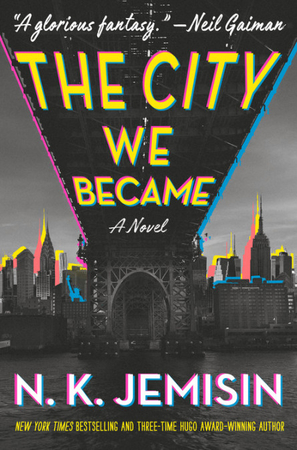
Gentrification is the enemy in this novel by multi-Hugo-winning N. K. Jemisin—which is to say, the enemy is a Lovecraftian monster that preys on white minds and spurs them to colonize and destroy cities. The heroes, meanwhile, are the avatars of New York: regular humans who have suddenly been upgraded to personifications of the five boroughs. This fun-but-serious adventure is going to be the first of a trilogy, so if you enjoy watching New York kick gentrification’s butt, you’re in luck.

The Sellout by Paul Beatty 

This Man Booker Prize winner is a satire so sharp it hurts. When his sociologist father (who used to do psychological experiments on him) is killed by the LAPD, the narrator dedicates himself to saving the town he grew up in—by bringing back segregation and slavery. The image of a Black man owning a slave drives some of the book’s breathtaking bite, but the rest comes from the narrator’s rambling, acerbic internal monologue.

7 True Stories About the Journey to Seek Asylum in the U.S.

On December 23rd 2016, Seidu Mohammed, a 24-year-old man traveled from Youngstown, Ohio to a bus station in Minneapolis. He was looking for a way out, a way forward. Seidu, who identified as bisexual, had left Ghana, where any form of homosexuality is punishable by at least three years in prison, and spent nearly a year traveling through South and Central America in order to apply for asylum in the U.S. After nine months in a detention facility, his plea was denied. He was released on bond while the government prepared to deport him. 

After the election of Donald Trump, Seidu received word of his imminent deportation and decided to flee to Canada, stopping in Minneapolis. By fate or circumstance, he met Razak Iyal, another asylum seeker from the same neighborhood in Ghana, who had ran afoul of a local politician, and who had also fled, fearing for his life. Together the two men decided to cross into Canada, having no idea about the harsh conditions and tragic consequences that lay ahead.

Seeking asylum in the United States often involves passing from one world of uncertainty into another. Seeking asylum in the United States often involves passing from one world of uncertainty into another, from facing the physical dangers of human smugglers, thieves, and treacherous jungle landscapes to enduring an interminable legal process and detention at for-profit facilities.

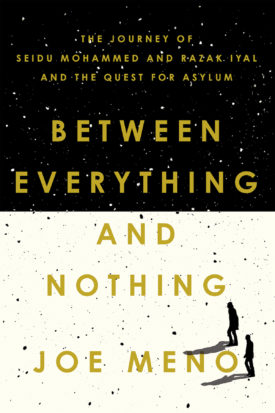
My book Between Everything and Nothing is a nonfiction account of Seidu and Razak’s experiences based on extensive in-person interviews with both men. It attempts to document some of the challenges and choices each man faced in leaving their homeland, traveling through South and Central America on foot and by bus, losing their asylum pleas, and deciding to cross into Canada only days after the election of Donald Trump. It is meant to serve as a testament to their determination, bravery, and commitment to political and social equality, often in the face of unendurable odds. 

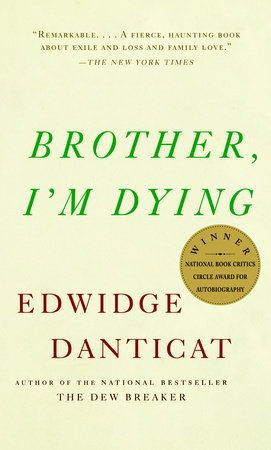
Brother, I'm Dying by Edwidge Danticat

Brother, I’m Dying by Edwidge Danticat

Separated from her parents as a child, Danticat was raised by her uncle Joseph Dantica and his wife in Haiti. In 2004, her 81-year-old uncle fled the armed conflict between U.S. peacekeepers and Haitian gangs, and landed in Miami, where he was immediately placed in manacles. Two days later he was dead. Danticat’s blistering autobiography and memoir of her uncle captures the emotional cost many families suffer at the hands of the U.S.’s stultifying immigration policies.

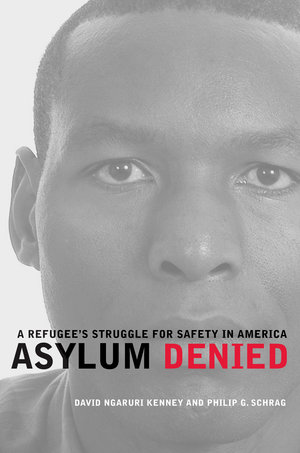
Asylum Denied by David Ngaruri Kenney, Philip G. Schrag

Asylum Denied by David Ngaruri Kenney and Philip G. Schrag

This extremely engaging first-person account depicts Ngaruri’s harrowing experience as a local tea farmer in Kenya who criticizes the government and soon finds himself tortured and his life in danger. But it is Ngaruri’s harrowing travails in the wasteland of the U.S. asylum system and how he faces the government’s efforts to return him to Kenya that sheds a powerful light on bureaucratic injustices. 

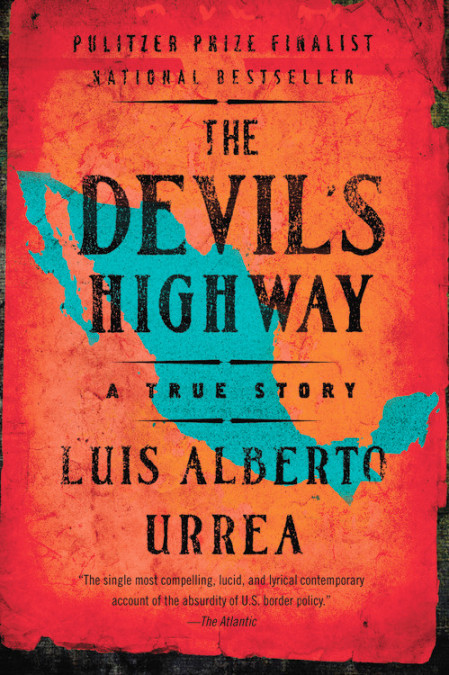
The Devil's Highway

The Devil’s Highway by Luis Alberto Urrea

The fate of 26 men who attempt to cross the Mexican border into the southern Arizona desert is described in blistering, poetic detail. Facing Mexican federales, the U.S. Border Patrol, armed vigilantes, and the inhospitable, physical landscape, the men confront dangers both physical and deeply political while Urrea details longstanding policy failures on both sides of the border that lead individuals to put their lives into peril in exchange for some sense of the future.

Heading South, Looking North by Ariel Dorfman

Heading South, Looking North by Ariel Dorfman

Dorfman’s extraordinary account of escaping Pinochet’s 1973 military coup in Chile is told in a formally inventive style, recalling the duality and division migrants often experience during the immigration and asylum process. Through eight sections of his life before 1973 and eight after, Dorfman explores how language informed his identity and his political self and perhaps even led to some degree of personal freedom.

Enrique's Journey by Sonia Nazario

Enrique’s Journey: The True Story of a Boy Determined to Reunite with His Mother by Sonia Nazario

Based on Nazario’s series of Pulitzer-Prize winning series of articles, this novelistic biography captures the broad, physical dangers many asylum seekers undertake not only to attain some degree of safety, but also to be reunited with their loved ones. After being separated from his mother for eleven years, Enrique, a sixteen-year-old boy from Honduras, decides to make the dangerous trip to the U.S to find her, hanging on to the sides and tops of freight trains, facing smugglers, gangs, and corrupt police.

Call Me American

Call Me American by Abdi Nor Iftin

Iftin’s lively and poetic memoir follows his life as a young man in Mogadishu, Somalia, and the cultural and political differences between Somalia and the U.S. Finding his way into a video store, Iftin falls in love with American films and soon learns English, and later is known in his neighborhood as Abdi American. After al-Shabaab rises to power in 2006, Iftin flees to a Kenyan refugee camp and wins a lottery for a U.S. green card but must find a way to America, first living without papers in Nairobi with his brother and then with the help of several journalists. Optimistic and incandescent, Iftin’s story reshapes our expectations about how hope, even in the most difficult of circumstances, manages to survive.

Publishers Distributors Wholesalers Of The United States 2016 Free ...

Tell Me How It Ends: An Essay in 40 Questions by Valeria Luiselli

Concise, sharp, and overwhelmingly powerful, this essay follows the series of questions that Luiselli was forced to confront while working as a volunteer translator for unaccompanied minors in a federal immigration court in New York. Beginning with “why did you come to the United States?,” the often-illogical, imprecise, and downright xenophobic tendencies of the federal bureaucracies overseeing asylum and immigration are revealed alongside Luiselli’s own experience as a migrant navigating life in the United States only months before the 2016 election.

Leah Johnson Didn’t See Herself in YA Novels, so She Wrote Her Own

Leah Johnson’s debut YA novel, You Should See Me in a Crown, is about Liz Lighty, a queer black girl from Indiana who has always believed she was too poor and too awkward to make a mark in her small, rich town. Since the college financial aid money she depended on fell through, her only option is to run for prom queen, which has a scholarship attached. But along the way, Liz falls for the competition. 

You Should See Me in a Crown by Leah Johnson, Hardcover | Barnes ...

You Should See Me in a Crown shows queer black girls that they deserve joy. It is honest about systems that need to be dismantled but shows how magic can still happen despite. I read You Should See Me in a Crown and remembered what it was like to grow up in a mostly-white town. I rejoiced in the fact that there’s a love story here, and at the end, the black girl wins. 

Leah Johnson is a writer, editor, and graduate of Indiana University and Sarah Lawrence College, where she received her MFA in fiction writing and currently teaches in the undergraduate writing program. And she won’t let you forget that she’s a Midwesterner, hailing straight from Indiana. 

I talked to my friend Leah Johnson about making space for black girl joy, how familial love is just as important as romantic love, and the concept of breaking tradition when it was never created to benefit you.

Editor’s Note: Leah Johnson was formerly a social media editor for Electric Literature.


Arriel Vinson: You Should See Me in a Crown begins with a James Baldwin epigraph, “The place in which I’ll fit will not exist until I make it.” How did you land on this quote?

Leah Johnson: I read this quote when I was studying Black literature in undergrad, and it’s one of those lines I just wasn’t able to shake, you know what I mean? I was young, away from home for the first time, and learning how to take ownership of all of my identities—so it burrowed deep for no other reason than its resonance for me in that moment. That period of my life was the first where I began to conceptualize the sheer magnitude of all the systems working to—quite literally—kill the people that I loved. So I spent a lot of time thinking about ways to dismantle those systems, and what it would look like to build something in their stead that was more ethical, more equitable, more just than what we had. Than what we have.

How can I begin to write over all of the stories that told me I didn’t deserve to take up space? That said girls like me weren’t worthy of fairytale endings?

When I sat down to write Crown years later, it was in that same vein. How can I begin to write over all of the stories that told me I didn’t deserve to take up space? That said girls like me weren’t worthy of fairytale endings? How can I make within these pages a space that tells young black girls that they are loved, and that they fit, if nowhere else, then inside of their own bodies? I’ve said all of that to say, I was writing back to the girl I was when I first discovered that quote while also trying to pay homage to the queer black writers who opened the door for me to do that work.

AV: From the beginning, readers realize Liz has trouble believing in and making space for herself as a queer black girl. Tell me more about this. 

LJ: You know what? It’s funny, since I’ve been quarantining at my parents’ house, I’ve gone back to the books I read when I was in high school and whew chile. Let me tell you, that’s been a journey. So many of the books I read when I was growing up were riddled with anti-blackness— and not just implied anti-blackness, either! I mean characters fully saying things along the lines of: Ew I would never date someone who looks/acts/speaks in ways that are coded as black. I was consuming so many of these narratives about who deserves good, beautiful things, and none of those narratives included girls like me. And it took me a long time to untangle all of that.

Liz Lighty is growing up in a town that is very small, very white, and very wealthy—all things Liz herself is not. She’s constantly surrounded by people reminding her, whether implicitly or explicitly, that they don’t believe she’s worthy of the same freedoms and privileges that they have. So she’s internalized shame, she’s espoused silence with survival, and she’s made herself small as a means of navigating her community. When you view your blackness as exclusive to how it relates to whiteness, your understanding of self is not only flawed but incomplete, you know what I mean? So I knew all of that needed to be part of Liz’s arc: shattering these expectations of the Good Minority, learning to take up space, figuring out what it means to enter every room as a whole person—all of that.

AV: Prom, of course, is a huge deal for Campbell County HS and the main event of the novel. It’s supposed to be a magical thing, but it’s also the cause of a lot of humiliation for Liz. How did the idea to make prom both a source of joy and pain come about? 

It shouldn’t be radical that a black, queer girl could be a prom queen in 2020, but it’s still practically unheard of.

LJ: I think it’s important to note here that prom eventually becomes a thing of celebration for Liz, but it couldn’t be that way at the beginning just by virtue of the way the community was constructed. It becomes something magical for her, but only once she starts making it her own. That’s at the heart of the novel, I think, and also returns to your first question about the epigraph. Black folks, queer folks, black queer folks are constantly building tables of our own (and rebuilding them once white people attempt to co-opt them) because we’ve never been offered seats at America’s. Rebirth and reinvention are in our nature.
But none of that can exist without resistance, which brings with it its own set of conflicts. So in taking this very American institution of prom—something that, at its core, is extremely white and heteronormative—and making an out-and-proud black girl with big hair its new face, I had to write through that duality. Which is awkward, and uncomfortable, and downright painful at times. I mean, it shouldn’t be radical that a black, queer girl could win a prom queen title in 2020, but in more small towns across this country than I could count, it’s still practically unheard of. So if Liz was gonna pave the way, I wanted her to do it in a way that felt honest, but also, like, super gay.

AV: You’ve mentioned that you came out as you were writing this novel. And for Liz, her family and friends are extremely supportive, which I know isn’t always the case. How did your coming out affect the way you wrote You Should See Me in a Crown?

LJ: This book forced me to hold up a mirror to myself in a lot of ways that I wasn’t expecting. I had to confront a lot of fear and shame that I had tied up in what it means to be queer and—though this doesn’t make it into the book—Christian. My coming out was such a deeply cathartic experience because I had always anticipated that the people in my life would reflect the shame I’d been holding onto back to me, but that wasn’t the case. That was purely projection. I was held with care, and love, and tenderness, and reminded that I’m not worth loving in spite of my queerness, but because of the whole of who I am. When I worked on the first draft of Crown, writing that type of love and acceptance for Liz was just wish fulfillment. I wanted so much for her to have the type of experience I feared I would never have. I’ve never in my life been happier to be proven wrong.

AV:  Despite all that’s at stake for Liz, she still has a swoon-worthy romance with Mack, the new girl who is also running for prom queen. What was it like writing a love story for a black girl learning about her queerness and learning how to stand in it fully? 

LJ: If there’s one vow I want to make now, at the beginning of what I hope is a long career in this business, is that in my books, black girls are going to always get two things: happy endings and storybook, sometimes-whirlwind, romances. So even if I one day write a Twilight Zone-esque, end-of-the-world, dystopian novel, just know there’s gonna be a black girl standing at the edge of the universe having a meet-cute so sweet it’ll rot your teeth. In my Tyra Banks voice: Give us real-world issues, but temper it with tenderness.

It’s important to me that stories about black girls get to have space for that joy. Liz isn’t out here trying to win the Nobel for race relations and gay rights, you know what I mean? She just wants to be black and visibly queer in public without fear of being on the recieving end of some sort of violence. Black women, so often are held to unreasonable expectations of strength and stoicism and sexlessness, so in this book, I wanted to relieve Liz of all that. And by extension, myself.

There’s a scene—and I don’t want to spoil anything—but there’s a scene where Liz is finally given permission to just be a kid who worries about dances and girlfriends and best friend drama, and it’s this massive relief to her. She’s been holding onto all of this tension and fear for most of the book, and she finally gets to let it go. And I didn’t realize how badly I needed that until I wrote it. Sometimes, as a teenager, I just needed someone to say, “Hey, this isn’t yours to carry on your own anymore. I’ve got you. I’ve always had you.” 

AV: You Should See Me in a Crown does a great job of interrogating class and race. Liz is from a poor, black family, works part-time, and needs scholarship money to attend her dream school. What made you critique class structures, and why do you think that’s necessary work in a YA novel?  

LJ: Writing for young people is a job I take really seriously, because it’s about more than books. More than any other genre or marketing category, it’s the job of the YA novel, I think, to help shape young people into more equitable, honest, empathetic humans. So I never want to write down to teenage readers—they deserve more from me than that. They deserve someone who is going to tell them the truth.

Black women are often held to unreasonable expectations of strength, stoicism, and sexlessness. So I wanted to relieve my character of all that.

You know this, because I won’t shut up about it, but I talk a lot about the idea of “clean” YA—books that are supposed to uphold this mythical idea of purity and homogeneity—and what kinds of kids get excluded from those types of stories. And the thing that always stuns me about that distinction is that it obfuscates the experiences of a lot of the teenagers I teach now, and the type of teenager I was. Young people aren’t separate from dealing with issues we usually code as adult.

Teenagers wrestle with finances, with caring for their families, with keeping their heads above water—all while not being given the same agency as adults to work through those things, and often without having the language to talk about what they’re experiencing. So if fiction is the place I went as a teenager to have my experiences reflected back to me, or to make me feel less alone, then it should speak directly to the world that we live in—every messy, complicated, flawed bit of it. 

AV: I love the relationships present in the novel — familial relationships, friendships, etc. Why are these relationships so important in You Should See Me in a Crown, and arguably as important as her romantic relationship? 

LJ: Thank you for saying that. I know you’re my friend, so you know how important making non-romantic love a core aspect of my novels is to me, but I still appreciate the question. 

My families fuel so much of my work, you know, blood and otherwise, that I’m not sure I know how to write a story that isn’t constantly circling around themes of familial ties and obligation and deep, unconditional love. Liz’s sense of duty to her family emerged really early in the drafting process for me because that’s what I know. Most of my life has been spent making decisions that, hopefully, move the people that got me here towards a safer, more comfortable future. At the heart of my spiritual practice is this idea of reciprocity: because goodness has been given to me, it’s my duty to give that goodness back in the ways that I can.

Platonic relationships—more than any romance I’ve ever had—taught me how to love. How to be a decent human. Being in community is what sustains me, spiritually and creatively. So, in all of my work I try to speak to that, whether that person you love loves you back in the end, the people who were there for you before the relationship will be there for you after. But then again, my friend Cody once said to me, “What are we if not a little in love with all our friends?” So maybe it’s all tied up in a messy knot of affections in the end anyway.

AV: You said, in a video for Scholastic, that You Should Me in a Crown is the kind of novel you needed as a 15-year-old black girl. Tell me more about that.

LJ: A few years ago, Electric Lit published an essay of mine about the lack of diversity in YA, and that essay is what opened the door for me to eventually publish You Should See Me in a Crown. I’d spent a lot of time looking back at the books I read when I was a kid, a lot of time thinking about what was missing from them, and knew that all I wanted to do was write into those empty spaces. And I’m really fortunate in that I ended up with an agent and an editor and publisher who all saw the vision and have worked incredibly hard to cultivate a book that speaks to all of those things.

In the time since I wrote that essay, YA’s come a long way. We’re in a really exciting time of redefining the canon of young adult fiction. There are more queer books and books led by POC main characters on shelves right now than ever before. But it’s still not enough. You can look at the Lee and Low breakdown or the We Need Diverse Books stats at the end of the year and they’ll tell you as much. And it’s not that we haven’t been out here doing The Work. It’s not that we haven’t always been writing and pitching and hustling and submitting. It’s that we’re just now being given the space. 

That’s more than you asked probably, but I said all that to say: while You Should See Me in a Crown is the book I wish I’d had when I was fifteen, I can’t wait until every black girl has their unique experience captured within the pages of a book. I can’t wait until there are too many of us out here publishing those stories to name. 

Black Authors Discuss Being Black in America

Every person of conscience right now is experiencing deep anger, either as or on behalf of Black Americans. If you’re looking for works that reflect your rage, or help clarify the rage of others, we’ve collected some of our favorite interviews with authors who are shedding light on the experience of living as a Black American under white supremacy.


Photo by Alex Holyoake

White Supremacy Is America’s Original Pyramid Scheme

Ijeoma Oluo, author of So You Want to Talk About Race, on the roots of police brutality, the model minority myth, and the school-to-prison pipeline

“From the very beginning of the police forces we’ve had two separate mandates—to control Black people and to protect white people. It’s important to know that this is in the DNA. This is how our police forces were started.”

“Friday Black” Is a Brutal, Brilliant Satire of American Racism and Capitalism

Nana Kwame Adjei-Brenyah talks to Mychal Denzel Smith about how working in retail inspired his book

“There’s all types of violence that we sort of just learn to deal with. There’s violence like ‘I’m gonna kill you’ and there’s violence like erasure. There’s violence like silencing. Maybe we shouldn’t just accept these things.”

Gold medalist Tommie Smith (center) and bronze medalist John Carlos (right) showing the raised fist on the podium after the 200 m race at the 1968 Summer Olympics; both wear Olympic Project for Human Rights badges.

A Handbook for Fighting Racism in America

Ibram X. Kendi, author of How to Be an Antiracist, on working towards equality in an era of rising nationalism and white supremacy

“Every single person on Earth has the power to resist racism, and there are people who are using and recognizing that power and there are people who are not.”

Black Lives Matter spray painted on a wall

Writing About Black Lives Matter in 2019

Melanie S. Hatter on Malawi’s Sisters and telling stories straight from the headlines

“I wasn’t writing about the movement, but in creating a story like this, in this world that we’re in right now, you can’t write a story like this and not talk about Black Lives Matter.”

Photo by Rui Silvestre

Where Can a Young Black Man Find Belonging in America?

Gabriel Bump, author of Everywhere You Don’t Belong, on how diversity meetings turn into white guilt parties with bad snacks

“The cops don’t care about the different ideologies within the community. They see each citizen as a threat.”

Finding Black Boy Joy In A World That Doesn’t Want You To

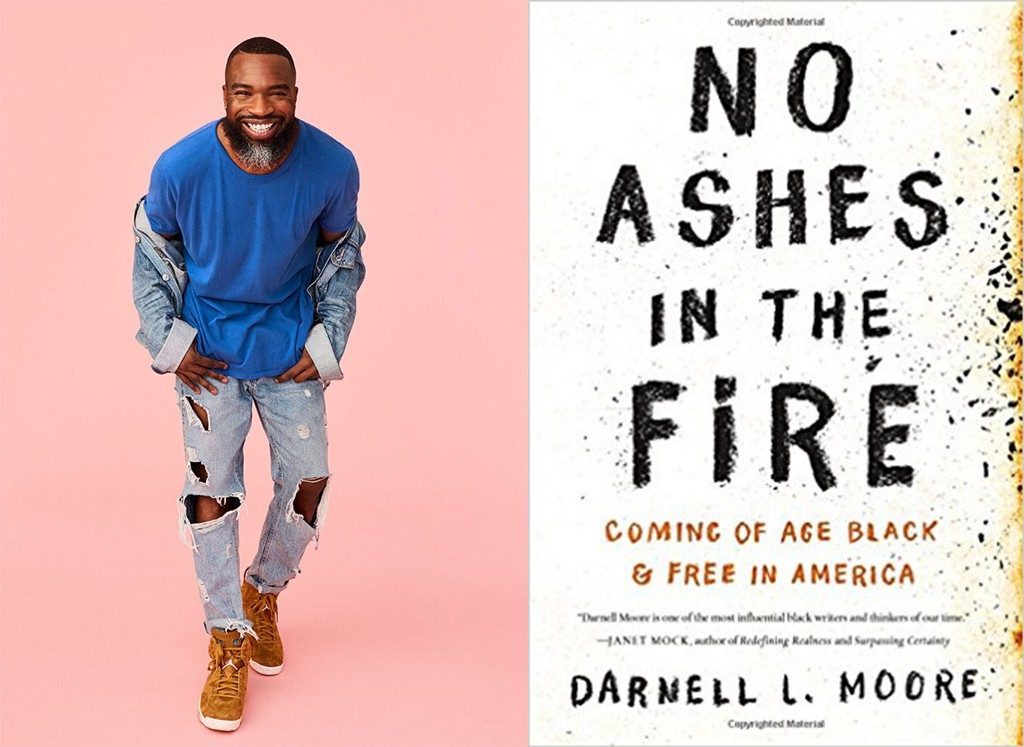
Darnell Moore’s memoir No Ashes in the Fire thinks deeply about trauma and healing

“I am still thinking through what communal healing might look like — one that centers those who have been harmed and seeks to aid the wrongdoer in their quest for atonement and transformation — that does not begin and end with punishment or incarceration.”

Photo by Luke Southern

Why Is Dying in America So Expensive?

Megan Giddings, author of Lakewood, on how our racist, capitalist medical system exploits Black bodies

“Don’t you think that the American dream, at least for people of color in this country, is the ultimate destruction of who you are?”

Girl standing on smoke-filled street
Photo by ActionVance

A Superhero Fueled by Righteous Anger

In Tochi Onyebuchi’s Riot Baby, Ella’s psychic gifts carry all the energy of a political protest

“One of the things that I’m constantly noticing is that the powers-that-be will try to quell that anger and try to police how protests happen. ‘Oh, you shouldn’t be blocking the freeways. Oh, you shouldn’t be making so much noise. There are better ways to protest.’ In each instance, they’re trying to leach the protestors of their anger.”

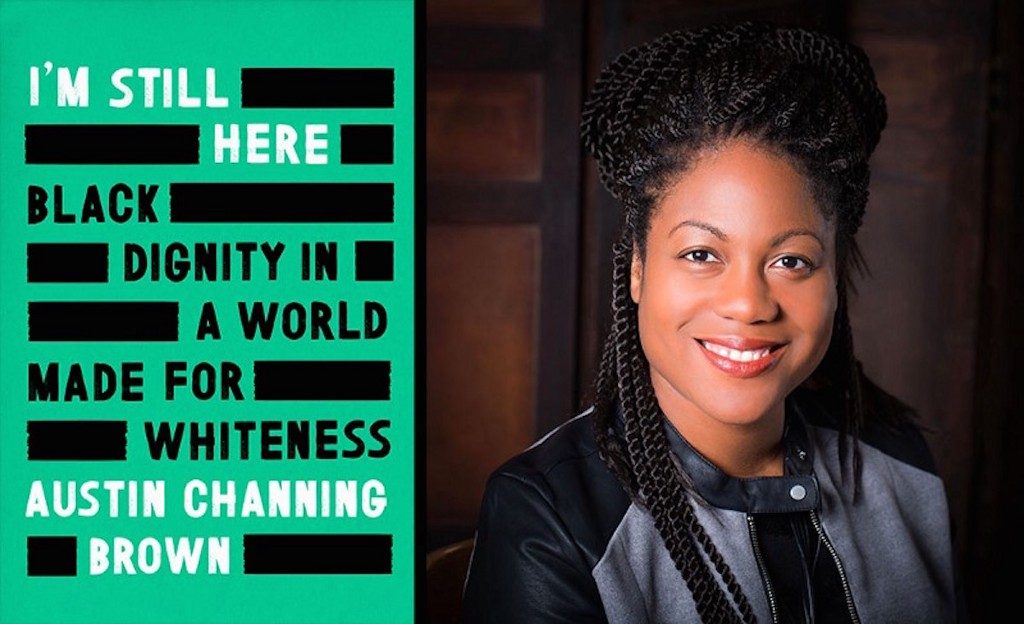
Austin Channing Brown Wants to Save Black Women Some Emotional Labor

Her memoir I’m Still Here covers womanhood, race, religion, and white nonsense

“When you think about the full weight of slavery, when you think about the full weight of lynching, when you think about the full weight of segregation and how hard white Americans fought for segregation, when you think about genocide and the Chinese Exclusion Act, when you think about what people of color have endured for the sake of white supremacy, that is extraordinarily powerful.”

What Does It Mean to Be “Black Enough”?

Chris L. Terry’s Black Card grapples with biracial identity

“Don’t get me wrong, white people should feel guilty for every bit of privilege that they’ve had, but I want to see that guilt turned into something constructive. Stop wringing your hands and put them to work.”

Window with heart-shaped hole

In Danez Smith’s Poems, Love and Violence Live Hand in Hand

The poems in Homie center friendship and intimacy, but don’t dodge harder issues

“When do you choose violence? What is our own capacity for violence? I think poetry can be a safer place to ask dangerous questions but people expect the answers to involve peace and love.”

Survival Math book cover

Who Gets to Be All-American?

Mitchell S. Jackson’s memoir Survival Math explores growing up Black in one of the whitest cities in America

“I claim that the people who are subjugated, oppressed, disenfranchised — and despite those harms, maintain some sense of national pride — might be the most American.”

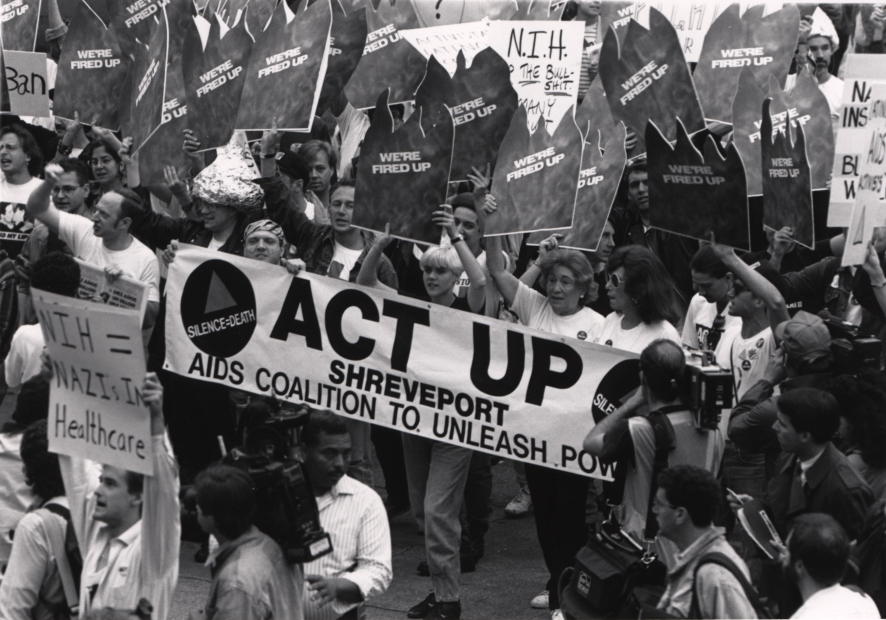
Queer Storytelling Keeps the AIDS Crisis From Being Erased

Few books are able to oscillate the fine line between now and then while also invoking a sense of urgency, a reminder to bear witness to the institutional negligence of the past and to actively resist when it resurfaces in the future—like it is now amidst the COVID-19 pandemic. Carter Sickel’s The Prettiest Star is that mirror of accountability, a reflection of how a society has or has not changed after a shift in collective consciousness, specifically during the AIDS epidemic. It is a stark reminder of the plight of so many young gay men and sounds the alarm that the fight for healthcare equality is far from over. 

February Grace Notes | Mac's Backs-Books on Coventry

At eighteen, Brian leaves his small-town Appalachian life and family behind in pursuit of freedom and acceptance in New York City. Over the course of six years, Brian would watch as AIDS claimed members of his community, his friends, and, ultimately, his lover. Infected himself, Brian makes the decision to return home to die, to return to a place where he would be ostracized from his community, from his own family, but chooses that over a city filled with memories of loss. The Prettiest Star tests the elasticity of love and understanding, and proves that pockets of both—even in a place that overwhelmingly rejects you and deploys constant reminders that you are not welcome—can be found.

While it is a somber remembrance of the 40,000 lives claimed, it is a testament to the love and endurance of community and family, both chosen and not, and a confirmation of what we know to be true: Sickels shines bright with The Prettiest Star


Greg Mania: Why is it still important to tell stories—both fictional and not—from the era of the AIDS pandemic?

This country still hasn’t faced the magnitude of the cruelty and grief of the AIDS crisis or its lingering effects. And, AIDS is not over—there is still no cure.

Carter Sickels: We need to tell and keep telling all kinds of queer stories, and stories of our queer past—to remember and acknowledge, but also to figure out where we are now and possibilities for the future. History has a way of erasing, silencing, and distorting queer voices. There is this essay called, “I’ll Be Somewhere Listening for My Name” by Melvin Dixon, a gay Black writer who died from AIDS complications in 1992, and he said queers must “guard against the erasure of our experiences and our lives,” and I kept coming back to this when I was writing The Prettiest Star. This country still hasn’t faced the magnitude of the cruelty and grief during the AIDS crisis or its lingering effects. And, AIDS is not over—there is still no cure.

GM: David Bowie is pretty prevalent in this book: from the title to little nods interspersed throughout. What does David Bowie mean to you, personally, and why was his influence so important in ushering in many of the themes in this book?

CS: I didn’t listen to Bowie in high school—I came to his music later—but my character Brian, who grew up in the 1970s, discovers his music when he’s still just a kid. For Brian, like for so many young queers, Bowie shook his world in the best way: this electric and glamorous free being who embraced gender fluidity, who represented queerness and sexuality without shame. Bowie shows Brian another way of life exists outside the confines of his small town. While I was writing the novel, David Bowie died, and I couldn’t stop listening to his music or reading about him, and his influence in the novel grew to this god-like presence. His songs gave me a way to frame the different sections, and, of course, the title comes from Bowie.

GM: This book, as beautiful and affecting as it is, is heavy in terms of its subject-matter. As a reader, I had to take breaks to emotionally digest. How did you take care of yourself while writing it?

CS: A lot of the research I did was emotionally difficult. I read articles and books, and watched videos and documentaries, looked at photographs and art—and some of it gutted me. There are so many moving and brilliant examples. The documentary We Were Here, directed by David Weissman, about the AIDS crisis in San Francisco during the 80s and 90s, is a beautiful, poignant testament to grief and loss, and to the resilience of the queer community. But the film also captures just how young so many of these men were. So, yes, at times I felt raw and heartbroken—but more so in the research than in the writing itself, when my focus was on the work of writing: developing scenes, paying attention to each sentence, every word. I wanted to be honest to the trauma and grief of the AIDS crisis, as well as to the strength of love—to write a book that’s emotionally complex, that will make you feel and think.

GM: Paul Lisicky’s latest memoir, Later: My Life at the Edge of the World, which came out just a few weeks ago, is a dispatch from Provincetown during the AIDS crisis in the early 90s. What kind of unique power does fiction wield when talking about this period of time?

CS: I just received Paul’s book in the mail, and can’t wait to start it—I heard him read from it, and it was just stunning. We need all kinds of fearless and heartbreaking stories about the AIDS crisis. Memoirs can document a time and place with such powerful intimacy: the author was there, and these are his personal memories. Fiction, of course, doesn’t require autobiographical content, but you’re still putting yourself on the page. I love writing fiction for some of the same reasons I love reading it—to disappear into the world of the novel, to walk in others’ shoes and inhabit their lives, to feel enlightened and challenged, changed.

GM: To say that this novel is timely—in the time of COVID-19 and how our administration is handling it—would be a profound understatement. What is the message you are trying to convey in this regard?

As a queer trans man, I understand how difficult it can be to come out and to experience rejection—and writing into that vulnerability wasn’t always easy.

CS: This is such a difficult question because right now we’re right in the midst of this global pandemic, and things are changing so rapidly from day to day. I started the novel in 2013, during the Obama years—a different time, a different world. I finished the novel long before the outbreak of COVID-19, and it’s been very strange and surreal to experience my novel coming out during this global emergency and chaos. I don’t want to draw any quick or simple parallels between this and the AIDS crisis—40,000 people died of AIDS and six years passed before Reagan even mentioned AIDS in a speech. Still, I think we very much should look back at that time—to learn from the queer community and AIDS activists, how to survive a cruel, and in this case, highly incompetent, administration. I’m wary of messages in books—but maybe aspects of the novel will resonate differently now: how will we support each other, how do we build community and embrace compassion and kindness, what kind of society do we want to be?

GM: And lastly, my favorite question to ask my authors: what did you learn about yourself while writing this book?

CS: Great question. In the four or five years I spent writing The Prettiest Star, I certainly wrestled with my own doubts: who was I to write this story, and was this story worth telling? So, maybe something I learned about myself was that I could work through these doubts, that my commitment to the writing, and that the story and characters, carried me. Though Brian’s story isn’t my story, as a queer trans man, I understand something about how difficult it can be to come out and to experience rejection—and writing into that pain and vulnerability wasn’t always easy. I taped a quote by one of my favorite authors, Dorothy Allison, above my desk, for inspiration: “The best fiction comes from the place where the terror hides, the edge of our worst stuff. I believe, absolutely, that if you do not break out in that sweat of fear when you write, then you have not gone far enough.”

20 New Asian American Books to Read Right Now

It’s been just over 45 years since the publication of Aiiieeeee!, a groundbreaking and trailblazing anthology that established the category of Asian American literature. Since then, we’ve seen the amalgamation of great organizations centering around Asian American Pacific Islander literature, like the Asian American Writers’ Workshop, Kearny Street Workshop, Kundiman, and more.

It’s Asian and Pacific Islander American Heritage month (We get a WHOLE month!) and one of the few comforts I’ve found in this time is catching up on titles that have been stacking up in my room. Curating this list of twenty books by Asian American writers published in the first half of 2020 was the best way to commemorate literature that celebrates our existence, our voices, and our stories.

Minor Feelings: An Asian American Reckoning by Cathy Park Hong

Korean American poet Cathy Park Hong’s much anticipated collection of essays turns the inherent self-consciousness that many Asian Americans feel into scintillating accounts of cultural criticism. Hong tackles the mental and physical repercussions of “a society who thinks [she’s] as interchangeable as lint” through personal anecdotes filled with humor, introspection, and poetry. Read an interview with Cathy Park Hong on what it means to experience racism and have your experience dismissed.

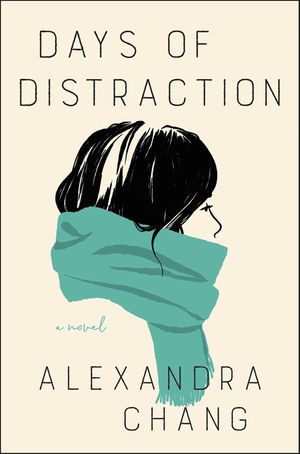
Days of Distraction by Alexandra Chang

Feeling stuck in her job as a tech writer and feeling like she’s in the shadow of her Ph.D. candidate boyfriend, narrator Jing Jing plots her escape. Seeking answers in her life, she struggles with her interracial relationship and millennial disillusionment, among other problems. Written in fragments and reminiscent of Weike Wang’s novel Chemistry, Days of Distraction follows Jing Jing’s struggle to reconnect with her family’s past as she leaves her new life behind. Read an interview with Alexandra Chang on respectability politics and being underestimated here.

Apsara Engine by Bishakh Som

Bishakh Som’s debut consists of eight watercolor painted stories featuring South Asian LGBTQ narratives. These stories delve into different time periods and universes. Som received an M.A. in architecture and brings a meticulous artist’s eye to her graphics and writing.

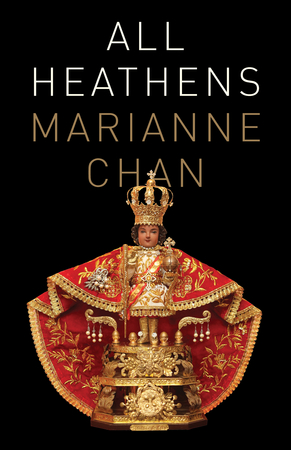
All Heathens by Marianne Chan

Catholicism, colonialism, and karaoke: these subjects, along with poems dedicated to Antonio Pigafetta and jet lag, are at the center of Marianne Chan’s debut poetry collection. Chen Chen writes, “Alive on every page, this book is a song that refuses to sing of anything less than the true, the piercing and true.”

We Ride Upon Sticks by Quan Barry

The infamous Danvers, Massachusetts is the setting for this novel taking place in a high school in 1989. Abby Putnam, a descendant of Salem witch accuser Ann Putnam, is a captain of the Danvers High School Falcons field hockey team. With her co-captain and team, they conspire a witchy plan to be number one in the state.

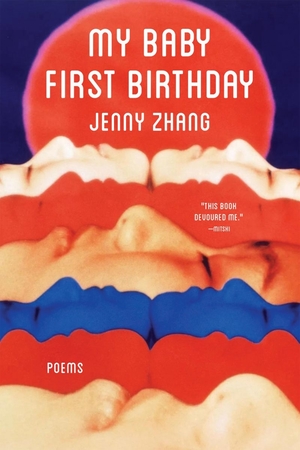
My Baby First Birthday by Jenny Zhang

An ode to “being baby,” Jenny Zhang’s newest poetry collection uncovers growing pains, innocence, friendship, and tenderness. The poems cycle through the four seasons with the narrator’s concept of being loved unconditionally changing constantly. Zhang includes criticism of climate change, texts with friends, and “goo goo” talk in this cathartic collection. Jenny Zhang explains why we want to be baby here.

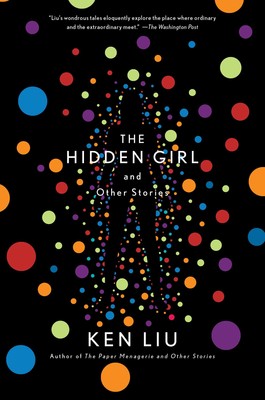
The Hidden Girl and Other Stories

The Hidden Girl and Other Stories by Ken Liu

Typical American science fiction doesn’t usually center on the trauma of the Japanese American survivors of the internment camps or take place in Tang dynasty China, but such is the case for Ken Liu’s second short story collection. Following his 2016 collection, The Paper Menagerie and Other Stories, Liu presents more personal narratives; however, he doesn’t spare the aliens and the threat of artificial intelligence in these stories.

Passage West by Rishi Reddi

The roots of immigration in California run deep in this novel about a Punjabi migrant who comes to work in the Imperial Valley, near the U.S.-Mexico border in order to support his family back home. Rishi Reddi takes the real histories of sharecroppers emigrating from India, Mexico, and Japan to the West Coast during the dawn of Mexican Revolution and World War II to create a century-long story of love and belonging. Passage West brings to light the histories of migrant workers and people of color whose hard labor helped build California. 

The Empress of Salt and Fortune

The Empress of Salt and Fortune by Nghi Vo

Gender roles in Imperial China are challenged when two women from very different backgrounds come together. A young royal, In-Yo, and a handmaiden named Rabbit form an unlikely bond amid political complications between Northern and Southern China. Vo’s novel offers a refreshing cast of queer-friendly characters and is told in flashbacks by an older Rabbit to a nonbinary character named Chih.

How Much of These Hills Is Gold by C Pam Zhang

How Much of These Hills Is Gold by C Pam Zhang

Two newly orphaned siblings unite to bury their father in the California Hills during the Gold Rush. The book’s epigraph, “This land is not your land,” is a constant reminder for these children of immigrants, as they face adversity from miners. This American tale, akin to the novels of Steinbeck and Faulkner, reexamines the role of wanderer and explorer.

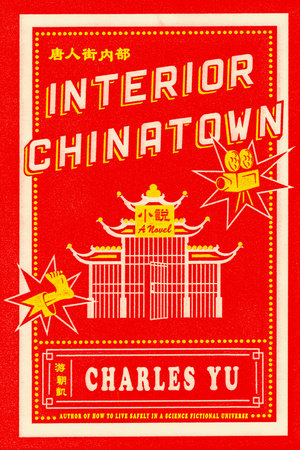
Interior Chinatown by Charles Yu

Interior Chinatown by Charles Yu

Taiwanese American writer Charles Yu has written for popular American TV shows, such as Westworld, Here and Now, and Legion. His sophomore novel, Interior Chinatown, is written in a screenplay format, naturally, and is led by “Generic Asian Man” actor Willis Wu. The role of protagonist is thoroughly questioned as Willis starts feeling like he’s not even the main character in his own life. 

Whiteout Conditions by Tariq Shah

“Funerals are kind of fun, yes. I’ve cultivated a taste. It’s become a kind of social pursuit. It was a kink, of a kind,” says narrator Ant when he has to return home after a death in his family. At just over 100 pages, Tariq Shah takes the wintry Chicago gloom and funeral procession of a Muslim American family and churns out a dazzling narrative about loss, coping mechanisms, and vengeance.

Little Gods by Meng Jin

Meng Jin’s first novel is a multigenerational story flooded with ghosts and violence. Down the family tree line is Liya, who is 17 when her mother, Su Lan, dies. Liya ventures to China with her ashes to understand her mother’s past, gain more insight on physics, and find out to who or where she belongs. We see Su Lan through the perspectives of those who were closest to her when she was alive. Read an interview with Meng Jin about motherhood, immigration, and running away from the past.

This Is One Way to Dance

This Is One Way to Dance by Sejal Shah

This Is One Way to Dance is a debut memoir exploring the Indian American identity. Sejal Shah, the daughter of Gujarati parents born in India and East Africa, writes lyrically about race, culture, and class disparity in this collection of essays. 

Sansei and Sensibility – Coffee House Press

Sansei And Sensibility by Karen Tei Yamashita

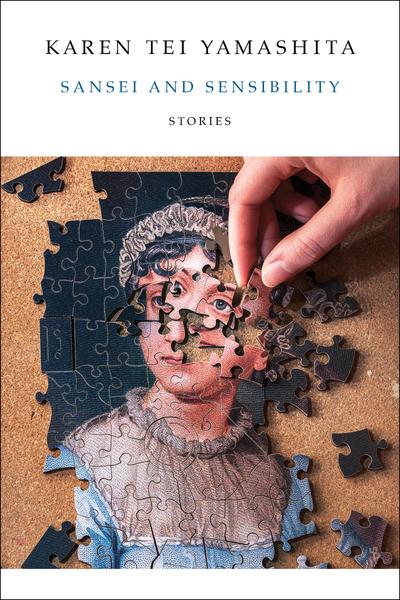
Karen Tei Yamashita is one of the masters of American magical realism. Her latest book takes us from Kyoto to Brazil and recontextualizes Jane Austen characters into a contemporary high school setting. Working in a variety of genres and languages, she delivers nuanced and refreshing perspectives in these stories highlighting the Japanese American experience.

Fantasy by Kim-Anh Schreiber

This experimental novel weaves the intergenerational story of Vietnamese women with scenes from House, a 1977 Japanese comedy-horror film by Nobuhiko Obayashi. A playwright, Kim-Anh Schreiber is fearlessly funny and intuitive in her first book that explores the projections of beauty standards placed on women.

American Harvest by Marie Mutsuki Mockett

Marie Mutsuki Mockett, a native of Carmel, California, makes the trek to her father’s home state of Nebraska. Upon inheriting her father’s land of wheat fields, she follows a group of evangelical farmers who cared for her family’s farm. American Harvest is her story of assimilating into rural life by going to church services, working in the field, and understanding her identity as a biracial American woman.

If I Had Your Face by Frances Cha

If I Had Your Face by Frances Cha

Four women in modern-day Seoul have unique ambitions in the ever-changing city; their problems, however, are quite familiar to those who understand the demands of intense beauty standards. The young women strive to advance their careers, meet dreamy boy band stars, and start families in Cha’s debut.

Foreign Bodies by Kimiko Hahn

After a visit to the Mütter Museum in Philadelphia, Kimiko Hahn left with the idea for Foreign Bodies, inspired by American laryngologist Dr. Chevalier Quixote Jackson’s collection of body parts he extracted from his patients. Hahn’s tenth book of poetry is a reminder of the beauty of found objects in the home, which we all could learn a lesson from in this time.

Obit by Victoria Chang

Victoria Chang’s title is a contraction of the word, “obituary.” Written after the death of her mother, Chang includes “obits” of herself, as she dissects grief by acknowledging mortality and the “smaller deaths” that come with loss and mourning. Read an interview with Victoria Chang about creating a world in which everything that dies is mourned here.