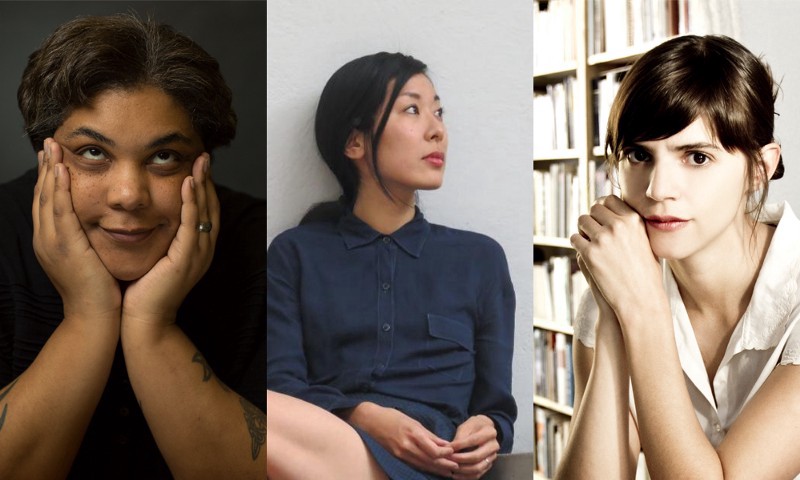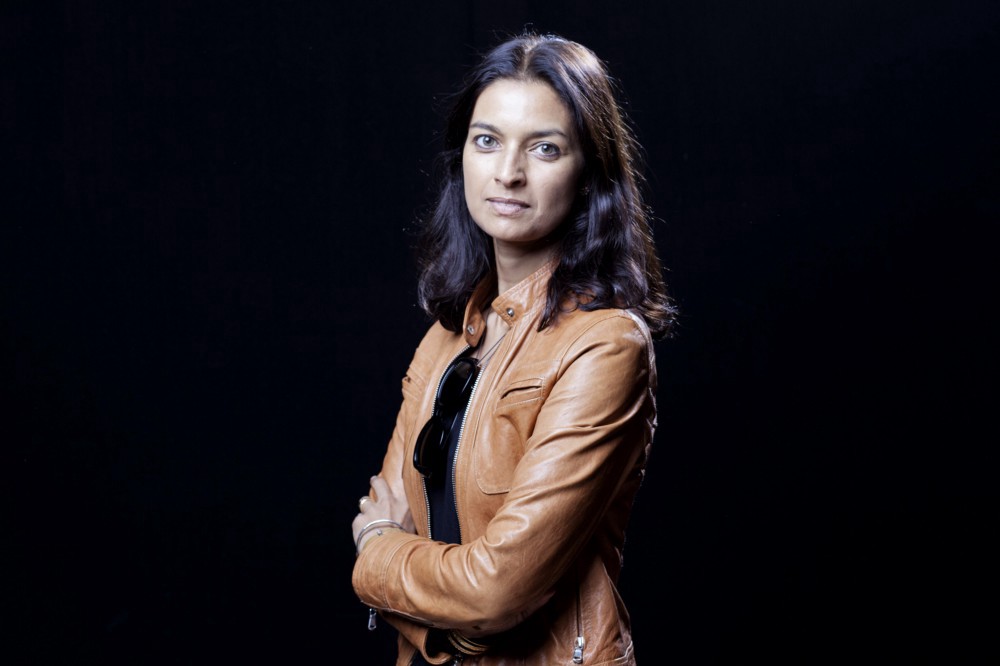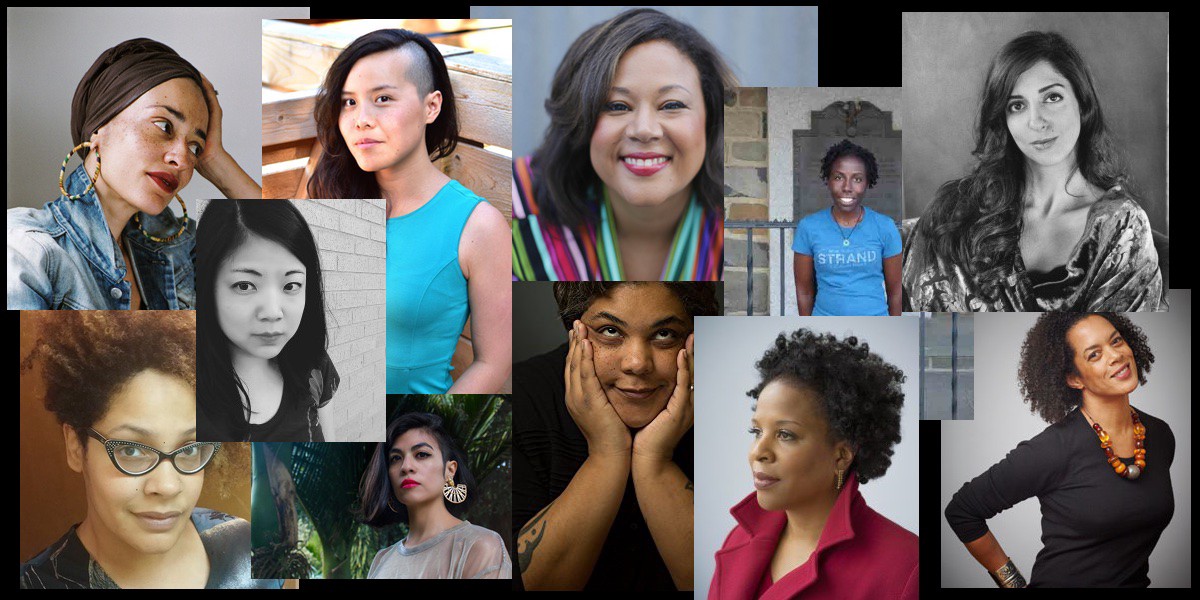
46 Books By Women of Color to Read in 2018

I first wrote a list like this in February of 2017. I’d been looking for upcoming books by women of color — to review, as well as to read — and I had such trouble finding them that it felt like hunting for unicorns. Once I’d collected a few 2017 titles, I thought I’d tell others about what I’d discovered. To my great delight, that list ended up being one of Electric Lit’s top five most widely shared pieces this year. So, I’m doing it again, with the wholehearted hope that a 2018 list might, here and there, help make the literary landscape less parochial, more inclusive. Toward this end, I sifted through publishers’ catalogs for forthcoming books, asked friends for thoughts, and solicited help on social media.

I’ve heard it argued that it’s been a banner year for books by women of color already: there’s Jesmyn Ward’s 2017 National Book Award, for one. It’s the first time the fiction prize has been conferred twice upon any black person or woman—thereby formally, prize-wise, placing Ward in the company of William Faulkner, Saul Bellow, and Philip Roth. This year’s National Book Award ten-book fiction longlist featured six titles written by women of color; three out of five 2017 New York Public Library Young Lions finalists were women of color; and so on.

But there’s such a long way to go. Look, for instance, at the New York Times’s weekly “By the Book” section, in which, to a shameless extent, prominent men continue to suggest we just read still more men’s books. Consider the fact that, as recently as this May, Leonard Chang wrote about a novel of his that was rejected by big-house publishers for not being “Asian enough.” As one editor told him, critiquing his manuscript, “You have to think about ways to make these characters more ‘ethnic,’ more different…in the scene when [a character] looks into the mirror, you don’t show how she sees her slanted eyes, or how she thinks of her Asianness.”

As it so happens, I’m Asian; I’m publishing my debut novel this summer, and my characters, much like me, don’t spend any time contemplating their slanted eyes. If that editor had read more widely in the first place, he might previously have recognized how limiting his stereotypes might be, and he could have broken free of the rigid confines of his own narrow mind. Perhaps it’s too late for him, but it’s not for us. Let’s read more broadly; let’s try inhabiting one another’s wildly varied, entirely human points of view. It’s late in 2017, and the situation’s desperate. If we can’t imagine one another, how will we get through these next few years?

It’s late in 2017, and the situation’s desperate. If we can’t imagine one another, how will we get through these next few years?

I tried, I really did, to avoid mentioning our current president, but as wicked tyrants tend to do, he poisons every day. Still, since this is a forward-looking list, a joyful celebration of what’s to come, I want to glance past him. This, too, will pass. In honor of our next president, the 46th—whoever she, he, or they might be—I picked 46 splendid novels, memoirs, anthologies, and collections I’m anticipating. These writers are here, their 2018 books are coming, and look how glorious.

JANUARY
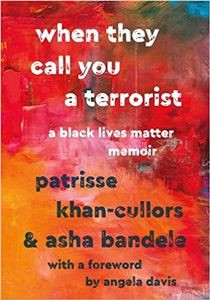
When They Call You a Terrorist: A Black Lives Matter Memoir by Patrisse Khan-Cullors and asha bandele

I mean, honestly, what better way to start 2018 than by reading the memoir of Black Lives Matter founders Patrisse Khan-Cullors and asha bandele? It’s a vital, captivating story of who Khan-Cullors and bandele are, as well as of how the movement was founded.

This Will Be My Undoing by Morgan Jerkins

I’ve admired, for a while, the incandescent essays Morgan Jerkins has published in places like The New York Times, BuzzFeed, and elsewhere. This collection brings together Jerkins’s writing about living as a black woman in the U.S., with reflections on topics ranging from Sailor Moon to Rachel Dolezal.
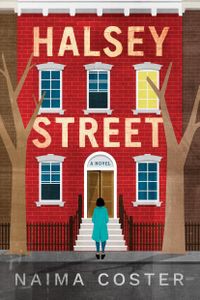
Halsey Street by Naima Coster

In Naima Coster’s first novel, a mother who’s abandoned her family gets back in touch with her daughter, asking for forgiveness. Ben Marcus says Halsey Street is “a poignant, moving book, written with deep empathy and sophistication.”

So You Want to Talk About Race by Ijeoma Oluo

Ijeoma Oluo, editor-at-large of The Establishment, is a trenchant, reliably insightful writer and thinker about race in America, and this collection is necessary reading. Her writing’s been compared to Ta-Nehisi Coates’s, Roxane Gay’s, and Jessica Valenti’s.
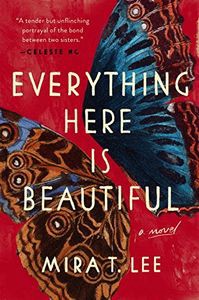
Everything Here is Beautiful by Mira T. Lee

Celeste Ng calls this debut novel “a tender but unflinching portrayal of the bond between two sisters — one that’s frayed by mental illness and stretched across continents, yet still endures.” Everything Here is Beautiful examines the depths and limits of love.

The Wedding Date by Jasmine Guillory

The Wedding Date is a first book from Jasmine Guillory, who wrote frequently for the late, much-lamented The Toast. It’s about a woman who goes to a wedding with a man she meets in an elevator, and Roxane Gay says it’s a “charming, warm, sexy gem of a novel.”

FEBRUARY
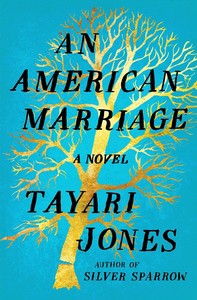
An American Marriage by Tayari Jones

It’s always an event when there’s new writing from Tayari Jones, but her forthcoming novel, about a just-married husband sentenced to prison for twelve years, is, according to Edwidge Danticat, “an exquisite, timely, and powerful novel that feels both urgent and indispensable.” Jones, says Michael Chabon, “has found a new level of artistry and power” in An American Marriage.
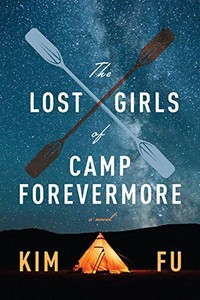
The Lost Girls of Camp Forevermore by Kim Fu

Kim Fu’s extraordinary first book, For Today I Am a Boy, received the Edmund White Award for Debut Fiction. Her second novel depicts five girls at camp who take a kayaking trip and end up stranded, unchaperoned, on an island.
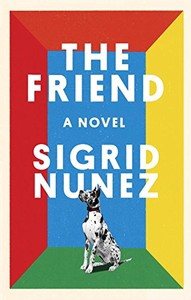
The Friend by Sigrid Nunez

A woman loses her mentor and best friend, and takes on caring for his Great Dane. In this vivid portrait of the wilds of sorrow, The Friend shows two fictional creatures in their shared but separate grief becoming increasingly close, and isolated from everyone else.
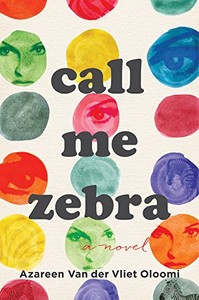
Call Me Zebra by Azareen Van der Vliet Oloomi

From a National Book Foundation “5 Under 35” honoree comes this picaresque about an Iranian American bibliophile, freshly orphaned, traveling across Spain. Bustle has acclaimed Azareen Van der Vliet Oloomi as an author “on the verge of developing a whole new literature movement.”
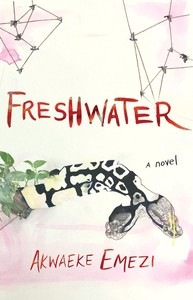
Freshwater by Akwaeke Emezi

This is Akwaeke Emezi’s debut, but, as Taiye Selasi says, “she is an old―an ancient―storyteller: thrillingly at home in the tradition of griots, poets, seers and seekers.” Freshwater follows a Nigerian woman with a fractured self whose multiple identities take turns narrating the novel.
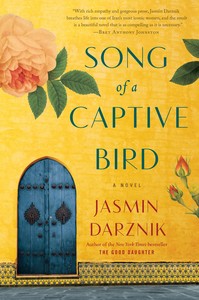
Song of a Captive Bird by Jasmin Darznik

Song of a Captive Bird is a fictionalized portrayal of the influential Iranian poet Forugh Farrokhzad, who, in her verse as in her life, rebelled against expectations that she keep quiet. Jasmin Darznik’s novel is inspired by the poetry, letters, and interviews that Farrokhzad left behind.

Secrets We Kept: Three Women of Trinidad by Krystal Sital

Nicole Dennis-Benn calls this memoir a “brilliant account of gender inequality and the burdens we bear as women in the Caribbean.” Secrets We Kept is about Krystal Sital’s grandmother’s life as a widow, and the complicated freedom she found after her husband’s death.
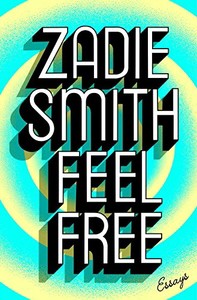
Feel Free by Zadie Smith

I really love opening up a magazine to find that there’s a new essay out from Zadie Smith. Now, for the first time, she’s gathered her nonfiction in one book, Feel Free.

Heart Berries by Terese Mailhot

While Terese Mailhot was in the hospital, diagnosed with post-traumatic stress disorder and bipolar II disorder, she started writing in a notebook. Heart Berries comes out of that notebook, and it’s a memoir in essays that, Lidia Yuknavitch says, is “shot through with funny angry beautiful brutal truths.”
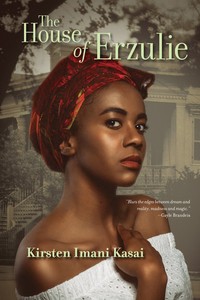
The House of Erzulie by Kirsten Imani Kasai

Shade Mountain Press is a small, new, exciting feminist press founded by the writer Rosalie Morales Kearns. The House of Erzulie is its next release, a surreal novel that switchbacks between the present day and a 1850s Louisiana plantation.

MARCH

Bury What We Cannot Take by Kirstin Chen

Kirstin Chen’s second novel is the large-hearted, absorbing tale of a family forced to flee Communist China because a child reports his grandmother to the Party for having vandalized a picture of Chairman Mao. When the visa office says one child has to be left behind, heartbreak ensues.
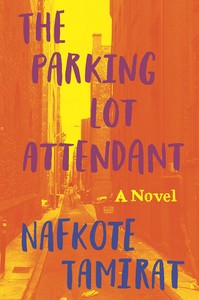
The Parking Lot Attendant by Nafkote Tamirat

I was utterly enthralled by this book, an unsettling, inventive debut novel about a girl and her father in an island commune. On the level of both prose and story, The Parking Lot Attendant feels startling and new.

Everyone Knows You Go Home by Natalia Sylvester

In this novel, Natalia Sylvester’s second, a woman’s father-in-law comes back from the dead to try to redeem himself with his unforgiving family. Cristina Henríquez says the book is infused with “extraordinary spirit and life.”

Go Home!, edited by Rowan Hisayo Buchanan

For months, I’ve been anticipating this anthology, which brings together Asian diasporic writers as wide-ranging, and as wonderful, as Mia Alvar, Alexander Chee, Karissa Chen, Kimiko Hahn, Alice Sola Kim, Chang-Rae Lee, T. Kira Madden, Jennifer Tseng, Esmé Weijun Wang, and still others. Ocean Vuong says, “I read this book and see my people — see us — and feel, in our collective outsiderhood, at home,” to which I say amen.
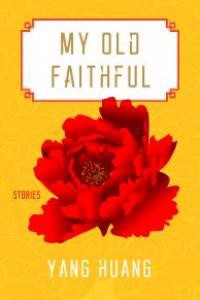
My Old Faithful by Yang Huang

The winner of the Juniper Prize for Fiction, My Old Faithful is a linked collection about a Chinese family that immigrates to the United States. This slim volume spans thirty years and a rich variety of stories.

The Beekeeper by Dunya Mikhail

In The Beekeeper, poet and journalist Dunya Mikhail gives the accounts of Iraqi women who escaped Daesh (ISIS), and of the beekeeper who helped them get away. Mikhail herself left Baghdad for the U.S. in the 1990s.

Happiness by Aminatta Forna

Rabih Alameddine says Happiness is one of the best novels he’s read in a while; John Freeman compares it to Kazuo Ishiguro’s The Remains of the Day. In this new book by the Commonwealth Writers’ Prize–winning Aminatta Forna, two strangers in London search for a missing boy.
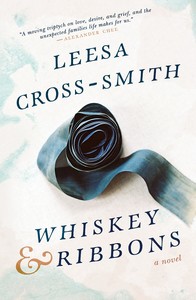
Whiskey & Ribbons by Leesa Cross-Smith

A police officer with a pregnant wife is killed on duty, and then the widow’s brother moves in to help raise the fatherless child. Alexander Chee says Whiskey and Ribbons is “thrilling,” and “as immediate and compelling as music.”

APRIL
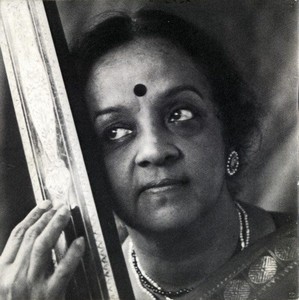
Poignant Song: The Life and Music of Lakshmi Shankar by Kavita Das

Poignant Song is a biography of Grammy-nominated Lakshmi Shankar, a prominent Hindustani classical music singer who collaborated with Western artists like George Harrison of The Beatles. I’ve followed Kavita Das’s writing for some time, and am eager to see what she does with this book.
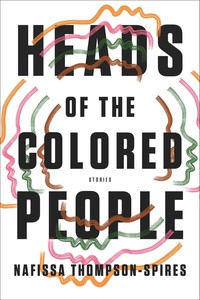
Heads of the Colored People by Nafissa Thompson-Spires

Nafissa Thompson-Spires brings to life a funeral singer, a suicidal girl, and middle-class mothers in this debut collection from Atria. Kelly Link says “the stories here are dazzling, wise, wicked, and tender,” and that the book’s a “knockout.”
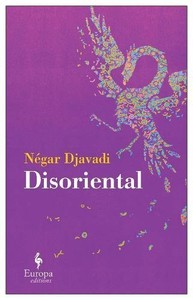
Disoriental by Négar Djavadi, translated by Tina Kover

Already the winner of France’s Le Prix du Roman-News, Disoriental now comes to the U.S. with its fictional account of Kimiâ Sadr, who, at ten, fled Iran for France. Now 25, she sits in a Paris fertility clinic as she’s visited — besieged — by memories of her family.

MAY
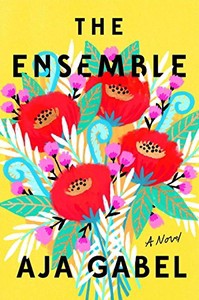
The Ensemble by Aja Gabel

Aja Gabel’s debut novel focuses on a string quartet making its way through the highly competitive, fascinating demimonde of music. Maggie Shipstead, for one, calls The Ensemble “a wise and powerful novel about love, life, and music”: “I didn’t want it to end,” she says.
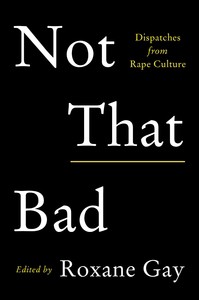
Not that Bad: Dispatches from Rape Culture, edited by Roxane Gay

Look, I’m not sure what could feel more urgently necessary than this collection of essays addressing rape and assault. It’s never “not that bad,” and may everyone read this anthology.

JUNE

Sick by Porochista Khakpour

Porochista Khakpour’s previous books, The Last Illusion and Sons and Other Flammable Objects, were memorably superb. I know I’m hardly the only reader who’s been awaiting Porochista’s third book and first memoir, a chronicle of her experience of late-stage Lyme disease.
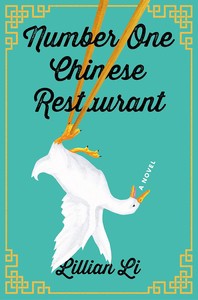
Number One Chinese Restaurant by Lillian Li

With one of the more eye-catching titles around, Number One Chinese Restaurant is centered upon the workers in a Maryland Chinese restaurant. Peter Ho Davies praises the novel, saying that Lillian Li “conjures the ‘eco-system’ of this workplace with insider acuity and renders her bustling, hustling clan of waiters, hostesses, cooks, and managers with brilliant feeling.”
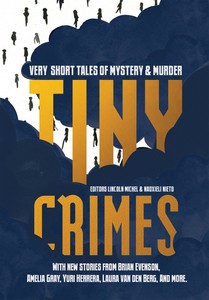
Tiny Crimes, edited by Lincoln Michel and Nadxieli Nieto

Lincoln Michel and Nadxieli Nieto, both longtime champions of short fiction, have compiled 40 very brief stories about crime. The collection includes writers as fantastic as Amelia Gray, Yuri Herrera, Carmen Maria Machado, Charles Yu, and Laura van den Berg.
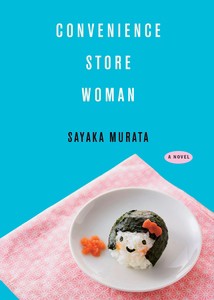
Convenience Store Woman by Sayaka Murata

I first read Sayaka Murata’s fiction in Granta and thought it hilarious, strange, and mesmerizing; this novel promises to be no less. It’s about a woman who started working at a convenience store while she was in college, and, at 36, is still in the same job.

Old in Art School by Nell Irvin Painter

Nell Irvin Painter is a visual artist and Princeton history professor whose teacher once told her she’d never be an “Artist.” In this intriguing memoir, she explores questions of what it is to be an “Artist,” capitalized, and of how the judgment of women would-be Artists can be affected by their looks, age, and race.

JULY
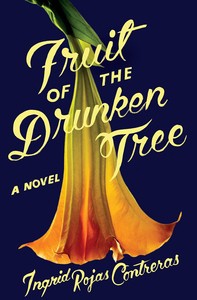
Fruit of the Drunken Tree by Ingrid Rojas Contreras

Fruit of the Drunken Tree takes place in 1990s Colombia, and depicts a privileged seven-year-old girl and her family’s maid. As drug-war violence escalates in Bogotá, the two girls draw close in what Patricia Engel calls a “heart-stopping portrait of the intimacy of violence.”
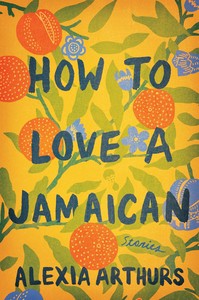
How to Love a Jamaican by Alexia Arthurs

Plimpton Prize–winning Alexia Arthurs is publishing her first book, a collection about Jamaicans and Jamaican immigrants. These accomplished stories range from New York to the Caribbean to the Midwest.
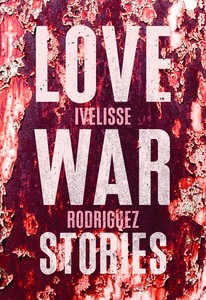
Love War Stories by Ivelisse Rodriguez

Here’s what Brazos bookseller Mark Haber has to say about Ivelisse Rodriguez’s book: that “it’s an insightful look into girlhood, race, and the wounds of growing up,” a “dazzling collection by an important new voice.” Puerto Rican girls, and the women who raise them, fight and love in this new release from the Feminist Press.

What We Were Promised by Lucy Tan

What We Were Promised tracks a family that moves from rural China to America then back to China, this time to a luxury high-rise in Shanghai. One day, an ivory bracelet goes missing, a mystery that exacerbates existing interfamilial tensions.

AUGUST
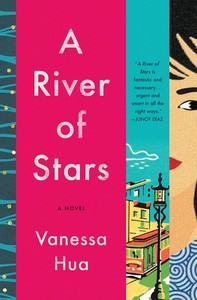
A River of Stars by Vanessa Hua

Vanessa Hua’s previous book, a story collection, received the Asian/Pacific American Award in Literature and was applauded by O, The Oprah Magazine as a “searing debut.” A River of Stars is Hua’s first novel, and its gripping tale of Scarlett Chen, a Chinese boss’s mistress sent to America to birth a child, is as moving as it is entertaining.
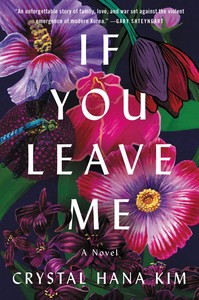
If You Leave Me by Crystal Hana Kim

Gary Shteyngart says If You Leave Me is “an unforgettable story of family, love, and war set against the violent emergence of modern Korea.” This deeply affecting debut novel is about Korean War–dislodged refugees who fall in love.
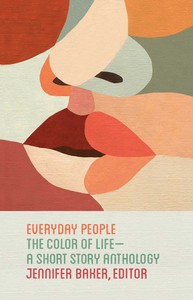
Everyday People: The Color of Life, edited by Jennifer Baker

Everyday People is the first fiction anthology in a long while from a big-five publisher featuring people of color and Native writers. Edited by Electric Lit contributing editor Jennifer Baker, the book includes Mia Alvar, Alexander Chee, Junot Díaz, Yiyun Li, Hasanthika Sirisena, Brandon Taylor, and other luminaries.

This Mournable Body by Tsitsi Dangarembga

Tsitsi Dangarembga’s third novel details the difficult life of Tambudzai, a woman in Zimbabwe who hopes for a better life than she can attain. Crisis comes when she takes a last-resort job in ecotourism.

OCTOBER AND AFTERWARD
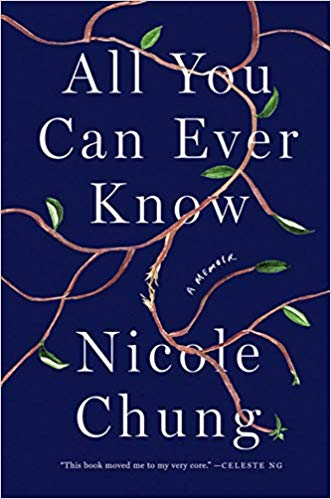
All You Can Ever Know by Nicole Chung

I’m in the habit of reading every one of Nicole Chung’s essays that I come across — compassionate and astute, her writing has much to tell us about race, America, belonging, and adoption. All You Can Ever Know is her first book, a memoir about having been adopted and the search for her Korean birth family.
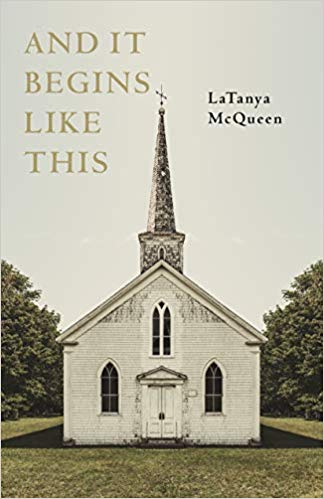
And It Begins Like This by LaTanya McQueen

“I have felt unseen my entire life,” says LaTanya McQueen, and she notes that this might be why she became obsessed with finding out more — and writing — about a storied ancestor, once a slave, who had a relationship with a white man. They had three children together, and the ancestor took the man to court to give their children his name.
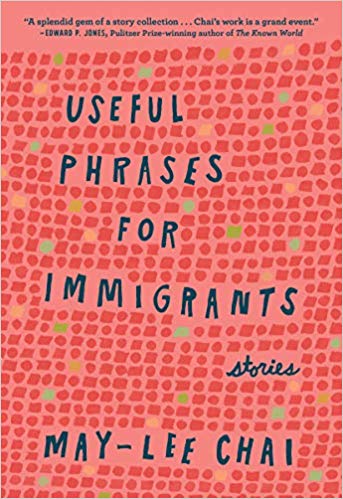
Useful Phrases for Immigrants by May-lee Chai

Tayari Jones selected Useful Phrases for Immigrants for the Bakwin Award, and calls it “essential reading,” with fiction that “interrogates heavy subjects with a light touch.” May-lee Chai used to report for the Associated Press, and this will be her ninth published book.
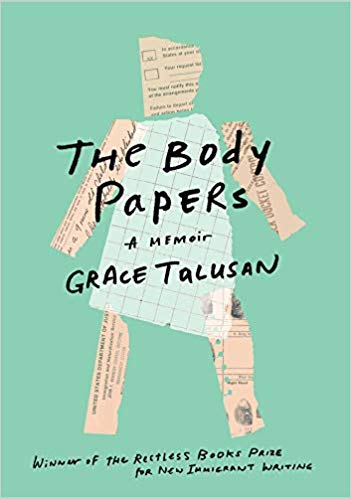
The Body Papers by Grace Talusan

Grace Talusan makes use of immigration papers, legal certificates, and medical test results in her memoir about immigration, trauma, and illness. The winner of the Restless Books Prize for New Immigrant Writing for Nonfiction, The Body Papers is timely and compelling.
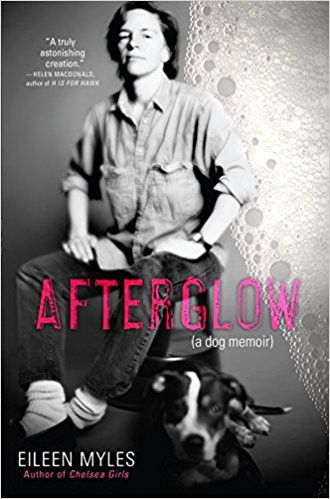
Eileen Myles’ Memoir Is Much More than Just a Dog Book

Eileen Myles’s Afterglow, a dog memoir, dazzles in unexpected ways. Myles weaves together seemingly disparate topics and personal vulnerabilities to advance their story to a sense of possibility. Their signature brand of rawness, delivered with their Boston vernacular and punk tenacity, renders their grief in a manner different from conventional memoir, yet the book has the same searing depth as the likes of Helen Macdonald’s H is for Hawk. Myles is in their most primal poetic state as they express tender intimacy through memories of bereavement. They reject chronology and use experimental hybrid text to bring together fragments, finding an idiosyncratic order in the untidiness. In other words, we’re witness to their unadulterated mourning process, one involving the loss of Rosie, their beloved 16-year-old pit bull.

We’re witness to their unadulterated mourning process.

While the core subject of Afterglow is Rosie, Myles also revisits themselves at eleven years old, witnessing the death of their father Terrence, a former mailman and alcoholic. Like Rosie, Terrence died while Eileen was in the room. When translated to the page, the sensory experience is a dualistic homage to Rosie and Myles’ father; the two figures are connected through Myles’ belief that Rosie is their father’s reincarnation. The subject matter asks a lot of the reader, but we also get the kind of humor you might find in, well, a dog book. Myles’ prize-winning literary enigmatologist skills make this memoir an unapologetic, frisky tapestry, robust with canine energy. The narrative threads jump around, get rowdy and growl, hide behind the couch, pee on the rug, want to play ball, bark to go outside and sleep across your lap.

I talked to Myles about form and how to upend it — whether that’s by intent and practice, or by following their instincts, writerly or otherwise.

Yvonne Conza: The memoir opens with a kind of fabulist investigation: an awkward, hand-addressed letter from Rosie’s lawyer who is interested in “getting the ball rolling on dogs’ rights.” Why did you choose this opening, a witty piece written years earlier, over the more sentimental dog-mortality chapter “Protect Me You” that begins with You’ve just fallen down on the grass — a gutting, heartbreaking moment that every dog owner recognizes and dreads.

Eileen Myles: I needed to establish the fantastic aspect of the book immediately. I don’t think if I started with “Protect Me You” I would be able to stretch the dimensions of the book to include invention. And I needed to place the letter in the book as quickly as possible. The front was the only place I could imagine it. And then I wrote around it to naturalize it.

YC: The book has a structure that invokes a tapestry. How did you decide on the arrangement? Had you envisioned that from the start?

EM: I kept shuffling them till they felt right. No, the tapestry idea came towards the end of the writing. But I had the xxx sections (Myles had thought to entitle those as “transcripts” or “Rosie at 15” or so Rosie can have her say) for a while and they seemed to reinforce the tapestry structure once it existed.

YC: Afterglow goes rogue on the memoir genre, there’s much less narration than one would usually see. Rosie’s life and death, the bond between pet and pet-owner, intimacy, spirituality, celebrity, politics, alcoholism and recovery, fathers and family history, and the myths built around grief are all covered, seem to froth together with subjects diverse as Kurt Cobain, Abu Ghraib and George W. Bush. How did you know when you got this foam-like form right?

EM: I realized that if I felt secure within each section as a whole, then I could search for the larger order and in some cases end things a little shorter here or there to reinforce the new (and final) ordering of the sections. And that feels foam like. Transitory and drifting. Any final order is a provisional place where I felt I could relax now like this. I could have kept persisting for perfection but finally felt like pretty good was enough like life to be as ideal as it got.

I realized that if I felt secure within each section as a whole, then I could search for the larger order

YC: Did Rosie’s dying give you permission, or new access, to explore your relationship with your Dad and to put his story on the page? What has that meant to you? Did it distill the grief, or provide final closure that, when you were eleven, might have been muddied with confusion and other emotions?

EM: Sure I think I wrote it to give myself that closure. Again there’s no end to mourning. It’s only provisional, but I used everything I had and got to the end of a lot of those feelings. But my mom died before the book came out and it’s dedicated to her so I think I finished that book (and my mourning for my dad and Rosie) so I could get going on the loss of the female parent.

YC: What poets and prose writers influenced your writing process with the book?

EM: Octavia Butler, Kafka, Bruno Schultz, Ursula LeGuin, James Schuyler and a number of travel adventure memoirs. Travel and sci-fi generally felt good.

YC: Chapters titled “x,” “FOAM,” andThe Dog’s Journeypush the narrative forward in unexpected ways. How did the lyricism and the landscape develop for these sections? Did you trust the pieces would home themselves, be woven in, as they came into existence?

EM: “Foam” came in pretty late. It already existed, but I saw that it could fit in the book. The “x” chapters were a whole and I had to figure out how to break it and position them throughout the book. The dog’s journey was written where it was as it was. It was meant for the end and maybe following it with the walk was a late thought. There was another ending chapter that didn’t work and that got jettisoned pretty late.

I think they are the lyric landscape. I mean the landscape comes into existence as these pieces find their harmony with each other. The order is kind of tonal.

YC: Do you write in parceled bursts? Or in fragments you weave and link together?

EM: Big bursts that I tighten and throw out passages to make it swifter, leaner.

YC: What’s your editing process like while working on a book like Afterglow? Do you hand-edit or do it on a computer?

EM: Both. Whatever makes me want to work. I enjoy printing out drafts and editing with a pencil but at various points doing it on the computer feels swift and dangerous though I always save drafts.

YC: Michael Silverblatt, Bookworm’s literary host of KCRW’s author interview program, asked you if you realized the extraordinary risks you took for this book and you mentioned: This was an opportunity to really betray my tribe. Can you talk further about taking risks in your work?

EM: In a way I have subject matter for the first time. It’s about a dog, truly. I gave myself a different question. How to make a book and honor a relationship. In many ways it’s truly a memoir. And I have no inherent respect for that form. That might’ve been the greatest betrayal. To write in a form I don’t admire, but then to figure out how to do it my way.

YC: While writing Afterglow, what was something that unexpectedly came up that you decided to run with?

EM: The puppets. (An early chapter in the book entitled “The Puppets Talk Show,” an imagined interview between Rosie and Myles’s childhood toy puppet.) The walk at the end was the memory of a recording but not the recording. I thought, oh I could write that walk by pretending I recorded it. I did but I never listened.

It’s about a dog, truly. I gave myself a different question. How to make a book and honor a relationship.

YC: Was there anything you cut in Afterglow that we will see in another book or poem? How did you determine that a cut section should be kept for future work?

EM: No. It was more like things from other places — foam, the rape of Rosie came into Afterglow.

YC: What current books are you reading? Who are the emerging writers that you are taking note of?

EM: Joy Williams. Just finished Jordy Rosenberg’s Confessions of a Fox. It’s in galley form.

YC: What writing habit has been most influential for you and has helped to advance your work?

EM: Write lots. Don’t fix as you go. Keep producing.

9 Fictional Friendships that Explore Male Intimacy

While constructed masculinity often represses conversations about the intensity, messiness, and vulnerability of male friendships, many novels and stories display men behaving together in ways the public discourse shuns. For this list, I chose pairs I found compelling in their contradictions. Many of the men rely on each other while struggling with addiction and mental illness, railing against their own toxicity to achieve a more honest form of vulnerability. Others compete for validation, dulling their sensitivities in the process. But whatever the dynamic, these are the kinds of friendships between men that reflect something much closer to real life than your average bromance caricature.

Arturo Belano and Ulises Lima, The Savage Detectives by Roberto Bolaño

At the fulcrum of Roberto Bolaño’s kaleidoscopic epic Savage Detectives, are the poets Ulises Lima and Arturo Belano, the author’s alter ego. The mysterious leaders of the Visceral Realists, drift through Spain, Israel, North Africa, and Mexico sharing an unspoken and often inscrutable bond as they phase in and out of contact. Chronicled through dozens of perspectives — although never directly from Arturo or Ulises — the novel’s narrators often observe a silent vulnerability shared between the pair as their physical and mental health slowly degrades.

Robby and Todd, “Midnight in Dostoevsky” by Don Delillo

Robby narrates Don Delillo’s masterful short story “Midnight in Dostoevsky.” While walking with his friend Todd around their college town, the two encounter a loner wandering around. Over a series of chance encounters, the friends project a fictional life onto the mysterious figure, debating his heritage, role in the town, family, and even the style of his winter coat. Coursing beneath their witticism; however, is a latent violence, as both struggle for control of their crafted version of reality.

Gunnar Kaufman and Nicholas Scoby, The White Boy Shuffle by Paul Beatty

The White Boy Shuffle was the first novel from the poet Paul Beatty, who went on to win the Man Booker prize for The Sellout. This coming-of-age tale follows Gunnar, an awkward, black surfer bum who is moved by his mother from Santa Monica to urban West Los Angeles — a decision Mrs. Kaufman makes after her son refuses to attend an all black summer camp because he feels the children are different from him. After befriending Nicholas, a prolific basketball player, Gunnar begins to undergo a startling transformation from neighborhood outcast to basketball superstar, and eventually to reluctant messiah of a “divided, downtrodden people.” This is a friendship about that explores conformity, and the conditions of black masculinity.

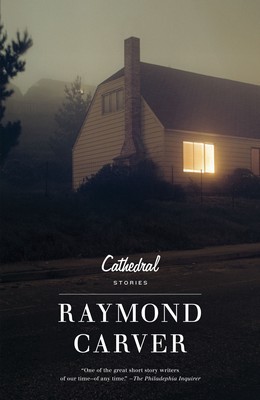
The narrator and Robert, “Cathedral” by Raymond Carver

On the surface, Carver’s “Cathedral” is a simple if, admittedly, strange story. A man’s wife invites a blind man her husband has never met to their home for drinks. They talk. They draw. That’s it. But, beneath its simplicity is a complex discourse about the ways many men do and do not communicate with each other. It digs into trust, vulnerability, and questions of inherent truth. By the end of the story something inside the narrator softens. He becomes more open, altered through his connection with another person.

Scott and Chris, The Sarah Book by Scott McClanahan

Scott McClanahan’s The Sarah Book was probably the best thing I read in 2017, and the saddest thing I read ever. After separating from the titular Sarah, Scott moves in with his also-recently-divorced friend Chris. In “the apartment of death,” they get drunk, feed steak to kittens, sing “November Rain,” and fuck around online, trying, together, to find something resembling functional happiness. This book is gorgeous. The friendship is communal and raw. Highly recommend.

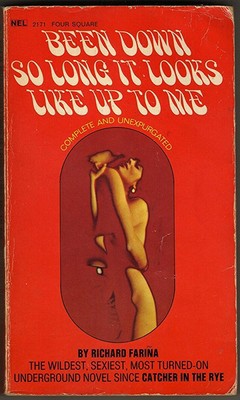
Gnossos Pappadopoulis and Heff, Been Down so Long it Looks Like Up to Me by Richard Fariña

Richard Fariña’s freewheeling Been Down so Long… follows charismatic Ivy League senior Gnossos Paddadopoulis as he returns to a campus primed for a counter culture revolution. Brazen, nearly constantly high, and obsessed with “cool,” he relies his friend Heff for grounding and political direction. As the novel progresses, however, it becomes clear that both use their personas as a means of staving off the encroachments of a corrupt and sinister era.

Georgie and Fuckhead, “Emergency” by Denis Johnson

The standout story from the late Denis Johnson’s Jesus’ Son is about two hospital orderlies stealing drugs and driving through Iowa at night. It’s a story about fear, hallucination, needing another person to hear you, and saving lives. In a book about weirdos and addicts struggling, and often failing, to get better. Georgie provides Fuckhead with hope that rarely exists in his world. Oh, and before all that he pulls a hunting knife from a man’s eye without doing any damage.

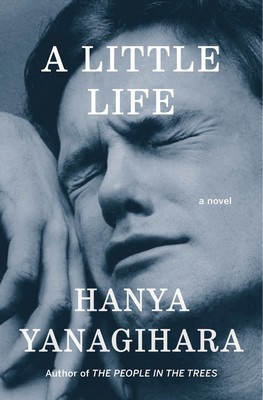
Jude, Malcolm, Willem & JB, A Little Life by Hanya Yanagihara

Four friends graduate from college and move together to New York City to make their way. They’re broke, adrift, and buoyed only by their friendship and ambition. There is kind, handsome Willem, an aspiring actor; Jean-Baptiste, a quick-witted, sometimes cruel Brooklyn-born painter seeking entry to the art world; Malcolm, son of an affluent New York family and a frustrated architect at a prominent firm; and withdrawn, brilliant, enigmatic Jude, who serves as their center of gravity. The reader learns more — and more graphic — details of Jude’s traumatic past as his friends do. As the tale unfolds, Yanagihara shows us the manifold roles that men play in one another’s lives.

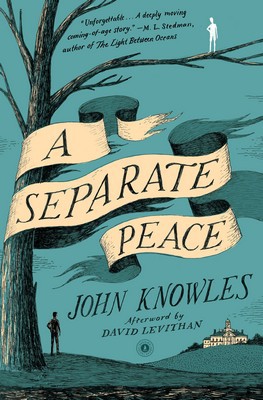
Gene and Phineas, A Separate Peace by John Knowles

John Knowles boarding school classic A Separate Peace, follows narrator Gene’s friendship with Phineas, the charismatic and athletic leader of their grade. Driven by an admiration that borders on obsession, Gene finds himself embroiled in an accident that leads to Phineas being severely injured. In a psychological rich narrative rife with homoerotic undertones, Knowles uses the boy’s friendship to explore trust, admiration, anger, and what it means to want another person’s life.

Gods of Sad Beauty

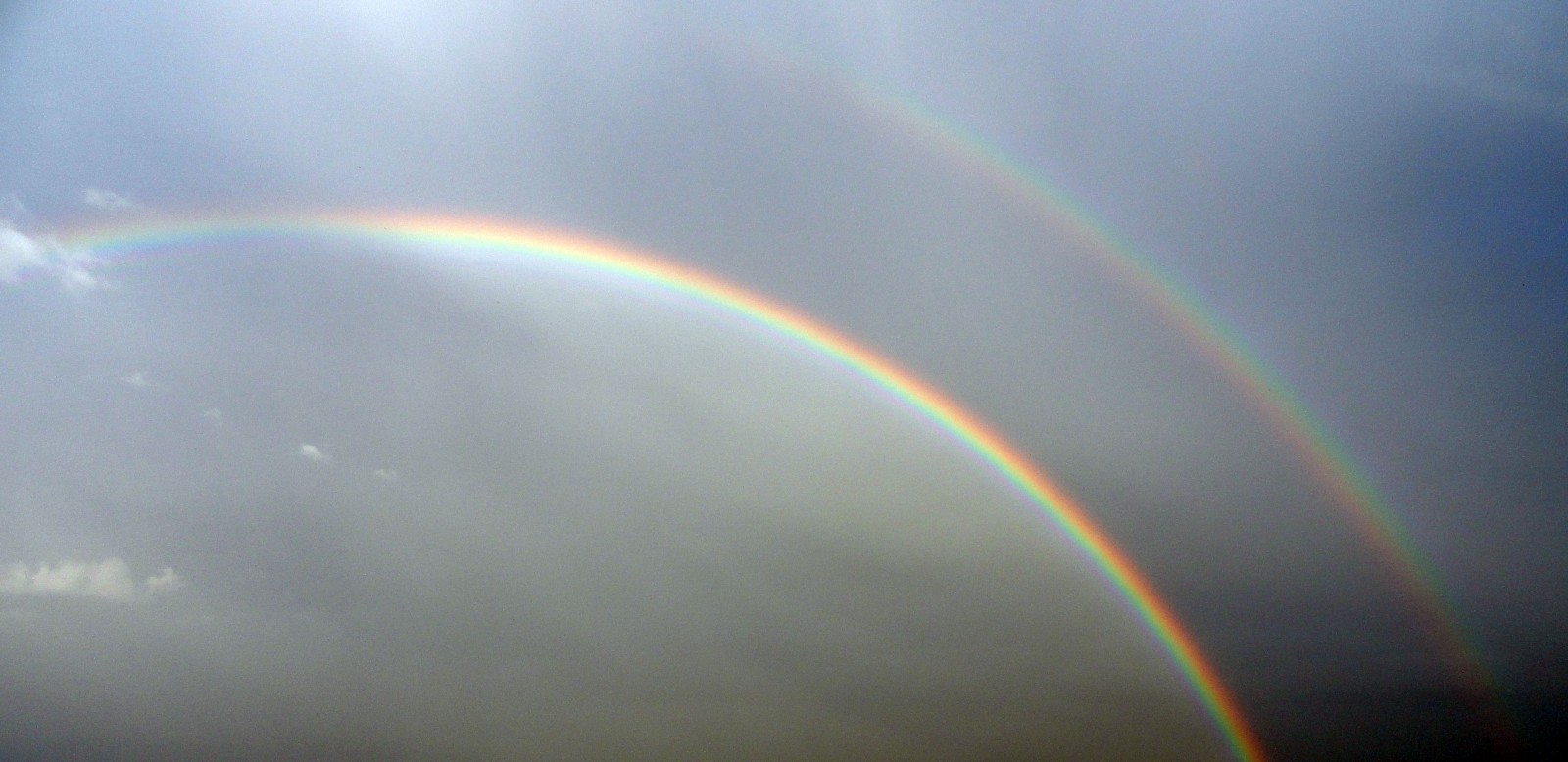
When Chogyam Trungpa Rinpoche was five, monks took him from his mother. When he was twenty, he and the monks fled Tibet. He studied comparative religion in Oxford. A car accident left him half paralyzed and prone to depression. He stopped dressing like a monk. At thirty, he married; his wife was sixteen. He called a friend to report news of his wedding and forgot his wife’s name. When he first arrived in America, he stayed at the home of a Korean monk; after drinking with him late one night, the monk called him a fraud and kicked him out. In Boulder, he had his hippie students dress neatly and follow elaborate rituals. He drank heavily. He believed true spirituality began and ended with boredom. He slept with his students. He liked the grasshoppers he saw in Texas; he said, “The world is very interesting, wherever you go, wherever you look.” When his mentor Suzuki Roshi died, he wept blood. He said, “Ego is always trying to achieve spirituality. It is rather like wanting to witness your own funeral.” He rang a gong over Robert Bly’s poetry reading. He thought Western psychology secularized original sin. He had his students strip W. S. Merwin and his girlfriend against their will. He believed in a concept he called “basic goodness,” a term I choke on. He said, “The real function of a spiritual friend is to insult you.” Brooding at a car window, he predicted the date of his death. People said he acted the same all the time, whether he was at home or speaking before hundreds. He said, “The bad news is you are falling through air, nothing to hang on to, no parachute. The good news is there is no ground.” When he died at 47, his body stayed warm for five days. At his funeral, a rare form of rainbow appeared in the sky.

Some say he was a charlatan. He came to me in a dream and farted. He came to me in a vision and said, “Why do you keep asking me questions? I am not your mommy and daddy. Before you can be your own parent, you must learn to be your own child.” I haven’t been to the center he founded for a year. I wanted to go on Mother’s Day for a long meditation, but I’d slept badly, and it snowed. Lately, when I meditate, I think about writing and forget to notice that I’m thinking about writing. For a while, I read only Chogyam Trungpa Rinpoche. I haven’t picked up his books in months.

In recent months, I’ve taken up and lost an intense interest in the Boulder Shambhala Center, Spanish, karaoke, Texas Hold ’em, Buffy the Vampire Slayer, salsa dancing, my new neighbor, Zumba, and the actor Anson Mount. I still, though, retain a small degree of interest in them, though least of all in the actor Anson Mount. He is preternaturally gorgeous and seems like a nice guy but is nothing like the character he plays on Hell on Wheels, Cullen Bohannon. Bohannon is part god of sad beauty, part wolf, and full of Hollywood rugged individualist tripe: “The only higher power I believe in,” he says, patting his gun. But look how, pure sorrow, he says of his wife, “She’s de-ad.” Look how he wakes at a bar table, drooling. Look how he breaks out of jail with a spoon. Look how he talks his way into the job of a man he’s blamed for killing. He can do anything but be happy. Then in season two, even Cullen Bohannon becomes nothing like Cullen Bohannon. How he simpered through that love scene, the one I’d waited for forever, as if all he was and loved meant nothing. What the hell happened? Where’s that wounded, seething, magic man? How I long for him, even now.
Love, Lies, and Grocery Shopping in a Blizzard

We Live in a Tree for One Month Every Year

Welcome to Recommended Reading’s new Monday supplement, a biweekly home for short prose, poetry, and comics.

Bigfoot on the Beach

Issue №1 | We Live in a Tree for One Month Every Year

by Reina Hardy

We are fragile, but immortal, somewhere between mayflies and unicorns. Eleven months of the years we sleep wrapped in tissue paper in big red boxes, until we are lifted and carried down, and carefully uncovered. By that time the tree is ready, covered in lights and red glass balls and golden ribbons. The tree used to be a stranger every year, a strange-smelling, god-like thing, sticky with sap, who knew things we didn’t know, but now the tree is more like us. It stays in a red dark bag in the basement most of the time.

Light comes down through the box lid. It stays on till we hear the only songs we know, and then the girl lifts them off. She has been tall enough now for so many Christmases, and she knows all of us that are worth knowing. She makes sure that we stay by our loved ones, and our friends. She makes sure that we do our jobs.
The goose girl must await her geese.

The giraffe puppet and the top hat lion are married now, after a long courtship.

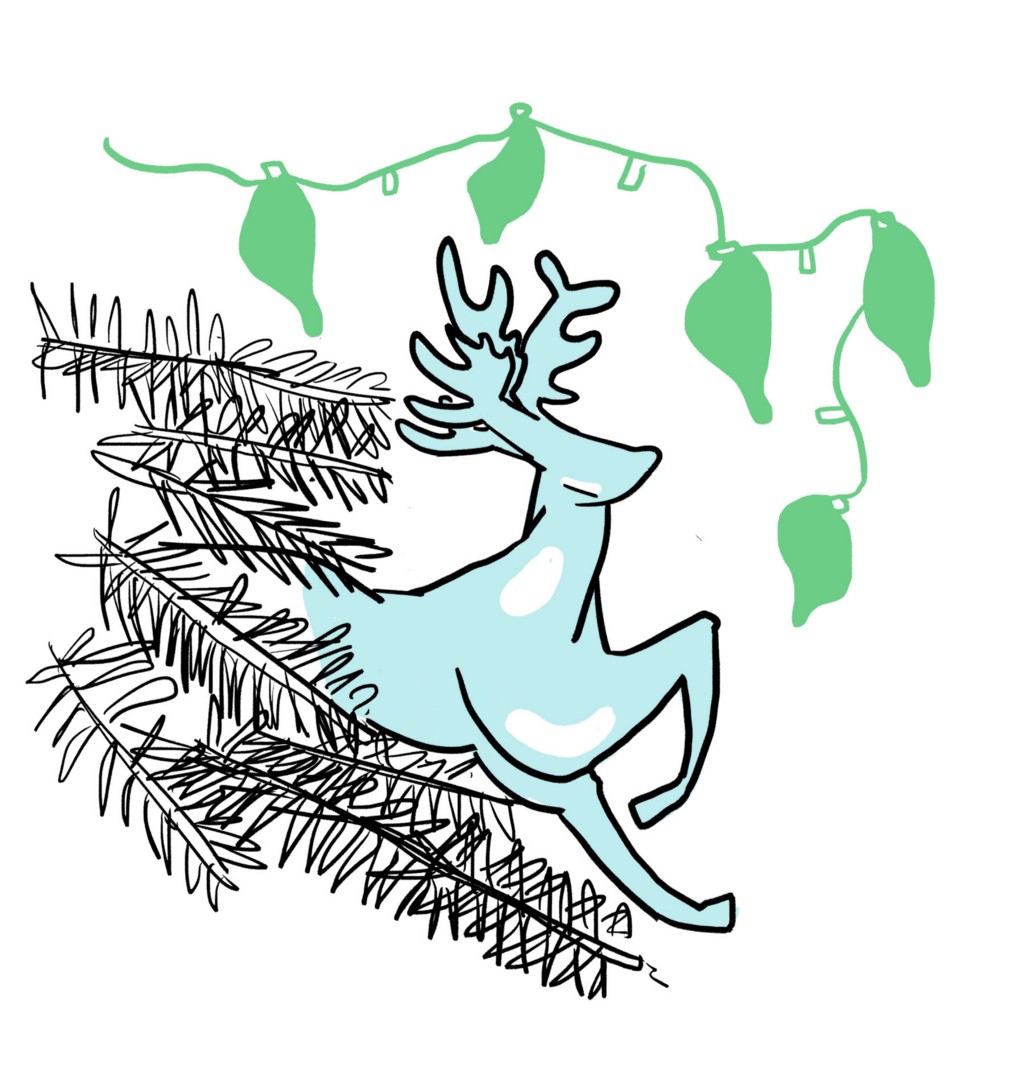
The beautiful glass king stag must hang a little hidden from view, with a green or blue light to illuminate him. Only then can his magic and beneficence filter through the house.

All of the other precious ornaments must be seen, even if they are new.

The old and unlovely are hidden below the window and behind the tree, but never do they stay in the box.

The new and unlovely go high, facing the window, but away from the family. They shout back to us about passerbys and dogs, which we have not seen for some time.

Angels and moons and suns and stars must go near the top.

Birds must nestle in lower branches, except for the doves, which must wait on Galatea.

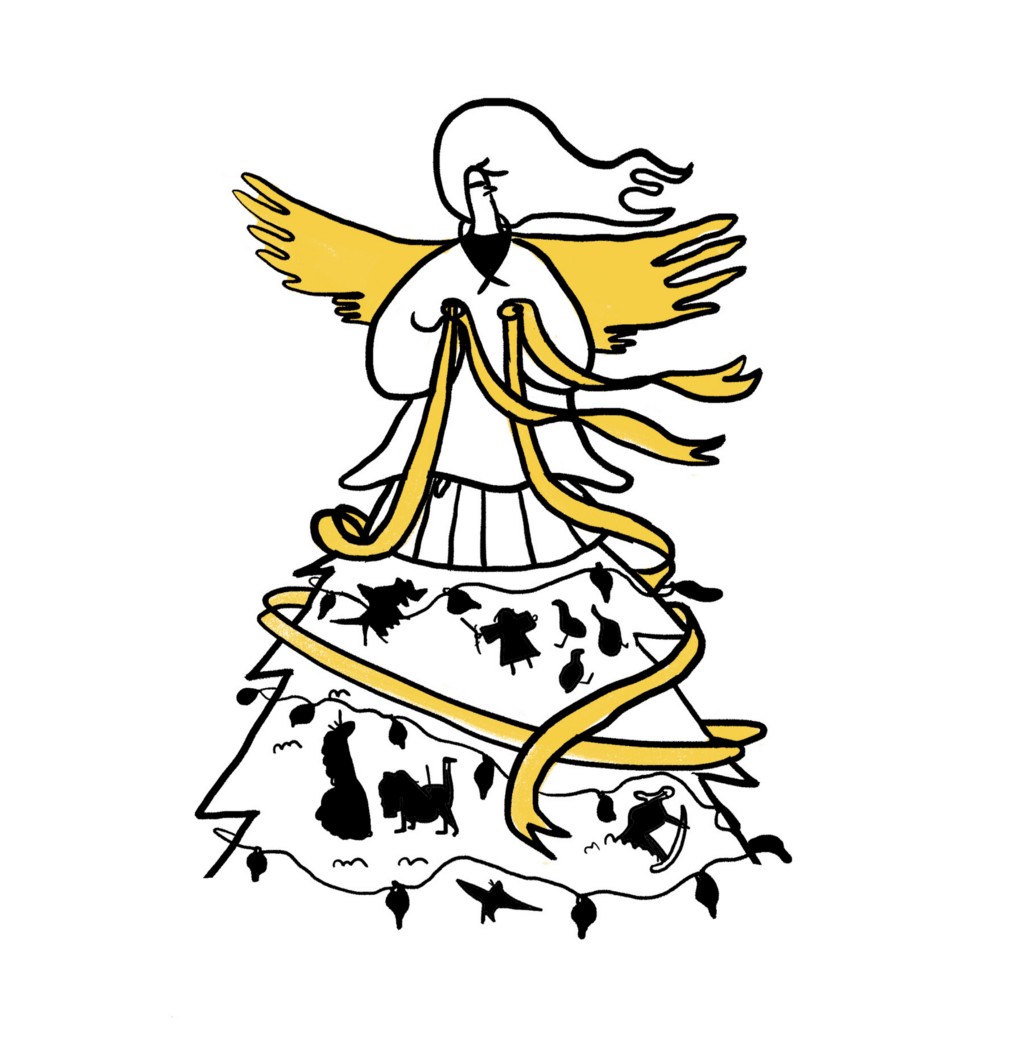
Galatea is the angel that holds the reins of the world. She is lashed to the highest point of the tree and she watches over all of us (the reins of the world are the golden ribbons.)

The green satin rocking horse mourned and would not stop mourning the death of the blue satin rocking horse (chewed up by a dog) and while he hung sad and lonely low for ever so many years he is gone now, and no one knows how he went.

After we have heard our songs two or three times through, the box is carried away, and life begins. We talk and visit, and love each other. We watch the people of the house, and the people of the street, and we cast our various magics on them. We used to talk to the new tree. We love to hear about snow, and traveling fast above streets, and about other trees, and about the moment when the old man put his hand on the tree, and shook it, and chose it for our own, and would take it home and string the lights so that the girl could go to work. And oh the strangeness of being strung with lights! The feeling of being all lit up and beribboned and becoming a world ruled by an angel!

The conversation is different now. This tree has never seen the old man, and says it has been strung with lights for as long as it can remember, so it is like talking with another old friend, an old friend we met just last year. And truly, we think it is better. The trees who were strangers could never stay long. They changed as people do, and their marvelous smells would fade. Galatea would tug on her golden ribbons, her face growing sad, and when the old woman would take us off the tree and wrap us in fresh paper, we would cling to the branches for and whisper “goodbye—goodbye!” We do not know what changed. We do not know where the dogs went, or the blue satin rocking horse, or the old man, but this year as we go into the paper we will say just Au revoir! Auf Wiedersehen! We will think of the songs in our sleep, dear tree, until we meet again!

About Recommended Reading

Recommended Reading is the weekly fiction magazine of Electric Literature, publishing here every Wednesday morning. In addition to featuring our own recommendations of original, previously unpublished fiction, we invite established authors, indie presses, and literary magazines to recommend great work from their pages, past and present. The Recommended Reading Commuter, which publishes every Monday, is our home for flash and graphic narrative, and poetry. For access to year-round submissions, join our membership program on Drip, and follow Recommended Reading on Medium to get every issue straight to your feed. Recommended Reading is supported by the Amazon Literary Partnership, the New York State Council on the Arts, and the National Endowment for the Arts. For other links from Electric Literature, follow us, or sign up for our eNewsletter.

9 Books About Being Southern and Queer as Hell

In the months leading up to Alabama’s special election — a race between KKK-defeating prosecutor Doug Jones and a horse-riding pedophile — all eyes were watching the South. Then again, eyes have been unusually tuned on the south since the 2016 election. And yet, phrases like “Trump Country” also reduce an entire region to a single, homogenous, ignorant concept.

In the literary world, many people seem to think that the South’s greatest export is our gothic canon. Authors like Flannery O’Connor and William Faulkner elevated the region’s literature in the 20th century, but as a writer, when I think about what it means to be Southern, I think of the many LGBT writers who use themes of solitude, violence, and social isolation as a way to cope with their own identities and traumas. Fighting and survival are trauma’s close cousins, and they reunite frequently in the majority of the texts I’ve chosen for this list. But queer Southern literature isn’t just about the struggles LGBT people have to deal with while living in the South. While many of these books explore the hardships LGBT southerners face, I’ve made it a point to include texts that highlight the joys of being Southern and gay as hell, y’all.

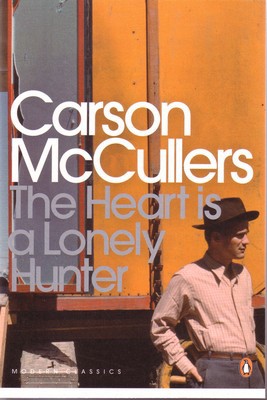
The Heart Is A Lonely Hunter by Carson McCullers

There have been many attempts made to place Carson McCullers within the realm of LGBT Southern fiction, and with good reason: McCullers interweaves themes of loneliness and sexual confusion in nearly all of her work, and she cherished a lifelong close friendship with Swiss writer Anne-Marie Clarac-Schwarzenbach. The Heart is a Lonely Hunter, her most well-known work, follows a deaf man named John Singer as he navigates his small Georgia town. The story focuses on Singer’s acquaintances, including Mick Kelly, a “tomboy” who’s clearly a coded lesbian, if you ask me.

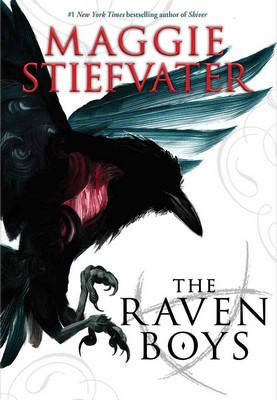
The Raven Cycle by Maggie Stiefvater

This YA fantasy series is set in Virginia, and at times feels distinctly Southern. The best thing about these books is that they feel familiarly Southern. They’re not billed as a Southern series, like Charlaine Harris’ Sookie Stackhouse novels, but the Southern setting and culture pervades throughout. Class and gender tension mingle with magical realism; family roots and forged friendships push back against a persistent underlying feeling of abject isolation — a Southern specialty. What earned this young adult series a place on this list, however, is its centering of a young LGBT couple, Ronan and Adam. Steifvater weaves their romance — between a boy as hard as nails (or at least wishes he could be) and boy who’s fought his whole life to fit in with his rich friends — into the larger plot.

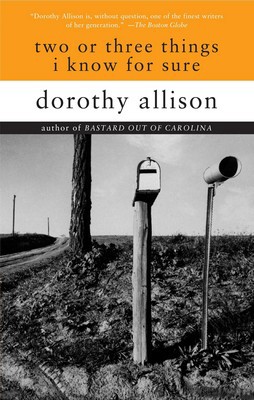
Two or Three Things I Know For Sure by Dorothy Allison

Bastard Out of Carolina was an obvious pick for the list, but Allison’s memoir, released in 1996, doesn’t get enough love. She dives into the history of her own family line headfirst, and dissects what she finds. It’s dark and enduring, full of lyrical prose. Dorothy Allison is known for being provocative and confrontational, and her memoir is no exception.

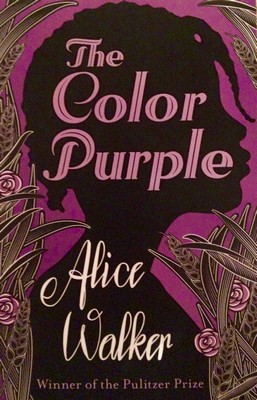
The Color Purple by Alice Walker

Alice Walker has said that she doesn’t identify as a lesbian or bisexual, but she’s not straight. Her most famous work, The Color Purple, centers a relationship between two women, Celie and Shug, within a winding tale of abuse, violence, and resilience. Shug Avery, a blues singer, spends most of this epistolary novel nurturing and loving Celie, eventually helping her escape her abusive husband.

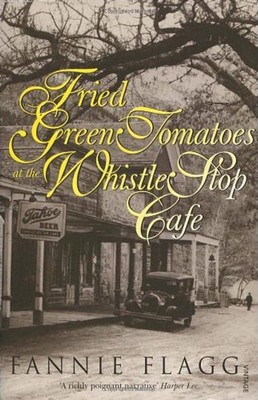
Fried Green Tomatoes at the Whistle Stop Café by Fannie Flagg

This novel by Fannie Flagg was adapted for film in 1991. The film is beautiful, but the novel, which follows the lives of Southern women in the fictional town of Whistle Stop, Alabama, is much more vibrant and diverse. While the lesbian themes in the film are only hinted at, Flagg’s novel paints Idgie and Ruth’s relationship as overtly romantic. If you love Southern food, crying, and lesbians, read this book.

Cooking in Heels: A Memoir Cookbook by Ceyenne Doroshow

I really wanted to include food writing on this list, because if there’s one thing Southerners love, it’s food. I love the idea of a “memoir cookbook,” and it’s everything I wanted and more. Ceyenne Doroshow is a transgender writer and activist raised in Brooklyn, but this cookbook is decidedly Southern. She shares stories from her life alongside classic Southern recipes like “Grandbaby’s Spare Ribs” and deviled eggs.

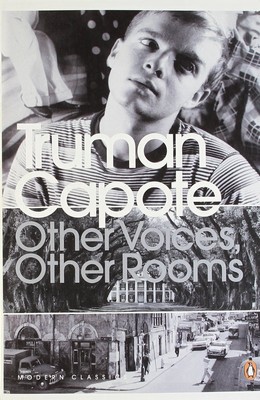
Other Voices, Other Rooms by Truman Capote

I couldn’t write a list of great Southern literature without including at least one Southern gothic choice, and I couldn’t write a list of gay Southern literature without including Truman Capote, so here I’ve managed both. Other Voices, Other Rooms was Capote’s first novel, written in the Southern gothic tradition. It’s deeply autobiographical, recounting the time Capote spent growing up in Alabama with his childhood friend and fellow Southern writer Harper Lee.

Crooked Letter i: Coming Out in the South, edited by Connie Griffin

This 2015 anthology, edited by Connie Griffin, features LGBT writers across the gender spectrum, all navigating the intersection between two sometimes disparate identities. Dorothy Allison provides the forward for this collection, and what follows are sixteen stories of survival, audacity and hope. In “Ben’s Eyes”, Ernest Clay tells the posthumous story of his longtime partner, Louie, growing up as a black gay man in the South and discovering his identity. Elizabeth Craven’s “Almost Heaven” explores the intersections of identity, family and Christianity.

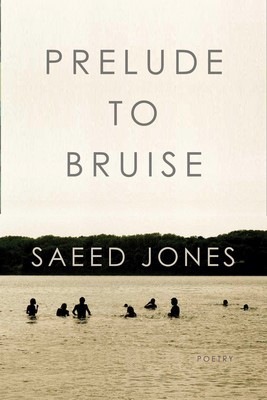
Prelude to Bruise by Saeed Jones

I love to think of Saeed Jones as a Southern poet. I’m not sure if he thinks of himself that way, but it gives me a great amount of joy when I read his work. His debut collection, published in 2014, is brutal and unsparing, but at times tender in a way that feels harsh. The poems explore ideas of isolation, connectivity and beauty, and question what it’s like to leave a mark on another person’s body, another person’s history. It’s a stunning collection, worthy of every praise.

The 10 Sexiest Jesus Figures in Literature, Ranked

One of the first things you learn in a high school English class is how to recognize a Jesus figure. Some possible tells: They’re too pure for this world, they sacrifice themselves for the good of all, they’re presented as the chosen one everybody has been waiting for, their initials are J.C. But it’s often not until after high school that you start to think “wait a second, aren’t a lot of these guys… kinda foxy?” Or maybe you never put two and two together before, and this is the first time you’ve thought about which Jesus figures in literature are snacks. In which case: merry Christmas.

Below, counting down to number one, are our picks for the dishiest Messiahs on your bookshelf.

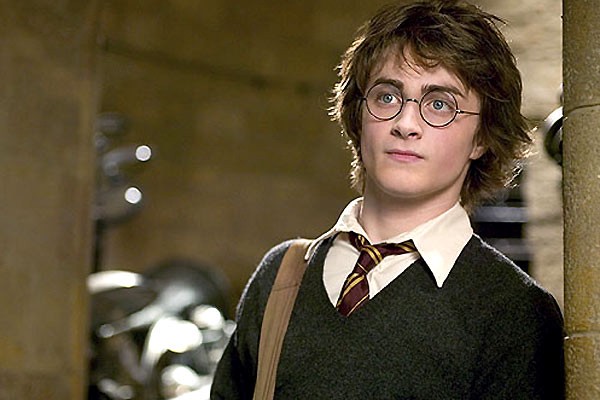
Daniel Radcliffe as Harry Potter in one of the later movies so it’s not creepy for us to put him on this list

10. Harry Potter, the Harry Potter series by J.K. Rowling

Harry starts out the series as a child, which is of course not sexy at all and means we’re uncomfortable ranking him any higher. But by the last book of the series he’s a flawed but strong-willed and noble young man. (He is also, not for nothing, played in the film version by Daniel Radcliffe, which will get you pretty far with some people.)

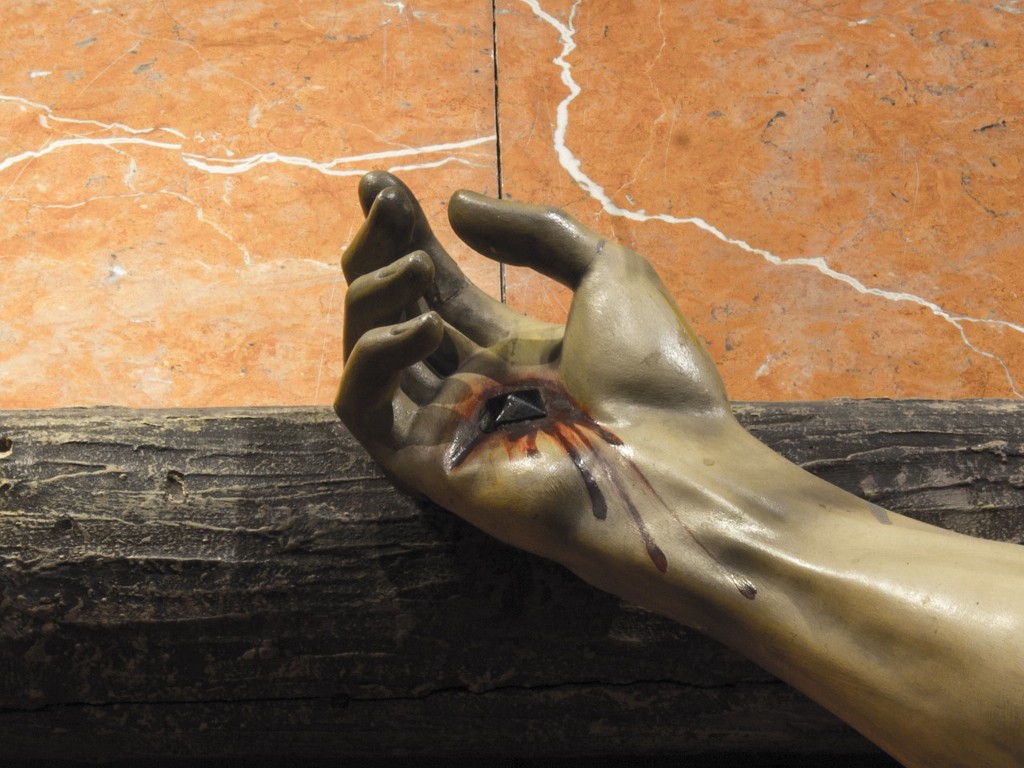
A realistically bloody crucifixion is the goal in “The Five Wounds” but for the sensitive we’ve provided an artist’s rendering of a hand nailed to a cross

9. Amadea Padilla, “The Five Wounds” from Night at the Fiestas by Kirstin Valdez Quade

The main character of this indelible short story is a Christ figure by choice, not just by authorial intent: He’s portraying Jesus in a brutally authentic passion play, in which he will really be whipped and nailed to a cross. A high pain tolerance and near-fanatical devotion are arguably sexy qualities, and he’s also trying hard to be a good dad to his pregnant teen daughter, which is an attractive attribute. But religious feeling makes Amadea prudish; during the course of the story he judges both his daughter and her mother for being sexually active.

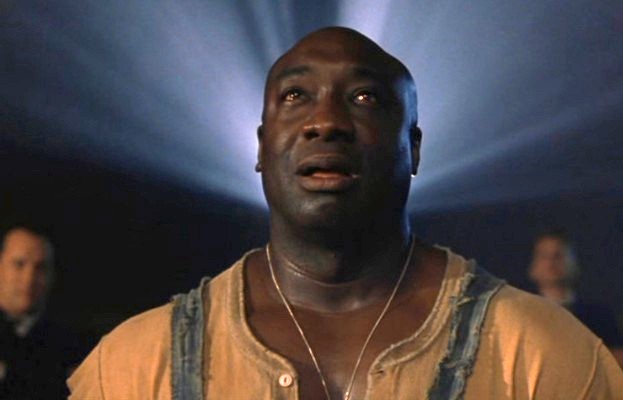
Michael Clarke Duncan as John Coffey in the movie adaptation of The Green Mile

8. John Coffey, The Green Mile

Physically, John Coffey is pretty hunky if you like that sort of thing (“that sort of thing” being dudes who can pick you up with one hand). But Stephen King’s oversized miracle-worker convict maintains a sweet, self-sacrificing innocence that justifies his telltale initials, but doesn’t do a lot to fire up the loins.

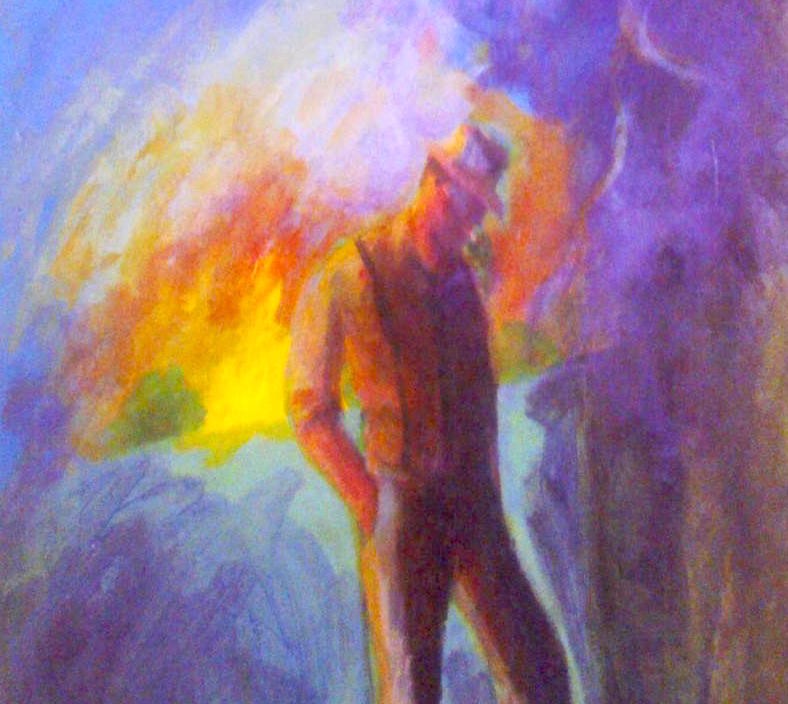
Painting from the cover of an old edition of Light in August

7. Joe Christmas, Light in August by William Faulkner

Faulkner’s subtly-named Jesus figure is a societal outcast and an illegal bootlegger, who believes himself to have African American ancestry and thus hovers uncomfortably between worlds in the highly racist Yoknapatawpha County. Being a surly, outside-the-law bad boy is kinda sexy, and so is troubling arbitrary racial distinctions. But Christmas is also bitter, resentful, and violent—to the point, it’s implied, of murder. Hannibal fandom aside, homicide is a bit of a cold shower.

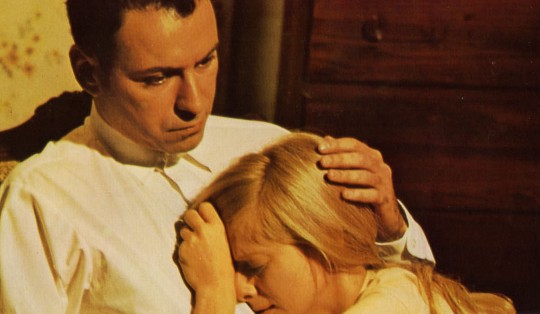
Alan Arkin as John Singer in the movie adaptation of The Heart is a Lonely Hunter

6. John Singer, The Heart is a Lonely Hunter by Carson McCullers

John Singer’s entire role in Carson McCullers’ novel is to be a blank slate onto which other characters can project their desires and expectations. Because he’s deaf and mute, he doesn’t contradict them, even as they get increasingly messianic. If you’re the codependent type, this kind of malleability might be extremely hot. If you prefer a partner with more grit, well… it’s a list of Jesus figures, so don’t get your hopes up too high.

Estonian actor Risto Kübar, by far the cutest person to play Myshkin, in an adaptation of The Idiot

5. Prince Myshkin, The Idiot by Fyodor Dostoevsky

The eponymous idiot isn’t dumb at all — he’s just fragile and sensitive. Though the epileptic Myshkin isn’t the picture of robust masculine health, he is generous, wise, trusting to a fault, and really gets women. He’s also very rich, if you’re into that. Unfortunately he also has basically no libido whatsoever, but if you’re looking for a guy who’s going to do the emotional labor, Dostoevsky’s “holy fool” is the man of your dreams.

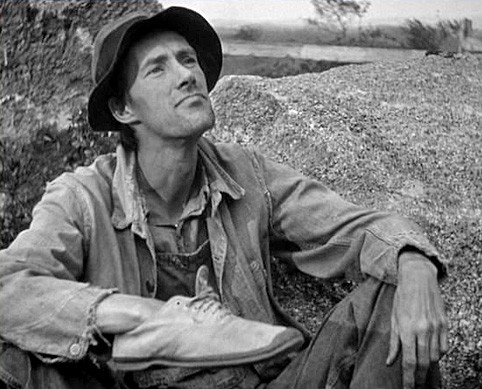
John Carradine playing Jim Casy and a shoe playing Jim Casy’s hand in the movie adaptation of The Grapes of Wrath

4. Jim Casy, The Grapes of Wrath by John Steinbeck

Preachers are not known for their sex appeal, but ex-preachers — now we’re talking. Jim Casy actually got up to a lot of shenanigans when he was a man of the cloth, but once he gives up on the idea of sin and starts espousing a philosophy of humanism and social justice, he gets even hotter. When he lays down his life for the rights of migrant workers, we can’t help but think he might be the holy sex symbol for our time.

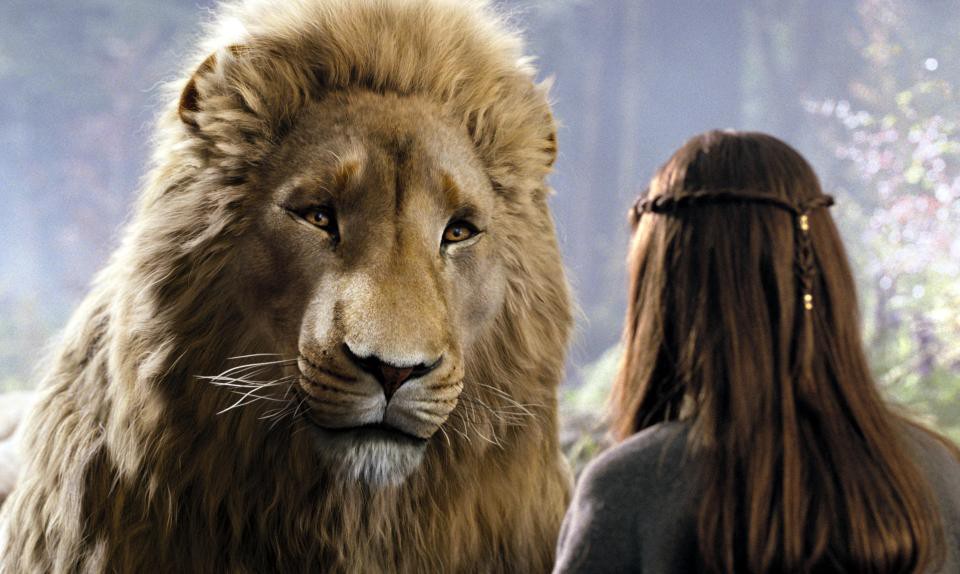
Aslan in the 2005 adaptation of The Lion, the Witch, and the Wardrobe

3. Aslan, The Chronicles of Narnia by C.S. Lewis

The highly religious C.S. Lewis surely did not intend for his transparent Christ analogue, who is also a lion, to be sexy. Unfortunately, Aslan is definitely extremely sexy for some reason. Maybe it’s the air of authority? We don’t forgive Pious Lion Daddy for barring Susan from Narnia just for getting into lipstick, but we gotta call it like we see it: hot cat. Sorry.

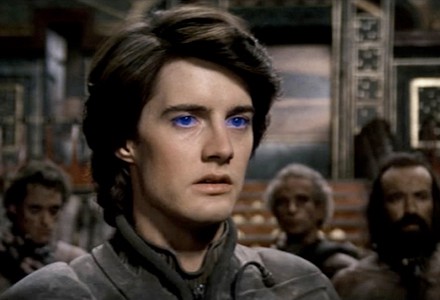
A young, hot, confused-looking Kyle MacLachlan in David Lynch’s Dune

2. Paul Atreides, Dune by Frank Herbert

The prophesied Chosen One of the desert world of Arrakis, Paul Atreides definitely has swagger. Honestly, he has way too much swagger. He is a cocky nightmare. But he’s a cocky nightmare who can ride sandworms and see the future! Buuuuuut he’s also kind of the product of a weird eugenics program so… okay, look. Fine. We’re being unduly influenced by the fact that in the otherwise unwatchable David Lynch film of Dune, Paul is played by a young Kyle MacLachlan, one of the few truly great-looking men. We’ll put up with a lot of attitude for that.

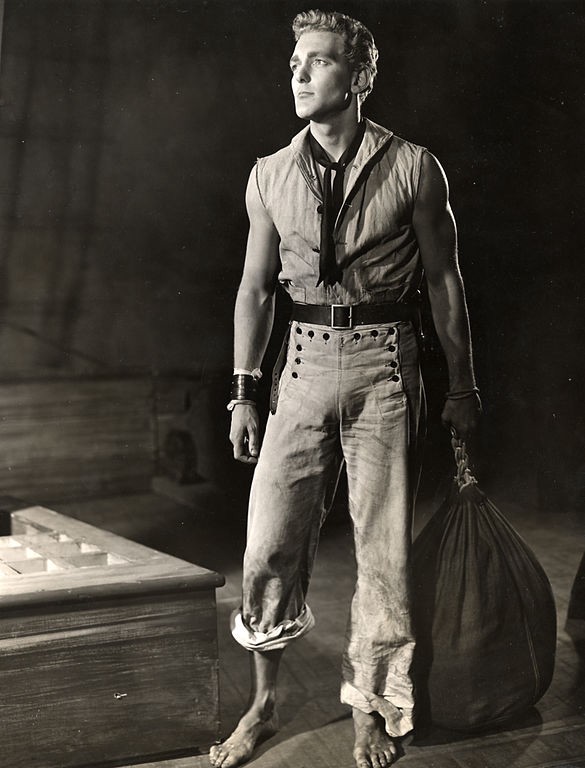
Charles Nolte being downright distracting in the Broadway production of Billy Budd (Photo: Charles Nolte Collection for the Performing and Cinematic Arts)

1. Billy Budd, Billy Budd by Herman Melville

Listen, we’re not just giving Billy top billing because of this picture of Charles Nolte in the… excuse me, scroll down please! The text is down here! Ahem, this picture of Charles Nolte in the 1951 Broadway production. Melville’s sailor is also—could you please scroll down—charming, handsome, popular, and endlessly forgiving, even when falsely accused and persecuted. Plus, his stutter means he won’t interrupt you. Bliss.

10 Moments That Shook the Literary World in 2017

Though 2017 saw plenty of loss, threat, and infighting, it was also the year we celebrated diversity, fought against injustice, and toppled predatory men from positions of power. On the one hand, art itself is under threat from a dystopian government, but on other, a white supremacist lost his six-figure book deal and Jesmyn Ward became the first woman and the first black author to win two National Book Awards for fiction! Yeah, it’s been a roller coaster. These were the deaths, disputes, awards, lawsuits, firings, Twitter pile-ons, and fashion faux pas that defined a tumultuous year.

10. Margaret Atwood’s Purse Wins An Emmy

Writers everywhere learnt that bringing your purse onstage is a faux pas after Margaret Atwood’s “The Handbag’s Tale” moment at the Emmy Awards went viral. News outlets and social media quickly dubbed the feminist icon the “ultimate nana,” because defining women by familial roles and their relationships to other people isn’t reductive in any way. Here at Electric Literature, we celebrate writers because of their powerful writing and not their wardrobe choices, so we wrote about about “Why The Handmaid’s Tale Is So Painful to Watch” and how “The Real Villain in Netflix’s Alias Grace Is the Male Gaze.”

9. ‘1984’ Tops the Bestseller List After Presidential Inauguration

George Orwell’s dystopian novel depicting a grim future in a totalitarian state has surged in sales since the presidential election, climbing to to the top of the Amazon bestseller list. Penguin, 1984’s publisher, said Orwell’s “vision of an omni-present and ultra-repressive state is rooted in the ominous world events,” which certainly rings true in our current political climate. The administration’s growing collection of buzzwords, such as Trump counselor Kellyanne Conway’s claim that Sean Spicer’s falsehoods were “alternative facts,” struck many as similar to the novel’s “newspeak” and “doublethink,” which are employed by the state to limit freedom of thought. References to the dystopia, and its uncanny parallels with our current political quagmire, became so numerous that they propelled the 68-year-old book to the top of the charts.

Ta-Nehisi Coates via Wikipedia, Cornel West via Wikipedia

8. Ta-Nehisi Coates Deletes Twitter After Feud With Cornel West

Ta-Nehisi Coates, the author of Between the World and Me, deleted his Twitter account following a scathing op-ed by Harvard professor Cornel West attacking Coates as “neoliberal face of the black freedom struggle” and accusing him of “fetishiz[ing] white supremacy.” West, a radical activist, author, and outspoken critic of the Obama administration, posted the article to his Twitter, writing that Coates’ “analysis/vision of our world is too narrow & dangerously misleading.” The Guardian article also argued that Coates’s “allegiance” to President Obama has blinded him to the injustices committed by the administration and “produced an impoverished understanding of black history.” The drama spilled over on social media with Jelani Cobb, staff writer for The New Yorker, and Richard Spencer, white supremacist, both weighing in. Coates responded on Twitter by announcing “peace, y’all. i’m out. i didn’t get in it for this” before deactivating his account of 1.25 million followers.

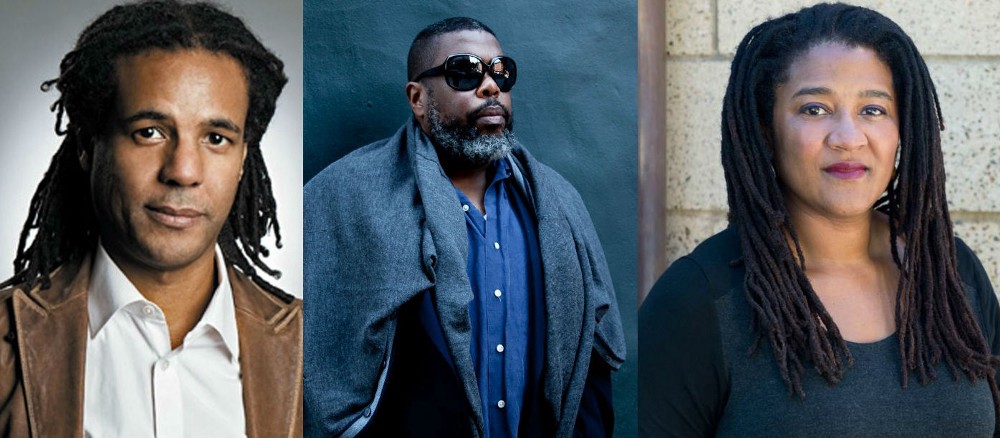
Whitehead, Als, and Nottage, Pulitzer Prize winners

7. Awards Are Less White Than Ever Before

Literary awards in 2017 lost some of the pale caucasian sheen they’ve had in years past. Four of five Pulitzer Prize winners in Letters & Drama were writers of color—Colson Whitehead’s The Underground Railroad for fiction, Hilton Als of The New Yorker for criticism, Lynn Nottage’s Sweat for drama, and Tyehimba Jess’ Olio for poetry. (Heather Ann Thompson also won the nonfiction award for Blood in the Water: The Attica Prison Uprising of 1971 and Its Legacy.) Jesmyn Ward became the first woman and the first black author to win a second National Book Award, this time for Sing, Unburied, Sing, beating out the three other women of color (and one white guy) on the shortlist. (Other winners were Robin Benway’s Far from the Tree for young people’s literature, Masha Gessen’s The Future Is History: How Totalitarianism Reclaimed Russia for nonfiction, and Frank Bidart’s Half-light for poetry.) And Ward also won a MacArthur “Genius” Grant, alongside fellow non-white person Viet Thanh Nguyen. #PublishingSoWhite, still, but this year was less embarrassing than most.

6. New Yorker Short Story ‘Cat Person’ Goes Viral

Right before 2017 could end, we were thrilled to see Twitter turn into an Intro to the Short Story class with a focus on Gender and Sexuality. “It’s a perfect storm of a story: one that deals with a young woman’s complicated experience of sex and consent, coming at a time when such experiences are a topic of national conversation, and published in a high-prestige magazine,” we wrote. “It’s not quite topical enough to seem crass — this isn’t a story about assault or harassment, it’s a story about bad sex — but like recent reporting on those topics, it illuminates a dark corner of many women’s personal histories. Apparently, that combination made it catnip (pun intended) for Twitter.”

5. Problematic Young Adults Books Blow Up The Internet

The publishing world, after being called out for being 79% white in a survey in 2016, seemed to be making conscious efforts to publish diverse titles written by people of color. However, this can only be successfully accomplished by actually hiring people of color to work in publishing. Without doing so, you set yourself up for publishing books that will make the Internet explode. And one genre you definitely didn’t want to mess with was Young Adult.
This year, we saw the Twitter community explode over The Black Witch, a YA novel that attempted to make a point about racism, but did so in ways that plenty of readers found…racist. Reviewers initially lauded the book for being, “a compelling tale of romance and rebellion with valuable discussion about prejudice.” But after its publication, Harlequin Teen’s inbox was overrun with angry emails demanding the title be pulled from publication. L.L. McKinney summed up the argument in this tweet, “In the fight for racial equality, white people are not the focus. White authors writing books like #TheContinent or #TheBlackWitch, who say it’s an examination of racism in an attempt to dismantle it, you. don’t. have. the. range.”

Laura Moriarty’s American Heart had a similar story: its white savior narrative was glaringly obvious to many readers but was initially overlooked by reviewers. In fact, Kirkus gave the book a starred review, calling it, “terrifying, suspenseful, thought-provoking, and touching.” The only “terrifying” element of the story, according to other non-Kirkus reviews, was the way that its Muslim characters were seen only through a non-Muslim lens. The anonymous (but Muslim!) Kirkus reviewer agreed to rescind her star, and Kirkus also altered her review, apparently without her input.

Photo by Cliff

4. The Literary Legends We Lost This Year

The literary world lost a lot of greats this year. We mourn their loss, but are grateful that they will live on through their work. In Memoriam: John Ashbery (Pulitzer Prize-winning poet), Michael Bond (creator of Paddington Bear), Colin Dexter (author of the Inspector Morse series), Paula Fox (author of Desperate Characters), William H. Gass (experimental writer), Bette Howland (author of Blue in Chicago), Judith Jones (editor of The Diary of Anne Frank), Denis Johnson (author of Train Dream), Liu Xiaobo (Nobel Prize-winning essayist, poet & dissent), Robert M. Pirsig (author of Zen and the Art of Motorcycle Maintenance), Lillian Ross (journalist for The New Yorker), Robert B. Silvers (founding editor of The New York Review of Books), Sam Shepard (Pulitzer Prize-winning playwright), Jean Stein (oral historian), Derek Walcott (poet & playwright), Heathcote Williams (playwright), and many other literary luminaries.

3. Simon & Schuster Offers Milo Yiannopoulos A Book Deal, Backs Out, and Gets Sued

Milo Yiannopoulos, a leading “alt-right” white nationalist, secured a $250,000 advance on a book to be published by Threshold Editions, a “contemporary conservative” imprint of Simon & Schuster. After news spread of the (now former) Breitbart editor’s six-figure deal, editors, authors and readers condemned the publisher and vowed a boycott. Roxane Gay, the author of Bad Feminist and Difficult Women, pulled her forthcoming title, How to Be Heard, from the publisher’s TED Books imprint. She said “I’m not interested in doing business with a publisher willing to grant him that privilege,” adding on twitter: “I can afford to take this stand. Not everyone can. Remember that.” Soon after, S&S pulled Yiannopoulos’ book deal after a video came to light that “showed him trivializing pedophilia and questioning the ‘arbitrary and oppressive’ age of consent.” Yiannopoulos responded by self-publishing his memoir under his own imprint dedicated to “the destruction of political correctness and the progressive left,” and suing S&S for $10 million. The winner in this story? Roxane Gay, feminist favorite, for standing up for her beliefs even to her own financial detriment.

2. Trump Wants to Kill Funding for the Arts

The President released a budget proposal that would eliminate the National Endowment of Arts and the National Endowment for the Humanities. The $300 million combined annuals budgets of the two independent cultural agencies amounts to 0.02% of the $1.1 trillion of total annual discretionary spending, a paltry sum made even more negligible next to the estimated $70 billion cost of building an unnecessary border wall. The NEA and NEH provides much-needed funding to “artists, writers, magazines (like Electric Literature), libraries, local television stations, radio programs, therapy for military veterans, classes for underserved students, concerts, plays, exhibits” and thousands of other vital cultural projects that enrich America.

1. Sexual Harassment Allegations Roil the Publishing Industry

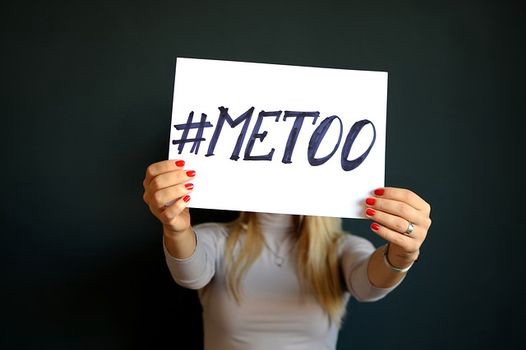
Publishing is an industry staffed by women but controlled at the top by men. This hierarchical gender imbalance has led to an environment rife with sexual harassment by male editors exploiting their influence as gatekeepers. Now, after decades of silence, the publishing industry is finally having its #MeToo reckoning. Lorin Stein, editor-in-chief of The Paris Review, resigned after the literary magazine launched an investigation into his behavior towards female colleagues. He had confessed to “engaging in consensual sexual behavior” with interns and writers at the magazine. Hamilton Fish, president and publisher of The New Republic, resigned after similar sexual misconduct claims. Leon Wieseltier’s new magazine folded after the former editor of The New Republic admitted to “misdeeds” against his former female employees. Others accused of sexual misconduct are Penguin Random House art director Giuseppe Castellano, Mother Jones editor and chief executive David Corn, NPR senior vice president for news Michael Oreskes, Lockhart Steele of Vox, star reporter for The New Yorker Ryan Lizza, Artforum publisher Knight Landesman, DC Comics editor Eddie Berganza, and veteran playwright Israel Horovitz.

9 Books About Faith That Even Atheists Can Believe In

This time of year can be tough. While it brings out the festive and the merry, it also means the return of traditions both charming and oppressive, and a lot of religion. For centuries, religious faith has simultaneously been used as a form of liberation and subjugation; some have suffered under the doctrines, while others, in following what is writ, have found freedom and escape from the hardened world. Whatever the practice, both questioning and believing in the divine, the supernatural, or the eternal has always gone hand in hand with being human. Whether you consider yourself to be a devout, an atheist, a nihilist, a unitarian, or somewhere in between, here’s a list of praise-worthy books that explore the tricky business of religiosity and spirituality, the ineffable ether, doubt, and denial.

The Mothers by Brit Bennett

Brit Bennett’s debut opens with a chorus, the fiery matriarchs of a church in Southern California whose observations in part give the novel its name. The drama of Bennett’s novel centers on a secret involving two young lovers and that results in a scandal that irrevocably changes the congregation of the Upper Room Chapel. Written with searing wisdom and gut wrenching honesty, the strength of Bennett’s story lies in its ability to convey how fraught the line between desire and devotion can be. Through her protagonists’ eyes, readers are confronted with the transformative nature of love and loss.

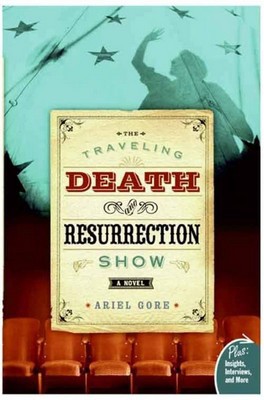
The Traveling Death and Resurrection Show by Ariel Gore

The Traveling Death and Resurrection Show meshes the sideshow circuit with the ritual-steeped tradition of Catholicism. Ariel Gore’s heroine, the orphaned Frances Catherine a.k.a. Frankka, exhibits the wounds of Christ when she’s hungry. This phenomena propels Frankka on a strange yet fascinating series of misadventures alongside a group of oddball performers and seers. As the group’s travels earn them fame and Frankka’s supernatural ability is revealed to the masses, she and her makeshift family find themselves at risk. While on the run, she crosses paths with Dorothy, a deeply devout woman who helps her make sense of not just her abilities, but her life. A tale of self-discovery, faith, and belonging, Gore’s novel will feel hallowed to even the biggest skeptic.

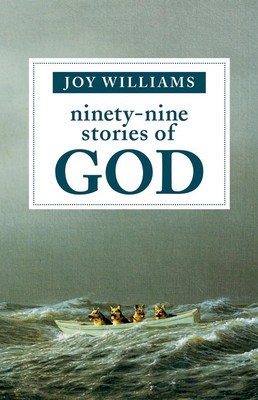
Ninety-Nine Stories of God by Joy Williams

In the first story of her collection, Joy Williams writes, “What she wrote was not important. It was the need that was important.” Throughout Ninety-Nine Stories of God, Williams peels back the many layers of “the need” alluded to in her opening story. Each narrative transforms the concept of god into a metaphor or coping mechanism meant to ease the anxieties of being human. At times, Ninety-nine Stories of God reads like a fabulist scripture, each vignette and flash-length vision bringing her audience closer to understanding the purpose behind the divine and our need to embrace or reject it.

The Power of Reading in the Face of Apocalypse

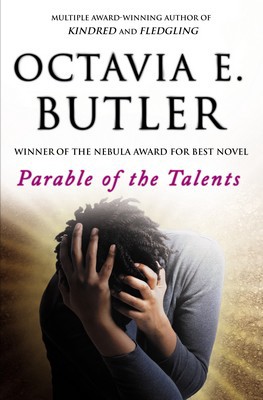
Parable of the Talents by Octavia E. Butler

In the opening to Parable of the Talents, sci-fi pioneer Octavia E. Butler writes, “We are born not with purpose, but with potential.” Prefaced by the sage words from Earthseed’s Book of the Living, Butler’s sequel to Parable of the Sower continues the legacy of Lauren Olamina, a teenage girl who searched for truth and meaning in an apocalyptic world ruled by a maliciously conservative tyrant. Told through a series of journal entries and first person accounts by those who knew her, this arresting, timeless novel examines the way faith is often used to mask intolerance and injustice. Somewhere between a gospel and a cautionary tale, The Parable of Talents will shake you to your core.

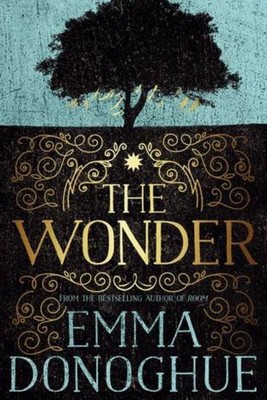
The Wonder by Emma Donoghue

Inspired by the historical phenomenon of fasting girls, Emma Donoghue’s novel The Wonder follows Lib Wright, a nurse, and her observation of Anna O’Donnell, an 11-year-old girl who’s miraculously abstained from eating for four days. Charged with the task of determining whether Anna’s fasting is a miracle or an act of fraud, Lib finds herself immersed in a community rooted in age-old folktales and religious superstition. Through vivid observations and gripping characterization, Donoghue examines the intersection between loss, faith, and the politics of the female body. Each page possesses haunting truths.

Electric Literature’s 15 Best Short Story Collections of 2017

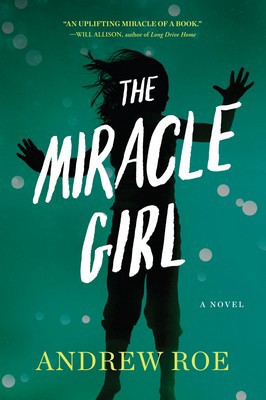
The Miracle Girl by Andrew Roe

The Miracle Girl begins with a multitude of onlookers, believers, and strangers craning their necks in hopes of catching a glimpse of the Anabelle Vincent, a young girl in a coma-like state. A rumor that visiting her bedside can lead to miraculous events spreads, and the small town in which Anabelle rests becomes the epicenter of a national curiosity. Andrew Roe’s enthralling and intimate novel uncovers how believing in the impossible can change a person, for better or worse.

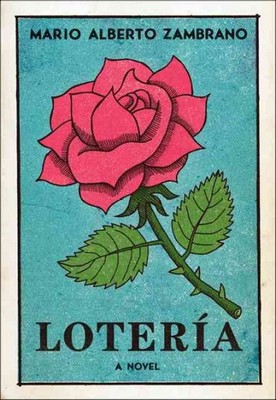
Lotería by Alberto Zambrano

Throughout the spellbinding pages of Mario Alberto Zambrano’s novel, Luz attempts to grapple with the aftermath of a traumatic event. Amidst the chaos, she finds solace in a Lotería deck. A hybrid between playing cards and Tarot, each of these 54 cards help her piece together an experience she’s unable to share verbally. Drawing cards like La Sirena, La Luna, and El Mano become a catalyst and a curative balm alleviating the weight of her family’s deepest secrets and wounds. Zambrano’s narrative is a heartfelt look at how ritual and storytelling can lead to salvation.

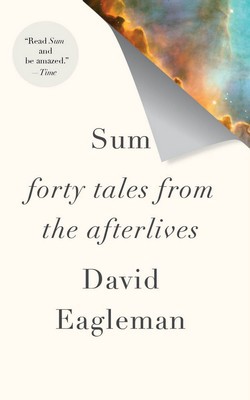
Sum: Forty Tales From the Afterlives by David Eagleman

Sum: Forty Tales From the Afterlives offers readers a hypothetical array of what lies beyond the proverbial veil. With the descriptive prowess of a poet and the pragmatism of a scientist, David Eagleman’s speculative afterlives capture the essence of mortality, the myriad of feelings that go hand in hand with being alive. Whether it be an afterlife defined by softness or an afterlife that only begins once your name is spoken for the last time, Eagleman’s exploration of the eternal will make you examine how you calculate the totality of your life.

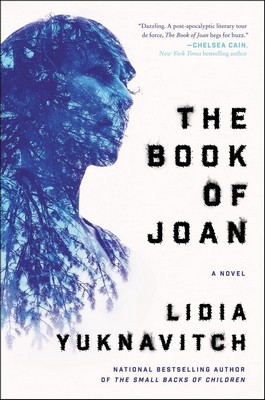
The Book of Joan by Lidia Yuknavitch

Set in an environmentally desolate future, Lidia Yuknavitch’s latest novel is a dystopian take on the story of Joan of Arc. In Yuknavitch’s retelling, the heroine is a young girl named Joan who possesses the power to destroy Jean de Men, a callous cult leader who rules without heart or conscience. Despite her power, Joan is sentenced to death by her enemies, much like her historical namesake. Although she does not survive, her story lives on, inscribed on the bodies and souls of women who, like Joan, yearn to be free. A dark yet illuminating commentary on gender and the dangers of patriarchy, The Book of Joan is a riveting meditation on the power of resistance.

Electric Lit’s Top 25 Posts of 2017

Nobody is going to pretend that 2017 was a good year. But even in the midst of a perpetual waking nightmare, it’s important to appreciate the stories that kept you informed, entertained, illuminated, or just distracted. (Maybe especially in the midst of a perpetual waking nightmare.) Here are the bright spots in our year: the humor you laughed hardest at, the criticism you found most interesting, the news that spread fastest, the essays that resonated with you, the writing advice that changed your craft.

We’re proud of all these pieces, of course, but to be honest, we’re proud of our readers too. Your reading habits showed us that you’re hungry for hard-hitting feminist essays, books by women of color, and deeply-researched histories of magazines or genres. Yes, sure, we have fun—creepy bunnies, dancing librarians, sass from Kurt Vonnegut himself. But taken as a whole, the story of our highest-traffic articles is a story about looking for thoughtful, progressive writing in the midst of chaos.

In reverse order, counting down to number one, here are our 25 most-read stories of 2017. Thanks for reading, and stay tuned—2018 will probably be even worse, but at least we’ll still be here.

25. Librarians Are Secretly the Funnest People Alive

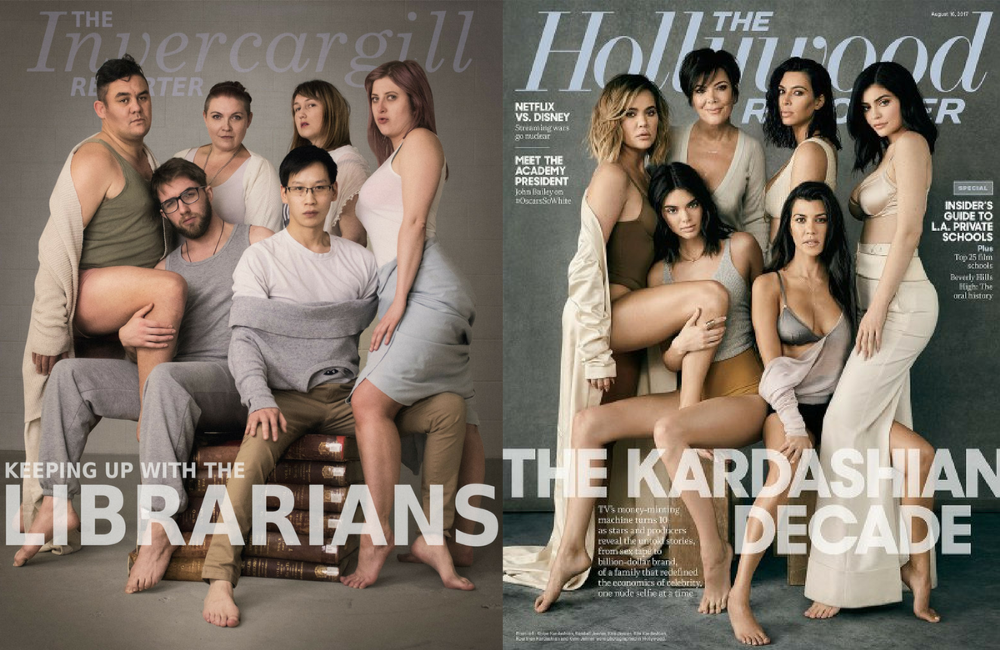
What goes on in the library after the patrons have gone home? Apparently, it’s mostly music videos. Electric Lit intern Jo Lou rounded up eight examples of all-singing, all-dancing librarians.

Here are seven times that librarians have debunked the stereotype that they are uptight scolds ready to shush those who dare to have fun in their sacred institution.

Drawing by Sara Lautman

24. Behold the Winners of the 280-Character Story Contest

When Twitter decided to expand the maximum character length for a tweet from 140 characters to 280, we were skeptical, but we also saw it as a fertile opportunity for microfiction. The five winners of our 280-character story contest, illustrated by Sara Lautman, show that it’s possible to be funny, perplexing, tragic, absurd, and barbed in very few words.

We hadn’t known it was possible to pack so much drama into 280 characters, but in accordance with our theme — “the story must be about something getting magically, randomly, inexplicably, or mysteriously bigger, longer, or just… more”— these snippets of fiction seemed to expand to contain something bigger than themselves.

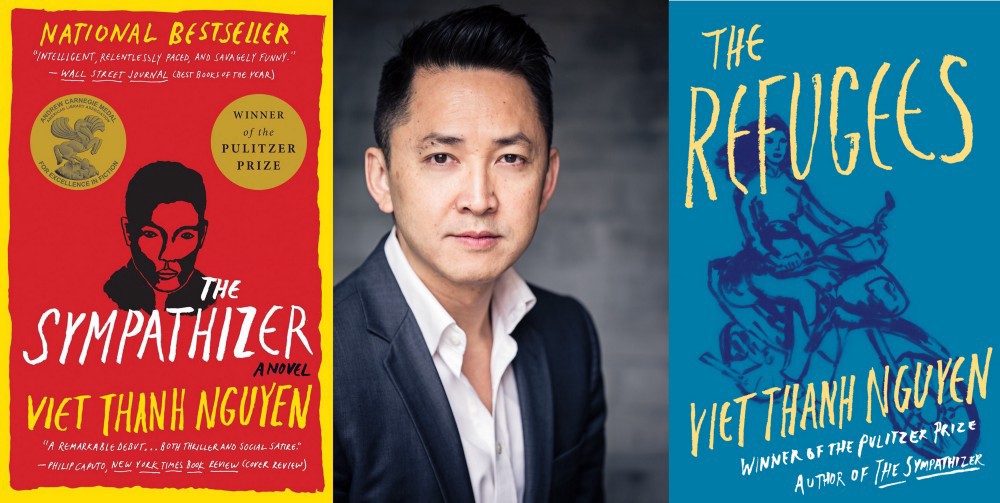
23. The Secret to Viet Thanh Nguyen’s Overnight Success

Short answer: It didn’t happen overnight. Joe Fassler interviews the MacArthur-winning writer about the decades of work that went into his apparently meteoric rise.

In this interview, he opens up about a period of his life that’s been mostly overlooked: the two decades he spent trying, and mostly failing, to write fiction, working in secret while he juggled a host of other responsibilities. We discussed the 20 years of work that preceded his debut, the challenges he faced along the way, and — when it seemed his literary ambitions would never quite materialize — the strategies he used to keep going.

22. This Book That Scammed Its Way Onto the Times Bestseller List Is Real, Real Bad

The wildest story in publishing this year was probably the saga of a dreadful novel that launched a wily scam to rank on the New York Times bestseller list—and the scrappy band of young adult authors and readers who figured out what happened.

It’s not that tricky to buy your way onto the bestseller list if you just put in some huge bulk orders; it’s legal and not even that uncommon. (Becoming an Amazon bestseller is even easier.) But the Times adds an asterisk to any book whose sales rank is affected by bulk purchases. Sarem (or someone) seems to have gamed the numbers by arranging large buys — only from verified NYT-reporting bookstores — of just under the amount that would trigger such a caveat.

21. How to Escape the Slush Pile

Sure, rejection is an inescapable part of writing, but there are ways to improve your odds. Recommended Reading associate editor Brandon Taylor reads (and rejects) a lot of short story submissions, not to mention being a successful fiction writer in his own right, so his handy checklist of ways to avoid the slush pile comes straight from the source.

Most writers say that if you’re not getting rejected, you’re not submitting enough. Others say that you should aim for 100 rejections a year. This is solid advice, but at a certain point, if you’re trying to establish a career as a writer, some of those rejections need to turn in to acceptances.

20. Indie Bookstores Tell Us About Their Most Stolen Books

Even though everyone knows that stealing from an indie bookstore will send you straight to Literary Hell, it still happens. But which books are most likely to walk out the door? Jo Lou talked to eleven indie bookstores around the country to try to map the psychology and preferences of book thieves.

The conclusion we’ve come to is that people steal books that they think will make them seem smart but perhaps have no intention of reading (and hence don’t want to pay for?).

19. The Secret History of Cricket Magazine, the ‘New Yorker for Children’

The children’s literary magazine Cricket, founded in the ’70s and still going strong, offered a lot of kids their first encounters with poetry and stories that didn’t talk down to them. Writer A.J. O’Connell talked to founders, former employees, and fans of Cricket to track the magazine’s history and influence.

In a time when children’s magazines mostly featured hidden object drawings and games, Cricket stubbornly refused to underestimate its young readers. It welcomed their correspondence, and was such a human endeavor that for many readers, finding Cricket in the mailbox every month was like a visit from a friend.

18. Against Worldbuilding

Former Electric Lit editor-in-chief Lincoln Michel has some concerns about the concept of “worldbuilding” in science fiction. Can we do better than “worldbuilding,” or at least bring new nuance to the idea?

In contrast to “worldbuilding,” I’ll offer the term “worldconjuring.” Worldconjuring does not attempt to construct a scale model in the reader’s bedroom. Worldconjuring uses hints and literary magic to create the illusion of a world, with the reader working to fill in the gaps. Worldbuilding imposes, worldconjuring collaborates.

The Lilly Library, Indiana University, Bloomington, Indiana

17. Sylvia Plath Looked Good in a Bikini—Deal With It

The new U.K. edition of Sylvia Plath’s collected letters features a photo of the author in a modest bikini, and the image raised a few hackles. Plath scholar Emily Van Duyne would like everyone to settle down and recognize that women authors can have full, three-dimensional lives—which, yes, sometimes means they wear bikinis and lipstick while also being intellectuals.

The image of Plath, smiling in her Smith graduation robes, causes cognitive dissonance and, ultimately, disappointment. It’s the same cognitive dissonance we, as a culture, collectively suffer about Sylvia Plath, and indeed about any woman lauded for her intellect who also has the nerve to inhabit a body: That’s her? Isn’t she a little too beautiful? Isn’t she not beautiful enough?

16. Roxane Gay Pulls Book from Simon and Schuster, Citing Milo Yiannopoulous Deal

We love it when a piece of news resonates both within and outside the literary community. We love it even more when there’s schadenfreude involved. This item, written up by Electric Lit intern Jackson Frons, ticked all the boxes.

Responding to Simon and Schuster’s plans to publish “alt-right” troll Milo Yiannopoulous’s new book, Roxane Gay has officially pulled her forthcoming title, “How to Be Heard,” from the publisher’s TED Books imprint.

15. Kurt Vonnegut Walks Into a Bar

In an excerpt from his memoir The Accidental Life, Terry McDonell tells a tale of epic shade by a giant of literature.

He lifted his glass of Scotch as if in a toast but wouldn’t look down at me, sitting to his right. “I think you’re all moderately gifted.”

14. 18 (More) Amazing Novels You Can Read in a Day

There are plenty of reasons to love a short book: you’re lazy, you have no attention span, you want to be able to pad out the number of books you read this year. Any of those could be the reason why so many people read Lincoln Michel’s list of quickie novels—but it could also just be that these are really great books.

“Short” here is defined as under 200 pages. Just long enough to read on a short flight or a long ride.

13. The Epilogue of ‘The Handmaid’s Tale’ Changes Everything You Thought You Knew About the Book

If you haven’t read The Handmaid’s Tale in a while, or if you’ve only been watching the show on Hulu, you might have forgotten the framing device: an epilogue that indicates we’ve been reading a manuscript discovered, edited, and presented by male scholars. Anna Sheffer would like to draw your attention to what this epilogue does to the story.

The two male researchers take full advantage of their ability to title the manuscript and bestow on it a cheeky name that alludes to and, by making a pun, mocks Offred’s sexual servitude. Thus, the entirety of Offred’s story is controlled by men; even the thoughts that she records are discovered, edited, and titled by men. She has no autonomy or authority over her own story.

12. I Pretended to Be Emily Dickinson on an Online Dating Site

Erin Bealmear made an Emily Dickinson-inspired OkCupid profile out of simple curiosity, but the results are both funny and surprising. “Emily” didn’t just get male attention—she got, in some cases, more attention than Erin’s real profile. Why does everyone want to get with a dead poet?

Maybe this wasn’t your run-of-the-mill OkCupid projection about a real-world woman. Maybe this was a step beyond that: a fantasy about an interesting, talented, dead woman with a penchant for morbidity. The “Belle of Amherst” had suddenly become the “Depressive Dream Girl” of online dating.

11. 6 West African Books with Unconventional Approaches to Gender and Power

Novelist Chinelo Okparanta recommends six books by West African authors that have interesting things to say about familial relationships, aging, gender, and other central human themes. Does the publishing world know how much people want books like this?

In my novel, “Under the Udala Trees,” I explore the themes of betrayal and rebirth and happiness in the context of gender and power. In writing the novel, I imagined, unlike Ramatoulaye, a sort of happiness that existed outside of the traditional schema of marriage. Or rather, I imagined the pursuit of that sort of happiness. The fundamental desires of my protagonist, Ijeoma, are unconventional in her West African setting in the sense that she does not find her value via an attachment to a man. Lately, I’ve been interested in finding other West African authors who are also unconventional in their portrayal of love and marriage, of gender and power.

10. 10 Novels Agents Have Already Seen a Billion Times

Literary agent Kate McKean wants your novel to succeed, which is why she’s letting you in on a little agent secret: they’re wildly sick of these ten book types. It’s servicey and funny!

All those wacky stories from your grandpa/hairdresser/neighbor/ex-friend that are just soooooo good that you could make them into a story, kinda like “Life of Pi” but maybe not so Indian and more about your mom’s summer camp in Connecticut? A series of anecdotes does not add up to a novel. If you have to say “but it really happened!” to convince the reader, Anne Lamott comes over and takes back your copy of “Bird by Bird.”

9. The Rise of Dystopian Fiction: From Soviet Dissidents to ‘70s Paranoia to Murakami

People are into dystopian fiction right now because we feel like we’re living in a dystopia—but we kind of always have been, because we kind of always have. What kind of dystopian fiction we like, though, depends on what kind of dystopia we feel like we’re living in. Yvonne Shiau tracks nearly 100 years of sci-fi grimness.

And so in today’s crop of dystopian fiction, the stakes are bigger than ever. Continuing in a proud tradition, they carry on vindicating the definition of a dystopia: a worst possible world. But what each of them (sometimes) offers is a brief, shining belief that such a world can be fixed. And now, the resurgence of sales for books such as “1984and “Brave New World” shows that a vast contingent of us continue to turn towards the genre for comfort, or answers.

8. Late to the Party: Stephen King’s IT

In preparation for the movie adaptation of IT, Henry Hoke recorded his impressions of reading the book for the first time as part of our Late to the Party series.

This book is huge and it’s clearly not about a killer clown. It’s about something much worse.

7. The Book That Made Me a Feminist Was Written By an Abuser

This essay, part of our Novel Gazing personal essay series, was submitted in response to the prompt “what book was your feminist awakening?” Jessica Jernigan’s response was that The Mists of Avalon taught her about feminism—but feminism taught her to trust the victims of sexual assault. So what do you do when you find out that your feminist core text was written by an abuser? A timely essay that was a lot of readers’ first exposure to the accusations against Marion Zimmer Bradley.

The question of separating the abuser from his work metastasizes, and I don’t have any easy answers. Or, rather, I do have one easy answer: When someone says they’ve been assaulted, abused, harassed, I believe them. But I believe them, in part, because of lessons I absorbed from “The Mists of Avalon.”

Image by Kelly Connole

6. Five Disturbing Stories About Bunnies

There’s something really freaky about rabbits, and on some level everyone knows it. Why else would there be so many extremely creepy rabbits in literature? And I don’t want to hear about how bunnies are cute and not creepy at all; so many of you read this Lincoln Michel piece that I know you know in your heart what’s up.

Easter is almost here, which means that children across the world will be hiding in their bedrooms, trembling in fear of the grotesquely large Easter Bunny — a frightening mythological monster as large as a man with hind legs able to crush human bones like matchsticks. This weird creature is said to stalk around houses, secreting “eggs” from its quasi-mammalian glands in hiding places for unlucky children to find.

5. Men Recommend David Foster Wallace to Me

Deirdre Coyle’s terrific essay, part of our Late to the Party series, interrogates why she hadn’t ever read Brief Interviews with Hideous Men. Her conclusion: She just doesn’t care that much, and men take that indifference very personally. Boy did some men prove her point! The rest of us sure related, though.

Here’s the thing: I don’t doubt that Wallace is a genius. And it’s not that I believe there’s no value in self-indulgent works by men. It’s just that I’m not very interested in them. These men seem to think I’m saying the thing they love is bad, when really I’m just saying I don’t care about the thing they love.

4. 34 Books By Women of Color to Read This Year

Women of color are starting to get more of their literary due—praise hands emoji for two-time National Book Award winner Jesmyn Ward!—but it’s still no easy task finding books by non-white non-men on publisher’s lists. It’s clear, though, that y’all are clamoring for those books, which is why writer R.O. Kwon will have another list for 2018 along shortly.

A xenophobic, misogynistic fascist is president; hate is ascendant; and it’s easiest to forget the shared humanity of people whose lives we haven’t tried imagining. Studies show, for instance, decreased homophobia among Americans who have so much as watched a bit of Will & Grace. Inclusion has real consequences, and if you’re looking for the perfect gift to buy your Republican uncle or your racist cousin, here’s a shopping list.

3. 20 Authors I Don’t Have to Read Because I’ve Dated Men for 16 Years

Helena Fitzgerald, the author of this piece, actually likes David Foster Wallace. But once again, the concept of a woman not especially caring about men’s most venerated writers caused a lot of outcry from a certain type of dude. The rest of us, though, recognized this list as screamingly funny and horribly true.

Anyone who really, sincerely loves Franzen’s writing has also probably really, sincerely told someone that “learn to code” was the solution to all their problems. The Corrections also contributed to the obsession with the literal and figurative “big book,” in which the size and weight of a novel directly equals its importance, a concept applied almost exclusively to novels by men.

Photo by Internaz

2. The Entire President’s Council on the Arts and Humanities Just Resigned

We’re all concerned about the future of the arts under an administration of proud ignoramuses, so this piece of news felt like a dire harbinger of things to come.

The advisory committee, appointed by President Obama, hasn’t met under Trump, perhaps because he is actively hostile to their work. (Honorary chair Melania Trump, who did not sign the letter of resignation, also doesn’t seem very motivated by art; we’ll refrain from speculating on what she is motivated by.) But it’s continued work on preexisting projects — until today.

1. What I Don’t Tell My Students About ‘The Husband Stitch’

That’s right: Our most-read story of the year, by a long shot, was a thoughtful feminist essay about a beautiful, chilling short story from Her Body and Other Parties by Carmen Maria Machado. We hope all of you, and author Jane Dykema, feel genuinely great about yourselves for this.

In class, I don’t say to my students, “Do you feel it, too? Or can you imagine it? The perils of living in a world made by a different gender? The justified and unjustified mistrust? The near-constant experience of being disbelieved, of learning to question your own sanity? How much more it hurts to be let down by ‘one of the good ones?’” Instead I say, “What effect do the horror tales have, placed associatively where they are in the story? What effect do the stage directions have? What would be lost without them? Do you see how they’re braided together? These are tools you can use in your own stories.”