6 West African Books with Unconventional Approaches to Gender and Power

By the fall semester of my junior year in college, my nomadic family had relocated from Acworth, Georgia to Edison, New Jersey. Our house had been sold: another home added to my mounting catalogue of ex-homes. Less than two years prior they had relocated from Pennsylvania to Georgia. My little old red Chevy Nova, which I had saved for and purchased while working at McDonald’s and at Stauffers of Kissel Hill, had been hastily disposed of by my mom before she and my father packed up and vamoosed. I had left the car under her care at the onset of the academic year, unaware that it would be the last time I’d see it. My mom had driven it, parked it at the Getty gas station on Oregon Pike, and some lucky person had purchased it — a bargain for them, a loss for me. Our family had experienced so many gains and losses as we relocated from one place to another within the US, let alone to the US from Nigeria. How many more?

Betrayal was on my mind that semester. Old life deserted in exchange for something new. New life also deserted. My family was gone, meanwhile I remained in Pennsylvania. It was autumn. It didn’t escape me, either, the way the weather seemed to be betraying the trees. The way their leaves would soon become unhinged and fall, beautiful to the eyes, but also on the verge of an ostensible death. And then, a season later, a rebirth.

I was a student at Penn State, and it just so happened that that semester was my introduction to Mariama Bâ’s So Long A Letter. The weather, the trees, betrayal, loss, and rebirth became metaphors for my understanding of the book. In the novel, Ramatoulaye Fall becomes a widow, a sort of death of her previous existence. In her process of being “reborn,” she writes a series of letters to her friend, Aïssatou Bâ. The big, unifying theme of the letters — at least one of the big themes that stuck out to me in Bâ’s epistolary novel — was the pain of the emotional betrayal of a woman finding out that her husband has taken a second wife.
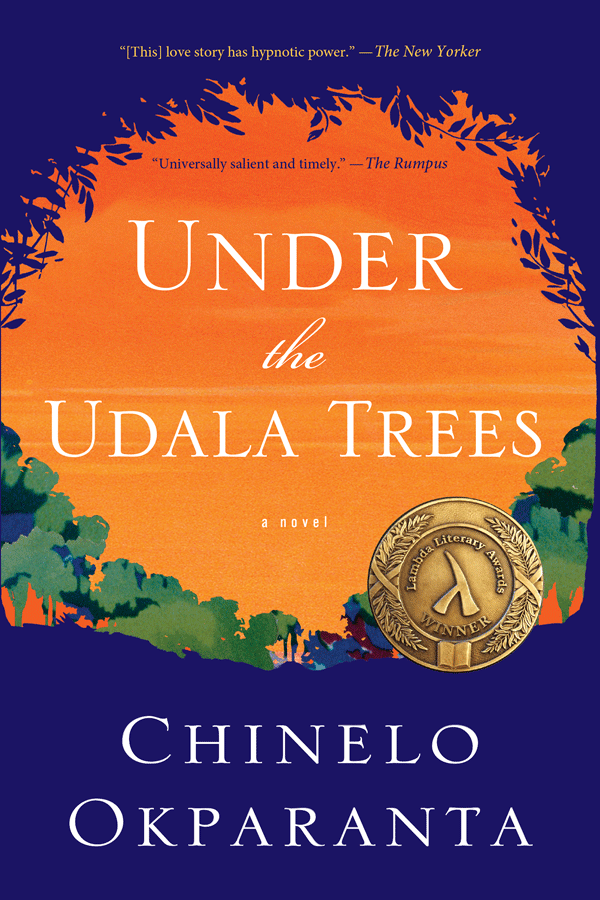
Under the Udala Trees

Ramatoulaye’s understanding of herself, as written in her letter to Aïssatou, is perhaps to be expected of any woman of her time: “I am one of those who can realize themselves fully and bloom only when they form part of a couple. Even though I understand your stand, even though I respect the choice of liberated women, I have never conceived of happiness outside of marriage.” This was a sentiment that I, in turn, understood and respected, but which also saddened me — this constriction of the imagination, this limited, strangling notion of happiness.

Perhaps I recognized it in my parents’ marriage as my mother underwent one painful and exhausting move after another, following my father everywhere he went, because, she too, had not yet conceived of happiness outside the realm of marriage.

In my novel, Under the Udala Trees, I explore the themes of betrayal and rebirth and happiness in the context of gender and power. In writing the novel, I imagined, unlike Ramatoulaye, a sort of happiness that existed outside of the traditional schema of marriage. Or rather, I imagined the pursuit of that sort of happiness. The fundamental desires of my protagonist, Ijeoma, are unconventional in her West African setting in the sense that she does not find her value via an attachment to a man. Lately, I’ve been interested in finding other West African authors who are also unconventional in their portrayal of love and marriage, of gender and power. The following are my top six:

Stay with Me by Ayobami Adebayo

Stay With Me by Ayobami Adebayo

Akin and Yejide have trouble conceiving a child. Years of struggling leads Yejide to a prophet who stipulates that she find a goat and engage in a goat ceremony. Yejide even winds up breastfeeding the goat. With expertly maneuvered, almost incredible, certainly unpredictable plot twists, the end result is a deconstruction of the concepts of masculinity and femininity and a rejection of traditional customs of marriage. The novel asks us: What does it mean to be strong? Is strength a woman who carries on serving her husband his meal even after he has betrayed her, or is she in fact weak? Is weakness a man who acquiesces to his mother’s persistent demands, rather than resisting — rather than summoning up the strength to stand proudly by his wife?
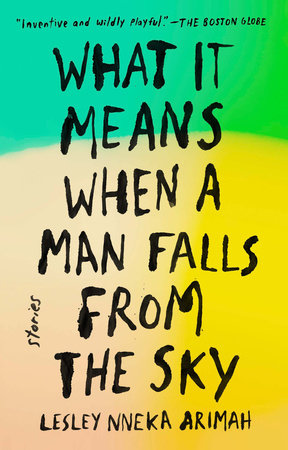
What It Means When a Man Falls from the Sky by Lesley Nneka Arimah

What It Means When A Man Falls From the Sky by Lesley Nneka Arimah

In this collection, we see love in many forms, but particularly, we see stories with young Nigerian women whose sexuality is not boxed up like some shameful secret, tucked away beneath a pile of blankets. These young women do not apologize for their existence as sexual beings; or at least they do not apologize in the traditional, self-deprecating sort of way. “Wild” presents a young woman who has had a baby outside of marriage and refuses to give in to her mother’s condemnation of her. The story itself is not quite an embracing of untraditional ideals, but a lifting up of the veil of taboo enough that by the end of this story, the young woman and her child are still portrayed with dignity. “Light” begins with the beautiful description of Enebeli’s fourteen year old daughter, who sends a boy a note, and it is not the first time. She writes, “Buki, I love you. I will give you many sons.” What is beautiful about this declaration is the girl’s own ownership of her intentions. The script is flipped here, which is to say that the demand is not being put upon her. NOT: “You must give your husband many sons.” Rather, she is the one in the power position here, and she acknowledges not only her authority to give, but also the fact that it is her will.

Homegoing by Yaa Gyasi

Homegoing by Yaa Gyasi

Two half-sisters grow up not knowing about each other. One sister becomes the “wench” of a British officer, unable to claim the title of “wife” — “wife” being a word reserved for white women. The other sister becomes a slave to the British, and goes on to give birth to a girl who also becomes a slave in Mississippi, USA. The bulk of literary criticism on Homegoing thus far has focused on the slave narrative and the purported complicity of Africans in selling themselves. What interests me, however, is the highly women-focused bent of the novel, the story really beginning with Esi and Effia. Though men certainly have their parts in the novel, these women are at once the subject and object of the story, both the water and the fire, whose lineages scald and flow into contemporary times. Effie and Esi are the ancestral characters whose spirits linger, long after they themselves, and their husbands, are gone.
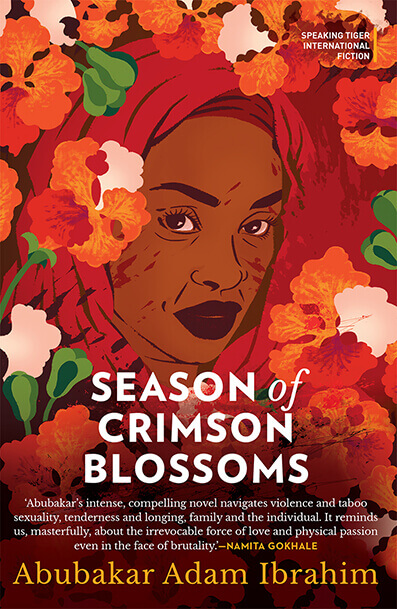
Season of Crimson Blossoms - Speaking Tiger Books Speaking Tiger Books

Season of Crimson Blossoms by Abubakar Adam Ibrahim

Embracing desire, 55-year-old widow Binta falls into a love affair with a twenty-five year old gang leader and weed dealer named Reza. And why not? After a marriage marked by sexual repression, she craves intimacy. Set in Northern Nigeria, this bold new narrative tackles romance and eroticism in ways that defy the conservative culture of the North. Things get a bit tricky when Binta’s son confronts Reza about the affair.

Like a Mule Bringing Ice Cream to the Sun by Sarah Manyika

This beautiful, compact novel is a meditation on female aging and desire, as Dr. Morayo Da Silva, a 74-year-old Nigerian woman living in San Francisco, narrates aspects of her life, past and present, in delightfully witty and poignant prose. Aging was never so hip, femininity never as powerful.
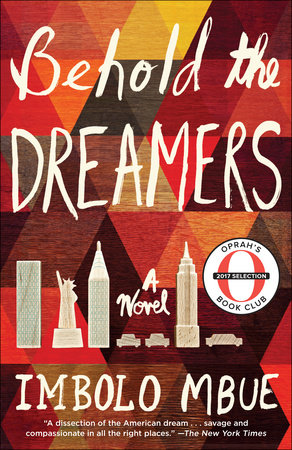
Behold the Dreamers by Imbolo Mbue

Behold the Dreamers by Imbolo Mbue

There is a married couple here. In fact, no, there are two married couples in this utterly beautiful and absorbing novel — Cameroonians Neni and Jende Jonga, and Americans Cindy and Clark Edwards. And yet, it is a triangular affair. Imagine an equilateral triangle where two sides are represented by each couple and the third by a country. You see, both couples are also in the midst of a tumultuous love affair with America. America becomes a genderless character whose power crumbles as the financial crisis takes root and the human story progresses.

Ted Wilson Reviews the World: My Calculator

★★★★★ (5 out of 5)

Hello, and welcome to my week-by-week review of the world. Today I am reviewing my calculator.

Because so many people are either incapable of doing math in their head, or too lazy to do it on paper, someone invented the calculator. Thank goodness, because now I have one of the best calculators around. Possibly the best ever, but I will only be able to determine that after I have reviewed all the calculators.

First of all, my calculator is pretty incredible because it is actually powered by the sun. Nothing else in my home is powered by the sun. Not my blender, not my alarm clock. Nothing. The only thing that comes close is my magnifying glass which I use to burn sensitive documents.

It’s more than just a calculator, too! If I tape it to my wrist turns it into one of those calculator-watches, albeit with a clock that requires the time be typed in manually.

One downside is the + button doesn’t work, which can make even simple calculations tricky. To add 3 + 3 for instance, I have to multiply 3 x 3, then subtract 3. Or to add 12 + 1, I need to subtract 7 from 20. It’s a bit circuitous but it still gets the job done. I’m not going to throw away such a great calculator just because one button is broken.

If it wasn’t for this calculator I’d never have been able to file my taxes, which would have likely put me in prison. I wouldn’t do well in prison I don’t think. I once had to spend 20 minutes in a broken elevator with strangers and it almost broke me. I was never the same.

When I pass away, I worry about what will happen to my calculator. Someone may not recognize its value and discard it. Or even worse, someone may indeed know how much it meant to me and destroy it out of spite. Burt Creggle over at the VFW would do that. And I’d be too dead to stop him.

BEST FEATURE: When I type out 55378008 and turn it upside down a hilarious thing happens!
WORST FEATURE: If the cops ever wanted to catch me for a crime, my fingerprints are all over that calculator.

Please join me next week when I’ll be reviewing Space X.

12 Unforgettable Forests in Literature

On the Power and Prison of Gender: 11 Stories and 1 Poem

“Every limit is a beginning as well as an ending,” George Eliot, a.k.a. Mary Anne Evans, writes in the last chapter of Middlemarch. A limit in this sense is a useful way to think about gender. It can act as a key to our personhood, a path towards owning our identity, something we work to inhabit in the fullest form or forms. But to that end, it can be a kind of entrapment. Sometimes it affords us power and entitlement, and sometimes it is the reason for prejudice, denigration, oppression. It’s confusing that we’re born with no say in the matter; it can be scary to question it.

At a time when it feels like all over the world the very fundaments of society are being questioned, the choice by PEN America to theme its World Voices Festival under “Gender and Power” is an apt one. At EL, we feel that sharing stories is an excellent way of broadening our understanding of gender, and its subtle and apparent dynamics. We’ve unlocked 11 stories and 1 poem from the Recommended Reading archives that explore some of these the revelations and joys, moments of empowerment and periods of challenge that come with living in the physical self.

For just $5 a month, members of Electric Literature get access to the complete Recommended Reading archives of over 250 stories — and year-round open submissions. Membership is tax-deductible, helps us pay writers, and keeps all of our new content free. So if you like what you’ve read, please join today!

Little Boy” by Marina Perezagua

Original translated fiction recommended by Electric Literature

The newly translated version of Marina Perezagua’s “Little Boy,” was originally published in Spanish for a collection called Leche. In this story about an intersex woman who survived the atomic bomb in Hiroshima, Perezagua makes a powerful juxtaposition between war and the gender binary. This is a story about knowing ourselves through our survival, through the moments we stay standing when the world is falling down around us.

Foragers” by Jennifer Sears

Recommended by Electric Literature

In Jennifer Sears’s story, Cat, Angelica, Susan, Lisa, and Melinda, spend their afternoons in the local library referencing anatomy books to calculate the weight of parts of the body, and documenting the information. They are in search of the “perfect minimum”: based on the necessary weight of their organs and other physiology, what is the least they can possibly weigh, and how can they get there? This is a story about the power we exert over our bodies, and the struggle to fit a gendered ideal.

Mariachi” by Juan Villoro

Recommended by George Braziller Press

Across cultures, there are symbols that embody prescribed gender roles. “The story investigates masculinity and authenticity,” writes Lexi Freiman, editor of Juan Villoro’s collection The Guilty, “using the beloved ‘national prejudice’ that is the mariachi.” Our narrator, Julián, is a national celebrity with a deep phallic insecurity, which leads to superlative penis jokes and anecdotes about the excessive courtesy of porn stars. In this way, Villoro “mobilizes stereotypes,” places them in the context of other, and gives the reader something ultimately new.

You Wouldn’t Have Known About Me” by Calvin Gimpelevich

Original fiction recommended by Electric Literature

“Gimpelevich’s story takes as its subject the lives of trans people, and yet in centering the characters and their histories, it resists turning them into spectacle,” writes Recommended Reading Assistant Editor, Brandon Taylor in his introduction. The story follows a group of women, a man, and a mother as they navigate and begin the process of gender transition; it considers both the liberating power and the real challenges that comes with choosing the body in which you greet the world.

The Rape Essay” by Suzanne Scanlon

Recommended by Belinda McKeon

In Suzanne Scanlon’s story, we meet Esther while she is staying in a mental asylum remembering a bad relationship she had with a college professor, Harold. Writes Belinda McKeon, author of Tender, “Scanlon’s prose ransacks not only Harold’s pretensions — he is a condescending, egocentric baby, a mansplainer extraordinaire — but also Esther’s weaknesses, her poor decisions, her tendency, maybe, to ask the wrong questions.” In a story that invokes Mary Gaitskill’s interrogative essay about consent and victimhood, Scanlon doesn’t resolve the question of power in relationships; rather she shows us how it is constantly shifting.

Cabin Creek” by Madeline ffitch

Original fiction recommended by Electric Literature

In Madeline ffitch’s woodsy saga, a woman known only as the boss leads a crew comprising of a credit card debtor, a pair of lovers, and a “blatantly handsome” packer. Their task is to rebuild a bridge that’s been washed out over the river. While ffitch finds humor in what RR Editor-in-Chief Halimah Marcus calls, “the human mess,” the story also takes a subtle but serious look at the way women occupy leadership roles, and the conflict between holding power and being liked.

Tanay” by Sachin Kundalkar

Recommended by The New Press

This excerpt comes from the novel Cobalt Blue, newly translated from the original Marathi. It follows a love triangle between a gay brother, Tanay, a rebellious sister, and a lodger in their home in India. Tanay’s story is a reminder that love forced into secrecy won’t be protected, it will be smothered.

Angel Lust” by Maggie Shipstead

Original fiction recommended by Electric Literature

In “Angel Lust,” Maggie Shipstead jumps into an exploration of male virility and mortality, and produces, per her usual form, something gorgeous, measured, visceral, and funny. What’s exceptional about this achievement is that her topic is one that often leads to fiction of a certain somberness, maybe even vanity and self-pity (hi John Updike). Shipstead, however, makes the story universal, as Halimah Marcus writes, “a window and a mirror both.”

9 Stories About the Magic of Cities

Everything Good That I Know I Learned From Women” by Tryno Maldonado

Recommended by Buenos Aires Review

Tryno Maldonado’s story appears in the archives in Recommended Reading in both the English translation and the original Spanish. “Ultimately,” writes Jennifer Croft of the Buenos Aires Review, this “is a story about surrogacy and substitution: the primary female figure in the story flickers between mother, teacher, and fragile figurine at risk of breakage beyond repair.” Told in 13 parts, Maldonado’s story interrogates gender as it relates to class, violence, and nationality.

Three Things You Should Know About Peggy Paula” by Lindsay Hunter

Recommended by Roxane Gay

This brief, three-part story is about a waitress whose life is lived on the fine line between happy acceptance and inevitable resignation. Peggy Paula, writes Roxane Gay, “is a woman who can find beauty from the bottom of a dumpster as a young man pisses above her. She will welcome another woman’s man into her bed so she can feel, however fleetingly, that she is part of the world she spends so much of her life watching.” Between the men she brings home, and the women she observes at her restaurant, Peggy Paula embodies both the limitations and the possibilities of being a working woman in search of love.

Mack!” by Colin Winnette

Original fiction recommended by Electric Literature

What do Fatherhood with a capital F and Husbandhood with a capital H feel like as they relate to masculine identity? That’s a serious sounding question that “Mack!” considers with humor — and more. Halimah Marcus writes, “In another light it’s about insincerity and denial, in yet another it’s about a psychotic break and fear of dying, and in another still, it’s a story about me, the reader, being manipulated by a charismatic and withholding man, who is possibly a lunatic.”

Magical Negro #607: Gladys Knight on the 200th Episode of The Jeffersons,” by Morgan Parker

Original poetry recommended by Electric Literature for the 200th Issue

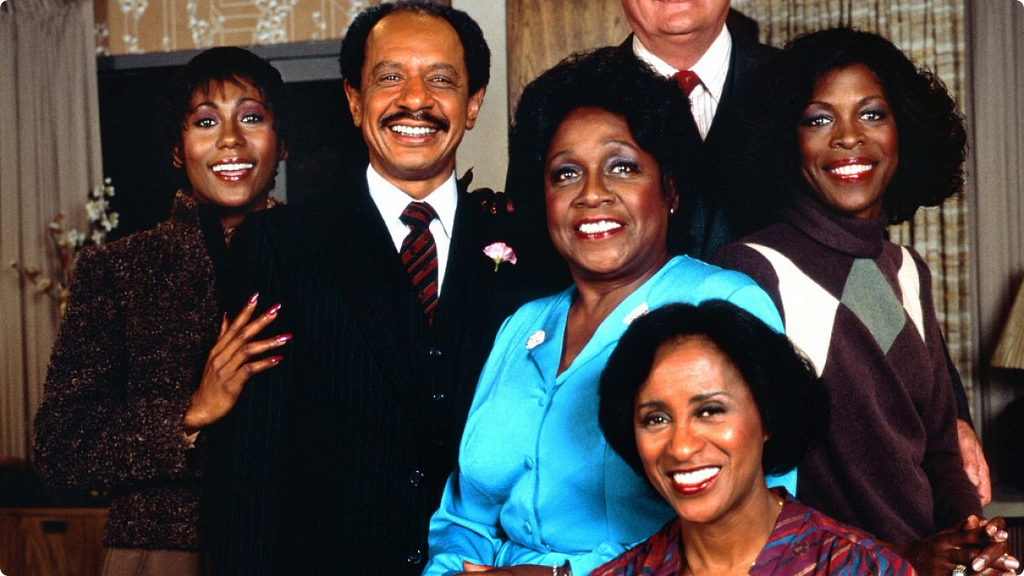
Morgan Parker, author of There Are More Beautiful Things Than Beyoncé, contributed this poem about the 200th episode of The Jeffersons for our 200th issue of Recommended Reading. The poem looks at how Gladys Knight’s appearance on the show challenged the way America saw Black women in the home — particularly a wealthy home. “I want to be the first / Black woman to live her life / exclusively from the bathtub.” In the same way The Jeffersons was both a comedy and an exploration of class and race, Parker’s poem confronts the readers as it entertains.

12 Unforgettable Forests in Literature

The idea of an enchanted forest is one of the oldest in storytelling. This wild space represents the shortcomings of man’s power, a place where anything can happen. Take the Sumerian Epic of Gilgamesh, where the heroes travel to the Cedar Forest to fight monsters, or Tolkien’s Mirkwood, derived from Norse mythology, considered so magical even the gods were wary of entering it.

We’re still inundated by enchanted forests. From our enduring fairy tales like Snow White to modern sagas like Harry Potter, the forest has become an essential stop on the hero’s journey, a place of danger and possibility and adventure. In these forests, characters don’t only lose their literal way, but often their metaphoric one as well. The trees bring out our primal side; Dante’s journey to hell begins in a shadowy forest, and after getting lost in the woods, the Emperor Jones is driven insane by his own memories.

Interestingly, as the earth’s forests continue to shrink, writers seem more and more likely to paint them as an oasis of freedom from the oppression of civilization. It’s in the woods that Sethe, in Toni Morrison’s Beloved, gives birth to her baby, and the woods are the only place where Hester doesn’t have to wear her scarlet A.

In honor of Arbor Day, here’s a look at 12 important forests in literature, from happily magical woodlands to the forests of the apocalypse.

Inferno by Dante Alighieri

Dante begins his epic journey (and his epic poem) in a selva oscura — a shadowy, dark wood. He is, in every sense of the word, lost. The Romans believed that the entrance to Hades was a forest (for more on that see: Virgil’s The Aneid), and so Dante prepares himself to push ahead into hell.

The Emperor Jones by Eugene O’Neill

Playwright Eugene O’Neill also used the forest, in this case a jungle (n.b: all jungles are forests but not all forests are jungles) to represent the fraught state of his protagonist’s mind in his play The Emperor Jones. Jones is an African-American man who escaped prison and fled to a backwards Caribbean island where he took advantage of the local population’s ignorance to crown himself emperor. Shortly into the first scene, Jones realizes that the locals have caught onto him, and he flees into the jungle. As he tries to find his way back out, the creeping landscape becomes a literal representation of his tortured mind and slowly drives him insane.

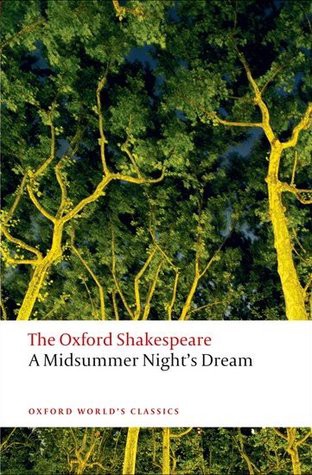
A Midsummer’s Night Dream by William Shakespeare

While in town for the wedding of Duke Theseus of Athens to the Amazon queen Hippolyta, four guests get lost in the woods. The impish fairy Puck and his equally mischievous master, the fairy king Oberon, take the opportunity to amuse themselves by bewitching the lost partiers (and some local amateur actors). The night becomes a series of crazy romantic mix-ups in the woods, including one kind of disturbing obsession with a donkey.

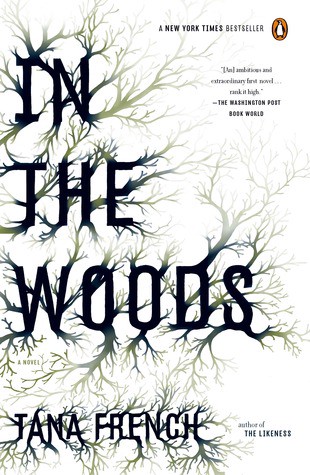
In the Woods by Tana French

Irish mystery writer Tana French takes the idea of the woods as a creepy, dangerous place to the next level by making it the scene of multiple child murders. These woods are outside the small town of Knocknaree, and there is something extra chilling about infusing such a banal, common setting, with such evil.

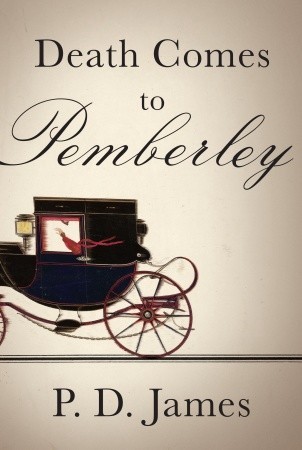
Death Comes to Pemberley by P.D. James

P.D. James’ mystery novel is a sort of postscript to Pride and Prejudice, specifically life at Pemberley six years after Lizzie Bennet married the grumpy yet lovable Mr. Darcy. The mystery begins when Lydia appears at the house in a totally frantic state, screaming that her husband Wickham is dead. He’s actually found alive in the woods, though he’s drunk and bloodied and his friend Captain Denny has been murdered nearby. James’ enjoyable homage to Austen (written when James was 91, no less) emphasizes the unknowable, untamed woods as the antithesis to the well-ordered, civilized bastion of Pemberley.

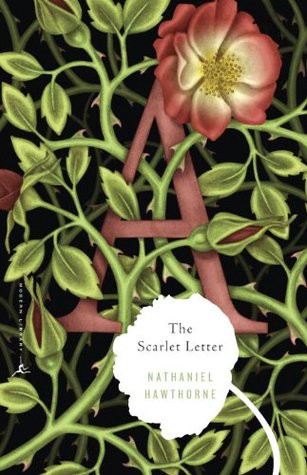
The Scarlet Letter by Nathaniel Hawthorne

For all of the danger that comes with being outside of civilization, the woods can also be a place of freedom. The Puritans were generally scared by the forest — not surprising, given their lack of flashlights. But for Hester, who is already a social outcast, the isolated woods provide a much-needed place of freedom. It’s there she meets Dimmesdale, the man who leads her down the primrose path to that scarlet A.

Beloved by Toni Morrison

In Morrison’s haunting novel about the devastation of slavery, the areas of ‘civilization’ fall far short of the name. That’s why, after escaping the plantation, Sethe flees through the woods. The forest gives her cover, and when she eventually drops of exhaustion, she’s found by a young white woman, a runaway indentured servant who nurses her back to health and helps her give birth to her daughter. The woods are a place where people can escape the brutal systems of so-called civilization, and get closer to their natural state of freedom.

11 of the Greatest Fictional Parties Ever

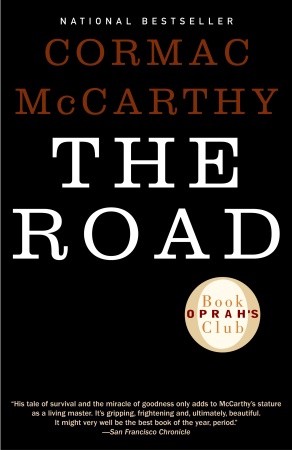
The Road by Cormac McCarthy

The post-apocalyptic world in McCarthy’s Pulitzer Prize-winning novel is filled many unsettling images of our self-destruction. One is the image of the smoky air, filled with soot from the raging forest fires set off by a bombing. The forest that’s left is both nurturing —for example, providing much needed mushrooms for food — and punishing, because we’ve lost the tools and structures once used to tame the elements.

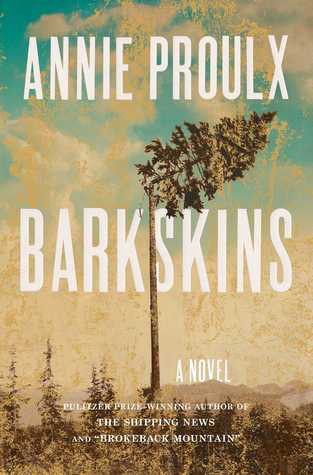
Barkskins by Annie Proulx

This novel by the Pulitzer Prize-winning author of The Shipping News, follows two families of loggers as its generations successively plunder and strip the forest for profit. The novel makes a strong case against denuding our earth and the longterm effects of climate change. As one character wonders: “If miles of forest could be removed so quickly by a few men with axes, was the forest then as vulnerable as beaver?” The answer, the book argues, is yes.

Harry Potter and the Sorcerer’s Stone by J.K. Rowling

One of the first things that students at Hogwarts are told is that the Forbidden Forest is off limits. Only the game keeper, Hagrid, is able to come and go freely among the magical beasts, even the centaurs and giant man-eating spiders. In typical Rowling fashion, there is a lesson here: Hagrid treats the creatures with respect and in return they leave him alone — a lesson we might try applying to Muggle forests.

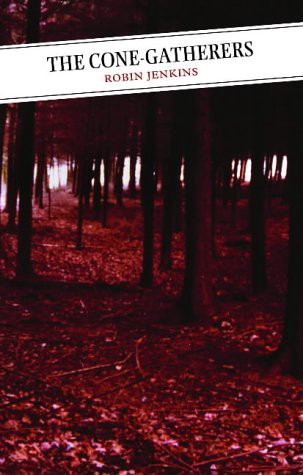
The Cone Gatherers by Robin Jenkins

If you grew up in Scotland you’re likely familiar with this novel — it’s one of the most taught novels in Scottish secondary schools. In case it wasn’t on your reading list — the story follows two brothers, Calum and Neil, over the course of a week in 1943. They’ve been assigned to gather pine cones from the forest around a Scottish country house before it’s cut down down to aid the war effort. The book takes many looks at the theme of sacrifice, including the sacrifice of the forest — one of the last places not ruined by man and his war.

Winnie-the-Pooh by A.A. Milne

A calm, inviting British woodland is the setting for the adventures of Christopher Robin, Winnie-the-Pooh, and their friends. This perfectly safe yet adult-free zone includes such landmark spots as Owl’s house, The Pooh Trap for Heffalumps, and the Bee Tree. If there was a prize for the friendliest forest, it would definitely go to the Hundred Acre Wood.

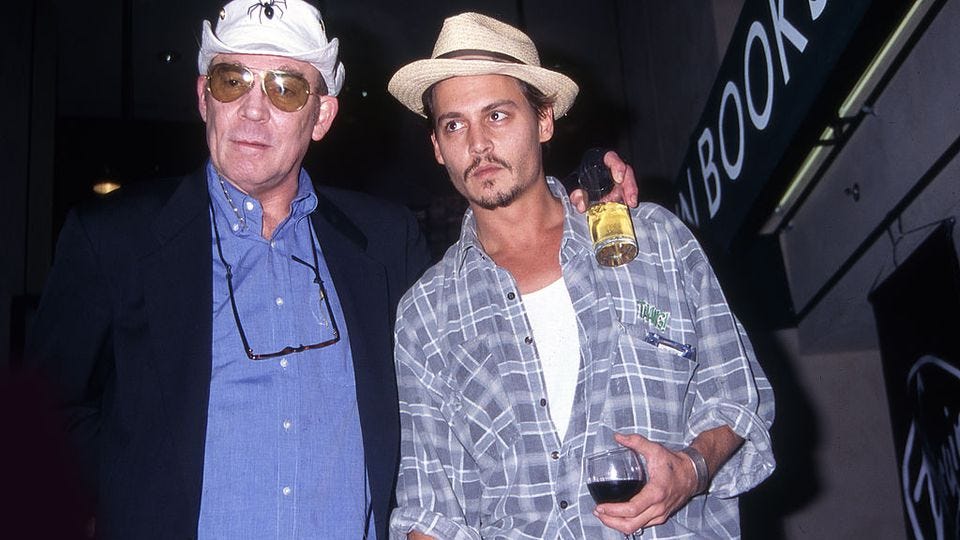
Johnny Depp, True Friend, Spent $5 Million Exploding Hunter S. Thompson’s Remains

And other essential literary news from around the interwebs

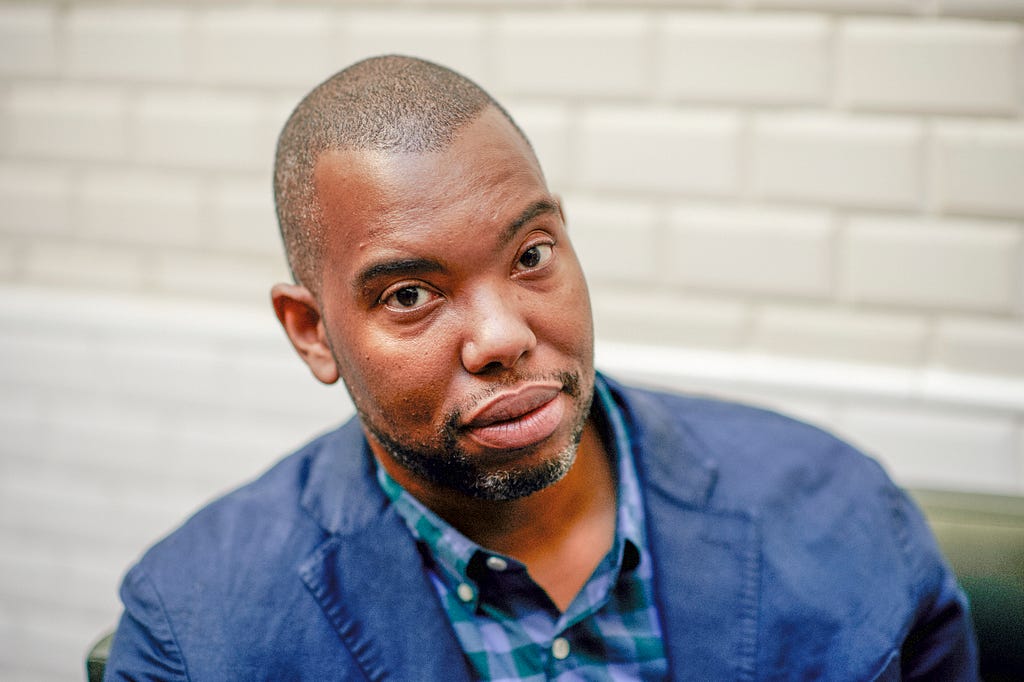
Today in the book world, we learned that Ta-Nehisi Coates is going to light up the Apollo Theater, Bill O’Reilly still has a book deal, poems are for pockets, and Johnny Depp is the kind of pal who will treat your everlasting remains with the delicacy and respect they deserve — by firing that shit out of a motherloving cannon. It’s just another day on the literary interwebs…

Author Ta-Nehisi Coates. Credit: John D. & Catherine T. MacArthur Foundation

‘Between the World and Me’ Is Being Adapted for the Stage

There are some exciting developments in the works for Ta-Nehisi Coates fans. The author of the 2015 National Book Award winner, Between the World and Me, is teaming up with his longtime friend and producer Kamilah Forbes to create a multi-media performance based on the book, which the New York Times reports will feature,“excerpted monologues, video projections, and a score by the jazz musician Jason Moran.” The show will be running at the historic Apollo Theatre starting next April. There’s still no word on exactly how the show will be cast, but Forbes says, “there’s a mix of everyday folks and celebrity voices, one night is going to be vastly different from the next.”

[The New York Times, Andrew R. Chow]

Is That a Poem in Your Pocket, Or Are You Just Excited to See Me?

Did you know that April 27th is Poem in Your Pocket Day? Yes, it’s a thing! To cap off National Poetry Month, folks all over the country are celebrating the event by folding up a poem that holds some special meaning and putting it in their pocket to share with friends, colleagues, and classmates. (We know what you’re thinking — this could get kinky. That’s poetry, guys.) The tradition started in 2002 by the Office of the Mayor in NYC, and it has since grown into a nationwide movement with sponsorship from the Academy of American Poets. The organization put together a handy guide for how to honor the day — whether at school, in the workplace, or on social media, and they also have some fantastic suggestions for one page poems that will definitely delight your friends.

[Book Riot, Karina Glaser]

Being Accused of Sexual Assault Doesn’t Affect Your Book Deal When You’re a Rich White Guy

Henry Holt has vowed to continue its support of disgraced former Fox News host, Bill O’Reilly. In a statement provided to Publishers Weekly, the Macmillan imprint said, “our plans have not changed,” with regard to publishing an as-yet-untitled O’Reilly/Dugard book due out in September. Throughout the years, O’Reilly has been a cash cow for the company. His most recent publication, Killing the Rising Sun, sold over 1 million print units, making it the best-selling adult non-fiction book in 2016. It’s still too soon to tell if Holt will face some controversy for this decision like Simon and Schuster did after contracting a deal with the unapologetic racist, Milo Yiannopoulos.

In the meantime, O’Reilly’s replacement, Tucker Carlson, is fielding his own book advance offers from publishers. Buzzfeed speculates the final figure will soar into the millions. Carlson’s representative at the literary agency Javelin, Matt Latimer, says, “Tucker’s is easily the most sought-after book by a news personality in many years, and he’s on track to get one of the biggest and certainly most well deserved deals in recent history.”

If by recent history Latimer is exclusively referring to O’Reilly, then yeah, maybe we can agree with that.

[Publishers Weekly, Jim Milliot]

Johnny Depp Spent $5 Million On a Cannon to Blast Out Hunter S. Thompson’s Remains

In coolest-funeral-EVER news, Johnny Depp is claiming that in 2005 he spent $5 million dollars on a cannon used to discharge Hunter S. Thompson’s ashes over Aspen, CO, in unison with red, white, blue and green fireworks. This matter has recently become relevant as Depp is in the midst of a financial crisis and is suing his former business managers at TMG. No need to get into the humdrum specifics of a multi-millionaire’s money woes, but can we appreciate that the father of Gonzo journalism and the author of Fear and Loathing in Las Vegas (adapted by Depp) got to go out in kick-ass style?

[Vulture, Jackson McHenry]

Streep, Sondheim, the Women’s March, and a Call to Arms at the PEN America Gala

Life in the Hollywood Hills

Relationships are complicated when you’ve got two children by different fathers and you’re not currently living with either of them. In Edan Lepucki’s new novel, Woman №17, mother Lady Daniels takes on as live-in help a young woman who likes to be known simply as S. In her job ad, Lady has not mentioned the pool circled with astro turf overlooked by a line of houses which her estranged husband Karl calls The Eavesdroppers. Neither, more crucially, has she revealed that she not only has a two-year-old son, Devin, but also an eighteen-year-old, Seth, who does not speak.

Lady was born with the name Pearl, but having literally stepped into her mother’s high-heeled shoes at age one, “became someone else.” She is writing a book, or rather failing to do so, about bringing up Seth. S is an artist whose current projects include role-playing her mother, who is alcohol-dependent. S, real name Esther, says:

“There were… two Esthers: the one my dad took care of, and the one who took care of my mom.”

From the start there is something equivocal in the relationship between Lady and S, questions over who is relating to whom, questions too about games people play.

All the relationships in Woman №17 are uneasy. The tensions are expertly spun by Edan Lepucki through the heat of the end of summer in LA. As the story unfolds in alternate narrations by Lady and S, Marco and Karl — fathers to Seth and Devin respectively — dip in and out of the household, as does Karl’s successful artist sister Kit, whose actions are pivotal to the plot of the novel. It is through her that Lady met Karl in the first place, and Lady is the subject of her photograph Woman, №17.

The photograph is in a book of Kit’s pictures; the original hangs in the closet in the bedroom which Karl and Lady had shared. There is a crucial difference between the original photograph and the copy in the book. Unknown to Lady, S develops a fascination with the photograph. Meantime she starts using photographs herself in an art project. Photographs and film overlay and interpret life for S, and also for Seth as the story progresses.
What quickly becomes apparent in Woman №17 is that almost all interactions between the characters in the book are mediated by something else, be it photographs, money, alcohol, the use of social media or a combination of these. Seth is non-verbal, but is perfectly able to communicate through not only sign language but also written media. As well as using e-mail and texts he is a regular user of Twitter. His mother, who checks his account every day, says “His tweets were clever and wise,” but that he doesn’t want her to have an account. However it is no time before the sight of a man reading a pink copy of the Financial Times — “in that moment the color choice felt frivolous, and frivolity was what I craved” — is all it takes for Lady to open her own door to the world of virtual communication with strangers.

Her intention to have no followers does not last and anonymity does not last. Responding to a tweet from Seth, Lady inadvertently feeds S’s obsessions. And who is pulling the strings in all this? Does Seth use Twitter as a means of control? And where does truth lie in communications which are only 140 characters in length?

This novel has humor sewn through it: S’s father calls her and says:

“Did you get my e-mail, with the video of me and Maria taking that trapeze lesson?”

but, as elsewhere in the narrative, humor turns dark and poignant as the conversation continues:

“I got it,” I said. “Looks like it was a lot of fun.”

“I can tell you’ve been drinking tonight.”

“How?”

“Because I was once married to your mother.”

“I have to go,” I said.

Now it was his turn to say my name, but I wasn’t as mature as he was, and not nearly as needy, and I hung up.

Lady has, she says, not had a true friend for eighteen years, since she gave birth to Seth. Yes, she has a friendship with Kit, but it is compromised by the photograph Woman №17, and by Kit’s attitude to Seth. Now she pays S extra money to be her friend as well as a nanny, but this is always going to be a compromised friendship given the money, the drinking — which they now do together — and the sexual tension between S and the adolescent whose silent presence hums in the background at all times.

Edan Lepucki’s narrative is sparky and compelling. She draws us into a close-circling world which I think few of us would chose to inhabit but which we are nonetheless fascinated by, a world in which, for S, sex begins to feel like “a drink to distract from the pain of other drinks, merely more of a bad thing. Dog hair.”

If Lady craves frivolity, it is to escape something which is deeply painful in her life, the fact that Seth is non-verbal and she feels that either she, or the breakdown of her relationship with Marco, is the cause of this. The novel provides insight into the pain and frustration experienced by parents of non-verbal children. In a particularly insightful and illuminating passage, she reflects on what it was like trying to communicate with him before he was literate:

“Until then, he subsisted almost entirely on context, impoverished. And I, without a child to interrupt me, to demand clarification and remind me that the nuances of adult speech are full of mental cul-de-sacs and thorny forests, rambled on and on, referencing a whole world of things and ideas my son couldn’t possibly comprehend.”

You can read this book with the frivolity that Lady craves. You can read it as a skit on the destructive habits of people in the Hollywood Hills with too much money and time on their hands. You can read it as a tongue-in-cheek commentary on the shallowness of much of contemporary art. All this is valid, but this book led me somewhere deeper and left me with a sense of sadness. Sadness that money can buy no-one happiness, sadness that people start relationships with good intentions but get snagged by a failure to communicate honestly face to face, and sadness that people are fooled into thinking that the web relationships forged through social media add up to a real community.

Edan Lepucki demonstrated in her first novel, California, she can envision convincingly a dystopian world that leads directly from the circumstances of today. Woman №17 starts and finishes in the here and now, and shows up the fragility of the facade of civilization that we all in the Western world, be it in American or Europe, like to think we hold up.

What People Do When Things Turn Bad

The ‘Othering’ of Animals and Cultural Underdogs

When I first read My Cat Yugoslavia, I didn’t know that it was an international sensation. All I knew was that it was a debut (I’m partial to debuts) written by a then 24-year-old, Pajtim Statovci, who had moved from war-torn Kosovo with his family to Helsinki, and it had a quirky cover. Then I saw all the prizes: the Helsingin Sanomat Literature Prize and the shortlist for the Young Aleksis Literature Prize and the Flame Bearer Prize.

Author Pajtim Statovci

I don’t think I’ve ever read a novel like My Cat Yugoslavia, so thrillingly inventive and alive that I felt small electric shocks of pleasure. (I know that sounds weird.) It’s about a Muslim family who immigrated to Finland, a gay man desperate for love, but settling for a talking cat and a boa constrictor. The novel is about feeling like an outlier, fearing connection, about loyalty, fathers and sons and so much more. I’ve been telling everyone about this sad, joyful, disturbing, wonderful novel and I couldn’t be more excited than to talk to Pajtim Statovci. — Caroline Leavitt


Caroline Leavitt: I always think that to write their books, writers must be haunted. What was haunting you? What was the “Why now?” moment that got you to write My Cat Yugoslavia?

Pajtim Statovci: I started writing it in 2010. Back then I was working in a grocery store and studying comparative literature at the University of Helsinki. One night, after a late shift, I asked myself what am I waiting for? Since I know and have always known that I want to be a writer, and even have some ideas about a story, what is stopping me from starting right now?

So I came home, sat down and began writing the first chapters of the novel, inspired by a field called “animal studies” that I’d come across at the university. The study tries to locate how animals are “othered” — in the same way as ethnic or sexual “others” — by humans who, in a way, steal their voices and their right to represent themselves. We place animals in different contexts, such as literary works, where they are anthropomorphized and interpreted through the human world, for example as symbols of human characteristics, even though we don’t have access to animal consciousness, and we certainly don’t know what it’s like to be an animal. The difference between animal others and other “cultural underdogs” of the society, though, is that animals can’t defend themselves in the same way as humans, so the process of “stealing” is much more complex and much more unethical.

I wanted to play with this theory in the novel by using all kinds of cats and snakes as tools to show how misleading stereotypes are — stereotypes about ethnic, sexual and religious minorities, for example. We don’t know about what’s happening or has happened in someone else’s life, but many times think we do. This is why I wanted to have a human-like talking cat, a pet cat, talking snakes and pet snakes in the novel, just to underline that we’re all different and unique, and we don’t have the power to represent anyone else but ourselves, even if we belong to a “minority”.

Animals have a sort of “reputation,” too, in a similar fashion nationalities have, because they are represented and interpreted in different ways depending on who’s representing them and where. And this is the reason why, according to the field, animals have been and are to this day carefully used in war propaganda, for example. Nations promote their strengths by picking animal representatives from the top of the food chain–eagles, lions, bisons, tigers and horses–and often subjugate those who are not a part of “us” by selecting a culturally despicable animal from the bottom of the food chain to highlight their weaknesses. In Finland cats are domesticated animals whereas in Kosovo they are seen as dirty. Somewhere in the book Bekim says: “Because it’s one thing to tell someone you are Swedish, German, or English and quite another thing to say you are Turkish or Iranian. It’s only very rarely that someone’s home country is of no significance at all.”

CL: What kind of writer are you? It’s astonishing that this is your first novel and you had the courage to just sit down, write it out, and then send it to an editor. Had you written anything before this? Did you have other people look at the manuscript before you sent it to publishers? Did you think it was going to be published?

PS: I worked on the novel for a year-and-a-half on my own, and didn’t have the courage to show it to anyone since it was my first attempt to write a fictitious novel. One late Monday evening in March 2012 I reached a point where I just didn’t know what to do with the 500 pages I had written, how to modify the story, what to cut out and what to add. So I thought it was time to send it to someone. In Finland all the publishers accept manuscripts via email, so I decided to send my story to three publishing houses. At 2 a.m. I filled out a form online, wrote a brief cover letter with my contact information on it and attached the manuscript. Then I went to bed, nervous, covered in shame and regret because now I, of course, suddenly realized what I should’ve done differently.

To my surprise I received a phone call the next afternoon. An editor from a major publishing house called and wanted to meet me. I met them over lunch the day after that, and they offered me a publishing contract. I was in disbelief, and it didn’t feel real to me at all. I’d been prepared to wait 6 to 12 months for an answer.

Later that week another editor from another publishing house called me, and I met with them as well, and when they too wanted to publish my work, it felt very overwhelming, and I started having second thoughts about the novel and myself. Do I really want this? I asked myself. Maybe it was because I was in my early twenties and lacked confidence as a writer, maybe I somehow felt that one can’t just go ahead, sit down and start writing a novel, not without studying creative writing, not without showing the text to someone else, this just doesn’t go like this.

But, after a couple of months, after processing everything and after carefully thinking about it, I made a decision to sign the publishing contract and started working on the novel. So I guess sometimes these things do happen!

CL: There is so much in My Cat Yugoslavia about the feeling of not belonging anywhere or to anyone. Emine, Bekim’s mother, is married by arrangement to a brutal husband who is not a partner. Bekim, as an adult, lives in Helsinki, and though he can’t connect with his family, or other gay men, he depends on his pet boa constrictor and a talking cat he picks up in a bar. But even the cat and the snake in the story can be seen as others, because neither really behaves the way we expect a snake or a cat to behave. I’d love to hear you talk about this, please.

PS: I think Bekim, even though he is terrified of snakes, buys the boa and decides to take care of it because he relates to it. He relates to how people dislike snakes in general, he relates to the fact that snakes are highly misunderstood creatures. And the boa speaks to him because he, as well, is being misinterpreted, always through his ethnic background that he’s learned to become ashamed of. Also, you can interpret the boa as a symbol of Bekim’s history, especially his father. It appears that the boa is like no other boa, it doesn’t want to spend his life placed in the terrarium, a place he’s expected to stay put, doing nothing. And neither does Bekim’s father who struggles in Finland because he’s expected to be something he’s not, something he can never be. In a way he’s a man in a glass box.

Later on in the novel Bekim lets the cat move in with him, a cat that has very strong opinions about migration and is highly disrespectful to everyone around him. The cat says things like: “I hate gays!” And Bekim lets the cat say and do whatever he wants, and take over his apartment. Maybe this is because he feels like the attraction, the occasional love and warmth he gets from the cat somehow means more because he represents everything the cat seems to loath. Maybe he thinks that love from someone like the cat, is a different kind of love, stronger and more powerful, because it has crossed borders and walls.

In life, everyone is “an other.” At some point and in some way that inevitably happens to everyone, or so I think. You’re too old, or too young, or in the wrong place in the wrong time. And so is the cat, even though he wants to be seen as someone in charge, and it becomes clear later on, when the cat begins to gain a lot of weight and starts suffering from depression. Suddenly the cat doesn’t want to go out of the house anymore because he thinks that he looks terrible and ugly, and that people are staring at him because he’s a cat with long dirty claws and greasy fur. Eventually he leaves Bekim saying something like: “A cat in a world like this, no thank you.” So the cat is acting out because he’s in pain himself, too, and feels left out as well because, well, he is a cat living in the world of people.

“In life, everyone is ‘an other’…You’re too old, or too young, or in the wrong place in the wrong time. And so is the cat.”

CL: You grew up in war-torn Kosovo and you’ve said in interviews that you did not want to talk about it when you were a child, that you were so ashamed. Yet, now as an adult, you flawlessly write about it. What changed and why? Was this a relief? Did anything surprise you as you wrote?

PS: In the novel Bekim somehow feels that media has demonized his nationality by always showing only one side of Kosovo and Yugoslavia, by always showing that Kosovo is somehow restless and broken, torn apart by war. And he feels that as an Albanian he represents that world, and starts being ashamed of it. So he lies about his nationality, his name, his history because he feels like the truth is not enough or too shameful for others.

And I can relate to this, of course, because the wars in the former Yugoslavia occurred when I was a child, and the restlessness was in the daily news. Since the media had made it a subject of discussion, I was being constantly asked about it, and in everyday situations as if I was somehow obligated to give an answer. But who would want to talk about war? About the most painful thing inside you?

I noticed how I gradually became the face of my respective culture, and I was seen as a part of the world that I’d left behind, that I didn’t recognize being my world. And when I told people where I come from, instead of interest I many times received pity. Again, like I mentioned when I was talking about how nationalities and animals are not seen equal, I don’t think this would’ve happened if I had moved to Finland, let’s say, from Norway or Denmark. Maybe this sensation of being seen as less fortunate just because of my nationality motivated me to write this novel and inspired me to confront these emotions. Maybe there was a need to prove that I am my own individual, and my relationship to my nationality, to my mother tongue is unique and distinctive, just like everyone else’s. That I am my own language, my culture, my country.

“Maybe there was a need to prove that I am my own individual, and my relationship to my nationality, to my mother tongue is unique and distinctive, just like everyone else’s. That I am my own language, my culture, my country.”

CL: Thomas Wolfe has written that “you can’t go home again,” yet that is what Bekim’s encounters with the cat push him to do, and that is what helps him in reconsidering his father, and leads him to healing. Was writing this novel healing for you in any way?

PS: I find writing in general very therapeutic. I mean, you basically have the whole world in your hands, and you can do anything inside it, create people and make them talk, fight, love, you can go anywhere you like, in space and under the ground, you can travel to the future and back in time. It’s a privilege and I love it and I’m so happy and lucky to get to do what I want.

The concept of home is relatively difficult to me because of my background, and I don’t always know whether to call Finland or Kosovo my home. But I do know this: When I write, that’s home to me, and I only need my laptop and phone to feel at home. So maybe Wolfe’s beautiful thought is about how one’s home is a state of mind, and because we are constantly developing and changing, we can’t access the places that we once called our home.

CL: “Where are you from” is a question that haunts your characters, but do you think that, “Where are you now going?” might be the one they should be asking?

PS: Absolutely. This question definitely haunts my characters because the answer to it somehow strips them from their power to be individuals, representatives of only themselves. We should ask each other more about our hopes and dreams, the places we want to go, because that’s the most interesting part, that’s the part we can have an influence on, that we can change.

CL: I’d also like you to talk about the language of the book. The prose was so dazzling. Here’s part of the last sentence: “I look at his hand, his concave knuckles and his fingers, straight as bullets, and his white skin where the frosted light thickens like brilliant ice.” What comes first for you, the language and images, or getting the story down?

PS: I try to plan the story ahead as far as possible in my mind before starting to write. In the best possible scenario the right words just come to me when I start writing the story. Many times, however, they don’t, and that’s when I know that I need to take a break, and not look at the manuscript for at least two or three days. I don’t want writing to feel like a chore because I like it too much, and I don’t want to be burdened by it. This being said, I might stop for hours, for a whole day even, to think of a single metaphor that feels just right.

CL: What’s obsessing you now and why?

PS: I don’t know if I can say it’s an obsession, frankly, but I am writing a new book, a novel. And as a writer yourself, you know how there are two kinds of days: Days you feel like you can see a slightly faded finish line somewhere in the horizon, and then there are days filled with self-doubt, voices telling you that you can’t do this, you will never finish this. It can be very overwhelming and frustrating!

A Wolf in Jutland: Dorthe Nors On The Writing Life In Denmark

Sci-Fi Icon William Gibson Imagines a World in which Hillary Clinton Is President

And more news from around the literary web

Today in the literary world we saw a creative bookstore Instagram, a study proving British people love lying about what they’ve read, and (probably not related) Granta’s take on the best young American writers. Oh yeah, and a novel that imagines what a Hillary Clinton Presidency would have been like (alas). Also, Marcel Proust loved to complain about his neighbors’ loud sex…

Independent Bookstore in France Brings Books to Life Via Instagram

Librairie Mollat, in independent bookshop in Bordeaux, has started a clever Instagram campaign that brings book covers to life. The photos mash-up faces of customers and staff with cover images. Check them out here! And prepare to be lost to an hour-long daydream about whimsical book shopping in wine country. This is pretty much out of the Amélie playbook, right?

[Mashable/Gianluca Mezzofiore]

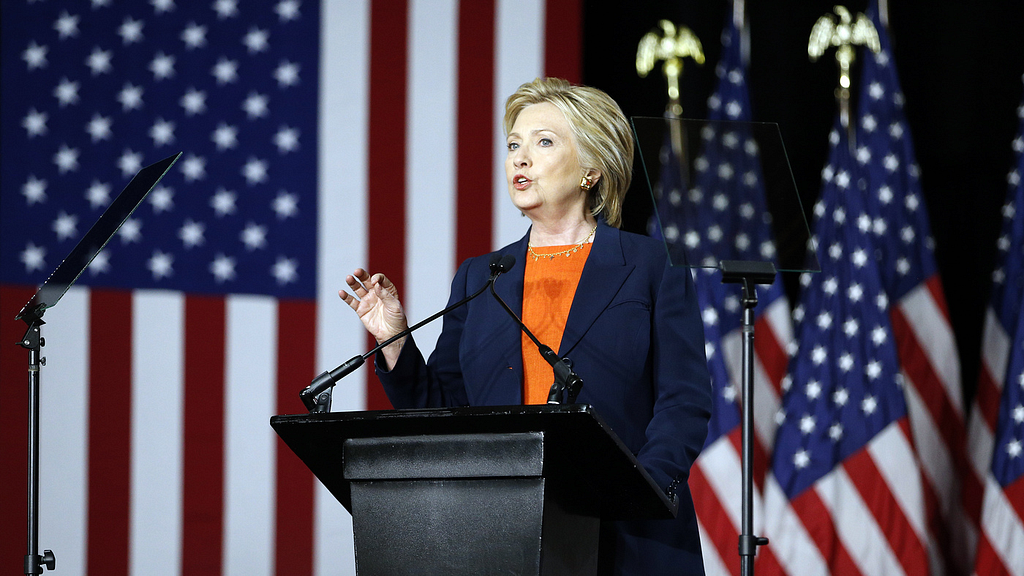
New Sci-Fi Novel Set in World Where Hillary Won

Agency, the new novel from sci-fi and speculative fiction heavyweight William Gibson, is due out in January 2018 and will reportedly imagine an alternate future in which Hillary Clinton won the 2016 US Presidential election. The story will jump between present-day San Francisco and a post-apocalyptic vision of London 200 years in the future. Gibson wrote most of the novel before learning the results of the election in November 2016, assuming, like many others, that it simply wasn’t possible for Donald Trump to become President. So, you know, even visionaries have their limits.

[The Guardian, Danuta Kean]

Proust’s Complaint About Neighbor’s Loud Sex Revealed

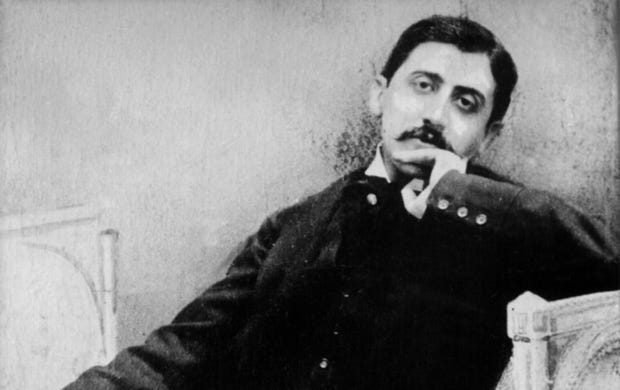
Among what is being described as “a treasure trove of letters and diaries revealing the secrets of some of France’s greatest literary figures” — soon to be auctioned off in Paris — there is a rather amusing note from Marcel Proust. Written to his landlord’s son, Proust complained about the volume of his neighbor’s sex: “Beyond the partition, the neighbors make love every two days with a frenzy of which I am jealous.” What would you pay to own such an item? Say, two hundred euros? What’s the exchange rate for madeleines these days? The collection also reportedly includes notes from Flaubert contemporary to the creation of Madame Bovary and a private diary belonging to Victor Hugo.

[The Guardian/Danuta Kean]

25% of Young Britons Lie About Reading Lord of the Rings

A new study by The Reading Agency, the British pro-literacy group, has confirmed a universally acknowledged fact: people lie about what they’ve read. Adults 18–24 were the worst offenders, with 64% confessing to stretching the truth about their reading habits. 25% of that group claimed to lie about reading J.R.R. Tolkein’s Lord Of The Rings trilogy, when they had actually just seen the films. Other frequently fibbed titles included Ian Fleming’s James Bond books, The Chronicles Of Narnia, The Da Vinci Code, and The Hunger Games. Wait, are people impressed if you save you’ve read Dan Brown?

[The A.V. Club/Matt Gerardi]

Granta Best of Young American Novelists List Released

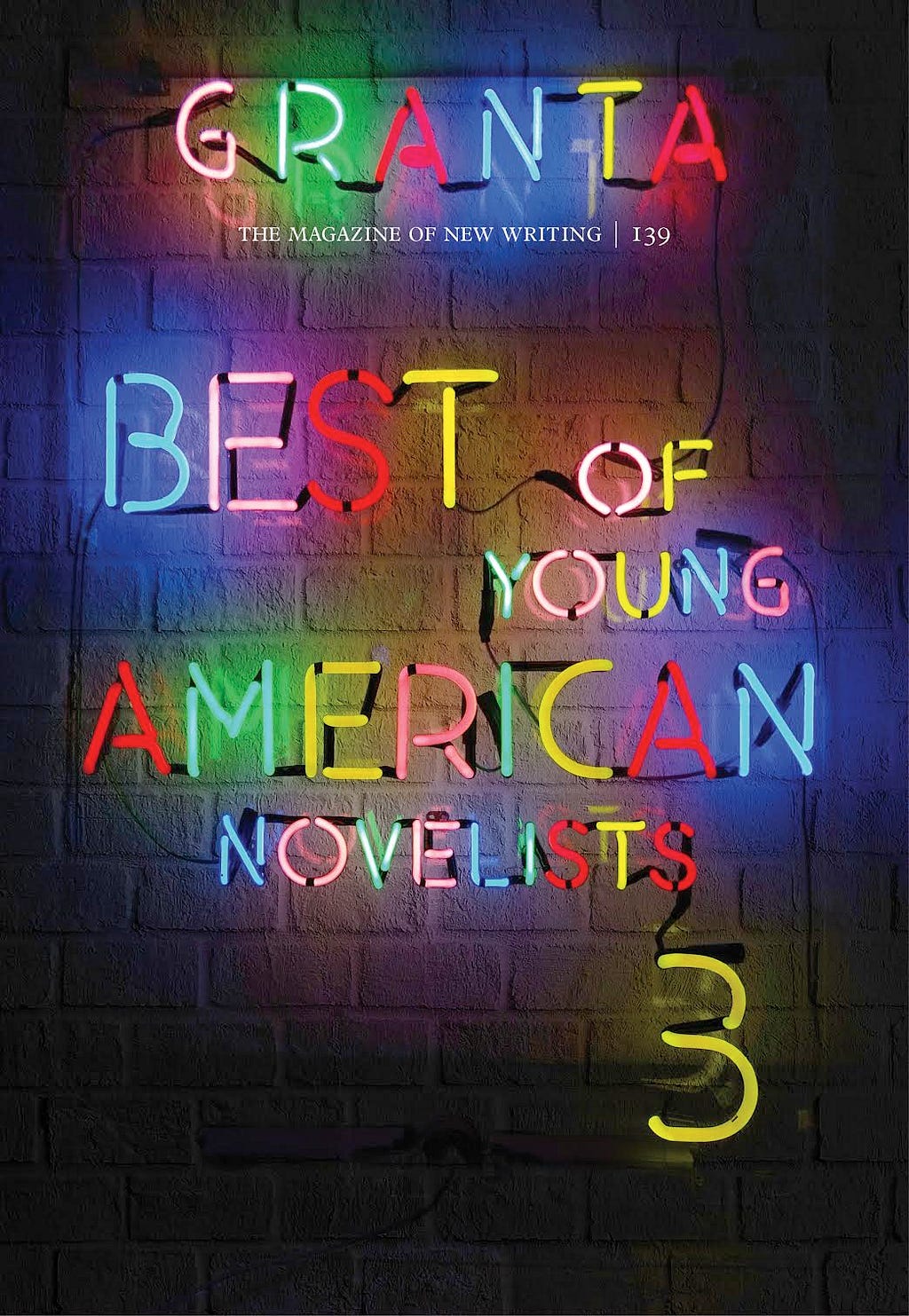
Granta has released its latest “Best of Young American Novelists” edition. Released every ten years, the list includes writers under forty whom the magazine considers to be at the forefront of American writing. This decade’s roster is headlined by Emma Cline, Yaa Gyasi, Ottessa Moshfegh, and Ben Lerner. You can check out the whole group here. Because you know what Americans really love? British people declaring which of us is best.

Why We Do Weird Things: An Interview With Ottessa Moshfegh, author of Eileen

Streep, Sondheim, the Women’s March, and a Call to Arms at the PEN America Gala

Last night at the Museum of Natural History, the fight for free speech hit close to home

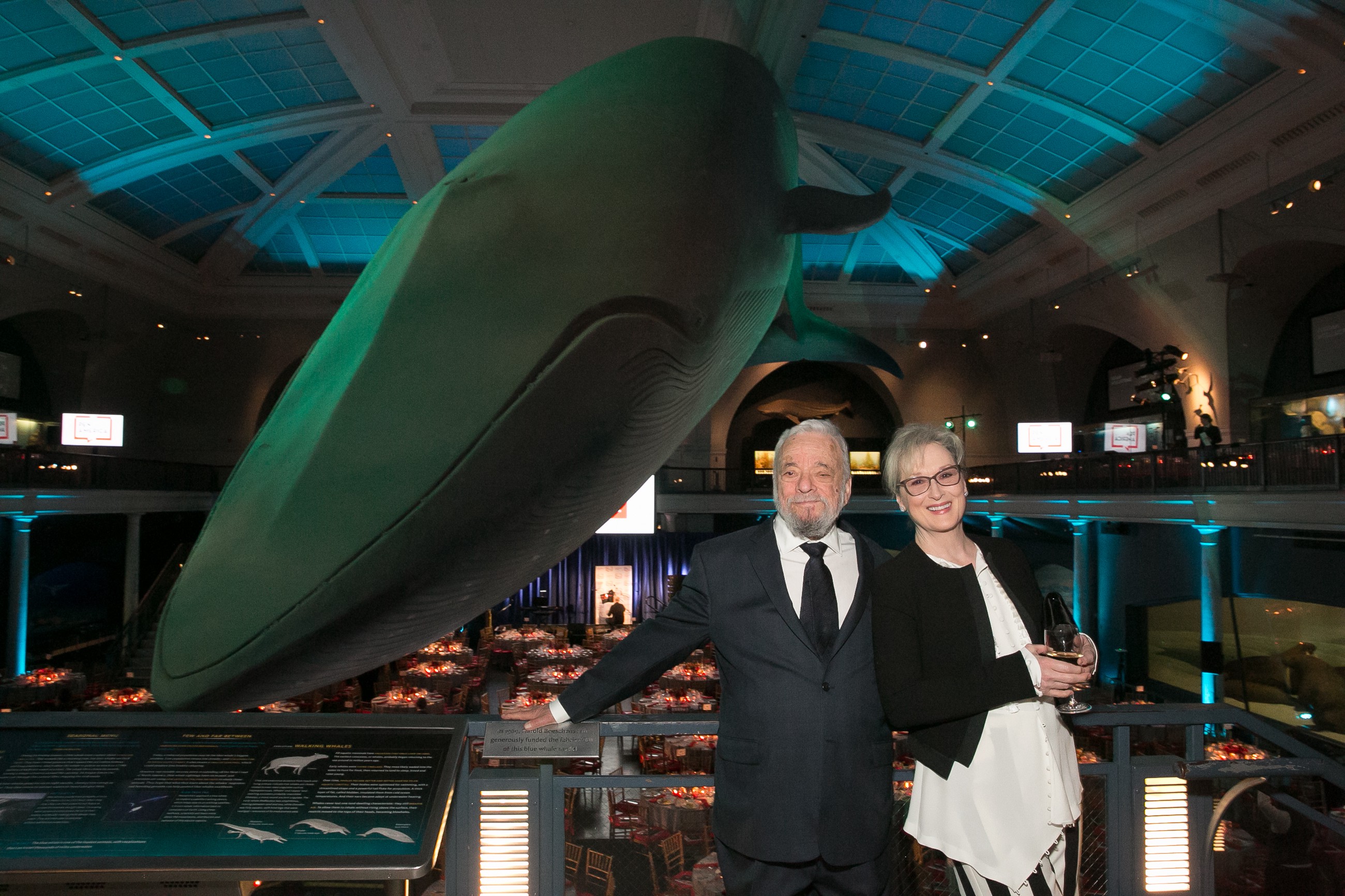
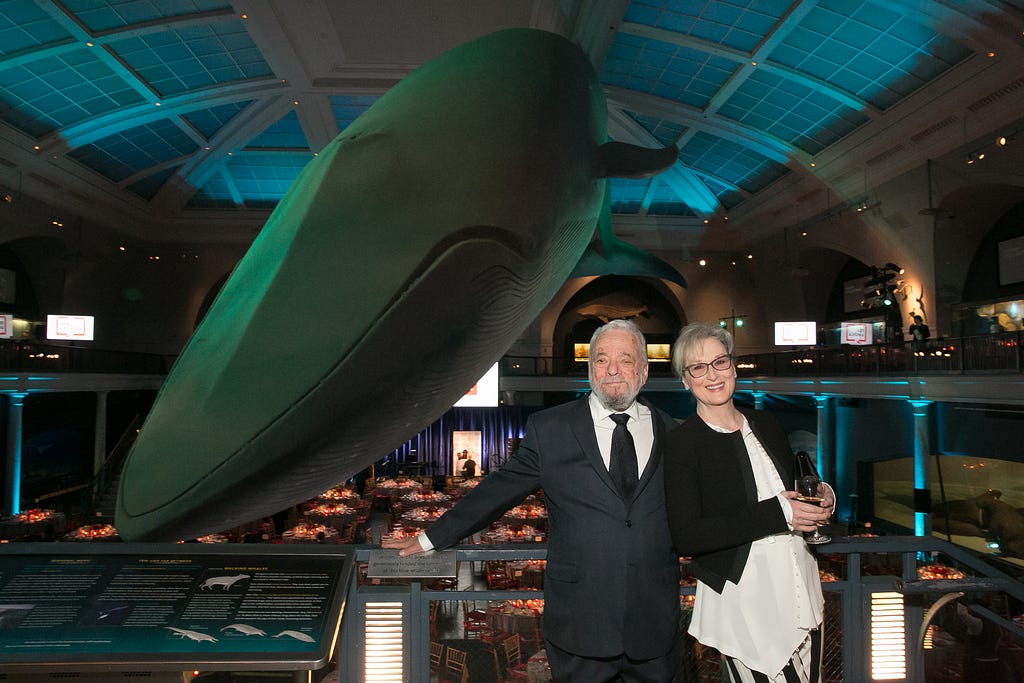
Stephen Sondheim and Meryl Streep

It’s a new era for PEN America. The organization, which has long helped champion freedom of expression around the world, is now grappling with new threats on the home front, namely a President who is openly hostile towards members of the media, wants to abolish the National Endowment for the Arts, and not only condones but creates fake news. PEN America’s President, Andrew Solomon, addressed the tense political climate in his opening remarks: “We are living in a time of unprecedented attacks on freedom of expression in the United States. The truth is routinely denied by the highest officials of government and untruths are proclaimed as if they were authentic.”

That tone of defiance and determination would carry through the evening. The night’s first award went to John Sargent, the CEO of Macmillan. In his acceptance speech, Sargent spoke about the importance of upholding the First Amendment and defending writers with controversial opinions. But rather than speaking only of the threats coming from government bodies, he acknowledged that the literary community must also face their own biases and pressures. “There are fewer and fewer of us deciding what books to publish…or what books to pull,” he said, hinting at the recent controversies over hate speech and Simon and Schuster’s book deal with online troll and white supremacist Milos Yiannopoulos.

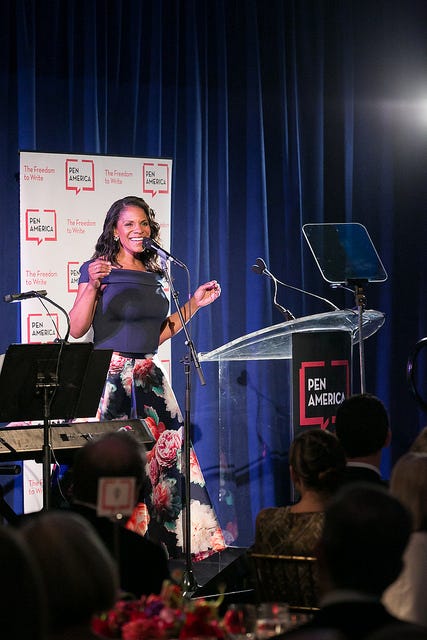
Audra McDonald

Next up: the bold-faced names. If there was one person who could generate the same excitement as last year’s celebrity presenter, J.K. Rowling, it was Meryl Streep. Streep awarded the PEN/Allen Foundation Literary Service Award to Stephen Sondheim for his contributions to musical theater and his defense of the arts. Streep was perfect (anyone surprised?), employing a deft mix of humor — “as an actress in a room full of great writers I feel like a pilot fish on a whale” — and her now trademark candor in criticizing the current administration. Sondheim humbly accepted the award, joking that he felt better about receiving a writing prize for musical theater, since “Bob Dylan can win the Nobel.” After the award was presented, Tony-winner Audra McDonald came on stage to perform Sondheim’s “The Glamorous Life.”

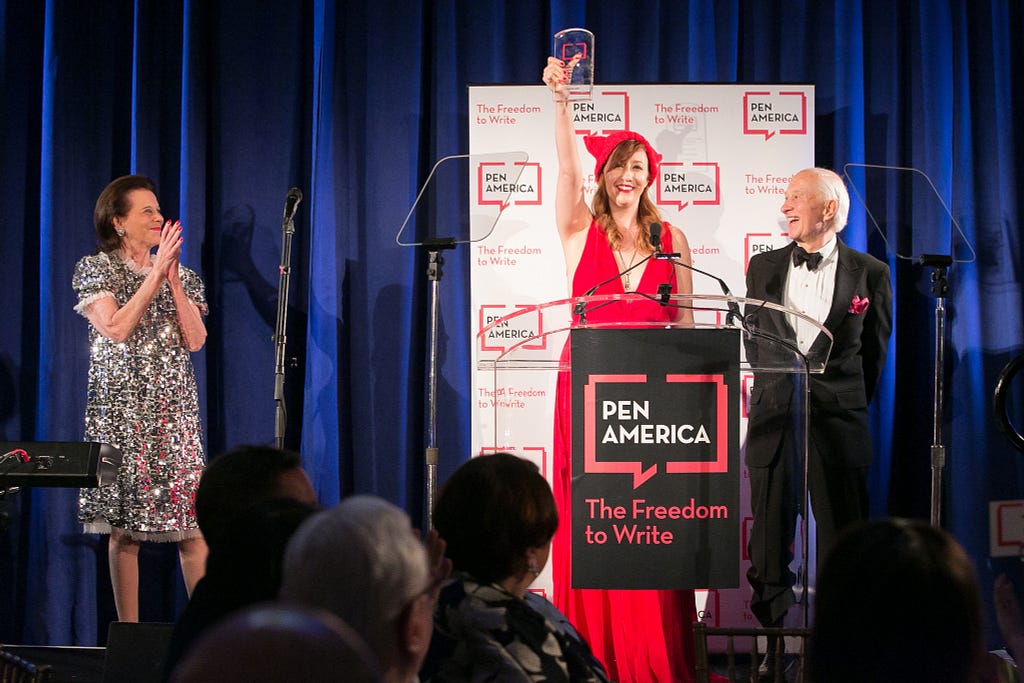
Apart from Meryl Streep’s amazing black-and-white striped pants, the best sartorial moment of the night came from Bob Bland, the Women’s March organizer and winner of the James and Toni C. Goodale Freedom of Expression Award. Bland wore a knitted red pussy hat above her elegant red evening gown, nicely emphasizing her message; in addition to speaking about the importance of courage, inclusiveness and diversity, she argued that we must continue to fight (hats optional) post-March and push for women’s rights and parity in all levels of government. Bland accepted the award on behalf of her co-organizers, Linda Sarsour, Tamika Mallory, and Carmen Perez, as well as the estimated 5 million people who marched on all five continents on January 21st.

Toni Goodale, Bob Bland, James Goodale

In an apparently impromptu moment, the award-winning actor Alan Cumming then read a letter written to PEN by Oleg Sentsov, the honoree of the PEN/Barbey Freedom to Write Award. Cumming’s ridiculously powerful reading was a moving tribute to the Ukrainian activist, writer, and filmmaker, who was arrested by the Russian secret police on spurious terrorism charges and is currently serving a 20-year sentence in a Siberian penal colony.

Rita Dove, the first African-American Poet Laureate Consultant in Poetry to the Library of Congress, closed out the evening with an impassioned call to save the National Endowment for the Arts. It was a fitting end to the ceremony, which began with a video called “It Can Happen Here: Free Expression in America.” The message was clear: PEN America is relevant at home, and will likely become even more so over the next four years. Importantly, the organization didn’t lose site of the global context, reminding us through the Sentsov tribute, videos of newly freed political prisoners, and even a shout-out to gala-attendee and fatwa survivor Salman Rushdie, how lucky we still are compared to so many around the world.

Photographs courtesy of PEN America, by Beowulf Sheehan

How to (Inadvertently) Write a Novel About Depression

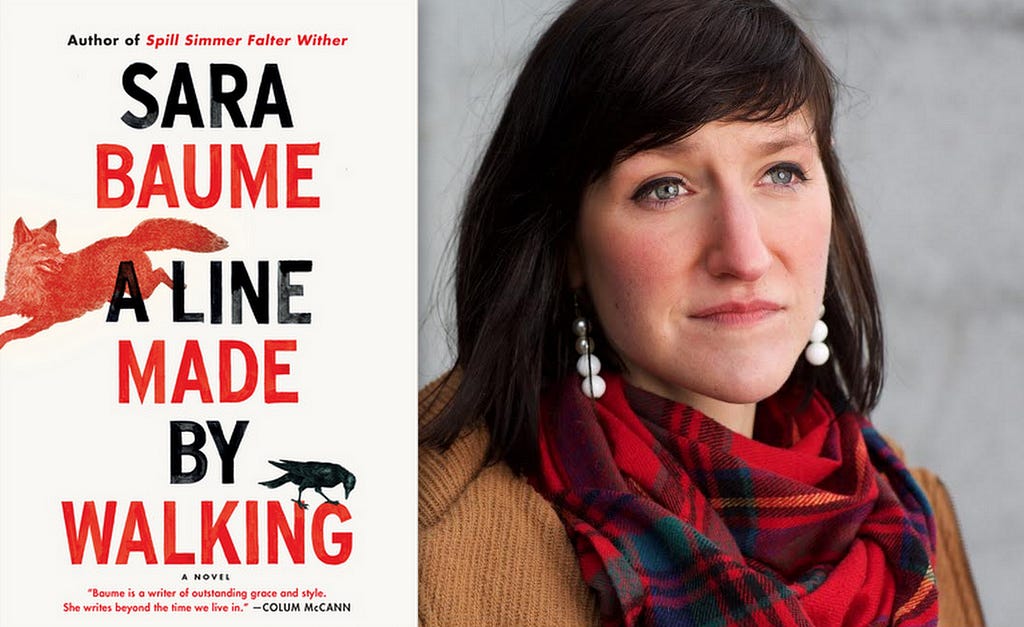
Sara Baume’s award-winning debut novel, Spill Simmer Falter Wither, told the story of Ray, a curmudgeonly old man who finds an unlikely companion in a mangy mutt named One Eye. Having a soft spot for both grumps and dogs, I was immediately drawn to the book’s premise. Yet more than the plot it was Baume’s sentences which riveted me; they were quiet yet poignant, mixing unexpected observations about humanity with gorgeous, often tender, descriptions of nature. Her new novel, A Line Made by Walking, may have a different protagonist, but luckily her literary style remains the same.

A Line Made by Walking tells the story of Frankie, a twenty-something sculptor who, struggling with depression and disillusionment, drops out of art school in Dublin and moves to her deceased grandmother’s house in rural Ireland. (Baume herself went to art school before getting her M.A. in fiction at Trinity College.) As the months pass, Frankie takes photographs of dead animals, tests herself on the details of endless works of art, drinks wine, and watches celebrities discuss their mental issues on TV. This last action is one example of the way that Frankie tells us the story of her depression; elliptically, a series of small clues embedded in how she sees the world. These loaded observations — cooking broccoli as a mark of sanity, a stolen bicycle as proof that humanity is crap — expose her profound estrangement from her art, from the world’s expectations, and from herself.

I had the pleasure of speaking with Baume over email about creative non-fiction, her obsession with conceptual art, and portraying mental illness on the page.

Author Sara Baume. Photograph: Patrick Bolger

Carrie Mullins: There are more autobiographical elements in this book than in your first novel, Spill Simmer Falter Wither. Apart from the obvious point that you’re closer in age/gender to Frankie than Ray, you’re also trained as a visual artist. How different is it to write a book whose protagonist is closer to your own reality? Have readers approached the work differently?

Sara Baume: Line started several years ago as a short piece of ‘creative non-fiction’ about a period of my life spent living alone in my dead grandmother’s empty bungalow in rural Ireland. This was during an economic depression, about two years after I finished art school. I was unemployed and increasingly disillusioned and Frankie’s voice draws heavily from those feelings of confusion and despair. Some details remain true, but many more are invented, and stepping back to look at Frankie now, I find her perplexing, even a little cruel. She is me, and not me, but then I’d say exactly the same of Ray in Spill Simmer.

When it comes to readers, I’ve found that, with Line, they are much more likely to ask whether or not it is an autobiographical novel, whereas with Spill Simmer, people are most inclined to ask how I went about — as a young woman — writing in the voice of a much older man. Ray is as much me as Frankie is, because, to my mind, a person is most essentially defined not by age or gender but by experience. Ray is me in the smallest details of his life, in his feelings, in the things that interest and illuminate and frighten him.

CM: Even when she can’t be bothered to eat more than a chocolate bar for dinner, Frankie tests herself to name artworks on a particular subject, from blinking lights to flowers. It was fascinating to learn about these pieces, and I was struck by that word, test, because it’s so active and outside Frankie’s general behavior. How did this recurring element come about? How did you choose the actual works?

SB: Well, first off, the novel is named after an artwork by Richard Long. A Line Made by Walking was an ‘action’ undertaken in 1967 when Long was still a student in St. Martin’s School of Art in London. He caught a train out of the city, and in a field, walked up and down and up and down in a straight line until his footsteps had worn a visible track through the grass, then he documented the site in photographs. It’s just one of roughly seventy artworks which, at intervals throughout the novel, Frankie prompts herself to remember. Each one is a work she learned about in art school, and she sets herself the task of recalling them partly just because she’s afraid of forgetting and wants to feel as if she is continuing to learn in spite of the fact that her formal education has come to an end, and partly as an attempt to find meaning and direction in the so-called ‘real’ world.

When it came to selecting the artworks, it was important to me that each rose naturally to mind in accordance with the sights and objects Frankie stumbles across, the places and situations she finds herself in. I would not allow myself to struggle to call them to mind, or hammer them in where they did not rightfully fit.

And so I was, naturally, drawing from what I already knew — and liked, and remembered — my own frame of reference. I’ve always had an obsession with — and fascination for — conceptual art, and more specifically, the period dating from, roughly, the 1960s up to the noughties. This was a really vibrant, radical, experimental period — taking in modern movements from Pop, Performance, Installation, Minimalism, Land Art, and so on.

My Year in Re-Reading After 40 #5: The Sea, The Sea by Iris Murdoch

CM: You paint such wonderful visual images of creatures — crows, foxes, even slugs — and they feel like a seminal part of your work. What draws you to them?

SB: I grew up in the countryside, and live again now in an even wilder place than the one where I grew up. The fields and trees and sea beyond my desk are a constant source of fascination, companionship and influence, and nature has become a theme which is central to my writing. Just recently I’ve read a handful of books which seem to be treading the ground, beautifully, between novel, essay, artwork and ode to nature — The Outrun by Amy Liptrot, H is for Hawk by Helen Macdonald, Things That Are by Amy Leach, perhaps — and I’d love to think that Line has some territory in common.

“The fields and trees and sea beyond my desk are a constant source of fascination, companionship and influence…”

So Spill Simmer was structured around the seasons and Line is structured around a series of photographs I took over the course of a couple of years. Each shows a dead creature lying where it fell and as I found it, and each of the ten chapters is named for the creature, from ROBIN through to BADGER. In June 2009, I travelled to Gorzów Wielkopolski in western Poland to take part in a group exhibition in a disused orphanage, and there I showed the photos alongside little creature figurines which I’d carved out of balsa wood. I don’t know exactly what it is about these photos which makes me return to them again and again — one on its own isn’t interesting, but I find that there’s something tremendously poignant about the prints all together.

CM: When you’re trying to sell a novel, the conventional emphasis from agents and publishers is on plot, even for literary works. (What’s the hook? Will the pace be enough to capture an audience? et-soul-crushing-cetera.) Your novel has successfully dispensed with much of the traditional idea of plot. Was that a conscious decision as you were writing? Was it ever hard to get buy-in, even for a second novel?

SB: Well, for me, getting published was a somewhat unusual process. With Spill Simmer, I never dreamed any of the bigger publishers would be interested. I didn’t have an agent and I only sent it out to a handful of small, indie presses. It got picked up very quickly by Tramp Press, a new Irish publisher, which I guess would be similar to the like of Dorothy Project in the US. It did really well here at home, and so then I signed with an agent and the rights sold on to bigger houses in the UK and US, and in translation. I signed a two-book deal pretty early on, with just a first, rough chapter of Line. I expected, at every stage, that I’d be told it was a completely unmarketable novel, but I seem to have been blessed with really brilliant, open-minded editors on both sides of the Atlantic.

CM: This is a story about a young woman struggling with depression, and it doesn’t end on an arbitrarily happy note, which I appreciated. Can you talk a little about the ending, and about depicting depression on the page?

SB: Strange as this might sound, I don’t think I was really aware, during the process, that I was writing a story about depression; it was certainly never my intention to start a conversation about mental illness. Here in Ireland, there is no shortage of such conversations in the media, and Frankie is frankly bored by them. Though she is clearly sad and struggling to cope with adult life, she angrily resists labels and medication, choosing to deal with her sadness and disillusion in atypical ways and in defiance of professional advice. But would she have been better off doing as she was told? It’s a novel, not a polemic. I was more interested in the way a troubled mind flits and the things it alights upon — I’ve reached no particular conclusion.

I chose to end with the description of an artwork, and it took me some time to decide upon the right one.