Why “The Dark Is Rising” Is the Book We Need Right Now

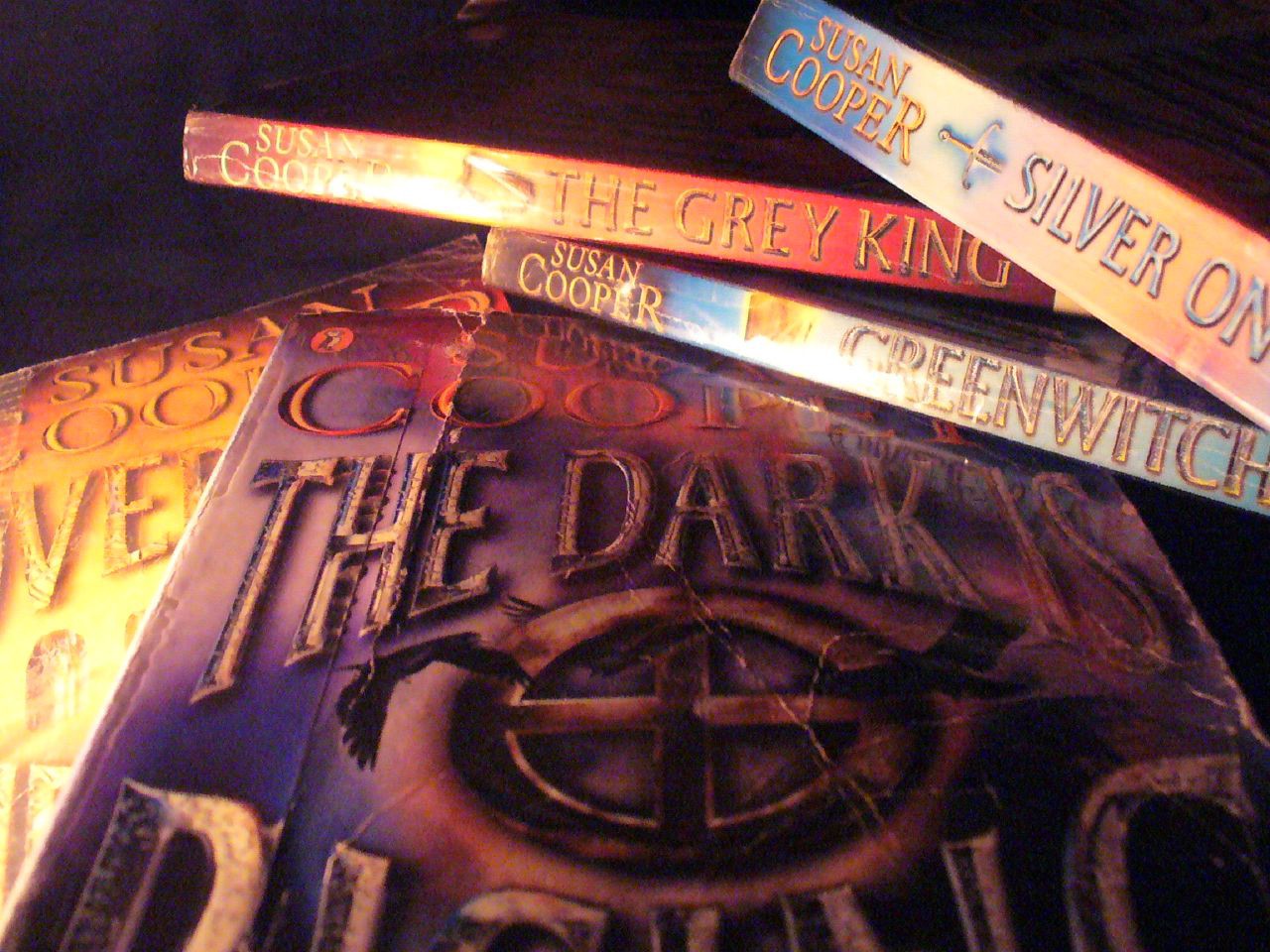
When you grow up in Florida, like I did, weirdness is plentiful but winter is scarce. For me, reading about winter thus became an essential and compulsory corrective to the still-green outdoors as the holidays approached. The right book always seems to find me, and did so again earlier this month, when I learned through Twitter of a virtual book club, #TheDarkIsReading, dedicated to Susan Cooper’s beloved novel, The Dark Is Rising.

I read The Dark is Rising years ago, and although its plot details had faded, I remembered its cataclysmic snowstorm, among other wintery elements. Frigid, familiar, spooky — it was a spot-on choice for a holiday read that wasn’t “merry” at all. And as it turns out, the titular novel and the other four books in the sequence are also spot-on selections for this winter in particular, the Winter of Dystopia 2017 CE. Reading them now is both convalescent and critically galvanizing, offering dreamy holiday-tinged nostalgia with one hand while also raising urgent questions about good and evil in our perilous present.
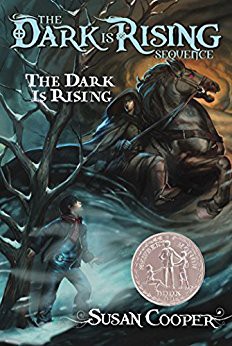
Mobilizing the imaginations of the resistance is likely not what the group’s organizers had in mind for #TheDarkIsReading, and certainly not what I thought when I first learned about it. Organized by writer and Cambridge professor Robert Macfarlane and poet Julia Bird, the reread will commence Dec. 20, Midwinter Eve. The date coincides with the beginning of the novel, one day before the 11th birthday of Will Stanton, the novel’s protagonist and the final initiate of an ancient order of benevolent immortals. The reread will continue until Jan. 5–6, in reference to Twelfth Night, on which the novel’s narrative ends. Each day, Macfarlane and Bird plan to share at least one question to guide discussion, and participants are encouraged to “share their memories of reading TDIR, as well as photographs, artwork, poems, music and other responses inspired by the novel.” By all appearances, nostalgia — the timely revisiting of a favorite novel — is the main motivation for the project.

I confess that when I first saw the hashtag, I bristled indignantly, as one always does when accepting that a “secret” is actually public (and old news). I mean, these books were part of my mythology, constellations in the zodiac of my interior life. To be honest, I was also skeptical of enough widespread interest in them to merit a real-time conversation: did The Dark is Rising (and its sequels and prequel) really appeal to anyone beyond a handful of apostate neopagans (me) with a taste for Welsh orthography and dreary landscapes (also me)?

Yes, as it turns out, and to quite a lot of people. Upwards of 1,000 people from around the world have expressed interest in the group, and the hashtag is already vibrant with content from rereaders of the novel as well as those who are approaching it for the first time. This is both a self-own for me and a certification that The Dark is Rising sequence is as precious and rich as I imagined it to be. Based on just that (even setting their aesthetics aside), bringing them into the light, as it were, is both overdue and opportune right now. But the relevance of Susan Cooper to our present moment runs deeper.

This year, 20th-century women speculative fiction writers have gotten some of their rightful appreciation. The Library of America “canonized” Ursula K. Le Guin and will be reprinting her works — an honor shared with one other living author. Margaret Atwood is ubiquitous. Ava DuVernay’s adaptation of A Wrinkle In Time will soon deliver Madeleine L’Engle’s beloved story to a new generation. Yet so far, this cresting wave has not carried Susan Cooper or The Dark Is Rising sequence specifically. If only to correct this exclusion, #TheDarkIsReading feels like a much-needed first step, and I hope that the group’s organizers will continue to the other books in the series after participants have finished the namesake novel.

But beyond ensuring that Cooper be recognized as part of the moment made for her and her peers, is now the appropriate time to revisit these books? What can we learn from a mythology and folklore-heavy saga that wades deep into the peculiarities of Britain and Britishness, that frequently uses foreignness as a marker of villainy? What is to be gained by wandering into yet another reworking of the Arthurian legends, which will always, at some level, support the idea of Britain (read: whiteness, at its most patriarchal and heteronormative) as the surrogate and center of the whole world?

What is to be gained from yet another reworking of the Arthurian legends?

Like all books concerned ultimately with the conflict of good and evil, The Dark Is Rising and its companions are always so relevant that they never feel particularly “of the moment.” But, then again, reconsider this moment, in which the meaning of evil is back up for debate.

Much of this winter, if not this whole year, we’ve witnessed an intense relitigation of the evil of American Nazis, rapists, pedophiles, nonspecific racists, and liberals who “don’t see color.” The discourse has spiraled around the same talking points, in which a liberal center demands we hear “both sides” of a story in which one side inevitably wants the other not to exist. White nationalist groups have grabbed hungrily at their “side,” and used it to squander valuable platforms. The clean-cut fascist has claimed himself cut from the same cloth as any other radical thinker who dissented from the status quo. Rapist gatekeepers claim to be sick, and their bystanding enablers claim to be “shocked.”

By and large, this ruse has worked: one need only look at our government, which has now graduated from legislating who will be tax-bound in perpetual poverty to legislating what words we can use to describe observable and experienced reality. The same government would rather win a Senate seat with a serial pedophile than preserve the dignity of the office. But none of these things are being acknowledged as “evil.” Instead, evil has been rebranded as self-interest, ruthlessness rebranded as merit, and hate rebranded as disagreement.

Amid this slimy osmosis of good and evil, then, Cooper’s moral dualism of the Light and the Dark, so stable and impermeable, slices down hard. Reading The Dark Is Rising series, especially the namesake novel, is somehow soothing, summoning up memories of time when unambiguously evil people didn’t receive glowing profile stories.

Amid this slimy osmosis of good and evil, Cooper’s moral dualism of the Light and the Dark, so stable and impermeable, slices down hard.

But isn’t it the case that basically every book of fantasy comforts us with visits to an unrepentantly dualistic world, hopefully one where good prevails? Is it sufficient to single out Susan Cooper’s books just because Celtic paganism feels zeitgeist-y and Twitter is trying to make her happen? No. Rather, what sets The Dark Is Rising sequence apart is that it is a morally dualistic series written specifically for a post-dualistic world — this world.

Despite being a story about Light and Dark, The Dark Is Rising sequence ultimately chronicles the paradigm shift to moral post-dualism. It is not concerned with restoring a prelapsarian dominion of Light where morality itself is obsolete. Although the apocalyptic conflict of the Dark and the Light is the overarching narrative of the novels, their endgame is quite different here from, say, the salvific destruction of the One Ring. The final triumph of the Light in the series’ last book, Silver on the Tree, is not a new heaven and new earth, nor a sundering of goats from lambs. There is no end to disease or death or evil. The only thing that ends is the dominion of external powers over the destiny of humankind, an abdication that also eliminates the possibility of a returning savior who retrieves the world from the brink of destruction.

“For Drake is no longer in his hammock, children, nor is Arthur somewhere sleeping, and you may not lie idly expecting the second coming of anybody now, because the world is yours and it is up to you,” says Merriman Lyon, the leader of the Old Ones and latter-day alias of Merlin, after the final battle. This is bleak, brutal — but astoundingly mature and pragmatic. Unlike A Wrinkle In Time, with its high church mysticism and deistic optimism, or Harry Potter’s with its doxology of friendship and love, The Dark Is Rising sequence uniquely equips its readers to contend with a world that we’re now living in. It does so not by resorting to vague platitudes about the power of love, faith, or community, but by calling us to task to remember.

The Dark Is Rising sequence uniquely equips its readers to contend with a world that we’re now living in.

Time, memory, and the means of maintaining their continuity are the most powerful forces across the series. Beyond the Light and the Dark, these three principles are part of the Old Magic, the Wild Magic, and the High Magic — eldritch non-polar forces that predate good and evil. Memory, manifested through art and inspiration, is the key to resisting not only the Dark, but the evil inside each human heart. To that end, it’s the power that makes the difference at each novel’s most critical junctures, and repeatedly, the injunction to remember! is laid on Will Stanton and his comrades Bran Davies and the Drew siblings. Often, the remembered thing takes the shape of a poem, or a detail from British folklore — an homage to Britain’s rich literary tradition, specifically the Welsh Mabinogion.

The gesture of reverence extends beyond the national archive of art and poetry to these practices in general. In one touching scene in Greenwitch, the third book in the series, that shifts the course of the entire quest, Will and Merriman present the titanic ocean goddess Tethys with a painting of a boat docked in a Cornish sea village. Seeing that the boat is named White Lady — an ancient Cornish name for Tethys — the goddess warms to the Old Ones, whom she, as a creature of the Old Magic that outranks Light or Dark, is not obligated to help.

Merriman held the drawing at arm’s length, and released it into the sea; instantly it vanished into the shadow. There was a pause, then a soft laugh from Tethys. She sounded pleased.

“So the fishermen do no forget,” she said. “Even after so long, some do not forget.”

Merriman’s gift, painted by his human nephew, Barney, wins Tethys’ game-changing cooperation with the Light, and moves history forward toward an era free of either Light or Dark intervening in human affairs. Memory, here, was the essential magic.

Memory also moves one back in history, exposing the conflicts and exchanges of people and land that form the identities that exist today. Calling upon the waves of migration that have changed British culture over the millennia, Cooper undoes the idea of racial purity and exposes the fractured, punctuated equilibria of British identity. The source of exclusionary prejudice — perfect fuel for a parasitic Dark — is not the otherness of immigrants or liminal bodies, but the failure of natives to remember their own blurred origins.

Today, when conservatives and even some liberals are making apologies for a vicious white supremacist doctrine, Cooper’s artful deconstruction of ethnicity is a potent critique. Particularly among ethnic whites, who rather recently in U.S. history were banned from immigrating here by acts of Congress, this unbundling of monolithic whiteness is urgent. Without it, time takes this memory away more and more with each generation, and only the immortal Old Ones, like Will, remember it.

Today, Cooper’s deconstruction of ethnicity is a potent critique.

Except there are no immortal ones anymore — Cooper’s post-dualistic world’s most brutal matter of fact. Instead, humans themselves must shepherd the species through the valley of the shadow of death. There are no more gods left in the box.

With the erasure of identity and history underway at the highest levels of American government, and with the forced reorientation of universities and colleges away from the humanities, the memory essential to a post-dualist world is under attack. (Re)reading The Dark Is Rising series immerses us in the power of this ultimate resource, and at the end of a year that we all want to forget, Cooper’s lesson is clear. The moral imperative, and the only magic that we have, is to remember, to record, to recognize the rising of the Dark and to readily apply to it the absolute category of evil. Remembering takes time, though, and of all the things we’ve forgotten in 2017, the most chilling is how little time we have left.
Electric Literature’s 15 Best Short Story Collections of 2017

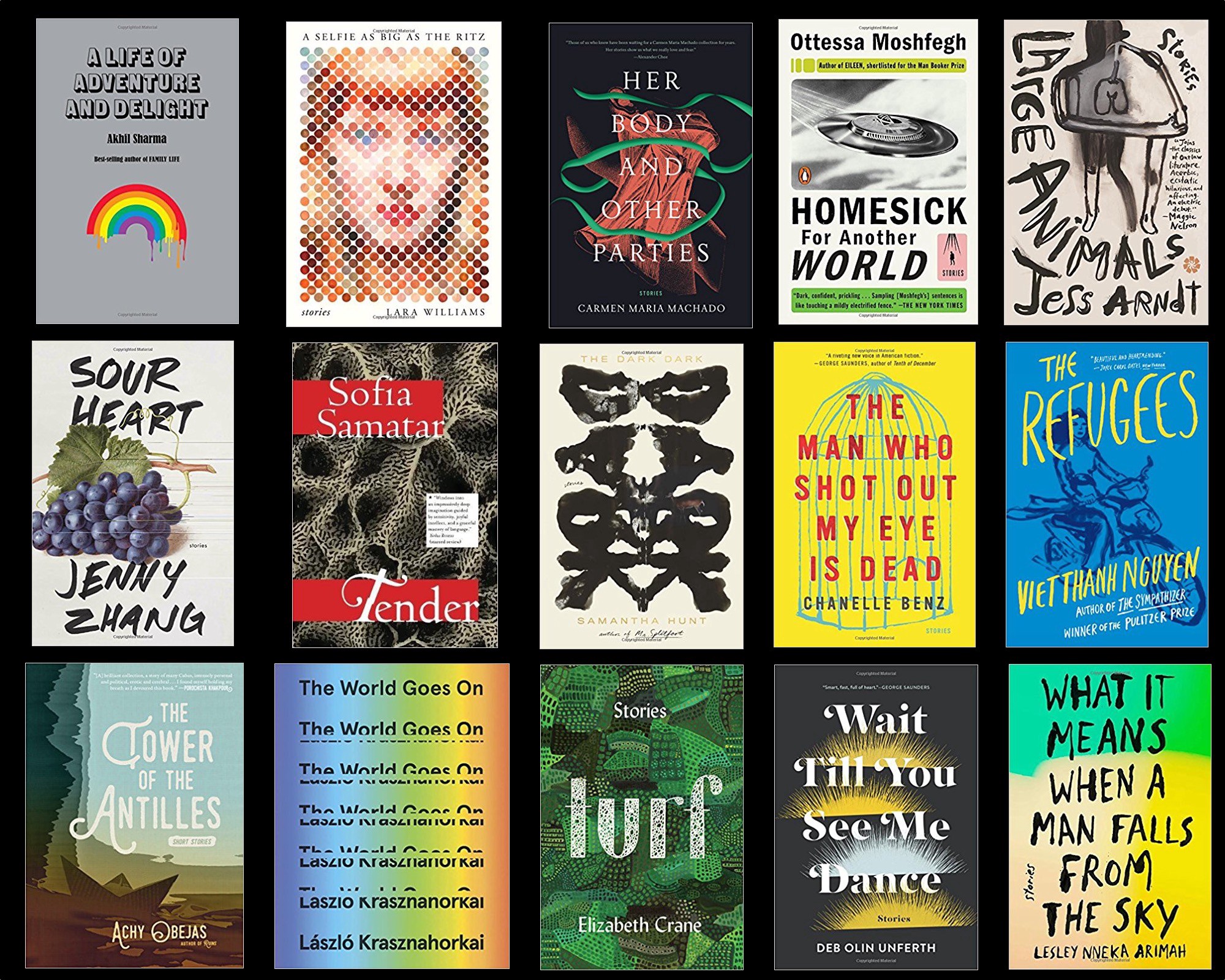
W e love short stories around here. We publish one every week in Recommended Reading, and our highest-traffic piece this year was an essay about a short story (more on this later, when we go through Electric Lit’s top stories of 2017!). And we’re not alone in this, either—after all, this is the year that, against all odds, a short story actually went viral. But among all the short stories we love, which 2017 collections were our favorites? Electric Lit staff and contributors voted for these 15 books as the best examples of short fiction this year.

You can also check out Electric Literature’s 15 favorite nonfiction books and 25 favorite novels of 2017.

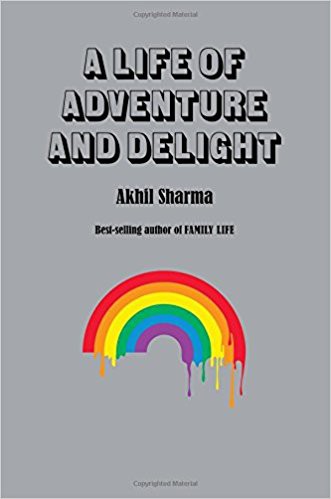
A Life of Adventure and Delight, Akhil Sharma

“What distinguishes a great story writer from a mediocre one?” wrote Yiyun Li in her introduction to Sharma’s story in Recommended Reading. “Akhil Sharma would be among the few living authors I would choose, along with masters like Chekhov, William Trevor, Eudora Welty, and James Alan McPherson, to tackle that question.” The stories in this collection feature Indian protagonists, both in India and abroad, navigating relationships with their families, partners, and selves.

Read Akhil Sharma’s short story “If You Sing Like That for Me” in Recommended Reading.

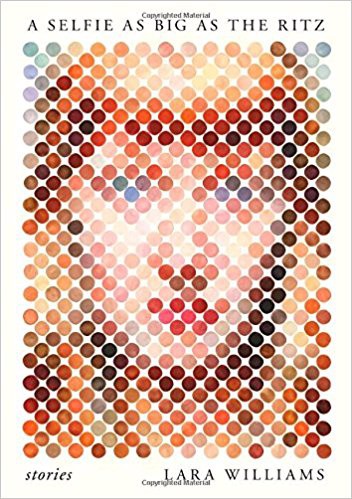
A Selfie As Big As the Ritz, Lara Williams

“Williams is a smart and funny writer. She uses details that in the hands of another writer would lose their punch,” said Weike Wang in recommending Lara Williams’ short story “It’s a Shame About Ray.” “I admire that at the core of each story, Williams sticks to the familiar. Her writing however, her style, her voice, are anything but.” Title aside, this book is not just for Millennials, but it’s definitely the kind of thing young readers can look at and say “I feel seen.”

Read Lara Williams’ short story “It’s a Shame About Ray” in Recommended Reading.

Her Body and Other Parties, Carmen Maria Machado

Carmen Maria Machado’s collection of fantasy-inflected short fiction was a finalist for the National Book Award, and for good reason. Her unsettling, beautiful, often very sexy stories offer indelible images, but also deep insights into violence, mistrust, restriction, invisibility, and other darker aspects of life as a woman.

Read an essay about one of the short stories in this collection.

Read our interview with Carmen Maria Machado about her book cover.

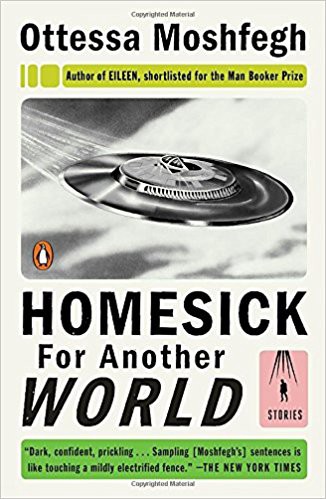
Homesick for Another World, Ottessa Moshfegh

“Ringing with heartless descriptions of the emotions of pathetic men and miserable women, her short stories create realities of isolation that grapple with the filth and visceral discomfort of what it is to be a human being,” Zack Graham wrote in his Electric Literature review of Homesick for Another World. “Her stories employ a brutalist nihilism, forcing you to follow a character into the inner depths of their self-inflicted pain. Each scene is a right hook of eloquent depravity. Each sentence is a hand-crafted bullet.”

Read our review of Homesick for Another World.

Large Animals, Jess Arndt

“Arndt writes with such poetry and such precision, that the force of the communication damn near knocks you over,” wrote Justin Torres in Recommended Reading. The experience of reading Arndt’s work, he said, is that one is “first mesmerized by the beautiful noise of the language, then knocked down, and dragged out to another, underwater world.” These hallucinatory stories teem with bears, walruses, parasites, and—strangest of all—the human body.

Read Jess Arndt’s short story “Together” in Recommended Reading.

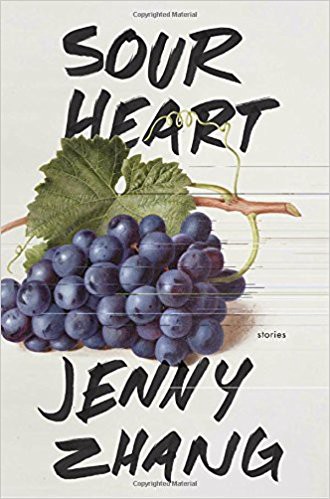
Sour Heart, Jenny Zhang

“I didn’t want my characters to have to be ‘good’ immigrants in order to be worthy of having their stories told,” Jenny Zhang told Electric Literature in an interview. Indeed, her stories centering girls and young women from immigrant families are, as The New Yorker notes, “frequently disgusting”—but also intimate, honest, and unsparing.

Read our interview with Jenny Zhang.

Tender, Sofia Samatar

“Sofia Samatar writes with a clear feminist slant and social engagement, an understanding of history and the circle of the political wheel,” writes Chris Abani, recommending Samatar for Recommended Reading. “Her work leans into the traditions of Margaret Atwood (in The Edible Woman and The Handmaid’s Tale), Octavia Butler (in The Parable of the Sower) but with as layered, original and complex a world as anything devised by Tolkien or Lucas, and all the endless yearning of Toni Morrison and Kafka.” Fantasy author Samatar earns those lofty comparisons with a series of stories that fulfill the greatest promise of speculative fiction: spinning new worlds while also offering political and personal insight.
Read Sofia Samatar’s short story “Miss Snowfall” in Recommended Reading.

The Dark Dark, Samantha Hunt

Samantha Hunt’s eerie stories take the anxieties of womanhood—pregnancy and miscarriage, love and exploitation—and expand them to the point of horror. “Like the best short story collections,” wrote Carmen Maria Machado for NPR, “The Dark Dark chews on some delicious, evergreen themes in extraordinary ways.”

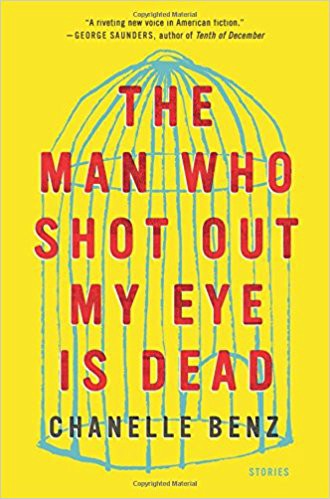
The Man Who Shot Out My Eye Is Dead, Chanelle Benz

“All good story collections coalesce into something greater than the sum of their parts, but The Man Who Shot Out My Eye is Dead does so more than most,” wrote Bradley Babendir in Electric Literature’s review of Chanelle Benz’s collection. “Benz has a deep understanding of the way people are marginalized by their gender, race, class, and other identities, and she finds a way to evoke that in every story. … The characters never seem far from encountering what they — and by extension, the reader — fear most.”

Read our interview with Chanelle Benz.

Read our review of The Man Who Shot Out My Eye Is Dead.

Read Chanelle Benz’s short story “The Mourners” in Recommended Reading.

The Refugees, Viet Thanh Nguyen

Viet Thanh Nguyen won a MacArthur Genius Grant this year, and if you read his quietly brilliant short story collection, you’ll see why. “Viet Thanh Nguyen writes funny,” insists Akhil Sharma in Recommended Reading, perhaps a surprise for a book named after and featuring refugees. But his work is bigger than just humor or sentiment: it “reminds us that there is a too-muchness to life also; that stories need to get bigger instead of trying to make life smaller.”

Read our interview with Viet Thanh Nguyen.

Read Viet Thanh Nguyen’s short story “Black-Eyed Woman” in Recommended Reading.

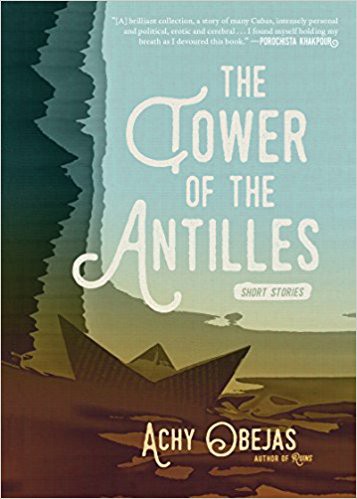
The Tower of the Antilles, Achy Obejas

Sexuality, nationality, gender, ethnicity and race all come together here in those everyday ways that they do in our lives, and then some,” writes Porochista Khakpour in Recommended Reading. “Obejas’s striking terrain of syntax and diction produces a resplendent landscape for all sorts of plots to twist and turn upon.” Her Cuban and Cuban-American protagonists wrestle with questions of home, family, and fate but always keep the island in sight.

Read Achy Obejas’s short story “Kimberle” in Recommended Reading.

The World Goes On, László Krasznahorkai

Krasznahorkai “writes claustrophobic prose about entrapped characters who suspect that reality is a cruel labyrinth from which it is impossible to escape,” writes The Atlantic. If that sounds like your kind of thing, these bleak, strange, sometimes frustrating, but always self-aware stories may be right up your alley.

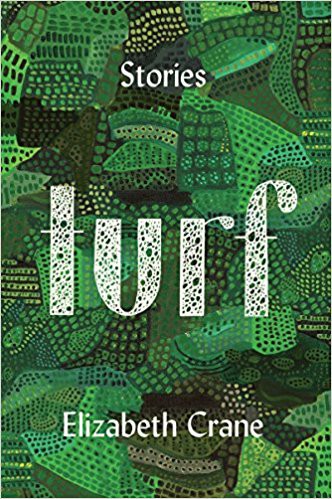
Turf, Elizabeth Crane

“The world is a bewildering, ridiculous place,” writes Lindsay Hunter, recommending an Elizabeth Crane story in Recommended Reading. “It’s easy to forget that while you’re tying your shoes, selecting a croissant, driving the same stretch of pale gray highway for the eleven-hundredth time. Elizabeth Crane mines the everyday and reveals what we’re missing. It’s unsettling. It’s hilarious. It’s…beyond. And you just know she’s having a great time, because suddenly you are, too.” The stories in Turf zoom from a global god’s-eye view to a hyper-specific catalog of anxieties, from the end of the world to the meaning of life to the tiny moments that can gut a friendship.

Read Elizabeth Crane’s short story “Mr. and Mrs. P Are Married” in Recommended Reading.

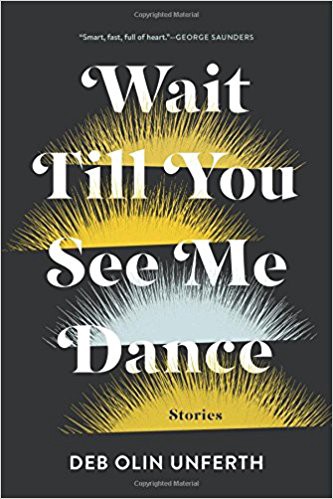
Wait Till You See Me Dance, Deb Olin Unferth

Rebecca Schiff recommended Deb Olin Unferth for Recommended Reading “because she’s one of the few fiction writers working today whose work is both poetic and funny, because she’s a sentence-level dazzler who knows how to tell a story.” Unferth’s collection explores what it means to be a woman existing outside of societal expectations—by aging, by being unlikable, by being a single mother or an old maid.

Read our interview with Deb Olin Unferth.

Read our review of Wait Till You See Me Dance.

Read Deb Olin Unferth’s short story “Wait Till You See Me Dance” in Recommended Reading.

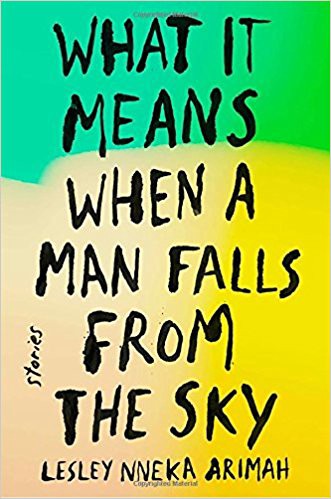
What It Means When a Man Falls from the Sky, Lesley Nneka Arimah

Arimah’s stories straddle Nigeria and the U.S., two places where the author has lived, and their genres are even more wide-ranging: realism and surrealism, myth and post-apocalyptic vision. The collection, her first, garnered rave reviews; NPR called it “a truly wonderful debut by a young author who seems certain to have a very bright literary future ahead of her.”

Finfinite Love

Day Off

A man hanging out by the dumpsters below my window said
“That’s how they do it!”
right as I’m climaxing

It’s true, it’s a beautiful day

Then coffee then the museum

I can’t seem to scrub the mood off this funny little life,
like the sticker off something second hand

Found an actual pebble in my shoe
Perhaps I’ll keep it

Spoon in Wig

I’m looking at my spoon that has a smear of peanut butter cross the top
looking like a bit like a wig
a spoon in a wig

It’s important
right now
this little spoon has a wig on

It’s a mark of my character

When someone is left cold by these sorts of things, you see,
I want to punch them dead

bedtime

i can smell the heat off your body
you’re dreaming of your dead sister
so i wrap my leg around you like a seatbelt

so much night left to night

i’ll love you for my attire life
finfinitely

tomorrow we’ll enter into the weather
the rain will drip off your long eyebrow hairs
you’ll accuse me of watching you sleep
fair enough

disciples

i can’t help but worship devils
the inflammable, unfaithful, and private

and we, so humany
offering our magic because we don’t understand it

but they need us, and our parts
without us there’s no subject for spells
without us there’s just other devils

how terribly dull that would be

When it is over, you stitch me up, prettily

Electric Literature’s 15 Best Nonfiction Books of 2017

The United States publishes about 300,000 books a year. From this wealth of options, how is a person ever supposed to choose which ones to read? Well, we can’t tell you which books from 2017 you’ll like best, but we can tell you which ones we liked best. We polled Electric Lit staff and regular contributors on their favorite books of the year, and we’re bringing you the winners, starting with nonfiction. Below are the essay collections, memoirs, and histories that made the biggest impressions on us in 2017.

When you’re done, check out Electric Lit’s favorite short story collections and favorite novels of the year.

300 Arguments, Sarah Manguso

Manguso’s latest book is not an essay collection—it’s a series of aphorisms, like a modern Poor Richard’s Almanack or a serious Jack Handey. But the arguments build on each other to offer revelations about love, desire, success, and everything else that matters.

Abandon Me, Melissa Febos

Febos’ second book of memoirs dissects some of her most intimate relationships: with her absent birth father, with the man who raised her, and with the woman she turbulently loved. This is for people who love essays that haul great truths out of deep vulnerability.

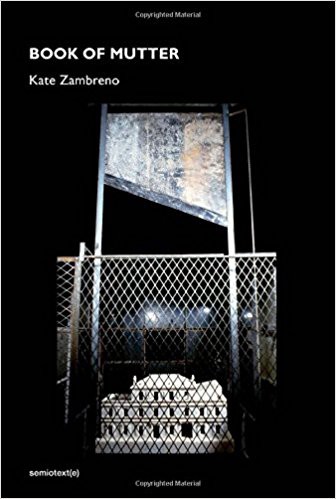
Book of Mutter, Kate Zambreno

This volume is not exactly memoir and not exactly criticism; publisher Semiotext(e) calls it “an accumulative archive of myth and memory that seeks its own undoing.” Light beach reading.

Bunk, Kevin Young

In this day and age, how can we know what truth is? Don’t worry, says Kevin Young: we never could. Bunk traces the history of American hoaxes, forgeries, fakes, and frauds—and in the process, shows us that race is the biggest long con of all.

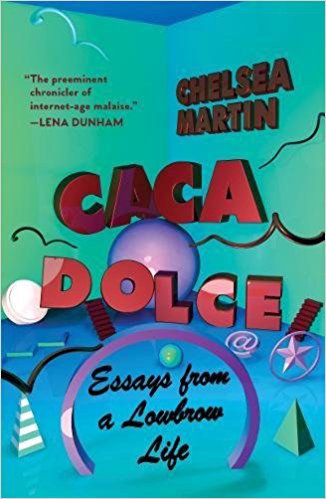
Caca Dolce, Chelsea Martin

Chelsea Martin’s darkly funny, unsparing memoir deals with class, family, mental illness, sex, and basically every other source of twentysomething neurosis with a sense of humor and a gimlet eye.

Read our interview with Chelsea Martin.

Hunger, Roxane Gay

This memoir, by the author of bestselling essay collection Bad Feminist, takes an unflinching look at food, weight, and body image. It’s about fat bodies, but also black bodies and female bodies, and in general about living as a body in the world.

Read a discussion of Hunger.

Read our interview with Roxane Gay.

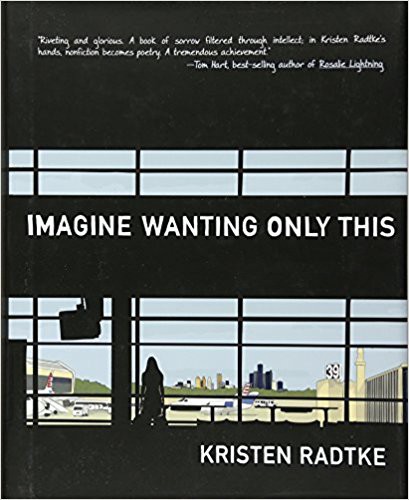
Imagine Wanting Only This, Kristen Radtke

Kristen Radtke’s graphic memoir is also an exploration of disaster, death, and decay; it depicts Radtke’s life, but also her fascination with ruined and abandoned buildings and cities. A great choice for people who want to lean really hard into their conviction that there’s nothing funny about comics.

Read our interview with Kristen Radtke.

Killers of the Flower Moon, David Grann

This history, which The New York Times called “disturbing and riveting,” investigates what happened when the Osage tribe, forced onto a nearly unlivable piece of land, find that the land sits on top of tens of millions of dollars worth of oil. It will not make you feel good about the United States, but we all need to be clear-eyed about our country right now.

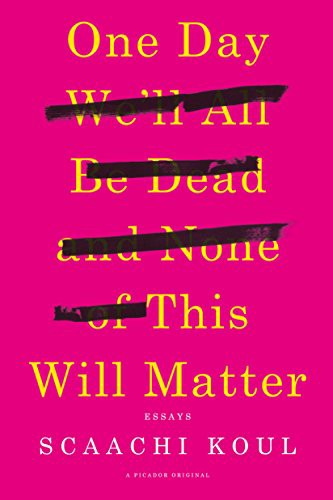
One Day We’ll All Be Dead and None of This Will Matter, Scaachi Koul

This is easily the funniest book about online harassment, rape, xenophobia, sexism, body image, and getting the silent treatment from your parents that you’ll ever read. But it’s not just whistling in the dark; Koul also writes lovingly about immigrant families, longstanding friendships, and romantic relationships.

Priestdaddy, Patricia Lockwood

This is the first work of prose by poet (and prolific, wonderful tweeter) Patricia Lockwood, and it’s a doozy. It’s a memoir about moving back in with her (married) priest father, but it’s also a searing critique of Catholicism and what it can do to its adherents. And it’s wildly funny and in love with the possibilities of the sentence.

Somebody With a Little Hammer, Mary Gaitskill

Fiction writer Mary Gaitskill dives headfirst into cultural criticism in this collection of essays, which cover topics from poetry to politics to porn. Whether she’s writing about Bjork or Hillary Clinton, she takes her subjects apart and puts them back together so deftly that you’ll never look at them the same way again.

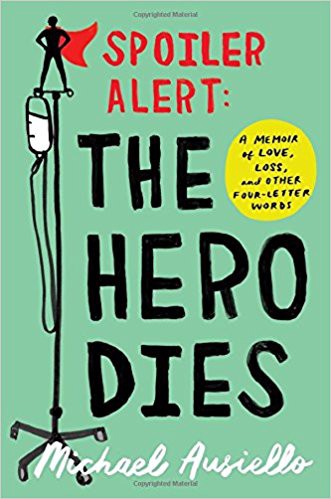
Spoiler Alert: The Hero Dies, Michael Ausiello

Imagine if your partner of nearly 13 years was diagnosed with cancer on the day of your wedding, and lived for less than a year after that. If you’re not already in tears, you will be after reading TV journalist Michael Ausiello’s memoir about love and death.

Read our interview with Michael Ausiello.

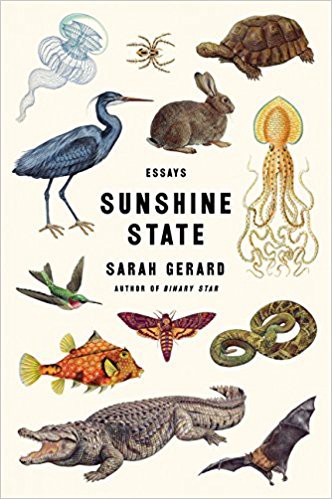
Sunshine State, Sarah Gerard

Sarah Gerard’s book of essays is an encomium to all things Florida, from seabirds to sex to Amway sellers. While plumbing the mysteries of her home state, Gerard also investigates her personal history, including her childhood best friend, her teenage drug habit, and her parents’ involvement in a fringe religion.

Read our review of Sunshine State.

Read our interview with Sarah Gerard.

They Can’t Kill Us Until They Kill Us, Hanif Abdurraqib

These essays are about music, but they’re also about politics and personal history. Poet and journalist Hanif Abdurraqib juxtaposes Bruce Springsteen with Michael Brown and Harriet Tubman with N.W.A. to draw broad conclusions about society and culture.

Read our interview with Hanif Abdurraqib.

We Were Eight Years in Power, Ta-Nehisi Coates

If you’re mourning the Obama years and need someone to help you make sense of what happened, you couldn’t have a better tutor than Ta-Nehisi Coates. His incisive analysis helps illuminate what’s gone wrong in this country, not just in the last year but in our history. You probably won’t feel any better after reading this, but you’ll see with clearer eyes.

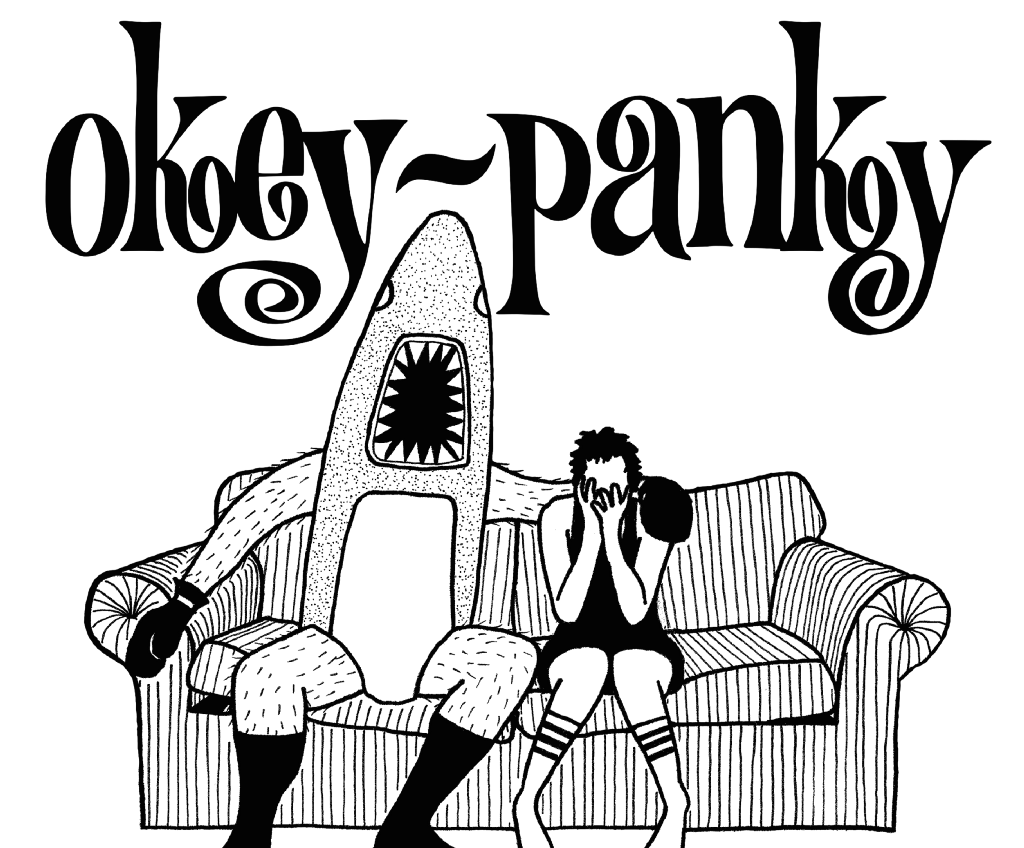
Big Changes Afoot at Okey-Panky

After two years of curating delightfully strange, funny, and obscure writings at Okey-Panky, J. Robert Lennon is stepping down as Okey-Panky’s Editor-in-Chief to focus on his next novel.

Electric Literature will continue to publish the literary oddities that Okey-Panky championed as a biweekly Monday supplement edition to Recommended Reading, and as occasional special features on Electric Literature. With the support of the New York State Council on the Arts, the RR Monday commuter edition will include poetry, graphic narratives, and prose of under 1,500 words, and will be the first major expansion of Recommended Reading since it launched in 2012. The first issue, “Bigfoot on the Beach” by NPR’s Invisibilia co-host Lulu Miller, will publish on New Year’s Day 2018.

Over two years, Okey-Panky published authors such as Padgett Powell, Chris Offutt, and Kashana Cauley, and earned a place in Best American Comics 2016 for “The Swim” by Anne Emond. Lennon is equally proud of the fact that half of what the magazine published came from unsolicited submissions. “OP had the best slush pile of any magazine I’ve ever worked on — I couldn’t believe the amount of great writing we received,” he said. “The magazine renewed my faith in new writers and writing, and it was fun to edit, too.” Electric Literature will continue this tradition by holding open submission periods for the Recommended Reading Commuter.

Okey-Panky’s poetry editor Ed Skoog, fiction editor Rhian Ellis, and comics editor Sara Lautman will continue to offer support to the new incarnation of the magazine, which will be led by Recommended Reading’s editorial staff. Electric Literature editor in chief Jess Zimmerman will assume the duties of Okey-Panky’s nonfiction editor Alice Bolin, whose book of essays Dead Girl is forthcoming from HarperCollins in 2018. “Alice Bolin was a superb nonfiction editor, and I’m delighted that Rhian, Ed Skoog, and Sara Lautman will continue to bring some of that OP mojo to Recommended Reading,” said Lennon. “These people are my friends and some of the smartest, most talented writers and editors I know, and it has been an honor to work with them on Okey-Panky.”

While the often perplexing name Okey-Panky will be retired, its whimsical and idiosyncratic spirit lives on.

UPDATE: The new editor of The Commuter is Kelly Luce.

Indie Bookstores Tell Us About Their Most Stolen Books

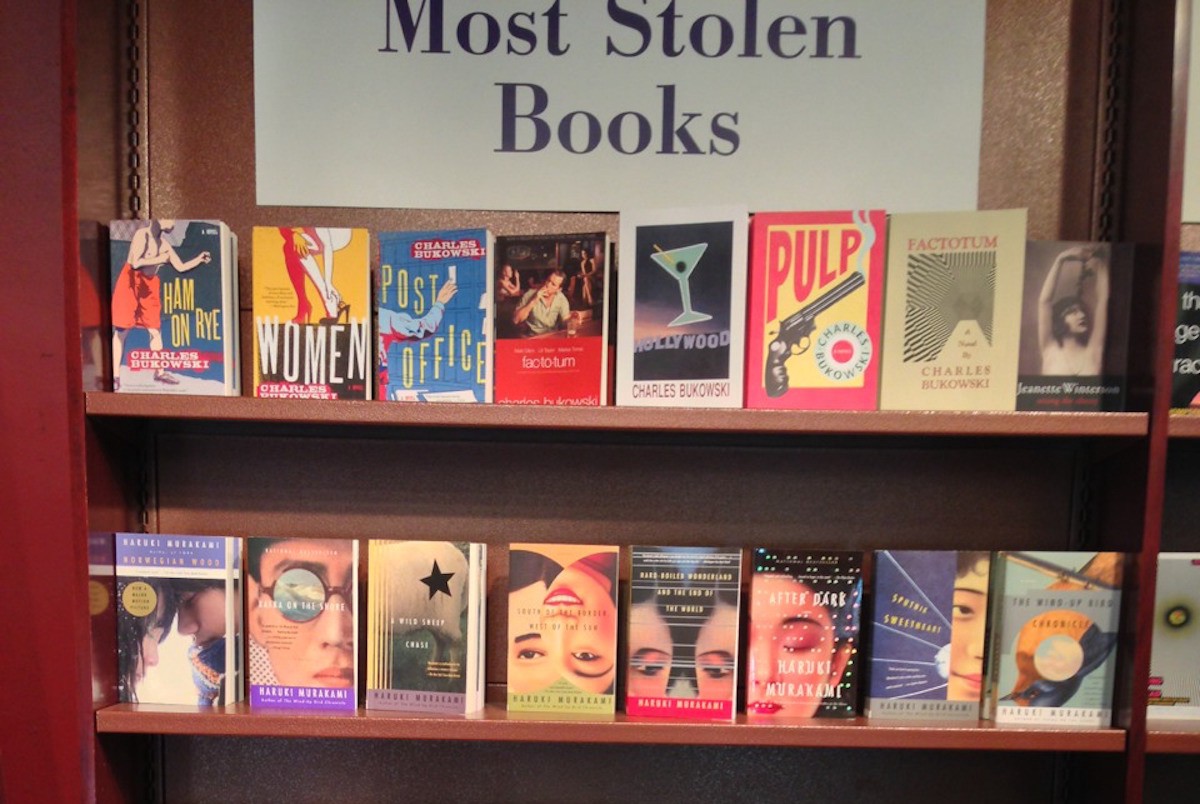
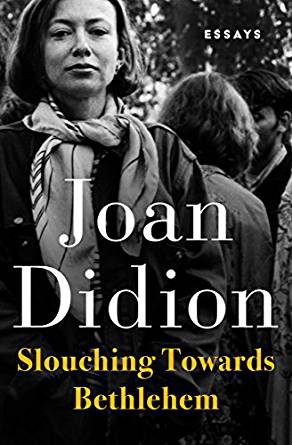
Unlike surreptitiously lifting gummy bears from Walmart, the act of stealing a book reveals a lot about the character, or at least the literary tastes, of the thief. I asked indie bookstores to tell us about their most stolen books, and based on their responses, I can say with authority that there are three types of book burglars. There are the counterculturals who think they are sticking it to the man (“the man,” in this case, being a small independent bookstore) by “liberating” books by anti-establishment writers like Kerouac, Vonnegut, and Bukowski. (Ironically, Abbie Hoffman’s Steal This Book did not make this list.) Then there are those too embarrassed to be seen with a self-help book so they hide Sex for Dummies in their shopping bags and scurry out of the store. Next are the cool kids who want a curated Instagram photo of them lounging by the pool with a margarita in hand and a Joan Didion book in the other. They have no real intention of reading their prop, so why pay for Slouching Towards Bethlehem?

P.S.A: Independent bookstores are magical, endangered places. Stealing from these small, often struggling establishments is a mortal sin and the Book Gods will smite you. If you must kidnap books (which you shouldn’t, because libraries exist) then steal from big box stores instead.

Astoria Bookshop, Queens, New York

“Probably Joan Didion’s Slouching Towards Bethlehem, though [Patti Smith’s] Just Kids, all the Bukowski (of course), a lot of Italo Calvino, Roberto Bolano, and believe it or not Sontag’s On Photography are also in the running. I have basically had to stop carrying NYRB titles because they walk out the door. Melville House novellas are nearly as bad.

We’ve also lost a lot of Wimpy Kid at book fairs over the years, but that’s not the same kind of issue.

The conclusion we’ve come to is that people steal books that they think will make them seem smart but perhaps have no intention of reading (and hence don’t want to pay for?). The link seems to be a sense of pretentiousness, looking at the specific books that walk.” — Lexi Beach, Owner

Books Are Magic, Brooklyn, New York

“We have one kind of crazy story about a shoplifter earlier this summer that tried to lift something like 6 books. Among the titles were Haruki Murakami and Cormac McCarthy (all male writers if I remember correctly).

One night when Emma and Mike were home tending to their children, Mike looked at the store security cameras on his phone (as he is wont to do), and saw someone stealing. I picked up a phone call at the store from Mike asking me to call the police while he jumped on his bike and tore down to the store. He arrived panting and sweaty on his bike, in 5 minutes, just as the man was turning down the street. Without stopping, I pointed him in the right direction, and Mike was off.

Mike sees the guy a ways down, bikes up to him, tells him to give the books back, and he does! — a big stack. The guy tells him that he just wants to read, and doesn’t have any money. This is the part where Mike should have directed him to the library. But they had a nice conversation and shook hands.

Mike then came back to the store, where the police had arrived. They seemed to think he was crazy for chasing him down and not pressing charges. Just a day in the life of a small business, I guess.” — Colleen Callery, Marketing & Communications Manager

Book People, Austin, Texas

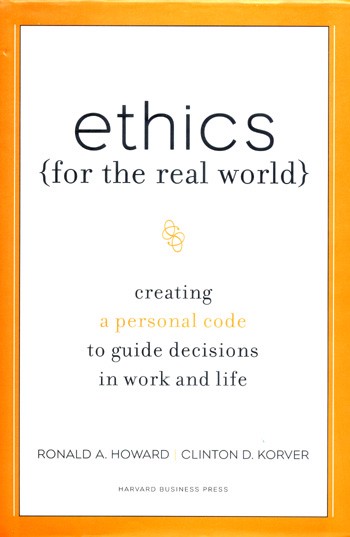
“We lose a lot of manga, but certainly odd is that we lose ethics books from our philosophy section.” — Steve Bercu, Owner

Community Bookstore, Brooklyn, New York

Electric Literature intern Natalee Cruz stopped by Community Bookstore and spotted this small sticky note urging people not to steal their Joan Didion books, with two eyeballs drawn on for emphasis. After speaking to the owner, she discovered that “the most stolen books in his store is Didion’s Slouching Towards Bethlehem and [books by] James Baldwin. His reasoning was because the shelf that holds those titles is being a barrier that makes it easier to steal and that those books have great resale value when they are taken to used bookstores.”

Harvard Bookstore, Cambridge, Massachuettes

“I’d say [Jack Kerouac’s] On the Road and [Kurt Vonnegut’s] Slaughterhouse 5 are probably the titles we’ve noticed disappearing the most over the years.” — Alex W. Meriwether, Marketing & Events Manager

Haunted Bookshop, Iowa City, Iowa

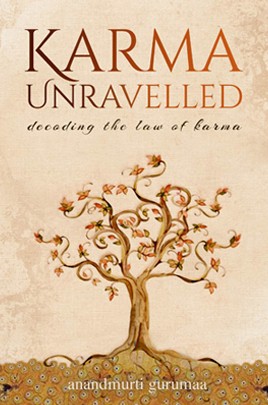
“In the department of funny stories, someone stole a book about karma and how its philosophical implications differ so strongly from those of Western concepts of instant, divine retribution. I was laughing too hard to stop the kid. (Maybe he needed the book even more than he wanted it, you know?)” — Nialle Sylvan, Owner

Kramerbooks, Washington, D.C.

“Historically, the number one title stolen is Zadie Smith’s White Teeth. I have no idea what that says about the thieves. Although the only other work of fiction in the top 10 is Dave Eggers’ Heartbreaking Work of Staggering Genius, so the five finger discount appeals to hipster millennials. Perhaps more illuminating, five of the top ten titles stolen would be categorized as Psychology/Self-Help. Two titles of which are by Robert Greene (48 Laws of Power and Art of Seduction). My thinking here is either the thieves are self-starting or have missed the point completely.” — Lynn Schwartz, General Manager

Magers & Quinn, Minneapolis, Minnesota

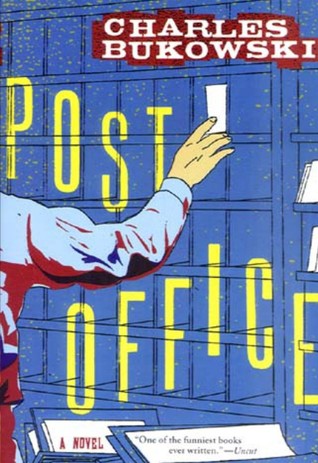
“In the past couple decades, we had a long-standing rule of keeping Charles Bukowski behind the register — his books seem to be stolen more than most other authors. (I’ve heard this is the case for other stores too.) But, within the past couple years we have returned him to the shelf with the rest of the literature or poetry, and so far it seems to be going well.

Vonnegut also seems to ‘walk out the door’ quite a bit.

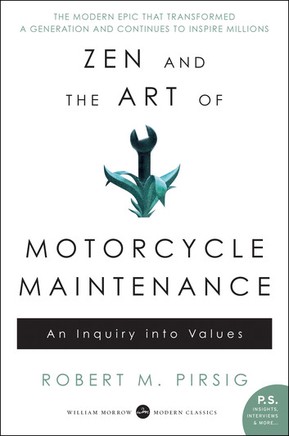
Lately, we’ve seen an uptick of missing items from the philosophy section — things like Zen & The Art of Motorcycle Maintenance [by Robert M. Pirsig] and Meditations by Marcus Aurelius.

We also frequently have Bibles stolen. Many Bibles come in a slipcase or box, so it’s a fairly common thing to find the tell-tale empty box hidden among the Bible shelves.

Of course, we don’t know who is doing the stealing. Besides the Bibles, the common theme of a lot of our missing items seems to be stuff that questions established values, morals, or systems. Frankly, it’s a really weird phenomenon because it seems like people want to ‘shop’ at an indie bookstore for their hip reading material, but don’t want to contribute to keeping that indie in business by purchasing the book.” — Annie Metcalf, Assistant Retail and Marketing Manager

McNally Jackson, New York, New York

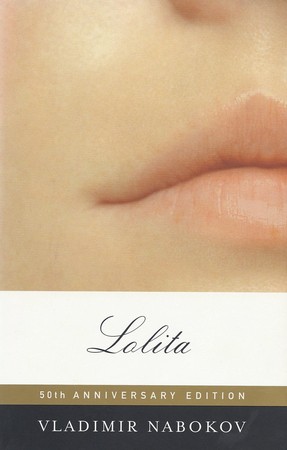
“We keep all of our Hunter S. Thompson, Jack Kerouac, F. Scott Fitzgerald, Paulo Coelho, and Vladimir Nabokov’s Lolita behind the counter. Books from our philosophy and metaphysics sections also often get stolen, as well as DVDs and of course, expensive coffee table books.” — Nora Kipnis, Bookseller

Subtext Books, Downtown St. Paul, Minnesota

“Among our most stolen books are: Fahrenheit 451 by Ray Bradbury, 1984 by George Orwell, and anything by Charles Bukowski. We also recently had a copy of [Atul Gawande’s] Being Mortal stolen, which we thought was a bit odd, but maybe they just really needed it? But one of my worst experience of bookstore theft that I’ve had in my 4 1/2 years happened just over a month ago. These two younger women were in the store browsing the shop. I saw them look at our favorites section, and specifically our favorite current poetry books. Now, I never pass up a chance to tell someone about my favorite poetry books, so I recommended them a few titles. And these were some kick-ass poetry books. The best of the year in my opinion. And sure enough, I head back to the register to help another customer check out, and the two ladies walked out without saying a word and took three of my favorite poetry titles with them. Retail can be hell some days. This was one of them.” — Matt Keliher, Head Buyer and Manager

The Writer’s Block, Las Vegas, Nevada

“Without question, Bukowski is our single-most stolen author. For reasons that are probably obvious. A Google search for the phrase “lowlife literature” brings up the headline, “Bukowski: The Godfather of Lowlife Literature” as its first result. Of course, I don’t mean this to denigrate Bukowski’s merit as an author. But his misfit aesthetic definitely appeals to the sort of non-conformist character who believes that stealing their books is appropriate and/or exhilarating. I can’t hate them for it, but I do wish they wouldn’t steal from small, pop-and-pop bookstores with rent and utility bills to pay. Also: (Paulo Coelho’s) The Alchemist. Frequently lifted. Here, I will be snotty and say that there’s connection between cheap, pseudo-spiritual novels and moral unscrupulousness.

As for who steals: teenagers. No surprise there. Hopefully they’ll all grow up to repent and become literary patrons with fat wallets.” — Drew Cohen, Co-owner and Buyer

8 Cookbooks You Can Read Like…Books

It’s easy to find recipes. Thousands of tips for the gooiest chocolate chip cookies and YouTube tutorials for how to ensure, this year, your turkey won’t be dry, are out there for your taking. And popular as they are, those high-speed cooking videos rob the experience of its ritual, while the increase in on-demand, recipe-in-a-box services means the novice and hobbyist cooks miss out on the the experimenting, discovery and improvising that make the kitchen exciting. It’s led many to wonder about the fate of the cookbook. How quaint, it seems, to crack a spine for your ingredients and instructions.

But cookbooks aren’t always instruction manuals. Often, they tell deeper stories of the dish, whether its the history of the ingredients or the way the author came to the recipe. They draw you into the world of their food, sometimes so much that you get lost in them before you get the chance to get out your frying pan. But also, get out your frying pan, because you’ll want to make everything you find in these books.

Eight Flavors: The Untold Story of American Cuisine by Sarah Lohman

As Lohman states in her introduction, “history has a flavor.” Certain ones evoke certain times, and by tracking American ingredient trends, beginning with black pepper and ending with Sriracha, she tells the story of America, its cuisine, immigration, prejudice and more. You’ll already be inspired to cook with the eight titular flavors (black pepper, vanilla, chili powder, curry powder, soy sauce, garlic, msg and sriracha), but Lohman includes both historical and modern recipes in each chapter, such as Xanath (vanilla) Liqueur, Garam Masala Ice Cream, or Umami Finishing Salt (a.k.a. MSG made from scratch). If America was Already Great, it’s because of this food.

The Smitten Kitchen Cookbook by Deb Perelman

Perelman built her following not just on her amazing recipes and beautiful photography, but with the funny, relatable way she spoke about dealing with small kitchens, picky eaters, and vacillating between being too lazy to cook anything elaborate and deciding to make her friend’s wedding cake. Her first cookbook introduces each recipe with musings on the task at hand, assuring you that gnocchi is not that hard, or telling you how to throw a dinner party and actually enjoy yourself. She’ll have you at peach and sour cream pancakes.

A History of Food in 100 Recipes by William Sitwell

Apocryphally, Napoleon said that the biggest advance in modern warfare was the potato, which allowed armies to cover greater distances now that they had a portable, ready-to-eat source of food. ood, in other words, is never just food. A History of Food in 100 Recipes traces just what we’ve eaten and what it means, from Ancient Egyptian Bread, to the origins of the Cupcake, to rice krispies treats. Not all the recipes are easy to recreate, but for a good time, try to decipher “Fish experiment XIII.”

My Two Souths by Asha Gomez

The two souths chef Gomez refers to are Kerala, India and the American south, two cuisines known for bold, complex flavors that Gomez weaves beautifully into dishes you will dream of just from reading the descriptions. But the way she describes her childhood in India, or her first encounter with Georgian hoecakes, or a dish like “tomato clove preserves” which could easily come from either of her two souths, make this a truly unique cookbook.

The Inspired Vegan by Bryant Terry

Despite vegan food being just as interesting and varied as any other kind for, I don’t know, forever, a lot of people still can’t get over the image of it being all seitan sandwiches and dry quinoa. Terry combines influences from Brooklyn, the Bay Area, and his family’s cuisine in the American south into specific menus, such as “grits, greens, molasses,” an homage to the flavors of the African diaspora, or a dinner to celebrate Shirley Chisholm, the first major-party black candidate for president. He features recipes, but also essays and even soundtracks to put together perfect vegan feasts.

97 Orchard by Jane Ziegelman

What could a building have to say about the history of American cuisine? Jane Ziegelman, the director of the culinary program at New York City’s Tenement Museum, found one that says everything. Her book traces the history of five immigrant groups — Germans, Irish, German Jews, Russian Jews and Italians — through five families who lived in one building, and the food they made that would go on to define a country. Recipes include things like actually good gefilte fish, oyster patties, corned beef, and garlicky pasta that transcended the tenement.

Garlic and Sapphires by Ruth Reichl

Reichl changed the game of restaurant reviews when she became the critic at The New York Times, starting with her iconic review of Le Cirque, in which she disguised herself to showcase how the restaurant catered to the elite and non-elite differently. Her memoir of her time at the Times deserves a read no matter what, but it’s also sprinkled with recipes like risotto primavera, roast leg of lamb, and classic New York cheesecake.

The Artists’ and Writers’ Cookbook by Natalie Eve Garrett

This is as literal a version as you can get of a good story combined with recipes. An updated version of a 1961 collection of the same name, this cookbook features essays, short stories and poems by writers and artists like Neil Gaiman, Francesca Lia Block, and James Franco on the recipes that have defined their lives. If you ever wanted to make scrambled eggs like Joyce Carol Oates, here’s your chance.

8 Gifts Made From Books For Book Lovers

The book lover is typically easy to buy for. Give them a new or used book, a new title to their collection, and they are likely going to be pleased. But you’re not a typical friend, and this hasn’t been a typical year. So, it’s time to rise above the easy book gift and gravitate towards these creative and original ideas: gifts where the book transcends its text and becomes something new, the form of a book without its content. A book as a symbol of itself. A book, in some cases, that you can drink booze out of.

Some book lovers are sensitive about treating books as materials, so before you purchase, make sure your friend isn’t going to cry if she sees a cut-up copy of Jane Eyre. (You can reassure her that many of these gifts are made out of books that were already damaged!) But for hardier souls who want to build their entire life out of books, here are eight ideas for decor, jewelry, accessories, and home goods that will have them writing you a sonnet (and then cutting it up and making it into a scarf).

What We Talk About When We Talk About Bouquets

Edible arrangements and conventional flora step aside — there’s a new bouquet in town. The bouquet of romantic prose! These pages from old or damaged novels are transformed into flowers for a true testament of eternal love. You can choose Pride and Prejudice, Gone with the Wind, or an assortment of romantic books, although a Raymond Carver bouquet could be attractive in the “brooding artist black turtleneck” kind of way.

Put a Ring on It

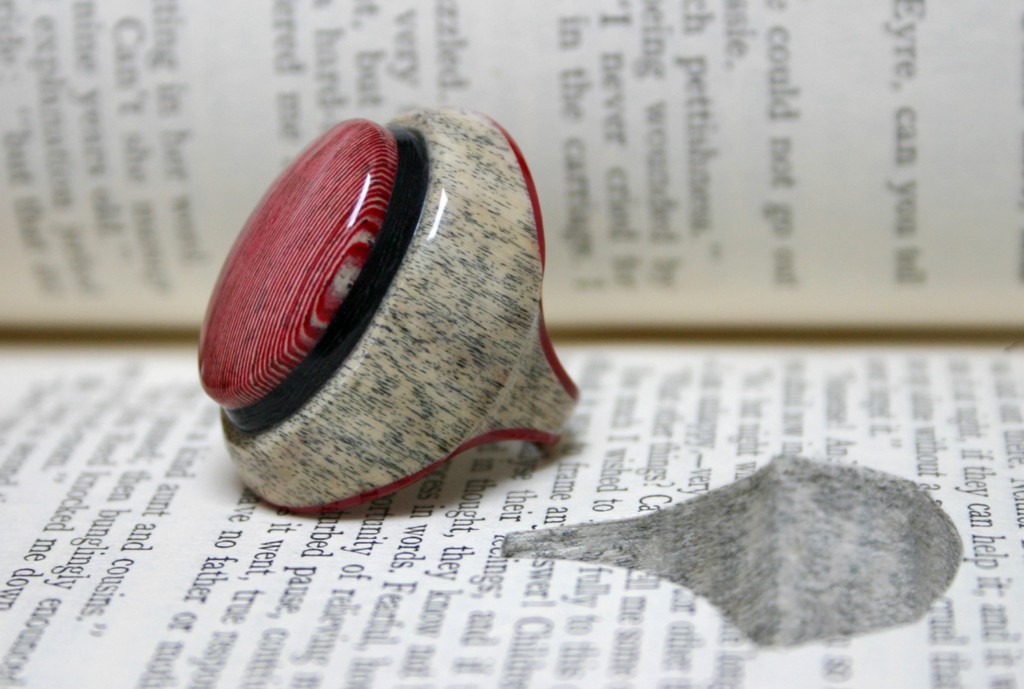
Wearable art takes a new angle with these fantastic pieces of jewelry by Jeremy May. Pages of old books are carefully selected, then laminated together and glossed. The final result is a one-of-a-kind piece of jewelry, a piece that is thoughtful and (secretly) full of ideas.

Put Your Money Where Your Book Used To Be

For those who want their everyday accessories to have a little more literary cred, check out the online shop or D.C. studio of Rebound Designs. The store features old books recycled into wallets, purses, journals, jewelry, and lamp shades. The result is a timeless piece for any book lover.

Some Brooch

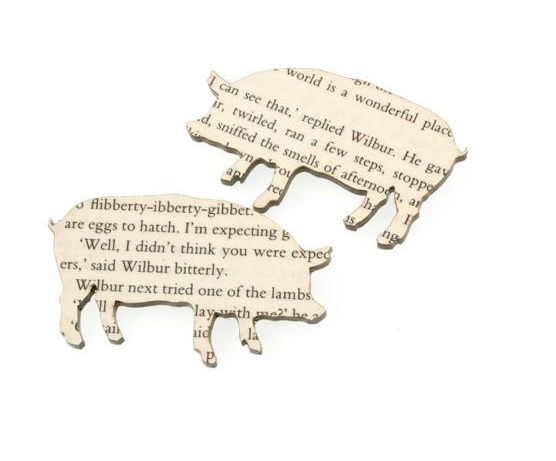
Lovers of Charlotte’s web, rejoice! There is a Charlotte’s Web book brooch out there and it’s pretty freakin’ cute. Pages from the book are repurposed on this wooden Wilbur. The store copy notes that “each one is unique and is most likely to feature a different, yet indicative, passage of text,” but I personally want this exact brooch, the one with the words “flibberty-ibberty-gibbet.”

Think Big and Kick Ass In Business and Flasks

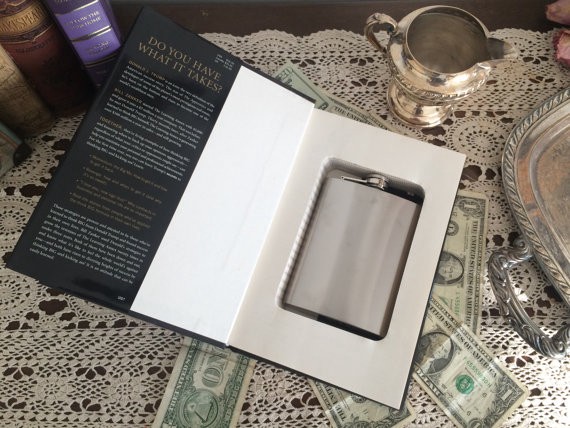
If the Trump presidency is driving you to drink, maybe this is what you need: a book safe made out of a hollowed-out copy of Donald Trump’s Think Big and Kick Ass in Business and Life, specially designed to hold a flask (included). This may not be the best gift for your book-loving boss, but test it out with your best friend. (Or soon-to-be-ex-best friend, once you give them a gift with Donald Trump’s face on it.) Unlike some of the other gifts on this list, this one is perfect for a book lover specifically because the book in question has been destroyed.

Read with Your Gloves On

A subtle book reappropriation, these gloves feature the spine from a damaged copy of The Storm and the Rainbow, for those cold days when books still need to be read. The shop, Wimsey Books, also incorporates book spines into ties, scarves, purses, hats, and even jackets.

Deck the Halls With Frodo

This ornament filled with scraps from damaged copies of Lord of the Rings is great for the book lover, specifically the Tolkien lover. And why stop there? Get some gold rings, elf figurines, and an Eye of Sauron and do a whole Tolkien tree! Even better, decorate an Ent.

Paradise Found

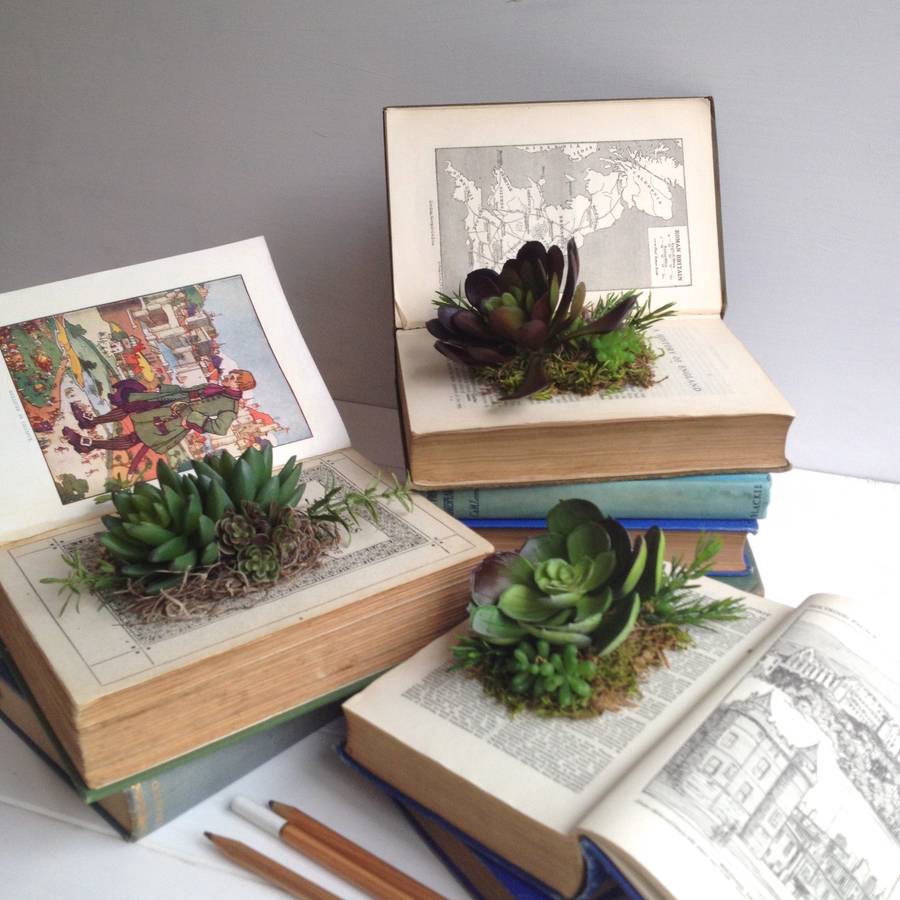
These succulent planters made from vintage books are a great gift for those literary friends that decided to move in together and want everyone to know they love reading (if their guests somehow missed the giant bookshelf in the living room). These gifts only ship to the U.K., though, so everyone else will have to make their own—just find a favorite vintage book and some realistic artificial plants, and make your desk or shelf into a dreamy wordy wonderland.

The Book That Made Me a Feminist Was Written by an Abuser

Novel Gazing is Electric Literature’s personal essay series about the way reading shapes our lives. This time, we asked: What book was your feminist awakening?

The painting on the cover stopped me in my tracks, right there in the science fiction/fantasy section of Waldenbooks at Chapel Hill Mall in Akron, Ohio. The central figure is a woman. She’s not naked, nor is she wearing an armored bikini or an approximation of medieval dress that allows for ample cleavage. Instead, she is wearing a voluminous robe, her long, dark hair bound by a simple coronet. She is sitting on a beautiful white horse and grasping a sword by its blade. She looks determined, but serene, fully self-sufficient.

There’s not a man in sight.

And that evocative title! The Mists of Avalon. I’d already read — and loved — T. H. White’s The Once and Future King, which had led me to Howard Pyle’s take on Arthurian legend, as well as John Steinbeck’s. I’d even muddled through La Morte d’Arthur. Bradley’s reference to the island where Arthur rests made me feel like an insider, while the marketing copy suggested something radically different than anything I’d encountered before: Arthurian legend, from the female perspective.

I still cannot imagine anything more perfectly aligned with my thirteen-year-old sensibilities than Marion Zimmer Bradley’s masterpiece. Bradley opened my eyes to the idea that, when we look at the past, we are only ever seeing a small part of it — and usually, what we are seeing excludes the experiences of women. Encountering the vain, self-serving, diabolical Morgan le Fay transformed into the priestess Morgaine compelled me to question other received narratives in which women are to blame for the failures of men. The Mists of Avalon also gave me a glimpse of spiritual possibilities beyond male-dominated, male-defined religions. In retrospect, I can see that it gave me ways of seeing that helped me find the feminine even within patriarchal systems while studying religion as an undergrad. The impact of this book lingers in my feminism, certainly, but it also influenced my scholarly interest in folklore, and it still informs my personal spirituality.

The Mists of Avalon by Marion Zimmer Bradley

But my primary reaction to The Mists of Avalon, when I first read it, wasn’t intellectual; it was emotional. Like The Once and Future King, Bradley’s novel follows its protagonist from childhood into old age. I sympathized with the girl Morgaine, and her adolescent experiences hinted at frustrations I was just beginning to feel. The moment when Morgaine and Lancelet are, finally, about to become lovers — and then Gwenhwyfar, blonde and fair and lithe and helpless, stumbles into Avalon… No matter how many times I revisit this scene, it still crushes me. This isn’t a story about the pretty girl, the princess. It’s the story of the smart girl who becomes a powerful woman. Even so, Bradley brings nuance to these characters. She shows us Morgaine doing foolish, selfish things, and she shows us that Gwenhwyfar’s position is an impossible one. Doom hangs over Arthur’s glorious reign, just as fate rules many a legend and fable. There is no happy ending for anyone at Camelot — there never has been — but Bradley shows us real people struggling against their destiny, and she shows us that it’s not just impersonal fortune to blame for their inevitable downfall. Instead, it’s systems of oppression. By the time I left home for a women’s college in 1989, I’d reread The Mists of Avalon several times. I arrived ready to smash the patriarchy.

By the time I left home for a women’s college, I’d reread The Mists of Avalon several times. I arrived ready to smash the patriarchy.

And then, in 2014, Moira Greyland, Marion Zimmer Bradley’s daughter, told the world that her mother had sexually abused her and many other children for more than a decade. I didn’t even know how to process this information. I believed Greyland, absolutely, but I just couldn’t make this revelation fit with The Mists of Avalon and what that book meant to me. Bradley was not an author to whom I had a personal attachment. I’d never gotten into anything she’d written besides The Mists of Avalon. Had I been more of a fan, I might have seen the pedophilia threaded through her other work. I might have known that Walter Breen — Bradley’s husband and Greyland’s father — died in prison after being convicted of molesting a child. (Greyland says that there were many, many more victims.) Had I been more of a fan, I might have known that rumors about Bradley and Breen had circulated in the science fiction and fantasy communities for years.

My connection wasn’t with Bradley, though. My connection was with Morgaine and Viviane and Morgause — the characters Bradley created. When I read Greyland’s story, I immediately thought of one scene in The Mists of Avalon that suddenly seemed suspect, but that was it. Wondering what I might have missed, I decided to read the novel one more time.

The scene that I remembered was right where it had always been:

She stretched out her arms, and at her command she knew that outside the cave, in the light of the fecundating fires, man and woman, drawn one to the other by the pulsating surges of life, came together. The little blue-painted girl who had borne the fertilizing blood was drawn down into the arms of a sinewy old hunter, and Morgaine saw her briefly struggle and cry out, go down under his body, her legs opening to the irresistible force of nature in them.

The sexual act described here takes place around the Beltane fire. As a young reader, I was disturbed by it, but I saw it as a description of people who have passed beyond the normal world and into the sacred time of a fertility ritual. The scene was frightening for me as a child, and repellent, but also, I must admit, fascinating. In context, this passage made sense: The horror of the scene was an element of its power.

And that was all I found. Everything I had always loved about the book was still there, and I didn’t find anything new to hate. So, what was I going to do with this book?

This is, of course, a version of the question we’re all asking ourselves at the moment. How do we separate the artist from the art? Should we? Can we? I have found that my own answers vary. Woody Allen’s face makes Annie Hall, Crimes and Misdemeanors, and Hannah and Her Sisters — all movies I’ve adored — impossible. I’m also done with Louis C.K., but I’m not even ready to think about the colleagues and collaborators — Pamela Adlon? Aziz Ansari? — who have supported him, even as I, myself, was long willing to let “rumors” be “rumors.” Losing Kevin Spacey isn’t hard for me, but forswearing Harvey Weinstein forever means forgetting about a long list of great movies. And Weinstein was a producer — a facilitator more than a creator. Is his connection to a film close enough to make that film anathema?

Jodi Kantor, Megan Twohey, and Ronan Farrow’s reporting on Weinstein seems to be a tipping point for sexual harassment and assault in Hollywood, but we’re also seeing women and men come forward in journalism, publishing, and academia. The question of separating the abuser from his work metastasizes, and I don’t have any easy answers. Or, rather, I do have one easy answer: When someone says they’ve been assaulted, abused, harassed, I believe them. But I believe them, in part, because of lessons I absorbed from The Mists of Avalon.

When someone says they’ve been assaulted, abused, harassed, I believe them. But I believe them, in part, because of lessons I absorbed from The Mists of Avalon.

So, what to do with this once-beloved book? I’ve read it once since Greyland spoke out, and I don’t know if I will read it again. Probably not, I’m guessing. Discovering that powerful men are predators is disturbing, but not surprising. Learning that the author who introduced me to feminine spirituality and the hidden side of history abused children — girls and boys, her own daughter — was horrifying in an existential kind of way. I’m a writer and an editor and I know that characters can exceed their creators. I would go so far as to say that that’s the goal. So I can keep Morgaine — what she has meant to me, what she has become in my personal mythology — while I reject Bradley.

I no longer recommend The Mists of Avalon to other readers, and I can’t imagine burdening a child with it. There are other stories. Monica Furlong’s books Wise Child and Juniper are now my go-to titles for youngsters. Manda Scott’s Boudica series are the books that I wish I had found when I was thirteen, and I’m eagerly awaiting the sequel to Nicola Griffith’s Hild. It’s entirely possible that these stories about powerful women might never have been published if not for the success of The Mists of Avalon. This is part of Bradley’s legacy, too. But, even if I can appreciate the extent to which this author created a space for a new kind of writing in fantasy, I am still haunted by the voices she silenced.

When she finally came forward with her story, Greyland said,

[O]ne reason I never said anything is that I regarded her life as being more important than mine: her fame more important, and assuredly the comfort of her fans as more important. Those who knew me, knew the truth about her, but beyond that, it did not matter what she had done to me, as long as her work and her reputation continued.

I believe Moira Greyland. Her life matters more than any fiction.

9 Essayists of Color You Should Know About

I put this together as a list of essayists of color and indigenous essayists you should follow, since many “people to follow” lists aren’t representative. But in truth, these aren’t simply “racially inclusive” writers I’d strongly suggest people follow; they’re really good writers I’d urge people to follow.

You more than likely already know the Roxane Gays, Ashley Fords, Janet Mocks, Aura Bogados, Kaitlyn Greenidges, Ta-Nehisi Coates, Jeff Changs, and host of others who have risen in the ranks to be more prominent voices and sought opinions when it comes to the goings on of our nation and the arts we savor. And, I do hope if you haven’t read their work already you start doing so. But this isn’t a post about who you may already know but who you may not be aware of yet.

This list is in no way comprehensive. (I could add another 50 names of those widely published and unpublished.) What this list is is representative of a group of artists creating exceptional work on a range of topics in art, (pop) culture, identity, and politics with material that is not only distinctive but informative and thought-provoking.

(Jonnie Taté Walker)

Jonnie Taté Walker

Activist, writer, and visual storyteller Taté Walker served as the editor for Native Peoples magazine and has contributed to sites such as Everyday Feminism. She’s spoken about and written extensively on Indigenous culture and representation, as well as sexuality and poverty & health in communities. On my podcast Taté and I discussed ongoing stereotypes and misconceptions for Native Americans and the necessity for artists of all areas to be compensated for their work rather than be an instrument for “busting stereotypes.” As Taté says, we have opportunities to educate via our experiences, not be tokens.

Recommended Reading: “New Indigenous Superheroes Save the Day”

Anjali Enjeti

Anjali’s writing has appeared in The Atlantic, Brevity, and Lunch Ticket and in regular contributions to The Atlanta Journal-Constitution in her hometown. A board member of the National Book Critics Council and Pushcart nominated writer, Anjali’s reviews and reporting have often focused on social justice, given visibility to refugee communities, and lack of representation in the publishing community. From the personal to the political, Anjali injects her writing with her passions on seeing nation-wide progress.

Recommended Reading: “Thoughts of Home: Blueprint for a Baby”

(Morgan Jerkins)

Morgan Jerkins

With her upcoming debut This Will Be My Undoing: Living at the Intersection of Black, Female, and Feminist in (White) America, Morgan is steadily becoming a prominent voice for Black feminism/female identity. Her writing has looked backward and forward, as well as examined the current state of Black people and artists. As associate editor of Catapult, Morgan has also provided a venue for more PoC writers to house their work. Morgan’s interest and dissection of pop culture in particular is also stealthy—just check her Twitter feed.

Recommended Reading: “The Forgotten Work of Jessie Redmon Fauset”

(Gabrielle Bellot)

Gabrielle Bellot

Gabrielle is a staff writer for LitHub. Her essays and reviews can be found in The New York Times, Prairie Schooner, VICE, and The Missouri Review, to name a few. While Gabrielle’s work speaks to politics and racial and gender identity, she also analyzes the literary canon. Looking at world-building to presentations of characters in classics like Invisible Man and Ray Bradbury, Gabrielle provides a refined approach to examining seminal works in current times.

Recommended Reading: “Hollywood’s First Harassment Case, 96 Years Before Weinstein”

(Photo of Bani Amor on street corner)

Bani Amor

If you want to learn more about decolonizing travel writing then Bani is the writer you need to be reading. Bani’s writing covers their own experiences traveling while brown, queer, and disabled, and also engages with the overt influence of the white/cishet/abled/male gaze in covering communities of color in particular and the distinctions that can and should be seen when exploring the world. Bani’s work has appeared in CNN Travel, Nowhere magazine, Bitch magazine, and many other outlets.

Recommended Reading: “Getting Real About Decolonizing Travel Culture”

(Profile photo of John Paul Brammer)

John Paul (JP) Brammer

In JP’s Hola Papi! advice column on Into and previous work in Buzzfeed and NBC Out, he has been outspoken about his experiences from disability to gender/sexual identity to Latinx culture. The discussions broached on Hola Papi! (as well as JP’s personal essays) reflect a specificity that doesn’t sensationalize but personalizes experiences and concerns within the LGBTQ+ community, providing heart and understanding that’s on par with the Dear Sugar columns.

Recommended Reading: “If Public Schools Don’t Survive, Kids Like Me Won’t Either”

(Jenny Zhang)

Jenny Zhang

Cross-genre writer Jenny Zhang gained even more visibility from her Buzzfeed essay “They Pretend to Be Us While Pretending We Don’t Exist,” but Jenny’s been writing fiction, poetry, and essays for a longer duration covering Asian American identity, immigration, art, and dissecting the problematic tropes we see and the people this material truly impacts. Her debut story collection Sour Heart also encompasses similar topics and viewpoints from a more expansive and experimental storytelling style.

Recommended Reading: “The Importance of Angsty Art”

(Keah Brown)

Keah Brown

A recently announced book deal with Atria Books means we have more to look forward to from Keah. She is the creator of the hashtag #DisabledandCute and has been a keen voice in pop culture, disability politics, and dating & relationships. She’s interviewed Roxane Gay and is a vocal fan of The Ellen Show. Keah’s Twitter presence is as welcoming and honest as her writing when it comes to weaving personal anecdotes to break down the ableist nature of representations in the arts while also reflecting on the need for more intersectional discourse.

Recommended Reading: “Disabled and Empowered: Why I’m Championing Strong Black Female Athletes”

(Adrienne Keene)

Dr. Adrienne Keene

Professor and researcher Adrienne Keene maintains the Native Appropriations blog where her discussions and analyses don’t solely focus on Native American erasure. She has also written about misogyny (in light of the Weinstein case), the ongoing effects of colonialism and its inextricability from the American psyche, and cultural appropriation. Adrienne’s work persists to push the conversation forward with a better understanding of the numerous issues Native/Indigenous communities face while dissecting it with a factual approach.

Recommended Reading: “Why Tonto Matters”