Is Slow Communication the Future?

I held out as long as I possibly could against the iPhone. My beloved Blackberry Bold was seemingly indestructible: neither toilet water nor city pavement could hamper its beetle-like resilience, and it was resolutely incapable of maintaining anything but a fleeting connection to the Internet. Its built-in camera produced images that looked like they were taken from the inside of a steam room, and its GPS receiver only found its starting point once your destination had been reached.

That Blackberry was my happy place, the telecommunications equivalent of an isolation tank. Useful only for the most basic of purposes, it allowed me to communicate without ever being tempted to over-share. Such sharing simply wasn’t possible. It literally took two and a half hours for Facebook to load.

I am woman enough to admit that I cried when my Blackberry finally croaked. It was 2014 and I was only months away from the publication of my first novel. The good people at my publishing house were all but tearing their hair out that I wasn’t “accessible”: in this brave new world where authors are expected to video call into a book club at the drop of a bespoke hat, my publishing team regarded me as someone who didn’t even have a cell phone because at that point, anything but the iPhone simply didn’t count.

When the bemused technician at Verizon told me it would take five hundred bucks to fix my Blackberry, if he could fix it at all, the decision felt like it had been made by forces greater than myself. I would get an iPhone. I would join the modern world.

It has been ten years since a turtle-necked Steve Jobs first held up a now ubiquitous white object exclaiming that it was a music player, a cell phone, and an internet communicator all in one. Charmingly — and uncharacteristically — shortsighted about his hopes for the device, Jobs was most effusive about how easily the iPhone would allow people to talk to one another.

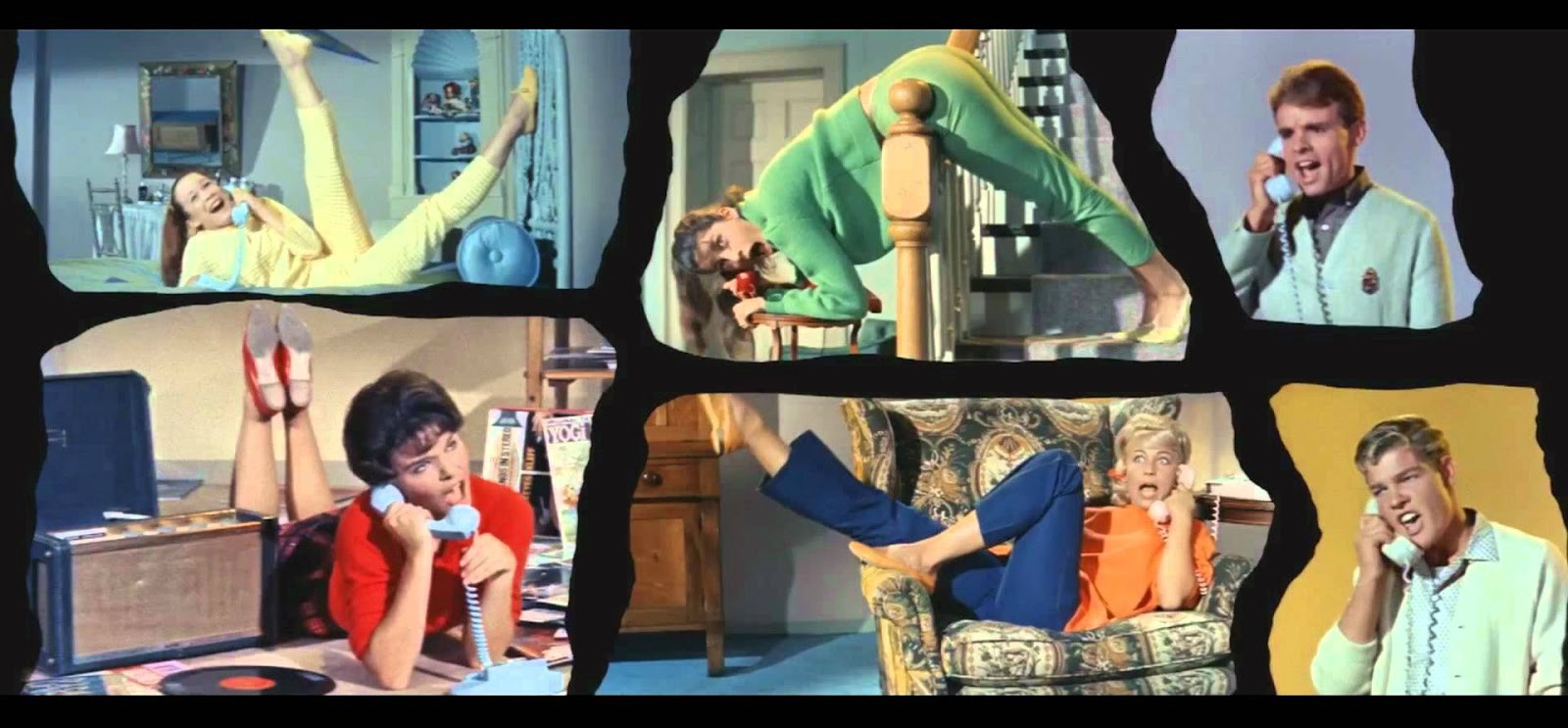
Flash forward to the present, 2017. When people say they’ve talked to someone, they rarely mean in person. And they almost never mean on the phone. An anecdote derived from having “spoken” with somebody is usually accompanied by a fluttering of fingers to indicate that the conversation was carried out over text. Or Facebook messenger. Or Instagram. Or Snapchat. When is the last time you saw someone extend their pinky toward their chin and their thumb to the right eardrum in the ancient sign for “phone?”

We can’t get much more cell-phone addicted than we are now. With few exceptions, we use our cell phones to tell us what to eat, whether or not our bodies need more sleep or exercise (yes, both), how to get where we are going…we even trust the secret guru buried inside of our SMS cards to tell us who to date. And with the progress being made in virtual reality, we can use our phones to have sex.

The tenth anniversary of the iPhone’s unveiling came flanked with frantic articles about what could possibly come next — what could be around the corner when our smartphones already accomplish so damn much? Google Glass was superfluous and smartwatches a bit desperate, and as for everyone signing up for nanobot implants to be permanently connected to the Internet, thankfully, we’re not there yet.

In a new book I have coming out, called Touch, a noted trend forecaster is tasked with answering just this question for a major tech company: what’s up next, in tech? Her answer is a disappointing one in respect to her employer’s bottom line. She’s convinced the world is on the threshold of a resurgence in face-to-face interactions that don’t require any technology at all.

This premise is one that’s near and dear to my Luddite heart, but it’s also one that the former trend forecaster in me firmly believes. You see, when I was in my twenties and thirties, I worked as a consultant for boutique trend forecasting agencies, most of them in France. In an industry that prizes intuition, no one sits you down and tells you how to spot trends, but it only takes scrutinizing the past year’s “Best-Of” listicles to learn that trend forecasting, on a basic level, is a game of opposites and apexes. Take literature, for example: If 2015 was big in bleak dystopians, you can probably count on seeing the return of epic family sagas that pack a lot of hope. If the seven figure advances were going to the doorstoppers last year, next year, they’ll go to the novels that end at forty-thousand words.

This see-saw pattern can hold true in tech, too. The key is to look for peaks and saturation points. Sophisticated entertainment systems and MP3 players paved the way for the return of the vinyl record. The seeming futility of smartphones (which were so instrumental in electing Obama) to prevent a nation from needling toward The Orange One led many of the disillusioned to leave the echo chambers of social media for the brick and mortar streets.

It would seem we’ve reached an apex in mobile phones as well, which is an exciting place to be. 2016 was the first time that Apple’s sales for cell phones waned. The iPhone 7 Plus doesn’t have much more to offer, in terms of versioning, than the iPhone 7, or, for that matter, the 6S or the SE. Plus, in the wake of an unforeseen election helmed by a hatemonger who’s physically incapable of putting down his phone, it’s really not that cool to be addicted to your cell. So yes. Indeed, the question begs. What in the world is next?

I haven’t donned my trend forecaster fascinator in years now — its feathers are ragged, the beads have fallen off. A mother to a three year-old, I mostly use my intuition to divine whether or not my toddler is going to pee her pants. But I haven’t been out of the game so long that I can’t spot something around the corner: I think we’re about to see the rise of slow communication, heralded by the return of the dumb phone.

I think we’re about to see the rise of slow communication, heralded by the return of the dumb phone.

Because, let’s face it — sure, maybe the aesthete literary critic who roasts his own espresso beans has the time and willpower to flat out cancel his cell phone contract, but most of us do not have such bravura. What many of us do have, however, is the desire to maintain a healthier balance with our cell phones, which, weirdly, I think is going to be accomplished by the trend setters purchasing a secondary phone — a dumb phone — that only calls or texts.

Just as smokers sometimes suck on straws or alcoholics survive cocktail parties with a death-grip on their seltzer, cell phone addicts need a replacement habit, too. But in order to top the fathomless bright connectivity of our touch-screens, it’s gonna have to be something super cool. And as hipsters on one-speeds the world over have proven, what’s cooler than something kind of ugly that doesn’t really work?

Sure, Jasper Morrison has had a very sleek and overpriced dumb phone on the market, sitting stagnantly, for years, but I’m nevertheless convinced that secondary cell phones are about to trend. New-to-the-market The Light Phone is out to make the telecommunications downgrade easier with slim-as-hotel-card companion phones that let you keep your own phone number. Light Phones necessitate that their early-adopters go cold turkey on digital communication. At the time of writing, they can take calls, but they can’t text. The idea of changing our communication patterns so drastically is both overwhelming, and immensely appealing. With it becoming all too easy to know what others are thinking and doing at all times, (and eating, and wearing, and even evacuating in the case of certain over-sharers), it could become the height of sophistication to be unfindable again. Aspirational, even, to literally get lost because your dumb phone doesn’t have a GPS.

It will also be a status symbol, a way to instantly communicate to others that you’re digitally detoxing. Likewise, secondary dumb phones can be used to accord a certain hierarchy to relationships: imagine what it signals to a potential partner if you show up with a dumb phone on a first date. Leaving your smartphone behind tells the people you’re engaging with that they’re worth being fully present for.

In his farewell address (what is the international emoticon for: please come back!!?), President Obama invited citizens who were “tired of fighting with strangers on the Internet” to get out and interact with people in real life. Now, any writer I know worth their #savetheNEA hashtag is happy to do whatever Obama tells them, but regardless of his IRL-lifestyle endorsement, the data shows we’re simply due for a little throwback in our tech. If the US election outcome proves anything, it’s that we’re at an apex of instant communication, but clearly, we’ve never been communicating as poorly as right now. Black, white, brown, empowered, deported, terrified, or feared, you’d be hard placed to find an American who doesn’t feel unheard. Miscommunicated with. Misunderstood.

Black, white, brown, empowered, deported, terrified, or feared, you’d be hard placed to find an American who doesn’t feel unheard. Miscommunicated with. Misunderstood.

Secondary dumb phones could be the gateway drug to a whole inventory of retro telecommunication tools: prepare yourself for handwriting classes, body language clinics, and a surge in pen palship, I say. This is fantastic news for writers, who, in addition to being some of the last professionals on the planet who purchase things like pencils, notebooks, and actual diaries, writers also (in theory) have people to whom they can write. Another great thing about the rise of slow communication is that it will be cool for writers to play the long game again. Maybe people will realize that every single incident doesn’t need an op-ed. That opinions can be formed, and still exist, even if they aren’t digitally shared. Maybe it will empower writers to realize that the fact that they can mull over plot points and character development while waiting in a shopping line, or going for a walk, is something to celebrate. Maybe, just maybe, we will be able to find our way back to that impossible state of early childhood when we didn’t have the pulsing world beneath our fingers, and experienced the exquisite pleasure of being bored.

Keep your head up for the slow communicators and the signs by which they announce their arrival. Lifestyle magazines will start accessorizing their photo shoots with pugnacious rotary phones and chunky, spiraling cords. Houseware catalogues will show off their new wineglass collections with willowy millennials sipping something new world and talking on the phone. The hardcore slow communicators will clip pagers to their pants. In a couple months from now, when you get an actual phone call from a friend of yours, it won’t be due to the human error known as the “butt dial,” it will be because they called.

The downside of the return to slow communication is that you might very well find yourself having to write legibly, or receive (and send!) a fax. The upside is that the late Jobs might find his initial dream for the iPhone realized — humans might actually start talking to other humans again.

7 Novels that Explore the Complexity of Modern France

About the Author

Courtney Maum is the author of “Touch” and “I Am Having So Much Fun Here Without You.” A former columnist for Electric Literature, she’s also a shade and product namer for MAC Cosmetics and the founder of the multidisciplinary creative retreat, #thecabins.
Denis Johnson Has Passed Away at 67

It’s a great heartbreak that Denis Johnson, author of the beloved story collection Jesus’ Son has died at 67. Jonathan Galassi, president and publisher of FSG, disclosed that Johnson died on Wednesday, but didn’t give further details at this time.

Johnson’s sparse yet lyric prose were the ideal vessel for his hallucinatory, often violent, tales of heroin addicts roaming around rural Iowa. Among his ten novels, five poetry collections, and three plays, he also won a National Book Award for his Vietnam War epic Tree of Smoke and earned a Pulitzer nomination for the novella Train Dreams.

Whether imagining a post-nuclear dystopia (Fiskadoro), tracing the life of a turn of the century day laborer in the American West (Train Dreams), or crafting a sprawling poem set in a rundown apartment complex (“The Incognito Lounge”), Johnson’s writing was attuned to both place and people. He captured weirdos longing to get out of their little part of the world and loners who’d been passed by in changing times.

Many writers claim Jesus’ Son as indispensable, a bold artful linked collection following a protagonist named Fuckhead and his equally messed up friends, hoarding mistakes and connection throughout Iowa City. Johnson was known to claim that these stories were nothing but bar ramblings written down on napkins, cobbled together to make an advance. But Jesus’ Son is transcendent, poetic, and alive, one of the most enduring collections of contemporary literature. Symphony Space recently held an event honoring the 25th anniversary the collection, where the room was full of reverence as Billy Crudup and Chris Bauer gave readings, and Chuck Palahniuk, Victor LaValle, Michael Cunningham, and Jenny Offil discussed its inestimable influence.

On Twitter, many writers shared their favorite Denis Johnson quotes and memories.

We’ll leave you with the last lines of Jesus’ Son.

“All these weirdos, and me getting a little better every day right in the midst of them. I had never known, never even imagined for a heartbeat, that there might be a place for people like us.”

You can read The New York Times obituary here.

Ted Wilson Reviews the World: Cotton Candy

★★★★★ (5 out of 5)

Hello, and welcome to my week-by-week review of the world. Today I am reviewing cotton candy.

Scientists and religious zealots agree — cotton candy is the greatest of the candies. It’s delicious, texturally superior, fun to watch being made, and can be worn as a wig. At most, a chocolate bar can be worn as a mustache only after warming it up and smearing it above your lip.

You probably remember the first time you had cotton candy: A man you would not normally choose to associate with was spinning the candy into existence, spinning and spinning, leaving you almost hypnotized.

You wanted the cotton candy so deeply that you were willing to risk slightly brushing against the skin of this man’s hand as he passed the cotton candy to you. And the moment the pink, soft, sweet candy touched your tongue, you forgot that man had ever existed.

According to a pamphlet I found on the ground at the carnival, cotton candy was invented by Eli Whitney right after he finished inventing the cotton gin. Local townspeople thought he was a witch when they saw what he had done, and were ready to burn him at the stake. But when they tasted the results of his witchery, they relented.

It’s not easy to fill up on cotton candy. I once ate over two dozen servings at the carnival and still had room for a steak dinner afterwards. And then when I spotted the cotton candy vendor dining alone across from me, we went out to the parking lot and he made me more cotton candy out of the trunk of his car.

He said he could see the passion in my tongue and offered to sell me his cotton candy machine right there on the spot. In honor of Eli Whitney, and because this man said the cash could help him get away from things for a while, I ran to the ATM.

My kitchen was too small to accommodate a cotton candy machine, so I installed it next to my bed, allowing me to start and end my day with a delicious treat. Now sometimes I’ll even spin a 3 AM snack just because I can. I don’t need to wait around for a carnival to come through town.

BEST FEATURE: It’s super easy to break off a piece and feed to a bird.
WORST FEATURE: It’s even harder to get than Girl Scout cookies.

Please join me next week when I’ll be reviewing a bloody knife.

TED WILSON REVIEWS THE WORLD: VAPING

11 of the Most Disastrous Vacations in Literature

We pour our hopes, dreams, and ludicrously high expectations into vacations, in part because we get to enjoy them so rarely (thanks, America) and in part because when a longed-for holiday is good, it’s sublime. By the same token, when vacations go bad — in one of the countless, cruel ways from tropical storms to familial implosions— they’re terrible.

The only people who get any kind of pleasure out of seeing people suffer through bad vacations must be liquor store owners and writers. For writers, sending characters on vacations is a neat trick, a way to ramp of the stakes. Why see a marriage erode under the weight of infidelity in some house in the burbs when you can have it play out in a villa in Mallorca? How better to show a murderer’s chilling lack of regret then by having him off his friend in a row-boat in the Ligurian Sea, his bloodied hands clean in time for appertivo hour?

So in time for Memorial Day and the kick-off to the vacation season, here are 11 of the most disastrous vacations in literature.

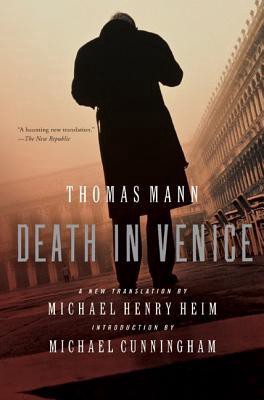
1. Death in Venice by Thomas Mann

Plague. Inappropriate fascination with a young boy. Sudden death. Mann’s claustrophobic novella about a writer named Gustav von Aschenbach who takes a holiday on the Lido island in Venice and becomes creepily obsessed with a boy before succumbing to cholera is a nightmare from its beginning to the untimely end.

2. Fear and Loathing in Las Vegas by Hunter S. Thompson

Going on vacation with Raoul Duke and his attorney, Dr. Gonzo, is not for the faint of heart. Though they theoretically head to Vegas to cover a motorcycle race for an unnamed magazine, the duo spend most of their time on a combination of LSD, cocaine, cannabis, alcohol, ether, and mescaline. Their drug-fueled trip is a hallucinatory, violent, psychotic roller-coaster and it’s enough to keep you away from drugs forever.

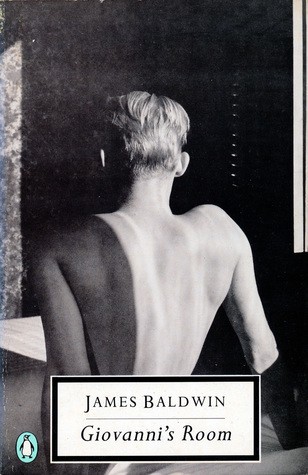
3. Giovanni’s Room by James Baldwin

Baldwin’s breathtaking novel opens with the protagonist, David, drunk and alone in a rental house in the South of France, a vacation he was supposed to be enjoying with his fiancé. David recounts the devastating story which brought him to this point, of falling in love with a man named Giovanni, his own refusal to accept his sexuality, and now Giovanni’s imminent execution.

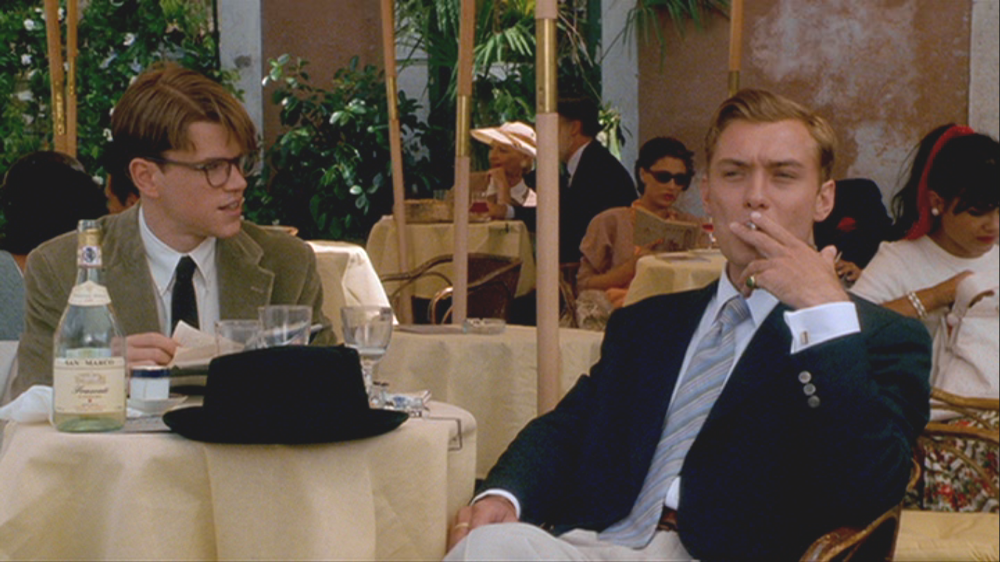
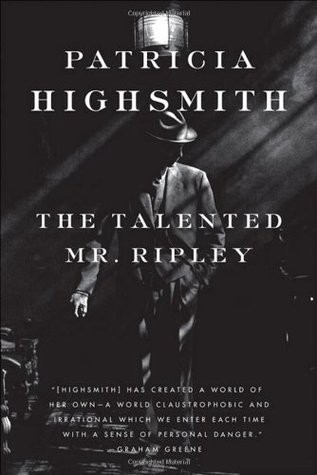
4. The Talented Mr. Ripley by Patricia Highsmith

Tom Ripley is a con man who sweet talks himself into the prime job of traveling to Italy to convince the rich playboy Dickie Greenleaf to come home to his family business. Tom becomes obsessed with Dickie and his jet-set lifestyle, and just as Dickie begins to tire of him, they take a vacation within their extended vacation to the beach town of Sanremo. Against the beautiful blue of the Ligurian sea, Tom bludgeons Dickie in a rowboat, dumps his body overboard, and assumes his identity.

11 Novels That Take Place During One Summer

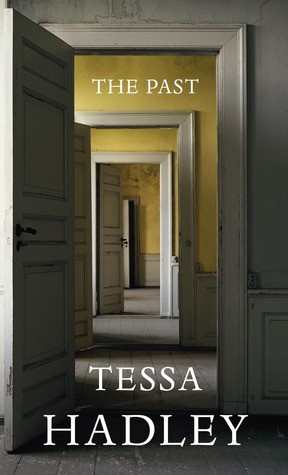
5. The Past by Tessa Hadley

If your family didn’t like each other back in the day, it’s never a good idea to gather together for a forced vacation as adults — the same gripes, manipulations, and subtle yet searing psychological tortures are bound to be brought out alongside the old Scrabble set. Tessa Hadley mines all the awkwardness and pent-up emotions of this scenario by bringing together the adult Crane siblings for three fraught weeks as they decide what to do with their crumbling family property.

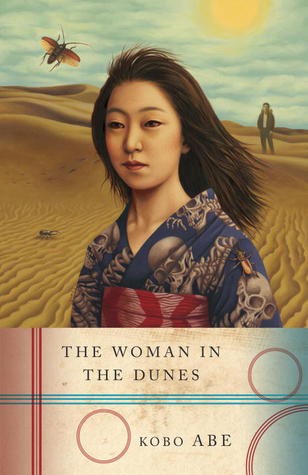
6. The Woman in the Dunes by Kobo Abe

In this existential novel, a schoolteacher named Jumpei Niki visits a fishing village for a little vacation to pursue his hobby: collecting insects. Things quickly go off the rails when he misses his bus home and the villagers offer him a house in the dunes to stay the night. Niki wakes up to find that the villagers have taken away the house’s rope ladder, trapping him alongside a young woman with whom he’s forced to shovel out the encroaching sand dunes that threaten to bury them.

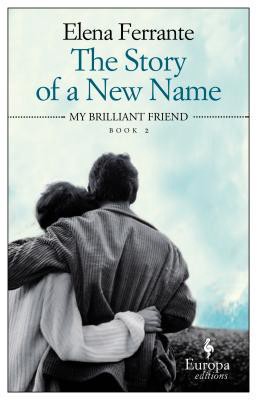
7. The Story of a New Name by Elena Ferrante

In the second novel in the Neapolitan trilogy, Elena and Lila are only teenagers, yet Lila is already in an unhappy marriage and carrying a child. When her abusive husband Stefano sends Lila to the island of Ischia for the summer to rest while she’s expecting, Elena joins her, but the supposedly recuperative beach vacation takes turns that mark both girls forever. Lila starts an affair with Nino, the boy that Elena has always loved, and in her despair Elena loses her virginity to Nino’s creepy old father. The trip ends as it began, with the girls’ unhappiness and Stefano’s violent fists.

8. The Sun Also Rises by Ernest Hemingway

Hemingway captures that feeling, familiar to many Spring Breakers, when a fun drunken vacation tips into a grossly intoxicated mess. A group of American and British expatriates, led by Hemingway stand-in Jake Barnes, take a trip to see the bullfights at Festival of San Fermín in Pamplona. Many, many jugs of wine later, and hearts and noses are broken, and one lucky woman got to bed a matador.

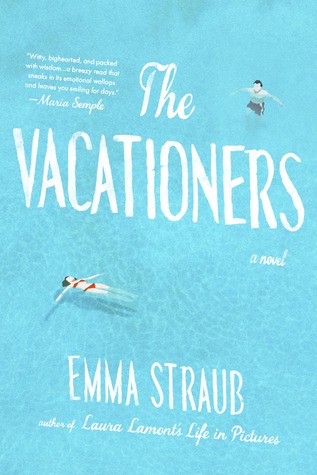
9. The Vacationers by Emma Straub

Straub chose one of the most beautiful settings in the world, the Spanish island of Mallorca, to stage her disastrous vacation. A New York family comes to the island to celebrate the head couple’s 35th wedding anniversary, but things get awkward as it turns out that everyone (literally, everyone) there is dealing with some kind of infidelity.

10. Tender is the Night by F. Scott Fitzgerald

Fitzgerald also chose a glamorous Mediterranean beach town to set his tale of infidelity, though he adds murder to the mix. Rosemary Hoyt is a young American actress who gets swept up in the dysfunctional, hard-partying circle of Dick and Nicole Diver. Her vacation takes a particularly bad turn after one of the Diver’s parties, when a man is murdered and ends up in her bed.

11. The Beach by Alex Garland

Even vacations can go on too long, as Garland shows in his 1996 novel about Richard, a British backpacker who discovers a secret community on an idyllic island in Thailand. On the surface, the community is a dream hippie commune living an extended vacation away from society, but after a few weeks Richard realizes that the scene is actually closer to Lord of the Flies than Utopia, and things turn just as violent.

Researchers Find Two Previously Unseen Sylvia Plath Poems

And more literary news from around the web…

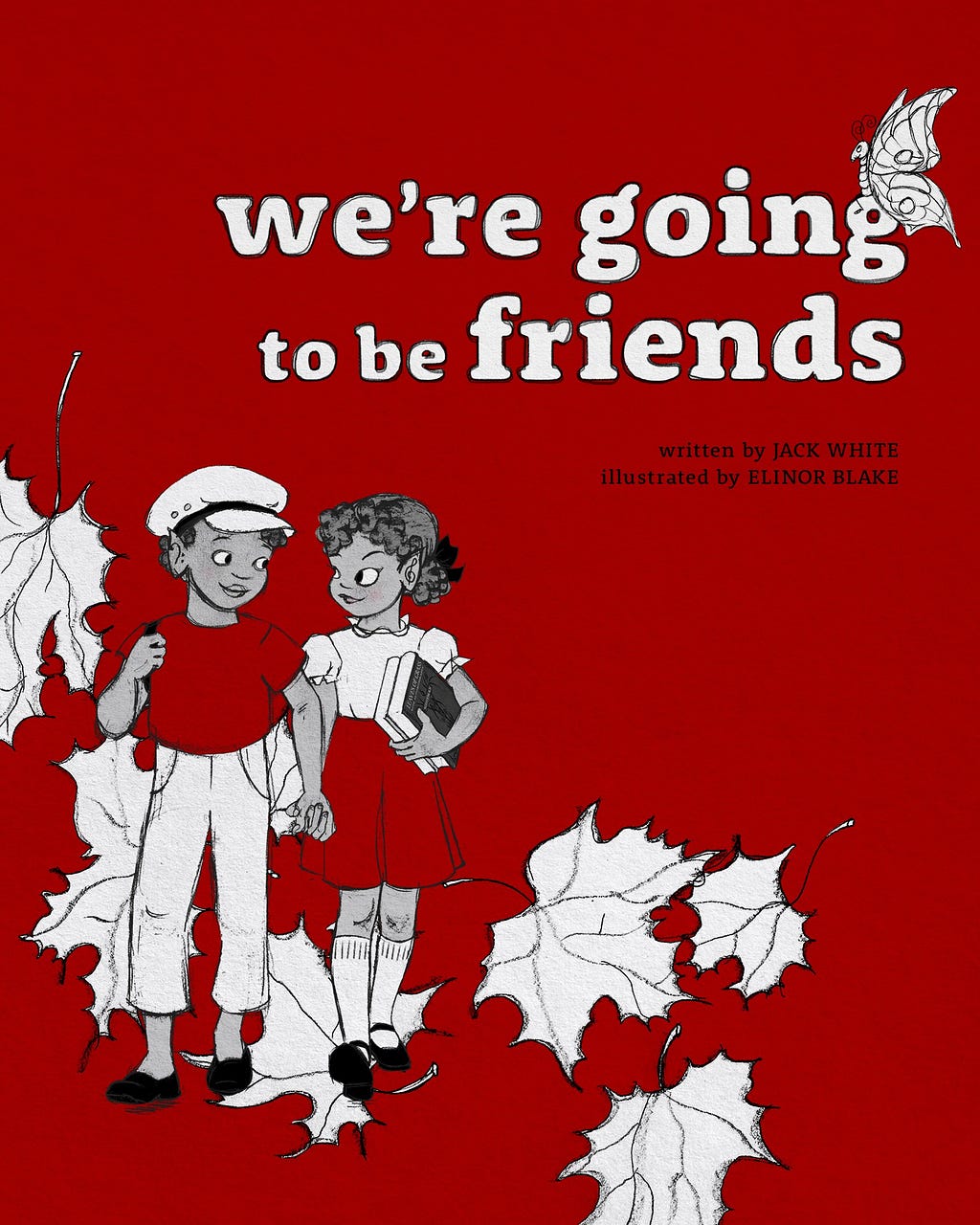
Get ready for your round-up… Sylvia Plath is resurrected with a pair of newfound poems, data gets democratized, Jack White makes a children’s book just in time for his early 2000’s teen fans to start having kids, and Trump and Pope Francis contend for the most awkward book trade of all time.

Two Sylvia Plath Poems Are Unearthed

It’s easy to succumb to the notion that in the canon of heavily researched and studied authors, there’s simply not much left to discover, save for maybe new, thoughtful interpretations of their work or, in the case of Marcel Proust, some pretty entertaining film footage. For Sylvia Plath, who has attracted devout attention from readers and academics alike, what more could there be? Hell, they’ve even published the unabridged version of her journals for public consumption. Just when it seemed like there wasn’t much more to dig up, Gail Crowther and Peter K Steinberg have announced a new finding: two of Plath’s poems written on a sheet of carbon paper, titled “To a Refractory Santa Claus” and “Megrims.” According to The Guardian, the pieces had been tucked away in the back of an old notebook, and in the roughly fifty years that researchers poured over her archives, nobody noticed them. With the help of Photoshop, Steinberg was able to decipher the faded ink. He says, “the poems definitely can be classed as early [because] no other copy appears to exist it might be surmised that they aren’t very good.”

Nevertheless, it’s fascinating to see firsthand the development of one of American literature’s most celebrated voices.

[Danuta Kean, The Guardian]

Free Data, Ya’ll (No, Not for Your Phone Plan, But Still Good News!)

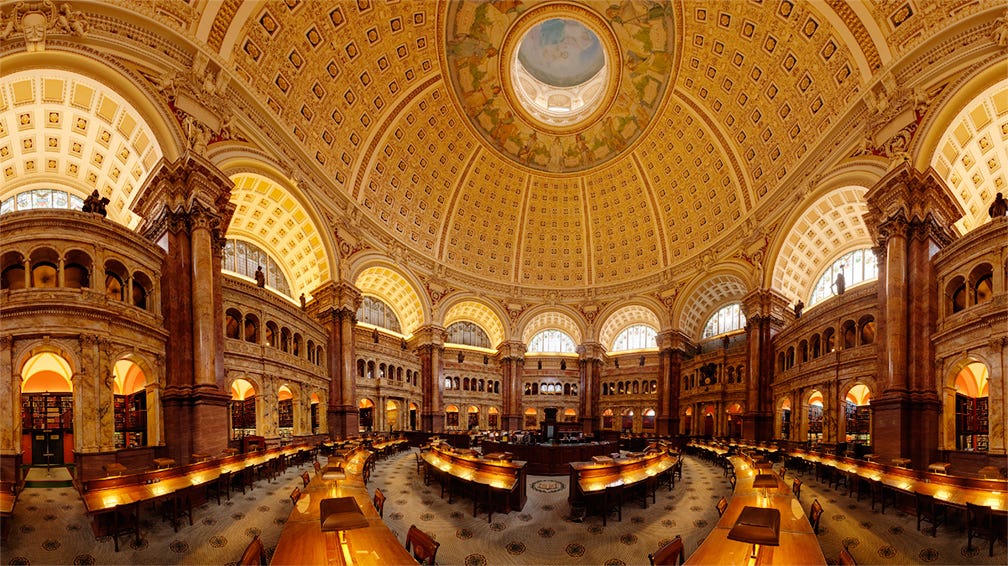
Lately, there hasn’t been much to celebrate in terms of our government (that is unless of course you are on the Death Eaters’ side, in which case, congratulations). Politics aside, there’s some news we can all celebrate: The Library of Congress has made 25 million records from its catalog free to download! The public will be able to access the content, here. This is definitely a step in the right direction towards democratized access to information.

[Dan Colman, Open Culture]

Jack White Is Bringing Suzy Lee to the Page

Along with the artist Elinor Blake, Jack White is transforming one of The White Stripes most famous hits, “We’re Going to be Friends,” into the narrative of a children’s book. The original audio from the song, as well as newly performed versions by April March (Blake’s musical alter ego) and The Woodstation Elementary School Singers, will be included in the purchase for digital download. The book will be released in November, shortly after The White Stripes celebrate their 20th anniversary as a band.

[Alex Young, Consequence of Sound]

Photo Credit: Evan Vucci/AP

Award for Most Awkward Book Exchange Goes To Trump & Pope Francis

My mother and I previously won this award when she gifted me Girl Stuff: an early 2000’s guide to puberty and sex, and then forced me to publicly read it while we were vacationing at the beach. I’m quite happy to pass along the trophy to our President and Pope, who engaged in a tenuous, politically charged book swap during Trump’s tour of the Vatican this week. As is customary, the two leaders exchanged gifts; Trump gave the Pope a first edition set of the Martin Luther King’s writings (what’s the over/under on whether or not he’s read them himself?), and Francis gave Trump a copy of his encyclical on climate change, along with a medallion featuring an olive tree, emblematic of his hope for peace.

[Emma Green, The Atlantic]

Artificial Intelligence & Climate Change…in a Race to the End of the World

Job Opportunity: We’re Looking for an Editor

JOB DESCRIPTION

The Editor-in-Chief of electricliterature.com drives the editorial vision of the website and is responsible for all content on electricliterature.com, excluding verticals (e.g. Recommended Reading and Okey-Panky). The EIC reports directly to the Executive Director, and will work with the ED to ensure that every piece published on electricliterature.com contributes to Electric Literature’s mission: to expand the influence of literature in popular culture by fostering lively and innovative literary conversations and making extraordinary writing accessible to new audiences.

The EIC is responsible for maintaining levels of journalistic professionalism, content quality, and site performance established by the ED. This includes but is not limited to scheduling, budgeting, presentation (visual and editorial), content development, and promotions. The EIC is the direct supervisor of the site’s contributing editors and will ensure contributing editors fulfill their responsibilities and follow best practices established by the EIC and the ED.
This is a salaried, full-time position with benefits, based in New York City. To apply, please send a cover letter, resume, and published writing sample to editors@electricliterature.com by midnight on Thursday, June 8th, with the subject: EIC APPLICATION — Your Name.

QUALIFICATIONS

  • At least three years of online editorial experience, including experience recruiting freelancers, managing a publication schedule, and maintaining an editorial calendar and budget
  • At least two years of management experience and demonstrated leadership ability
  • Immersed in the literary scene and regular readers of work by contemporary authors, as well as literary magazines, journals, publications, and literary news
  • Published your own non-fiction and cultural criticism in reputable online publications
  • In-depth knowledge of electricliterature.com and the content we publish
  • Educational background in literature, media studies, or journalism is prefered but not required
  • Non-profit and grant writing experience is also a plus

CHARACTERISTICS

  • Avid reader
  • Skilled writer and editor
  • Challenges oneself and continues to set high standards
  • Believes in EL’s mission and has a vision for how the site should best achieve it
  • Organized and motivated

SKILLS

  • Experience using social media in a professional capacity (Twitter, Facebook)
  • Familiarity with Reddit, Tumblr, and Medium
  • Skilled at writing informative, enticing headlines
  • A keen visual eye and a knack for selecting compelling images
  • Knowledge of Google Analytics, SEO, Google AMP, and Google Play
  • Familiarity with Adobe Design Suite

RESPONSIBILITIES

EDITORIAL

  • Maintain an editorial calendar and distribute posts evenly through the week
  • Ensure contributing editors are updating calendar and discuss scheduling with them on a weekly basis
  • Discuss short-, mid-, and long-term editorial plans with contributing editors and provide feedback on the topic, content, and angle of proposed articles
  • Commission and edit work by freelancers, and review freelancer pitches
  • Review all articles prior to publication and check for formatting errors and errors in grammar and spelling
  • Approve all headlines and images
  • Rewrite headline and select new images when necessary
  • Develop and regularly update best practices for all content, including but not limited to images, tags, headlines, formatting, house style, and correction policy
  • Maintain a centralized document outline of those best practices and policies, and communicate them to and enforce them with contributing editors
  • Regularly recruit new writers for the site
  • Hold regular (at least bi-weekly) editorial meetings to brainstorm new content ideas, strategies for improvement, review best practices, and note problem areas

WRITING

  • Contribute regularly to the site, at least one post per week. This can be a mix of short form and long form pieces, with at least one longform piece per month

FIDUCIARY

  • Allocate funds to freelancers on a monthly basis according to a budget set by the ED
  • Maintain a detailed freelance budget
  • Track surplus and deficit and evaluate allocations of funds to be most efficient and effective

PROMOTIONAL

  • Coordinate with social media editor on social media promotion for all posts
  • Use editorial calendar to identify newsworthy or marquee posts for additional promotion attention, and develop additional promotional strategies for those posts
  • Evaluate social media performance and discuss paths to improvement with Social Media Editor

AUDIENCE BUILDING

Develop new audience building strategies, including, but not limited to:

  • New content strategies
  • Improvements to the newsletter
  • Leveraging Medium to reach new readers
  • New social media strategies
  • Identifying new editorial spaces to cultivate
  • New promotional strategies

ANALYTICS AND REPORTING

  • Closely track site analytics on Medium, Google Analytics, AMP, and any other platforms EL uses
  • Closely track social media analytics for Twitter and Facebook
  • Conduct A/B testing for article framing
  • Discuss site performance with Executive Director on a monthly basis
  • File in-depth quarterly traffic reports to the Executive Director
  • Make biannual presentations to the Board of Directors

SUPERVISION

  • Act as the direct supervisor to contributing editors
  • Schedule regular check-ins with contributing editors to share feedback, discuss new ideas, and communicate policy changes
  • Act as a liaison between contributing editors and the ED
  • Assist in supervision of interns with Senior Editor and ED

FUNDRAISING, EVENTS, AND SPECIAL PROJECTS

  • Work with ED and contributing editors to brainstorm for project-based funding opportunities
  • Provide information and language for grant applications that concern electricliterature.com projects
  • Along with the rest of the staff, help to plan and promote fundraising and other major events.
  • Contribute to other special projects as needed. This may include project management on a case by case basis
To apply, please send a cover letter, resume, and published writing sample to editors@electricliterature.com by midnight on Thursday, June 8th, with the subject: EIC APPLICATION — Your Name.

Boys Will (Not) be Boys

Everyone loses something in war. Sometimes, the lucky ones — the winners — are able to recover pieces of those things they lost. The others might search their entire lives, finding nothing of comfort from the past. That’s the cruel nature of war; it’s relentlessly unforgiving.

Daniel Magariel’s sublimely affecting debut One of the Boys opens at the end of a “war,” the name the unnamed father uses to describe the custody battle following his tumultuous divorce, with the father taking his two sons from their mother in Kansas to their new home in New Mexico. The unnamed 12-year-old narrator and his (also unnamed) older brother feel victorious, basking in their new light as being “one of the boys.”

The new family begins playfully, with the father appearing child-like, joking and frequently citing the newfound happiness he feels while being around his sons. The lightness continues even after glimpses of darkness begin to appear. When the sons find their father using marijuana, the father’s response is casual:

“We are all entitled to one bad habit, aren’t we? Aren’t we? You guys have bad habits too.”

Soon after this initial glimpse into his father’s drug usage, the narrator describes a more concerning moment: “He stared blankly into the frying pan, stirring the eggs, waiting for them to cook. He still had not realized the burner was off. Before, he’d been at the countertop buttering bread until the centers gave out. He was trying to act normal, make his kids breakfast before school. His scruff was long, hair matted. The capillaries in his eyes were exposed wires. He had not slept for days. He was still in last week’s clothes. At the table my brother and I ate cereal, watched him, exchanged smirks.” The perfect, new family isn’t so perfect anymore. And the boys realize this truth.

Magariel’s slim novel (under 180 pages) somehow, miraculously, manages to evolve slowly, building a haunting and tender experience that novels double One of the Boys’ size struggle to achieve.

The Lingering Ghosts of an Author’s Oeuvre

The way Magariel pulls off this feat has to be accredited to the meticulous development of the young narrator. The boy’s initial naivety gives the father’s vileness time — and room — to grow. The father pleads to the narrator to trust him — to believe him and him alone. He says, ““You were my decision,” and he continues, “Did you know that? Your brother was an accident. He wasn’t planned like you. To be honest I didn’t even want him.” The father even crafts an elaborate lie, while trying to win his youngest son’s loyalty: “That time I took you fishing. I didn’t take your brother, did I? Know why? You’re special, that’s why. Your first cast you dropped the lure right on the fish’s head. I knew then, I mean I really knew, like really knew that you had magic in you, son. The same magic I have. You got it from me.” The boy falls into the father’s hands, but, as the narrator matures and begins to see the truth surrounding him, the boy’s kind spirit and loving heart works to overcome the father’s cruel “method of control,” especially after physical abuse, fully realized with knives and ropes, enters the picture. The narrator comes of age before our eyes.

While One of the Boys explores a number of themes, including deceit, the bonds of family, and and youthful naivety, masculinity is the issue Magariel seems most focused on dissecting. Magariel shows how toxic being “one of the boys” can be. To fit in, the narrator does terrible things. He hurts the ones he loves. He betrays his brother. He lets down his father. He turns his back on his mother. He fails everyone because he’s too focused on fitting into a mold of expectation. It’s when the narrator steps back and examines himself that he experiences his realization of truth: he’s becoming his own man, one that he’ll have to develop and shape.

The compactness and fragile familial bonds on display here will undoubtedly cause readers to compare Magariel’s debut to Justin Torres’ We the Animals. The two novels do certainly share a common terrain; however, Junot Diaz is the writer who I couldn’t help but think of as the closest kin to Magariel as I closed One of the Boys. There’s an unsparing feeling here that reminds me of Drown. There’s a call for perseverance that makes me think of The Brief Wondrous Life of Oscar Wao. There’s also an exploration of weakness and timidity that brings This is How You Lose Her back to my mind.

Regardless of comparisons, Daniel Magariel is a name to remember because what he’s delivered with his debut is an accomplished work of dazzling, lyrical prose combined with riveting storytelling. The result is explosive and powerful. Magariel demands our attention. He’s more than earned it with One of the Boys.

The 12 Creepiest Companies in Literature

By now it shouldn’t elicit a reaction at all, but sometimes I still feel a shiver of unsettled awe when my webpages populate with ads that are targeted at me. How does Google know that I’m interested in that? I wonder, even though I know perfectly well that the answer lies in algorithms and browsing history and the careful mining of data.

I know I’m not alone, which is why it’s not surprising that dystopian novels are seeing a resurgence of popularity. (Orwell’s 1984 became a best-seller again in January.) Who wouldn’t feel a little paranoid in the modern world? The news cycle offers weekly revelations about shady corporations, from car companies that purposely lie about their environmental safety standards to tech devices that can be used as evidence against us in court. Even the companies that are supposed to have revamped the work environment to focus on worker’s health and happiness are being exposed as toxic firms that serve up misogyny and racism along with free sparkling water.

Literature allows us the oddly satisfying experience of reading about companies that embody our worst fears, and perhaps even act as a kind of warning sign, like The Jungle for climate change or Internet privacy. Here are 12 novels that serve up the creepiest of corporations, from brain research facilities doing unauthorized surgeries to all-knowing data companies, and even a corporation so hell bent on profit that it destroys the earth as we know it.

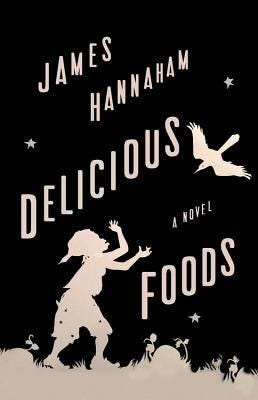
1. Delicious Foods in Delicious Foods by James Hannaham

Hannaham’s powerful second novel offers commentary on both the institution of slavery in the US and the companies that continue to practice a version of modern slavery, holding their “employees” in a vicious cycle of debt and depravity. Darlene is primed for the trap; a grief-wrought young widow who is self-medicating with drugs, she’s easily lured by an offer of work from a company called Delicious Foods. In reality, the company is the opposite of a piece of cake—Delicious Foods keeps its employees bound in virtual slavery by forcing them to preform hard labor in return for food, lodging, and drugs.

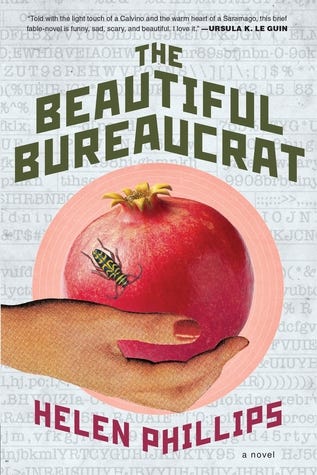
2. The Company in The Beautiful Bureaucrat by Helen Phillips

When Josephine takes a job at a generic, windowless office, tasked with entering endless strings of numbers into The Database, it all feels about as bland as bland can be. But Helen Philips takes all the mundane aspects of a workplace — the clacking of keyboards, lifeless rooms, and coworkers who pop up just when you’re slacking off— and exaggerates and tweaks them until you, and Josephine, feel a not unwarranted chill of dread.

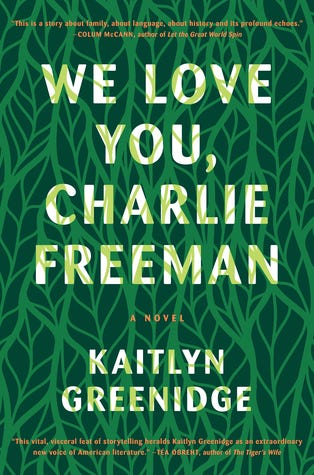
3. The Toneybee Institute for Ape Research in We Love You Charlie Freeman by Kaitlyn Greenidge

Greenidge’s awesome debut novel offers a literal, and very disturbing, take on institutional racism. The Toneybee Institute for Ape Research creeps out the Freeman family children at first encounter and it’s not hard to see why; the all-white staff puts the African-American Freeman family under constant video surveillance and treats them like specimens, though technically the subject of the study they’re participating in is the chimp they’re teaching to speak sign language.

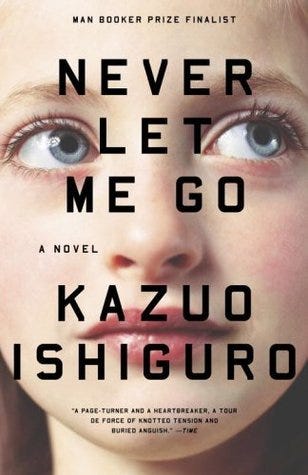
4. The Carers in Never Let Me Go by Kazuo Ishiguro

Just the name of Kathy’s job in Ishiguro’s Booker Prize-finalist sounds off-putting: she is a “carer” for “donors” who are on their way to being “complete” — i.e. dead. Ishiguro’s dystopian world is particularly bone-chilling in this regard: not only are the “donors” clones who have been raised to donate their organs in order to extend the lives of their original humans, but they are expected to care for their predecessors. This is a situation in which I would not suggest making friends at work.

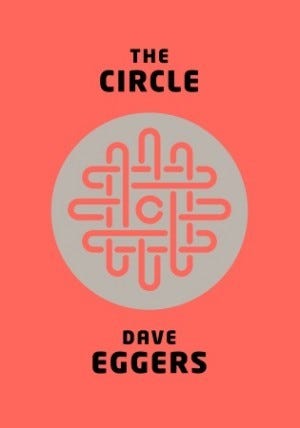
5. The Circle in The Circle by Dave Eggers

The Circle is the world’s most powerful internet company, based, where else, in California. The Circle is the not-so-subtle culmination of our worst fears about tech giants like Google and Facebook. It collects its users’ personal information — emails, bank accounts, social media, the works — and offers untold “transparency.” That’s tech speak for “we have all your information and you have no where to hide.”

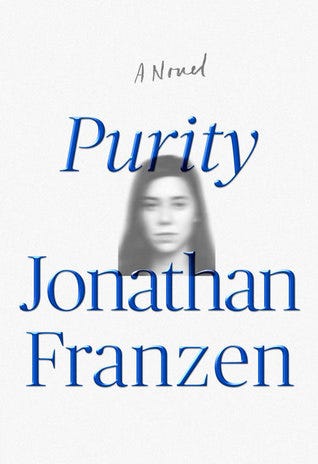
6. The Sunshine Project in Purity by Jonathan Franzen

Imagine Wikileaks run by a narcissistic German on the lam in Bolivia and you have The Sunshine Project, an organization that collects and trades secrets. Despite its obviously shady credentials, the Project easily draws in a young woman named Pip. Pip’s attraction to the organization seems like Franzen’s not so subtle warning/disgust at the vulnerability of young people who are struggling with student loans and the search for “self.”

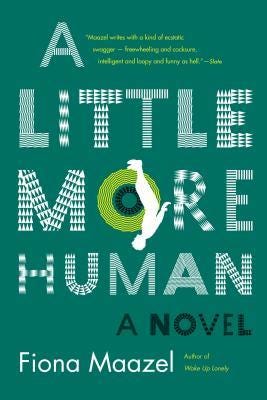
7. SCET in A Little More Human by Fiona Maazel

SCET is a family-run biotech research and rehabilitation center on Staten Island that helps Iraqi war veterans…oh, and it preforms experimental brain surgery. The extent of those experimental surgeries is part of the mystery at the heart of Maazel’s latest novel, but it’s never a good sign when you learn that the owner of the brain research center is himself is suffering from degenerative dementia and is hellbent on a cure.

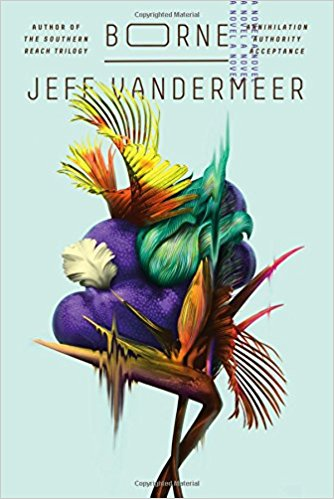
8. The Company in Borne by Jeff VanderMeer

Here is another capital C Company. This one’s actions don’t just threaten to end the world as we know it — they actually do it. The Company was a biotech firm whose sinister products, like the “Company moss,” a tool for corporate surveillance, have left the world (or what’s left of it after the climate apocalypse) a broken, scary place.

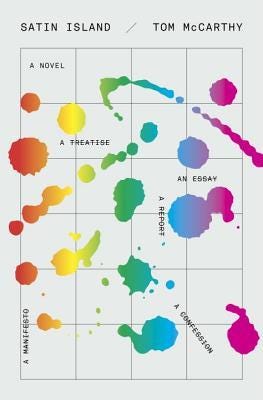
9. Unnamed London Consultancy Firm in Satin Island by Tom McCarthy

Satin Island is McCarthy’s take on big corporations and their data-focused, soulless strategies for success. A man called U is a consultant ethnographer who has been hired by a major London company to write “The Great Report,” an unspecified compendium of the age. The firm will use this report in its goal to help companies and governments, “elaborate and frame regenerative strategies,” “contextualize and nuance their services and products,” and “brand and rebrand themselves.” Like in his novel Remainder, McCarthy manages to make sterility, even vagueness, extremely unsettling.

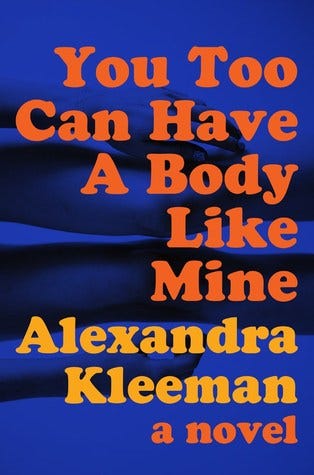
10. Kandy Kakes in You Too Can Have a Body like Mine

One of the major themes in Kleeman’s debut novel is food and the ways that corporate America gets us to buy, ingest, and regret eating it. The epitome of her criticism comes in the form of Kandy Kakes, a processed “food” made from three layers of “caramel,” “chocolate,” “Choco shrapnel,” and a “top-secret ‘Kandy Kore.’” Their mascot is Kandy Kat, a hybrid of Chester Cheetah and that squirrel from Ice Age who is forever trying, and violently failing, to get the acorn. The tagline of the one hundred percent chemically created snack is Real Stuff. Real Good. The scary part is that you wouldn’t be surprised if Hostess decided Kandy Kakes was a fabulous idea.

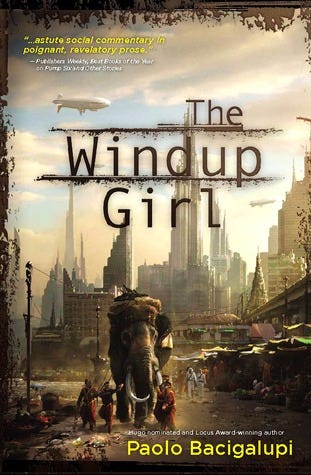
11. AgriGen in The Windup Girl by Paolo Bacigalupi

Bacigalupi’s award-winning debut novel takes place in a futuristic Thailand that has been devastated by environmental disaster. In this world, calories are king and AgriGen is one of the mega-corporations who provides them. It’s unsettling enough to envision a world where corporations are literally selling survival, but it doesn’t help that this company isn’t above bioterrorism, theft, or murder to control the market for its goods.

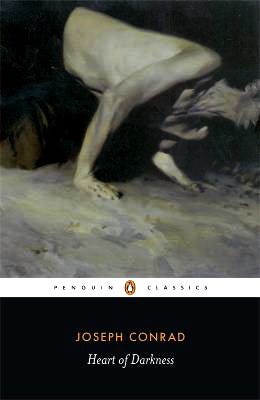
12. The Trading Company in The Heart of Darkness by Joseph Conrad

The trading company in Conrad’s 1899 novel appears at first to be a typical colonial enterprise, but that’s Conrad’s point: this story is about just how far the company, and colonialism, veers from any ethical standards. The tale is narrated by the Director of Companies, though it is really the story of a trader named Marlowe. As Marlow travels the Congo, he finds that the Company is a racist, violent machine which brutalizes the native populations — and his coworkers don’t bat an eye.

The Day Jobs of 9 Women Writers

Neil Gaiman May Read the Cheesecake Factory Menu

And other news from the literary world

What do Neil Gaiman, Cheesecake Factory, book collecting, and the Russian Charles Bukowski have in common? They’re all part of the new Twin Peaks mythology…Nah, not really. But they are filling out today’s literary news.

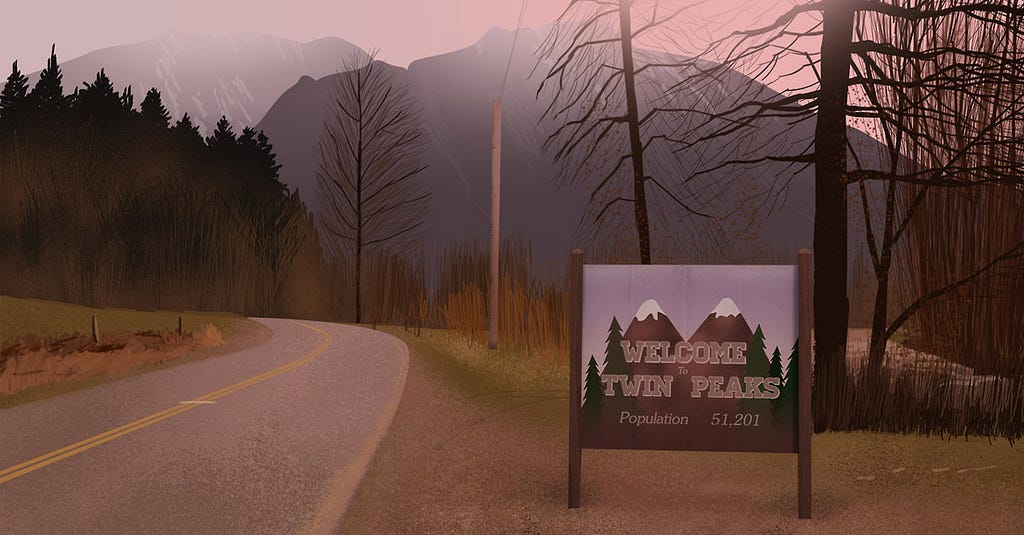
A New “Twin Peaks” Book is Coming this Fall

Fans of Twin Peaks have even more to be excited about, as show co-creator Mark Frost has announced he’s set to publish a novel this fall titled Twin Peaks: The Final Dossier. Billed as a loose follow-up to his 2016 novel The Secret History of Twin Peaks, the book will help fill viewers in on what happened in their favorite whacko Pacific Northwest town in the 25 years between seasons. Commenting on his goals for the book, Frost said, “I wanted to frame [the search for hidden truths] in a setting that includes mysteries and secrets of all types and let the reader sort their way through it and see what they think.” Sounds like a plan. See you guys at the Black Lodge. Wait, is it the White one? Which one is better, remind me?

[Los Angeles Times/Michael Schaub]

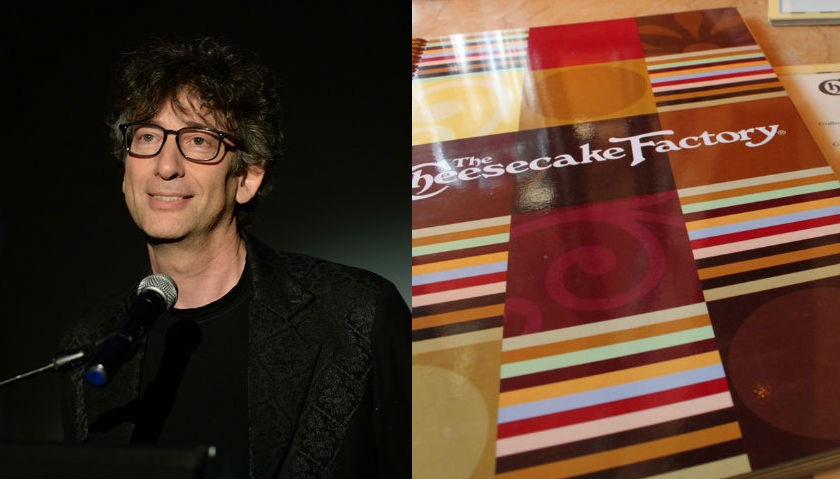
Neil Gaiman May Dramatically Read the Entire Cheesecake Factory Menu

Writer Sara Benincasa has appealed to American Gods author Neil Gaiman to perform a dramatic reading of the entire Cheesecake Factory menu, so long as she can raise $500,000 for the charity of his choice. A bit out of left field? Sure, but Gaiman accepted the challenge, selecting the United Nations Refugee Agency as the beneficiary of Benincasa’s efforts. You can donate on their Crowd Wise page. For anyone who needs reminding, the Cheesecake Factory menu is really really really long and pretty intricate — think Norse mythology but with fettuccine alfredo and multi-thousand calorie appetizers.

[Huffington Post/Katherine Brooks]

New Prize for Female Book Collectors

The women behind Brooklyn’s Honey & Wax bookstore have announced a new prize aimed at young female book collectors. It’s open to anyone under 30, and the $1,000 award hopes to incentivize a new generation of women readers to participate in the rare books trade. So, have you been wondering who’s going to help you out with that burgeoning stash of early biology manuals authored by discredited continental medical men? Wonder no more! Apply here by July 17th.

Russian Poet to Run for Moscow Office

Russian poet and leftist political activist Kirill Medvedev has announced his candidacy for Municipal Deputy of Moscow’s Meshchansky District. Medvedev, a staunch anti-Putinist, gained recognition both in Russia and internationally for It’s No Good, his 2012 collection of poems and essays, as well as his Russian translations of Charles Bukowski. In recent years, he has forgone corporate printing and distribution of his work, preferring an anti-capitalist model. Medvedev’s full candidate statement can be read on his public Facebook page. Hopefully this news might inspire some American poets to make a return to politics (looking at you, presidential candidate Eileen Myles).

[Melville House/Ian Dreiblatt]

Expanding the Twin Peaks Universe